


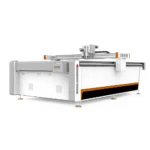
2516 CNC Vibrating Knife Cutting Machine for Corrugated Cardboard | OEM Available
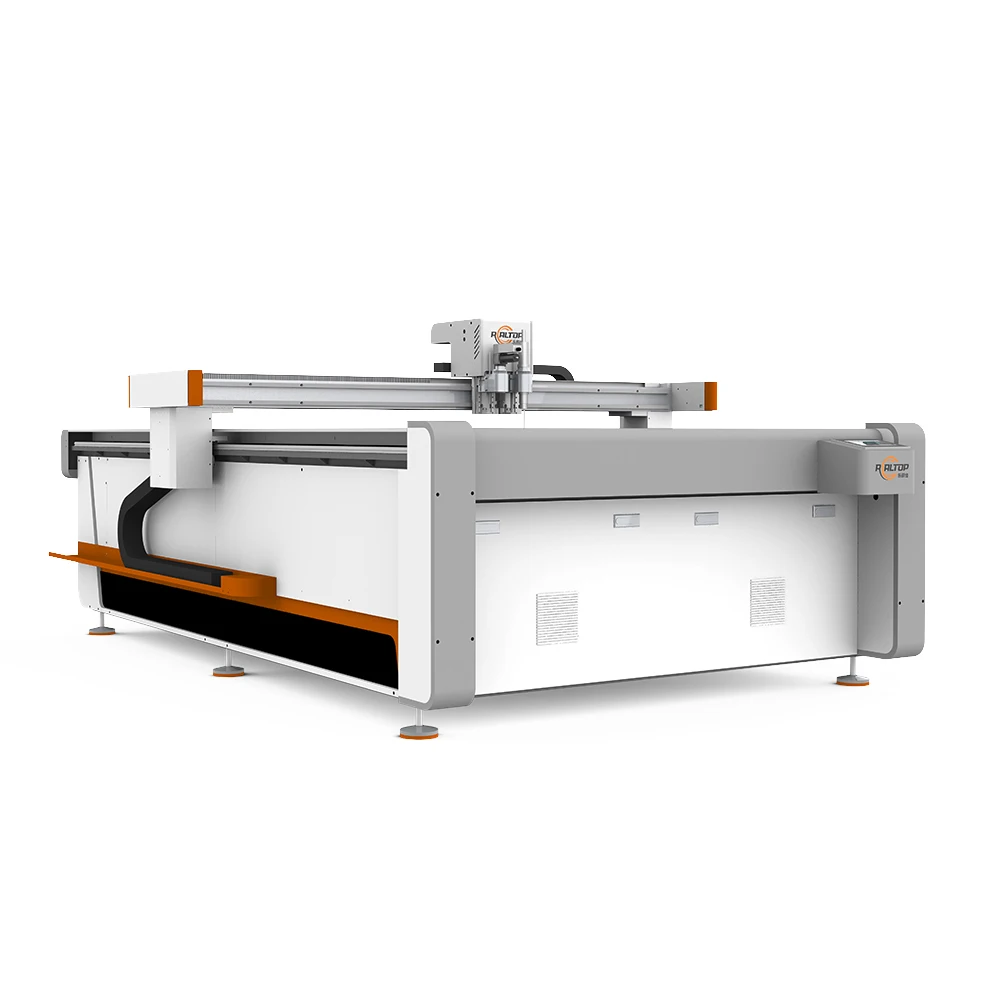
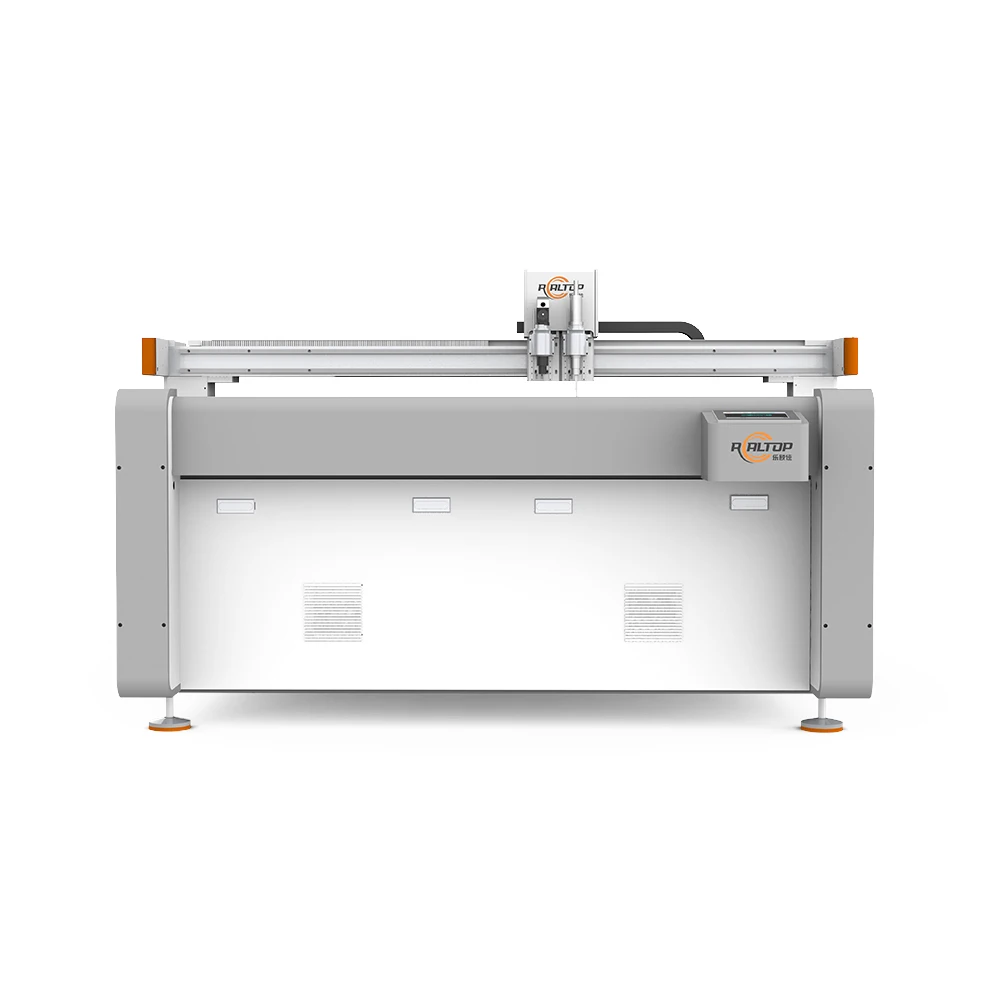
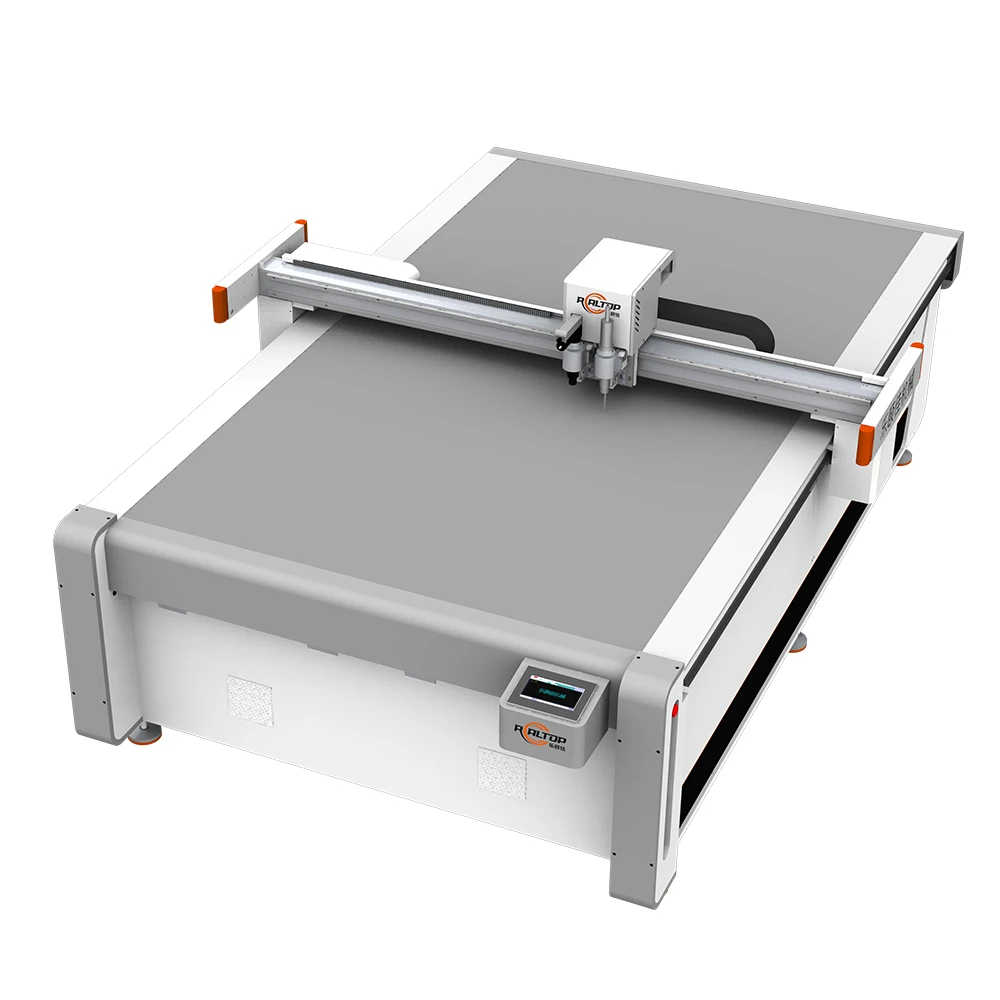
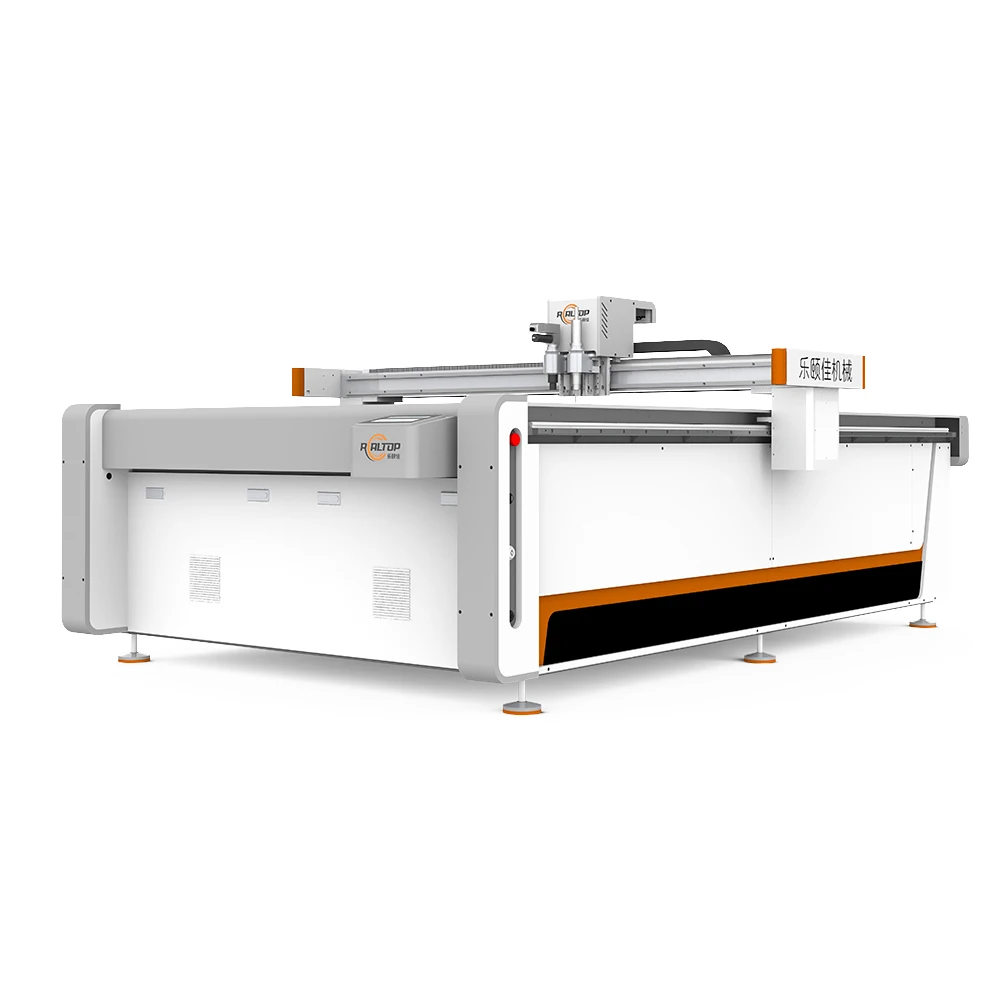
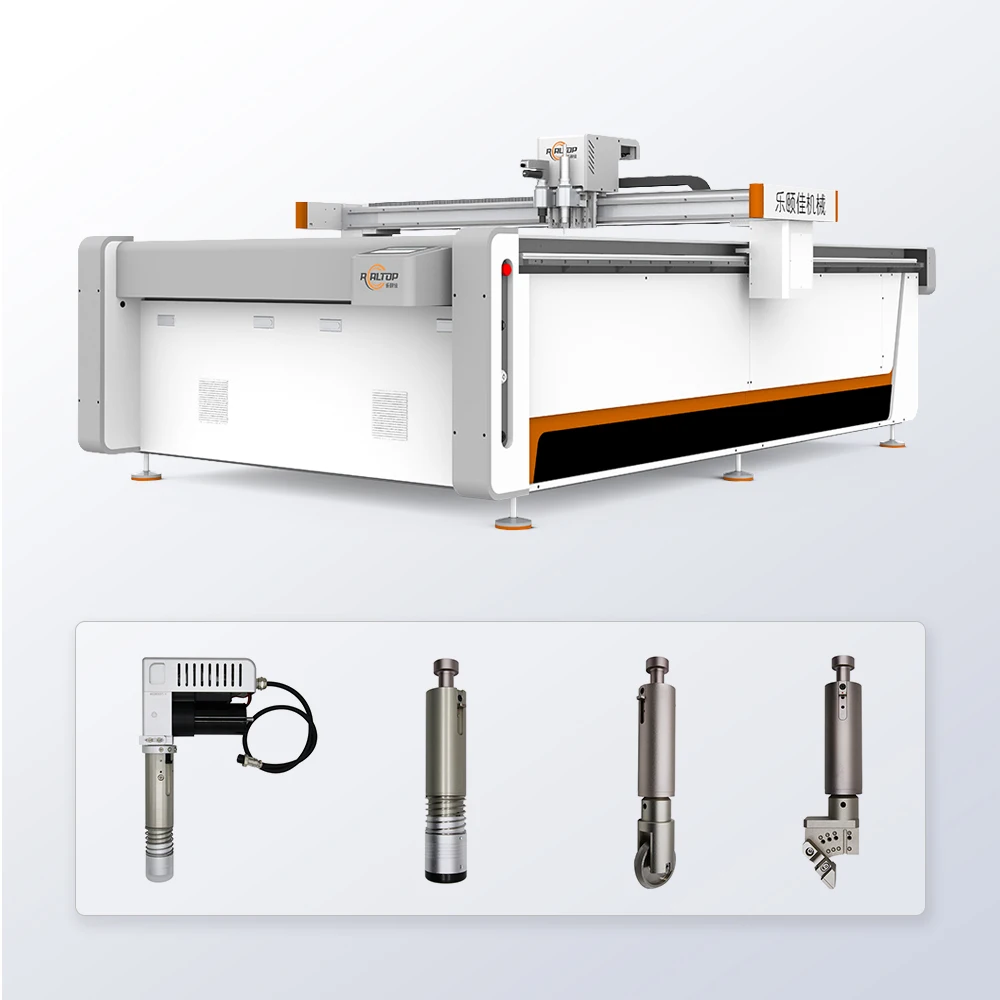
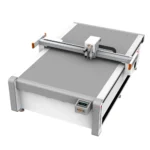
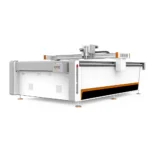
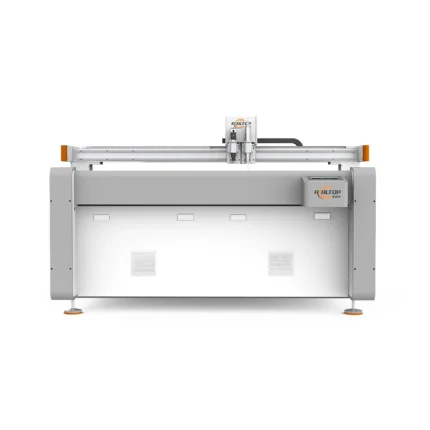
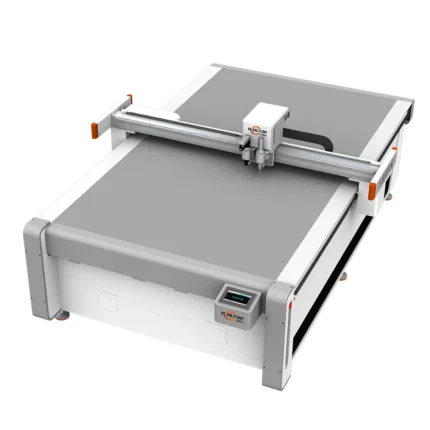
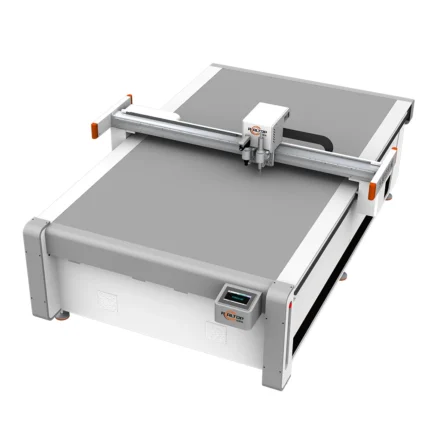
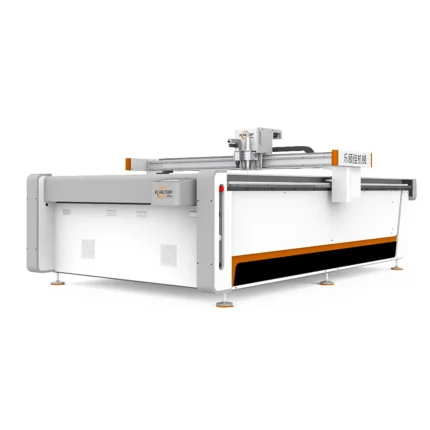
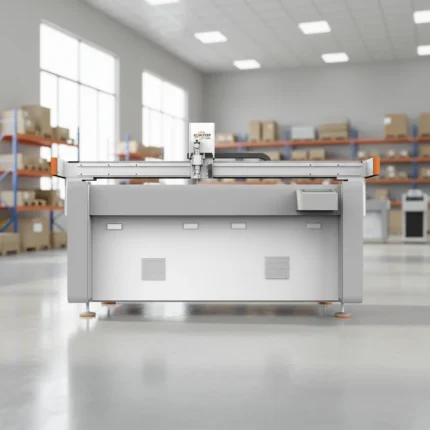
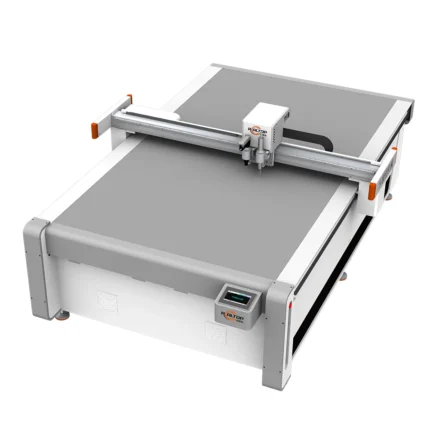
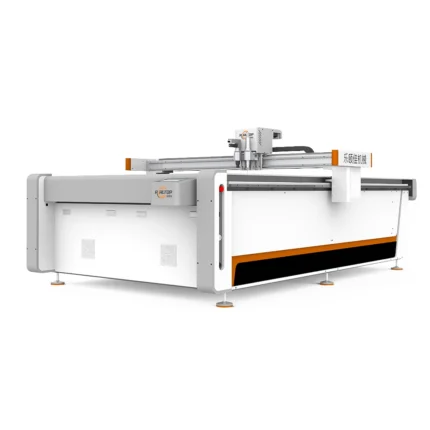
1625 CNC Oscillating Knife Cutting Machine, 1600×2500mm, ≤40mm Thickness, ±0.1mm Accuracy — engineered for corrugated cardboard, foam, and composite packaging materials with seven interchangeable tool heads including oscillating knife, creasing wheel, and V-groove options.
The aluminum bellows vacuum table provides full-surface adsorption to prevent material lift during high-speed cutting of small carton samples, while the PLC control panel with dedicated packaging design software supports PLT, DXF, AI, and PDF file formats across multiple languages.
Sample cutting validation on your specific corrugated flute type and foam density ensures tool head configuration matches production requirements before commitment.
- Working area: 1600×2500mm accommodates standard packaging sheet sizes
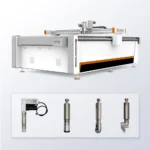
- Tool options: Oscillating knife, driven rotary, creasing wheel, kiss cutting, pneumatic, milling, V-groove
- Voltage flexibility: 110V, 220V, 380V with custom frequency and plug configurations
- Safety features: Infrared sensors and emergency stop devices integrated
Configurable Tooling & Process Control — the 1625 platform supports seven distinct tool head options so packaging converters can run cutting, creasing, and milling on one table without secondary equipment.
Technical Specifications
| Parameter | Value |
|---|---|
| Model | 1625 |
| Product Type | CNC Oscillating Knife Cutting Machine |
| Working Area | 1600 × 2500 mm |
| Tool Head Options | Oscillating knife, Driven rotary knife, Creasing wheel, Kiss cutting tool, Pneumatic knife, Milling tool, V groove knife |
| Cutting Thickness | ≤ 40 mm (basis not stated in source — confirm material type and density) |
| Cutting Speed | 0–1500 mm/s |
| Cutting Accuracy | ±0.1 mm |
| Vacuum Pump Power | 9 kW |
| Voltage Options | 110V, 220V, 380V (frequency to be confirmed) |
| Servo Drive Options | Panasonic, Delta, Dorna (verify against manufacturer catalog) |
| Control System | PLC control panel |
| Supported File Formats | PLT, DXF, AI, PDF |
| Safety Device | Infrared sensor device and emergency stop device |
| Machine Size | 3300 × 2100 × 1350 mm |
| Vacuum Table | Aluminum bellows vacuum table |
| Software | Dedicated packaging box structure design software included |
| Language Options | English, Russian, Italian, Chinese, custom languages available |
| Frame | Heavy-duty frame with precision-ground surface |
| Energy Saving Feature | Custom vacuum pump cast from aerospace-grade aluminum (source value — verify against manufacturer catalog) |
| Certification | CE |
Application Suitability
| Application | Material or Output |
|---|---|
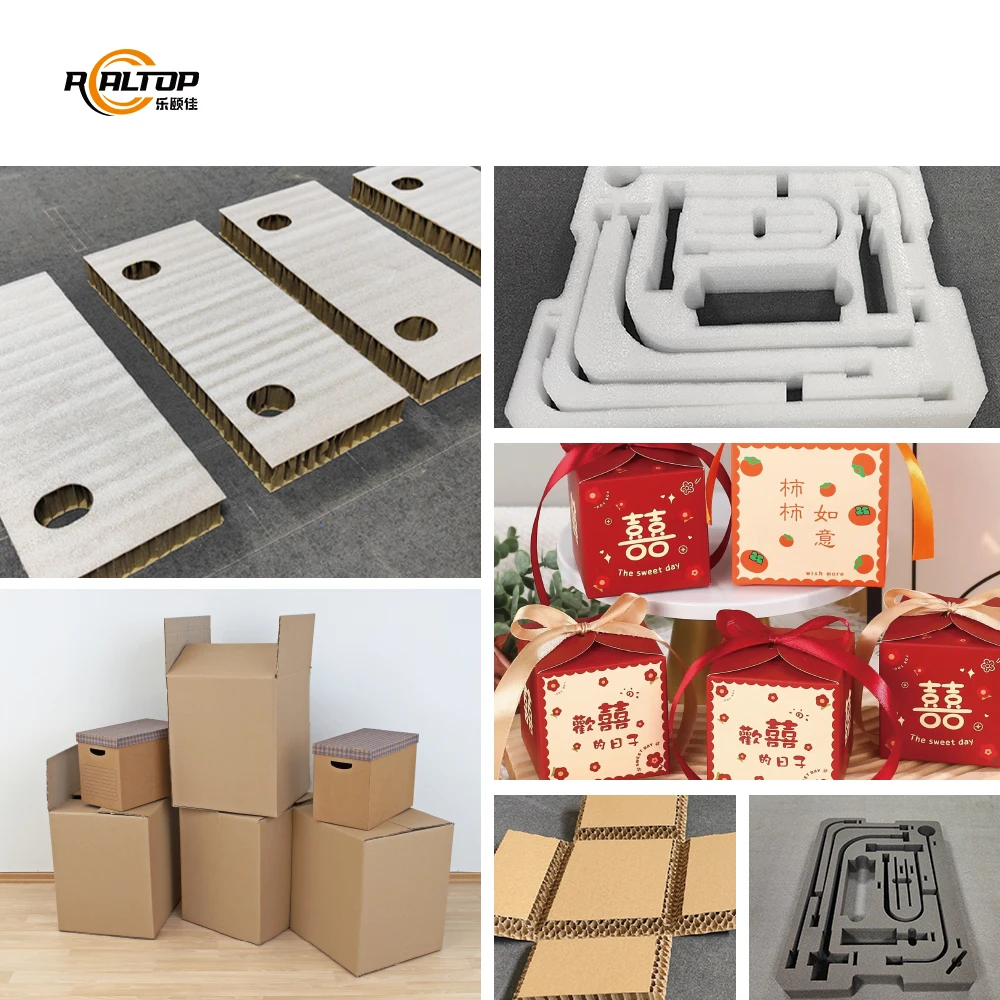
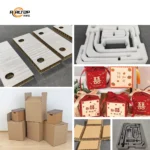
| Packaging sample making | Corrugated cardboard (E-flute, B-flute, BC-flute), greyboard, cardstock |
| Carton prototyping | Art paper, specialty paper, adhesive-backed materials |
| Protective packaging inserts | EVA foam, EPE foam, PU foam, rubber mats |
| Custom inner lining | Velvet/fleece fabric, non-woven fabric |
| Rigid and semi-rigid packaging | Thin plastic sheets (PVC, PET), leather, synthetic leather |
| Composite material conversion | Composite panels, gasket-grade materials |
Why the Wrong Tool Head Costs You Two Weeks of Rework
Material thickness alone does not determine the tool head — flute profile and core density do.
I remember a packaging sample maker who purchased a vibrating knife cutter based on corrugated board specs alone. When their honeycomb board arrived on the table, the standard oscillating tool head crushed the core and left ragged edges across every sample. Two weeks of rework passed before the correct configuration was dialed in. This is not an isolated case. Production managers who skip the sample-cutting step routinely discover that the edge quality they saw in a video does not translate to their specific flute type. [NEED_CITE: corrugated flute compression behavior during oscillating knife cutting]
Laser Process Is Not the Only Path for Packaging
While this site covers laser cutting and engraving in depth, many packaging applications are better served by a CNC oscillating knife cutting machine. Corrugated cardboard, foam inserts, and composite panels respond poorly to thermal cutting — the laser beam seals edges that packaging converters often need left open for gluing or folding. The 1625 offers a mechanical cutting alternative where edge character and core integrity matter more than edge sealing.
How CO2 and Knife Cutting Divide the Packaging Workflow
A CO2 laser excels at acrylic, wood, and textile processing, but when a carton prototype needs a clean fold line rather than a sealed cut, the creasing wheel on the 1625 delivers what a laser cannot. Some packaging operations run both technologies side by side: laser for die-board templates and acrylic display stands, oscillating knife for the corrugated and foam components. [NEED_CITE: complementary use of laser and knife cutting in packaging workshops]
Reading the Spec Sheet Against Your Actual Material
The 1600 × 2500 mm working area accommodates most standard packaging sheet sizes, but the working area alone does not guarantee a successful cut. Cutting accuracy of ±0.1 mm matters most when crease lines must register precisely against printed graphics on carton samples. The seven tool head options — from oscillating knife for corrugated board to V groove knife for thick greyboard — mean the machine configuration must be locked to your material before the order is placed. The PLC control panel with dedicated packaging box structure design software accepts PLT, DXF, AI, and PDF files, reducing the gap between your designer’s output and the machine’s input. The aluminum bellows vacuum table is designed for full-surface adsorption, which is critical when small carton samples tend to lift at high cutting speeds. [NEED_CITE: vacuum table zoning requirements for small-part packaging samples]
The Hidden Cost of Skipping Configuration Verification
Buyers who choose a vacuum table based on overall size rather than zoning design often find that small packaging samples lift off the surface mid-cut, producing misaligned creases and wasted material. When voltage, plug type, and control language are not confirmed before shipment, the machine can sit idle for weeks waiting for a transformer or a firmware update. Software incompatibility — where the included design package cannot import the buyer’s existing nesting workflow — forces operators into manual file conversion that adds time and error to every production run. [NEED_CITE: common post-installation issues from unconfirmed electrical and software specifications]
Why Buyers Source This Platform from Jinan
The in-house design team covers both knife and laser cutting technologies, so a buyer can match the cutting method to the material rather than force one process to handle everything. Every tool head and table configuration is specified per material and production volume before production begins. Sample cutting on the buyer’s own corrugated or foam material is completed and documented before the order moves forward. Voltage, plug type, and control language are confirmed in writing to prevent on-site surprises. Software compatibility with the buyer’s existing file format and nesting workflow is verified during the pre-order stage.
Documentation & Verification
- Machine specification sheet matching your selected tool head and table configuration
- Electrical schematic with voltage and frequency confirmed for your facility
- Sample cutting report on your actual corrugated or foam material before dispatch
- Software licence and file format compatibility note for PLT, DXF, AI, PDF
- Factory test record documenting cutting accuracy across your material range
Installation, Commissioning & Support
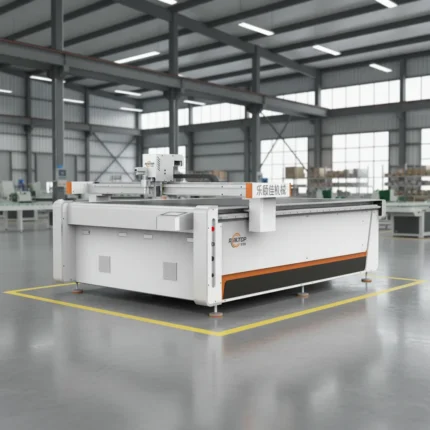
- Floor space planning based on the 3300 × 2100 × 1350 mm machine footprint plus material staging
- Dedicated circuit sizing for the 9 kW vacuum pump and servo drive system
- Assembly and leveling of the heavy-duty frame and precision-ground table surface
- PLC parameter tuning for your specific flute type, foam density, or composite layup
- Operator training on the dedicated packaging design software in your confirmed language
- Spare parts list covering oscillating knife blades, creasing wheels, and vacuum seals
What We Need to Move Your Inquiry Forward
Provide the specific corrugated flute profile or foam type you run most frequently, along with typical sheet dimensions and daily sample volume. Confirm your facility voltage and frequency, the control language your operators require, and the file format your current design workflow outputs. If your material is unusual or layered, send a sample so we can run a test cut and return a configuration report before you commit.
Frequently Asked Questions
Q: How is cutting thickness capacity verified for my specific corrugated flute type and foam density?
A: We run sample cuts on your actual material before any order is confirmed. The sample cutting report documents edge quality, core integrity, and achievable thickness for your specific flute profile or foam density. Thickness capacity varies significantly between E-flute corrugated, BC-flute board, and high-density EVA foam, so a single published number cannot cover all materials.
Q: Which tool head configuration matches my material — oscillating knife versus creasing wheel versus V-groove?
A: Corrugated cardboard typically uses the oscillating knife for cutting and the creasing wheel for fold lines. Thick greyboard often requires the V groove knife for clean channel cuts. Foam inserts may need the pneumatic knife or driven rotary knife depending on density. The correct combination is determined during the sample cutting phase based on your material test results.
Q: Is the vacuum table zoned, and can it hold small packaging samples without lift at production speed?
A: The aluminum bellows vacuum table is designed for full-surface adsorption. Zoning requirements depend on the smallest part in your production mix. We confirm the table layout against your typical carton sample dimensions during the pre-order stage to prevent material lift during high-speed cutting.
Q: What voltage, frequency, and control language options are confirmed before shipment?
A: Voltage options include 110V, 220V, and 380V, with frequency confirmed against your local supply. The PLC control panel supports English, Russian, Italian, Chinese, and custom languages. All electrical and language specifications are documented and confirmed in writing before production begins to prevent delays at installation.
Q: Can the included packaging design software import my existing DXF/AI files and nesting workflow?
A: The dedicated packaging box structure design software supports PLT, DXF, AI, and PDF file formats. We verify compatibility with your existing design output and nesting workflow before the order is finalized. If your workflow uses a proprietary format, we test the import path during the sample cutting phase to ensure smooth data transfer.


Related products
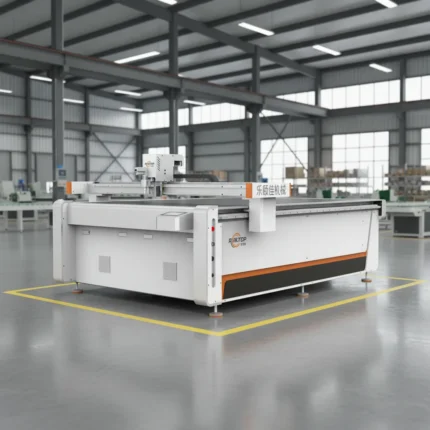
Automatic Die-less Cardboard Vibrating Knife Cutter 2026
Product Introduction
Automatic Die-less Cardboard Vibrating Knife Cutter 2026, a precision cutting solution for cardboard materials, featuring advanced die-less technology for efficient and flexible cutting operations. Ideal for various cardboard processing needs in manufacturing and packaging industries.Key Specifications
| Model | 2026 |
| Type | Automatic Die-less Cutter |
| Cutting Tool | Vibrating Knife |
| Material | Cardboard |

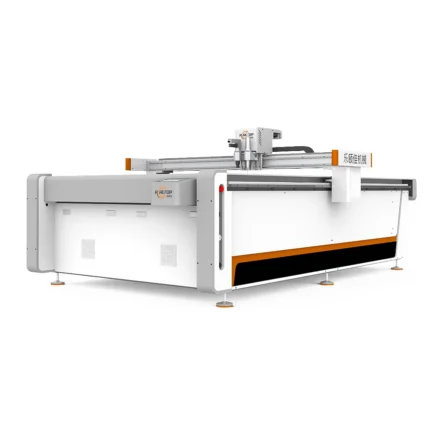
CNC Flatbed Oscillating Knife Cutting Machine 2026
Product Introduction
High-performance CNC Flatbed Oscillating Knife Cutting Machine 2026, ideal for precision cutting of various materials with advanced oscillating knife technology, ensuring efficient and accurate operations for industrial manufacturing needs.Specifications
| Model | 2026 |
| Type | CNC Flatbed Oscillating Knife Cutting Machine |
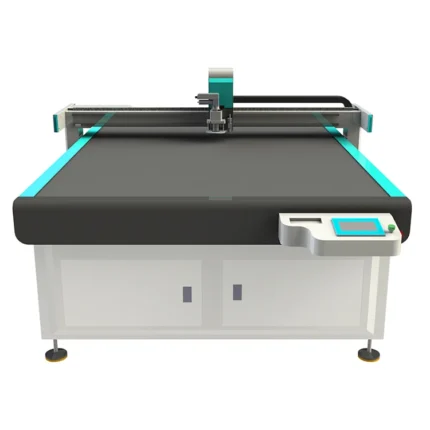
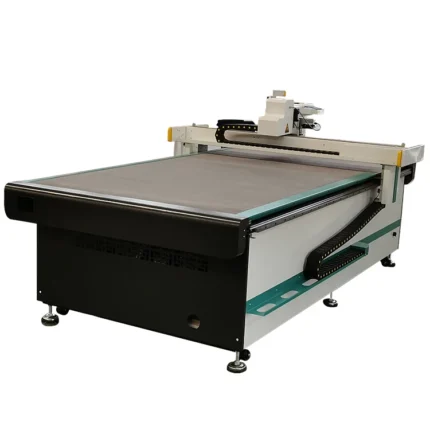
CNC Oscillating Knife Cutting Machine 2026 for Corrugated Cardboard & Honeycomb
Product Introduction
2026 CNC Oscillating Knife Cutting Machine, ideal for corrugated cardboard and honeycomb materials, offering precise and efficient cutting solutions for your production needs.Specifications
| Model | 2026 |
| Type | CNC Oscillating Knife Cutting Machine |
| Applicable Materials | Corrugated Cardboard, Honeycomb |
| Cutting Method | Oscillating Knife |
CNC Vibrating Knife Cutter 2026 Custom Cartons Packaging
Product Introduction
CNC Vibrating Knife Cutter 2026 is ideal for custom cartons & packaging, offering precise cutting solutions for various materials. Engineered by a leading Chinese welding & cutting equipment manufacturer, it ensures efficiency and accuracy for packaging production needs.Key Specifications
| Model | 2026 |
| Type | CNC Vibrating Knife Cutter |
| Application | Custom Cartons & Packaging |
| Manufacturer | Chinese Leading Factory |


商品评价
There are no reviews yet.