

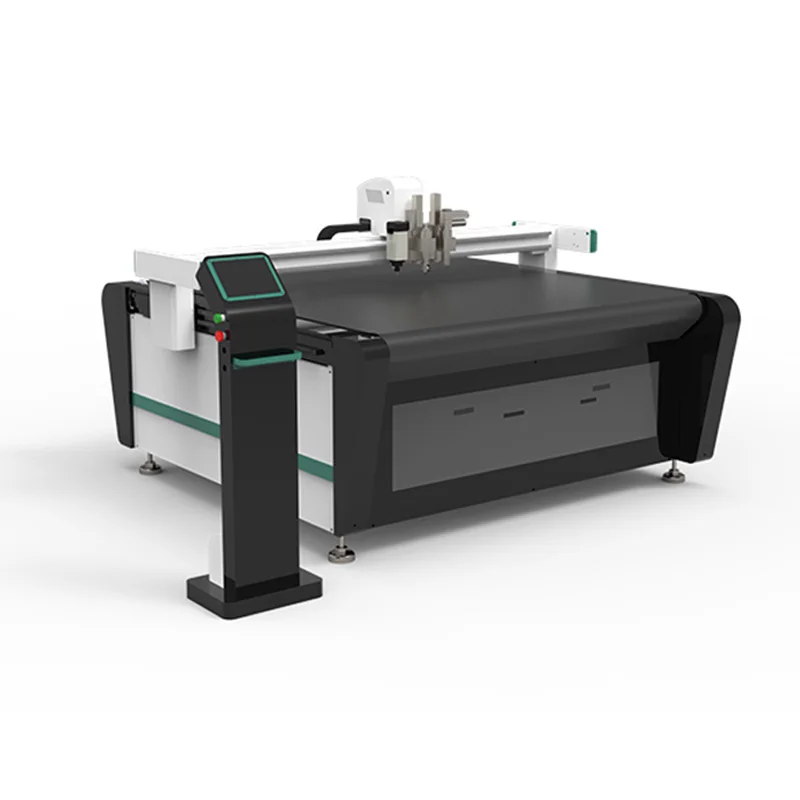
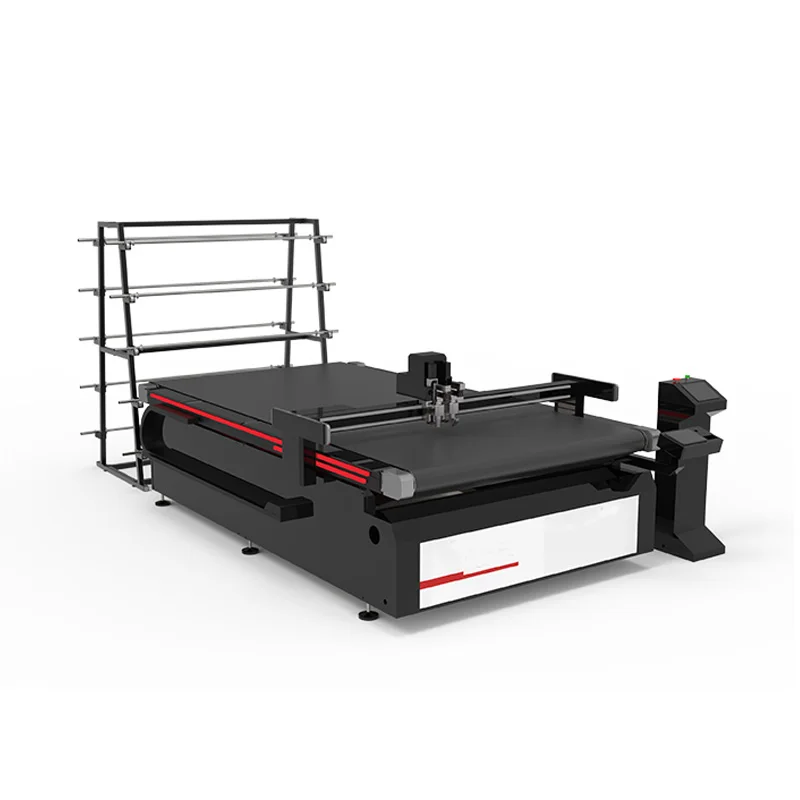
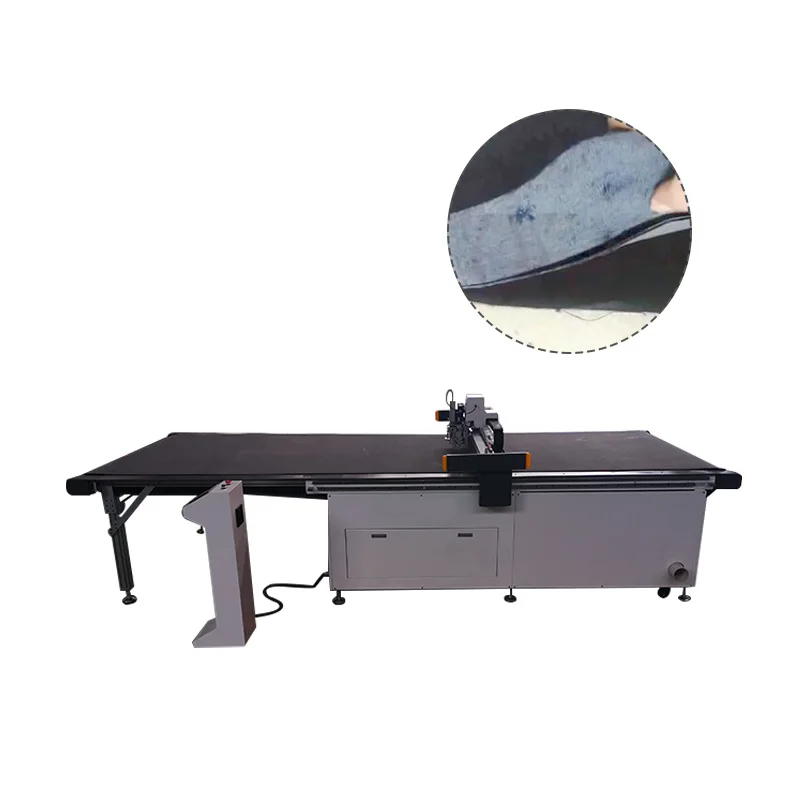
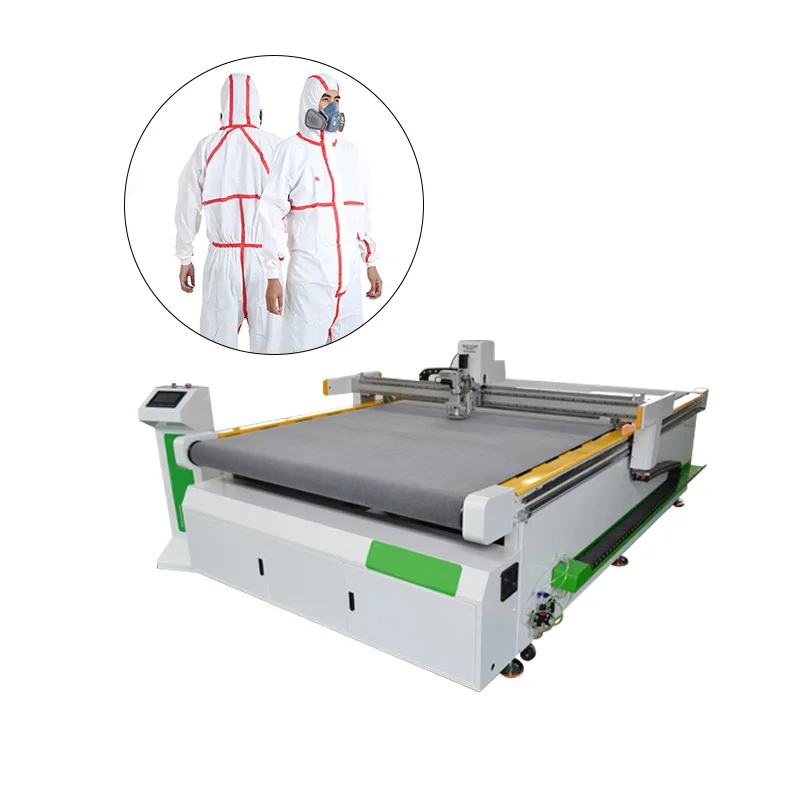
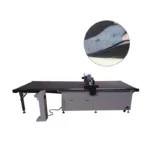
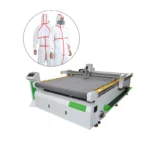
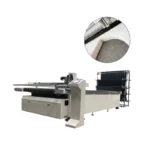
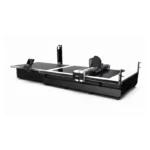
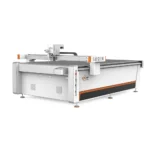
Advertising Printing CNC Cutter for Sterile Surgical Gown – OEM Available
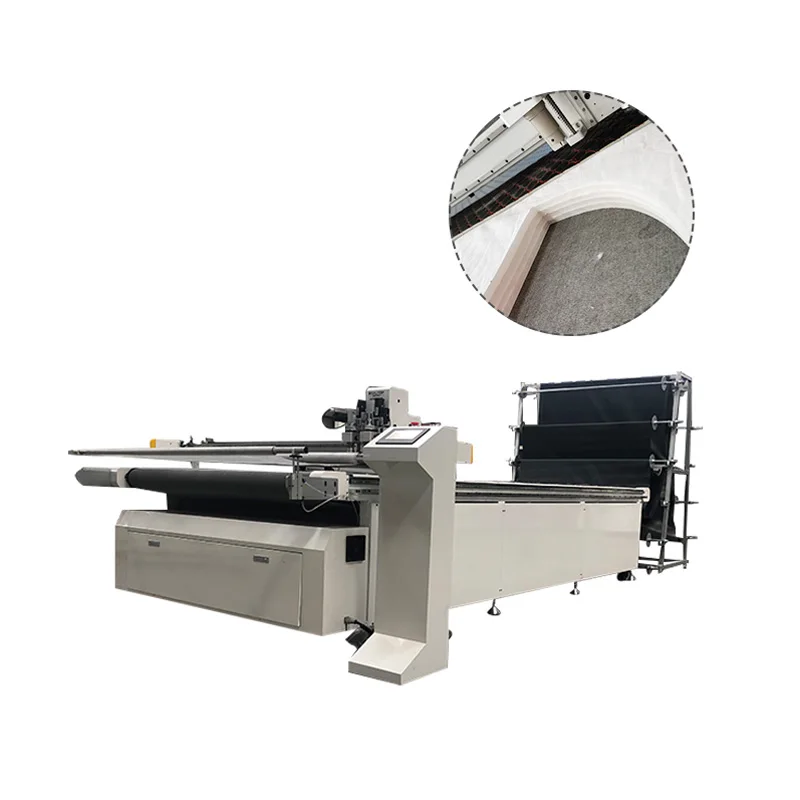
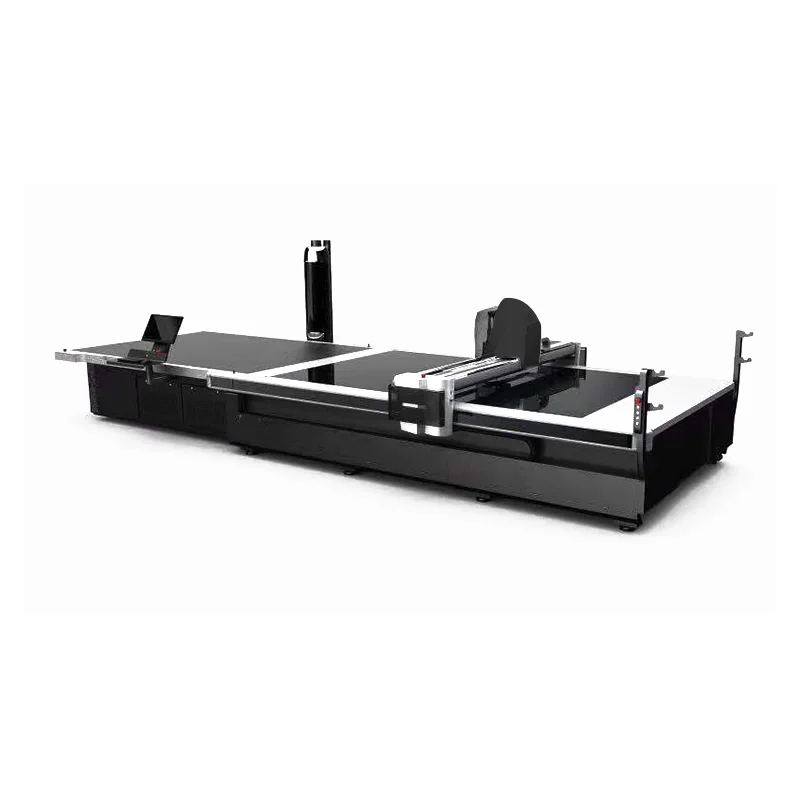
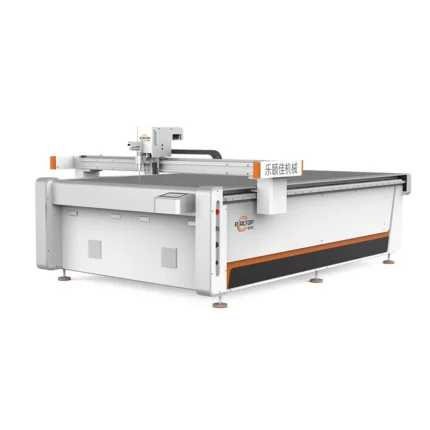
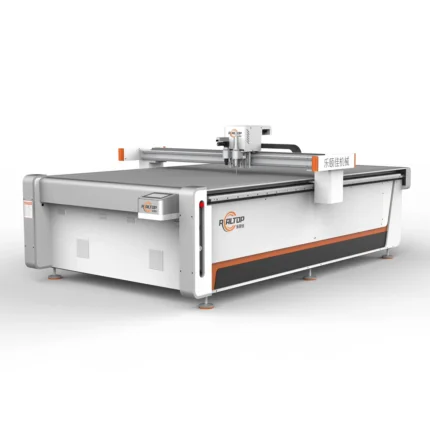
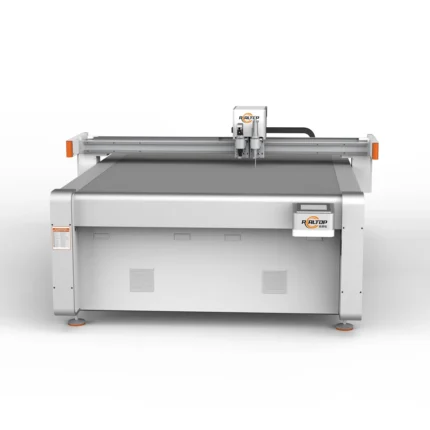
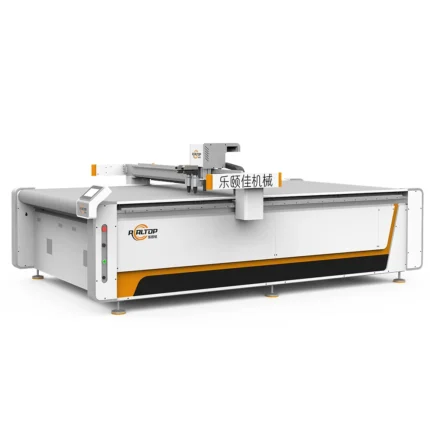
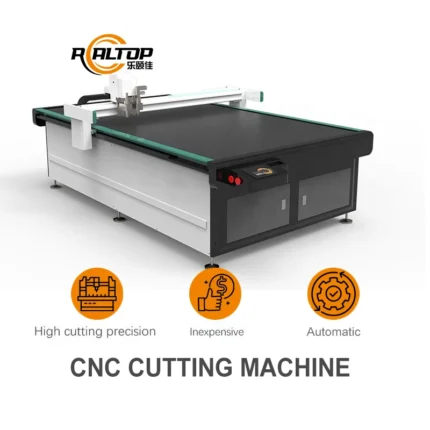
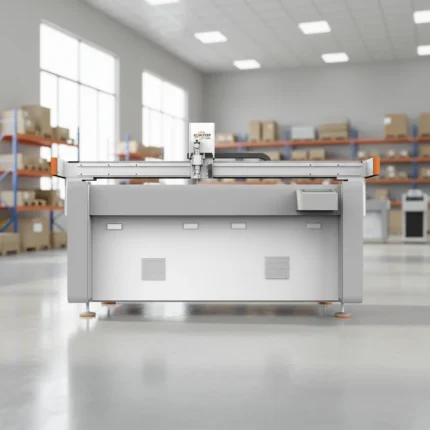
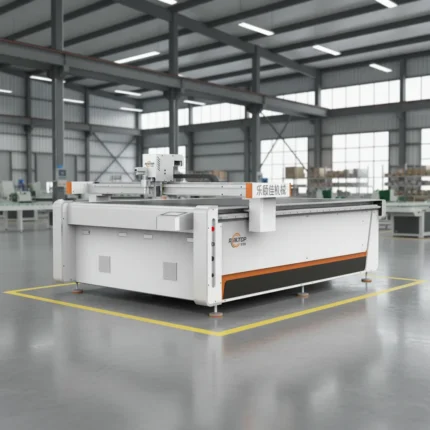
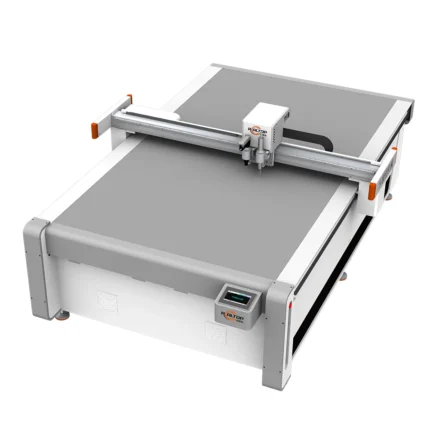
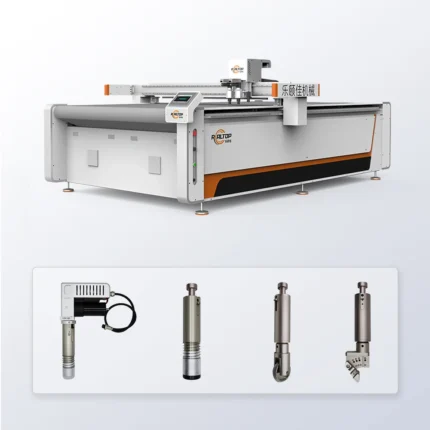
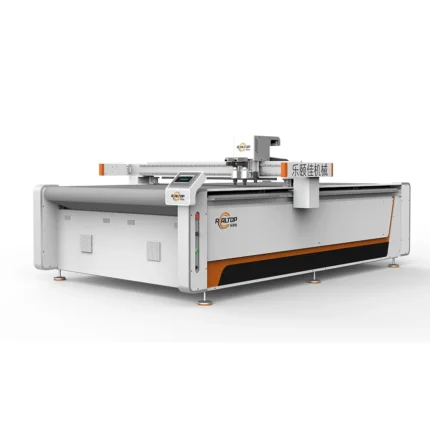
RT-D2516/RT-S2516 CNC Oscillating Knife Cutting Machine, 1600×2500mm Working Area, 380V, 7.5kW Vacuum — configured for sterile surgical gown die-cutting and advertising print contour work across leather, flexible textiles, sponge composites and PVC.
- Japanese Yaskawa servo drives with Taiwan Hiwin linear rails deliver ≤0.1mm repeatability for precise CCD-contour cutting at 200–800mm/s.
- Auto-feeding conveyor table with zoned vacuum hold-down keeps flexible materials flat during high-speed oscillating knife operation.
Sample cutting on your own material is completed and documented before order confirmation, ensuring the tool head and vacuum zoning match your actual production requirements.
Laser Process Clarity — We map continuous power ratings and cutting depths to your specific acrylic, wood or textile thickness before a machine order is placed.
Technical Specifications
| Parameter | Value |
|---|---|
| Model | RT-D2516 / RT-S2516 |
| Product Type | CNC Oscillating Knife Cutting Machine |
| Working Area | 1600 × 2500 mm |
| Machine Size (L × W × H) | 3450 × 2300 × 1250 mm |
| Rated Power | 11 kW |
| Voltage | 380V ±10% |
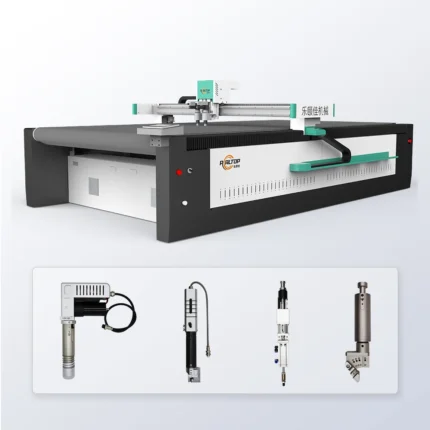
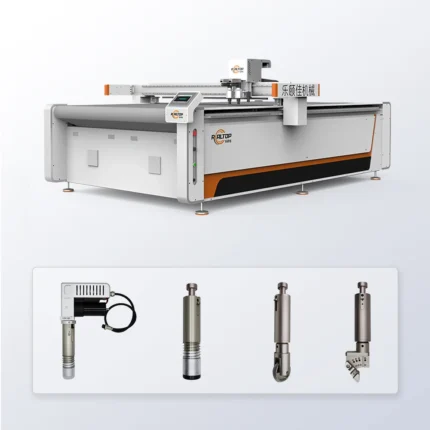
| Multifunctional Tool Head | Swiss imported knife (vibration full cutting, vibration half cutting, cursor location) |
| Translational Velocity | 800 – 1200 mm/s |
| Cutting Speed | 200 – 800 mm/s (basis not stated in source — confirm material type / thickness) |
| Repeatability | ≤0.1 mm |
| Transmission System | Digital servo motor, linear guide, synchronous belt, ball screw |
| Servo Motor | Japanese Yaskawa |
| Linear Rail | Taiwan Hiwin |
| Conveyor Belt | Germany imported |
| Work Table | Auto feeding / flatbed table with vacuum (7.5 kW vacuum pump) |
| Instruction System | HP-GL compatible format |
| Safety Device | Infrared sensors |
| Assembly State | Fully assembled |
| Standards | CE |
Application Suitability
| Application | Material or Output |
|---|---|
| Sterile surgical gown die cutting | XXL, 3-level non-woven and medical disposable fabrics |
| Advertising printing contour cutting | PVC, soft glass, and flexible signage materials |
| Garment and leather goods production | Flexible clothing materials, sponge composite leather, genuine and synthetic leather |
| Technical textile processing | Silicon, rubber, and multi-layer composite fabrics |
Why Quoted Laser Power Often Fails on the Shop Floor
A CNC oscillating knife cutting machine laser engraving setup is only as effective as the process parameters confirmed before shipment, yet many buyers discover that quoted peak wattage does not translate into the cutting depth their material actually requires.
When a sign shop specifies a system based on sample cuts run on clean cast acrylic, the machine performs flawlessly. However, if their daily production stock is extruded acrylic with a recycled core, the edges melt and the lettering comes out rough. This mismatch is not a machine defect but a process definition failure. The energy source must be matched to the real material mix, not the sample [NEED_CITE: material thermal properties and laser absorption rates]. Buyers frequently commit to a configuration based on a single test piece and then face weeks of throughput loss when the main production run begins.
CO2 Versus Fiber: Matching the Source to the Substrate
Deciding between a CO2 source and a fiber source requires looking at the specific non-metal and metal mix your facility processes. A CO2 laser process is the standard choice for edge sealing on synthetics and clean cutting through acrylic or wood, as the longer wavelength is readily absorbed by organic materials. The RT-D2516 / RT-S2516 footprint, with its 1600 × 2500 mm working area, provides the physical baseline for deciding whether a flatbed laser table or a knife cutting table handles your standard sheet size more effectively. When a buyer processes a CNC oscillating knife cutting machine laser engraving workflow, the choice of energy source dictates the edge finish on textiles and the kerf width on board goods.
Continuous Power Ratings and Real Cutting Depth
The continuous power rating, rather than the peak or advertised maximum, determines what thickness the beam will actually penetrate at production speed. A system quoted at a high peak wattage may only sustain a lower continuous output, resulting in incomplete cuts through thicker acrylic or multi-layer textile stacks. Verifying the measured cutting depth per material in a written sample report prevents this shortfall. The 7.5 kW vacuum pump capacity on this platform serves as a shared hold-down requirement, ensuring thin textiles remain flat during laser processing and flexible composites stay secure during knife work. [NEED_CITE: laser power measurement standards for industrial cutting equipment]
Translating Specifications into Production Results
The transmission system, combining Japanese Yaskawa digital servo motors with Taiwan Hiwin linear rails, directly controls the repeatability floor of ≤0.1 mm. In laser processing, this positional tolerance governs the accuracy of focal positioning and contour tracking, while in knife work it ensures the CCD camera or tool head follows the printed path precisely. The HP-GL compatible instruction system acts as a file format bridge, allowing nesting software from both laser and knife workflows to communicate with the machine controller without requiring the buyer to abandon existing design files. Translational velocity reaching 1200 mm/s supports rapid movement between cuts, but the effective cutting speed of 200 – 800 mm/s depends entirely on the material density and the continuous power available at the focal point.
The Hidden Cost of Skipping the Process Audit
When the process angle is never discussed before an order is placed, the buyer often ends up with a machine that cannot handle their specific material thickness. A wrong tool head or laser source selection produces ragged edges on foam or crushed layers in composite materials. If the vacuum table zoning is insufficient for small parts, material lift occurs during high-speed passes, ruining the cut path and wasting stock. Software incompatibility with the buyer’s existing nesting workflow forces manual programming, eliminating the yield optimization the machine was supposed to deliver. [NEED_CITE: common causes of material lift and edge quality failure in digital cutting]
Why Production Managers Specify This Platform
In-house design and production covering both knife and laser cutting technologies allow a buyer to match the cutting method to the material rather than force one method across all jobs. The tool head and table configuration are specified per material and production volume, ensuring the Swiss imported knife handles flexible composites while a laser source manages edge sealing on synthetics. Software compatibility is confirmed before the order, and the electrical schematic is matched to the buyer’s site supply. Sample cutting on the buyer’s own material is conducted before commitment, providing a physical record of edge quality and cutting depth that a brochure cannot supply.
Documentation & Verification
- Machine specification sheet detailing continuous power ratings and confirmed cutting depths.
- Electrical schematic and voltage confirmation matching the 380V ±10% site supply requirement.
- Tool head and table configuration list showing vacuum zoning and knife options.
- Sample cutting report run on the buyer’s specific acrylic, wood, or textile stock.
- Software licence and file format compatibility note for HP-GL and nesting workflows.
Installation, Commissioning & Support
- Fully assembled delivery requires a floor space exceeding 3450 × 2300 mm with level concrete.
- Dedicated electrical circuit supporting the 11 kW rated power plus the 7.5 kW vacuum pump load.
- First-run parameter setting calibrated to the buyer’s specific material thickness and cutting speed.
- Operation training covering the multifunctional tool head changeover and infrared sensor safety protocols.
- Spare parts list focusing on the Swiss imported knife blades and Germany imported conveyor belt segments.
Preparing Your Production Data for Quotation
To receive a configuration that matches your actual workflow, please provide the specific material type, maximum sheet size, and required cutting depth for both non-metal and metal components. Specify the local voltage and frequency standards, as well as the control language preference for the operator interface. Detail the daily production volume and whether your existing nesting software requires specific file format bridges to maintain yield optimization.
Frequently Asked Questions
Q: How do I verify continuous laser power against quoted peak power for my material thickness?
A: Request a written sample cutting report that documents the measured cutting depth on your specific acrylic or textile stock. This report must list the continuous power setting used during the test, not the advertised maximum. Comparing the kerf width and edge char on your actual production material confirms whether the system will maintain throughput without leaving uncut layers.
Q: Which laser process matches a mixed material schedule of acrylic, wood, and sheet metal?
A: A CO2 laser source handles acrylic and wood edge sealing effectively, while a fiber laser is required for sheet metal cutting. If your production mix includes non-metal masks or gaskets alongside metal parts, evaluating a platform that accommodates both processes on the same footprint prevents the need for separate machines. The working area and hold-down requirements must support your largest sheet size across both methods.
Q: What parameters control edge sealing on synthetics and engraving resolution?
A: Edge sealing on synthetic textiles depends on the continuous power density, focal point position, and assist gas flow, which together melt the fiber ends to prevent fraying. Engraving resolution on wood or acrylic is governed by the beam spot size, the pulse frequency, and the translational speed of the head. Adjusting these variables allows the operator to balance a clean sealed edge against the risk of excessive thermal damage to the surrounding material.
Q: How does the instruction system handle my existing nesting and design files?
A: The HP-GL compatible instruction system acts as a bridge between your current nesting software and the machine controller. Before shipment, the file format compatibility is verified to ensure your existing design files import correctly without manual conversion. This prevents workflow interruptions and allows your production team to maintain their established material yield optimization routines from day one.


Related products
2026 Automatic Hot Knife Cutting Machine Acrylic PVC Cutter
Product Introduction
Automatic Hot Knife Cutting Machine 2026, ideal for acrylic and PVC film cutting with digital precision. Efficient, reliable, and designed for professional use in manufacturing settings.Key Specifications
| Application | Acrylic, PVC Film |
| Type | Digital Hot Knife Cutter |
| Year | 2026 Model |
| Operation | Automatic |
Automatic Digital Cardstock Cutter 2026 CNC Cutting Machine
RT-D2516/RT-S2516 CNC Oscillating Knife Digital Cutting Machine, 1600×2500mm, 9kW — engineered for packaging and flexible material processors evaluating knife versus laser cutting methods.
- Swiss oscillating knife with full-cut and creasing modes — no burnt edges, no adhesive melt
- Delta servo drive and Hiwin linear guides deliver ≤0.1mm repeatability at up to 2000mm/s
- 7.5kW vacuum pump on honeycomb table holds thin cardstock and sticker sheets flat
Sample cutting on your own material with edge quality report provided before commitment, voltage and control language confirmed to your facility spec.
CNC 2026 Plotter Carton Box Cutting Machine – Custom Build
1625 CNC Oscillating Knife Cutting Table for Packaging, 1600×2500 mm Working Area, ≤40 mm Cutting Thickness — equipped with seven interchangeable tool heads including oscillating knife, driven rotary knife, creasing wheel, and V-groove knife for precise edge finishing on corrugated board, foam inserts, and composite packaging materials.
- Aluminum bellows vacuum table ensures consistent hold-down across the full work surface, with dedicated packaging box structure design software supporting PLT, DXF, AI, and PDF file formats
- PLC control panel offers customizable display languages and multiple servo drive options, validated through factory testing before shipment
Sample cutting on your specific board flute or foam type is available before commitment, with a full report on edge quality, cycle time, and recommended tool head configuration.

Corrugated Packaging CNC Cutting Machine – Specifications
RT-D2516/RT-S2516 CNC Oscillating Knife Cutting Machine, 1600×2500mm Working Area, 9kW, Vacuum Table — engineered for corrugated packaging, carton sample making, and sticker contour cutting across non-metal substrates.
- Swiss imported oscillating knife with full-cut and half-cut modes for crease-and-cut workflows
- Taiwan Delta servo drives and Hiwin linear rails deliver ≤0.1mm repeatability
- Aluminum honeycomb vacuum platform with 7.5kW pump for stable hold-down at 800–2000mm/s translational speed
- HP-GL compatible, multi-language control interface
CO2 laser seals synthetic edges but cannot crease card stock — this oscillating knife system handles corrugated, foam board, and flexible materials where blade cutting outperforms thermal processes. Sample cutting on your material available before order confirmation.
High Speed CNC Vibrating Knife Cutter for Corrugated Box & Cardboard – Manufacturer
RT-D2516/RT-S2516 CNC Oscillating Knife Cutting Machine, 1600×2500mm Working Area, 9kW — configured for corrugated box and cardboard sample making with oscillating knife, creasing wheel and V-cutting tool heads. Translational velocity reaches 800–2000mm/s with ≤0.1mm repeatability, while the aluminum air box vacuum platform ensures uniform hold-down across full sheets. - Multi-tool head handles full-cut, half-cut and creasing in a single pass for packaging workflows. - Supports PLT, DXF and AI file import with auto typesetting software for nesting efficiency. - Sample cutting on your own material before order commitment ensures the configuration matches your exact board grade and thickness.

Oscillating Knife Cardboard Cutting Machine – Technical Guide
RT-D2516/RT-S2516 CNC Oscillating Knife Cutting Machine, 1600×2500mm Working Area, ≤100mm Cutting Thickness — integrates CO₂ and fiber laser options for processors evaluating blade-cut versus laser-sealed edges on synthetics.
- Laser versus knife routing: Continuous power ratings mapped to real cutting depth on acrylic, textile, foam and sheet metal, with edge sealing behavior clarified for PU, EVA, XPE and PVC materials
- Extraction, assist-gas and voltage specifications confirmed per material mix before order, with sample cutting reports provided on buyer's own material to verify kerf width, edge quality and engraving depth prior to commitment
Packaging CNC Cutting Machine for Carton Box – Manufacturer
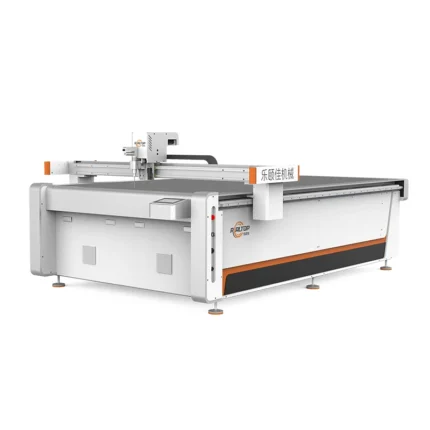
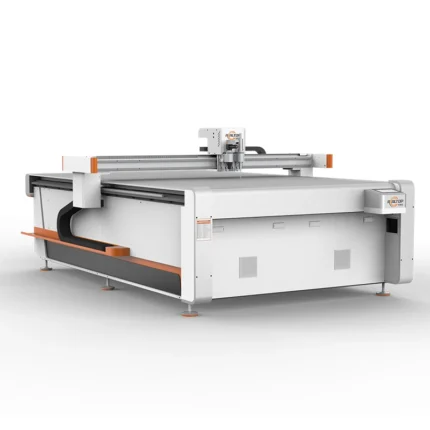
RT-D2516/RT-S2516 CNC Digital Carton Sample Cutting Machine, 1600×2500mm Working Area, 9kW Rated Power, Delta Servo — equipped with Swiss-imported vibration knife for full and half cutting, creasing wheel, and CCD contour recognition on an aluminum honeycomb vacuum platform.
- Configured per board grade and flute type so cutting depth and tool head match your packaging stock, with zoned vacuum suction preventing small parts from lifting during runs.
- HP-GL compatible software supports multiple file imports and customizable interface language for fast template changes in carton prototyping.
Sample cutting on your own board stock confirms edge quality and achievable thickness before order commitment, with voltage, plug and software compatibility documented prior to shipment.
Realtop 2026 Oscillating KT Board Cutter Pump Motor Gear Core
Product Description
Realtop Oscillating KT Board Cutter 2026 with pump motor gear core, designed for efficient cutting of KT boards. Ideal for precise and smooth operations in various cutting applications.
Product Parameters
| Model | Realtop Oscillating KT Board Cutter 2026 |
| Motor Type | Pump Motor |
| Core Component | Gear Core |
| Function | Oscillating Cutting |
| Application | KT Board Cutting |
商品评价
There are no reviews yet.