


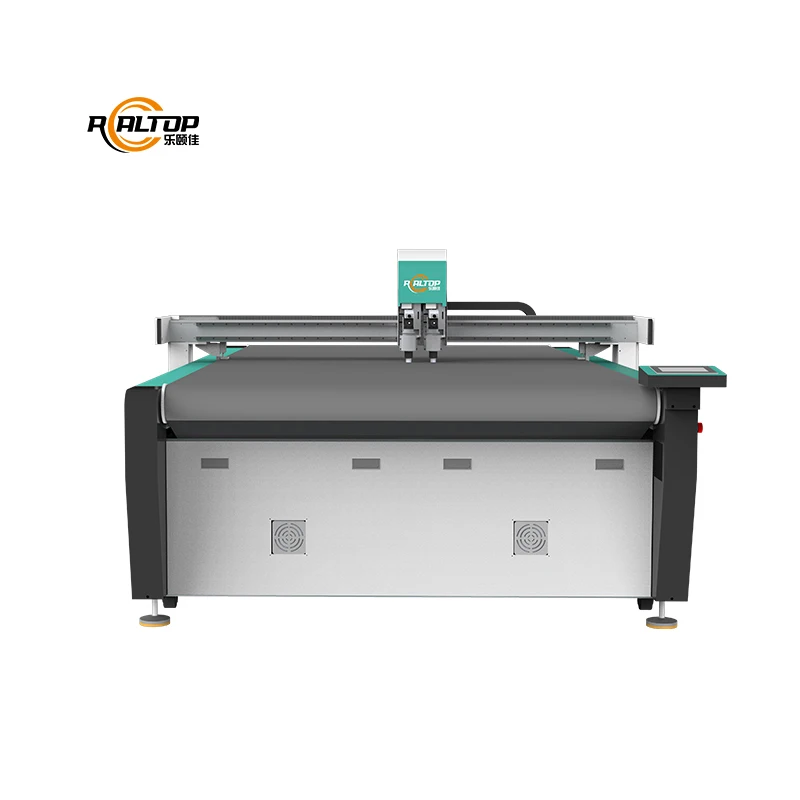
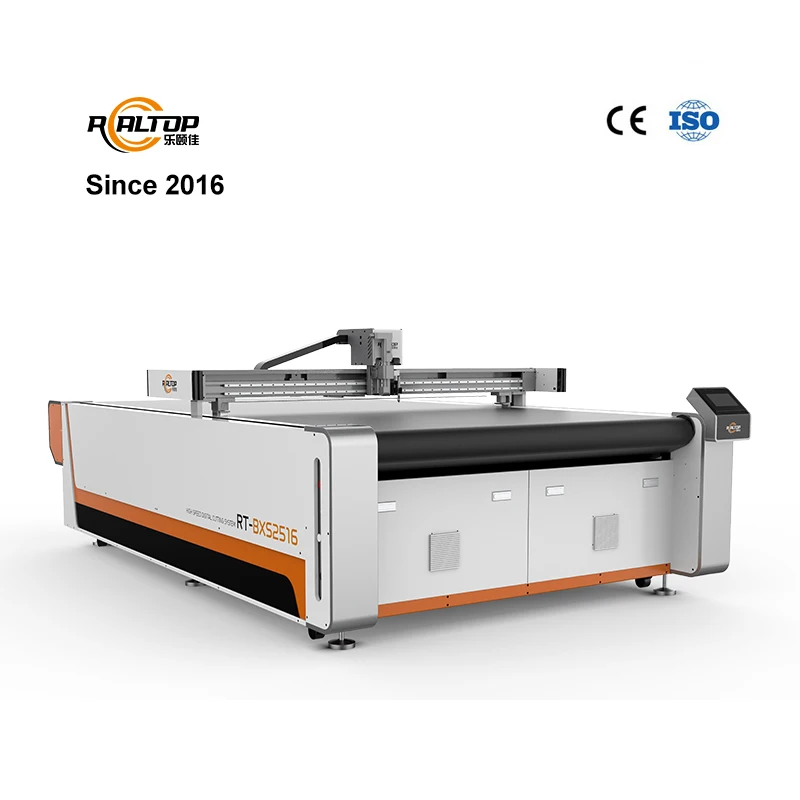
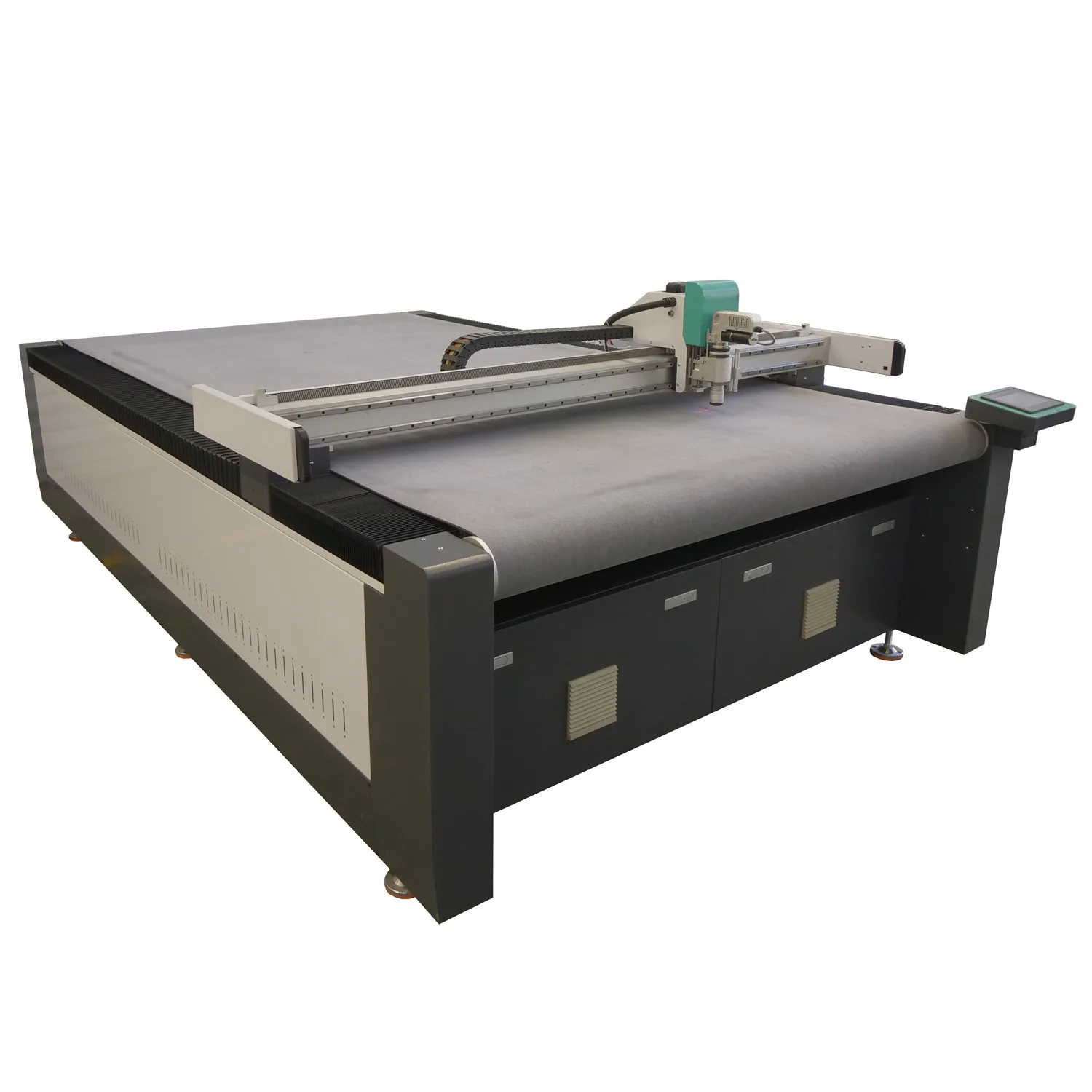
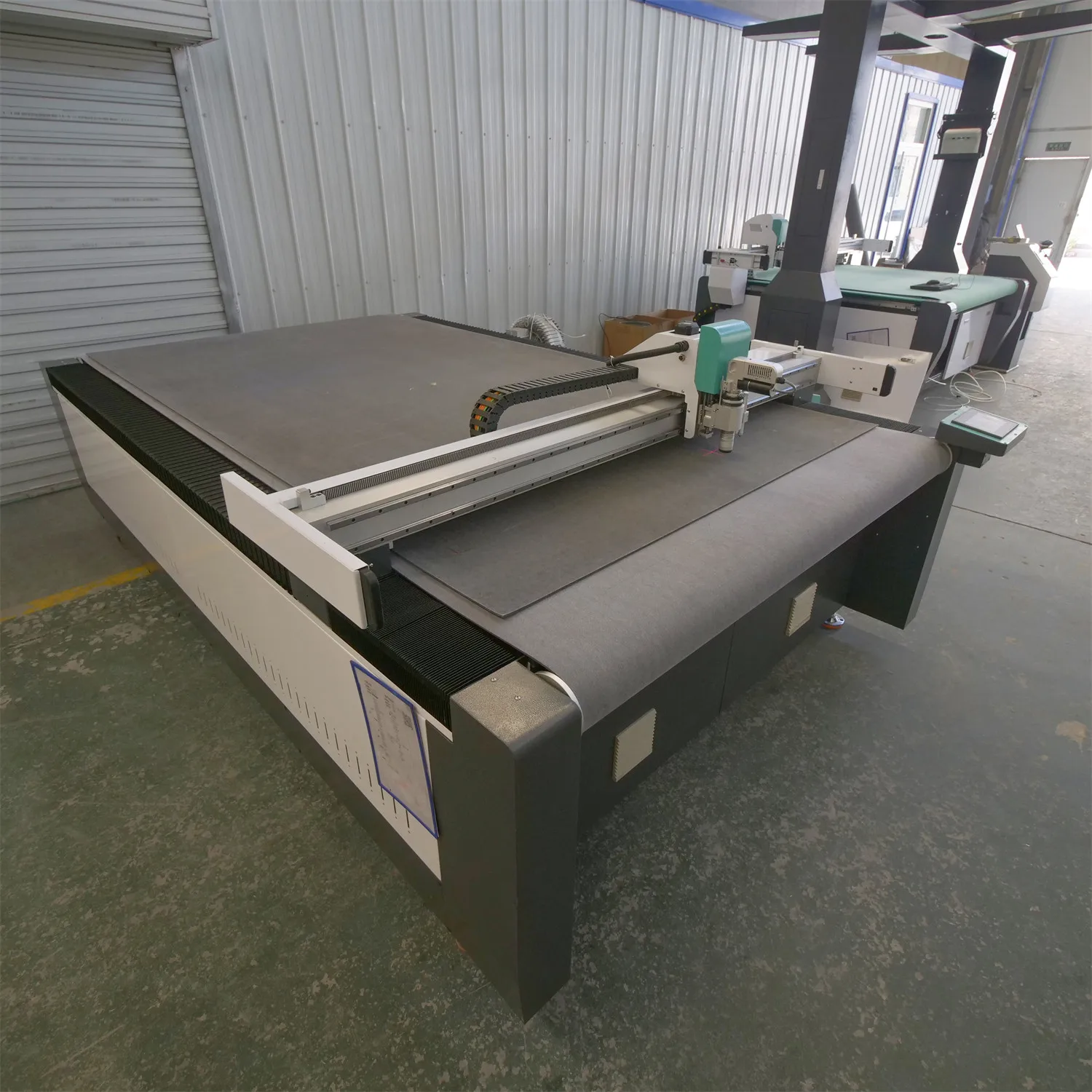
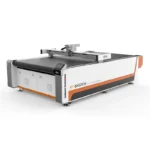

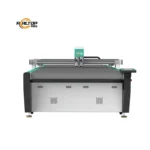
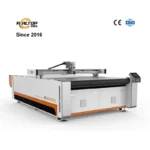
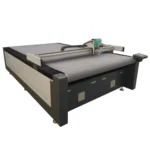
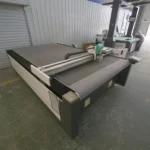
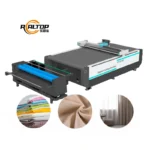
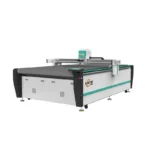
Automatic CNC Fabric Cutting Machine for Cloth – OEM Available
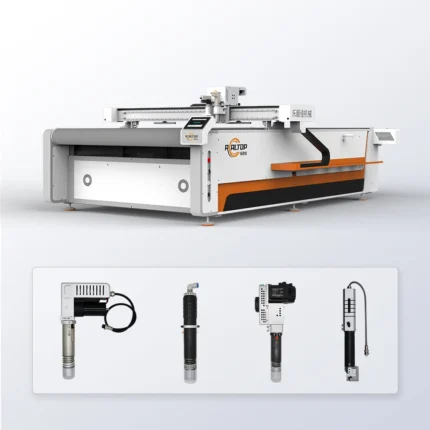
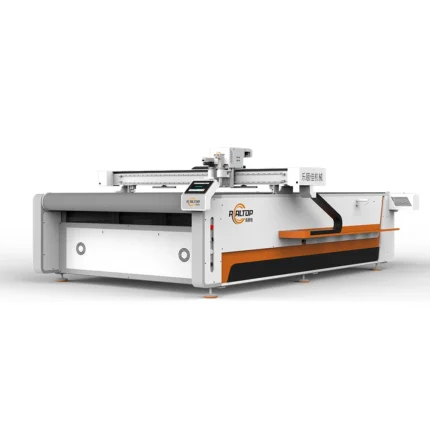
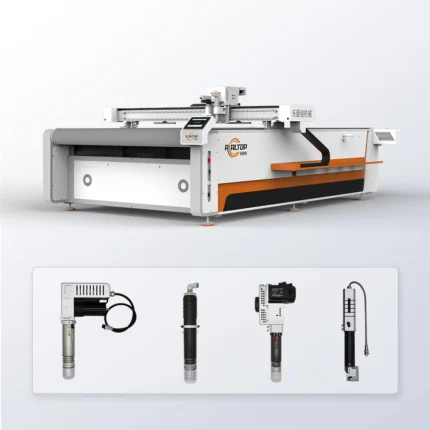
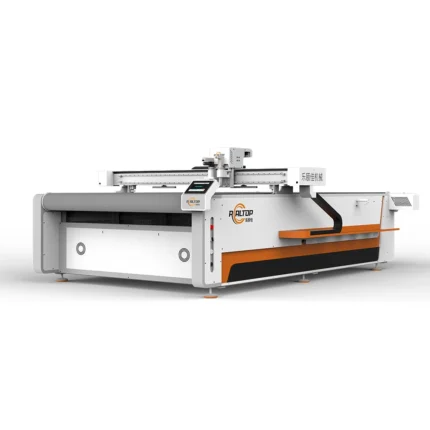
Automatic CNC Fabric Cutting Machine, 1600×2500mm Working Area, Oscillating Knife, Auto-Feeding — configured for fabric, leather and flexible materials with CCD camera contour recognition and multi-zone vacuum table.
- Swiss imported oscillating knife head delivers clean, burr-free cuts without burning or discoloration
- IP67 Delta servo motors maintain ≤0.1mm repeatability at translational speeds up to 2000mm/s
- Magnesium-aluminum alloy vacuum table with PVDF coating secures small parts during high-speed cutting
Sample cutting on your own material is completed before order commitment, ensuring tool head and configuration match your specific fabric type and production volume.
Precision-Cut Textiles at Scale — Every fabric behaves differently under the blade, and real edge quality starts with matching the cutting method to your material before the machine is built.
Technical Specifications
| Parameter | Value |
|---|---|
| Product Type | CNC Oscillating Knife Cutting Machine with Auto-Feeding |
| Working Area | 1600 × 2500 mm |
| Machine Overall Dimensions | 3450 × 2300 × 1250 mm |
| Rated Power | 9 kW |
| Working Table | Flat vacuum table, magnesium-aluminum alloy with PVDF powder spray and anodic hard oxidation |
| Tool Head | Swiss imported knife — vibration full cutting, half cutting, cursor location |
| Translational Velocity | 800 – 2000 mm/s |
| Cutting Speed | 200 – 800 mm/s (material dependent) |
| Cutting Thickness | Up to 100 mm (basis not stated in source — confirm material type, density and layering) |
| Repeated Accuracy | ≤ 0.1 mm |
| Transmission System | Digital servo motor, linear guide, synchronous belt, ball screw |
| Instruction System | HP-GL compatible format |
| Voltage | 380V ±10% |
| Vacuum Pump | 7.5 kW, integrated aviation aluminum shell with built-in silencer sponge |
| Servo Motor | Delta (optional Panasonic), IP67 waterproof |
| Frame | Thick-walled seamless steel welded structure, high-temperature tempering, CNC machined |
| Safety Devices | Infrared sensor stop, anti-collision beam sensors, emergency stop button |
| Conveyor Belt | Germany imported |
| Auto Feeding | Yes |
| Linear Rail | Taiwan Hiwin |
| Positioning Options | Small CCD mark-point, panoramic camera recognition, projection positioning |
| Language Options | English, Russian, Italian, Chinese (special languages customizable) |
Application Suitability
| Application | Material or Output |
|---|---|
| Garment and footwear cutting | Layered fabric, shoe uppers, luggage textiles, non-woven linings |
| Automotive interior trimming | Carpet, floor mats, composite trim panels, headliner fabric |
| Soft home furnishings | Curtain panels, upholstery fabric, cushion foam, PU and EVA padding |
| Sports and outdoor goods | Neoprene, XPE foam, composite shell materials, performance textiles |
| Packaging sample making | Corrugated cardboard, sticker sheets, film, plastic box blanks |
| Sealing and gasket fabrication | Rubber sheet, PTFE, ETFE, composite gasket stock |
Why Material Thickness Is the Question Most Buyers Skip
A fabric cutting line specified only by working area often fails when the real material arrives on the shop floor, because thickness and density determine whether the blade passes through cleanly or drags fibers into a frayed mess.
The cutting method, tool head and vacuum zoning must be confirmed against your actual material stack, not the sample you happened to test on.
I worked assembly in Jinan for years before moving into technical sales, and the pattern I see is consistent: a buyer quotes a 1600 × 2500 mm table and assumes the rest follows. Last year a Middle East customer ordered a CO2 unit for textile cutting. We ran samples on standard polyester and the edge came out clean. When his real rolls arrived with a fire-retardant coating, the thermal profile changed entirely — parameters had to be rebuilt from scratch on day one of commissioning. Now I refuse to ship until the buyer’s own material has been cut under production-speed conditions [NEED_CITE: material coating effects on cutting parameters]. Oscillating knife technology avoids the thermal problem altogether, but the blade profile, oscillation frequency and vacuum hold-down still need to be right for your specific lay-up.
How Knife Cutting Changes the Equation for Fabric
When a blade oscillates at high frequency through a fabric stack, the cut is mechanical rather than thermal, which means synthetic fibers do not melt, seal or discolour at the edge. For garment and automotive textile producers, that translates to a finished edge that can go straight to sewing without rework. The laser cutting and engraving machine approach has its place — sealed edges on synthetics, intricate perforation patterns — but on thick, layered, or coated textiles a knife is simply doing different physics.
What the Vacuum Table Actually Has to Do
Holding a full sheet of fabric flat is easy. Holding a small cut piece flat while the blade exits at 800 mm/s is the real test. The magnesium-aluminum alloy table on this unit uses PVDF powder coating and multi-zone suction so that once a contour is cut, the surrounding material stays locked and the finished part does not lift into the blade path. For producers running nested layouts with dozens of small pattern pieces — shoe uppers, gasket profiles, automotive trim inserts — zone sizing and vacuum distribution matter more than total pump capacity [NEED_CITE: vacuum table zoning standards for CNC fabric cutting].
Reading the Spec Sheet Against Your Production Reality
The 9 kW rated power covers the servo drives, vacuum pump and conveyor together, so electrical planning needs to account for the 7.5 kW vacuum pump drawing continuously during cutting cycles. The IP67 Delta servos are rated for washdown-adjacent environments, which matters if your shop floor runs humid or if textile dust and fiber fragments accumulate around the linear rails. Repeated accuracy at ≤ 0.1 mm holds at translational speeds up to 2000 mm/s, but actual cutting speed drops to the 200 – 800 mm/s range depending on material density — a heavy woven carpet and a single-ply non-woven will not run at the same feed rate. The CCD camera and panoramic positioning options are separate choices; if your workflow involves printed contour cutting, confirm which recognition system covers your mark size and print contrast before the order is locked.
What Happens When the Configuration Is Wrong
Choosing a drag knife where an oscillating knife is needed produces crushed edges on foam and frayed margins on woven fabric. Skipping the CCD option when your workflow relies on printed registration marks means operators manually aligning each sheet, which erases any throughput advantage the auto-feeder was supposed to deliver. And specifying a single vacuum zone for a table this size leaves small parts floating at the edges during high-speed cuts — a problem that only shows up once production is underway and rework starts piling up [NEED_CITE: CNC cutting configuration mismatch consequences in textile production].
Why the Build Matters Beyond the Brochure
The thick-walled seamless steel frame goes through high-temperature tempering before CNC machining, which is how the table stays flat across the full 1600 × 2500 mm area after months of vibration loading. In-house design covers both knife and laser platforms, so when a material test shows that your coated textile actually needs a thermal edge seal, the conversation shifts to a CO2 unit without starting the sourcing process over. Voltage, plug type and control language are confirmed before production begins — 380V ±10% is standard, but if your facility runs a different supply, the transformer and cabinet are built to match. The software licence and file format compatibility are documented so your existing nesting files import without a workaround. Sample cutting on your own material before commitment is standard procedure, not an exception.
Documentation & Verification
- Machine specification sheet matched to your confirmed tool head and table zoning layout
- Electrical schematic with voltage and frequency verified against your facility supply
- Sample cutting report on your actual fabric showing edge quality and achieved speed
- CE declaration documentation where applicable to your import market
- Software licence with file format compatibility note for your nesting workflow
- Factory test record captured before crate is sealed
Installation, Commissioning & Support
- 3450 × 2300 mm footprint requires clear floor space plus conveyor infeed and outfeed clearance
- Dedicated 380V circuit rated for 9 kW continuous draw plus startup surge on the 7.5 kW vacuum pump
- Frame ships as a single welded unit; table and gantry assembled and aligned at site
- First-day parameter tuning done on your production material, not generic test stock
- Operator training covers tool head changeover between full-cut, half-cut and cursor modes
- Spare parts list includes Swiss knife blades, vacuum seals and conveyor belt sections
Before You Send an Inquiry
Tell us the fabric type, whether it is coated or laminated, the maximum lay-up thickness you plan to cut, and the daily volume you need to hit. If your workflow uses printed registration marks, send a sample print so we can confirm CCD recognition under your actual contrast conditions. Let us know your facility voltage and preferred control language so the cabinet and interface are configured before the machine leaves the floor.
Frequently Asked Questions
Q: How do you decide between knife and laser for a specific fabric?
A: We run your material on both platforms and compare edge quality, speed and any thermal effect on coatings or laminations. Knife cutting avoids heat entirely, which suits most textiles. Laser may be preferred when a sealed edge is required on synthetics. The decision is made on your actual material, not a generic assumption.
Q: Can the CCD camera follow my printed marks at full cutting speed?
A: It depends on mark size, print contrast and the recognition system selected. The small CCD handles fixed mark-point positioning, while the panoramic camera covers full-sheet contour recognition. We test with your printed sample before configuration is finalised to confirm tracking holds at production feed rates.
Q: What voltage and control language options are available?
A: Standard is 380V ±10%, but the transformer and cabinet can be configured for other supplies. Control language options include English, Russian, Italian and Chinese, with special languages available on request. All electrical and interface details are confirmed before production begins.
Q: Can I send my own material for sample cutting before ordering?
A: Yes — that is the standard process. We cut your actual fabric, foam or composite under production conditions, document edge quality, speed and any issues, and share the sample cutting report before you commit to the order.
Q: How do I choose the right tool head for my material?
A: The Swiss imported head supports vibration full cutting, half cutting and cursor location. Full cutting suits single and multi-ply fabric; half cutting is used for kiss-cut applications on sticker and film; cursor location assists with manual alignment tasks. Selection is confirmed during the sample cutting stage based on your material behaviour.


Related products
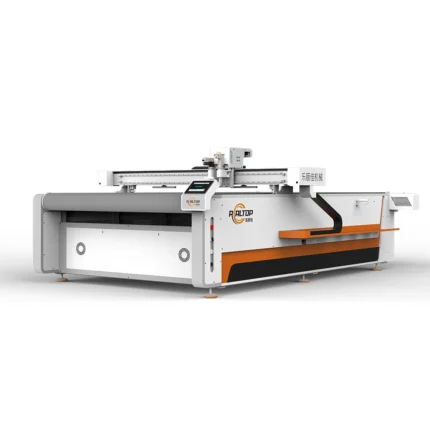
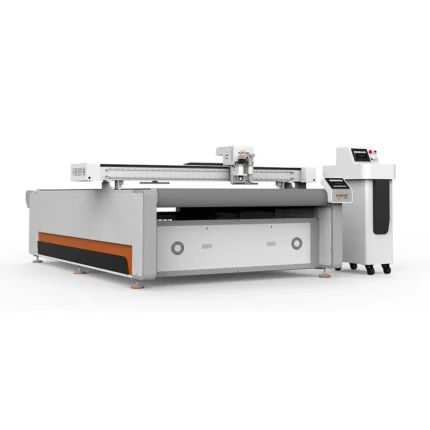
2026 Auto CNC Cloth Cutting Machine High-Precision Fabric Leather Plotter
Product Introduction
2026 Auto CNC Cloth Cutting Machine, a high-precision fabric & leather plotter designed for efficient cutting. Ideal for textile and leather industries with advanced CNC technology.
Key Specifications
| Model | Auto CNC Cloth Cutting Machine 2026 |
| Application | Fabric & Leather |
| Precision | High-Precision Cutting |
| Type | CNC Plotter |
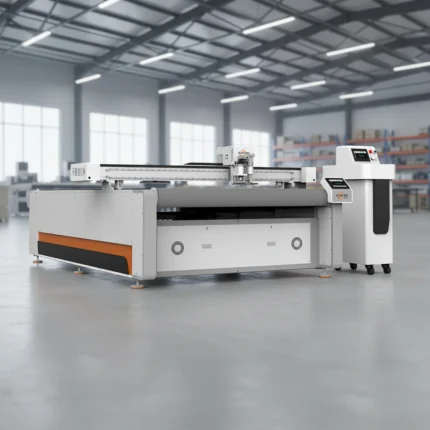
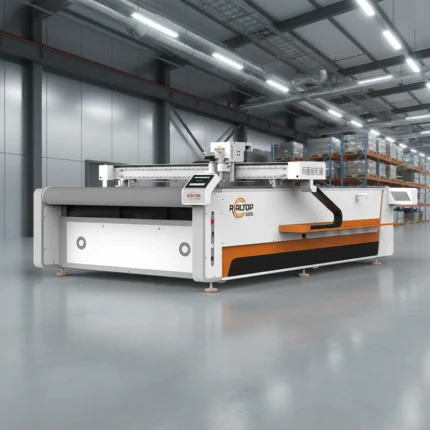
2026 CNC Knife Cutting Machine for Fabric Leather PVC Hot Sale
Product Introduction
2026 Hot Sale CNC Knife Cutting Machine for Fabric, Leather, PVC. Ideal for precise cutting of various materials with advanced CNC technology, perfect for manufacturing needs.
Product Parameters
| Application | Fabric, Leather, PVC |
| Type | CNC Knife Cutting Machine |
| Feature | Precision Cutting |
| Year | 2026 Model |
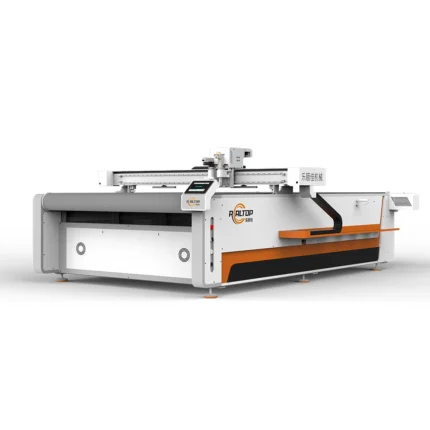
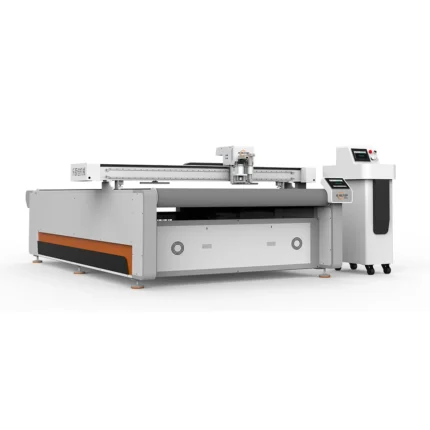
CNC Oscillating Knife Cutting Machine 2026 3000¡Á1600mm High-Speed
Product Parameters
| Model | CNC Oscillating Knife Cutting Machine 2026 |
| Working Area | 3000mm¡Á1600mm |
| Cutting Type | Oscillating Knife |
| Application | Fabric Cutting |
| Feature | High-Speed |
Introduction
High-performance CNC oscillating knife cutting machine with 3000mm¡Á1600mm working area, ideal for high-speed fabric cutting. Precision and efficiency for professional textile processing needs.
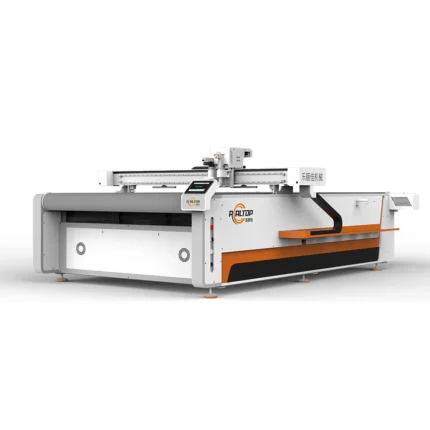

Electric Fabric Rotary Cutter 2026 12V Auto-Cut Industrial
Product Introduction
Industrial-grade Electric Fabric Rotary Cutter designed for precise cutting of scan-printed cloth. Features 12V auto-cut functionality for efficient, automated operation, ideal for professional textile processing.Product Parameters
| Power Supply | 12V |
| Function | Auto-Cut |
| Application | Scan-Printed Cloth |
| Type | Industrial Electric Rotary Cutter |
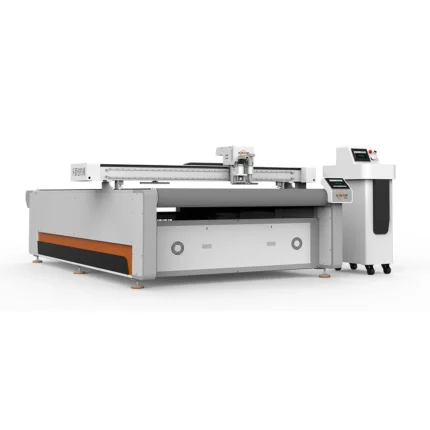
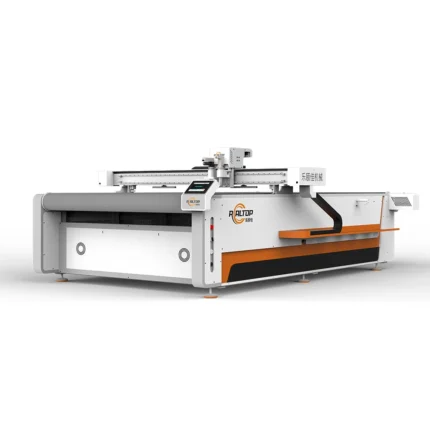
High Speed Fabric Cutting Machine 2026 Round Oscillating Knife
Product Overview
High Speed Fabric Cutting Machine 2026 with round and oscillating knife for efficient fabric cutting. Ideal for textile manufacturing and related industries.Key Specifications
| Cutting Type | Round & Oscillating Knife |
| Model Year | 2026 |
| Application | Fabric Cutting |
| Feature | High Speed Performance |
Jinan Realtop CNC Fabric Slitting Cutter 2026: Advanced Flexible Material Cutter
Product Introduction
Jinan Realtop CNC Fabric Slitting Cutter 2026 is a high-performance cutting equipment designed for precise fabric processing, ideal for industrial manufacturing needs with reliable CNC technology.Specifications
| Model | 2026 |
| Type | CNC Fabric Slitting Cutter |
| Manufacturer | Jinan Realtop |
| Application | Fabric Processing |
| Control System | CNC |
Realtop CNC Fabric Cutting Machine 2026 CE Certified
Product Introduction
Realtop CNC Fabric Cutting Machine 2026, CE Certified, ideal for precision fabric cutting with advanced CNC technology. Engineered for efficiency and reliability in textile manufacturing processes.Key Specifications
| Model | Realtop CNC Fabric Cutting Machine 2026 |
| Certification | CE Certified |
商品评价
There are no reviews yet.