


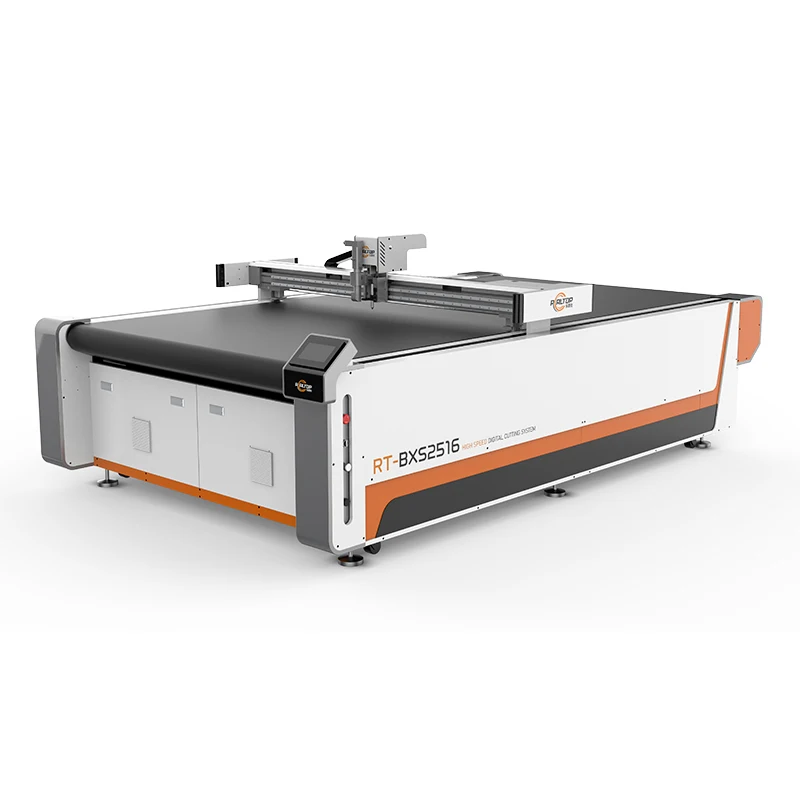
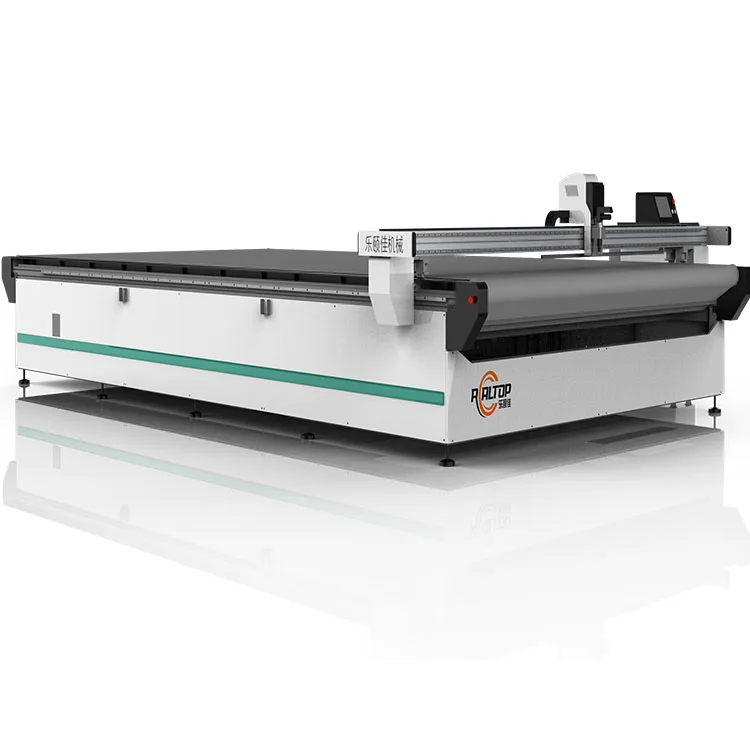
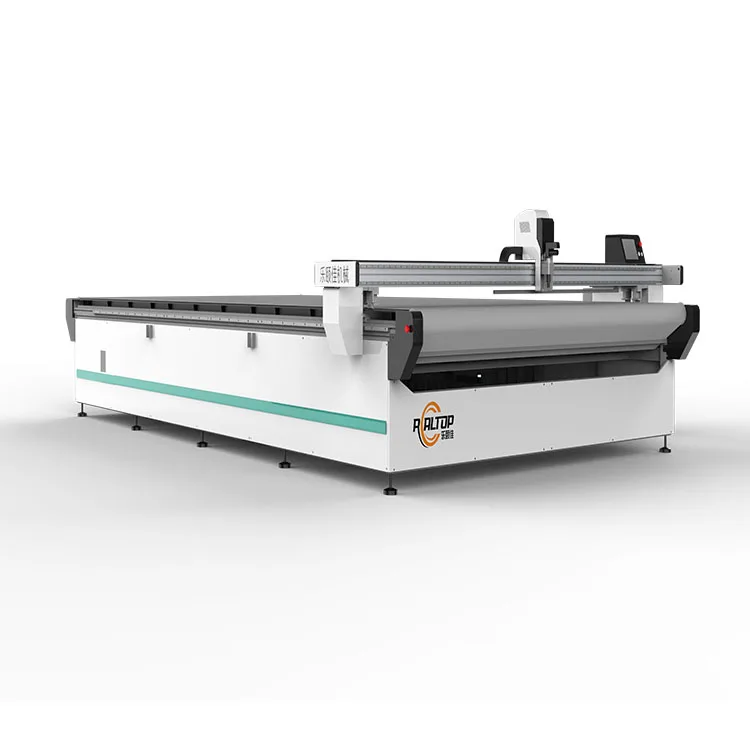
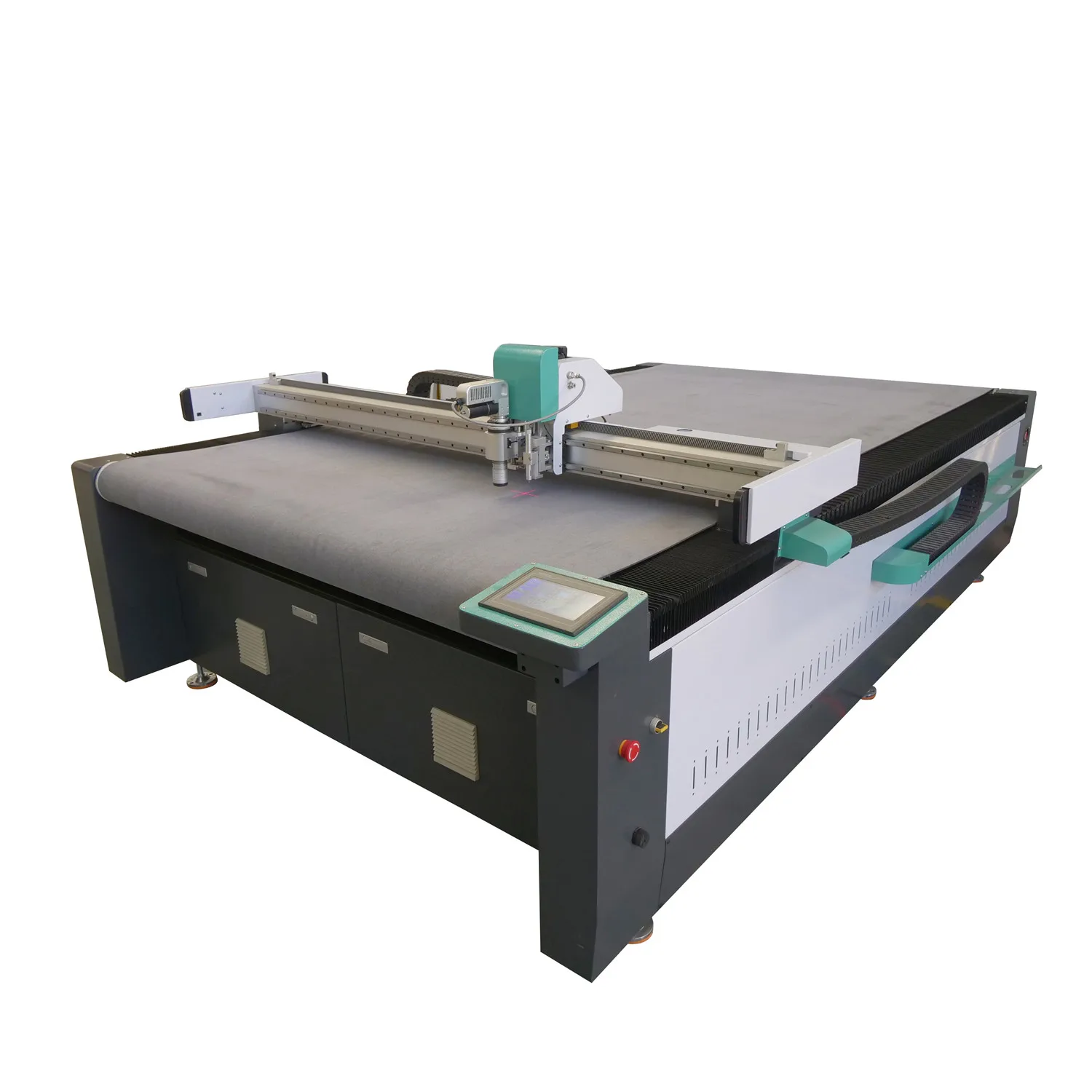


Automatic CNC Textile Cutter Rotary Knife for Fabric Cutting
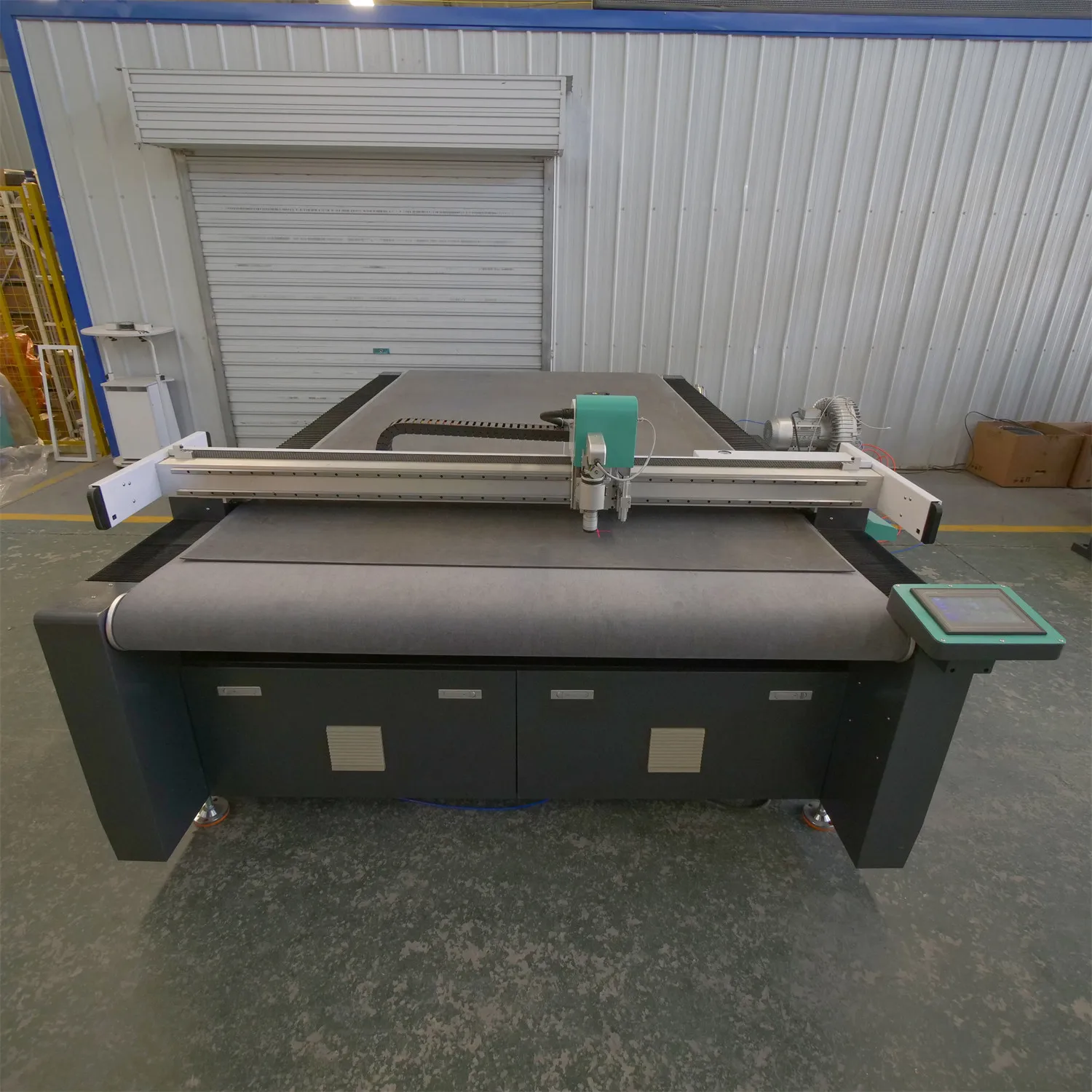
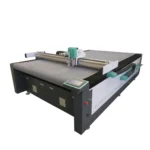
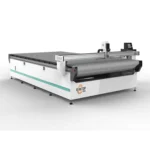
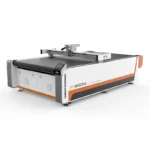
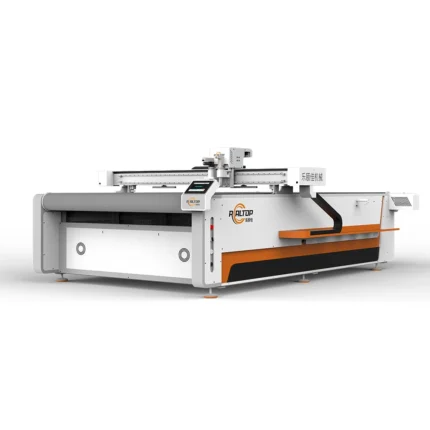
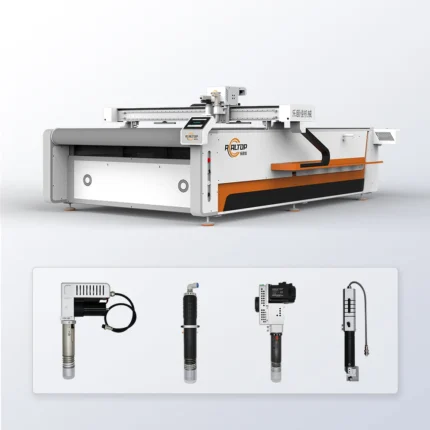
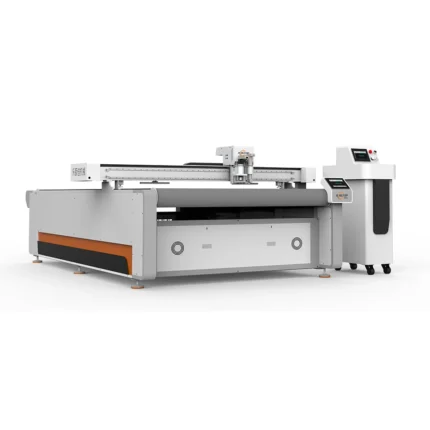
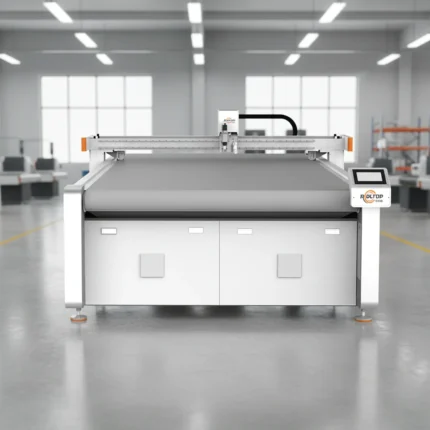
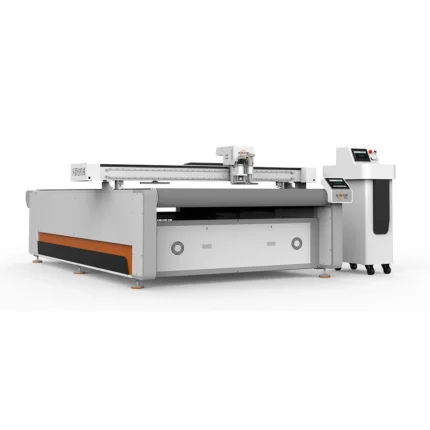
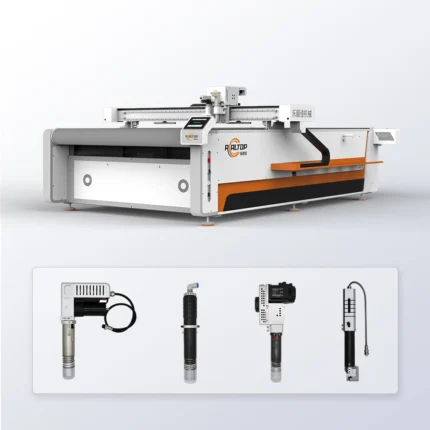
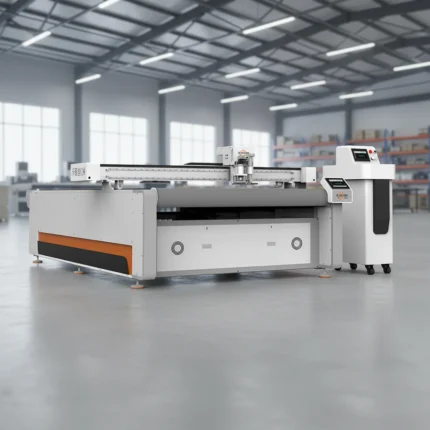
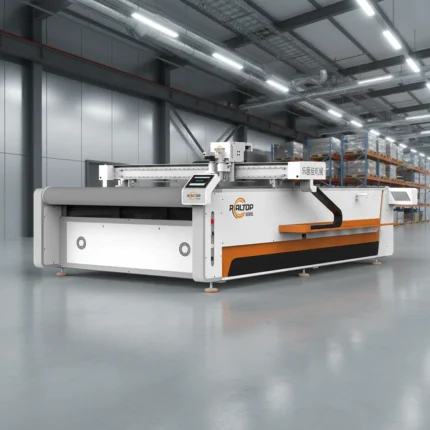
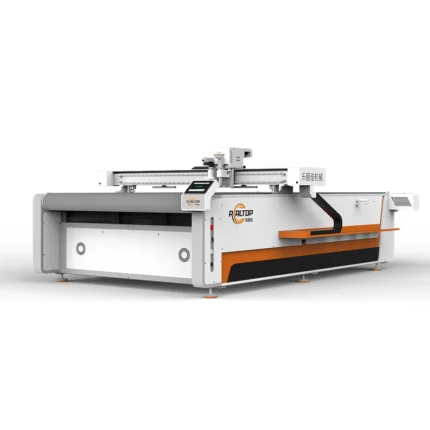
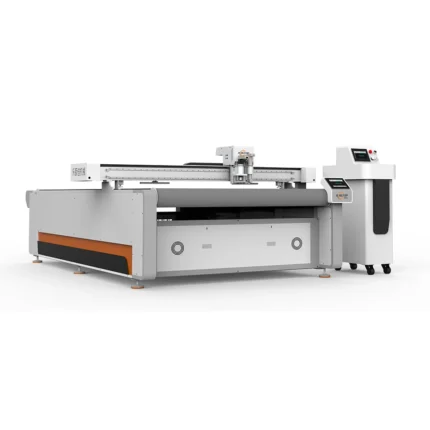
RT-D2516/RT-S2516 CNC Oscillating Knife Cutting Machine, 1600×2500 mm Working Area, 380V — configured for textile, leather and composite material processing with oscillating knife, drag knife and circular knife tool head options.
- Delta/Panasonic servo-driven transmission with Taiwan Hiwin linear guides delivers ≤0.1 mm repeated accuracy across long production runs
- CCD visual positioning and 7.5 kW vacuum table with zone control ensure clean contour cuts without material lift
- Auto-feeding and flat table options matched to your fabric type, thickness and daily volume
Sample cutting on your own material confirms edge quality, cutting depth and speed before order commitment.
Precision Cutting Configuration — each tool head, vacuum zone and camera option is matched to your fabric thickness, weave density and daily volume before the machine leaves Jinan.
Technical Specifications
| Parameter | Value |
|---|---|
| Product Type | CNC Oscillating Knife Cutting Machine |
| Model | RT-D2516 / RT-S2516 |
| Working Area | 1600 × 2500 mm |
| Machine Dimensions | 3450 × 2300 × 1250 mm |
| Rated Power | 9 kW |
| Vacuum Pump Power | 7.5 kW |
| Voltage | 380V ±10% |
| Fixed Model Options | Flat working table / Auto feeding table |
| Multifunctional Tool Head | Swiss imported knife (vibration full cut, half cut, cursor location); optional: pneumatic knife, high-power vibrating knife, circular knife, V-cutting knife, drag knife, creasing wheel, dotted line knife, punching tool, brush |
| Visual Positioning Options | Small CCD camera mark point positioning, panoramic camera recognition, projection positioning |
| Translational Velocity | 800–2000 mm/s |
| Cutting Speed | 200–800 mm/s (basis not stated in source — confirm material type and thickness) |
| Cutting Thickness | ≤100 mm (basis not stated in source — confirm specific material and layer count) |
| Repeated Accuracy | ≤0.1 mm |
| Transmission System | Digital servo motor (Delta or Panasonic optional), Taiwan Hiwin linear guide, synchronous belt, ball screw |
| Control System | CNC, HP-GL compatible format |
| Vacuum Table | Magnesium-aluminum alloy with fluorocarbon PVDF powder spraying, anodic oxidation, hard oxidation |
| Conveyor Belt | Germany imported (auto-feeding model) |
| Safety Device | Infrared induction blocking, anti-collision sensors on beam sides, emergency stop with in-situ resume |
| Control Panel | Touch screen, multiple language support |
| Software | Auto typesetting/nesting; supports PLT, DXF, AI file formats |
| Language Options | English, Russian, Italian, Chinese (special languages customizable) |
| Assembly State | Fully assembled |
| Standards | CE declaration where applicable |
Application Suitability
| Application | Material or Output |
|---|---|
| Garment and footwear production | Multi-layer woven fabric, knit textile, shoe upper material, non-woven lining |
| Automotive interior trimming | Leather, sponge composite leather, PU, EVA, synthetic upholstery |
| Bags, luggage and soft furnishings | Heavy canvas, technical textile, carpet, curtain and upholstery fabric |
| Gasket and composite fabrication | Carbon fiber prepreg, fiberglass, PTFE, ETFE, XPE foam |
| Packaging and graphic finishing | Corrugated cardboard, sticker film, PVC sheet, soft glass |
| Sealing pad and industrial textile | Rubber, silicone, PP, PE sheet, gasket composite |
Why "Cutting Thickness ≤100 mm" Is Only Half the Answer
The real question is whether your specific fabric stack cuts cleanly at production speed — not what the brochure claims in a vacuum.
When I helped a Southeast Asian textile mill set up their first digital cutting line, the spec sheet said the machine handled everything they needed. The buyer sent us a standard polyester swatch for sampling; the cuts came out perfect. But their actual production fabric had a polyurethane coating, and when the machine arrived on their floor, every parameter we had dialed in was wrong. The edges scorched on the coating side, the feed belt lost grip on the slick surface, and we spent four full days re-tuning before the line ran right. A CO2 laser cutting and engraving machine manufacturer typically warns about thermal edge effects on synthetics, and the same discipline applies here: every material behaves differently under the knife [NEED_CITE: material-specific cutting behavior under oscillating blade]. That experience changed how I approach every textile cutting inquiry — we now insist on sampling the buyer’s actual production roll before any contract is signed.
Matching the Tool Head to the Textile
An oscillating knife cutting system only delivers clean edges when the tool head matches the material’s tensile behavior and layer structure. This platform offers a Swiss imported blade for full and half cutting, plus optional circular knife, drag knife, V-cutting knife and pneumatic knife heads. For tightly woven garment fabric, the high-frequency vibrating knife slices through multi-layer lays without delaminating the plies. For coated technical textile, the circular knife rolls through without catching on the surface finish. The ability to swap tool heads on one machine means a garment factory can cut both outer shell fabric and foam interlining on the same table, eliminating a second machine purchase.
How CCD Positioning Holds Up at Line Speed
Printed contour recognition is listed on many cutting tables, but the camera’s ability to track registration marks depends on print contrast, fabric surface texture and line speed simultaneously. The RT-D2516 and RT-S2516 offer three visual positioning options — small CCD mark point positioning, panoramic camera recognition and projection positioning — each suited to a different workflow. Mark point CCD works well when printed garments have clear fiducial marks at known intervals. Panoramic recognition handles irregularly printed rolls where the pattern position drifts. Projection positioning assists operators placing material by eye before the cut begins [NEED_CITE: CCD positioning accuracy at varying conveyor speeds]. Selecting the right camera mode prevents the situation where contour tracking works perfectly during sampling but breaks down during an eight-hour shift.
Reading the Spec Sheet Against Your Production Reality
The 1600 × 2500 mm working area accommodates standard textile roll widths and garment marker lengths without excessive repositioning. Repeated accuracy of ≤0.1 mm, maintained by Delta or Panasonic digital servo motors on Taiwan Hiwin linear guides, keeps pattern pieces within tolerance across long production runs — critical when cut panels move directly to sewing without manual trimming. The magnesium-aluminum alloy vacuum table with PVDF coating and a dedicated 7.5 kW pump holds lightweight knit fabric flat without pulling it into the table surface. Zoning matters here: cutting small collar pieces requires localized suction to prevent lift, while full-width lay cutting needs broad vacuum coverage. The auto-feeding model’s Germany imported conveyor belt paired with the vacuum table maintains material tension from roll to cut, reducing the manual spreading labor that slows down most fabric cutting rooms.
The Hidden Cost of Skipping Material-Specific Sampling
A buyer who specifies a cloth CNC cutting machine by working area alone often discovers the problem weeks after delivery. The wrong tool head produces ragged edges on woven textile or crushes foam backing instead of slicing it. Insufficient vacuum zoning lets small pattern pieces lift during cutting, ruining nested layouts and wasting material. Software that cannot import the buyer’s existing DXF or PLT nesting files forces the pattern room to redraw markers from scratch, adding hours to every order. These are not warranty issues — they are specification failures that could have been caught with a sample cutting report on the buyer’s own material before commitment [NEED_CITE: common specification mismatches in textile digital cutting procurement]. The cost shows up as scrap, downtime and operator frustration rather than a single line item on an invoice.
Why Source This CO2 Laser Cutting and Engraving Machine Manufacturer Line from Jinan
The design team engineers both knife cutting and laser cutting platforms under one roof, so when a material sits on the boundary between methods — thin coated textile that melts under laser but frays under knife — the recommendation comes from engineers who build both machines rather than a salesperson pushing one product line. Tool head and table configuration is documented per material type and daily volume before production begins, not left to post-delivery troubleshooting. Voltage, control language and plug type are confirmed in writing before the machine enters assembly, preventing the situation where a 380V unit arrives in a facility wired for a different supply standard. Software file format compatibility is verified against the buyer’s existing nesting workflow during the sampling stage, not assumed from a generic compatibility list. Every machine ships with a factory test record and sample cutting report, giving the buyer documented proof of performance on their own material before the crate leaves Shandong.
Documentation & Verification
- Machine specification sheet listing configured tool heads and vacuum zones for your material
- Electrical schematic and voltage confirmation matching your facility supply standard
- Sample cutting report on your fabric type with measured edge quality and cycle time
- Software licence and file format compatibility note covering PLT, DXF and AI imports
- Factory test record with repeated accuracy measurement before dispatch
- Operation and maintenance manual in your selected control language
Installation, Commissioning & Support
- Requires level floor space of at least 4000 × 3000 mm to accommodate 3450 × 2300 mm footprint and operator clearance
- Dedicated 380V ±10% circuit with minimum 16 kW capacity to cover 9 kW machine load plus 7.5 kW vacuum pump
- Arrives fully assembled; rigging plan needed for 1250 mm machine height through facility doorways
- First-day commissioning includes vacuum zoning calibration on your fabric roll and tool head alignment check
- Operator training covers CCD camera setup, nesting software import and emergency stop recovery procedure
- Spare parts list identifies consumable blades, conveyor belt segments and vacuum pump filters for first-year maintenance
Before You Request a Quotation
To specify the right configuration, share your primary fabric type, maximum lay thickness and typical sheet or roll dimensions. Let us know your daily cutting volume and whether your existing workflow uses PLT, DXF or AI files. Confirm your facility voltage, frequency and preferred control panel language so the machine arrives ready to run.
Frequently Asked Questions
Q: How is cutting thickness determined for my specific fabric and layer count?
A: Maximum cutting depth depends on material density, weave structure and compressibility rather than a single number. We run your actual fabric stack on the configured tool head and measure edge quality, blade deflection and cycle time. The sample cutting report documents the verified thickness range before you commit to an order.
Q: Which tool head suits my textile — oscillating, circular or drag knife?
A: Oscillating knives handle multi-layer woven and knit fabric with clean edges. Circular knives work on coated or slick surfaces where a vibrating blade catches. Drag knives suit single-layer vinyl and thin film. We recommend the tool head based on your material sampling, and multiple heads can be configured on one machine for mixed-material production.
Q: Can the CCD system track printed marks at full production speed?
A: Tracking reliability depends on print contrast, mark size and fabric surface texture. We test the CCD positioning — mark point, panoramic or projection — on your printed material at target line speed during sampling. The configuration report confirms which camera mode maintains accuracy across a full roll.
Q: What vacuum zoning do I need for small pattern pieces?
A: Small garment panels require localized vacuum zones to prevent material lift during cutting, while full-width marker lays need broad suction. The magnesium-aluminum alloy table supports configurable zoning matched to your nesting layout. We document the zone configuration in the tool head and table configuration list before production.
Q: How are voltage, language and software format confirmed before shipment?
A: We verify your facility voltage and frequency, control panel language and nesting software file formats during the specification confirmation stage. This is documented in writing before the machine enters assembly, so there are no surprises when the unit arrives on your floor.


Related products
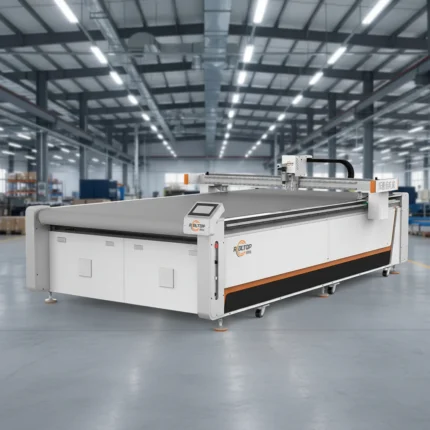
Automatic Multi-Layer Vibrating Knife Cutter 2026
Product Introduction
Automatic Multi-Layer Vibrating Knife Cutter 2026, ideal for precise cutting of various materials with multi-layer processing capability, enhancing production efficiency.
Key Specifications
| Type | Automatic Vibrating Knife Cutter |
| Layer Capacity | Multi-Layer |
| Model | 2026 |
| Function | Precision Cutting |
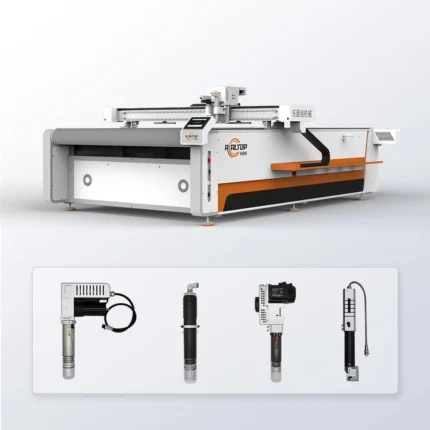
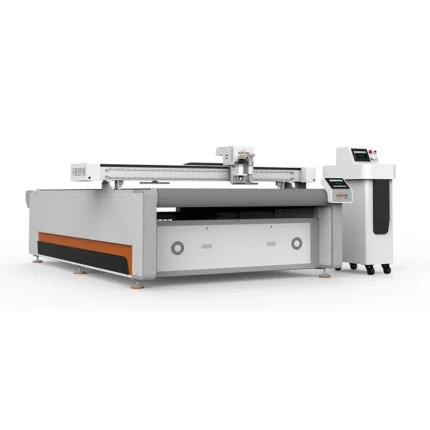
CNC Vibration Knife System 2026 for Polyester Nylon Non-Woven Prepreg
Product Introduction
CNC Vibration Knife System 2026 is ideal for cutting polyester, nylon, non-woven fabrics, and prepreg materials with precision and efficiency, suitable for industrial manufacturing needs.Product Parameters
| Model | 2026 |
| Cutting Technology | CNC Vibration Knife |
| Materials | Polyester, Nylon, Non-Woven, Prepreg |
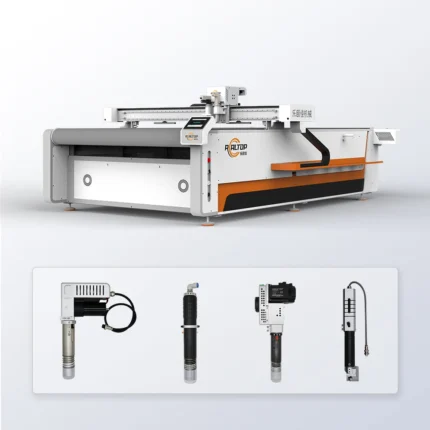
Custom CNC Shirt Fabric Cutting Machine 2026
Product Introduction
Custom CNC Shirt Fabric Cutting Machine 2026, ideal for precise fabric cutting in garment manufacturing, offering efficient and accurate cutting solutions.
Product Parameters
| Model | Custom CNC Shirt Fabric Cutting Machine 2026 |
| Type | CNC Fabric Cutting Machine |
| Application | Shirt Fabric Cutting |
| Year | 2026 |

Jinan Realtop PVC Cutting Machine 2026 CE Certified
Product Introduction
Jinan Realtop PVC Cutting Machine 2026 is a CE-certified cutting solution, ideal for precise PVC material processing. Designed for efficiency and reliability in industrial applications.Product Parameters
| Model | 2026 |
| Certification | CE Certified |
| Application | PVC Cutting |
| Manufacturer | Jinan Realtop |
商品评价
There are no reviews yet.