




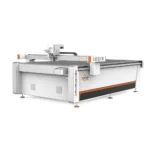
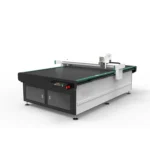
Blade Cutter Cardboard Box Machine for Packaging – OEM Available
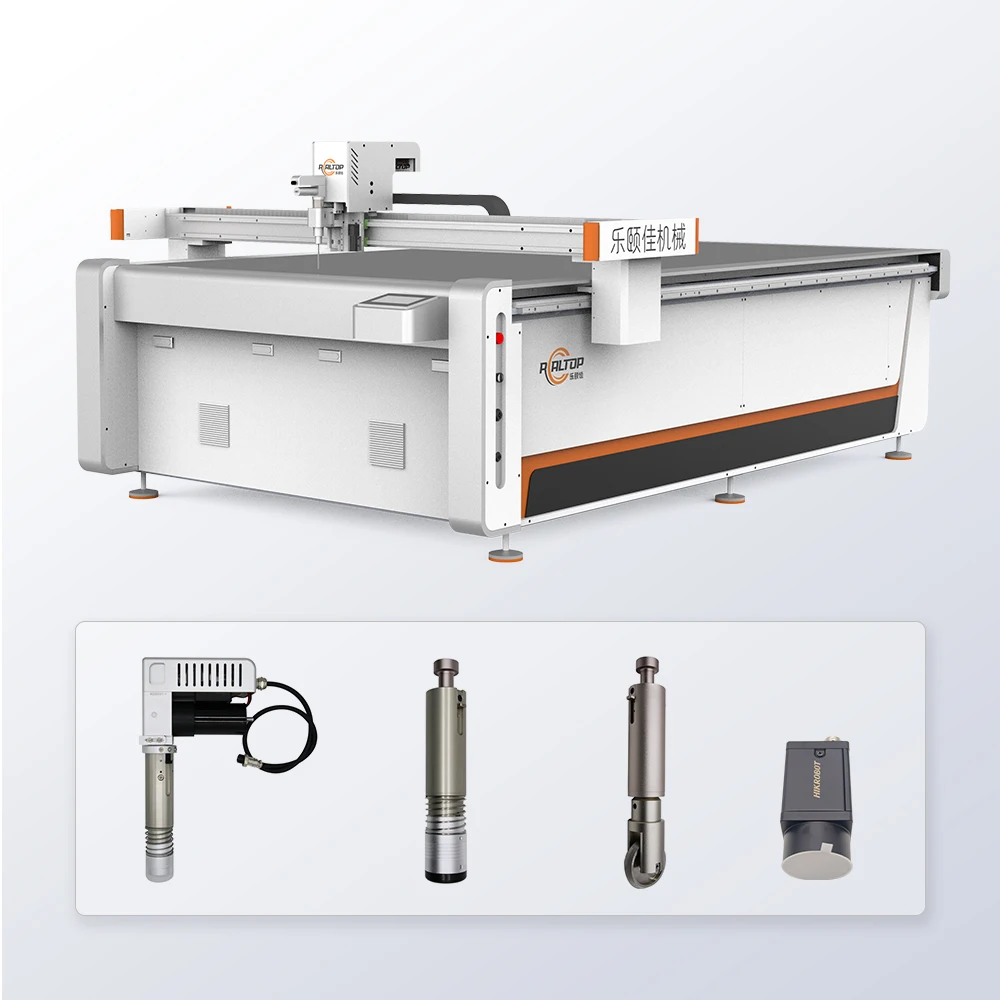
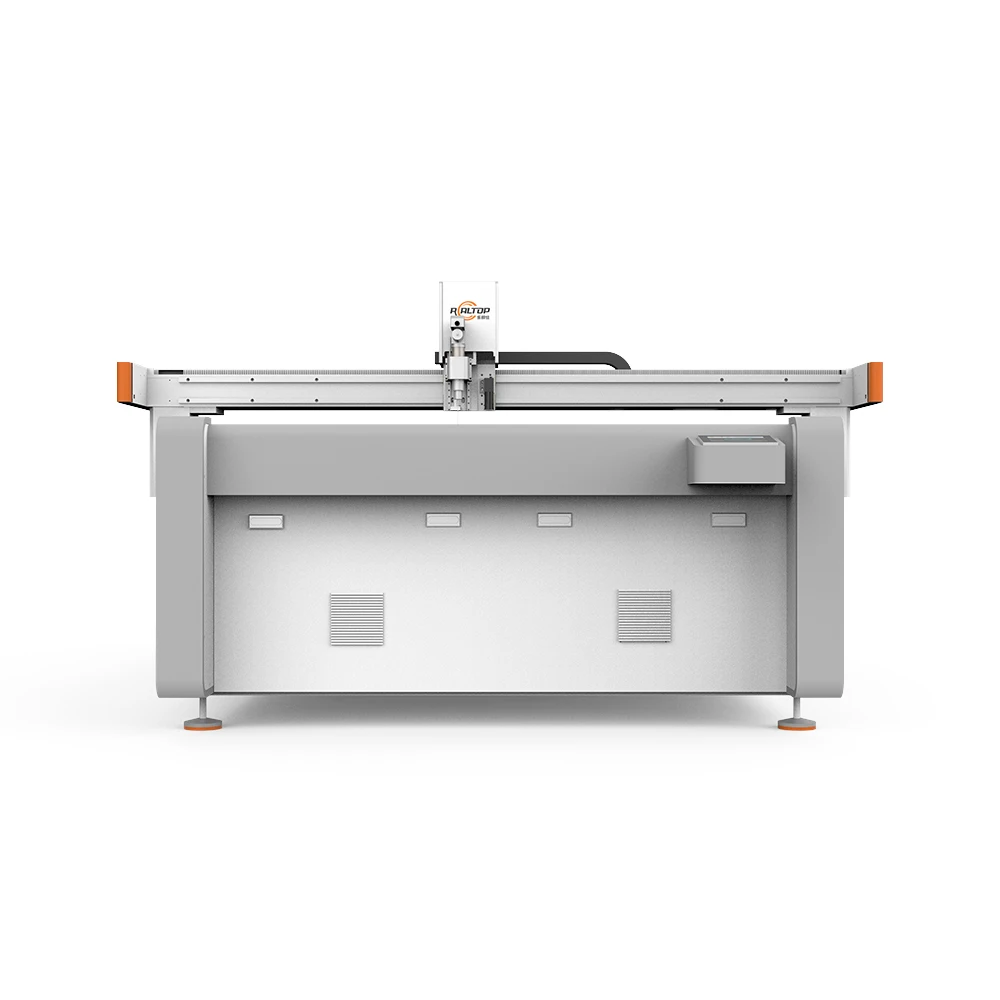
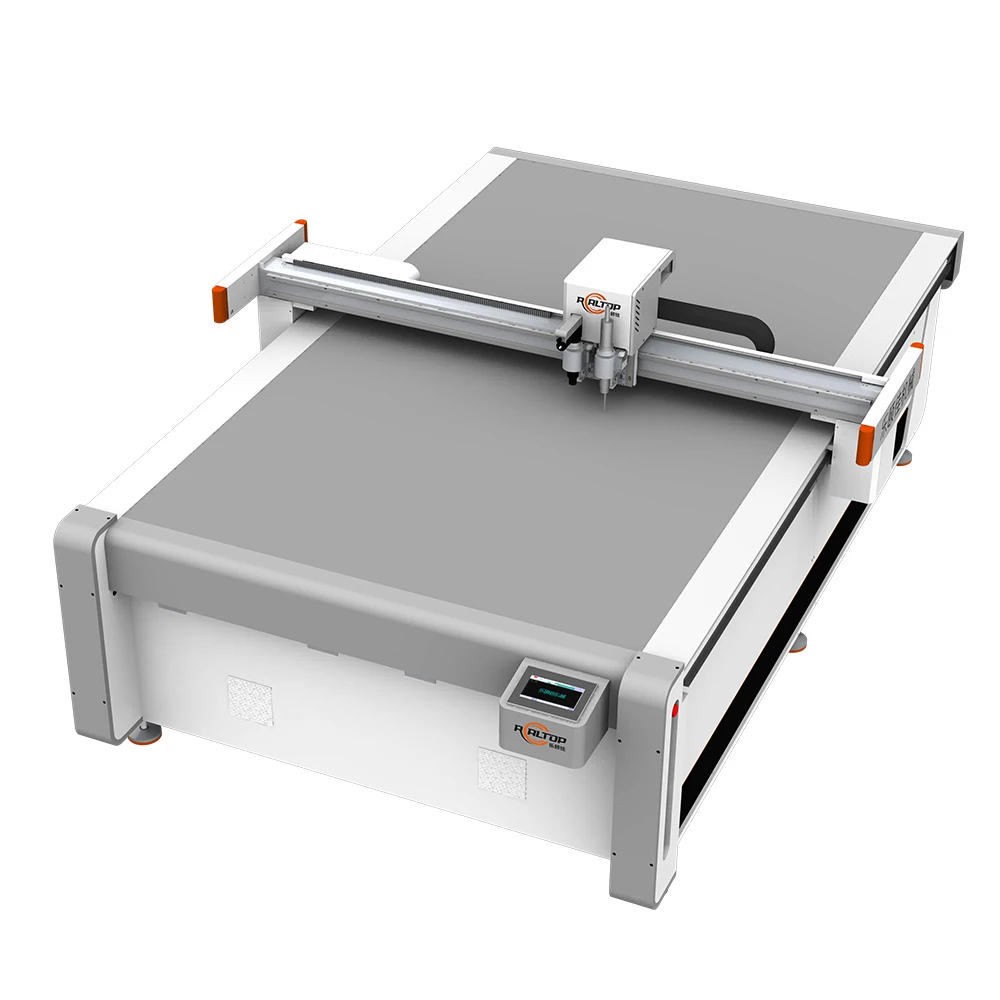
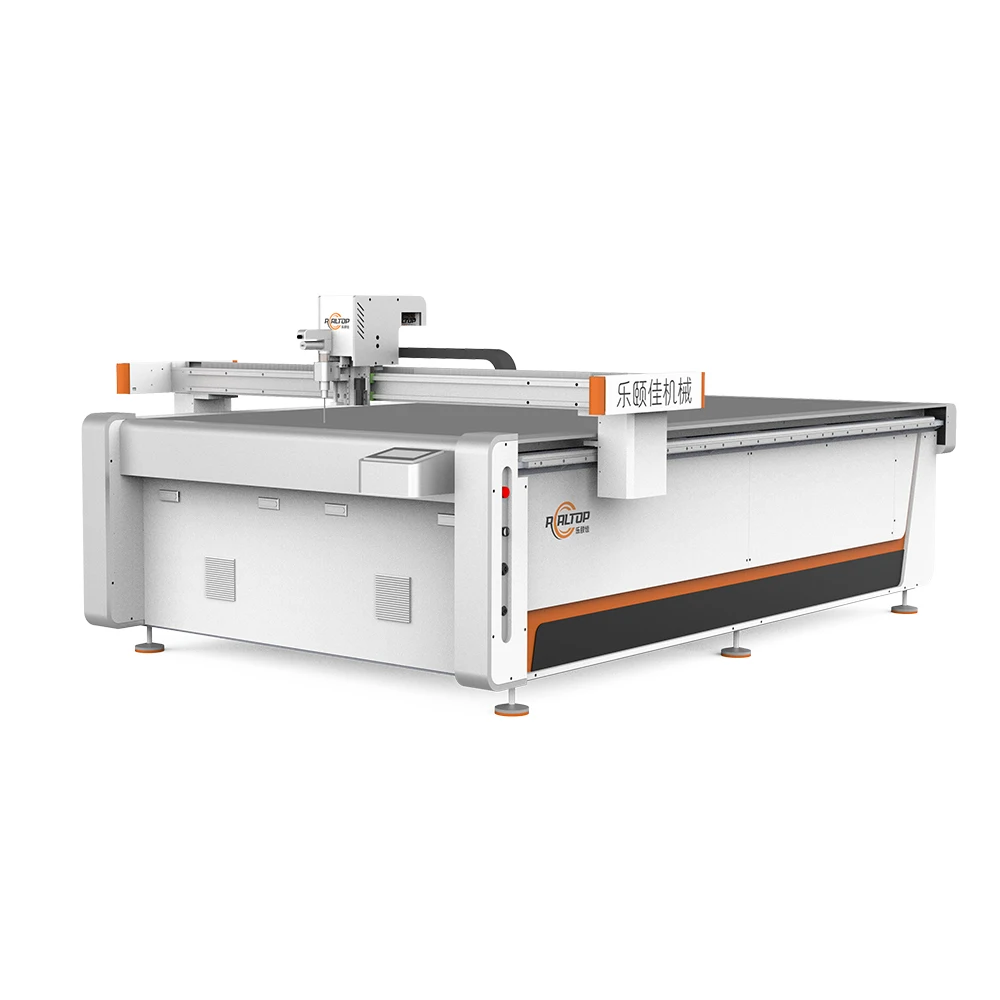
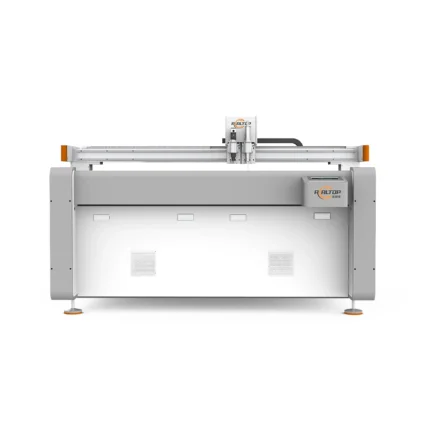
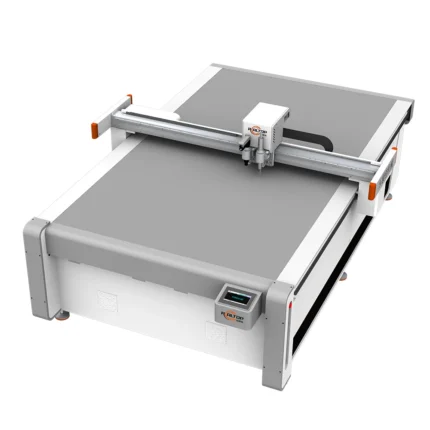
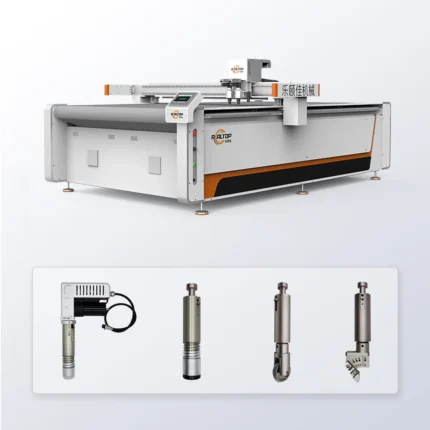
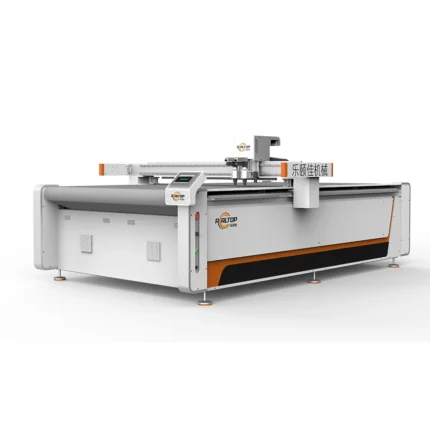
CNC Oscillating Knife Cutting Machine, 1600×2500mm working area, ±0.1mm cutting accuracy — configured with interchangeable tool heads including oscillating knife, creasing wheel and V-groove knife for corrugated cardboard, foam and thin plastic packaging substrates.
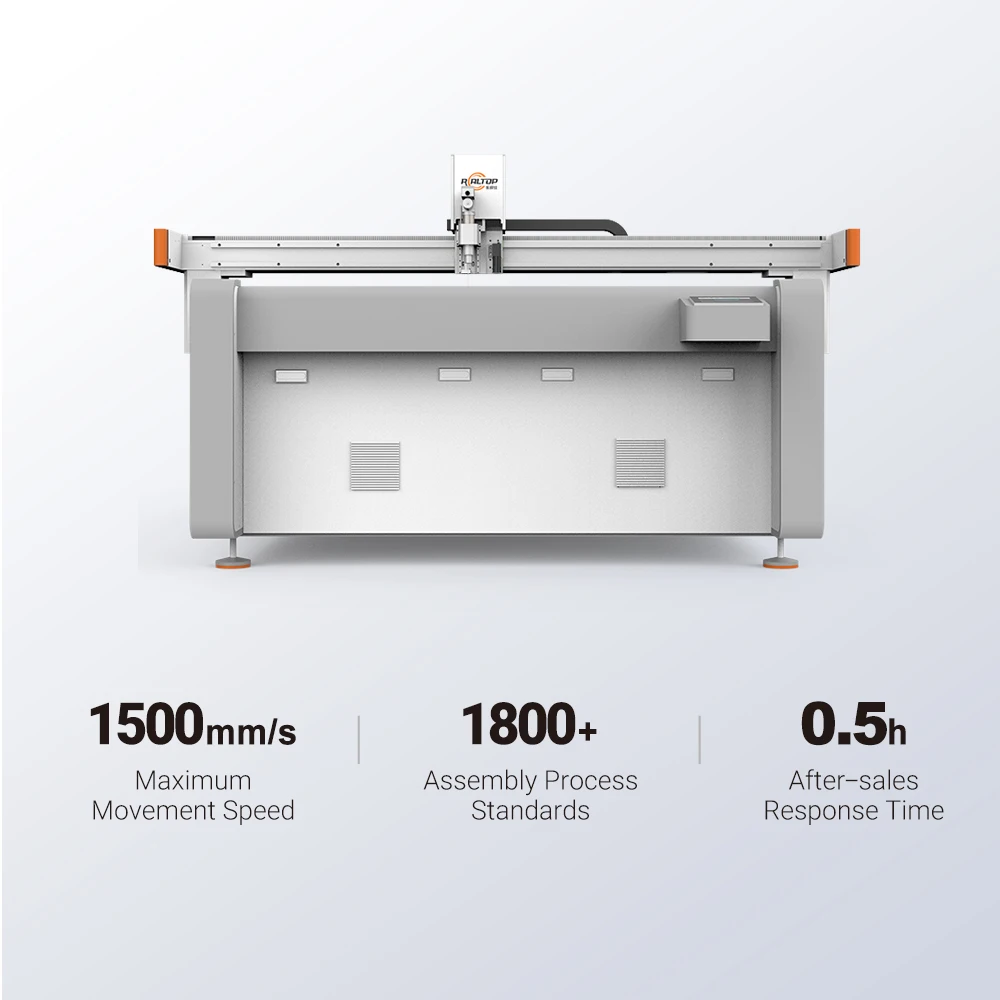
- Aluminum bellows vacuum table ensures secure holding of irregular sheets during high-speed cutting up to 1500 mm/s
- Dedicated packaging structure design software imports PLT, DXF, AI and PDF files directly into the PLC control workflow
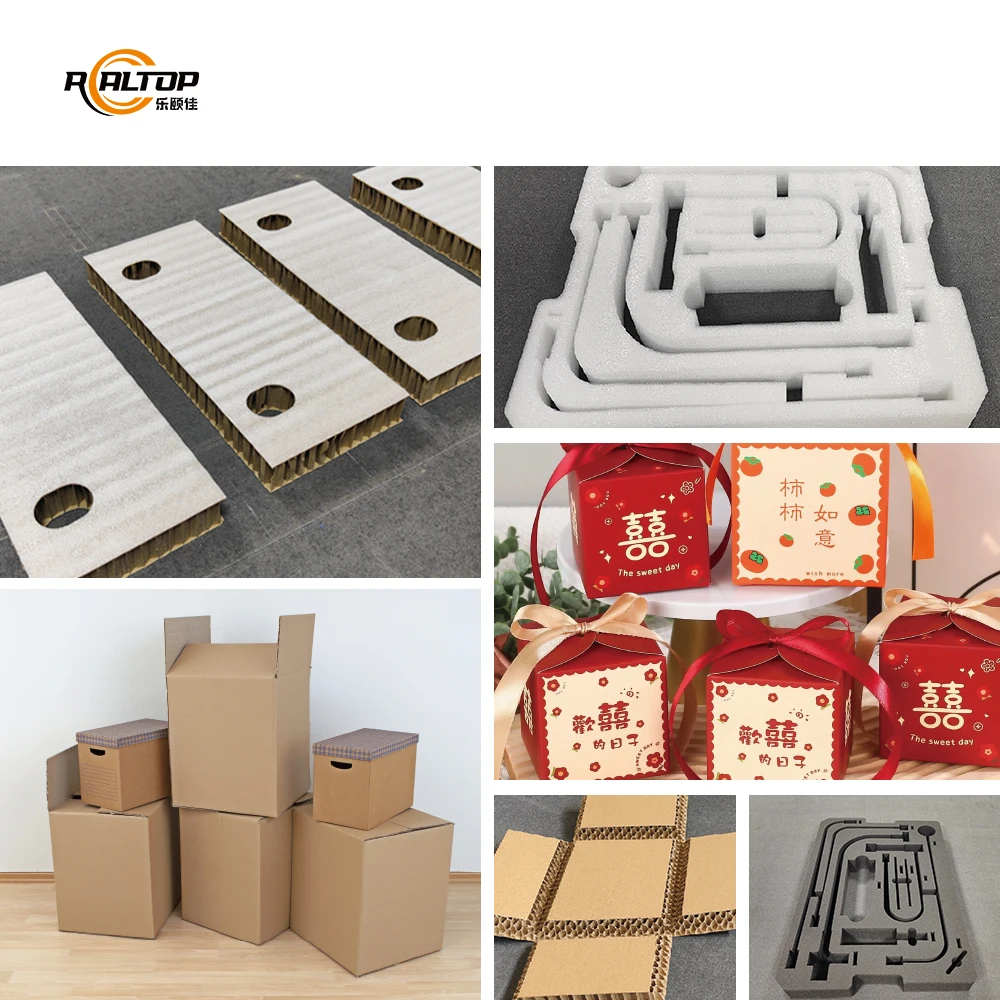
- Supports E-flute through BC-flute corrugated board, EVA/EPE foam inserts and adhesive-backed composite materials
Sample cutting on your own material is completed before order commitment, with tool head and voltage configuration confirmed to match your production requirements.
Tool Head Matched to Material — Every cutting method and tool configuration is verified against your specific board weight and flute type, not assumed from a generic working area.
Technical Specifications
| Parameter | Value |
|---|---|
| Product Type | CNC Oscillating Knife Cutting Machine |
| Working Area | 1600 × 2500 mm |
| Tools Available | Oscillating knife, Driven rotary knife, Creasing wheel, Kiss cutting tool, Pneumatic knife, Milling tool, V-groove knife |
| Applicable Materials | Fabric, Cardboard, Carton, Mats, PVC, EVA, Leather, Acrylic, Foam, PTFE, Rubber |
| Cutting Speed | 0–1500 mm/s |
| Cutting Thickness | ≤ 40 mm |
| Cutting Accuracy | ±0.1 mm |
| Vacuum Pump | 9 kW |
| Voltage Options | 110V, 220V, 380V |
| Profile Format | PLT, DXF, AI, PDF |
| Vacuum Table | Aluminum bellows vacuum table |
| Control Panel | PLC control panel with optional display languages |
| Safety Device | Infrared sensor device and emergency stop device |
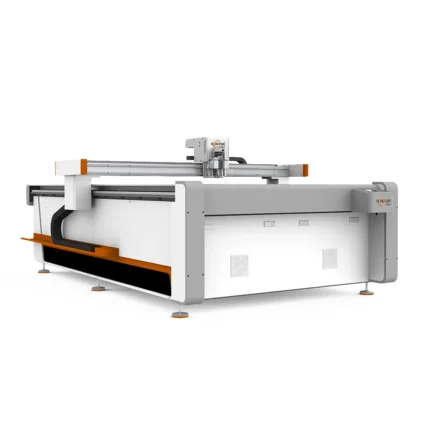
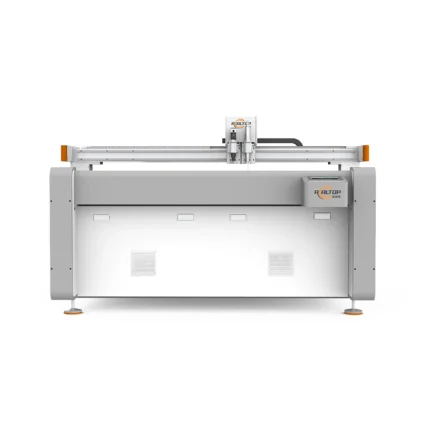
| Machine Size | 3300 × 2100 × 1350 mm |
| Servo Drive Options | Panasonic, Delta, Dorna |
| Certification | CE Certified |
Application Suitability
| Application | Material or Output |
|---|---|
| Carton and packaging sample making | Corrugated cardboard (E-flute, B-flute, BC-flute), greyboard, cardstock, art paper, specialty paper |
| Foam packaging inserts | EVA foam, EPE foam, PU foam for protective packaging |
| Thin plastic sheet cutting | PVC, PET sheets for blisters and folding cartons |
| Leather and synthetic leather | Genuine and PU leather for small-batch packaging accessories |
| Rubber and composite gaskets | Rubber mats, composite materials, adhesive-backed substrates |
| Short-run custom packaging | Replacing die-cut molds for low-volume and prototype packaging runs |
Why Specified Thickness Capacity Matters More Than Working Area
A machine quoted only by its table size will fail the moment it meets your heaviest board grade.
Many buyers focus on the footprint and assume a large-format table handles any substrate within that envelope. In reality, a blade cutter cardboard box machine must be evaluated by its cutting thickness capacity and the tool head selected for your specific flute profile. Pushing a standard oscillating knife through dense BC-flute at production speed produces ragged edges and crushed walls [NEED_CITE: cutting force and material density interaction in corrugated board processing]. When the tool and the material are mismatched, the result is wasted stock, rejected samples and missed delivery windows.
Matching the Tool Head to Your Board Grade
Selecting the correct tool head is the most consequential decision in configuring a CNC oscillating knife cutting table for packaging work. An oscillating knife handles standard corrugated grades and foam substrates cleanly, while a driven rotary knife is better suited for continuous cuts through thicker, denser boards. A creasing wheel scores fold lines without severing the liner, which is essential for folding carton prototypes. When a packaging house runs multiple board weights, the ability to swap between these tools on one table determines whether the machine earns its keep or sits idle waiting for the right head to be fitted.
Vacuum Holding and Zoning for Small Packaging Parts
The aluminum bellows vacuum table on this unit provides full-surface adsorption, which is critical when cutting small carton components or nested gasket pieces. Large vacuum zones hold full sheets of corrugated board securely, but packaging sample making often involves cutting dozens of small parts from a single sheet. If the vacuum zoning cannot be adjusted to isolate smaller areas, thin cardstock and art paper lift at the edges during high-speed passes [NEED_CITE: vacuum table zoning and material hold-down in digital cutting]. The 9 kW vacuum pump generates the suction needed to keep even lightweight specialty papers flat against the table surface throughout the cutting cycle.
Reading the Specs That Define Real Cutting Performance
The stated cutting speed of 1500 mm/s represents the maximum traverse rate, but actual throughput depends entirely on the complexity of the cut path and the density of the material. A straight cut through single-face corrugated board will approach that rate, while a nested layout of intricate carton structures with multiple crease lines will run considerably slower. The ±0.1 mm cutting accuracy is achievable on materials that lie flat under vacuum; warped or moisture-laden boards may deviate. The PLC control panel accepts PLT, DXF, AI and PDF formats, which means your existing packaging structure design files can be imported directly without conversion through third-party nesting software. The dedicated packaging box structure design software handles crease-and-cut workflows natively, reducing the time between a designer’s file and a physical sample on the table.
The Cost of Configuring for the Lowest Quoted Price
When a blade cutter cardboard box machine is specified at the minimum tool head count to meet a budget, the buyer often discovers the limitation during their first production run. A configuration that includes only a standard oscillating knife will struggle with kiss-cutting adhesive-backed labels or V-grooving foam inserts. Retrofitting additional tool heads after delivery involves shipping, calibration and downtime. Similarly, choosing a servo drive option without considering long-term parts availability in your local market means a failed drive can halt production for weeks while a replacement is sourced [NEED_CITE: servo drive spare parts availability in export markets].
Why Source This Equipment From the Builder
The manufacturer designs and produces both knife and laser cutting systems in-house, so the cutting method is matched to the material rather than forced into a single technology. Each tool head and table configuration is specified per material and daily production volume, not sold as a one-size-fits-all package. CCD camera positioning is available for printed contour work on packaging prototypes where registration to pre-printed graphics is required. Software compatibility is confirmed with your existing file formats before the order is placed. Voltage, plug type and control language — available in English, Russian, Italian, Chinese and customizable to other languages — are locked in before production begins. Sample cutting on your own corrugated grade or foam stock is completed before any commitment to purchase.
Documentation & Verification
- Machine specification sheet listing all tool heads and table zones configured for your material
- Electrical schematic confirming voltage, frequency and plug type for your facility
- Sample cutting report on your corrugated flute type and board weight before order
- Tool head and vacuum table configuration list matched to your production profile
- Software licence and file format compatibility note for your design workflow
- Factory test record documenting cutting accuracy and speed on your sample material
Installation, Commissioning & Support
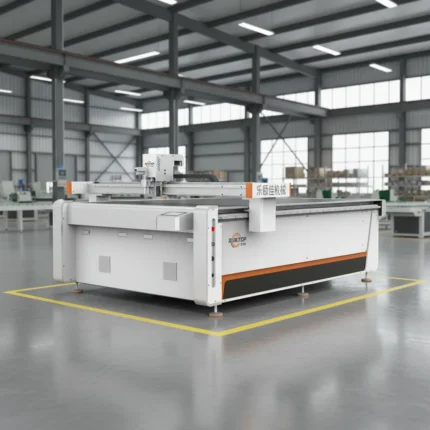
- Floor space planning based on the 3300 × 2100 mm machine footprint plus operator clearance
- Dedicated electrical circuit sized for the 9 kW vacuum pump and servo drives at your local voltage
- Assembly and leveling of the aluminum bellows vacuum table on arrival at your facility
- First-run calibration of cutting depth and tool offset on your specific board grade
- Operator training on the PLC control panel in your chosen display language
- Spare parts list covering blades, creasing wheels and vacuum seals for your first year of operation
What to Prepare Before Requesting a Quote
To receive a configuration that actually fits your workflow, share your typical board grades, flute types and maximum material thickness. Provide your daily or weekly cutting volume and the range of carton sizes you produce. Confirm your local voltage standard, plug type and the control language your operators require. If you have existing packaging design files, note the format and software platform so compatibility can be verified before the machine is built.
Frequently Asked Questions
Q: How do I verify the cutting thickness works with my corrugated flute type?
A: The stated ≤ 40 mm capacity varies by board density and flute profile. Before ordering, submit samples of your heaviest board grade — including E-flute, B-flute and BC-flute — so a cutting test can confirm clean penetration and edge quality at production speed. A sample cutting report is provided for your review before any commitment is made.
Q: Which tool head configuration do I need for packaging sample making?
A: A typical carton sample setup pairs an oscillating knife for through-cuts with a creasing wheel for fold lines. If you also produce foam inserts or kiss-cut adhesive components, a pneumatic knife or kiss cutting tool is added. The final configuration is based on the materials and cut types in your actual production mix, not on a standard package.
Q: Can the control panel and software be customized for my market?
A: The PLC control panel supports English, Russian, Italian and Chinese, with special languages customizable on request. The dedicated packaging software imports PLT, DXF, AI and PDF files. Before shipment, your file format and nesting workflow are tested against the software to ensure compatibility with your existing design process.
Q: What voltage and plug options are available for export?
A: The machine is configurable for 110V, 220V or 380V systems. Voltage, plug type and frequency are confirmed in writing before production begins to match your facility’s electrical infrastructure. An electrical schematic is included in the documentation package to assist your local electrician during installation.
Q: How does the sample cutting trial work before I commit?
A: Send representative samples of your corrugated board, foam or specialty paper to the factory. The material is cut using your proposed tool head configuration and the results — edge quality, cutting speed achieved, dimensional accuracy — are documented in a sample cutting report. You review this report before approving the final machine specification.


Related products
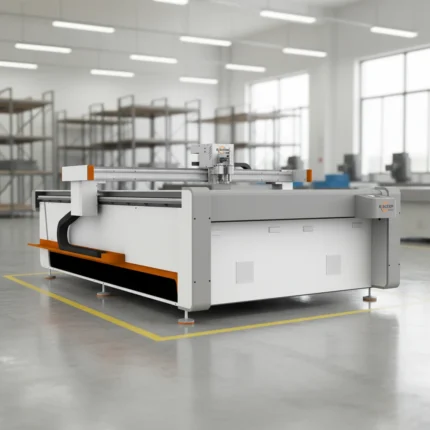
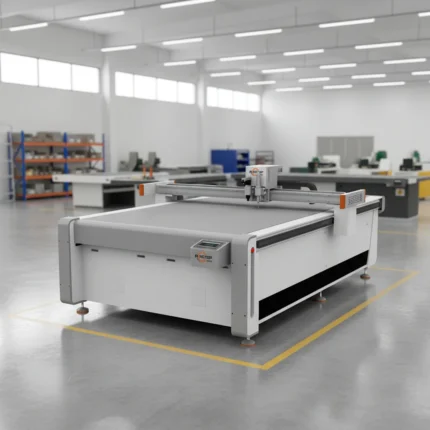
2026 Digital Flatbed Cutting Plotter Auto Corrugated Box Die Cutter
Product Introduction
Digital Flatbed Cutting Plotter 2026, ideal for auto corrugated box die cutting, offering precision and efficiency for professional packaging production.Specifications
| Type | Digital Flatbed Cutting Plotter |
| Model | 2026 |
| Application | Auto Corrugated Box Die Cutting |
| Function | Precision Cutting & Plotting |
Automatic Die-less Cardboard Vibrating Knife Cutter 2026
Product Introduction
Automatic Die-less Cardboard Vibrating Knife Cutter 2026, a precision cutting solution for cardboard materials, featuring advanced die-less technology for efficient and flexible cutting operations. Ideal for various cardboard processing needs in manufacturing and packaging industries.Key Specifications
| Model | 2026 |
| Type | Automatic Die-less Cutter |
| Cutting Tool | Vibrating Knife |
| Material | Cardboard |
CNC Flatbed Cutter 2026 Digital Corrugated Box Making Machine
Product Introduction
High-precision CNC flatbed cutter designed for efficient cardboard box production. Ideal for 2026 digital corrugated box manufacturing, offering precise cutting and reliable performance for professional packaging solutions.
Key Specifications
| Type | CNC Flatbed Cutter |
| Application | Cardboard Box Production |
| Technology | 2026 Digital System |
| Material | Corrugated Board |

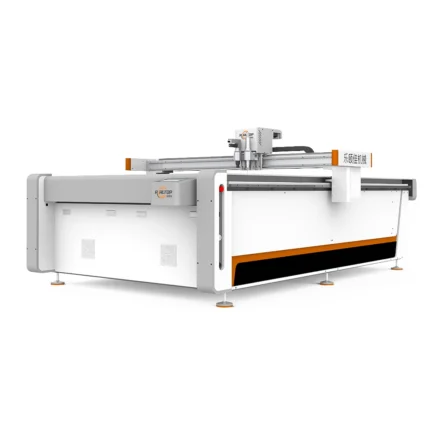
CNC Flatbed Oscillating Knife Cutting Machine 2026
Product Introduction
High-performance CNC Flatbed Oscillating Knife Cutting Machine 2026, ideal for precision cutting of various materials with advanced oscillating knife technology, ensuring efficient and accurate operations for industrial manufacturing needs.Specifications
| Model | 2026 |
| Type | CNC Flatbed Oscillating Knife Cutting Machine |

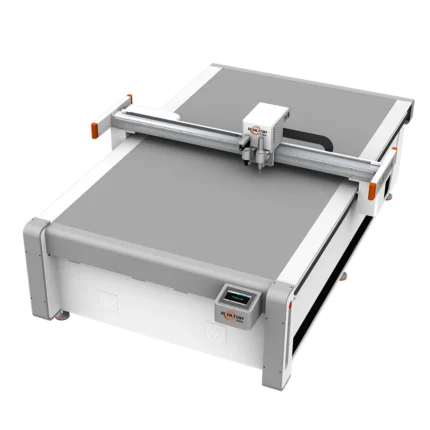
REALTOP 2026 Digital Industrial Cardboard Box Cutter
Product Introduction
REALTOP Digital Industrial Cardboard Box Cutter Machine 2026 is a professional industrial-grade cutting equipment designed for efficient cardboard box processing, ideal for manufacturing and packaging applications.
Product Parameters
| Model | 2026 |
| Type | Digital Industrial Cardboard Box Cutter |
| Application | Cardboard Box Processing |
| Feature | Industrial-grade, Efficient Cutting |

商品评价
There are no reviews yet.