


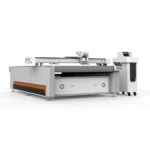
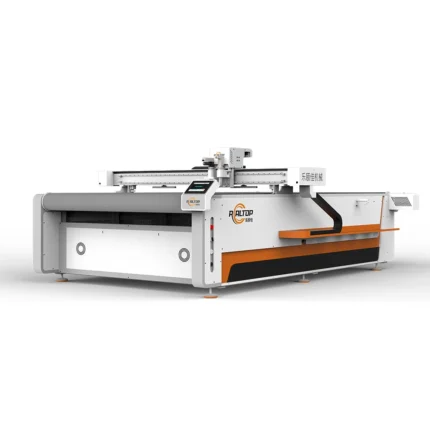
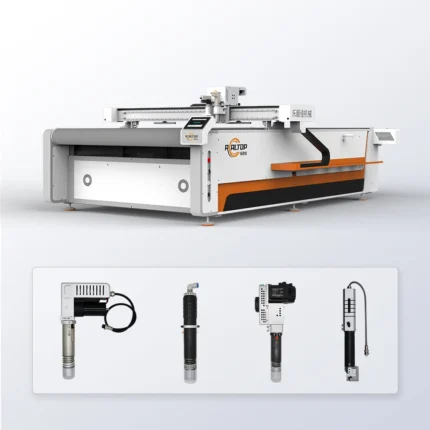
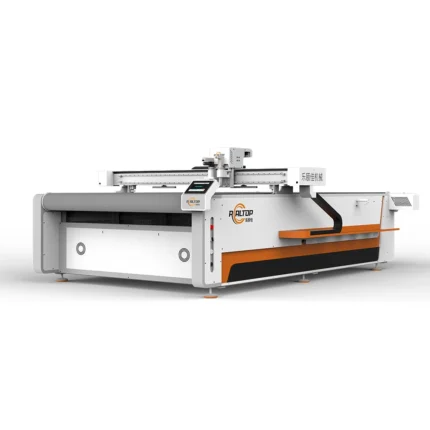
Cloth CNC Cutting Machine 2500×1600mm | for Surgical Gowns
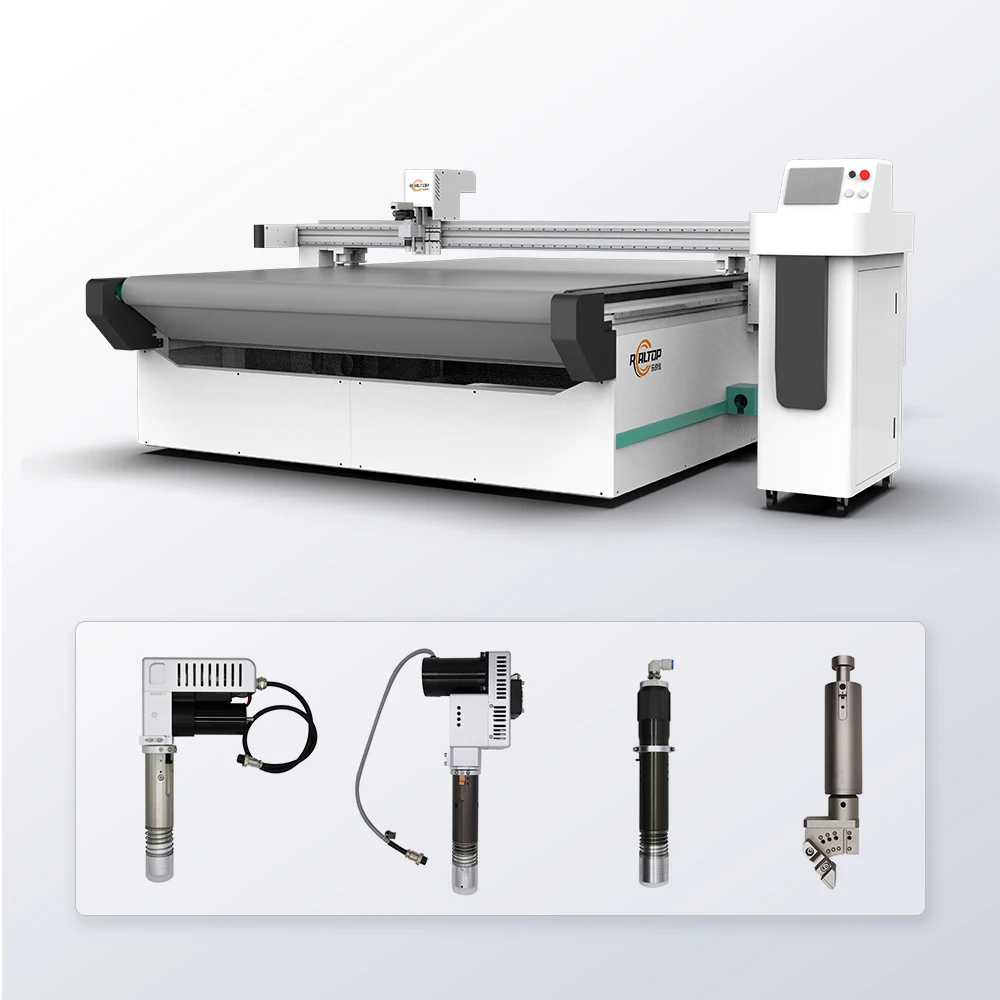
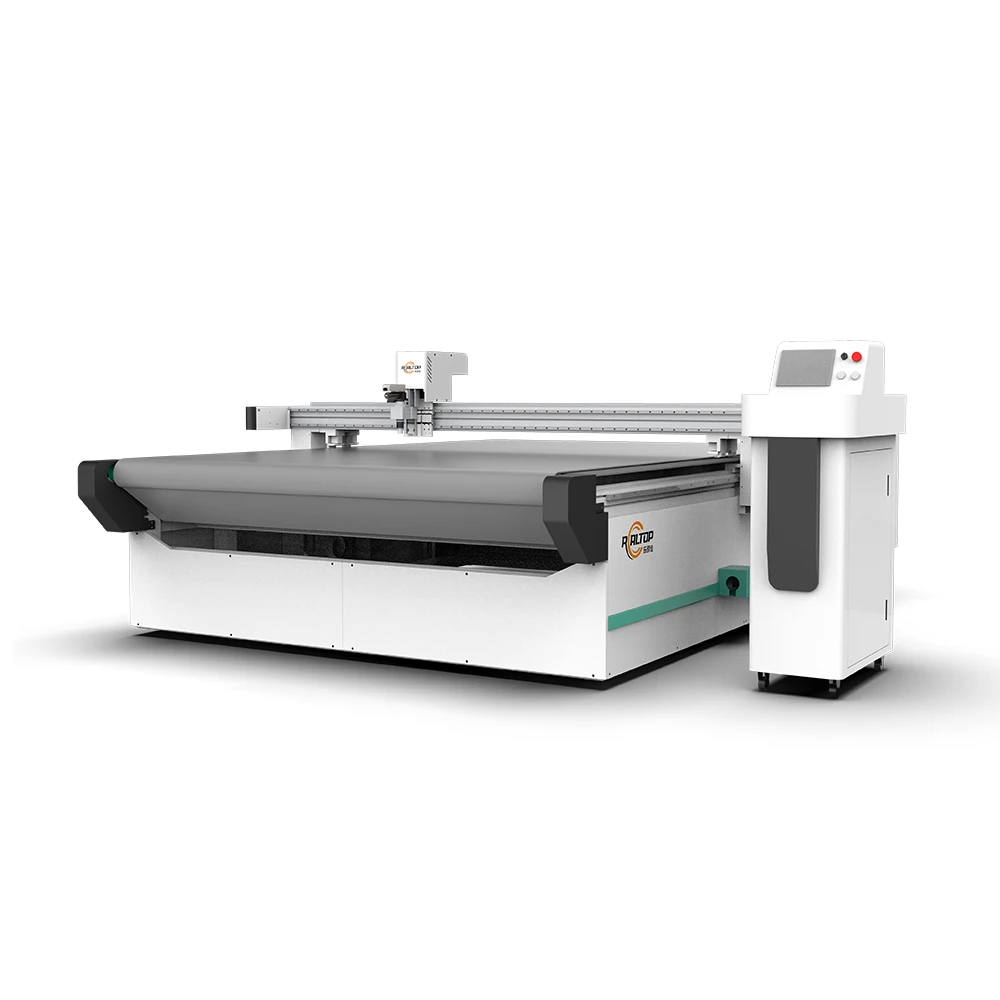
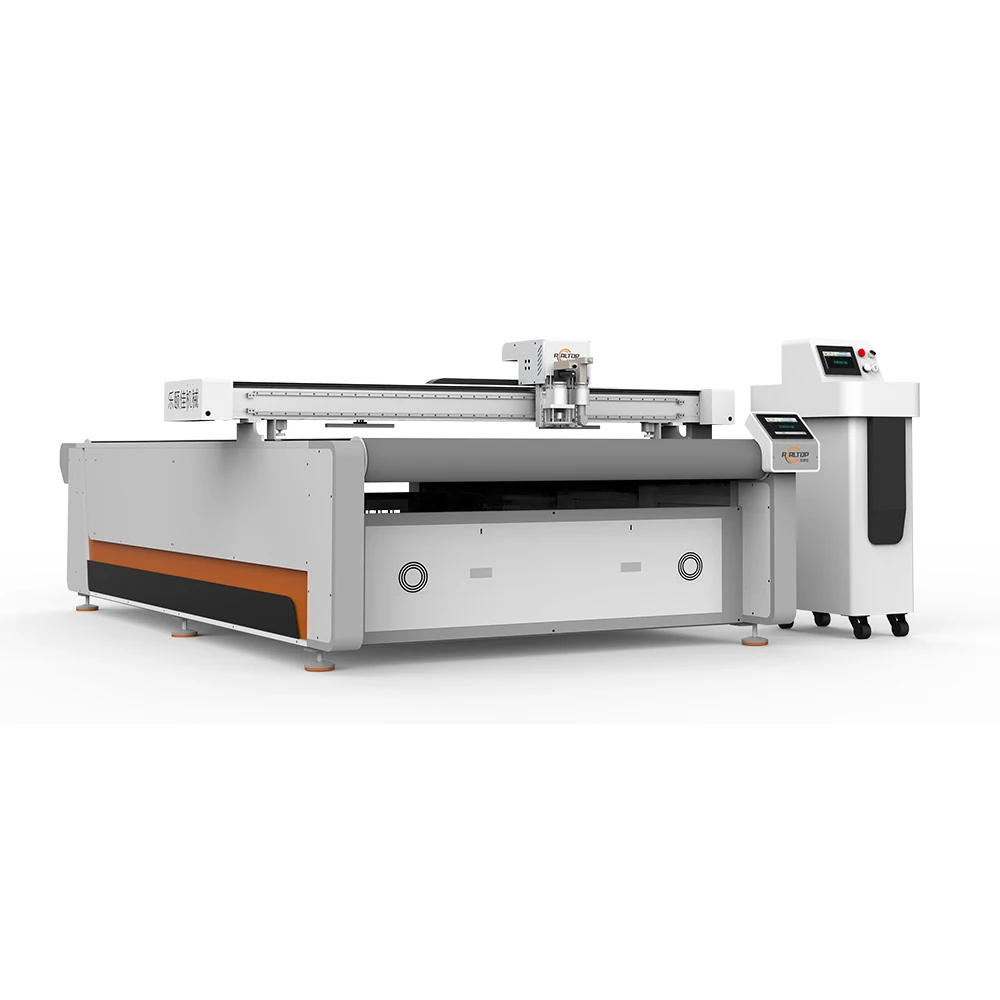
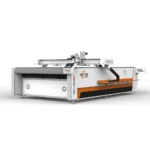
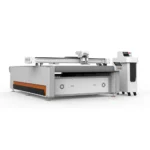
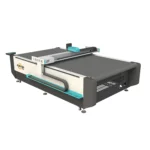
RT-D2516/RT-S2516 Cloth CNC Cutting Machine, 2500×1600mm Working Area, 9kW, Oscillating Knife — designed for surgical gown and textile production. Configured with CCD camera positioning for printed contour recognition and multi-zone vacuum table to prevent fabric lift during high-speed cutting. Tool head options include oscillating knife, drag knife and circular knife matched to fabric type and ply thickness. – Sample cutting on your material before order, voltage and control language confirmed before shipment, and factory test record provided with documentation package.
Cutting method matched to material — REALTOP configures oscillating knife, drag knife, or laser systems based on fabric weight, coating presence, and edge-sealing requirements rather than forcing one technology across all textile applications.
Technical Specifications
| Parameter | Value |
|---|---|
| Product Type | Cloth CNC Cutting Machine |
| Model | RT-D2516/RT-S2516 |
| Working Area | 1600×2500 mm |
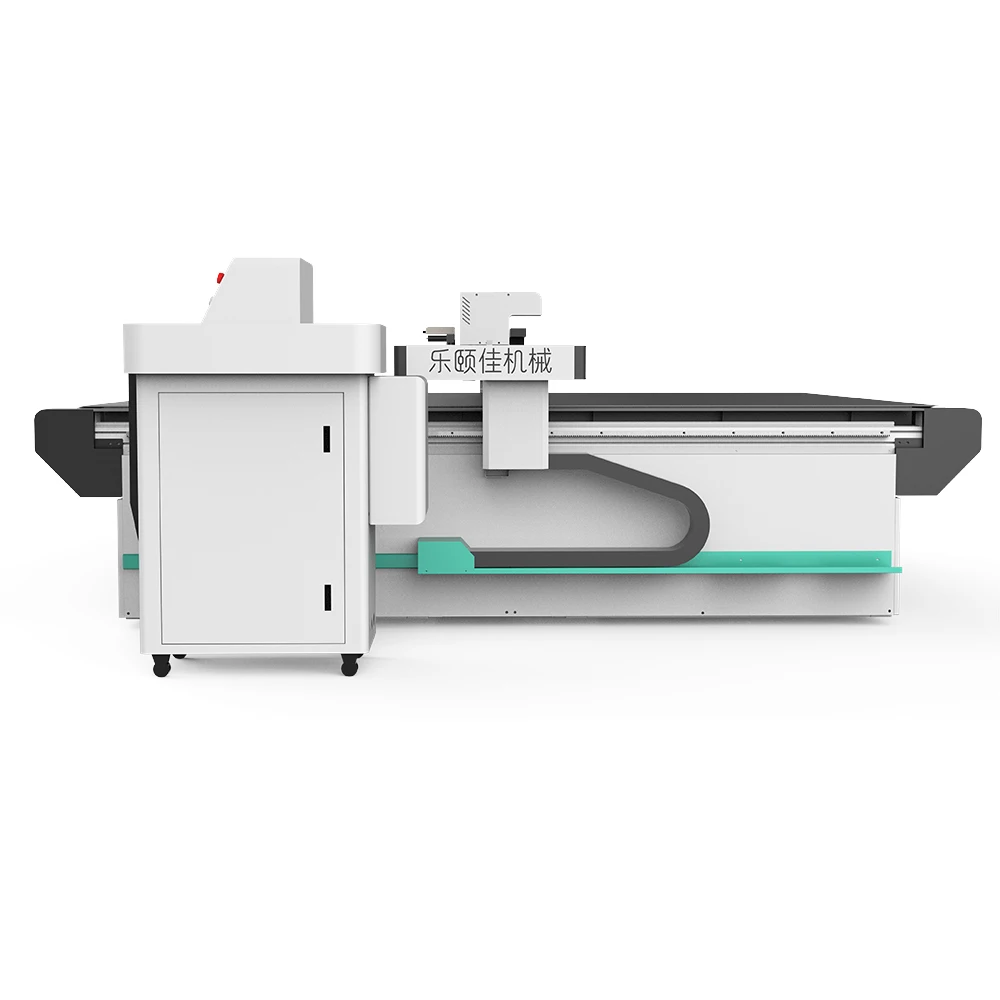
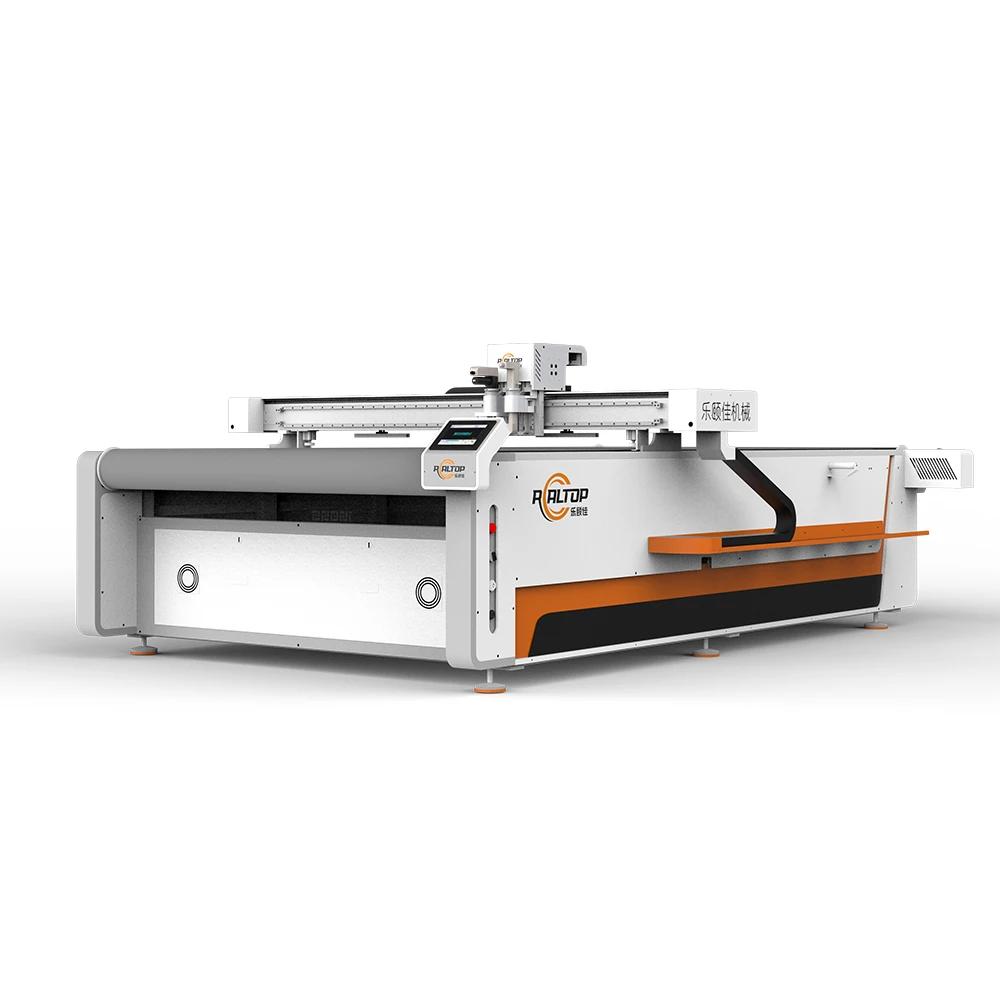
| Overall Dimensions | 3450×2300×1250 mm |
| Rated Power | 9 kW |
| Voltage | 380V±10% |
| Transmission System | Digital servo motor, linear guide, synchronous belt, ball screw |
| Servo Motor Brand | Delta or Panasonic (optional) |
| Translational Velocity | 800–2000 mm/s |
| Cutting Speed | 200–800 mm/s (basis not stated in source) |
| Cutting Thickness | ≤100 mm (varies with material) |
| Repeated Accuracy | ≤0.1 mm |
| Tool Head Options | Oscillating knife, pneumatic knife, high-power vibrating knife, circular knife, V-cutting knife, drag knife, creasing wheel, dotted line knife, punching, brush |
| Multifunctional Head | Swiss imported knife with vibration full cutting, vibration half cutting, cursor location |
| Visual Positioning | Small CCD camera mark point positioning, panoramic camera recognition, projection positioning |
| Table Type | Flat working table or auto feeding table (configurable) |
| Vacuum Table | Magnesium-aluminum alloy with PVDF powder spraying, anodic oxidation, hard oxidation; 7.5 kW vacuum pump |
| Control System | CNC with HP-GL compatible format |
| Software Compatibility | PLT, DXF, AI file formats; auto typesetting |
| Safety Device | Infrared induction blocking, anti-collision sensors, emergency stop |
| Conveyor Belt | Germany imported |
| Guide Rail | Taiwan Hiwin rail |
| Language Options | English, Russian, Italian, Chinese (special languages customizable) |
Application Suitability
| Application | Material or Output |
|---|---|
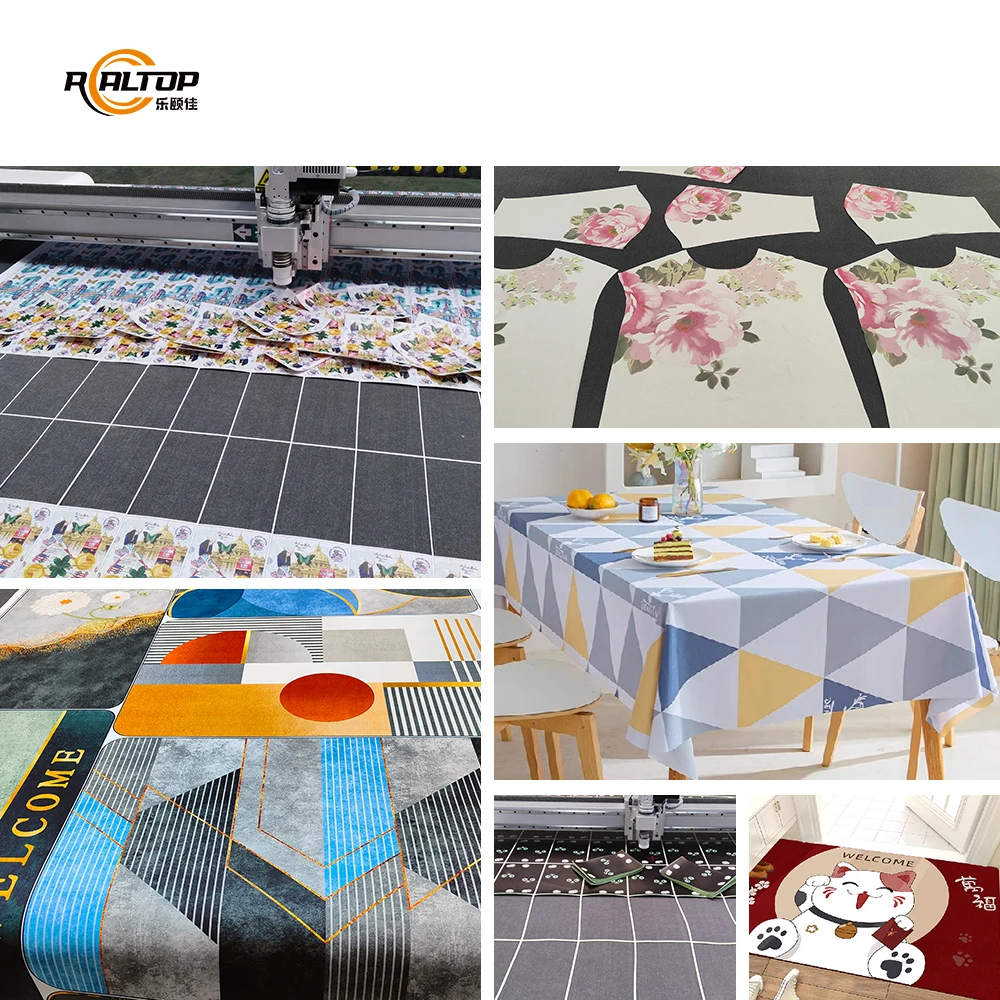
| Surgical gown and medical textile cutting | Non-woven fabric, coated polyester, PP/PE composite layers |
| Garment and apparel pattern cutting | Woven cloth, knitted fabric, lining, interlining |
| Automotive interior trimming | Leather, synthetic leather, sponge composite leather |
| Footwear and luggage component cutting | PU, EVA, shoe material, luggage material |
| Soft furnishings and carpet production | Carpet, sponge, foam board, textile layers |
| Sealing gasket fabrication | Rubber, PTFE, silicone, fiberglass composite |
Why "Cutting Speed 800 mm/s" Means Nothing Without the Fabric Spec
The speed number only matters after your material is on the table.
I have watched garment factories in Latin America celebrate a fast translational velocity on the spec sheet, then discover their coated surgical gown fabric needs a completely different oscillation frequency and blade angle than the uncoated polyester tested at the factory. The laser cutting and engraving machine manufacturer you work with should be asking for your actual material before quoting speed figures. Coated non-wovens behave differently under the blade than plain cotton or knit — the coating can gum up the blade edge, shift the cutting depth, or cause delamination between layers. Without a sample test on your specific roll stock, any speed claim is a guess. [NEED_CITE: textile cutting performance variables by fabric composition]
How Oscillating Knife Frequency Changes the Edge on Coated Textiles
The RT-D2516/RT-S2516 offers multiple tool head configurations — oscillating knife, pneumatic knife, and high-power vibrating knife among them — because a single blade motion does not suit every cloth. High-frequency oscillation works well on tightly woven technical textiles where a clean shear is required, while lower-frequency, longer-stroke oscillation handles thicker sponge composites and multi-layer stacks. The laser cutting and engraving machine manufacturer must specify which tool head suits your material before the machine ships, because retrofitting a different head later means recalibrating the Z-axis depth, the vacuum hold-down zones, and the nesting software parameters.
Edge Sealing Decisions: Knife Versus Laser for Medical and Technical Fabrics
For surgical gowns and cleanroom garments, the edge finish directly affects whether the fabric sheds fibers in use. A knife-cut edge leaves fibers exposed, which may require a secondary sealing step or ultrasonic welding downstream. A laser-cut edge seals synthetic fibers as it cuts, preventing fraying without additional equipment. However, laser cutting introduces thermal effects — if the fabric contains PVC or chlorine-based coatings, the fumes require extraction capacity that the workshop must support. REALTOP builds both knife and laser systems in the same factory, so the cutting method is chosen to match the material rather than forcing a single process. The laser cutting and engraving machine manufacturer should document which method produces the edge quality your end product demands. [NEED_CITE: fiber shedding standards for medical textile garments]
What the 1600×2500 mm Working Area Actually Means for Garment Production
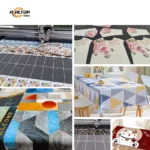
A 1600×2500 mm bed accommodates full-width fabric rolls commonly used in garment and medical textile production without repositioning. The repeated accuracy of ≤0.1 mm across this travel range depends on the Taiwan Hiwin linear guides and digital servo drive — if the guide rails deflect under high-speed direction changes, nested pattern pieces drift out of tolerance and downstream sewing operations suffer misalignment. The 7.5 kW vacuum pump with magnesium-aluminum alloy table must maintain consistent hold-down across all zones simultaneously; small pattern pieces like collar stays or cuff tabs require zoned vacuum to prevent lift during high-speed passes. The CCD camera positioning option allows the system to track printed registration marks on pre-printed fabric, but this only works reliably if the camera resolution and processing speed are matched to your print quality and line speed.
What Happens When Vacuum Zoning Is Ignored on Small Textile Pieces
Garment cutting produces a mix of large panels and small components in the same nest. If the vacuum table treats the entire 1600×2500 mm surface as one zone, small pieces near the edges or between larger cutouts lose suction and shift during the blade pass. The result is miscut pieces that only become apparent during sewing assembly — an entire bundle of sleeve panels may be off by two or three millimeters, discovered only when the operator tries to match them to the body panel. This kind of waste is invisible in the cutting room and expensive on the sewing floor. [NEED_CITE: vacuum hold-down requirements for small textile components]
Why We Specify the Cutting Method After Seeing Your Material
REALTOP operates knife cutting and laser cutting production lines within the same facility, so the recommendation is based on material behavior rather than pushing whichever machine is in stock. The in-house design team evaluates fabric weight, coating type, layer count, and edge requirements before selecting tool head, blade type, and vacuum configuration. Every order includes a sample cutting report on the buyer’s own material, documenting blade type, oscillation frequency, cutting depth, and edge quality before the machine enters production. Voltage, control language, and software file format compatibility are confirmed at the order stage — not discovered during commissioning. The laser cutting and engraving machine manufacturer you partner with should offer the same material-first workflow.
Documentation & Verification
- Machine specification sheet listing confirmed tool head and vacuum table configuration
- Electrical schematic with voltage and frequency matched to your facility
- Sample cutting report on your fabric type with blade and frequency data
- CE declaration documentation for import compliance
- Factory test record with dimensional accuracy verification before packing
- Software license and file format compatibility note for your nesting workflow
Installation, Commissioning & Support
- 380V±10% power supply with dedicated circuit rated for 9 kW continuous draw
- Floor space of at least 4000×3000 mm clear around the 3450×2300×1250 mm frame for material loading
- 7.5 kW vacuum pump exhaust routed to workshop exterior or filtration system
- First-run parameter setting on your fabric roll stock with operator present
- Control language set to operator preference from available options before commissioning
- Spare blade and tool head consumable list provided with initial shipment
What to Include in Your Inquiry
Send a sample roll or swatch of your actual production fabric — including any coatings, laminations, or multi-layer constructions — along with the maximum sheet size and daily cutting volume you need to sustain. Specify your workshop voltage and frequency, preferred control language, and whether your existing nesting software outputs PLT, DXF, or AI formats. If you need printed contour recognition, include a sample of your printed fabric with registration marks so the camera system can be calibrated to your print quality.
Frequently Asked Questions
Q: How do I know whether my fabric needs knife cutting or laser cutting?
A: The choice depends on material composition and edge requirements. Synthetic fabrics that fray benefit from laser edge sealing, while coated or heat-sensitive materials often cut cleaner with an oscillating knife. Send a fabric sample to REALTOP for a cutting test — the report will document which method produces the edge quality your product demands.
Q: What file formats does the cutting software accept?
A: The control system accepts PLT, DXF, and AI file formats with auto typesetting capability. Before order confirmation, REALTOP verifies compatibility with your existing nesting software workflow. If your design team uses a proprietary format, export compatibility is tested during the sample cutting stage to avoid delays at commissioning.
Q: Can the vacuum table hold small pattern pieces securely?
A: The magnesium-aluminum alloy vacuum table is configurable with zoned suction to maintain hold-down pressure on small garment components and irregular shapes. The 7.5 kW pump provides sufficient draw across all active zones simultaneously, preventing fabric shift during high-speed oscillating knife passes.
Q: What happens if my facility voltage does not match 380V?
A: Voltage and frequency are confirmed at the order stage and configured to match your local supply before the machine ships. The electrical schematic documents the exact configuration installed, and the control language is set to your operator preference from the available options.
Q: How does the CCD camera handle printed contour cutting on fabric?
A: The small CCD camera or panoramic camera detects printed registration marks on your fabric and adjusts the cutting path accordingly. Print quality and mark contrast must be verified with your actual printed material during sample testing — a camera that works on high-contrast marks may struggle with faded or low-contrast prints at production speed.


Related products
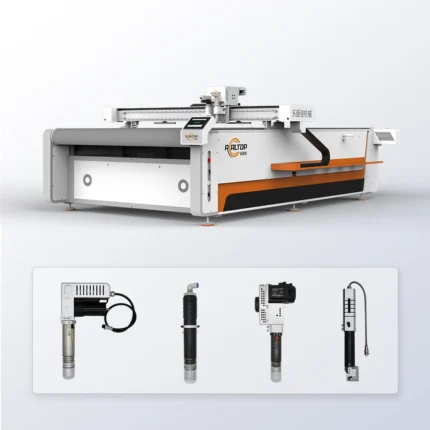
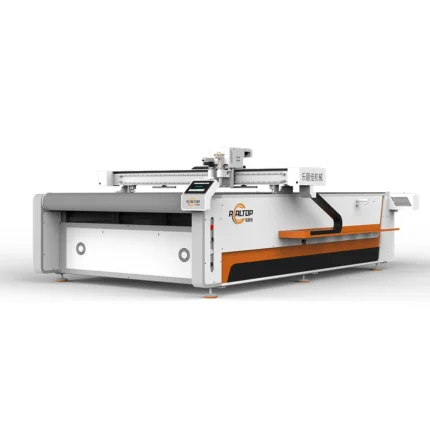
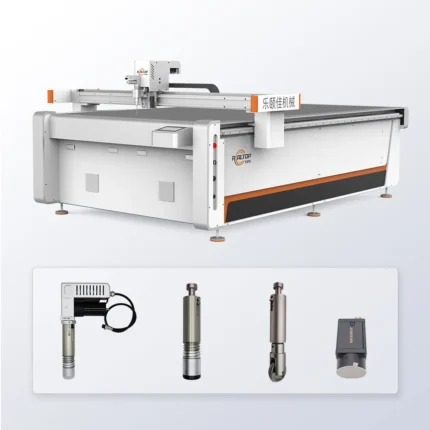
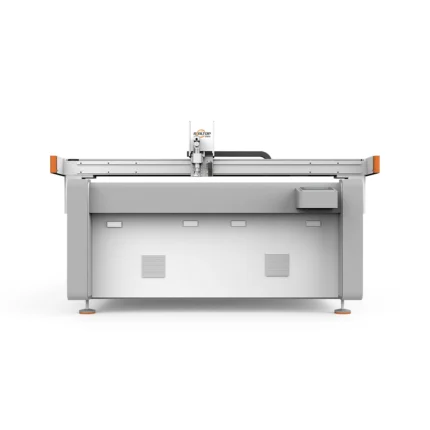
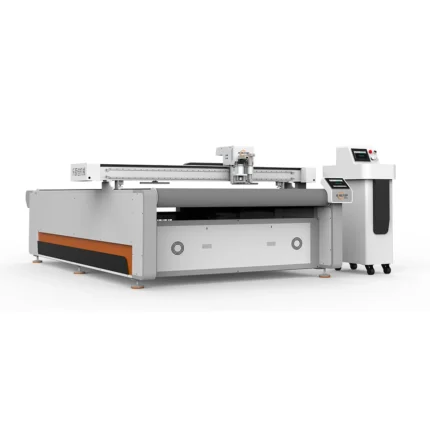
2026 Carbon Fiber Cloth Cutting Machine – China Manufacturer
Product Introduction
Fabric Sample Cutter Pillow Machine ¨C 2026 Carbon Fiber Cloth Cutting Machine, ideal for precise cutting of carbon fiber cloth and fabric samples, suitable for pillow production and related textile applications.Product Parameters
| Name | Fabric Sample Cutter Pillow Machine |
| Model | 2026 |
| Material | Carbon Fiber Cloth |
| Application | Pillow Fabric Cutting |
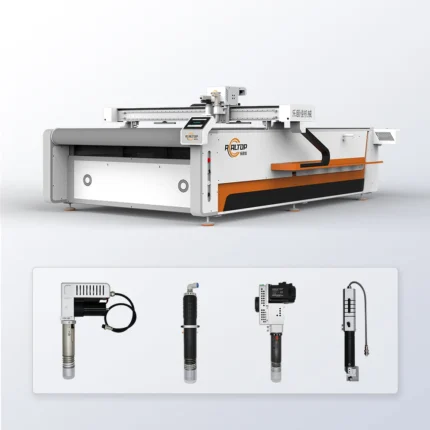
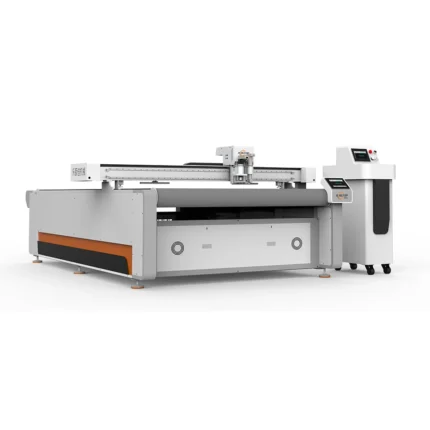
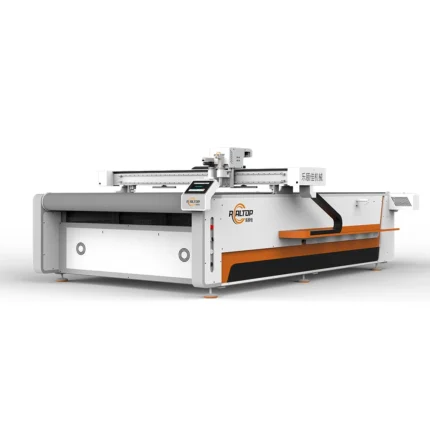
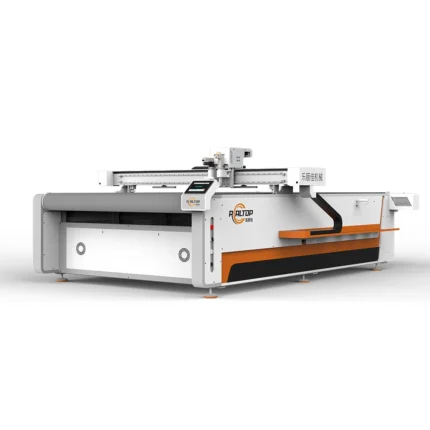
2026 Inflatable Surf SUP Board Cutting Machine
Product Introduction
Ideal for inflatable surf SUP board production, this 2026 cutting machine ensures precise and efficient cutting, tailored for manufacturers seeking reliable performance in water sports equipment manufacturing.
Specifications
| Application | Inflatable Surf SUP Board |
| Type | Cutting Machine |
| Model Year | 2026 |
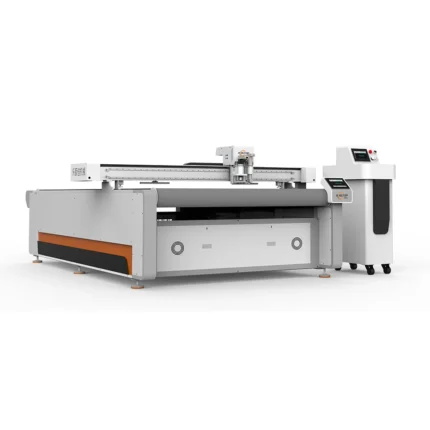
High Speed Fabric Cutting Machine 2026 Round Oscillating Knife
Product Overview
High Speed Fabric Cutting Machine 2026 with round and oscillating knife for efficient fabric cutting. Ideal for textile manufacturing and related industries.Key Specifications
| Cutting Type | Round & Oscillating Knife |
| Model Year | 2026 |
| Application | Fabric Cutting |
| Feature | High Speed Performance |
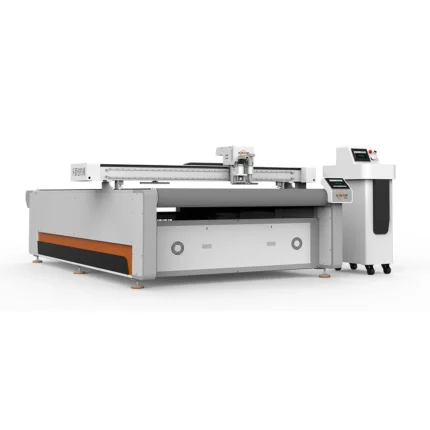
Realtop CNC Fabric Cutting Machine 2026 CE Certified
Product Introduction
Realtop CNC Fabric Cutting Machine 2026, CE Certified, ideal for precision fabric cutting with advanced CNC technology. Engineered for efficiency and reliability in textile manufacturing processes.Key Specifications
| Model | Realtop CNC Fabric Cutting Machine 2026 |
| Certification | CE Certified |
商品评价
There are no reviews yet.