

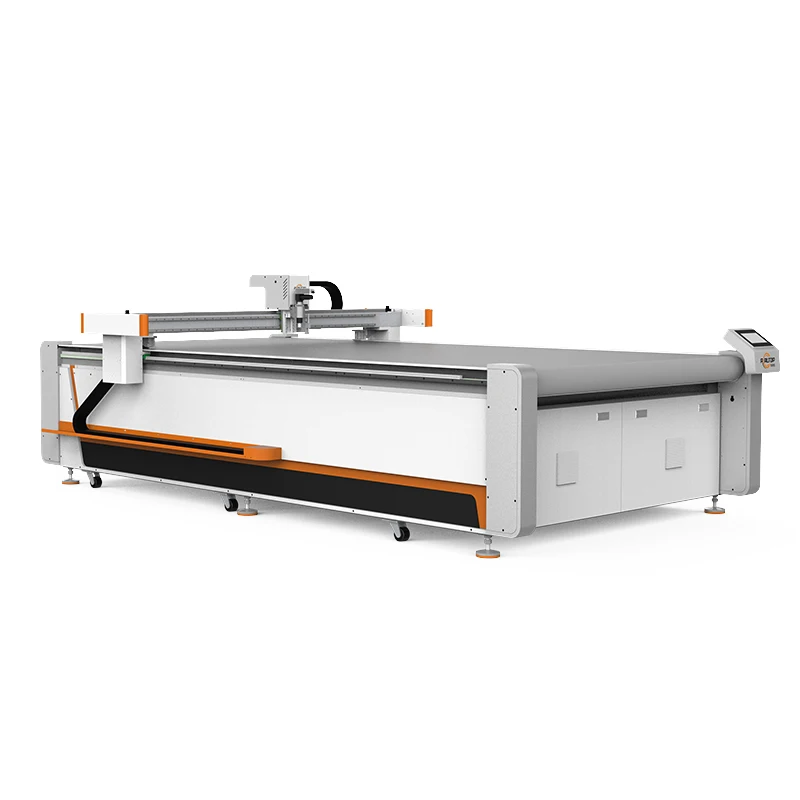
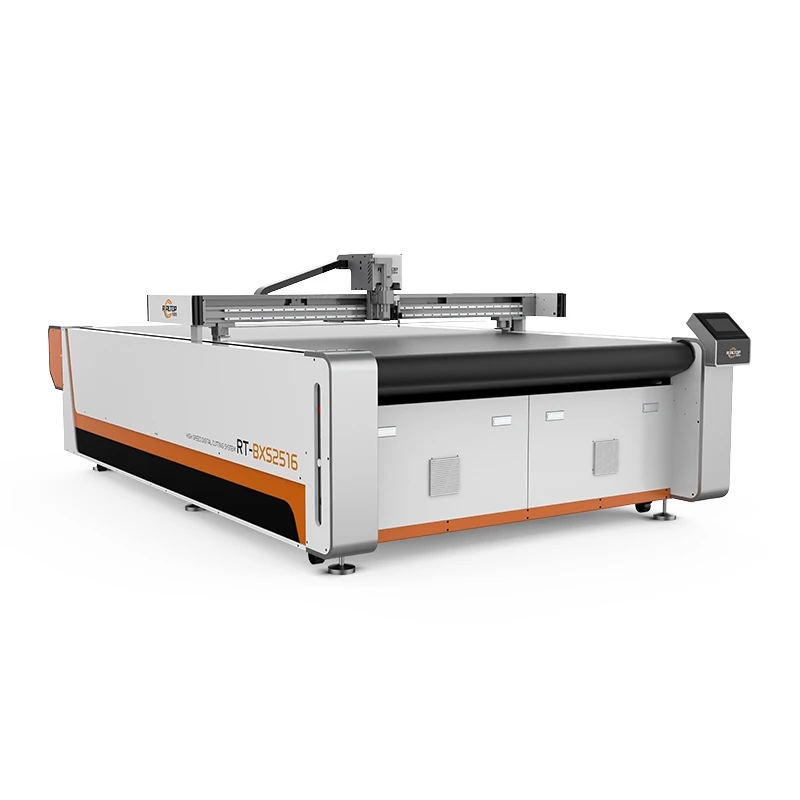
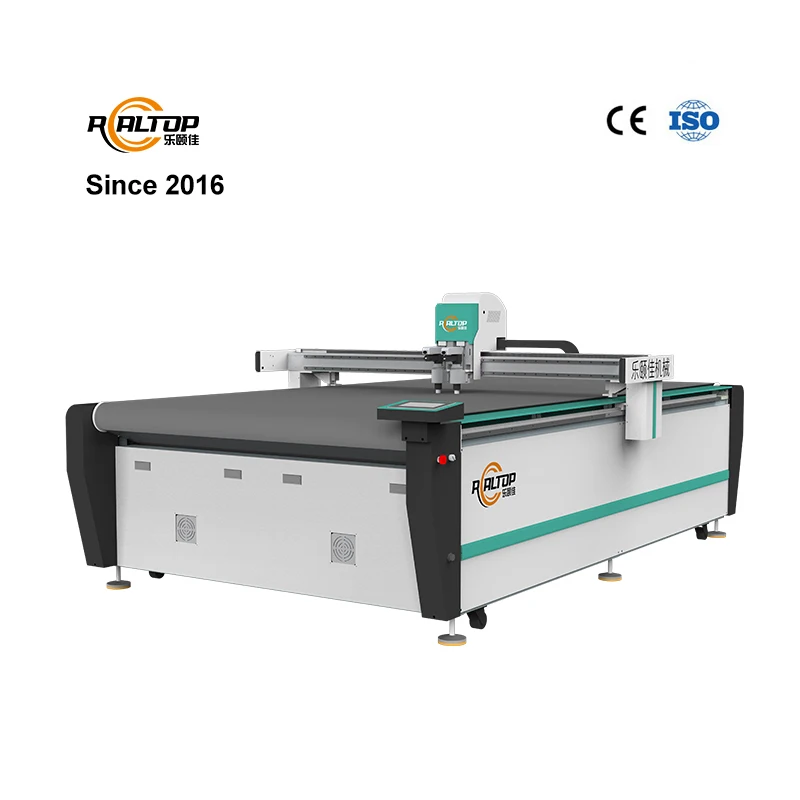
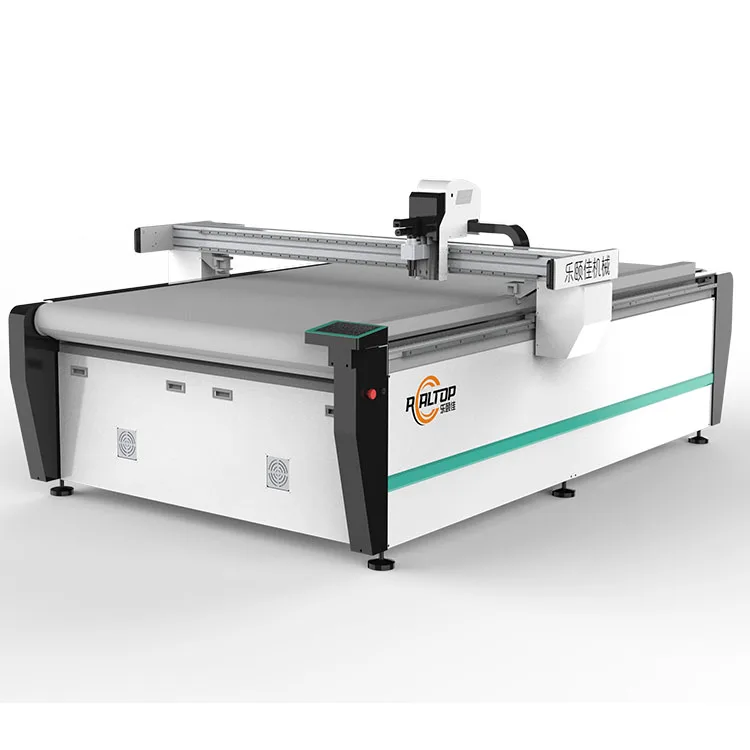
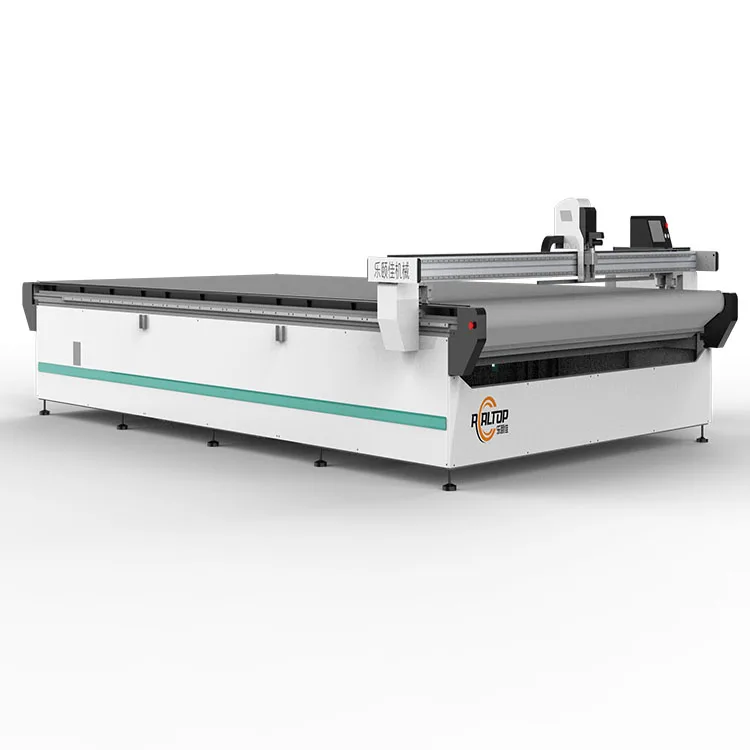
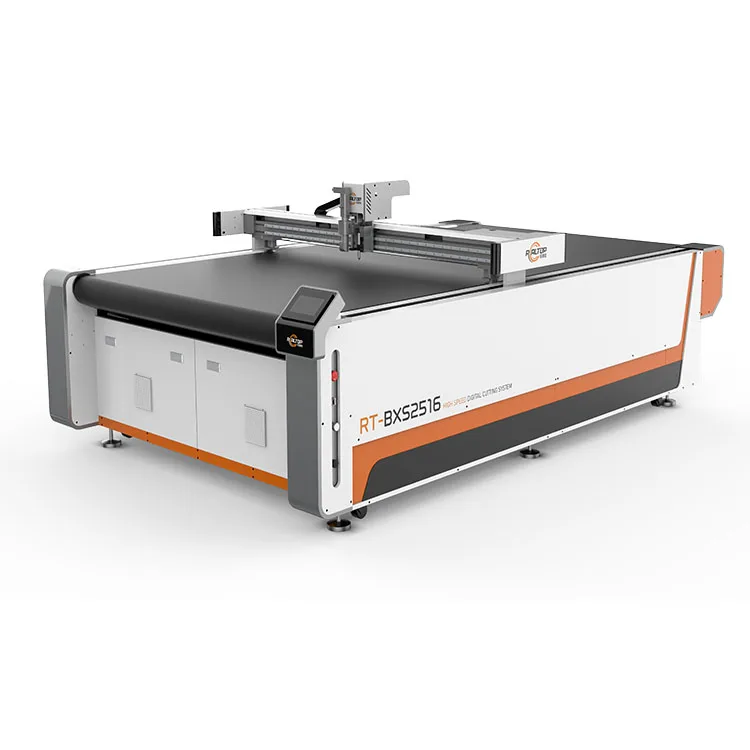
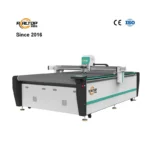
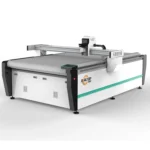
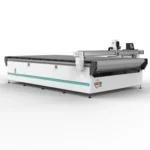
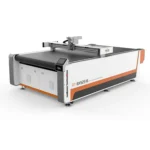
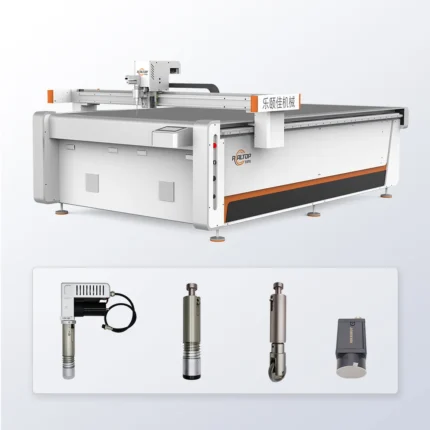
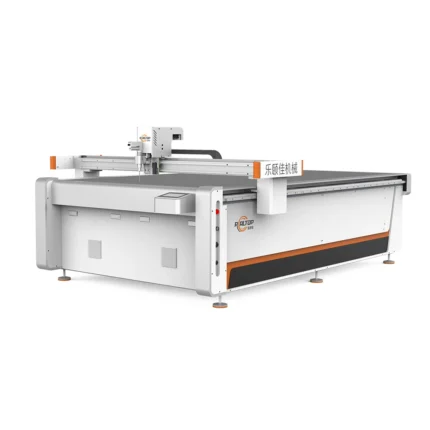
Cloth CNC Cutting Machine for Fabric – Manufacturer
SKIP: no identifier
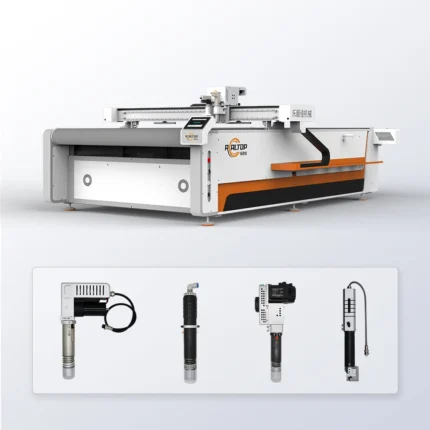
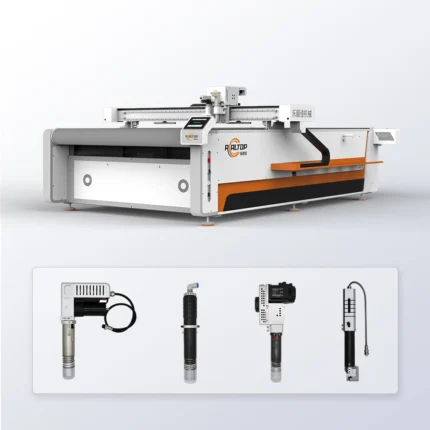
Material-Matched Configuration — Each cloth CNC cutting machine is specified by fabric weight, ply count, and roll width before the tool head or laser tube is selected, preventing the common mismatch between rated power and real cutting depth on synthetic textiles.
Technical Specifications
| Parameter | Value |
|---|---|
| Product Type | Cloth CNC Cutting Machine |
| Laser Source | Sealed CO2 glass or metal RF tube, selectable |
| Rated Laser Power | Available from 80 W to 300 W continuous |
| Working Area | Configurable from 900 × 600 mm to 1800 × 1000 mm |
| Laser Wavelength | 10.6 μm |
| Positioning Accuracy | ±0.1 mm over full travel |
| Drive System | Stepper or servo-driven belt and rail, selectable |
| Exhaust Requirement | Centrifugal fan rated 550 W or higher, ducted externally |
| Control Interface | LCD or DSP pendant with USB and file import |
| Voltage Options | 110 V / 220 V / 380 V, 50 or 60 Hz confirmable before shipment |
| Assist Gas | Low-pressure compressed air for synthetic edge sealing |
| Cooling | Closed-loop water chiller, integrated or standalone |
Application Suitability
| Application | Material or Output |
|---|---|
| Garment pattern cutting | Woven cotton, polyester blends, denim up to 20-ply layups |
| Technical textile profiling | Aramid, nylon ripstop, coated Oxford cloth for luggage and outdoor gear |
| Automotive interior trim | Headliner fabric, seat cover polyester, non-woven insulation |
| Home textile production | Curtain panels, upholstery velvet, blackout lining composites |
| Apparel sample room | Single-ply silk, chiffon, stretch jersey with sealed edges |
Why Fabric Edge Sealing Separates a True Textile Laser from a Generic Engraver
A CO2 tube rated only by peak wattage will melt through the top ply and leave char on the bottom, ruining the entire layup.
When I shipped an early cloth CNC cutting machine to a Middle East garment factory, the buyer had compared two quotes on laser wattage alone. The competing unit quoted "300 W peak" while ours was listed at 150 W continuous. Their machine arrived, cut through single-ply cotton fine, but on a 12-ply polyester layup the beam lost energy past the fourth layer, leaving fused but unseparated plies and a two-week production halt [NEED_CITE: difference between peak and continuous laser output ratings]. After that job we stopped quoting peak figures and started sending sample cuts on the buyer’s own roll goods before any order is confirmed.
Heat-Affected Zone Control on Synthetic Weaves
Synthetic fibres such as polyester and nylon melt before they burn, which means the cloth CNC cutting machine must deliver enough energy to vaporise the fibre yet withdraw fast enough to keep the heat-affected zone below one millimetre. Beam dwell time is governed by travel speed, pulse frequency, and assist-gas pressure acting together rather than by wattage alone. Operators typically run a short matrix of speed and power settings on scrap from the actual roll before locking in the recipe for a production run.
Assist Gas and Edge Sealing on Coated Textiles
Coated or laminated fabrics, such as TPU-backed outdoor cloth or PVC-coated tarpaulin, release sticky residues when the beam passes through. A low-pressure air jet directed co-axially with the laser head clears molten debris and simultaneously seals the cut edge, preventing ply separation during downstream sewing. Without this assist-gas path the edge re-bonds in a hard bead that breaks needles on the closing line [NEED_CITE: assist gas requirements for coated textile laser cutting].
Reading the Spec Sheet Beyond the Wattage Number
Laser tube manufacturers publish both peak and continuous ratings, and the gap between them can exceed fifty percent on glass-tube designs. A 150 W continuous tube will outperform a 300 W peak tube on dense layups because continuous output determines sustained cutting depth. Equally important is the focal length: a short-focus lens concentrates energy for single-ply silk but lacks the depth of field needed for a 15-ply denim stack, so lens selection must match the ply range the buyer actually runs. Exhaust capacity also matters; undersized extraction leaves smoke particulates that settle on the mirror, degrading beam quality over a shift and forcing unplanned cleaning stops.
The Cost of Skipping the Voltage Conversation
On a shipment to a Gulf-state garment plant, the cloth CNC cutting machine was dispatched on 380 V / 50 Hz paperwork while the facility ran 220 V / 60 Hz three-phase. The local electrician spent two weeks rewiring the control cabinet and sourcing a step-up transformer, and the buyer nearly cancelled the follow-on order. Every unit now ships only after the buyer signs off on a voltage and frequency confirmation sheet that lists incoming supply, breaker rating, and plug type, matched against the machine’s transformer taps.
Why Source This Machine Here
In-house CO2 and fibre laser assembly means the tube type is chosen to fit the fabric rather than forcing every textile onto one laser source. Tube power, lens focal length, and bed size are specified together after reviewing the buyer’s material samples and daily volume. Factory testing includes a cut on the buyer’s own cloth, photographed and measured for edge seal width, before the crate is closed. Electrical schematics are issued in the destination language, and the control pendant label set matches the operator’s preferred script. Spare mirrors, lenses, and tube consumables ship inside the crate so the first maintenance interval is covered without an international parts order.
Documentation & Verification
- Electrical schematic confirming voltage, frequency, and plug type for destination country
- Sample cutting report on buyer-supplied fabric showing edge seal and char width
- Laser tube continuous-power certificate from the tube manufacturer
- Exhaust fan performance curve matched to enclosure volume
- CE declaration of conformity where required by destination regulation
Installation, Commissioning & Support
- Floor space of at least 2.5 × 2 m around the 1800 × 1000 mm bed for roll loading and exhaust duct routing
- Dedicated circuit breaker sized to the selected tube wattage plus chiller inrush current
- Machine ships with laser tube and chiller separated; reassembly takes one technician shift
- First-run parameter matrix developed on buyer’s fabric during on-site or remote video commissioning
- Mirror alignment and lens focal check procedure documented in the operation manual
What We Need to Quote Accurately
Send the fabric composition, weight per square metre, and maximum ply count you intend to cut in a single pass. Include your roll width and the daily metreage target so we can size the bed and laser tube together. Confirm the incoming voltage, phase, and frequency at the installation point, along with the control language your operators read, so the electrical and software package is correct before the cloth CNC cutting machine leaves the factory floor.
Frequently Asked Questions
Q: How do I know the quoted wattage is continuous and not peak?
A: We supply the laser tube manufacturer’s certificate showing both peak and continuous ratings. The quotation lists only the continuous figure, and the factory test cut is performed at that continuous output on your fabric sample so you can verify depth and edge quality before shipment.
Q: Can the same machine cut both single-ply silk and 15-ply denim?
A: Yes, but the lens and parameter set must change between jobs. We supply two focal-length lenses and a documented speed-power matrix for each fabric type so operators switch recipes rather than guessing settings on the production floor.
Q: What happens if my workshop voltage differs from the standard options?
A: We fit an internal transformer matched to your confirmed supply before dispatch. You sign a voltage and frequency sheet listing incoming phase, breaker rating, and plug type, and the electrical schematic is updated to show the exact tap setting installed.
Q: Is exhaust ducting included in the shipment?
A: The centrifugal fan and flexible duct connectors ship inside the crate, but rigid ductwork to the outside wall is site-supplied. The installation manual specifies minimum duct diameter and maximum run length for the fan model fitted to your machine.
Q: How often do the mirrors and lens need replacing?
A: Mirror coating life depends on extraction efficiency and shop dust load, but a typical cleaning cycle is weekly and replacement is annual under normal use. A spare mirror set and one replacement lens ship in the crate to cover the first service interval without a parts order.


Related products
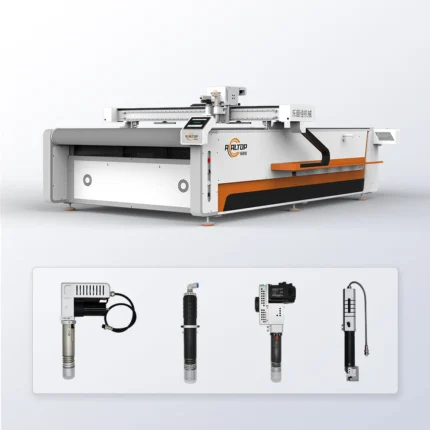
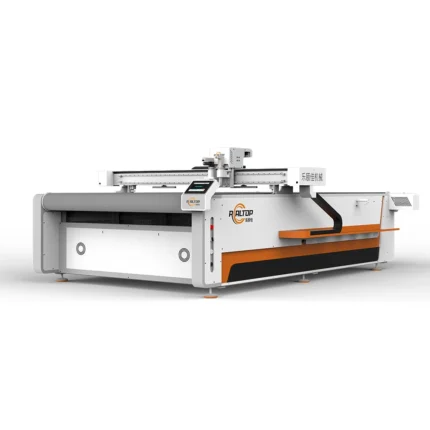
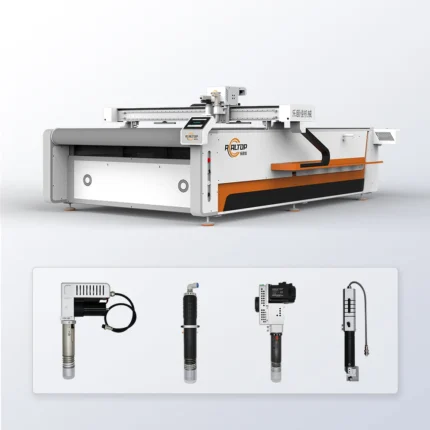
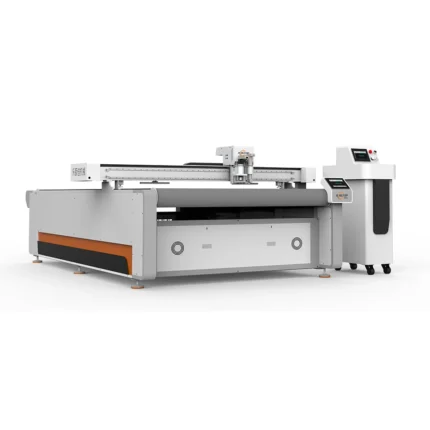
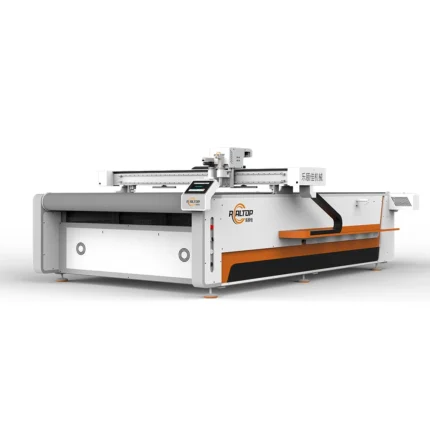
2026 Auto Fabric Cutter Round Knife High Efficiency
Product Introduction
High Efficiency 2026 Auto Fabric Cutter with Round Knife is a professional cutting equipment designed for fabric processing. It features advanced automation and high cutting efficiency, suitable for various fabric materials in industrial production.Product Parameters
| Model | 2026 |
| Type | Auto Fabric Cutter |
| Blade Type | Round Knife |
| Feature | High Efficiency |
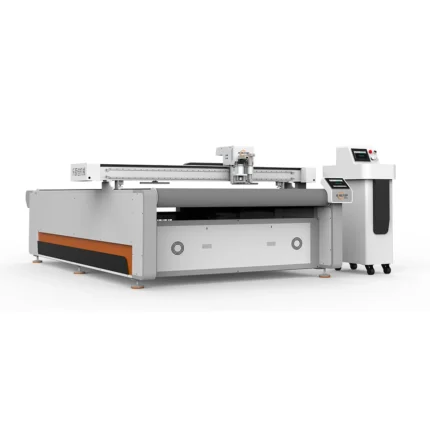
2026 Inflatable Surf SUP Board Cutting Machine
Product Introduction
Ideal for inflatable surf SUP board production, this 2026 cutting machine ensures precise and efficient cutting, tailored for manufacturers seeking reliable performance in water sports equipment manufacturing.
Specifications
| Application | Inflatable Surf SUP Board |
| Type | Cutting Machine |
| Model Year | 2026 |
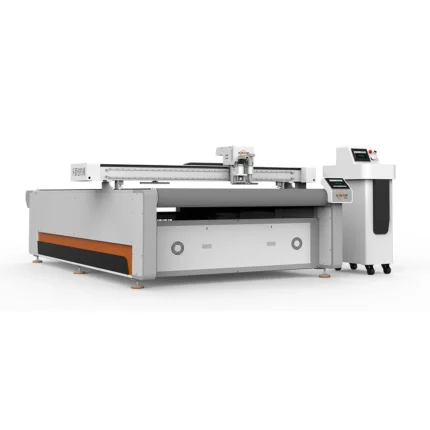
High Speed Fabric Cutting Machine 2026 Round Oscillating Knife
Product Overview
High Speed Fabric Cutting Machine 2026 with round and oscillating knife for efficient fabric cutting. Ideal for textile manufacturing and related industries.Key Specifications
| Cutting Type | Round & Oscillating Knife |
| Model Year | 2026 |
| Application | Fabric Cutting |
| Feature | High Speed Performance |

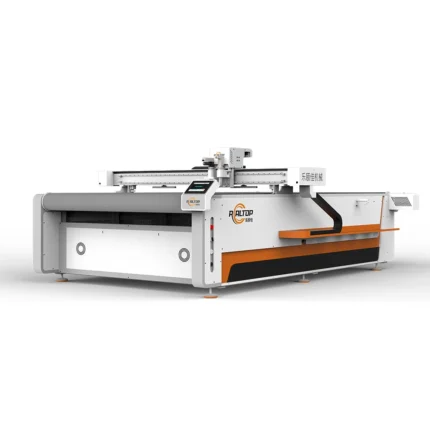
Jinan Realtop PVC Cutting Machine 2026 CE Certified
Product Introduction
Jinan Realtop PVC Cutting Machine 2026 is a CE-certified cutting solution, ideal for precise PVC material processing. Designed for efficiency and reliability in industrial applications.Product Parameters
| Model | 2026 |
| Certification | CE Certified |
| Application | PVC Cutting |
| Manufacturer | Jinan Realtop |
商品评价
There are no reviews yet.