







CNC Box Cutting Machine for Paper Carton – Laser Cutting and Engraving Manufacturer
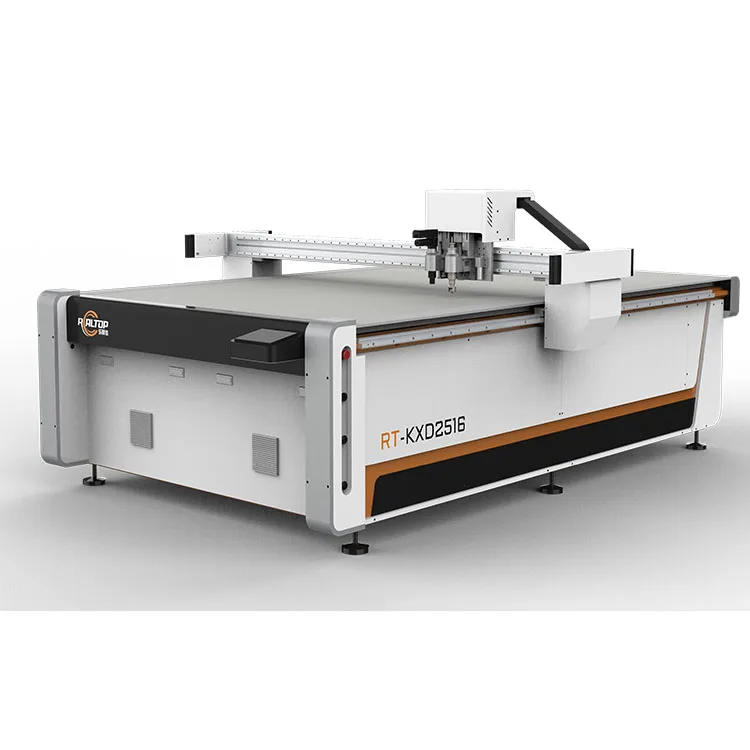
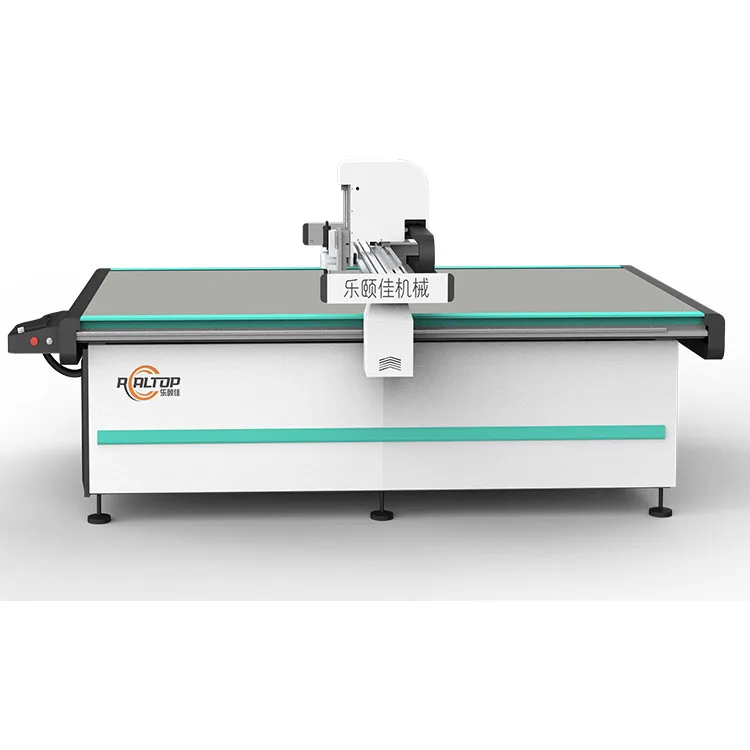
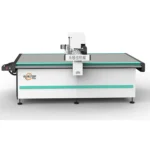
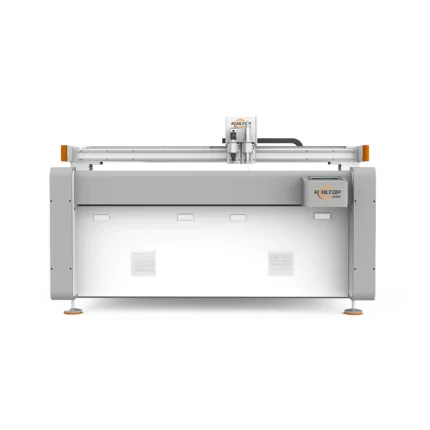
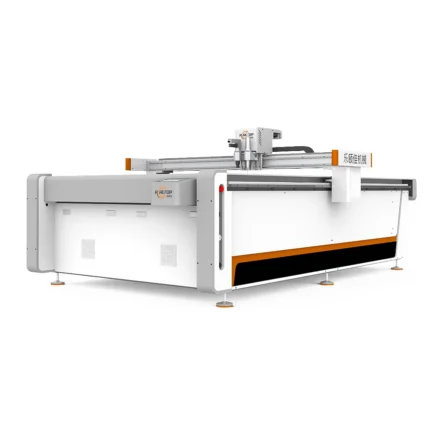
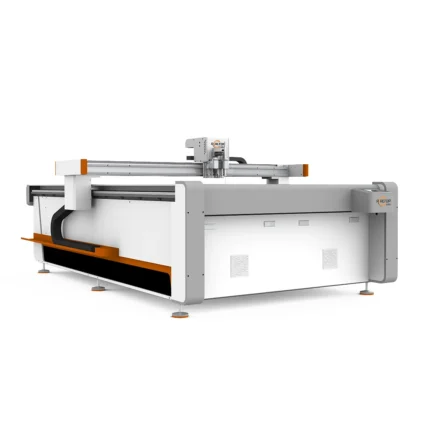
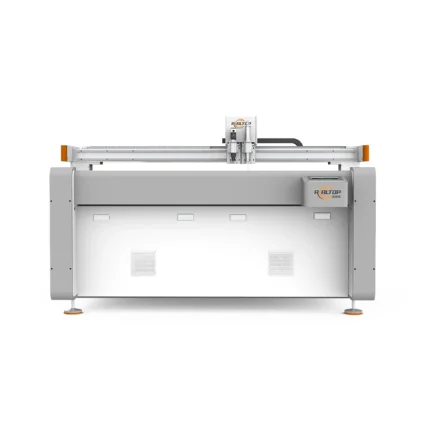
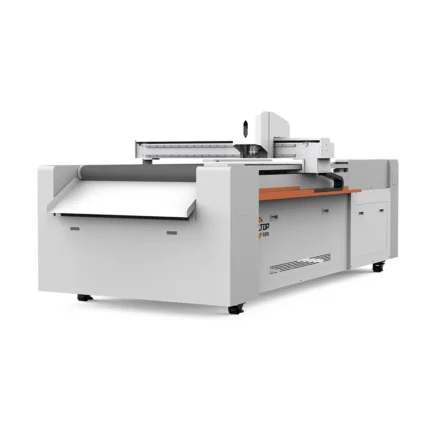
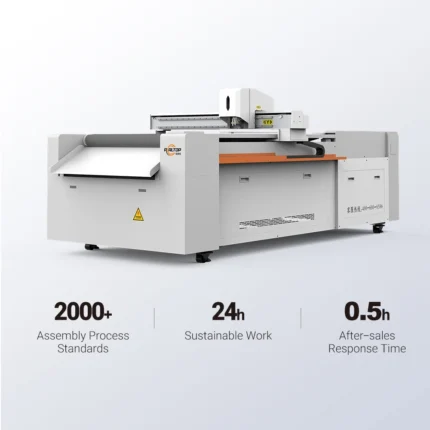
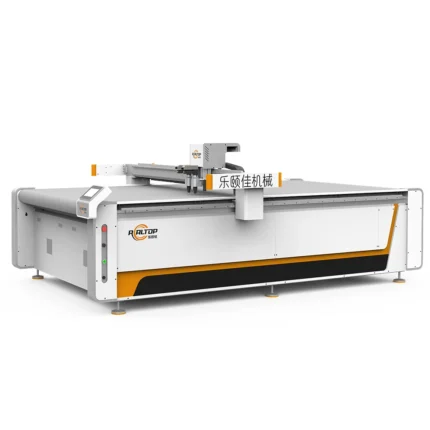
CLD2516 CNC Oscillating Knife Cutting Machine, 1600×2500mm Working Area, 7.5kW Vacuum Pump — engineered for packaging carton sample making, signage and flexible non-metal material cutting with ≤0.1mm repeatability.
- Dual-technology manufacturer enabling honest process matching: knife table for no-burnt-edge cutting versus CO₂ laser for edge-sealed synthetics
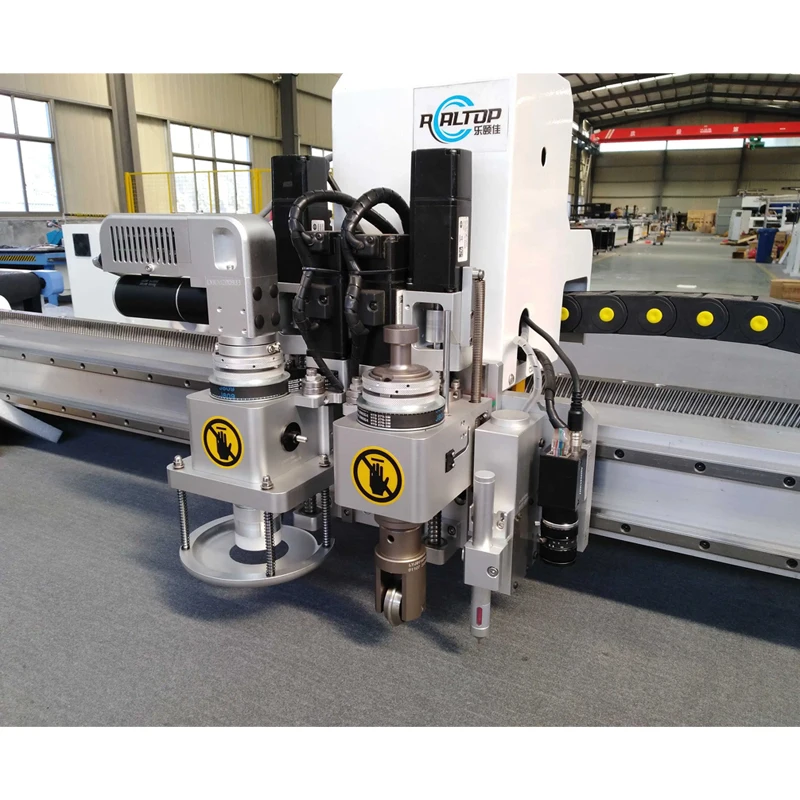
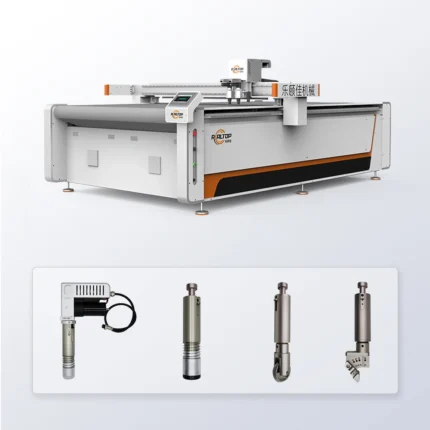
- Swiss imported oscillating knife head with CCD-ready workflow, HP-GL/PLT/DXF file compatibility and customizable control language
Sample cutting on your own material available before commitment, with full specification sheet and electrical schematic confirmed to your target voltage and plug standard.
Dual-process engineering — our in-house team builds both oscillating knife and laser cutting systems, allowing honest process selection based on your material rather than forcing a single technology.
Technical Specifications
| Parameter | Value |
|---|---|
| Product Type | CNC Oscillating Knife Cutting Machine |
| Model | CLD2516 |
| Working Area | 1600 mm × 2500 mm |
| Machine Dimensions (L×W×H) | 3450 × 2300 × 1250 mm |
| Rated Power | 6.6 kW |
| Voltage | 380V ±10% (frequency 50Hz/60Hz to be confirmed) |
| Control System | CNC with HP-GL compatible instruction system |
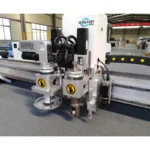
| Tool Head | Swiss-imported oscillating knife (vibration full/half cutting, cursor location) |
| Translational Velocity | 800–1200 mm/s |
| Cutting Thickness | 20–80 mm (basis not stated in source — confirm material density and flute profile) |
| Repeatability | ≤ 0.1 mm |
| Transmission System | Taiwan Delta digital servo motor, Taiwan Hiwin linear guide, synchronous belt, ball screw, rack transmission |
| Vacuum Table | Aluminum alloy honeycomb structure with partition adsorption; 7.5 kW vacuum pump |
| Conveyor Belt | Germany-imported felt belt (wear-resistant anti-pull composite fiber) |
| Safety Devices | Infrared sensors, emergency stop |
| File Formats | PLT, DXF; carton nesting software included |
| Frame Construction | Welded thick square seamless steel, high-temperature stress-relieved |
| Language Options | English, Russian, Italian, Chinese (customizable) |
| Warranty | 1 year (free parts; buyer covers shipping) |
Application Suitability
| Application | Material or Output |
|---|---|
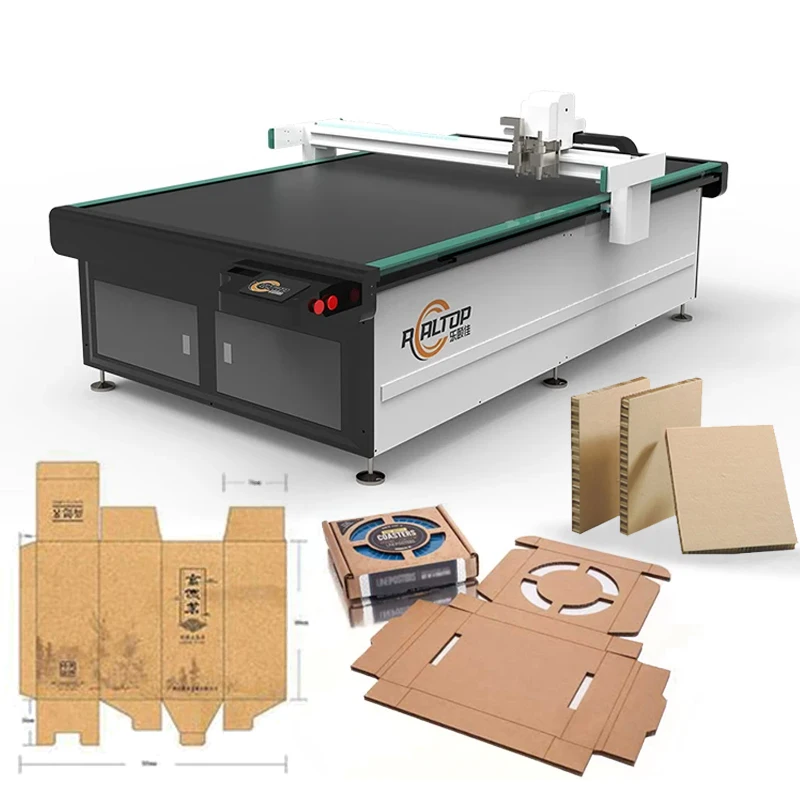
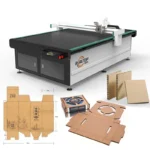
| Packaging carton and paper box sample making | Corrugated board, cardboard, grey board, paper |
| Sticker and label contour cutting | Vinyl, adhesive film, label stock |
| Flexible non-metal fabrication | Leather, fabric, sponge composite, PVC, soft glass, silicone, rubber |
| Signage and display production | Foam board, corrugated plastic, business card stock |
When a Laser Cutter Cannot Replace a Knife Table
A burnt edge on kraft paper or corrugated board ruins the sample before it leaves the table.
Many packaging and signage buyers start their search assuming a CO₂ laser handles every non-metal job. In reality, thermal processes discolor uncoated paper stocks, leave char residue on corrugated flutes, and generate extraction demands that small workshops struggle to meet. A digital cutting machine manufacturer with both knife and laser capability will tell you directly: for paper-based carton sample making and thick foam gasket work, an oscillating knife avoids thermal damage entirely [NEED_CITE: thermal degradation thresholds for cellulosic packaging materials]. The CLD2516 cuts without heat, preserving the natural edge color and structural integrity of flute profiles that a laser would compress or scorch.
Process Selection: Where Knife Cutting Earns Its Place
When you evaluate a digital cutting machine manufacturer for packaging workflows, the decision often comes down to edge quality on uncoated and fibrous materials. Oscillating knife action shears through corrugated board and grey board cleanly, maintaining the crush strength of flute walls that a laser beam would melt or collapse. For carton sample makers producing short-run prototypes, this means the folded sample holds its intended structural rating during client presentations.
The 1600 mm × 2500 mm bed accommodates full-size packaging sheets without repositioning, which matters when nesting software optimizes yield across an entire carton design set. The HP-GL compatible instruction system accepts files from standard packaging CAD platforms, so your existing design workflow carries over without retraining operators on proprietary formats.
Edge Sealing vs. Clean Shear: Matching Outcome to Material
Synthetic textiles and composite foams behave differently under each process. CO₂ lasers melt-cut polyester and nylon, sealing the edge against fraying in a single pass — an advantage the knife cannot replicate on those specific fabrics. However, when the material is leather, natural fiber, or multi-layer sponge composite, laser heat produces hardened edges and visible discoloration that downstream finishing cannot hide [NEED_CITE: edge quality requirements for leather goods and automotive interior trimming]. The oscillating knife on the CLD2516 leaves a soft, uncompressed edge suitable for stitching or bonding immediately after cutting.
Reading the Specs Beyond the Brochure Numbers
Translational velocity rated at 800–1200 mm/s describes head travel speed, not cutting speed through material — the actual throughput depends on board density, flute orientation, and the number of crease-and-cut cycles per sheet. The 7.5 kW vacuum pump paired with a partitioned aluminum honeycomb table provides zoned adsorption, meaning smaller carton blanks hold flat without the entire table area drawing power, reducing lift on nested parts. Repeatability at ≤ 0.1 mm ensures that successive cuts from the same file land on identical coordinates, which is critical when a sample requires multiple tool passes for creasing and full cutting. The welded stress-relieved steel frame prevents bed drift over months of continuous operation, maintaining that repeatability figure across production runs rather than only on day one.
The Cost of Skipping Material-Specific Testing
Specifying a cutting machine by working area alone, without testing the actual material thickness and density, leads to underpowered tool heads that stall mid-cut or produce ragged edges requiring manual trimming. Buyers who skip sample cutting on their own stock frequently discover that quoted cutting depth figures were measured on low-density foam rather than the high-density grey board running in their shop [NEED_CITE: material density variation in packaging board grades]. Voltage mismatches surface later, when a 380V machine arrives at a site wired for a different frequency and the servo motors overheat under continuous load. These are avoidable failures that surface only when the machine is already crated and shipped.
Why Source This Equipment Here
Realtop manufactures both knife and laser systems under one roof, so process recommendation starts with your material rather than with whichever machine needs to move off the floor. Every CLD2516 ships with a tool head and table configuration matched to the material profile confirmed during sample testing. CCD camera contour recognition is available when printed mark tracking is part of your workflow, specified at order rather than assumed. Software compatibility with your existing nesting format is verified before production begins. Voltage, plug type, and control language are confirmed against your site’s electrical standard, not guessed from the shipping destination [NEED_CITE: industrial voltage and frequency standards across export markets].
Documentation & Verification
- Machine specification sheet listing confirmed tool head configuration and table zoning layout
- Electrical schematic and voltage confirmation matching your site frequency before build
- Sample cutting report on your own packaging board stock with edge and crease photographs
- Software licence and file format compatibility note covering PLT, DXF, and nesting imports
- Factory test record documenting repeatability measurement across full bed travel before dispatch
- Spare parts list with part numbers for oscillating knife blades, felt belt segments, and vacuum seals
Installation, Commissioning & Support
- 3450 × 2300 mm footprint requires level concrete floor with clearance for operator access on three sides
- 380V ±10% dedicated circuit with confirmed frequency and plug type before electrical rough-in
- Machine ships assembled on welded frame; vacuum pump and conveyor belt installed on-site
- First-run parameter setting includes vacuum zone mapping and oscillating knife depth calibration on your stock
- Operator training covers HP-GL file import, nesting software workflow, and tool head changeover procedure
- Consumable spare kit includes Swiss oscillating knife blades and replacement felt belt segments
Preparing Your Inquiry
Send your actual packaging material type, thickness range, and flute profile along with daily sheet volume so we can confirm whether the CLD2516 knife table or a laser system fits the job. Include your site voltage, frequency, and preferred control language. If you have existing carton design files in PLT or DXF, attach a sample so we verify software compatibility and run a side-by-side cutting test before quotation.
Frequently Asked Questions
Q: How do I decide between an oscillating knife and a CO₂ laser for packaging materials?
A: Paper-based stocks like corrugated board, grey board, and kraft respond poorly to laser heat — edges scorch and flute walls compress. The oscillating knife cuts these cleanly without thermal damage. Lasers excel on synthetics where edge sealing prevents fraying. We run your material on both processes and let the sample, not the brochure, decide the outcome.
Q: Can one nesting software drive both a knife table and a laser cutter in my shop?
A: The CLD2516 accepts PLT and DXF files through its HP-GL compatible control, which overlaps with common laser file workflows. We confirm exact format compatibility with your specific CAD platform before order, and include carton nesting software licensed for the knife table so you can start importing designs immediately.
Q: How are voltage, plug type, and control language confirmed before shipment?
A: We require your site electrical specification — voltage, phase, and frequency — at the inquiry stage, not after production. The control system language is set to your preference from available options including English, Russian, Italian, and Chinese, or customized to another language before the machine leaves the factory.
Q: How do I arrange a sample cutting test on my own material before ordering?
A: Ship a representative sample of your packaging board or flexible material to our facility with your cutting file. We run the test on the CLD2516, document edge quality, cutting depth, and cycle time in a sample report, and send you photographs and cut pieces for evaluation before you commit to the purchase.
Q: What happens if the cutting depth quoted does not match my high-density board?
A: Cutting thickness ratings depend on material density and flute profile, which vary across board grades. We test your specific stock rather than quoting from a generic chart. If the standard oscillating knife head cannot achieve clean penetration, we specify an alternative tool configuration or adjust expectations honestly before you pay for a machine that underperforms on arrival.


Related products
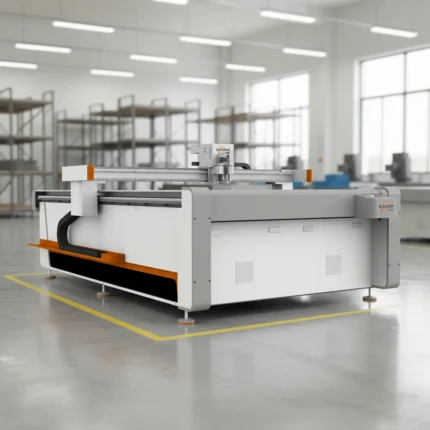
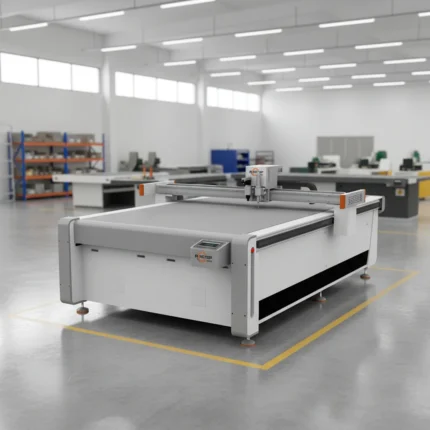
2026 Digital Flatbed Cutting Plotter Auto Corrugated Box Die Cutter
Product Introduction
Digital Flatbed Cutting Plotter 2026, ideal for auto corrugated box die cutting, offering precision and efficiency for professional packaging production.Specifications
| Type | Digital Flatbed Cutting Plotter |
| Model | 2026 |
| Application | Auto Corrugated Box Die Cutting |
| Function | Precision Cutting & Plotting |
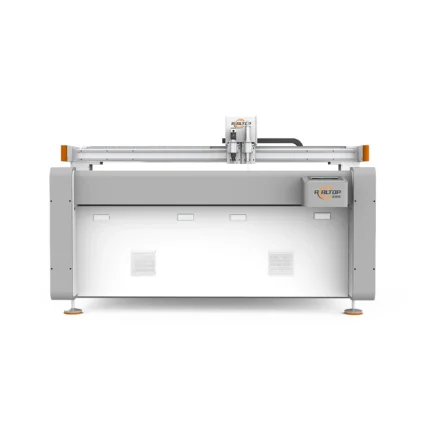
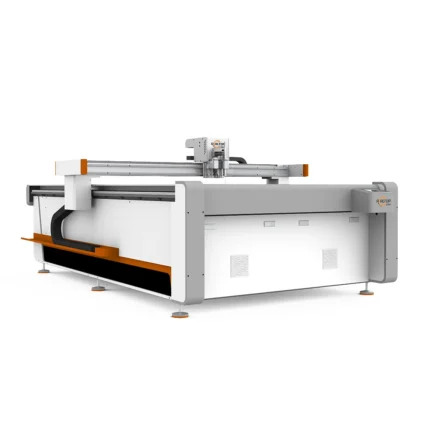
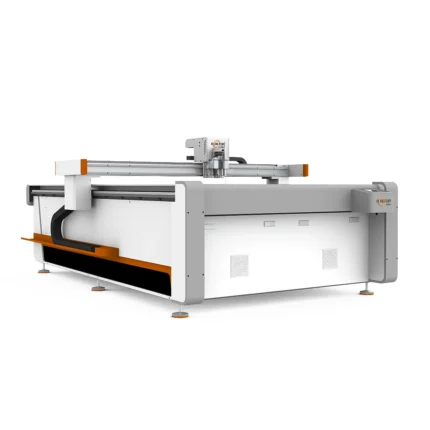
CNC Flatbed Cutter 2026 Digital Corrugated Box Making Machine
Product Introduction
High-precision CNC flatbed cutter designed for efficient cardboard box production. Ideal for 2026 digital corrugated box manufacturing, offering precise cutting and reliable performance for professional packaging solutions.
Key Specifications
| Type | CNC Flatbed Cutter |
| Application | Cardboard Box Production |
| Technology | 2026 Digital System |
| Material | Corrugated Board |

CNC Flatbed Oscillating Knife Cutting Machine 2026
Product Introduction
High-performance CNC Flatbed Oscillating Knife Cutting Machine 2026, ideal for precision cutting of various materials with advanced oscillating knife technology, ensuring efficient and accurate operations for industrial manufacturing needs.Specifications
| Model | 2026 |
| Type | CNC Flatbed Oscillating Knife Cutting Machine |
Digital Box Cutter 2026 Oscillating Knife Cardboard Cutter
Product Parameters
| Model | Digital Box Cutter 2026 |
| Cutting Type | Oscillating Knife |
| Material | Corrugated Cardboard |
Introduction
Professional oscillating knife cutting machine for corrugated cardboard. Ideal for precise, efficient cutting in packaging production. Reliable performance from China's leading welding & cutting equipment manufacturer.

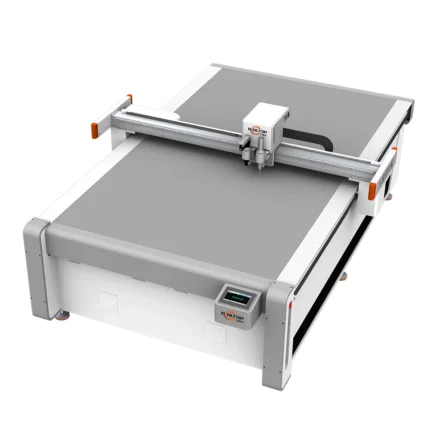
REALTOP 2026 Digital Industrial Cardboard Box Cutter
Product Introduction
REALTOP Digital Industrial Cardboard Box Cutter Machine 2026 is a professional industrial-grade cutting equipment designed for efficient cardboard box processing, ideal for manufacturing and packaging applications.
Product Parameters
| Model | 2026 |
| Type | Digital Industrial Cardboard Box Cutter |
| Application | Cardboard Box Processing |
| Feature | Industrial-grade, Efficient Cutting |
商品评价
There are no reviews yet.