






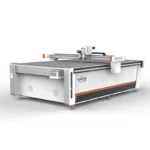
CNC Box Cutting Machine Oscillating Knife – Factory Direct
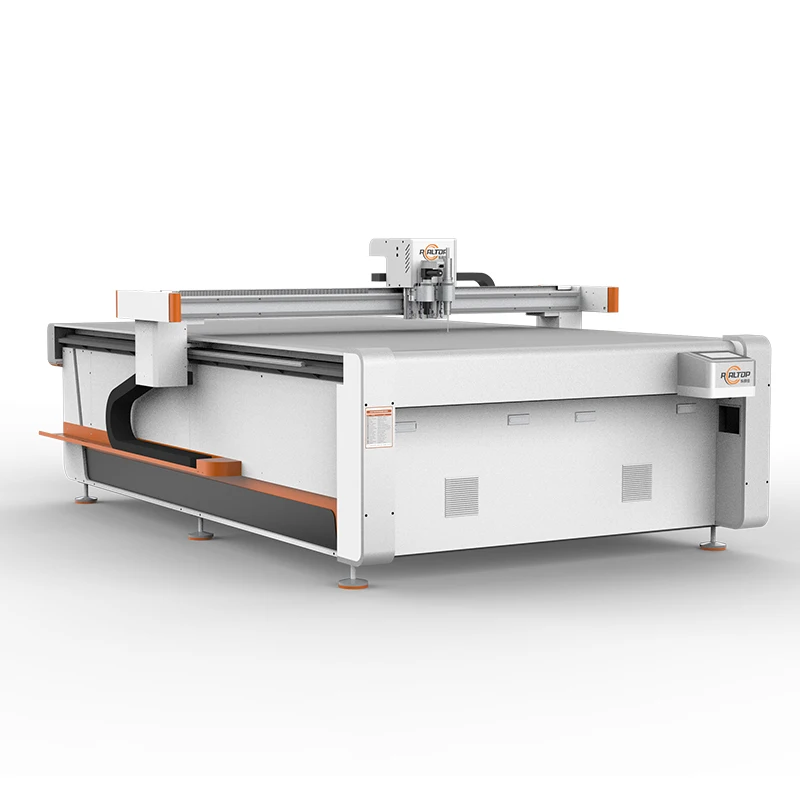
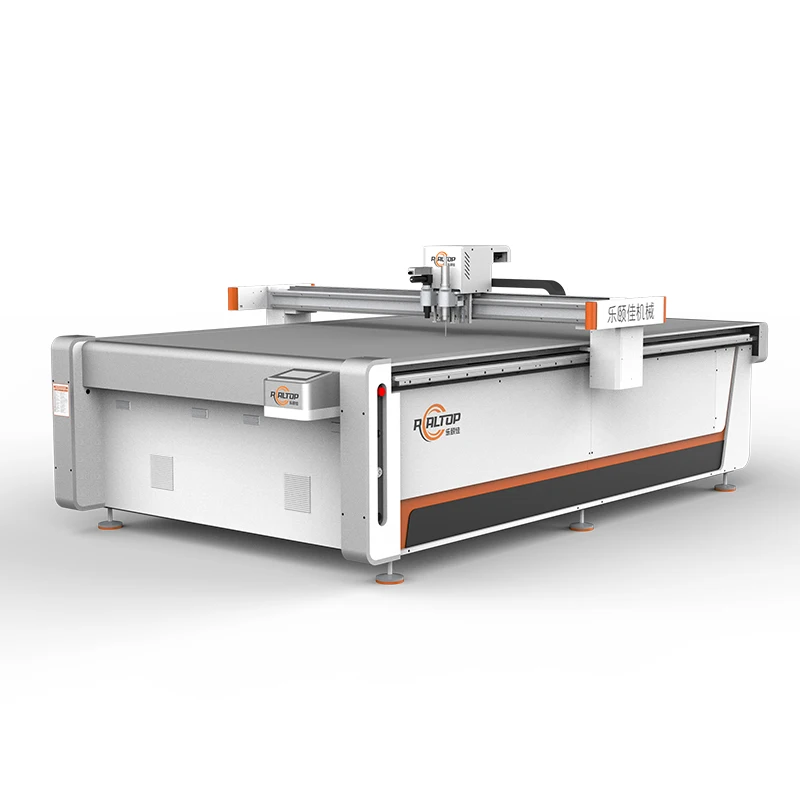
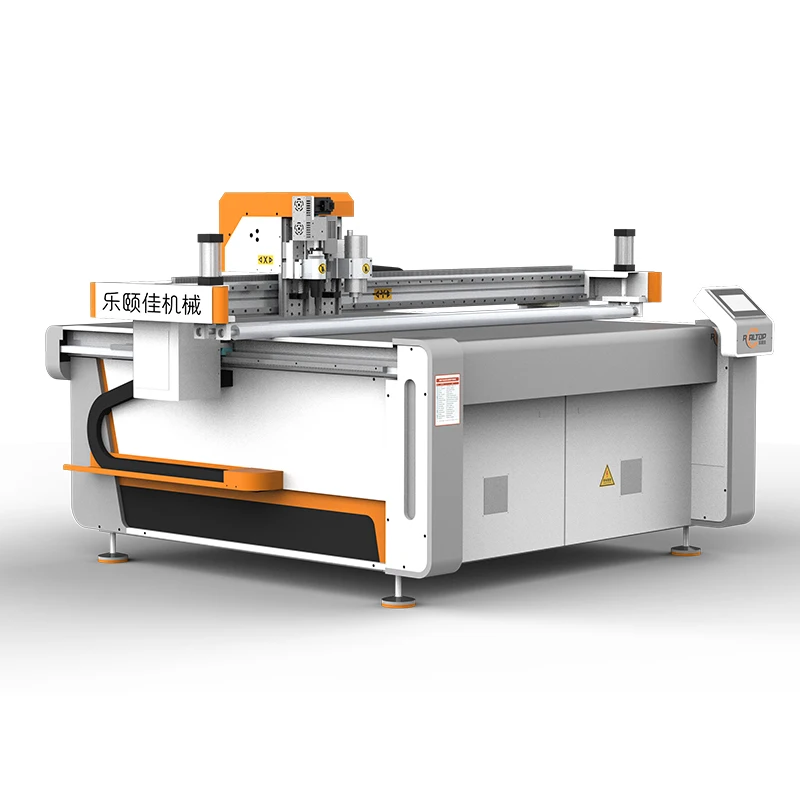
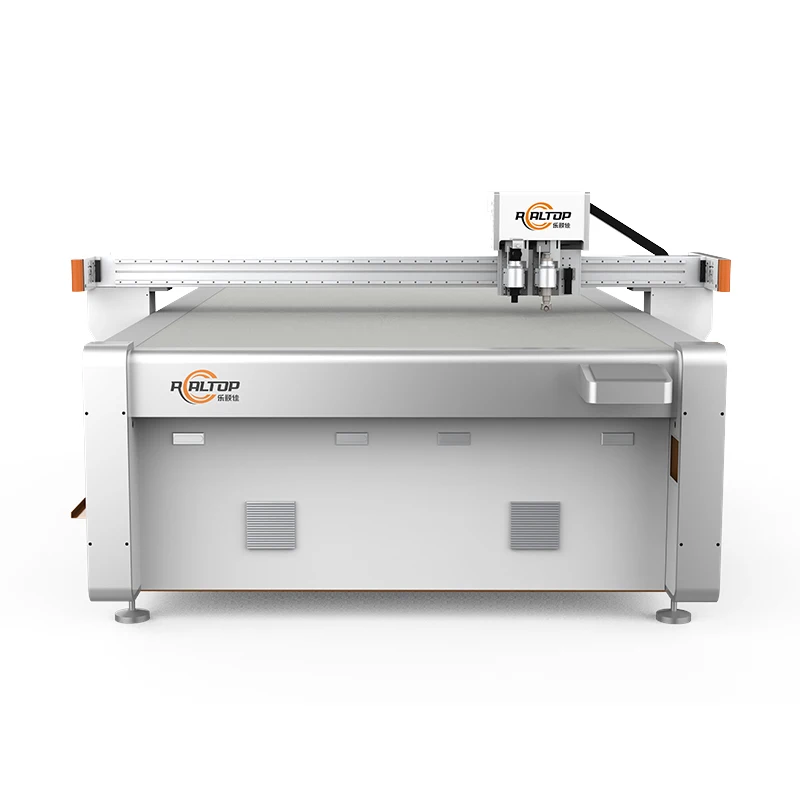
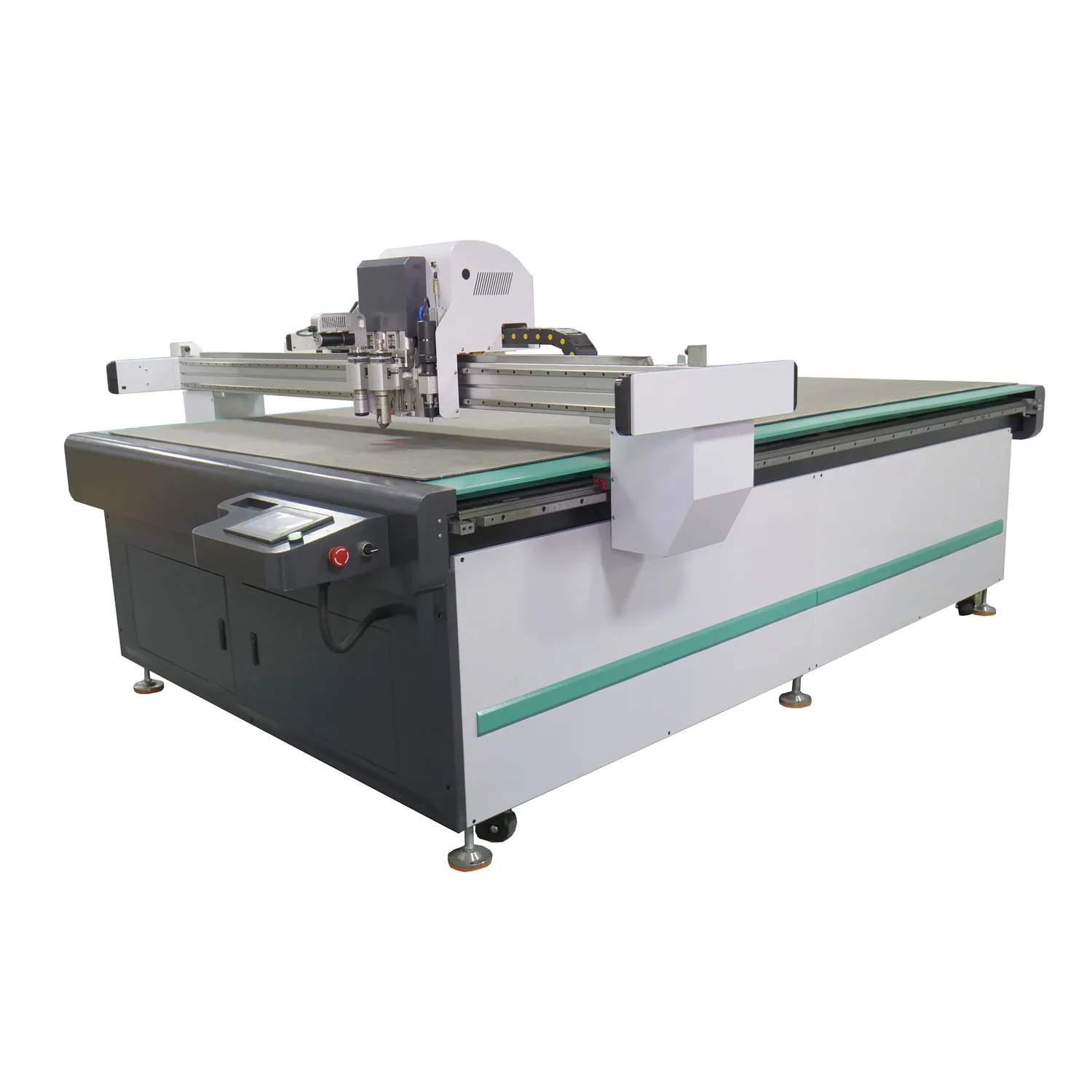
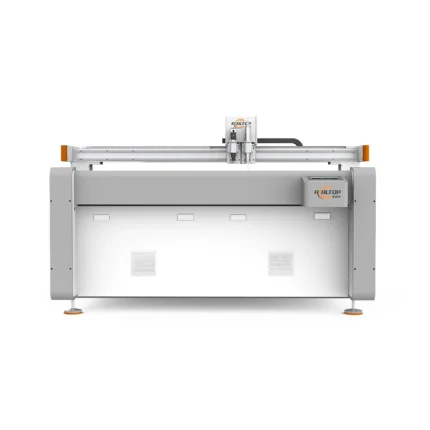
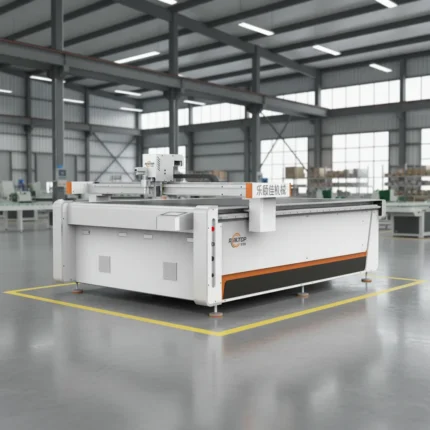
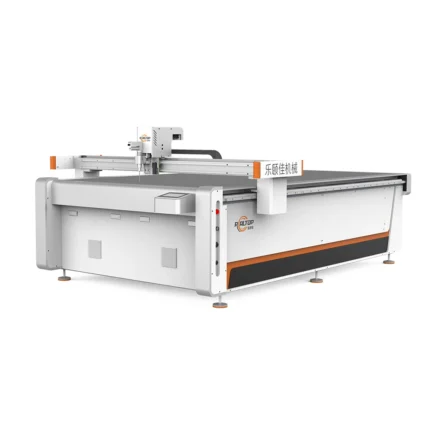
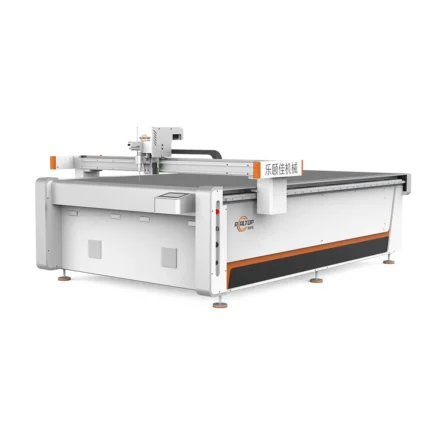
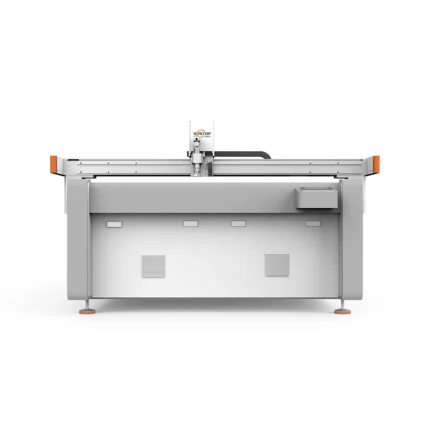
RT-D2516/RT-S2516 CNC Oscillating Knife Cutting Machine, 1600×2500mm Working Area, ≤100mm Cutting Thickness — configured for packaging and carton sample making with multi-tool head support.
- Oscillating knife versus CO2 laser process selection matters: knife cutting delivers clean, burn-free edges on corrugated board, honeycomb cardboard, and flexible composites without discoloration or fumes.
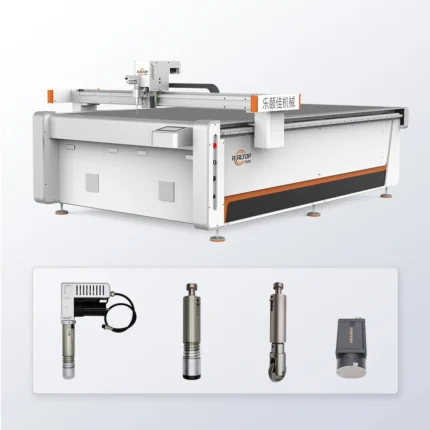
- Multi-functional head supports vibration full/half cutting, V-cutting knife, creasing wheel, and drag knife for cutting, slotting, and creasing in one pass.
- Digital servo drive with ≤0.1mm repeated accuracy across full working area, vacuum table with magnesium-aluminum alloy surface.
Sample cutting on your own material confirms edge quality, depth, and speed before order commitment.
In-House Process Design — Both knife and laser cutting methods are developed under one roof, ensuring packaging substrates are matched to the right process instead of forcing a single technology.
Technical Specifications
| Parameter | Value |
|---|---|
| Model | RT-D2516/RT-S2516 |
| Product Type | CNC Oscillating Knife Cutting Machine |
| Working Area | 1600×2500 mm |
| Machine Dimensions | 3450×2300×1250 mm |
| Rated Power | 9 kW |
| Translational Velocity | 800–2000 mm/s |
| Cutting Speed | 200–800 mm/s (varies according to different cutting materials) |
| Cutting Thickness | ≤100 mm (varies with material; basis to be confirmed) |
| Repeated Accuracy | ≤0.1 mm |
| Transmission System | Digital servo motor, linear guide, synchronous belt, ball screw |
| Vacuum Pump | 7.5 kW |
| Vacuum Table | Magnesium-aluminum alloy with fluorocarbon PVDF powder spraying, anodic oxidation |
| Servo Motor Options | Delta (China) or Panasonic (Japan) |
| Control Panel | Touch screen, multiple language supported |
| Instruction System | HP-GL compatible format |
| Software Compatibility | PLT, DXF, AI, auto typesetting |
| Voltage | 380V±10% |
| Safety Device | Infrared sensors, anti-collision, emergency stop |
Application Suitability
| Application | Material or Output |
|---|---|
| Packaging and carton sample making | Corrugated cardboard, honeycomb cardboard, card stock, plastic box sheets |
| Advertising and signage production | Vinyl, film, sticker, PVC sheet, soft glass |
| Composite and foam fabrication | PU, EVA, XPE, sponge, fiberglass, carbon fiber sheets |
| Automotive interior trimming | Leather, non-woven fabric, carpet, floor mat materials |
| Gasket and sealing pad cutting | Rubber, PTFE, silicone, composite sealing materials |
Why Rated Laser Power Misleads Packaging Buyers
Continuous wattage and beam delivery matter far more than peak power claims when evaluating any cutting process for corrugated or folded carton work.
Many buyers compare machines by looking at a single laser power number, only to discover during production that the actual cutting depth on honeycomb board or multi-layer corrugated falls short. The same misalignment happens when an oscillating knife cutting machine laser process discussion skips past the material-specific realities — thickness, density, and surface coating all change how energy transfers into the cut. I once watched a Middle East buyer spend two full weeks re-tuning parameters after the sample was cut on standard card stock but production ran on heavier corrugated. The V-groove depth was wrong, crease lines cracked, and box forming rates dropped sharply. [NEED_CITE: material density impact on cutting process selection]
Process Boundary: Where Knife Ends and Laser Begins
For corrugated board and carton sample making, physical blade cutting delivers a clean edge with no burn marks, no discoloration, and no smoke extraction requirement. A CNC oscillating knife cutting machine laser process comparison starts here — CO2 laser leaves a sealed edge that works well on synthetic films and acrylic but chars the surface of uncoated kraft liner and corrugated medium. Understanding this boundary prevents costly misapplication before the order is placed.
Multi-Tool Head Advantage for Packaging Workflows
The RT-D2516/RT-S2516 supports a Swiss imported knife with vibration full cutting, vibration half cutting, and cursor location, alongside pneumatic knife, high-power vibrating knife, circular knife, V cutting knife, drag knife, creasing wheel, dotted line knife, punching, and brush tool options. This means one pass can complete cutting, V-groove slotting, and crease line scoring on the same sheet. For packaging sample makers, this eliminates the need for separate creasing equipment and reduces handling between operations. [NEED_CITE: single-pass cutting and creasing workflow efficiency]
Reading the Specs That Actually Matter
The 7.5 kW vacuum pump paired with the magnesium-aluminum alloy table provides the holding force needed to keep corrugated sheets flat during high-speed cutting. Without sufficient vacuum zoning, small packaging parts lift off the table, producing dimensional errors that compound through the folding stage. The Taiwan Hiwin linear guide and digital servo system maintain ≤0.1 mm repeated accuracy across the full 1600×2500 mm working area, which is critical when cutting interlocking carton tabs that must align within tight tolerances. The translational velocity of 800–2000 mm/s allows rapid positioning between cut paths, while the actual cutting speed of 200–800 mm/s adjusts to material density — thicker honeycomb board demands slower passes to prevent delamination.
The Hidden Cost of Wrong Tool Head Selection
Choosing a drag knife when the material requires an oscillating knife results in ragged edges on corrugated flutes and crushed foam cores. A creasing wheel set to the wrong pressure cracks coated card stock instead of forming a clean fold line. These errors rarely appear during sample testing on thin, easy-to-cut material but surface immediately when production switches to the actual substrate. I have seen buyers ship back tool heads and wait weeks for replacements because the initial configuration was selected by working area alone. [NEED_CITE: tool head material matching in digital cutting]
Why Procurement Lands Here
The in-house design team covers both knife and laser cutting technologies, so the cutting method is matched to the material rather than forced into one process. Tool head and table configuration are specified per material type and production volume before the order is confirmed. CCD camera positioning — available as small CCD mark point positioning, panoramic camera recognition, or projection positioning — handles printed contour work for packaging graphics. Software compatibility with PLT, DXF, AI, and HP-GL formats is verified before shipment to avoid file import failures. Voltage at 380V±10% and control language options including English, Russian, Italian, and Chinese are confirmed with the buyer’s facility requirements before production begins.
Documentation & Verification
- Machine specification sheet listing confirmed tool head and table configuration for your material
- Electrical schematic with voltage and frequency matched to your facility
- Sample cutting report on your corrugated or carton board before dispatch
- Software licence and file format compatibility note for PLT, DXF, AI workflows
- Factory test record showing repeated accuracy across full working area
- Packing photographs documenting machine condition before crating
Installation, Commissioning & Support
- 3450×2300×1250 mm footprint requires level concrete floor with clearance for material loading on both sides
- 9 kW rated power plus 7.5 kW vacuum pump require dedicated 380V±10% circuit with proper grounding
- Machine ships with touch screen control panel pre-loaded with confirmed language setting
- First-run commissioning includes vacuum table zone calibration for your specific sheet sizes
- Operator training covers tool head changeover between oscillating knife, V-cutting knife, and creasing wheel
- Spare parts list identifies Swiss imported knife blades and wear components for local stocking
What to Prepare Before Inquiry
Share the exact material type, thickness range, and maximum sheet dimensions your packaging line handles. Specify your daily sample or production volume so the tool head and feeding configuration — flat working table or auto feeding table — can be matched accordingly. Confirm your local voltage and frequency, preferred control language, and whether your existing design software exports PLT, DXF, or AI files. If your substrate has unusual coatings or density, send a sample sheet for test cutting before finalizing the configuration.
Frequently Asked Questions
Q: Which packaging materials are better suited to oscillating knife versus CO2 laser?
A: Uncoated corrugated board, honeycomb cardboard, and kraft liner cut cleanly with an oscillating knife — no burn marks, no smoke, and no edge discoloration. CO2 laser is better reserved for acrylic, thin synthetic films, and applications requiring edge sealing. For mixed-material packaging shops, starting with a knife cutting machine covers most carton and box work.
Q: How does the 380V±10% voltage specification work in regions with different grid standards?
A: The RT-D2516/RT-S2516 is configured for 380V±10% as standard. Buyers in regions with 220V three-phase or 415V supplies must confirm their local voltage and frequency before production. Voltage mismatch can damage the servo drives and vacuum pump motor. We verify electrical compatibility during the specification confirmation stage.
Q: How do I match tool heads to my specific packaging substrate?
A: Standard corrugated board typically uses the oscillating knife for through-cuts and the creasing wheel for fold lines. V cutting knives handle slot work on thicker honeycomb panels. Drag knives suit thin card stock and vinyl. We recommend sample cutting on your actual material to confirm tool head selection before the order is finalized.
Q: Can I send my own material for sample cutting before placing the order?
A: Yes. Send a representative sheet of your production material — including any coatings, laminations, or unusual density. We run test cuts, document edge quality, cutting speed, and dimensional accuracy, then provide a sample cutting report. This eliminates the guesswork that leads to weeks of parameter tuning after delivery.
Q: Which file formats does the control software accept for packaging design workflows?
A: The software supports PLT, DXF, and AI formats with auto typesetting capability. The instruction system is HP-GL compatible. Before the order is confirmed, we verify that your existing design and nesting software exports cleanly into these formats to prevent import failures during production.


Related products
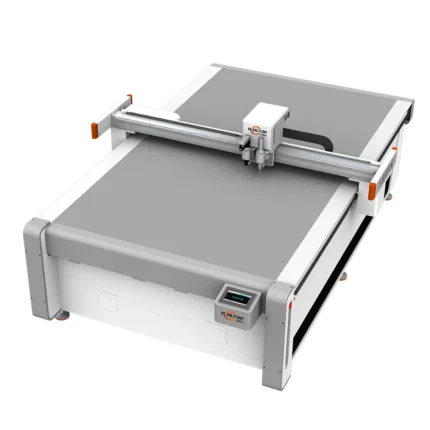
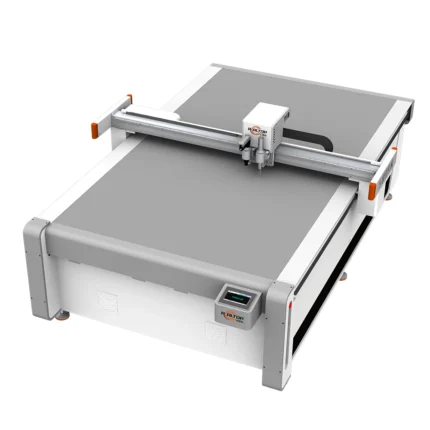
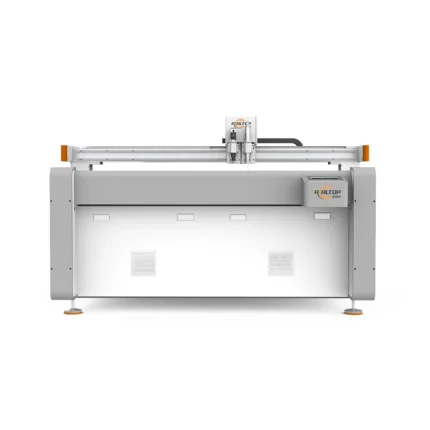
Automatic CNC Cutter Plotter 2026 Flat Bed Cardboard Cutter
Product Introduction
Automatic CNC Cutter Plotter 2026 is a flat bed cardboard cutting machine designed for precise and efficient cutting tasks. Ideal for various cardboard processing needs, it combines advanced CNC technology to deliver accurate results, suitable for manufacturing and packaging applications.Product Parameters
| Type | Automatic CNC Cutter Plotter |
| Model | 2026 |
| Design | Flat Bed |
| Application | Cardboard Cutting |
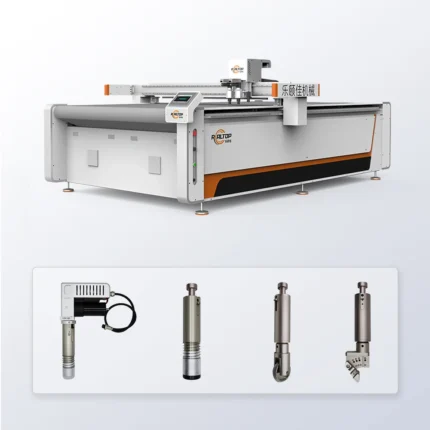
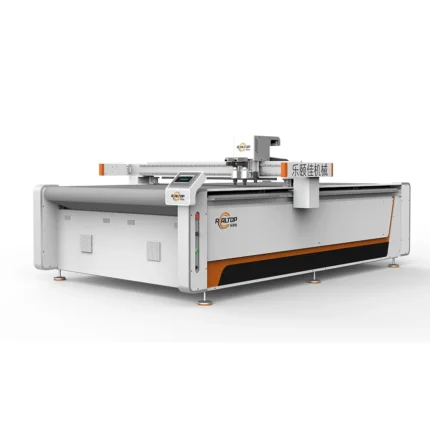
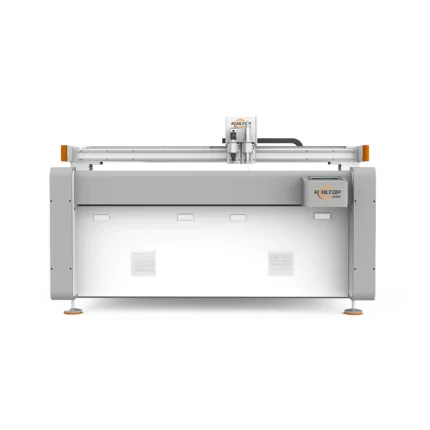
CNC Flatbed Cutter 2026 Digital Corrugated Box Making Machine
Product Introduction
High-precision CNC flatbed cutter designed for efficient cardboard box production. Ideal for 2026 digital corrugated box manufacturing, offering precise cutting and reliable performance for professional packaging solutions.
Key Specifications
| Type | CNC Flatbed Cutter |
| Application | Cardboard Box Production |
| Technology | 2026 Digital System |
| Material | Corrugated Board |
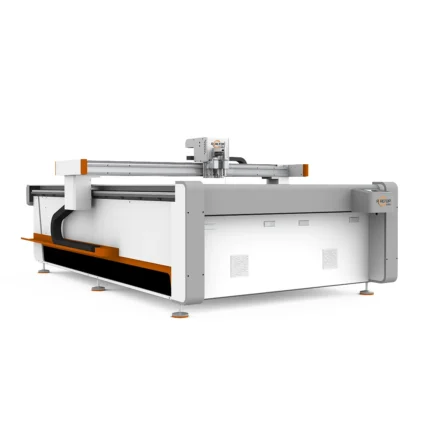
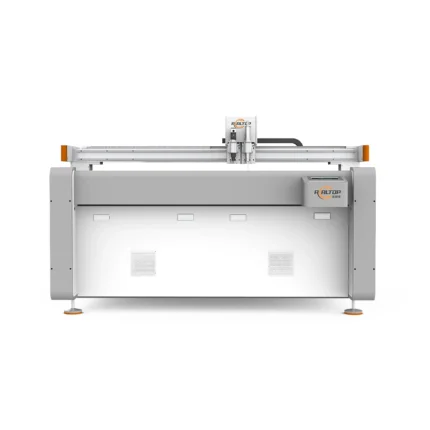
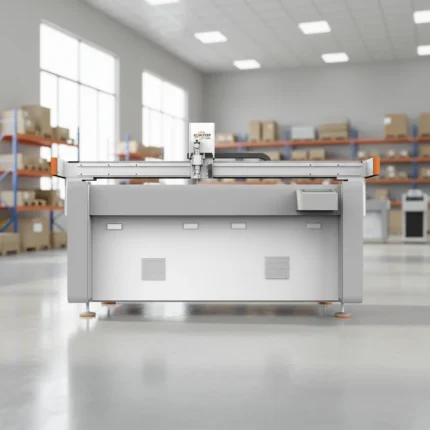
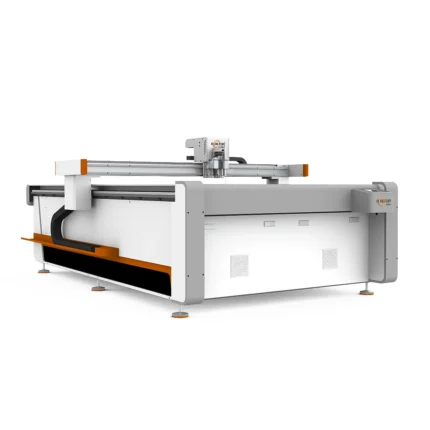
Realtop 2026 Digital Box Cutter High-Speed Corrugated Board
Product Introduction
Realtop Digital Box Cutting Machine 2026 is a high-speed solution for corrugated board cutting, designed for efficient and precise box production in manufacturing settings.Key Specifications
| Model | 2026 |
| Type | Digital Box Cutting Machine |
| Application | Corrugated Board |
| Feature | High-Speed Cutting |
商品评价
There are no reviews yet.