

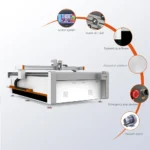

CNC Carton Box Cutter Oscillating Knife | Factory Supply
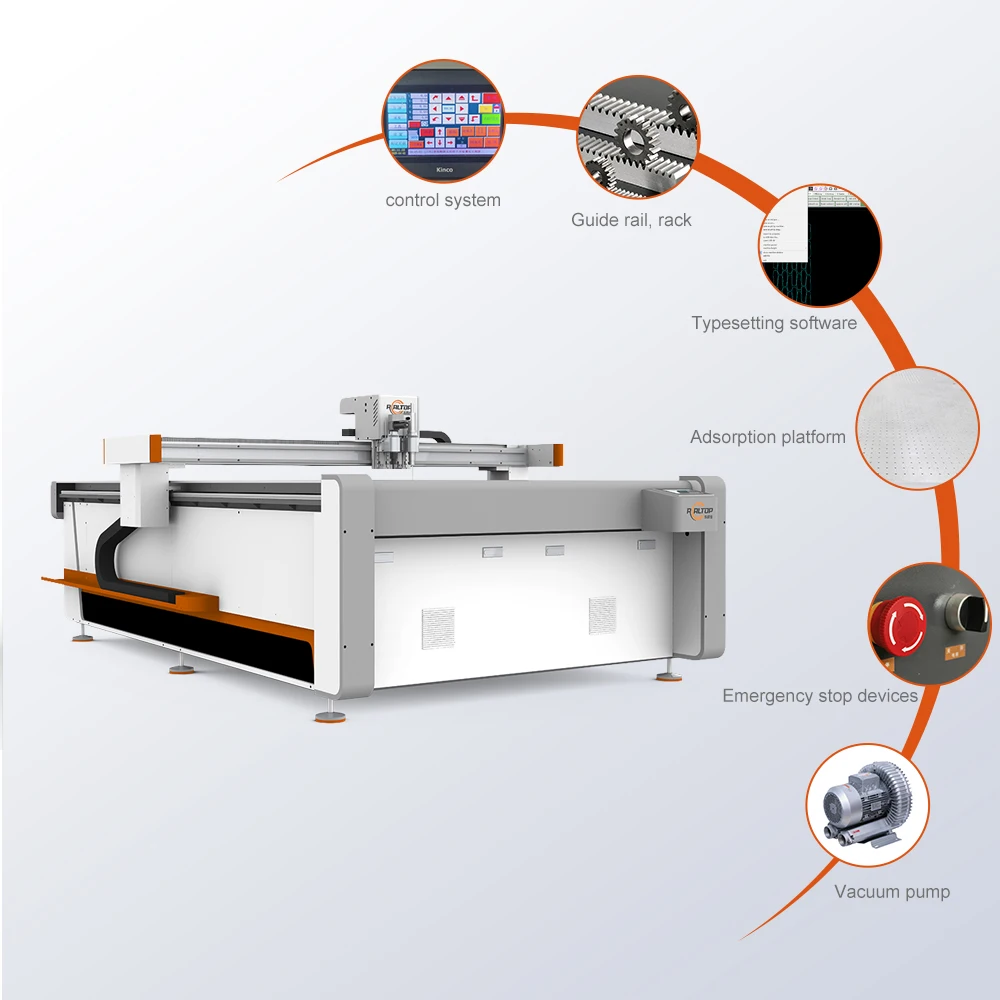
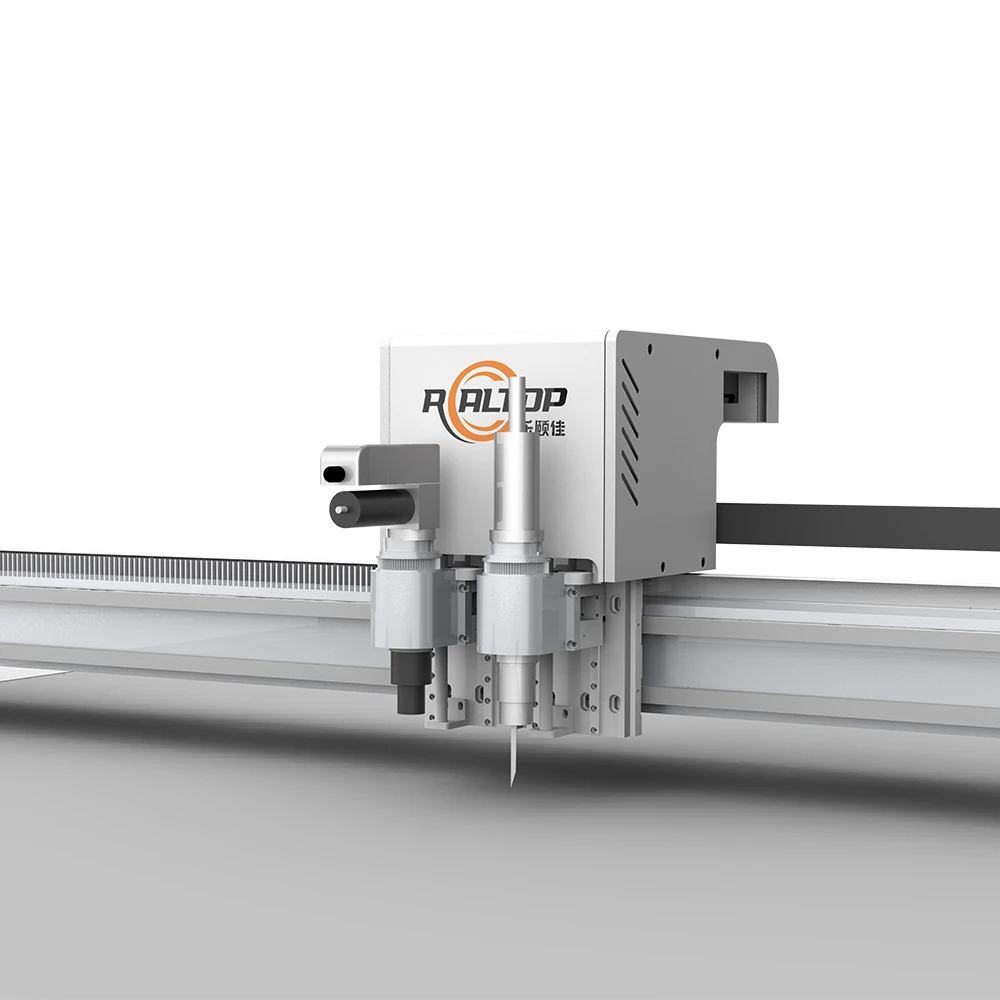
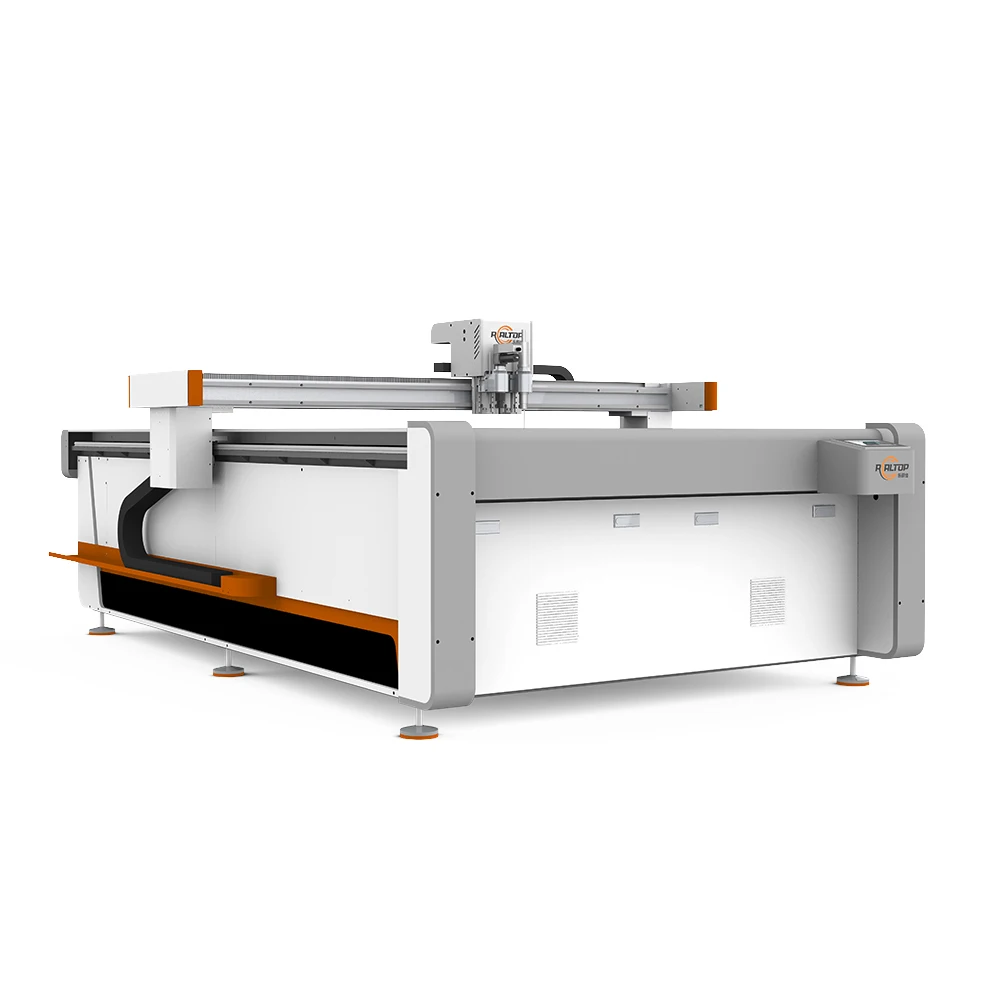
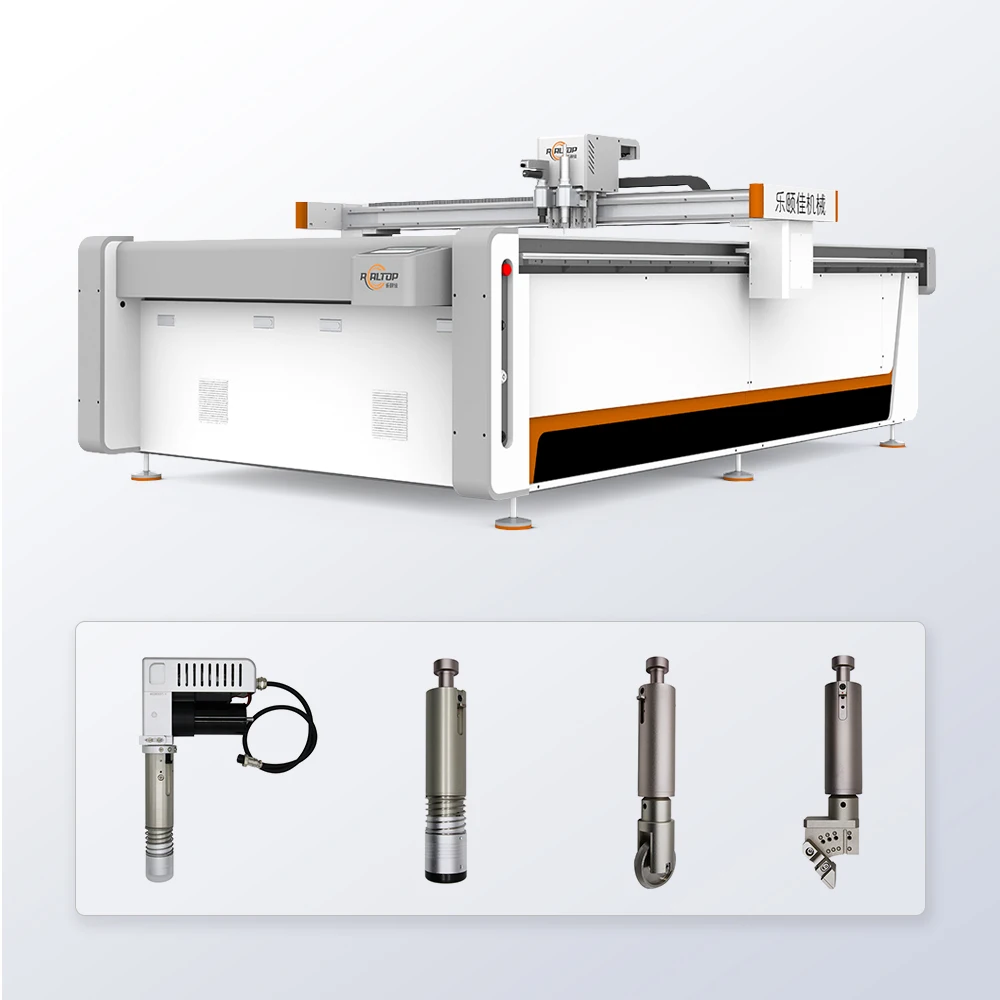
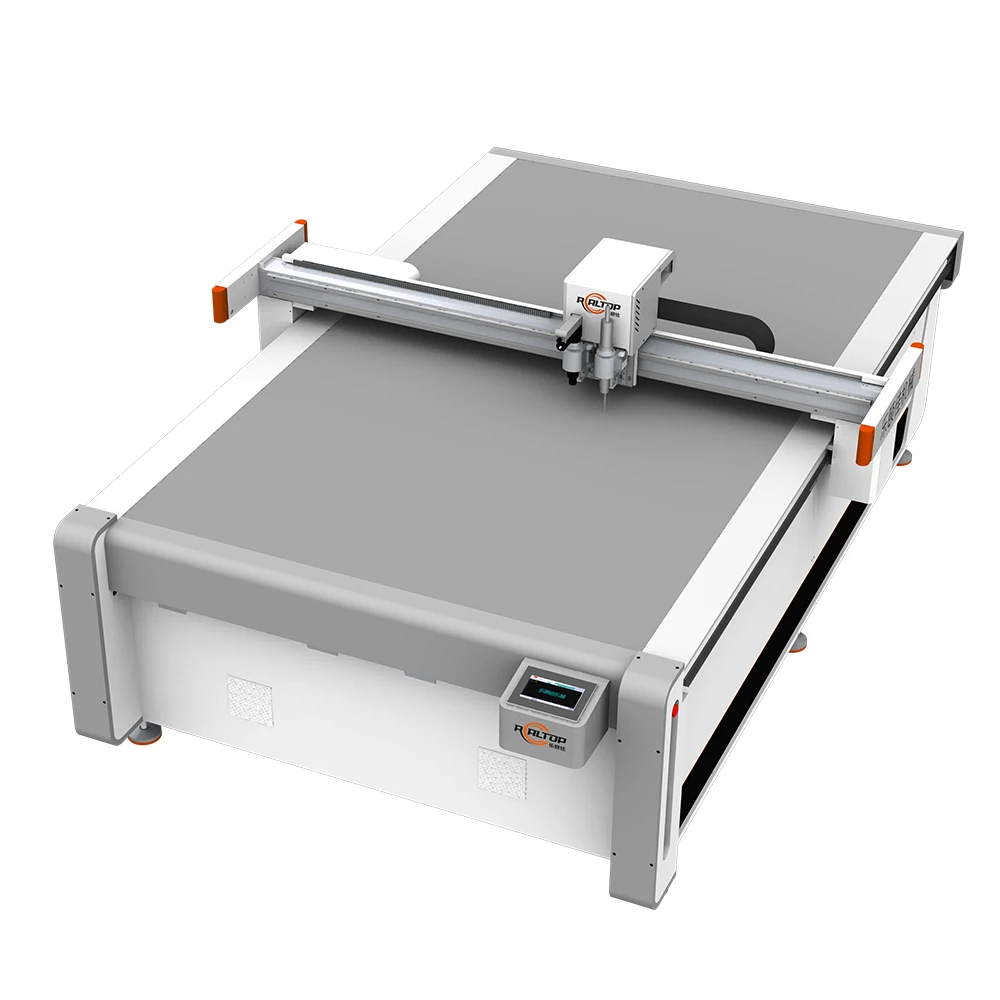
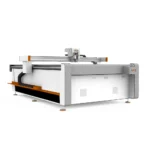
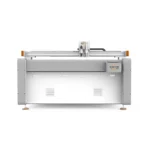
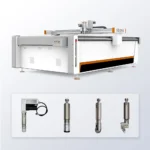
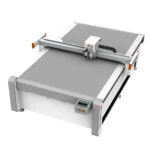
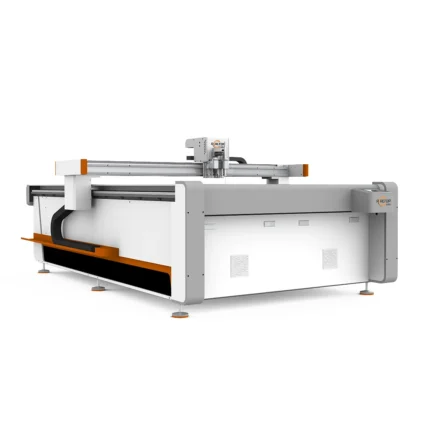
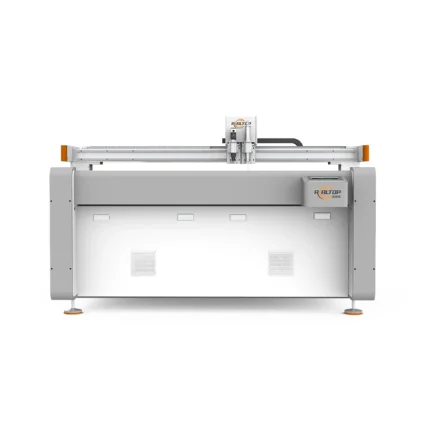
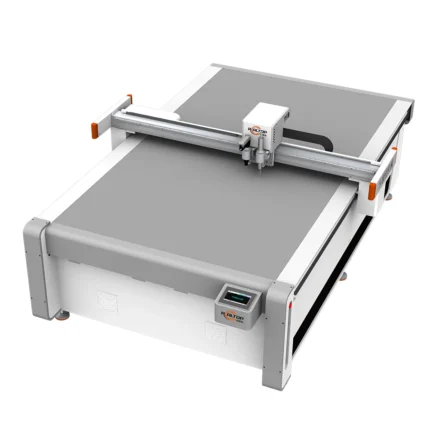
CNC Oscillating Knife Cutting Machine, 1600×2500mm Working Area, ≤40mm Thickness — designed for corrugated cardboard, greyboard, EVA foam, and specialty paper sample making. Features creasing wheel, driven rotary knife, and V groove knife tooling with PLC control and dedicated packaging box structure design software. Laser cutting delivers sealed edges on synthetics where knife tools may fray; Realtop offers both technologies so the cutting method matches the material, not the other way around. CCD contour recognition, vacuum table zoning, and software compatibility are confirmed against your production files before order.
In-house dual-process capability — Realtop engineers both knife and laser cutting systems under one roof, allowing packaging buyers to validate the optimal method rather than forcing a single technology onto every material.
Technical Specifications
| Parameter | Value |
|---|---|
| Product Type | CNC Oscillating Knife Cutting Machine |
| Working Area | 1600 × 2500 mm |
| Tool Options | Oscillating knife, Driven rotary knife, Creasing wheel, Kiss cutting tool, Pneumatic knife, Milling tool, V-groove knife |
| Cutting Speed | 0–1500 mm/s |
| Cutting Thickness | Up to 40 mm (basis to be confirmed by material density and tool selection) |
| Cutting Accuracy | ±0.1 mm |
| Vacuum Pump | 9 kW |
| Control System | PLC control panel |
| Software | Dedicated packaging box structure design software |
| Profile Formats | PLT, DXF, AI, PDF |
| Voltage Options | 110V, 220V, 380V (configurable) |
| Safety Devices | Infrared sensor, Emergency stop |
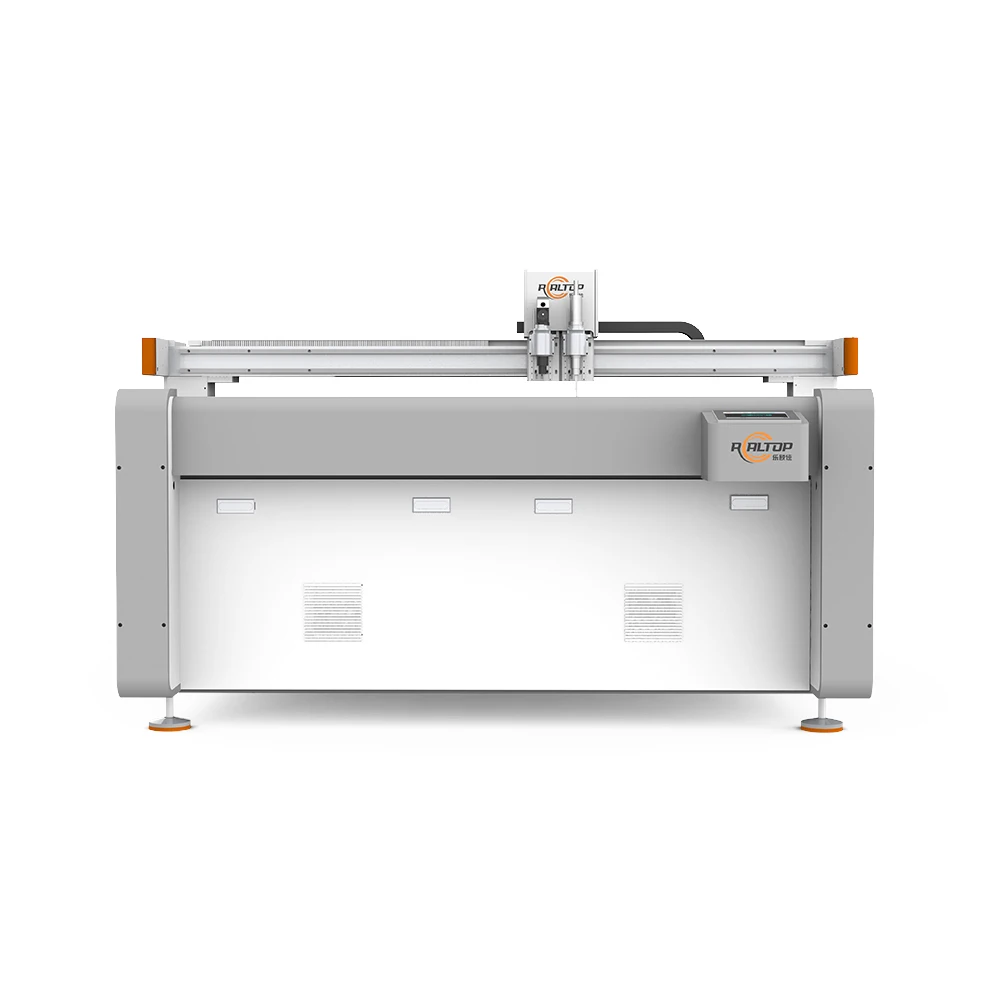
| Machine Dimensions | 3300 × 2100 × 1350 mm |
| Interface Language | English, Russian, Italian, Chinese (customizable) |
Application Suitability
| Application | Material or Output |
|---|---|
| Carton prototyping and sample making | Corrugated cardboard (E-flute, B-flute, BC-flute), greyboard, cardstock |
| Short-run customized packaging | Art paper, specialty paper, adhesive-backed materials |
| Protective insert cutting | EVA foam, EPE foam, PU foam, rubber mats |
| Gasket and seal production | PTFE, rubber, composite sheets |
| Textile and leather pre-cutting | Velvet, fleece, non-woven fabric, synthetic leather |
| Thin plastic sheet fabrication | PVC, PET, thin acrylic |
Why the Voltage Question Must Come Before the Price Tag
Confirming your facility voltage and frequency prevents a machine that arrives dead on the shop floor.
When sourcing a CO2 laser cutting and engraving machine or any non-metal processing system, buyers often focus on power ratings and working area while overlooking electrical compatibility. A unit wired for 380V/50Hz will not run safely on a 220V/60Hz supply without a transformer, and the cost of that transformer sometimes exceeds the freight [NEED_CITE: voltage and frequency standards by export market]. I have watched importers receive machines with the wrong plug type and control panel language, turning a straightforward installation into a multi-week delay. The fix is simple: specify your exact voltage, phase, frequency, and preferred interface language before the quotation is finalized.
Matching the Process to the Material
Choosing between laser and knife cutting depends entirely on what you are processing. A CO2 laser cutting and engraving machine seals edges on synthetics, which matters for textile producers who cannot afford fraying. However, laser heat can melt or discolor certain foams and corrugated boards, making an oscillating knife the cleaner choice for packaging sample work. Buyers who evaluate both methods against their actual material stack avoid costly process compromises later.
Edge Quality and the Power Rating Trap
Many laser quotations list peak power rather than continuous output, and this distinction directly affects what you can cut [NEED_CITE: continuous versus peak laser power ratings in industrial applications]. A tube rated at a certain peak value may not sustain enough continuous energy to penetrate thicker acrylic at production speed. Request the continuous power figure and a sample cut on your specific material before committing, because real cutting depth is the only number that matters once the machine is running on your floor.
Reading the Specs That Actually Matter
The 9 kW vacuum pump on this system addresses a practical problem: lighter materials such as cardstock and thin foam lift off the table when the cutting head moves at high speed. Zoned vacuum tables let you activate only the section under the workpiece, holding small packaging samples flat without drawing excessive current. The ±0.1 mm cutting accuracy ensures crease lines and cut paths stay registered on printed carton stock, which is critical when your sample must fold into a precise finished box. PLC control with multi-language support reduces operator error during setup, particularly in export markets where the native interface language is not English.
The Hidden Cost of Wrong Tooling Choices
Selecting a drag knife for dense corrugated board produces crushed flutes and ragged edges that fail the client’s visual inspection. Conversely, using a heavy oscillating knife on thin art paper tears the stock and wastes sheet after sheet. Wrong tool head selection is the single most common cause of rejected samples in carton prototyping [NEED_CITE: tool head material compatibility guidelines for digital flatbed cutters]. The cost shows up not in the tooling itself but in wasted material, missed deadlines, and lost buyer confidence.
Why Source This Equipment from Realtop
In-house design covers both knife and laser platforms, so the recommendation is based on material fit rather than pushing whichever machine is in stock. Every order begins with sample cutting on the buyer’s own material before any commercial commitment. Tool head and table configurations are specified per material type and production volume, not sold as a one-size-fits-all package. Software compatibility with your existing PLT, DXF, AI, or PDF workflow is confirmed before production starts. Voltage, plug type, and control language are locked in at quotation stage, not discovered at unpacking. CE documentation is provided where applicable for customs clearance and compliance.
Documentation & Verification
- Factory test record on your corrugated flute type before dispatch
- Electrical schematic with your confirmed voltage and phase noted
- Tool head configuration list matched to your material stack
- Software license and file format compatibility confirmation sheet
- Sample cutting report on your supplied packaging board stock
- Operation and maintenance manual in your chosen language
Installation, Commissioning & Support
- Allow floor space of at least 4000 × 3000 mm for the 3300 × 2100 mm frame and operator access
- Dedicated electrical circuit matching your confirmed 110V, 220V, or 380V supply with proper grounding
- Machine ships partially assembled; vacuum table and gantry require on-site alignment
- First-run commissioning includes vacuum zoning calibration and tool offset setting per material
- Operator training covers crease wheel pressure, knife depth, and nesting software workflow
- Spare oscillating knife blades and creasing wheels included for initial production period
What We Need to Quote Accurately
Send your material type, flute profile or board density, maximum sheet size, and the typical daily sample volume you need to produce. Confirm your local voltage and frequency, preferred control language, and whether your design files originate in PLT, DXF, AI, or PDF format. If you have an existing nesting software workflow, tell us so we can verify compatibility before the order is placed.
Frequently Asked Questions
Q: Should I choose a CO2 laser or an oscillating knife for corrugated packaging samples?
A: Corrugated board responds better to oscillating knife cutting because laser heat can char the liner and crush the flute structure at cut edges. CO2 laser cutting and engraving machines excel on acrylic, wood, and textiles where edge sealing is beneficial. Testing both methods on your actual board stock is the reliable way to decide.
Q: What is the difference between peak and continuous laser power ratings?
A: Peak power is the maximum burst a tube can deliver for brief moments, while continuous power is what it sustains during actual cutting. Continuous power determines real cutting depth and speed. Always request the continuous rating and verify it against a sample cut on your material thickness.
Q: Can the dedicated packaging software import my existing design files?
A: The system accepts PLT, DXF, AI, and PDF profiles directly. Before production, we confirm that your specific file versions and nesting workflow import correctly. If your designs use proprietary formats, send sample files during the inquiry stage so compatibility is resolved before the machine ships.
Q: How do I ensure the voltage matches my workshop supply?
A: Specify your exact voltage, phase, and frequency at the quotation stage. We configure the electrical system, plug type, and transformer requirements accordingly. An electrical schematic confirming these values is included in the documentation package before dispatch.
Q: Can you test my material before I place the order?
A: Yes. Send your actual board stock, foam, or fabric to our facility, and we run sample cuts using the recommended tool configuration. You receive a cutting report with edge quality photos, cycle time observations, and tool recommendations based on the results.


Related products
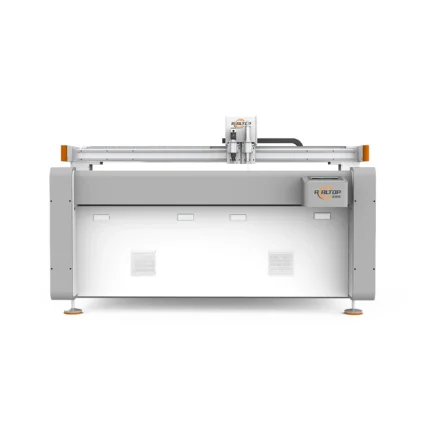
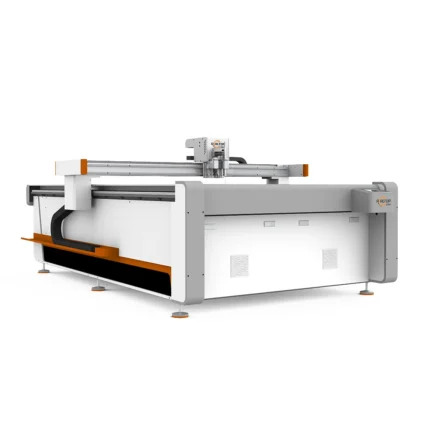
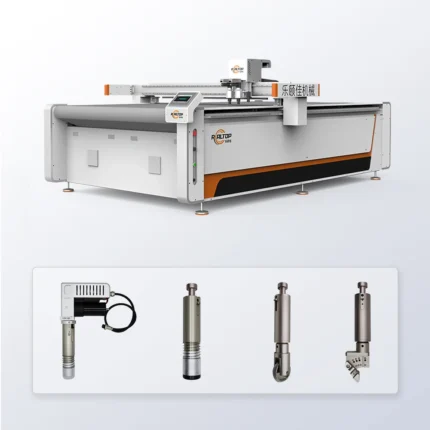
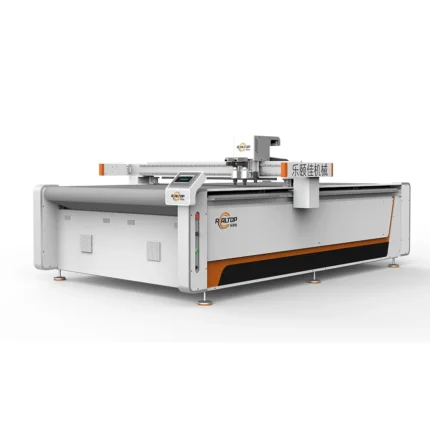
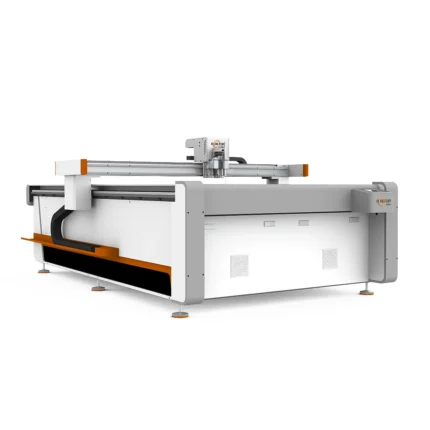
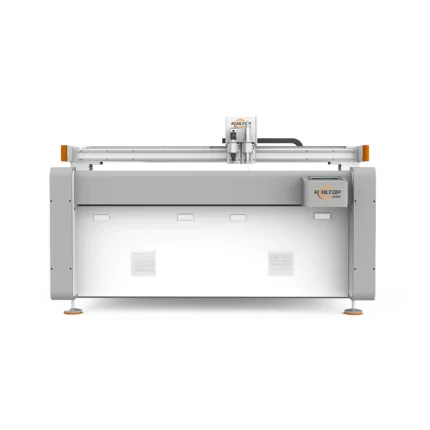
CNC Flatbed Cutter 2026 Digital Corrugated Box Making Machine
Product Introduction
High-precision CNC flatbed cutter designed for efficient cardboard box production. Ideal for 2026 digital corrugated box manufacturing, offering precise cutting and reliable performance for professional packaging solutions.
Key Specifications
| Type | CNC Flatbed Cutter |
| Application | Cardboard Box Production |
| Technology | 2026 Digital System |
| Material | Corrugated Board |

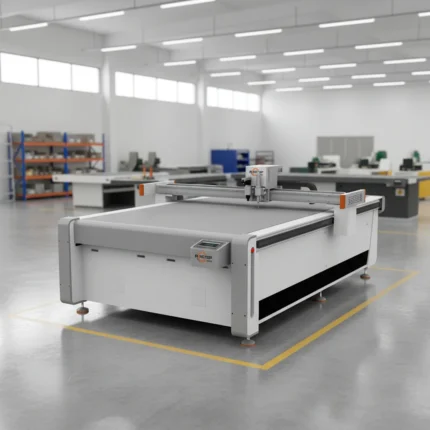
Digital Box Cutter 2026 Oscillating Knife Cardboard Cutter
Product Parameters
| Model | Digital Box Cutter 2026 |
| Cutting Type | Oscillating Knife |
| Material | Corrugated Cardboard |
Introduction
Professional oscillating knife cutting machine for corrugated cardboard. Ideal for precise, efficient cutting in packaging production. Reliable performance from China's leading welding & cutting equipment manufacturer.


Digital CNC Cardboard Cutting Machine 2026
Product Introduction
High-precision Digital CNC Cardboard Cutting Machine 2026, ideal for efficient cardboard processing with advanced CNC technology, ensuring precise and fast cutting performance for various packaging and craft applications.
Key Specifications
| Model | 2026 |
| Type | Digital CNC Cutting Machine |
| Material | Cardboard |
| Feature | High Precision, Efficient Cutting |

商品评价
There are no reviews yet.