

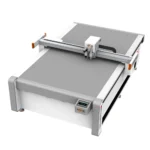
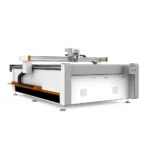
CNC Carton Box Cutter Oscillating Knife for Corrugated Cardboard – Laser Cutting and Engraving Machine manufacturer
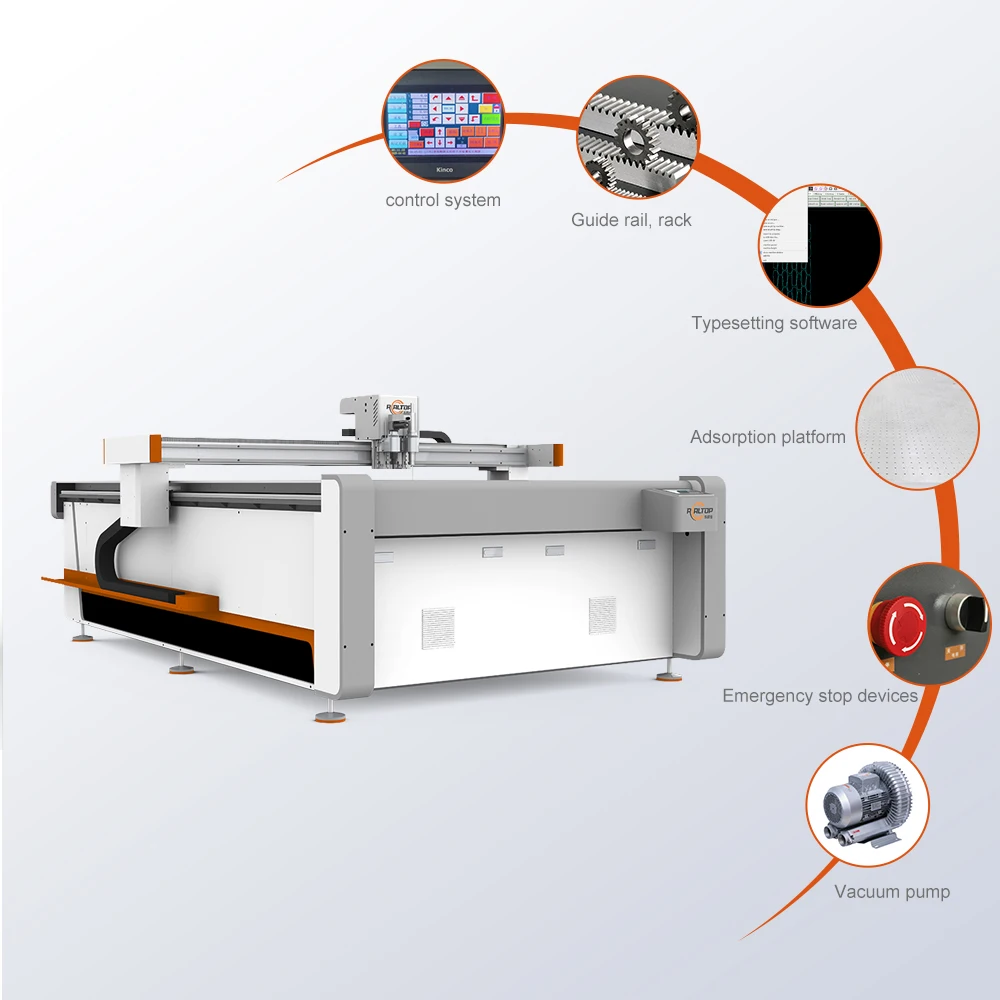
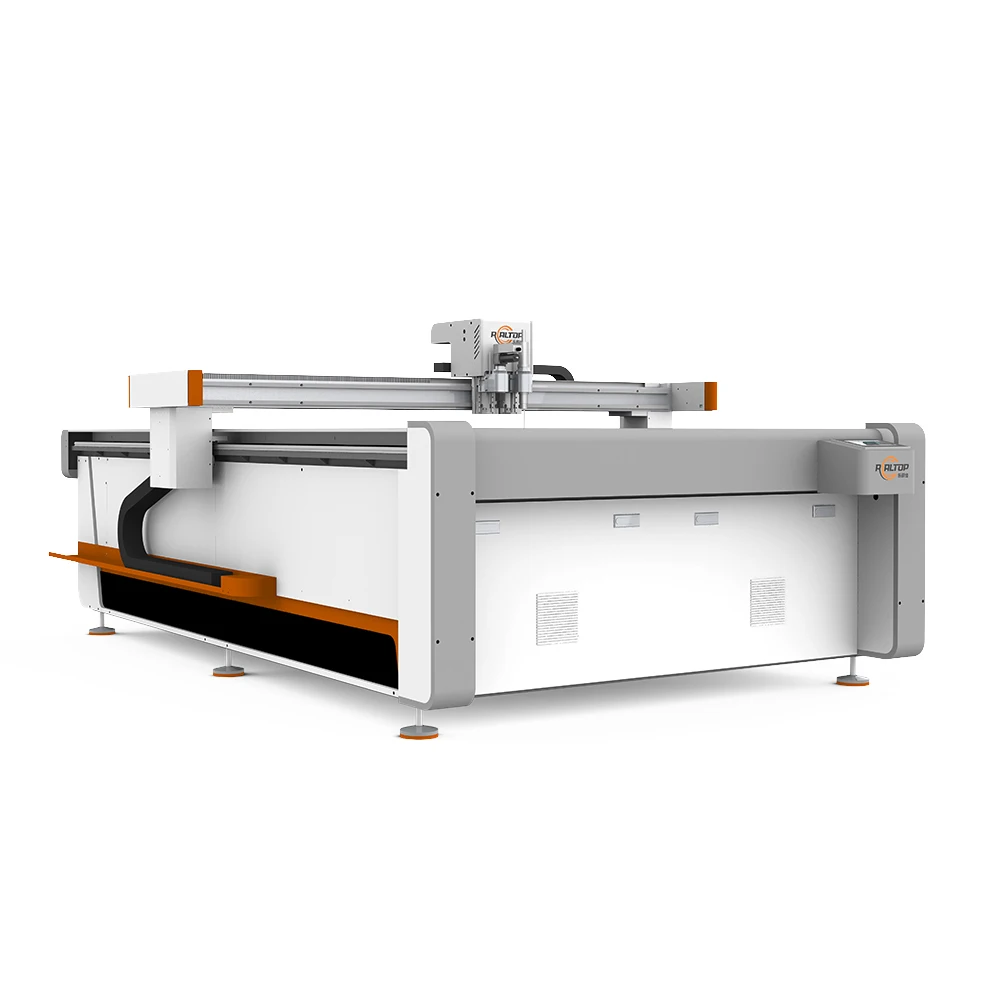
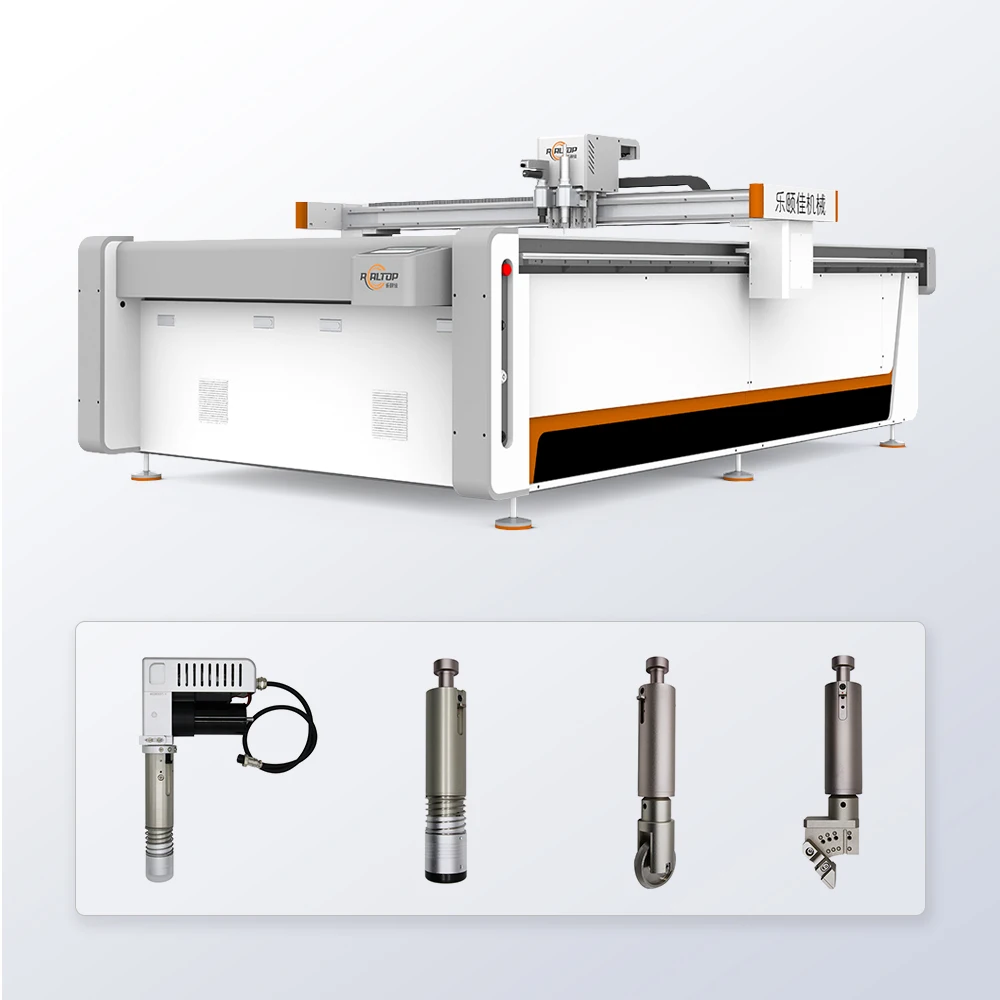
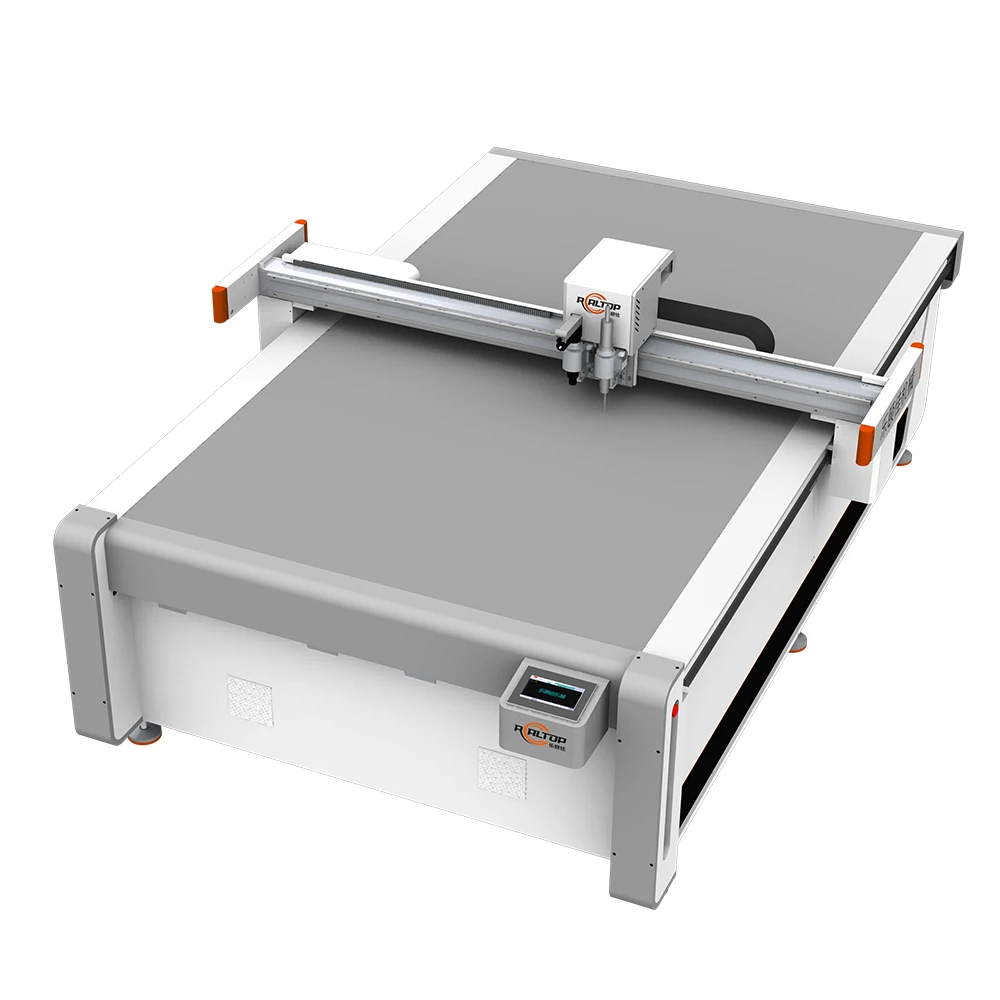
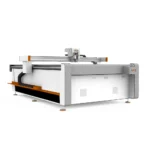
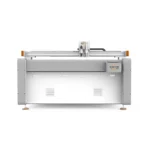
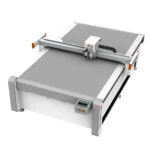
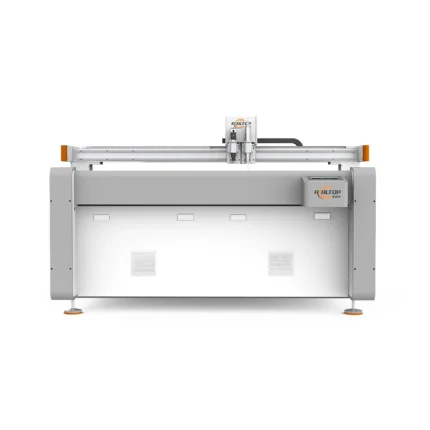
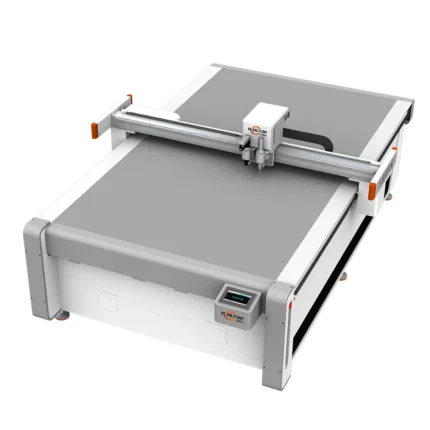
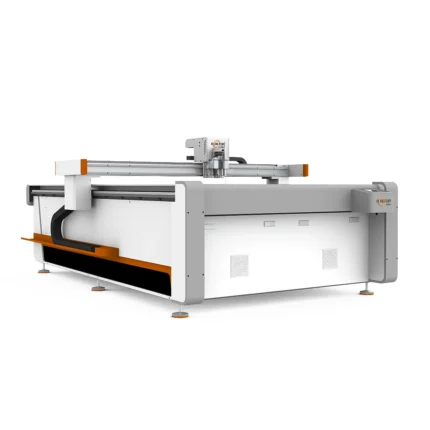
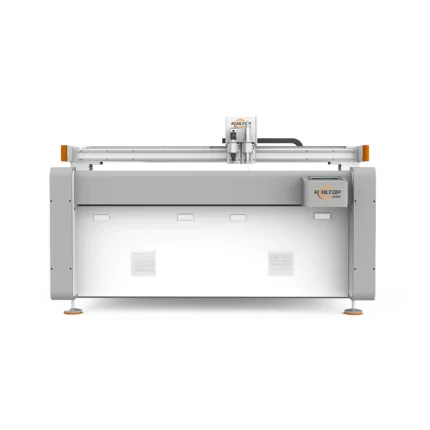
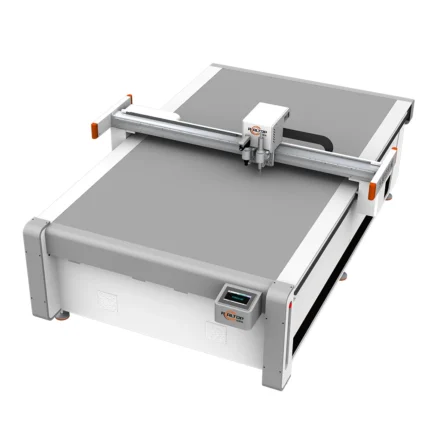
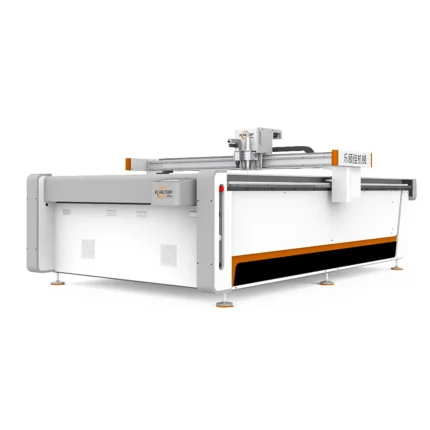
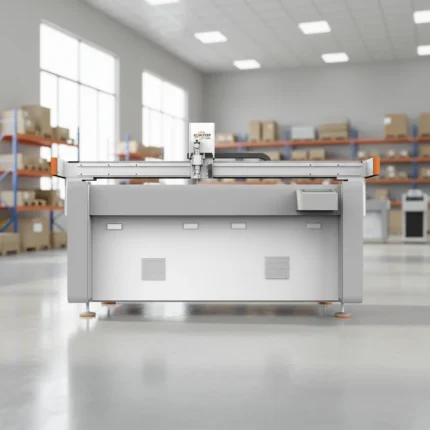
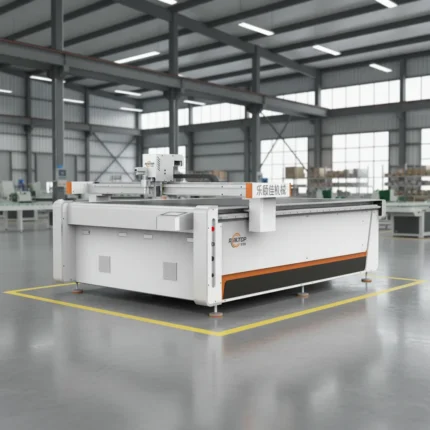
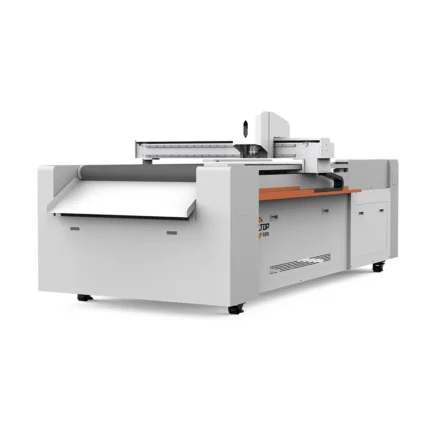
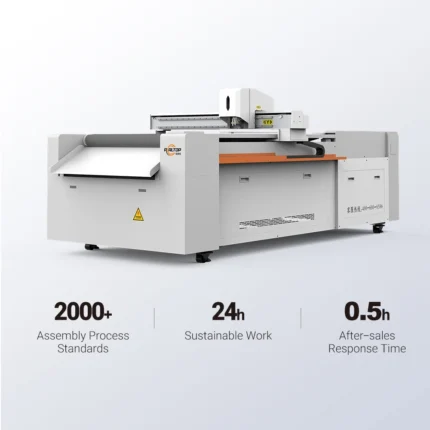
CNC Oscillating Knife Cutting Machine, 1600×2500mm Working Area, ±0.1mm Cutting Accuracy — configured with interchangeable tool heads including oscillating knife, creasing wheel, V-groove and kiss cutting tools for corrugated cardboard, foam and composite packaging materials. Aluminum bellows vacuum table ensures full-surface adsorption during high-speed cutting at 0-1500 mm/s, while dedicated packaging structure design software imports PLT, DXF, AI and PDF files directly.
- Sample cutting performed on buyer’s own corrugated flute type and board weight before order confirmation, with tool head and vacuum zoning matched to specific material combination and production volume.
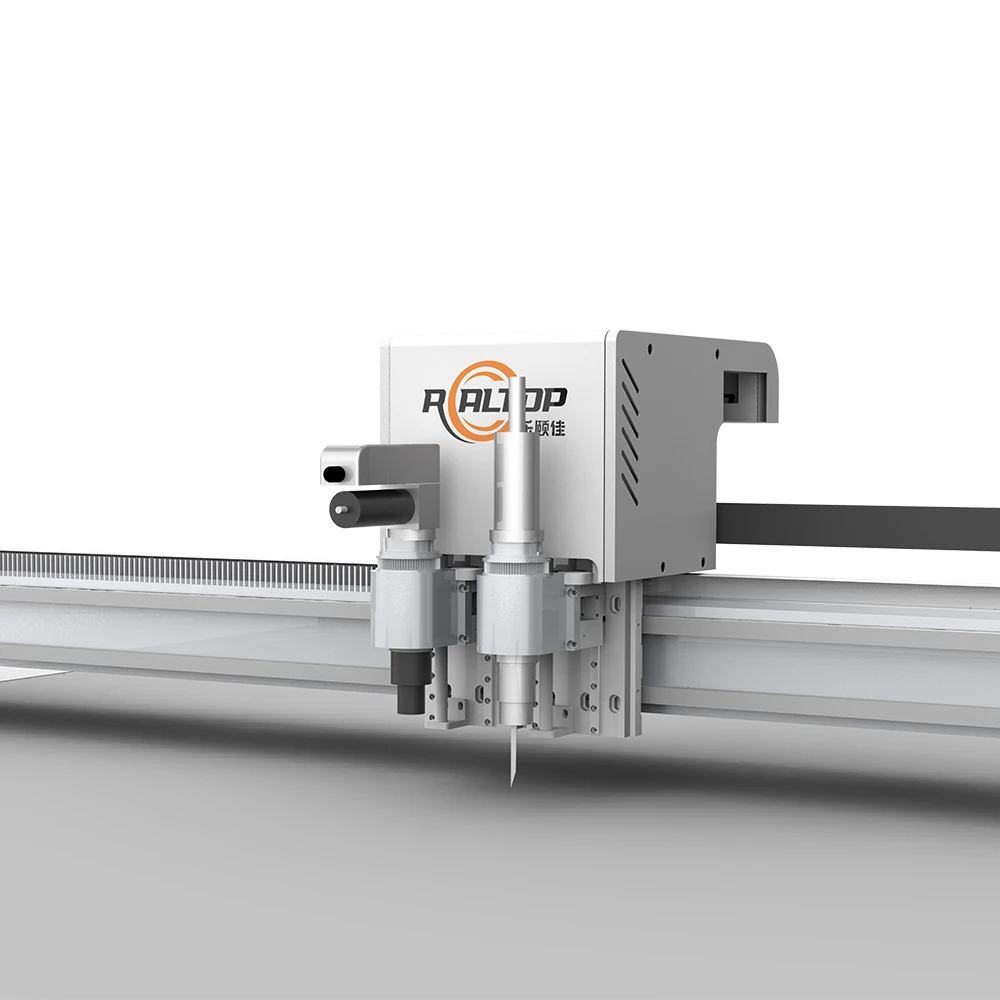
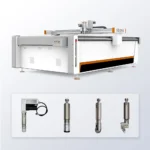
Multi-Tool Versatility — A single platform configured with oscillating knife, creasing wheel, V-groove and kiss cutting tools lets you match the tool to the board flute and insert foam, not the other way around.
Technical Specifications
| Parameter | Value |
|---|---|
| Product Type | CNC Oscillating Knife Cutting Machine |
| Working Area | 1600 * 2500 mm |
| Tool Head Options | Oscillating knife, Driven rotary knife, Creasing wheel, Kiss cutting tool, Pneumatic knife, Milling tool, V-groove knife |
| Cutting Thickness | ≤ 40 mm |
| Cutting Speed | 0 – 1500 mm/s |
| Cutting Accuracy | ±0.1 mm |
| Vacuum Pump Power | 9 kW |
| Vacuum Table Surface | Aluminum bellows |
| Control System | PLC panel with packaging box structure design software |
| File Format Compatibility | PLT, DXF, AI, PDF |
| Voltage Options | 110V, 220V, 380V (rated or peak not specified in source) |
| Servo Motor Brands | Panasonic, Delta, Dorna |
| Interface Languages | English, Russian, Italian, Chinese (custom options available) |
| Safety Devices | Infrared sensor and emergency stop |
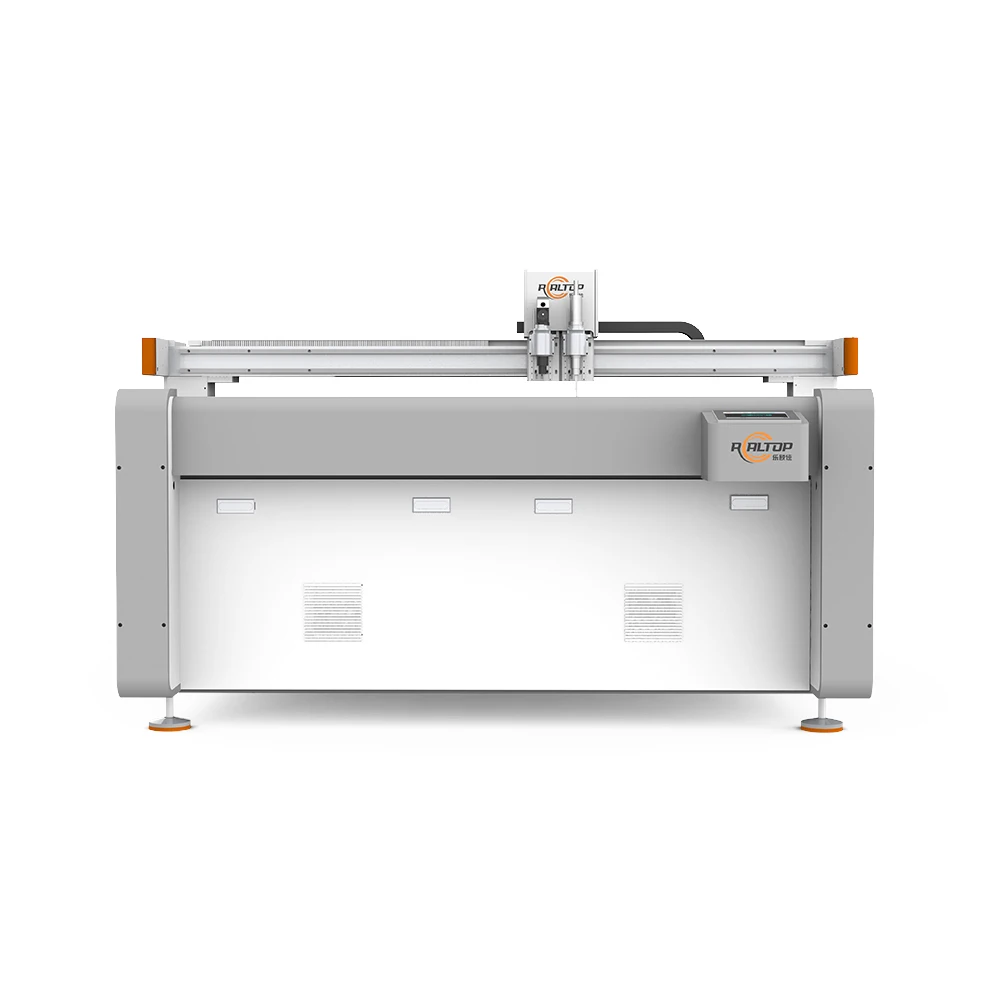
| Machine Dimensions | 3300 2100 1350 mm |
| Certification Standard | CE |
Application Suitability
| Application Scenario | Material or Output |
|---|---|
| Packaging sample making and carton box prototyping | Corrugated cardboard (E-flute, B-flute, BC-flute), greyboard, art paper |
| Protective packaging insert fabrication | EVA, EPE, PU foam, rubber mats |
| Composite gasket and liner production | PTFE, rubber, adhesive-backed composite sheets |
| Textile and synthetic leather cutting | Velvet, fleece, non-woven fabric, synthetic leather |
| Thin plastic sheet processing | PVC, PET sheet |
The Thickness Gap Between Quoted and Cut
Specifying a cutting table on working area alone is how short-run packaging producers end up with crushed flutes and ragged edges on their first day of production.
I have seen carton sample makers in Nairobi order a flatbed based solely on a 1600 by 2500 mm footprint, only to discover during commissioning that the machine cannot cleanly penetrate a double-wall BC-flute board at 6 mm thickness [NEED_CITE: corrugated flute thickness standards]. The knife oscillates but the Z-axis stroke falls short, leaving partial cuts that tear when the vacuum releases the sheet. This forces a complete tool head swap and a recalibration of the cutting pressure for each board weight the shop actually runs. The Laser Cutting and Engraving Machine manufacturer label on a supplier’s homepage does not guarantee the knife cutting configuration will match your corrugated stock.
Tool Head Specification Per Flute and Insert
The platform accommodates up to seven tool head types on a single carriage, which means a packaging sample maker can cut an E-flute box, crease its fold lines, and mill a V-groove for a rigid presentation carton without removing the material from the table. Each tool is selected against the material spec sheet — not a generic catalogue listing. When a buyer sends a sample of their actual BC-flute board and EVA insert foam, the oscillating knife pressure, creasing wheel depth, and kiss cutting stroke are all calibrated to those specific substrates before the machine leaves the factory.
Vacuum Table Zoning and Small Part Hold-Down
The aluminum bellows vacuum surface provides full-area adsorption, but small die-cut shapes — gaskets, foam corner protectors, short-run carton dividers — are where hold-down becomes critical. If the table zoning is not configured for the buyer’s typical part geometry, high-speed cutting at the upper end of the 0 to 1500 mm/s range will cause edge lift on pieces smaller than a standard business card [NEED_CITE: vacuum table zoning principles for flatbed cutters]. The 9 kW pump specification must be read alongside the zoning map to confirm coverage for the smallest part in the production mix.
How Cutting Accuracy Interacts with Nesting Software
The ±0.1 mm accuracy rating matters most when the dedicated packaging design software nests multiple carton blanks on a single sheet. A drift of even half a millimeter across a 2500 mm cutting path means crease lines miss the fold axis on a four-panel box, producing packaging that will not close square. The software accepts PLT, DXF, AI, and PDF imports, which allows a shop to run its existing file library without redrawing every carton template. Servo motor selection — Panasonic, Delta, or Dorna — affects the long-term repeatability of that stated tolerance under continuous production cycles.
The Cost of Skipping Material Trial Cuts
A packaging producer who commits to a machine before seeing a sample cutting report on their own corrugated stock and foam inserts will discover the mismatch on the shop floor. Regenerated paper fibers used in many African and South Asian corrugated mills have shorter staple lengths and uneven hardness compared to virgin kraft, which changes how an oscillating knife tracks through the board. The first three days of production then become a calibration exercise, with rejected cartons accumulating faster than saleable output [NEED_CITE: regenerated fiber characteristics in corrugated board].
Why This Manufacturer
The in-house design team covers both knife and laser cutting technologies, so the buyer is matched to the correct process for their material instead of being sold whichever machine sits in stock. Tool head and table configuration are specified per material type and daily volume, confirmed with a tooling list before production. Software file format compatibility is verified against the buyer’s existing nesting workflow — not assumed. Voltage, plug type, and control language are locked in before shipment rather than after the machine arrives at port. Sample cutting on the buyer’s actual corrugated board and foam stock is completed before the order is finalized.
Documentation & Verification
- Machine specification sheet with confirmed tool head and table configuration for your material
- Sample cutting report run on your corrugated flute type and board weight
- Electrical schematic with voltage and frequency confirmed for your facility
- Software licence and file format compatibility note for PLT, DXF, AI, PDF
- Factory test record documenting cutting accuracy on your specified material
Installation, Commissioning & Support
- Foundation must be level within tolerance to maintain ±0.1 mm accuracy across the 3300 mm machine length
- Dedicated circuit required matching confirmed voltage (110V, 220V, or 380V) and the 9 kW vacuum pump load
- Machine ships partially assembled; carriage and gantry require on-site alignment after transit
- First-run commissioning includes oscillating knife pressure calibration on your corrugated board samples
- Operator training covers PLC panel functions and packaging box structure design software navigation
- Spare parts list specifies wear items for the oscillating knife blade and creasing wheel assemblies
What to Include With Your Inquiry
Provide the specific corrugated flute type (E, B, C, BC), board weight in GSM, and the exact foam or insert material you cut alongside it. Confirm your facility voltage, frequency, and the control language your operators need. State whether your existing design files are in PLT, DXF, AI, or PDF format so software compatibility is checked before quotation.
Frequently Asked Questions
Q: How is cutting thickness verified for my specific corrugated flute and board weight?
A: We run a sample cutting test on your actual material before the order is confirmed. The oscillating knife pressure, Z-axis stroke, and cutting speed are adjusted to your board’s flute type and thickness, and a sample cutting report is provided. This prevents the common failure of machines that cannot penetrate double-wall stock at full production speed.
Q: Which tool head is recommended for cutting corrugated board with EVA foam inserts?
A: The standard configuration pairs an oscillating knife for the corrugated flute with a kiss cutting tool or pneumatic knife for the EVA insert. The creasing wheel handles fold lines on the same setup. Tool head selection is finalized after testing your specific board and foam combination to confirm clean edge quality on both materials.
Q: Can the software import my existing DXF and AI packaging files directly?
A: Yes. The dedicated packaging box structure design software reads PLT, DXF, AI, and PDF files natively. We verify file import compatibility against your existing design library before order confirmation so that no template redrawing is required. Nesting workflows are tested with your typical carton blank layouts.
Q: What vacuum table zoning is configured, and will small gasket parts lift during cutting?
A: Zoning is configured based on the smallest part dimension in your production mix. The aluminum bellows table and 9 kW vacuum pump provide full-surface adsorption, but small parts require specific zone activation to prevent lift at higher cutting speeds. Your part geometry is reviewed during the specification stage to confirm adequate hold-down.


Related products
Automatic Digital Cardstock Cutter 2026 CNC Cutter
Product Introduction
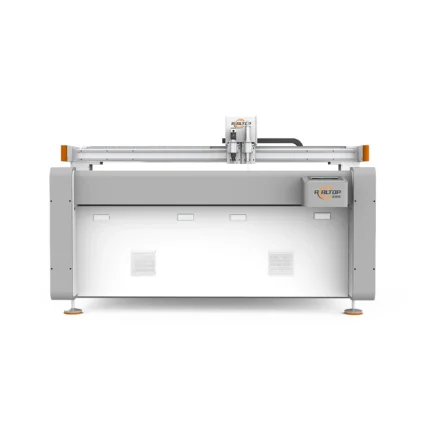
Automatic Digital Cardstock Cutter 2026 is a CNC cutting machine ideal for white cardboard and kraft paper. It offers precise and efficient cutting performance, suitable for various paper processing needs in manufacturing and craft applications.Key Specifications
| Type | CNC Digital Cutting Machine |
| Material Compatibility | White Cardboard, Kraft Paper |
| Operation | Automatic |
| Application | Paper Cutting & Processing |
CNC Flatbed Cutter 2026 Digital Corrugated Box Making Machine
Product Introduction
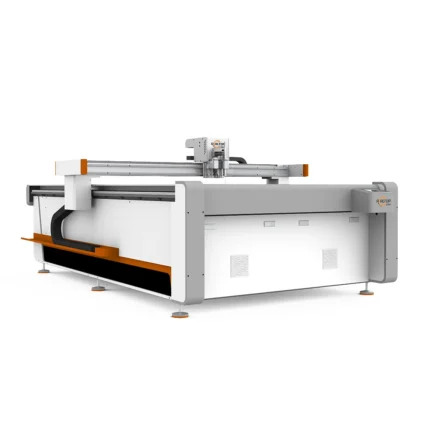
High-precision CNC flatbed cutter designed for efficient cardboard box production. Ideal for 2026 digital corrugated box manufacturing, offering precise cutting and reliable performance for professional packaging solutions.
Key Specifications
| Type | CNC Flatbed Cutter |
| Application | Cardboard Box Production |
| Technology | 2026 Digital System |
| Material | Corrugated Board |
CNC Vibrating Knife Cutter 2026 Custom Cartons Packaging
Product Introduction
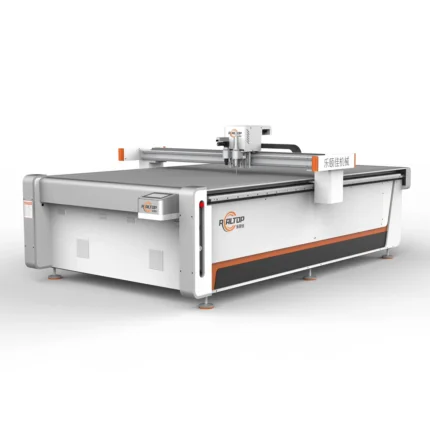
CNC Vibrating Knife Cutter 2026 is ideal for custom cartons & packaging, offering precise cutting solutions for various materials. Engineered by a leading Chinese welding & cutting equipment manufacturer, it ensures efficiency and accuracy for packaging production needs.Key Specifications
| Model | 2026 |
| Type | CNC Vibrating Knife Cutter |
| Application | Custom Cartons & Packaging |
| Manufacturer | Chinese Leading Factory |

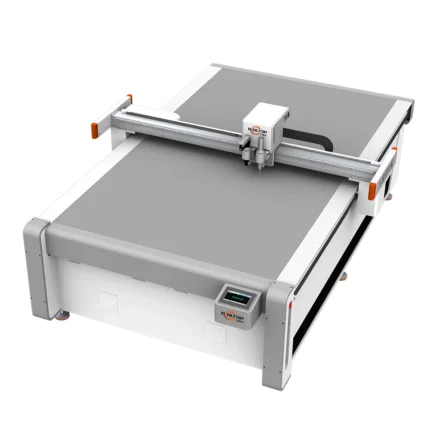
REALTOP 2026 Digital Industrial Cardboard Box Cutter
Product Introduction
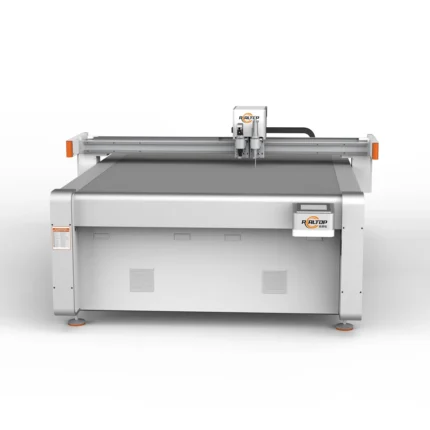
REALTOP Digital Industrial Cardboard Box Cutter Machine 2026 is a professional industrial-grade cutting equipment designed for efficient cardboard box processing, ideal for manufacturing and packaging applications.
Product Parameters
| Model | 2026 |
| Type | Digital Industrial Cardboard Box Cutter |
| Application | Cardboard Box Processing |
| Feature | Industrial-grade, Efficient Cutting |
商品评价
There are no reviews yet.