

CNC Carton Box Cutter with CCD Camera – Industrial Application
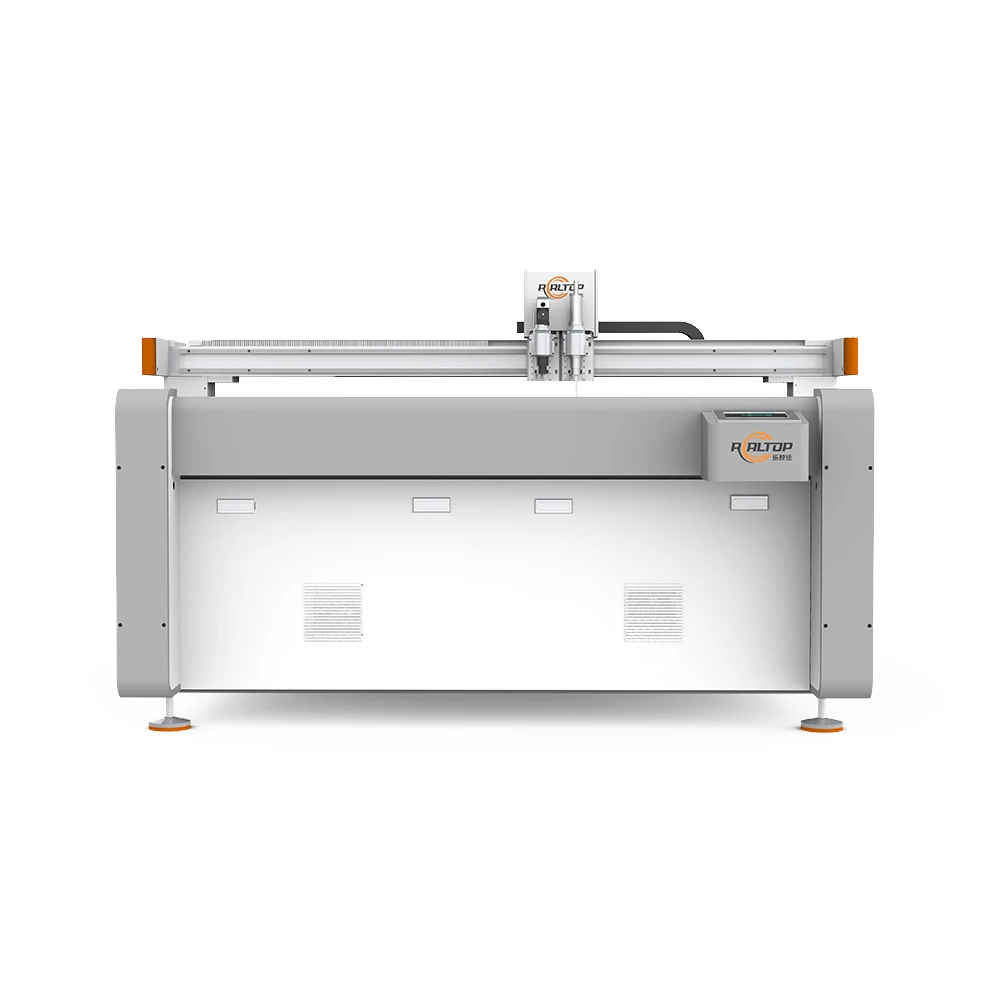
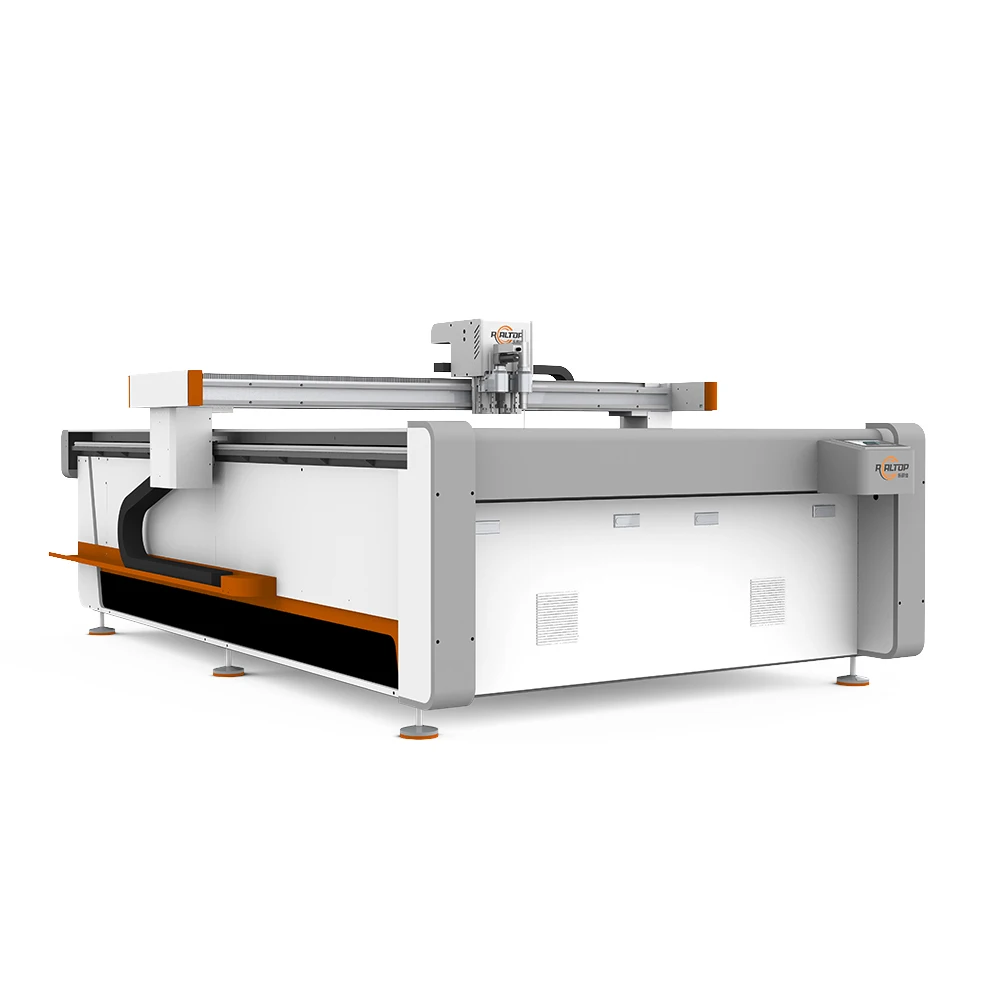
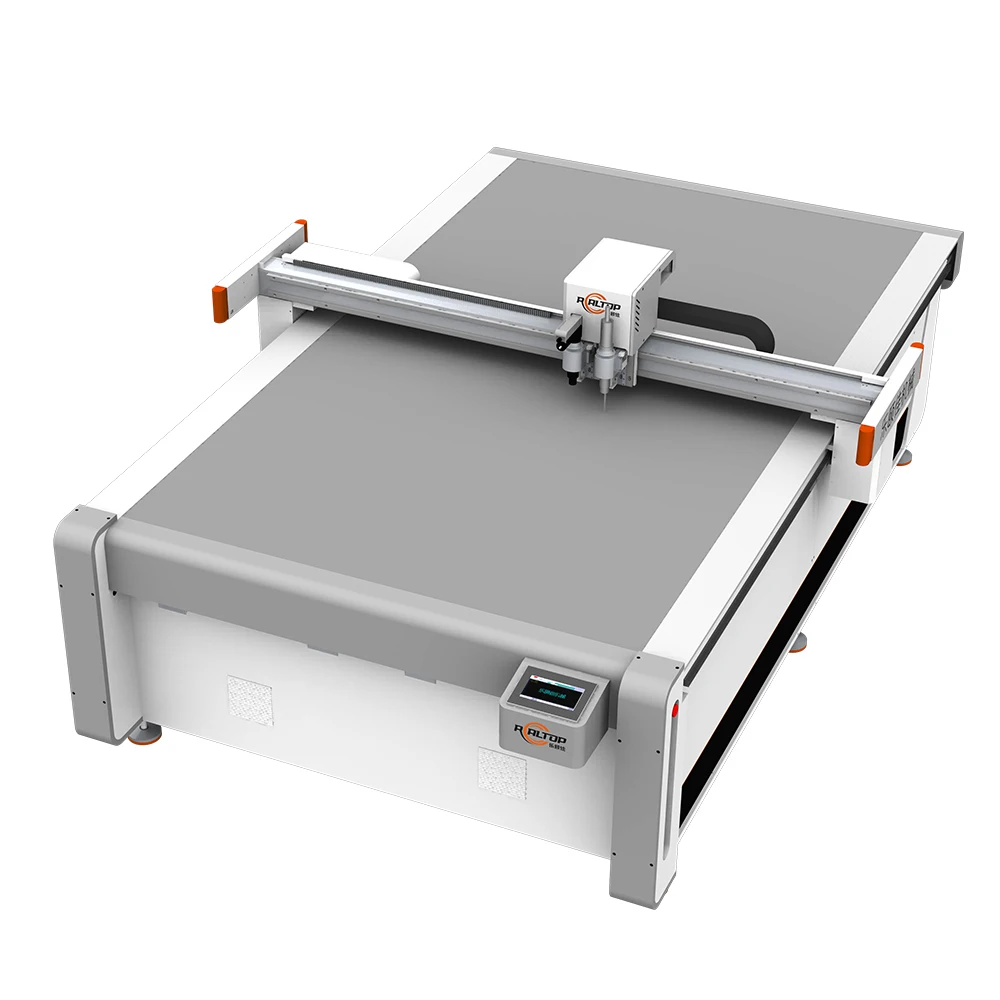
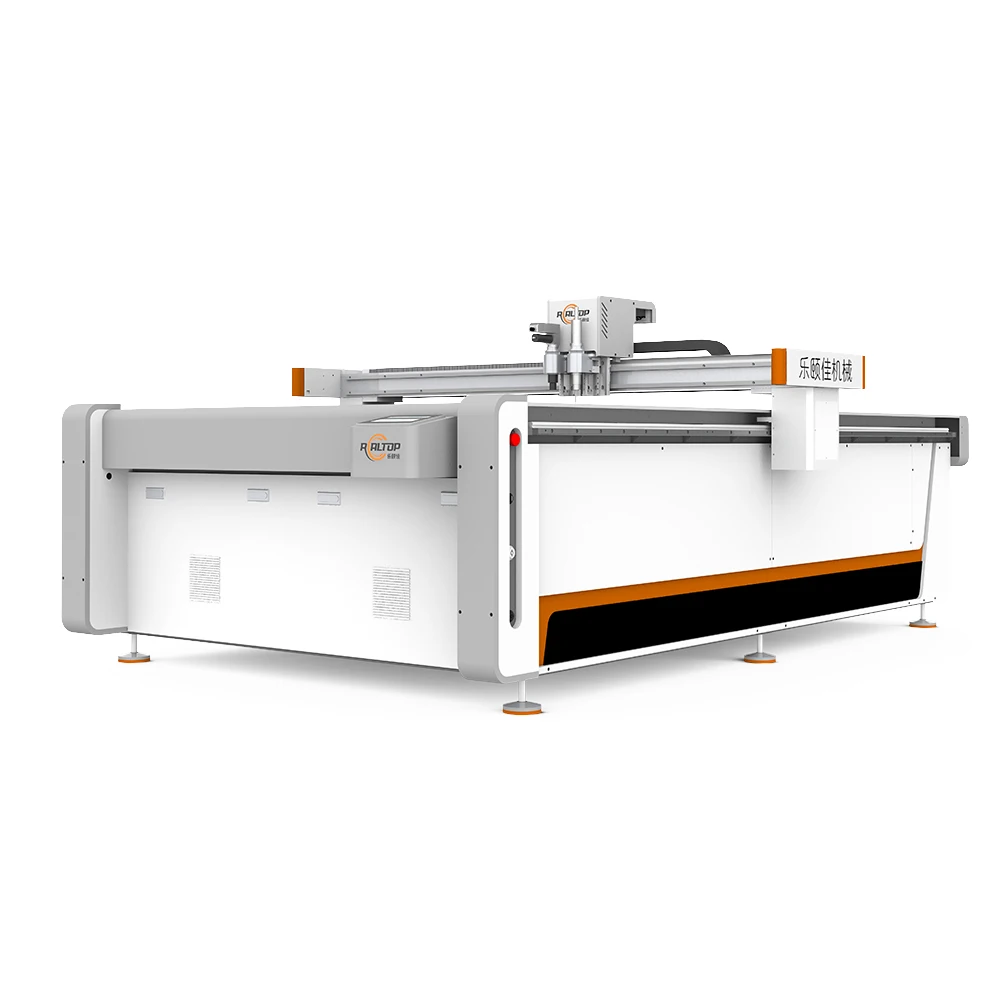
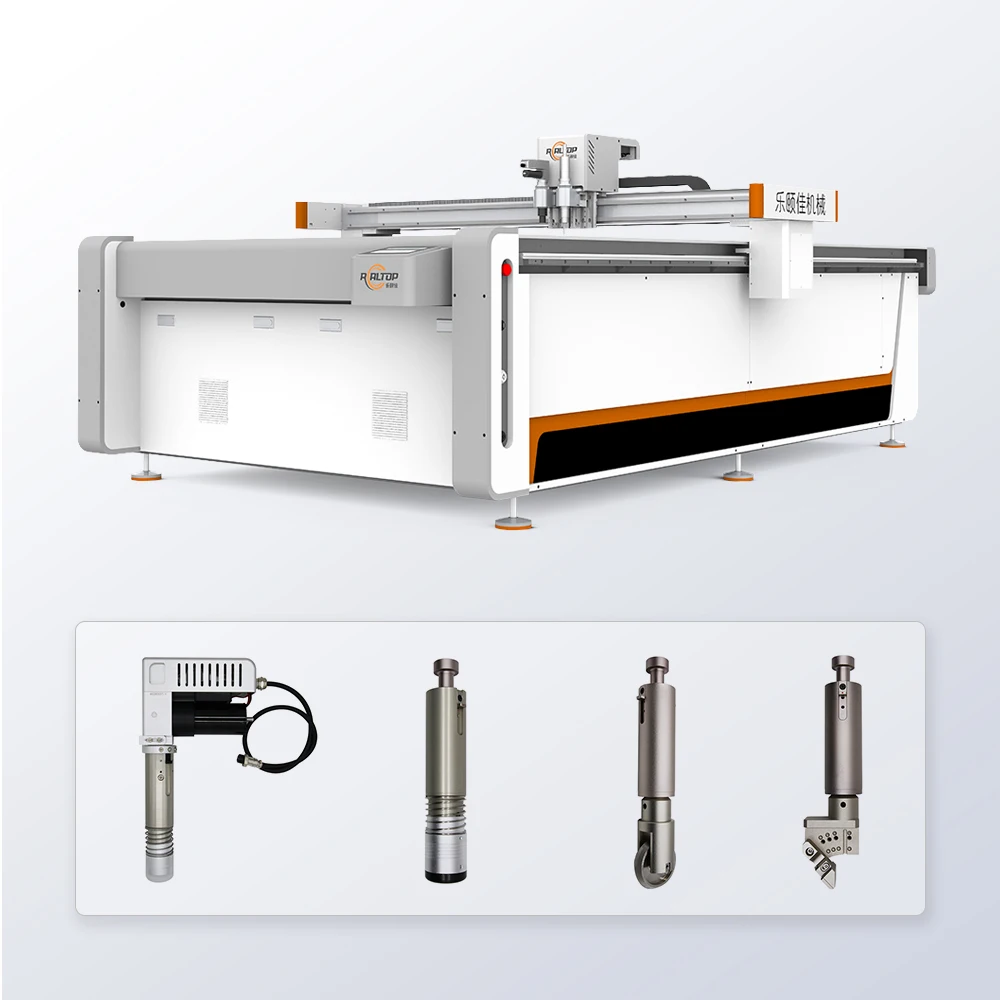
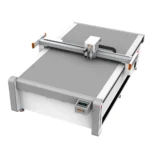
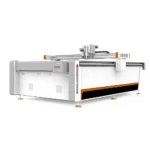
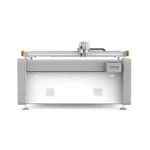
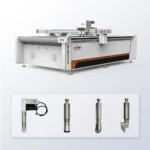
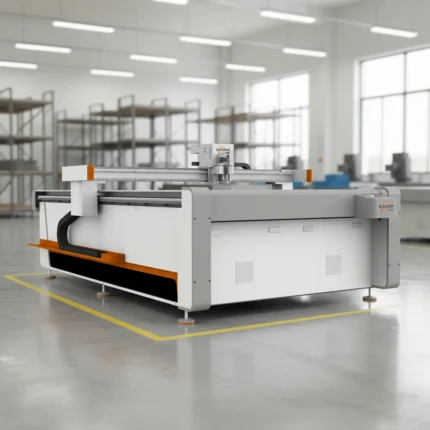
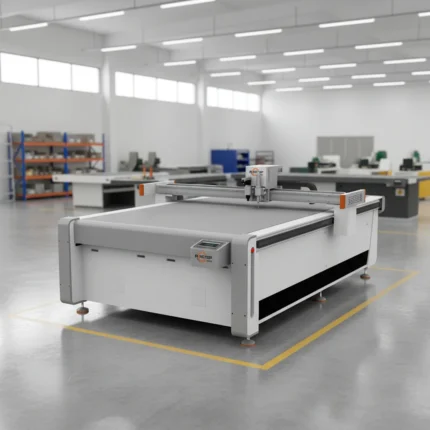
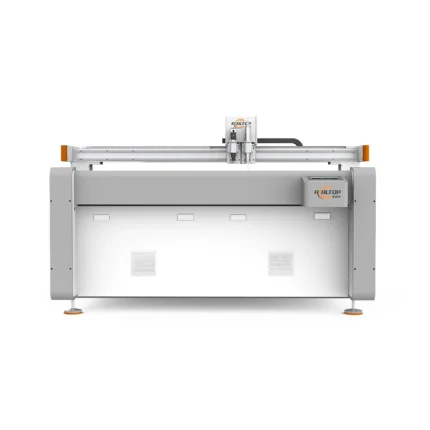
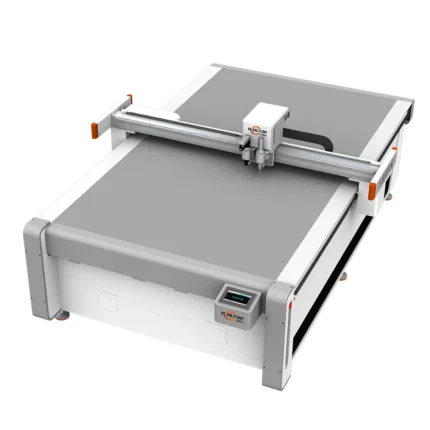
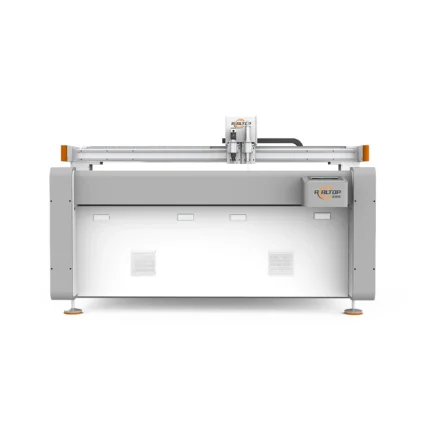
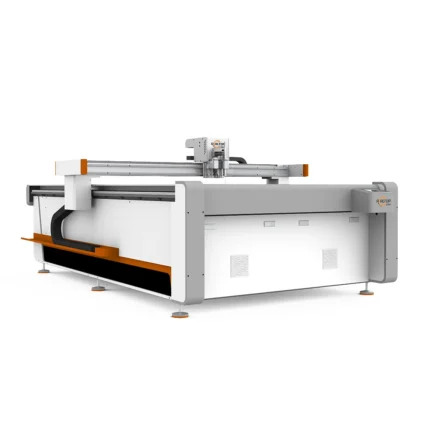
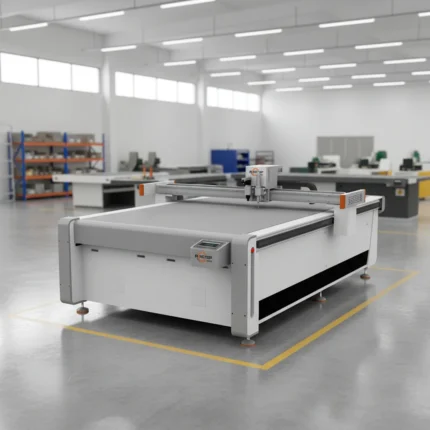
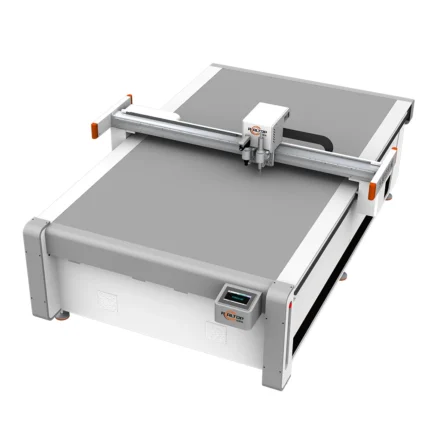
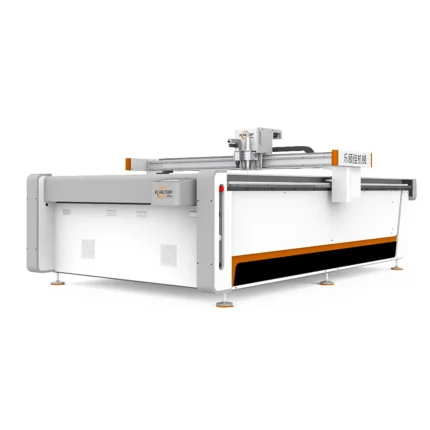
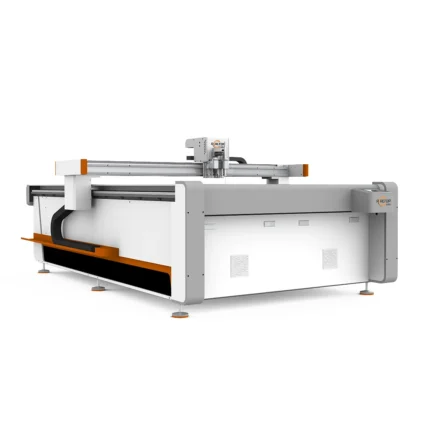
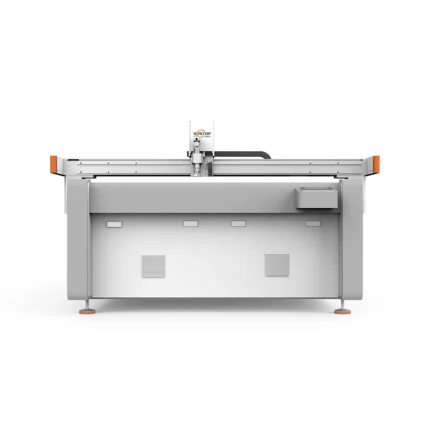
RT-D2516/RT-S2516 CNC Oscillating Knife Carton Cutting Machine, 1600×2500mm, 9kW, CCD Camera — configured for carton and packaging sample making with Swiss imported knife, vibration full/half cutting and cursor location. Taiwan Delta servo and Hiwin linear guide deliver ≤0.1mm repeated accuracy, while professional nested software handles your existing file formats with customizable language.
- Aluminum honeycomb vacuum table with 7.5kW pump holds small parts flat during high-speed cutting at 800–2000mm/s
- Infrared safety sensors and HP-GL compatible instruction system for reliable production environments
Sample cutting on your own corrugated or honeycomb board confirms real cutting depth and edge quality before commitment, with factory test records and packing photographs provided prior to shipment.
Swiss Knife Precision — Every RT-D2516/RT-S2516 leaves the factory only after cutting your exact corrugated grade, honeycomb core, or composite panel to confirm edge quality and dimensional hold.
Technical Specifications
| Parameter | Value |
|---|---|
| Model | RT-D2516 / RT-S2516 |
| Product Type | CNC Oscillating Knife Carton Cutting Machine |
| Working Area | 1600 × 2500 mm |
| Machine Size | 3450 × 2300 × 1250 mm |
| Table Type | Aluminum alloy honeycomb vacuum adsorption platform |
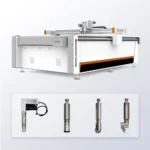
| Tool Head | Swiss imported oscillating knife — full cut, half cut, cursor location |
| Translational Velocity | 800–2000 mm/s |
| Cutting Speed | 200–800 mm/s (basis not stated in source — confirm board grade and thickness) |
| Repeated Accuracy | ≤ 0.1 mm |
| Transmission | Digital servo motor, linear guide, synchronous belt, imported ball screw |
| Guide Rail | Taiwan Hiwin |
| Servo Motor | Taiwan Delta |
| Conveyor Belt | Germany imported |
| Rated Power | 9 kW |
| Vacuum Pump | 7.5 kW |
| Voltage | 380 V ±10 % |
| Instruction Format | HP-GL compatible |
| Software | Professional carton nesting software (language customizable) |
| Safety | Infrared sensors |
| Compliance | CE declared where applicable |
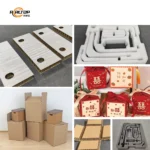
Application Suitability
| Application | Material or Output |
|---|---|
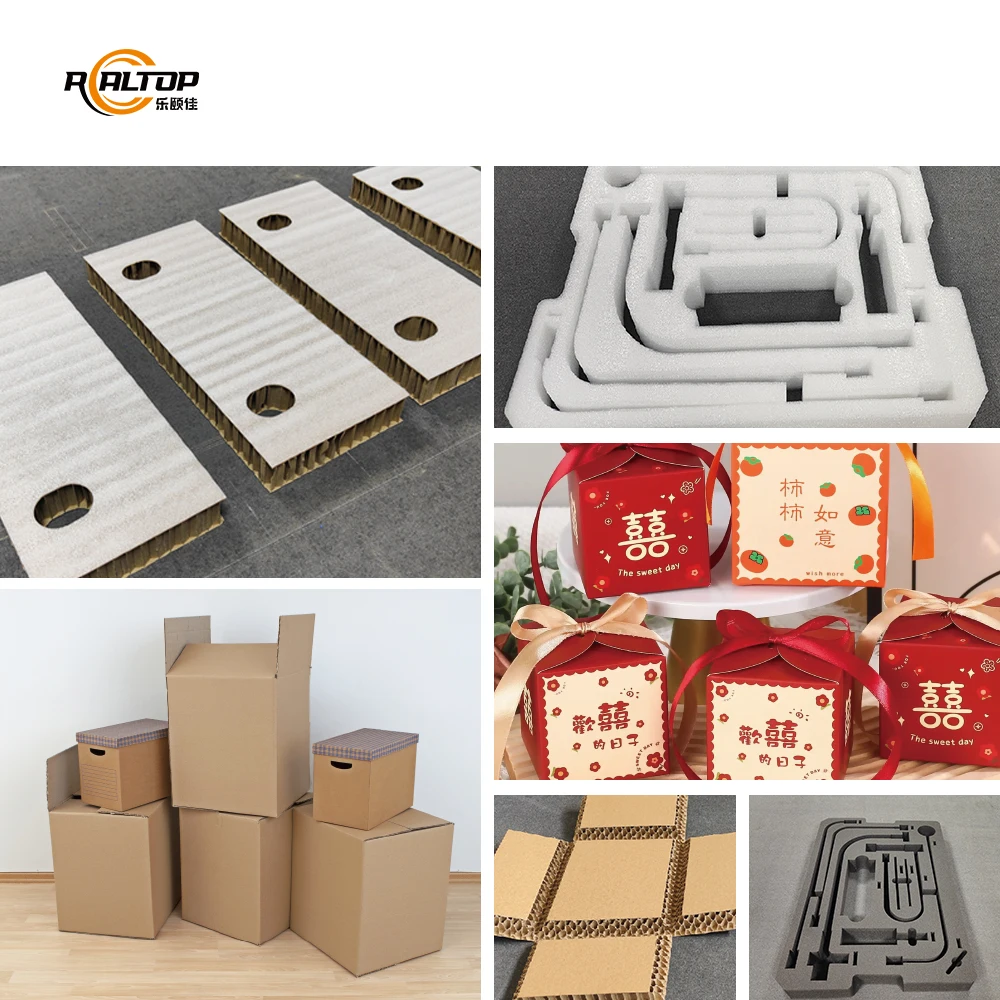
| Carton and packaging sample making | Single, double and triple-wall corrugated board |
| Cardboard display and box prototyping | Honeycomb board and greyboard up to working-area limits |
| Corrugated and honeycomb board processing | E-flute through BC-flute profiles |
| Sticker and label contour cutting | Self-adhesive vinyl and label stock on release liner |
| Gift box and snack packaging samples | Coated carton, kraft, and laminated board |
| Business card and tag cutting | Light-gauge card stock and specialty paper |
Why "Cutting Thickness" on a Carton Cutter Needs a Closer Look
Real cutting depth depends on board density and flute structure, not a single headline number.
Buyers often scan the spec sheet for a maximum thickness figure and assume any corrugated grade below that value will cut cleanly. In practice, a triple-wall BC-flute board behaves very differently from a solid EPE foam panel of the same caliper. Knife pressure, oscillation frequency, and travel speed all shift when the substrate changes. I once watched a packaging sample line stall for days because the machine had been validated on standard B-flute but the customer’s daily stock was a dense honeycomb composite — the knife dragged, creases wandered, and every prototype had to be re-run [NEED_CITE: material-dependent cutting parameters for oscillating knife systems]. Verifying continuous cutting performance on your own board grade before shipment removes that risk entirely, which is what a responsible CO2 laser cutting and engraving machine manufacturer would also insist on when quoting laser power.
Matching Tool Head to Board Profile
The Swiss imported oscillating knife on the RT-D2516/RT-S2516 handles full cutting, half cutting, and cursor location in one head. Full cutting scores through multi-wall corrugated in a single pass, while half cutting leaves the liner intact for fold-and-glue sample work. Cursor location lets the operator register printed marks for contour trimming on pre-printed carton stock. Choosing the right oscillation frequency for each flute profile is what keeps edges clean instead of crushed, and that selection is confirmed during the sample cutting stage on the buyer’s own material.
Vacuum Zoning for Small Packaging Prototypes
A 1600 × 2500 mm bed can hold a full nesting layout of small box blanks, but vacuum hold-down must be zoned so that tiny pieces near the cut boundary do not lift as the knife exits the sheet. The aluminum honeycomb platform distributes suction across segments, allowing operators to close off zones that are not under active cutting. Without that zoning, lightweight card stock and thin label material tend to drift, producing dimensional errors that only show up after the sample has been folded [NEED_CITE: vacuum zoning practices for flatbed digital cutting tables].
Reading the Specs That Actually Govern Cut Quality
Repeated accuracy of ≤ 0.1 mm matters most when a packaging prototype must fold to exact crease lines; even a fraction of a millimetre drift compounds across multiple fold panels. The Taiwan Hiwin linear guides and Delta servo motors keep the carriage on path during high-speed direction changes at up to 2000 mm/s translational velocity. Imported ball screws eliminate backlash that would otherwise show up as visible stepping on curved cut paths. Meanwhile, the 7.5 kW vacuum pump must sustain adequate suction across the entire honeycomb table — undersized pumps allow board lift on dense double-wall grades, ruining the sample mid-cycle. HP-GL instruction compatibility means most packaging CAD systems can send files directly, reducing translation errors between design and machine.
What a Misconfigured Carton Cutter Costs on the Floor
Ordering a flatbed cutter on working area alone is the most common mistake in packaging sample rooms. When the vacuum zones are not matched to the smallest blank in the nest, micro-lift produces ragged edges on crease lines and the sample folds out of square. Wrong oscillation amplitude on EPE-backed laminates crushes the foam core instead of shearing it, leaving a burr that has to be hand-trimmed. And if the control language or voltage is not confirmed before the crate leaves the factory, commissioning stretches from a single shift into a multi-day troubleshooting exercise [NEED_CITE: voltage and control language confirmation before export shipment].
Why Procurement Teams Source This Range Here
In-house design covers both knife and laser cutting paths, so a buyer comparing carton sample work against acrylic display fabrication can evaluate both methods under one roof. Every RT-D2516/RT-S2516 configuration is locked only after sample cutting on the buyer’s actual board stock, producing a documented report that shows edge condition and dimensional variance. Voltage, plug type, and HMI language are recorded on the electrical schematic before production starts. The carton nesting software is licensed and tested against the buyer’s file format, so there is no post-delivery discovery that DXF or AI imports fail. Factory test records and packing photographs are shared before the machine is crated, giving the buyer full visibility into the unit that ships.
Documentation & Verification
- Machine specification sheet listing RT-D2516/RT-S2516 working area, power, and board thickness range
- Electrical schematic confirming 380 V ±10 % and local plug configuration
- Tool head and table configuration list matched to your flute profile
- Sample cutting report on your corrugated or honeycomb board showing edge and crease quality
- Software licence and HP-GL file format compatibility note before order
- Factory test record and packing photographs prior to dispatch
Installation, Commissioning & Support
- 3450 × 2300 mm footprint requires level concrete floor with clearance for conveyor feed
- 9 kW rated power plus 7.5 kW vacuum pump need dedicated three-phase 380 V circuit
- Machine ships partially assembled; table and gantry alignment verified on site
- First-run parameter tuning for your specific corrugated grade and oscillation amplitude
- Operator training on nesting software, vacuum zoning, and tool head changeover
- Spare knife blades and belt segments listed in the included parts schedule
Preparing Your Inquiry
Share the board grades you run most often — flute type, caliper, and whether the stock is plain, coated, or laminated. Confirm your target daily sample volume, available floor space, and local voltage and frequency. Let us know which CAD system you use and whether you need control-panel text in a specific language so the software package can be prepared before the RT-D2516/RT-S2516 enters production.
Frequently Asked Questions
Q: How do I confirm the machine will cut my specific corrugated grade cleanly?
A: Send a representative sheet of your board stock to the factory. We run a sample cutting on the RT-D2516/RT-S2516 and provide a report showing cut edge condition, crease accuracy, and dimensional deviation. You approve the result before the machine enters production, ensuring knife pressure and oscillation settings match your material.
Q: What file formats does the nesting software accept from my packaging CAD?
A: The included carton nesting software reads HP-GL compatible output, covering DXF, PLT, and most common packaging CAD exports. We verify your specific file format and nesting workflow during the pre-order stage and document compatibility in the software licence note that ships with the machine.
Q: How are voltage, plug type, and control language confirmed before shipment?
A: During the specification review we record your local voltage, frequency, plug standard, and preferred HMI language. These details appear on the electrical schematic and software configuration sheet. Both documents are signed off before production starts, so the RT-D2516/RT-S2516 arrives ready to power on.
Q: What extraction or dust management is needed when cutting corrugated board?
A: Oscillating knife cutting of corrugated and honeycomb board generates fine paper dust rather than fumes. A standard dust collector connected near the cutting zone is usually sufficient. We specify the recommended extraction volume based on your daily throughput and board type during the configuration stage.
Q: How does vacuum zoning affect small box blanks on the 1600 × 2500 mm bed?
A: The aluminum honeycomb table is divided into independently controlled vacuum zones. For small blanks, operators close valves on unused zones to concentrate suction under the active nest area. This prevents lightweight card stock from lifting during the final cut passes and maintains the ≤ 0.1 mm repeated accuracy across the sheet.


Related products
2026 Digital Flatbed Cutting Plotter Auto Corrugated Box Die Cutter
Product Introduction
Digital Flatbed Cutting Plotter 2026, ideal for auto corrugated box die cutting, offering precision and efficiency for professional packaging production.Specifications
| Type | Digital Flatbed Cutting Plotter |
| Model | 2026 |
| Application | Auto Corrugated Box Die Cutting |
| Function | Precision Cutting & Plotting |

CNC Vibrating Knife Cutter 2026 Custom Cartons Packaging
Product Introduction
CNC Vibrating Knife Cutter 2026 is ideal for custom cartons & packaging, offering precise cutting solutions for various materials. Engineered by a leading Chinese welding & cutting equipment manufacturer, it ensures efficiency and accuracy for packaging production needs.Key Specifications
| Model | 2026 |
| Type | CNC Vibrating Knife Cutter |
| Application | Custom Cartons & Packaging |
| Manufacturer | Chinese Leading Factory |
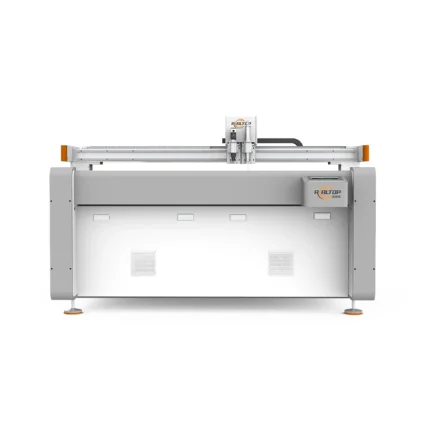
Digital Box Cutter 2026 Oscillating Knife Cardboard Cutter
Product Parameters
| Model | Digital Box Cutter 2026 |
| Cutting Type | Oscillating Knife |
| Material | Corrugated Cardboard |
Introduction
Professional oscillating knife cutting machine for corrugated cardboard. Ideal for precise, efficient cutting in packaging production. Reliable performance from China's leading welding & cutting equipment manufacturer.
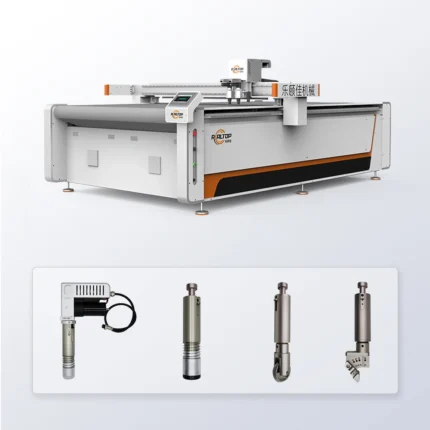
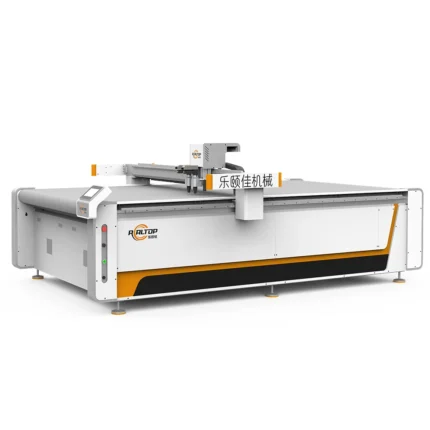
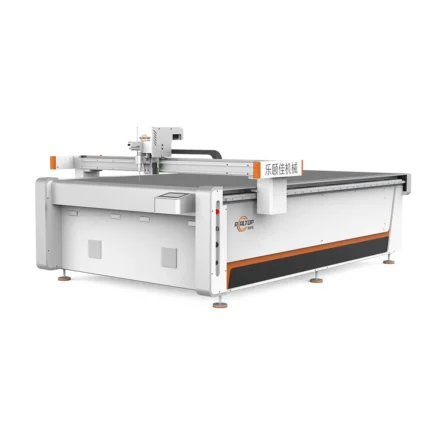
Realtop 2026 Digital Box Cutter High-Speed Corrugated Board
Product Introduction
Realtop Digital Box Cutting Machine 2026 is a high-speed solution for corrugated board cutting, designed for efficient and precise box production in manufacturing settings.Key Specifications
| Model | 2026 |
| Type | Digital Box Cutting Machine |
| Application | Corrugated Board |
| Feature | High-Speed Cutting |
商品评价
There are no reviews yet.