

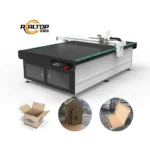

CNC Cutting Machine for Sticker Vinyl Packaging – Manufacturer
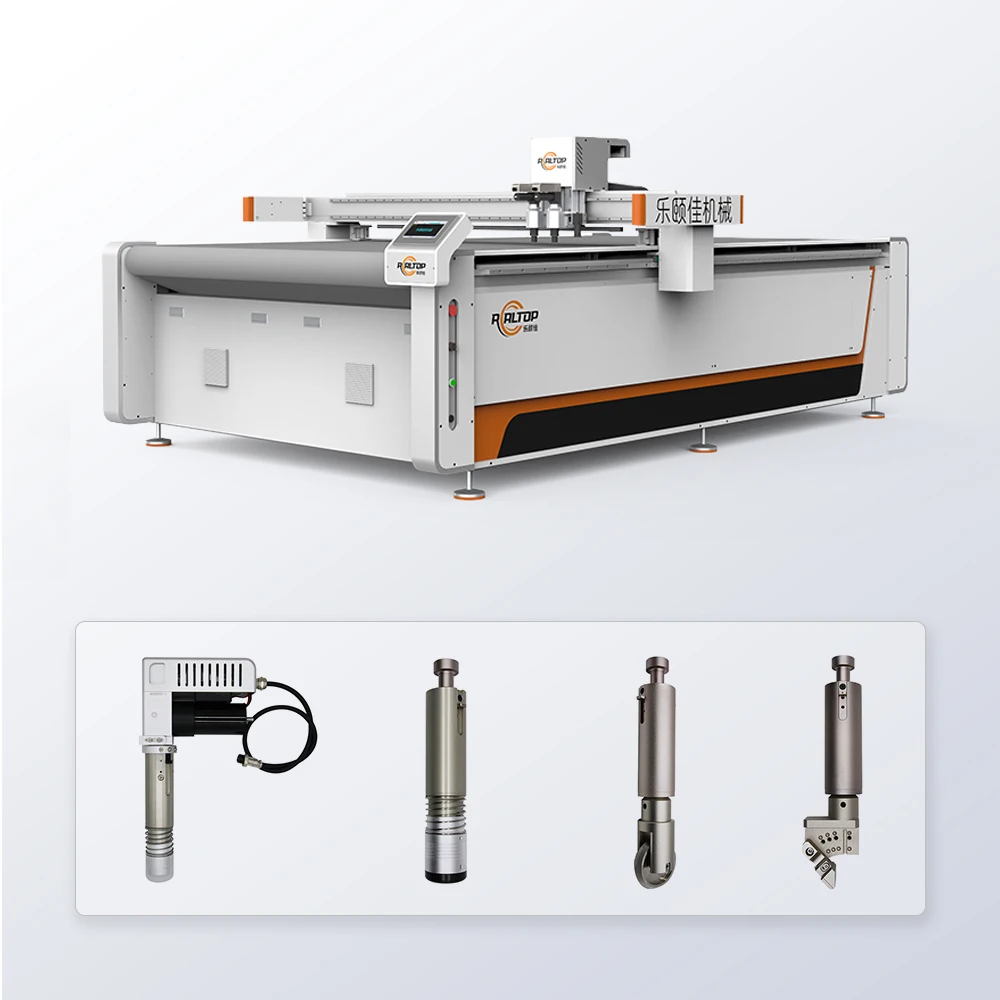
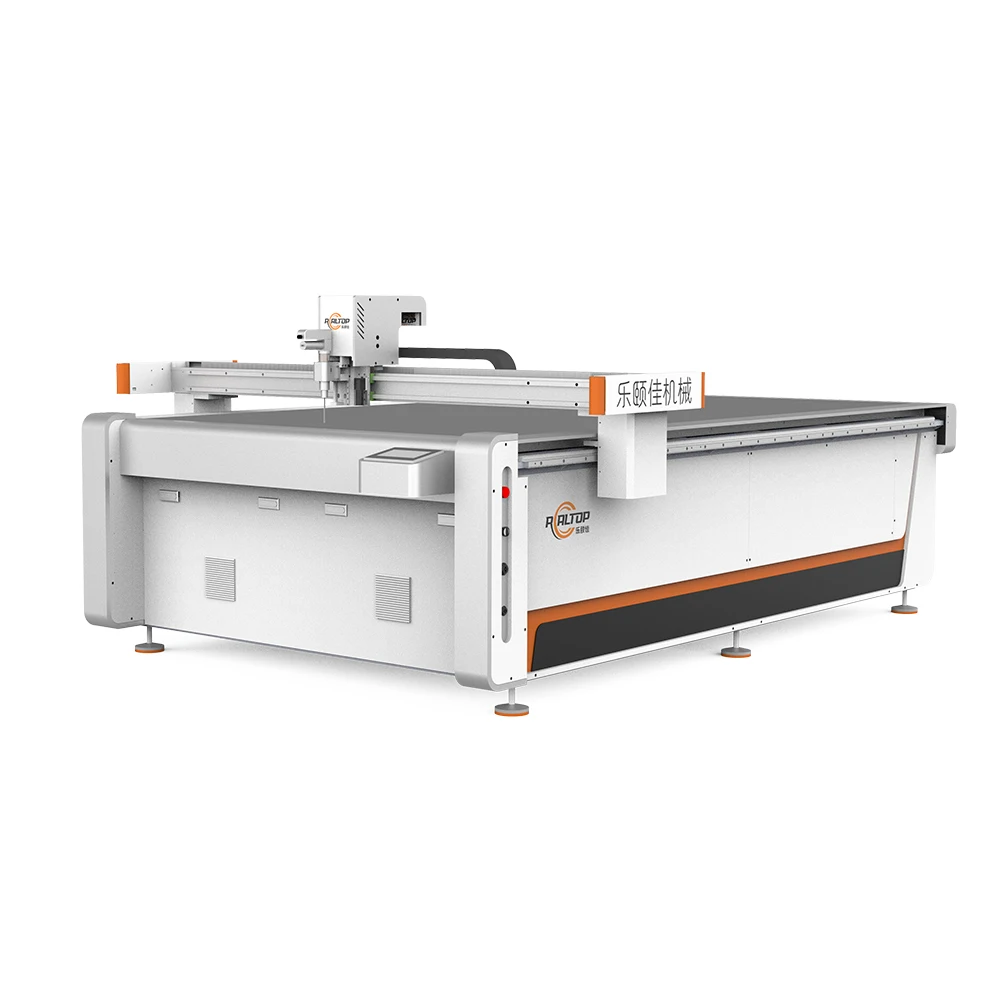
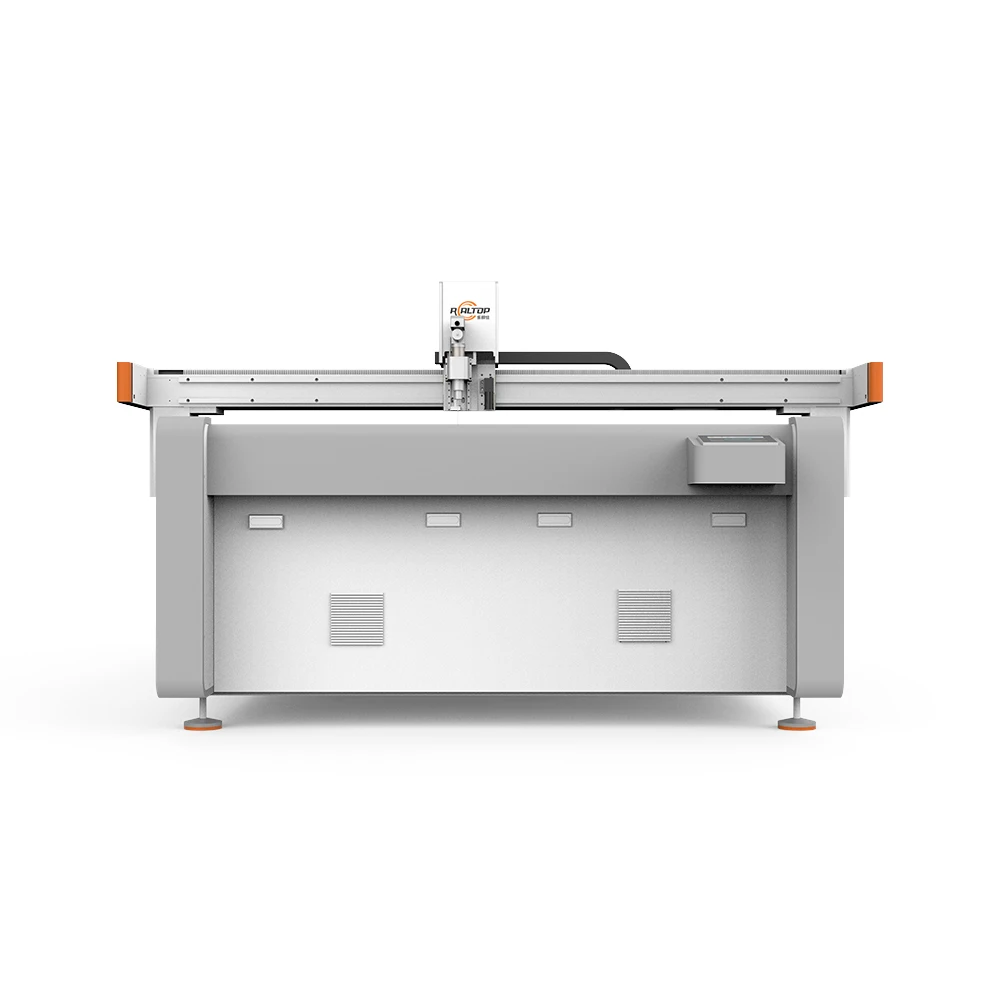
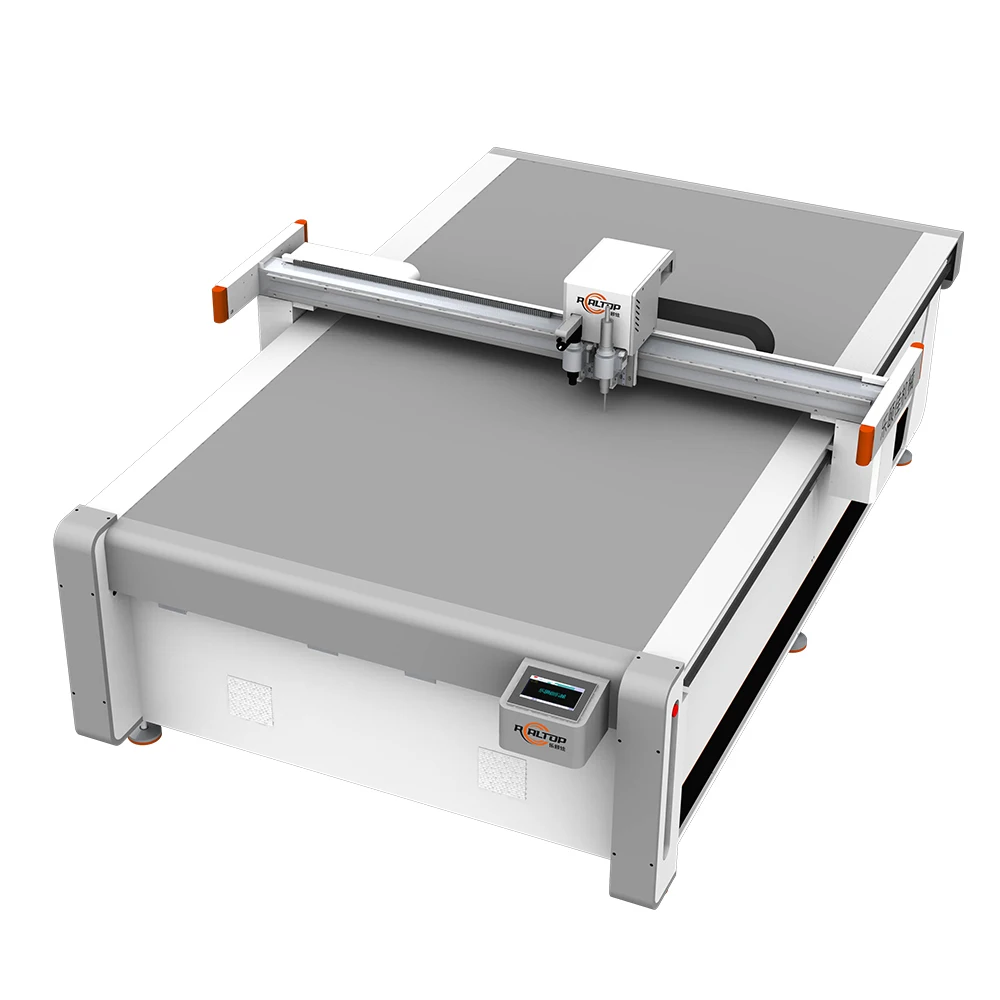
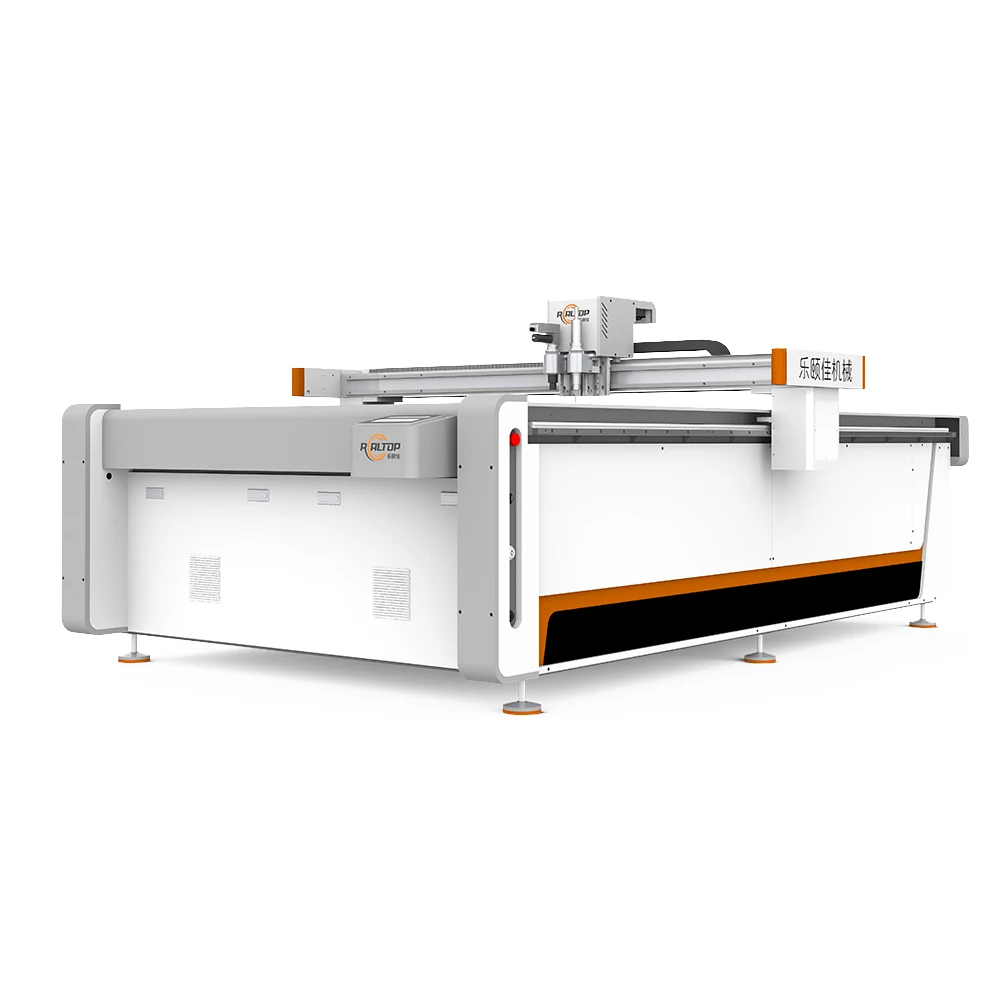
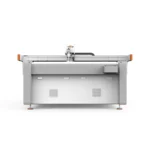
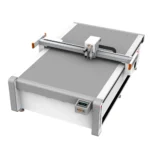
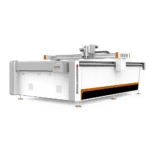
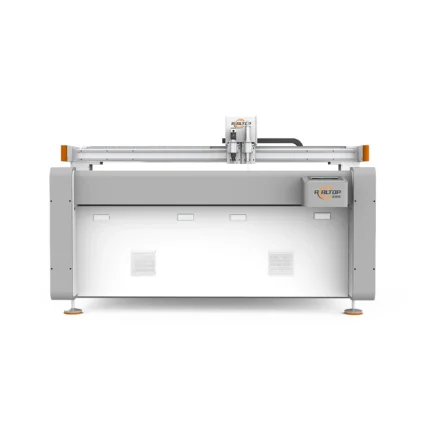
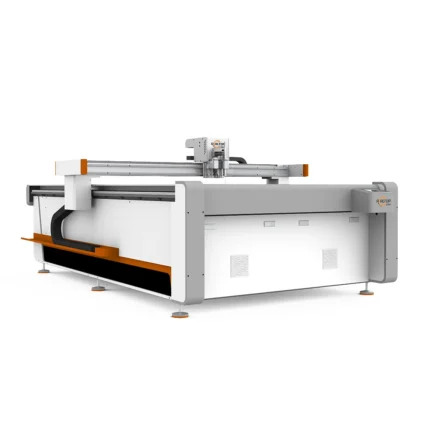
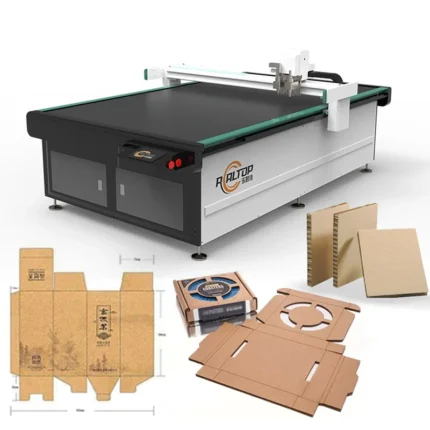
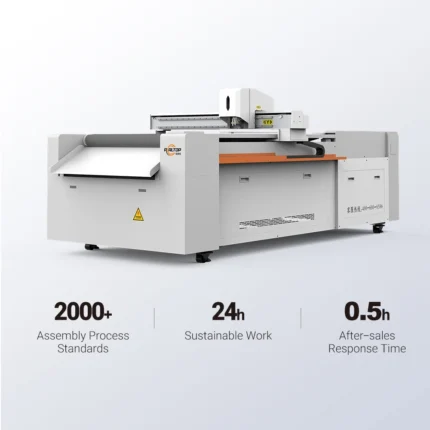
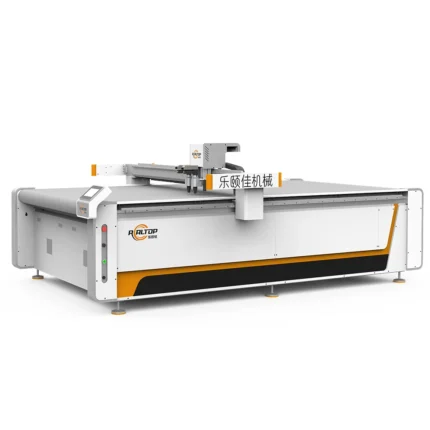
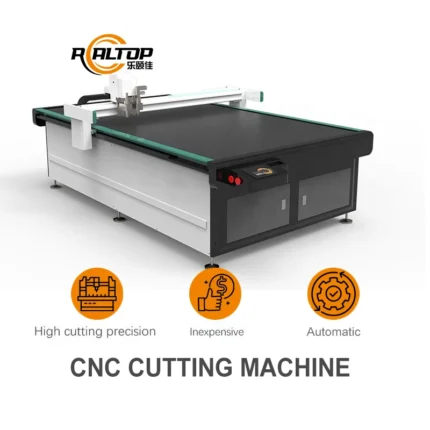
1625 CNC Oscillating Knife Cutting Machine, 1600×2500mm, 9KW Vacuum, CCD Camera — configured for packaging sample making and short-run carton production without die-cut molds.
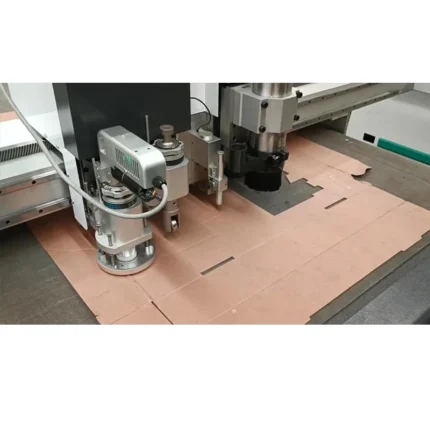
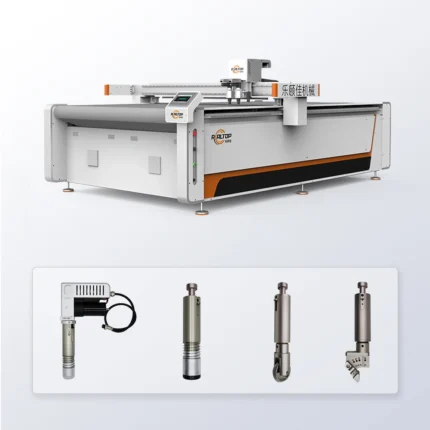
- Oscillating knife, creasing wheel and kiss cutting tool selectable per flute type and board density
- CCD camera tracks printed registration marks on pre-printed packaging sheets at production speed
- Dedicated packaging design software imports PLT, DXF, AI and PDF files for nesting workflow integration
Cutting depth and tool head combination confirmed on buyer’s own material with sample report before commitment, ensuring the configuration matches declared board weight and daily volume.
CNC Cutting Machine for Sticker Vinyl Packaging – Manufacturer
Laser Process Mismatch Warning — A CNC oscillating knife cutting machine specified on this laser-focused platform indicates a selection error; packaging sample making requires knife tooling verification on your actual flute type and board density before commitment.
Technical Specifications
| Parameter | Value |
|---|---|
| Product Type | CNC Oscillating Knife Cutting Machine |
| Working Area | 1600×2500 mm |
| Tool Head Options | Oscillating knife, Driven rotary knife, Creasing wheel, Kiss cutting tool, Pneumatic knife, Milling tool, V groove knife |
| Positioning System | CCD camera contour recognition |
| Cutting Speed | 0-1500 mm/s |
| Cutting Thickness | ≤ 40mm (basis not stated in source — confirm material type and density) |
| Cutting Accuracy | ±0.1 mm |
| Vacuum Table | Aluminum bellows construction |
| Vacuum Pump Power | 9 kW |
| Control System | PLC control panel |
| Supported File Formats | PLT, DXF, AI, PDF |
| Voltage Options | 110V, 220V, 380V |
| Display Language Options | English, Russian, Italian, Chinese (custom languages available) |
| Software Feature | Dedicated packaging box structure design software |
| Safety Device | Infrared sensor device and emergency stop device |
| Machine Dimensions (L×W×H) | 3300×2100×1350 mm |
| Standards | CE |
Application Suitability
| Application | Material or Output |
|---|---|
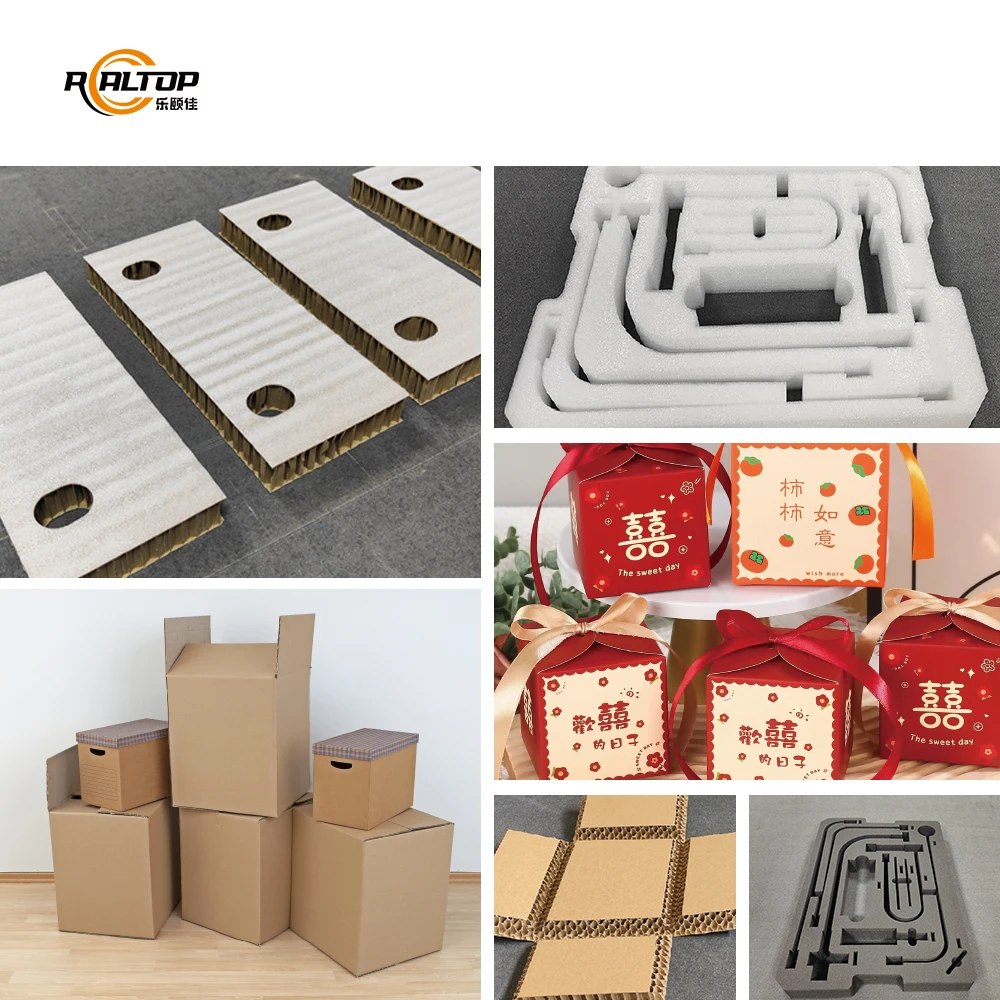
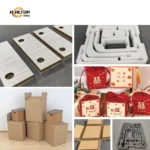
| Packaging and carton sample making | Corrugated cardboard (E-flute, B-flute, BC-flute), Greyboard, cardstock, art paper, specialty paper |
| Foam processing | EVA foam, EPE foam, Coroplast, PU foam |
| Signage and graphics | PVC, PET thin plastic sheets, adhesive-backed materials |
| Textile and leather | Rubber mats, velvet/fleece fabric, non-woven fabric, leather, synthetic leather |
| Composite and gasket materials | PTFE, rubber, composite materials |
Why the Laser Versus Knife Decision Must Precede Quotation
A CNC oscillating knife cutting machine for packaging operates on an entirely different material removal principle than CO2 or fiber laser systems, and specifying laser process parameters for a knife cutter produces misleading expectations on edge quality and throughput.
When buyers approach a laser equipment platform searching for packaging cutting solutions, they often carry assumptions about thermal sealing, focal depth, and assist gas that simply do not translate to mechanical knife cutting. The edge sealing effect that a CO2 laser produces on acrylic or synthetic textile is physically impossible with an oscillating knife; instead, the knife relies on blade geometry, stroke frequency, and downward pressure to achieve clean cuts through corrugated board, foam, or adhesive-backed vinyl. I have walked into珠三角 packaging sample rooms where a machine was ordered based on a working area figure alone, only to discover that the vacuum hold-down was insufficient for the small, intricate nesting patterns their carton designs required, causing material lift and ragged edges mid-cut. [NEED_CITE: vacuum table zoning requirements for small-part digital cutting]
Laser Process Expectations versus Knife Cutting Reality
The CO2 laser buyer evaluates power rating against cutting depth on a given material, expects thermal edge sealing on synthetics, and accounts for extraction requirements to handle fumes. None of these considerations apply when the process shifts to mechanical oscillation. The CNC oscillating knife cutting machine for packaging removes material through high-frequency blade strokes at speeds up to 1500 mm/s, leaving a sheared edge whose quality depends on knife sharpness, oscillation frequency, and the material’s internal structure rather than thermal energy.
What Changes When You Move from Laser to Knife for Packaging Work
Packaging sample makers switching from a laser mindset to a knife-based workflow must recalibrate how they think about edge quality on corrugated board. The creasing wheel scores fold lines without penetrating the flute structure, an operation that has no laser equivalent. The kiss cutting tool scores through adhesive-backed face stock without cutting the backing liner — another process where thermal energy would damage the release coating. Understanding these distinctions prevents the frustration of expecting laser-process outcomes from a mechanical system. [NEED_CITE: kiss cutting versus full-through cutting on adhesive-backed packaging materials]
Tool Head Selection Against Flute Type and Board Density
The ≤40mm cutting thickness figure requires confirmation against your specific material: BC-flute corrugated at a given grammage cuts differently from E-flute at the same thickness, and EVA foam at a particular density behaves differently from Coroplast at equivalent gauge. The oscillating knife handles straight cuts and gentle curves through board stock, while the driven rotary knife manages long continuous cuts on fabric and thin sheet. The V groove knife produces beveled edges for fold-flat carton construction, and the pneumatic knife drives through denser rubber or gasket stock that a standard oscillating blade cannot penetrate. Each tool head option in the specification list exists because a single blade geometry cannot serve all packaging materials cleanly.
The Hidden Cost of Wrong Configuration on a Knife Platform
Purchasing a machine configured for general-purpose cutting and then attempting packaging sample work produces predictable failures. A vacuum table without adequate zoning allows small nested carton parts to lift during the final cut pass, ruining an entire sheet. A CCD camera specified as "included" but not calibrated for the registration mark contrast on your pre-printed carton stock fails to track at production speed, producing contour drift across the run. Voltage and plug type confirmed after shipment rather than before means a machine arrives with a three-phase connection that does not match the workshop supply, delaying commissioning by weeks. [NEED_CITE: electrical supply verification before industrial equipment shipment]
Why Procurement Here Differs from Generic Marketplaces
The in-house design team covers both knife and laser cutting technologies, so the recommendation on cutting method is driven by material properties rather than pushing a single product line. Tool head and table configuration are specified per your declared material and daily production volume, not quoted as a standard package. CCD camera positioning is validated on your actual printed packaging sheet before order confirmation, not assumed compatible. Software file format support for PLT, DXF, AI, and PDF is confirmed against your existing nesting and design workflow. Sample cutting runs on your own material — specific flute type, board weight, foam density — form the basis of the quotation rather than generic catalog claims.
Documentation & Verification
- Machine specification sheet listing each confirmed tool head by name and function
- Electrical schematic with voltage, phase, and plug type confirmed before production
- Tool head and vacuum table configuration list matched to your declared materials
- Sample cutting report on your actual corrugated flute type and board density
- Software licence and file format compatibility note for your existing nesting workflow
- Factory test record demonstrating cutting accuracy within ±0.1 mm on your material
Installation, Commissioning & Support
- Floor space allocation based on 3300×2100×1350 mm machine dimensions plus material handling clearance
- Dedicated electrical circuit sized for the 9 kW vacuum pump plus PLC and servo loads at your confirmed voltage
- Aluminum bellows vacuum table leveling on arrival to maintain flat cutting surface accuracy
- First-run commissioning with your actual material to verify tool head selection and cutting parameters
- Operator training on the PLC control panel in your confirmed display language
- Spare parts list covering consumable blades, creasing wheels, and vacuum table seals
What to Provide for an Accurate Configuration Quote
Send your material type with specific flute designation or foam density, the maximum sheet size you process, and your typical daily sample volume. Confirm your workshop voltage, phase supply, and the control panel language your operators need. If you run pre-printed packaging stock, include a sample sheet so the CCD camera tracking can be validated against your registration mark contrast and position before the machine enters production.
Frequently Asked Questions
Q: How is the cutting thickness verified for my specific corrugated board?
A: The ≤40mm figure is a general specification that must be confirmed against your actual flute type, board grammage, and density. We run sample cuts on your supplied material before order confirmation, documenting the tool head used, cutting speed, and edge quality achieved so you know the machine handles your specific stock.
Q: Which tool head combination do I need for mixed packaging materials?
A: Configuration depends on your material mix. BC-flute corrugated typically requires an oscillating knife plus creasing wheel, while adhesive-backed vinyl needs the kiss cutting tool. EVA foam may require a pneumatic knife for denser grades. We specify the combination based on the actual materials you send for sample testing.
Q: Can the CCD camera track my pre-printed carton registration marks?
A: The CCD camera contour recognition system can track printed marks, but performance depends on mark contrast, size, and position relative to the cutting path. We test the camera on your actual printed sheet at production speed to confirm reliable tracking before the configuration is finalized for your order.
Q: Will the software import my existing packaging design files?
A: The dedicated packaging box structure design software supports PLT, DXF, AI, and PDF import. We confirm file format compatibility and nesting workflow integration with your current design process before shipment, including a test import of your actual production files during factory commissioning.


Related products
Automation CNC Pizza Box Machine 2026 Rotary Die Cutting
Product Parameters
| Type | Automation CNC Pizza Box Machine |
| Model Year | 2026 |
| Cutting Technology | Rotary Die Cutting |
| Operation | Automated CNC Control |
Introduction
This 2026 Automation CNC Pizza Box Machine features advanced rotary die cutting technology, ensuring precise and efficient pizza box production. With automated CNC control, it offers high productivity and accuracy for professional manufacturing needs.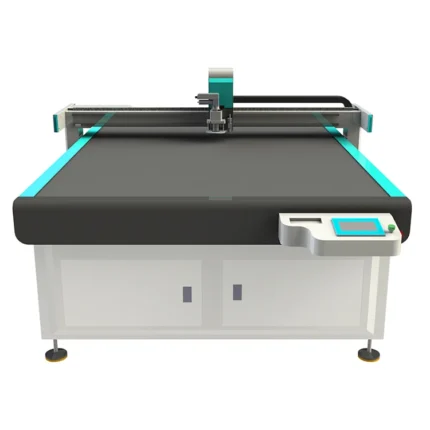
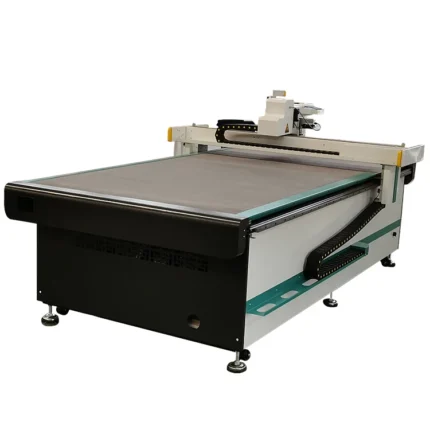
CNC Oscillating Knife Cutting Machine 2026 for Corrugated Cardboard & Honeycomb
Product Introduction
2026 CNC Oscillating Knife Cutting Machine, ideal for corrugated cardboard and honeycomb materials, offering precise and efficient cutting solutions for your production needs.Specifications
| Model | 2026 |
| Type | CNC Oscillating Knife Cutting Machine |
| Applicable Materials | Corrugated Cardboard, Honeycomb |
| Cutting Method | Oscillating Knife |
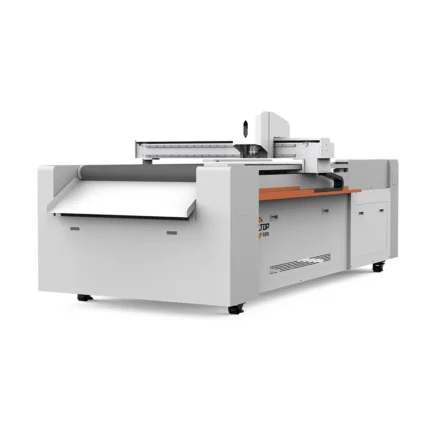

Realtop 2026 CNC Oscillating V-Cut Machine
Product Introduction
Realtop CNC Oscillating V-Cut Machine 2026 is a precision equipment designed for efficient V-cutting operations, ideal for various material processing needs with advanced CNC technology.
Key Specifications
| Model | Realtop CNC Oscillating V-Cut Machine 2026 |
| Type | CNC Oscillating V-Cut Machine |
| Application | Precision V-cutting operations |
| Feature | Advanced CNC technology |

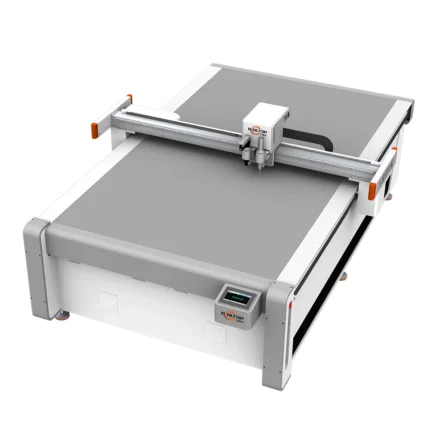
REALTOP 2026 Digital Industrial Cardboard Box Cutter
Product Introduction
REALTOP Digital Industrial Cardboard Box Cutter Machine 2026 is a professional industrial-grade cutting equipment designed for efficient cardboard box processing, ideal for manufacturing and packaging applications.
Product Parameters
| Model | 2026 |
| Type | Digital Industrial Cardboard Box Cutter |
| Application | Cardboard Box Processing |
| Feature | Industrial-grade, Efficient Cutting |

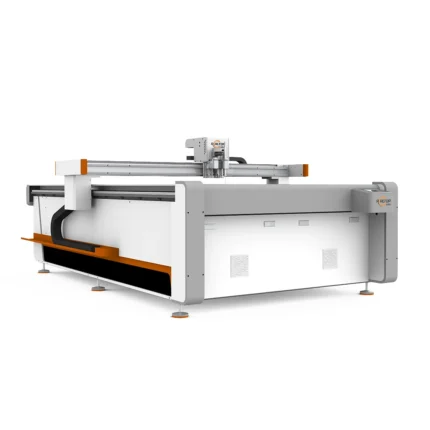
Realtop CNC Carton Box Cutter 2026 CCD Camera Honeycomb Cutting
Product Introduction
Realtop CNC Carton Box Cutter 2026 is a professional cutting solution featuring CCD Camera and Honeycomb Cutting technology, ideal for precise carton box processing with efficient performance.Product Parameters
| Model | Realtop CNC Carton Box Cutter 2026 |
| Vision System | CCD Camera |
| Cutting Technology | Honeycomb Cutting |
商品评价
There are no reviews yet.