

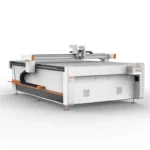

CNC Flatbed Oscillating Knife Cutter for Corrugated Cardboard – Industrial Application
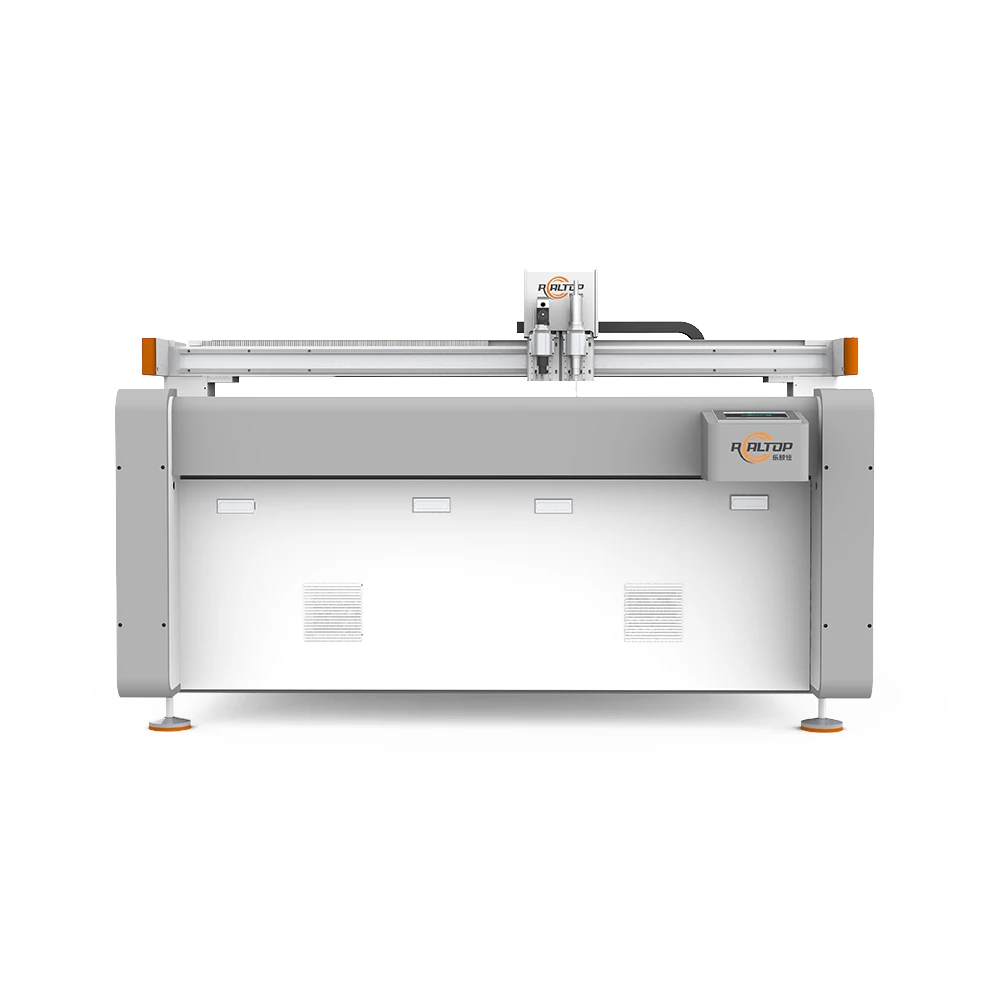
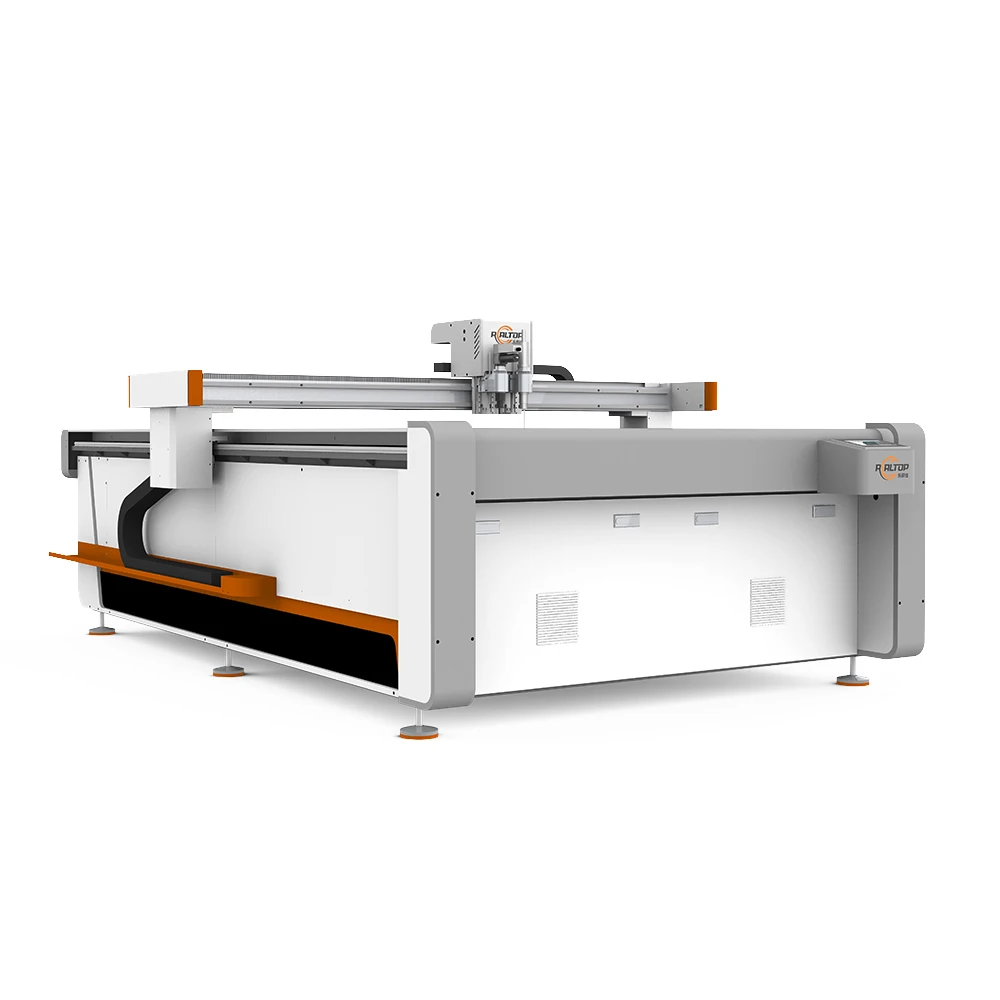
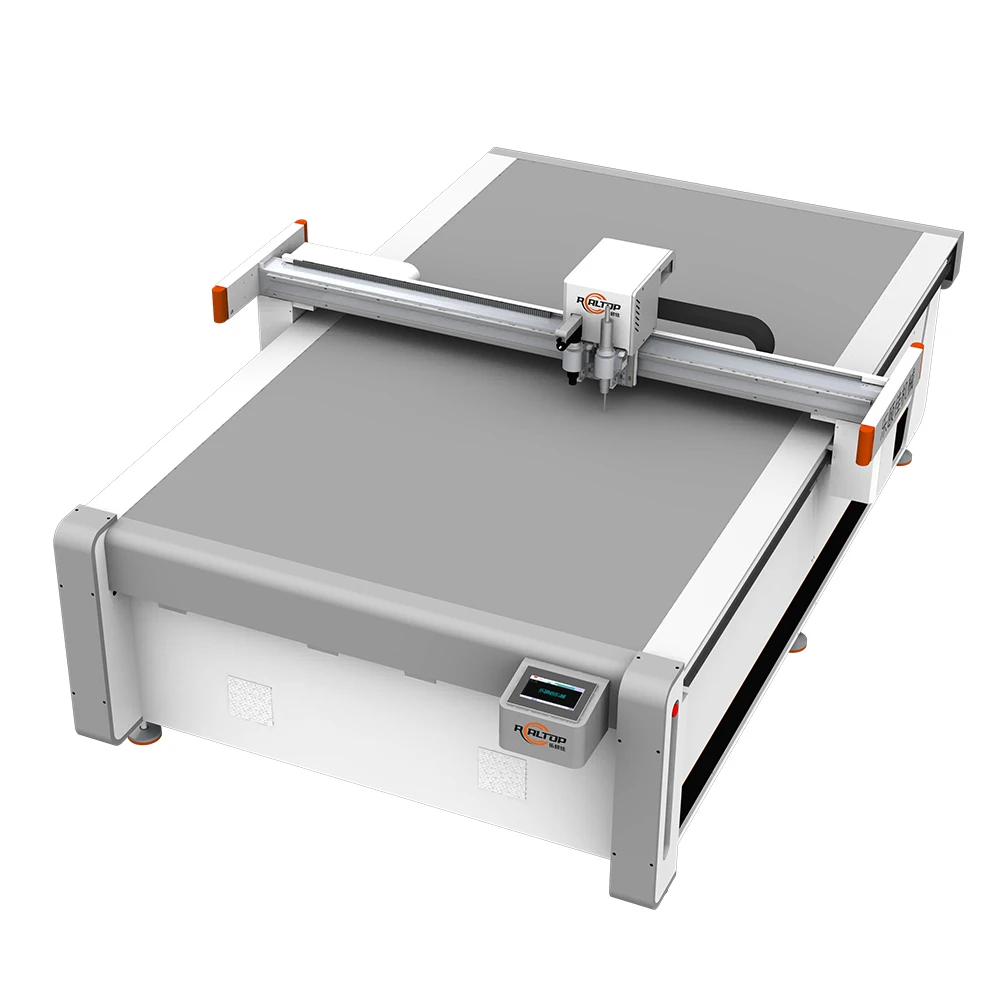
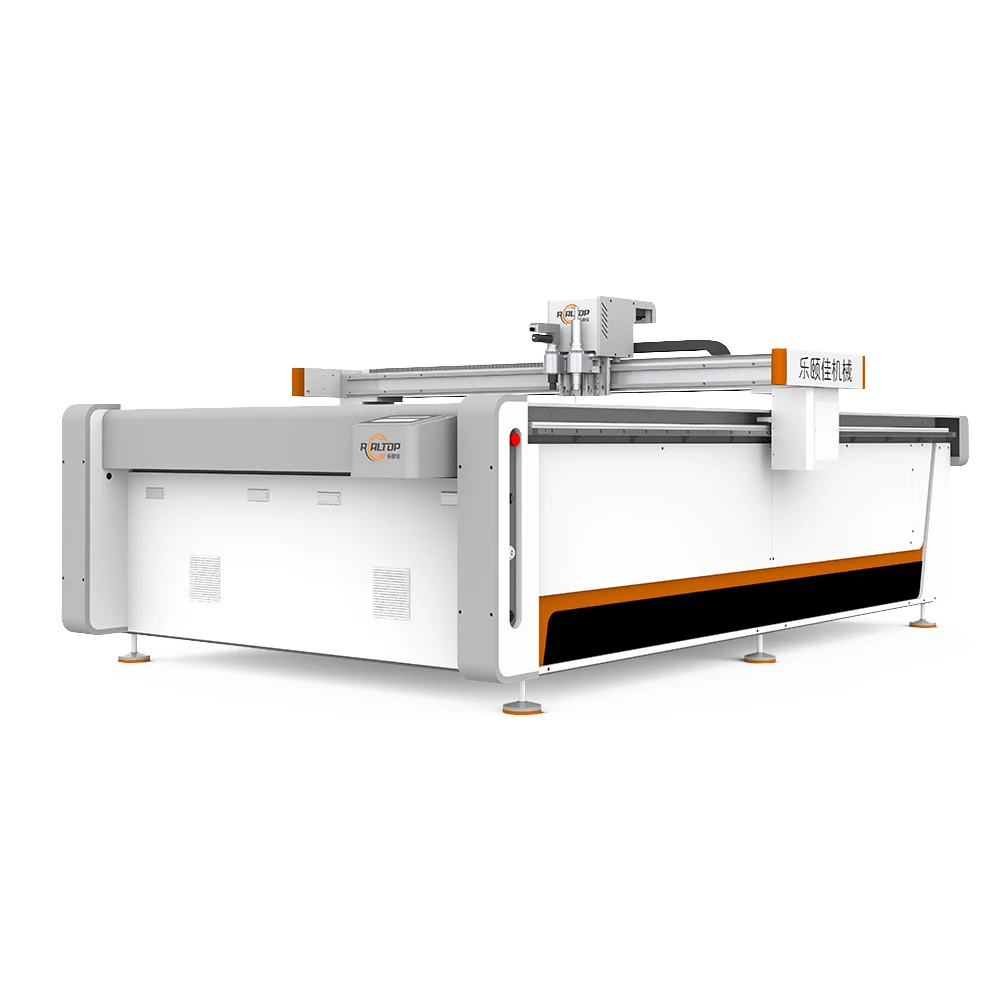
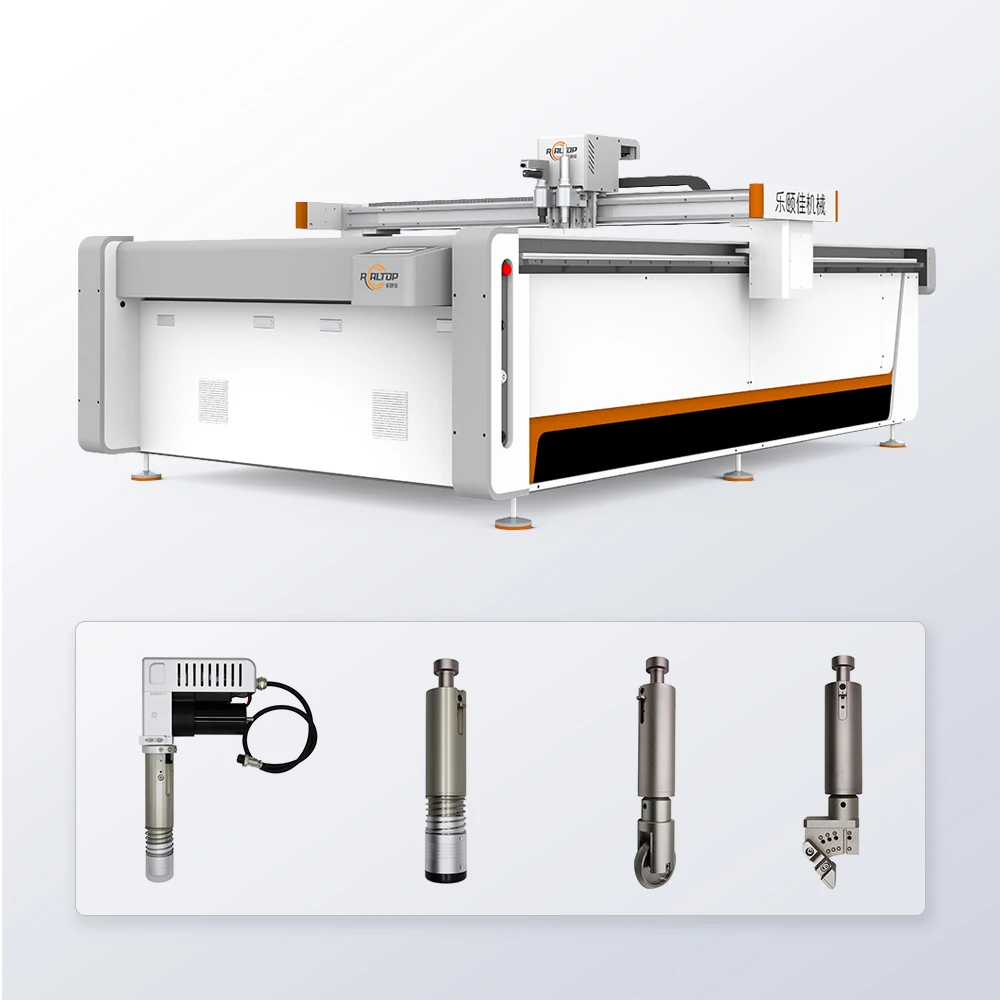
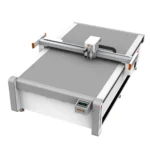
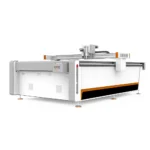
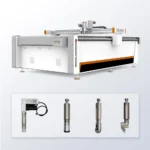
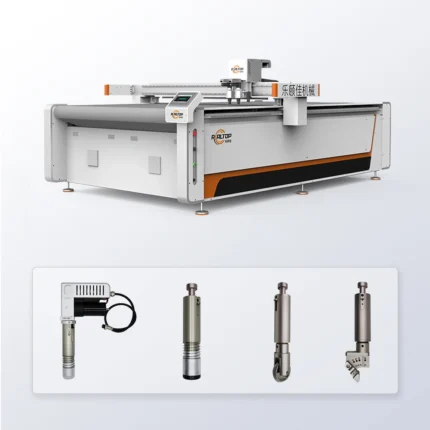
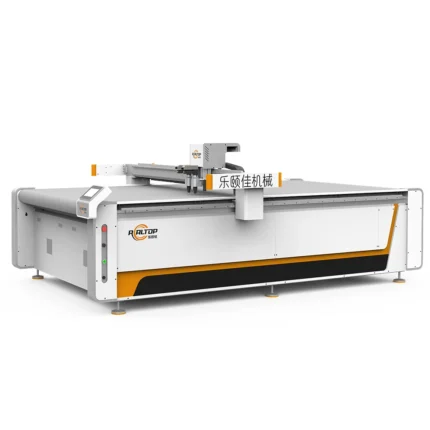
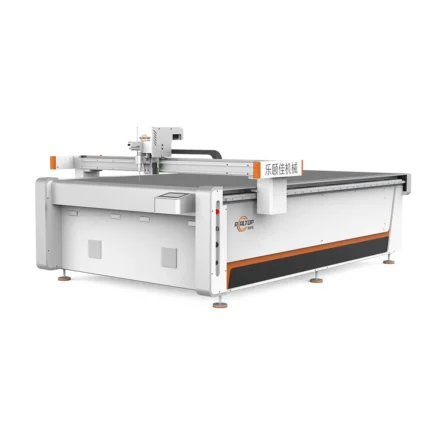
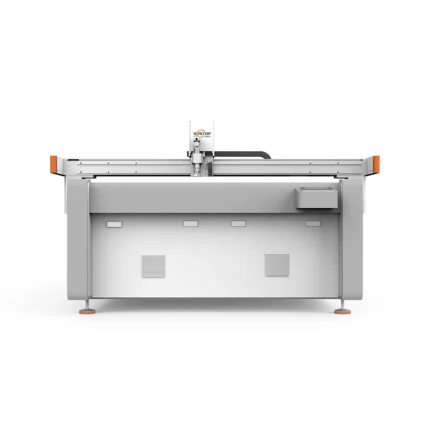
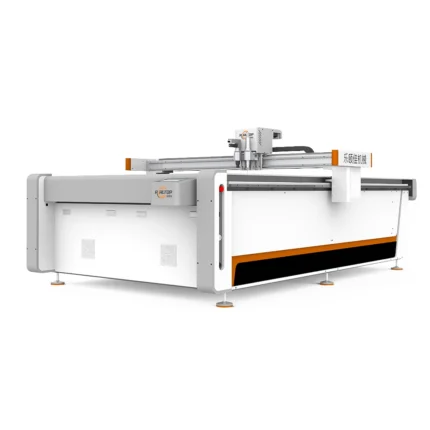
1625(std.) CNC Flatbed Oscillating Knife Cutting Machine, 1600×2500mm Working Area, ±0.1mm Accuracy — configured with oscillating knife, creasing wheel, V groove knife and kiss cutting tool heads for corrugated cardboard, foam, and composite material processing.
- PLC control panel with multi-language options and dedicated packaging box structure design software
- Aluminum bellows vacuum table with 9KW pump and infrared safety sensor system
CO2 laser versus oscillating knife selection depends on your material edge requirements — laser seals synthetic edges while knife cutting preserves corrugated flute structure without thermal distortion. Sample cutting on buyer’s own material with documented edge quality report before commitment.
Tool head configuration matched to material — This CNC oscillating knife cutting system offers multiple tool head options specified per material thickness and production volume, with sample cutting on the buyer’s actual material before commitment.
Technical Specifications
| Parameter | Value |
|---|---|
| Model | 1625(std.) |
| Product Type | CNC Flatbed Oscillating Knife Cutting Machine |
| Working Area | 1600*2500mm |
| Cutting Thickness Capacity | ≤ 40mm |
| Cutting Accuracy | ±0.1 mm |
| Cutting Speed Range | 0-1500 mm/s |
| Tool Head Options | Oscillating knife, Driven rotary knife, Creasing wheel, Kiss cutting tool, Pneumatic knife, Milling tool, V groove knife |
| Vacuum Table Type | Aluminum bellows vacuum table |
| Vacuum Pump Rated Power | 9KW |
| Control System | PLC control panel with intuitive interface |
| Voltage Options | 110V, 220V, 380V (configurable) |
| Safety Devices | Infrared sensor device and emergency stop device |
| Compatible File Formats | PLT, DXF, AI, PDF |
| Language Options | English, Russian, Italian, Chinese (customizable) |
| Included Software | Dedicated packaging box structure design software |
| Machine Dimensions | 330021001350 mm |
| Certification | CE |
Application Suitability
| Application | Material or Output |
|---|---|
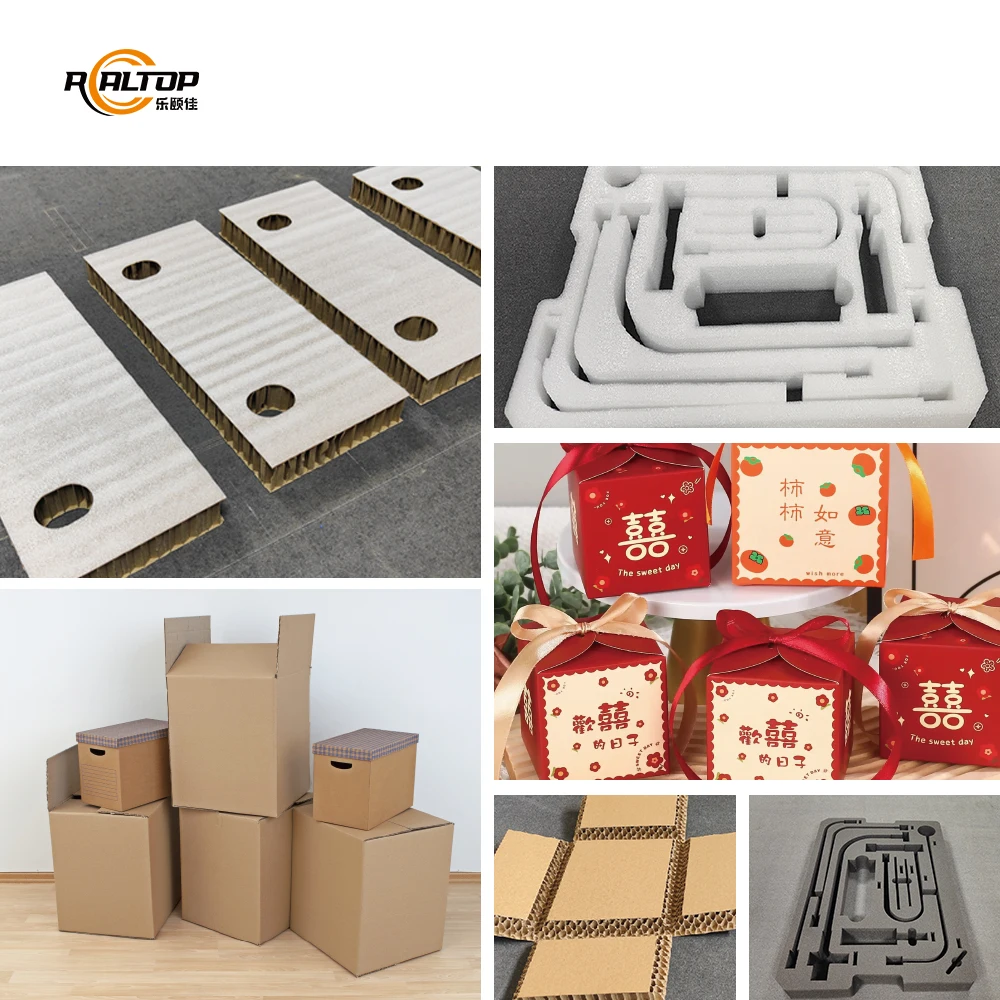
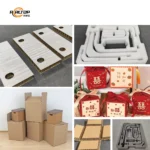
| Corrugated cardboard packaging sample making | E-flute, B-flute, BC-flute board up to 40mm thickness |
| Short-run die-free carton production | Greyboard, cardstock, art paper, specialty paper |
| Industrial foam gasket cutting | EVA foam, EPE foam, PU foam sheets |
| Automotive interior mat processing | Rubber mats, velvet/fleece fabric, non-woven fabric |
| Thin plastic component fabrication | PVC sheets, PET sheets |
| Leather and synthetic leather prototyping | Natural leather, PU/PVC synthetic leather |
| Adhesive-backed composite cutting | Composite materials, pressure-sensitive adhesive laminates |
Why Voltage Confirmation Must Precede Your CNC Oscillating Knife Cutting Machine Laser Cutting and Engraving Equipment Order
Specifying voltage after production begins causes transformer rewinds that delay shipment by weeks.
I once watched a 380V machine sit on a dock in Jebel Ali for eleven days because the buyer’s workshop ran 220V three-phase. The transformer swap cost more than the ocean freight. When you source a CNC oscillating knife cutting machine laser cutting and engraving system, the electrical infrastructure question belongs in the first conversation, not the last email before loading [NEED_CITE: voltage and frequency standards by export market]. The 1625(std.) supports 110V, 220V, and 380V configurations, but each requires different internal wiring and breaker sizing. Confirming this during the specification phase prevents expensive field rewiring that no amount of remote troubleshooting can fix.
Matching the Tool Head to Corrugated Board Structure
The oscillating knife handles standard B-flute and BC-flute corrugated cardboard cleanly through the full 40mm cutting depth range, but the creasing wheel is what produces fold lines without crushing the flute structure. For packaging sample making, you need both tools working in sequence — the CNC oscillating knife cutting machine laser cutting and engraving configuration with a single head forces you to choose between cutting and scoring, while a multi-tool setup handles both operations without manual head changes. The V groove knife adds miter-fold capability for rigid box construction on greyboard stock.
Vacuum Table Zoning and Small Part Hold-Down
The aluminum bellows vacuum table on this system generates the suction needed to hold full corrugated sheets flat during cutting, but small cut parts near the end of a nesting layout can lift as surrounding material falls away [NEED_CITE: vacuum hold-down principles for flatbed digital cutters]. The 9KW vacuum pump provides substantial airflow, yet production managers running intricate packaging sample layouts should verify that the table zoning matches their typical part count. A single-zone table pulls vacuum across the entire surface, which works for large carton blanks but may allow small gussets or locking tabs to shift during the final passes.
Reading the Spec Sheet Against Real Production Needs
The ±0.1mm cutting accuracy specification matters most when you are producing interlocking packaging components where tab-and-slot registration must hold across hundreds of samples. The 0-1500 mm/s speed range is the travel speed envelope — actual cutting speed through 3mm BC-flute corrugated board will be substantially lower to maintain edge quality. The dedicated packaging box structure design software handles PLT, DXF, AI, and PDF file imports, which covers most packaging designer workflows [NEED_CITE: CNC cutting software file format interoperability]. The PLC control panel with intuitive interface supports English, Russian, Italian, and Chinese, with other languages configurable at order, meaning your operators see instructions in their working language rather than deciphering translated menus on the shop floor.
The Cost of Wrong Tooling on Short-Run Packaging
Choosing an oscillating knife where a driven rotary knife would serve causes ragged edges on woven fabric and non-woven material, generating rework that no software nesting optimization can recover. A buyer cutting EVA foam gaskets with a standard oscillating blade instead of the pneumatic knife option often sees crushed edges on foam above 20mm, producing parts that fail dimensional inspection. These tooling mismatches surface only after installation, when the machine is already producing [NEED_CITE: material-tool compatibility in digital cutting operations]. The configuration list should specify tool head assignments against each material in your production mix before the machine enters build.
Production Capability Backed by Configuration Control
The in-house design team covers both oscillating knife and laser cutting technology, so you select the cutting method that fits the material rather than adapting your material to a single machine type. The 1625(std.) tool head and table configuration is specified per your material thickness and daily volume, not pulled from a standard catalog page. Sample cutting on your actual corrugated board, foam, or fabric runs before order confirmation, documenting edge quality and achievable speed on your specific stock. Voltage, plug type, and control language are confirmed and documented before the machine enters the build queue. Software file format compatibility is verified against your existing packaging design workflow during the specification phase.
Documentation & Verification
- Machine specification sheet listing all configured tool heads against your material range
- Electrical schematic with confirmed voltage, breaker rating, and plug type for your market
- Tool head and vacuum table configuration list matched to your material thickness and part geometry
- Sample cutting report on your actual corrugated board or foam with edge quality documentation
- Factory test record showing cutting accuracy verification before crating
- Dedicated packaging software license with confirmed PLT, DXF, AI, and PDF file format compatibility
Installation, Commissioning & Support
- Floor space allocation for 330021001350mm machine footprint plus operator access on three sides
- Dedicated circuit matching confirmed voltage (110V, 220V, or 380V) with correct breaker sizing for 9KW vacuum pump draw
- Aluminum bellows vacuum table leveling and zone seal verification during first-day commissioning
- PLC control panel parameter setup for local language and packaging software file path configuration
- Tool head changeover training covering oscillating knife, creasing wheel, and V groove knife swap procedures
- Infrared sensor device and emergency stop device functional test included in operator training session
What to Prepare Before Requesting a Quotation
Provide your material types with exact thickness ranges and whether you are cutting corrugated E-flute, B-flute, or BC-flute board, along with foam or fabric specifications if applicable. Specify your local voltage and frequency, the plug standard in your market, and the preferred control panel language. Confirm whether your packaging design software outputs PLT, DXF, AI, or PDF files so that compatibility is verified before the machine enters production.
Frequently Asked Questions
Q: How do I determine whether an oscillating knife or a CO2 laser is correct for my packaging material?
A: Oscillating knife cutting works best for corrugated cardboard, foam, and fabric where you need clean edges without thermal sealing. CO2 laser processing suits acrylic, wood, and synthetic textiles where edge sealing prevents fraying. Match the cutting method to your material’s response to mechanical versus thermal separation before specifying machine configuration.
Q: What does the cutting speed range of 0-1500 mm/s mean for actual corrugated board processing?
A: The 0-1500 mm/s figure represents the maximum travel speed of the cutting head. Actual cutting speed through BC-flute corrugated board depends on material density and thickness, with the system reducing speed to maintain ±0.1mm accuracy and clean edge quality through the full 40mm cutting depth capacity.
Q: Can the dedicated packaging software import files from my existing design workflow?
A: The included packaging box structure design software imports PLT, DXF, AI, and PDF formats. Before order confirmation, provide sample files from your current design software so that file translation, layer recognition, and tool path assignment are verified against your actual production workflow.
Q: What happens if the vacuum table does not hold small parts during cutting?
A: Small cut components can lift as surrounding material is removed, causing misalignment on subsequent cuts. Verify that the aluminum bellows vacuum table zoning matches your typical nesting layout and part count during the specification phase, requesting sample cutting on your actual layout pattern before commitment.
Q: How are voltage, plug type, and control language confirmed before shipment?
A: These specifications are documented during the quotation phase and verified against your workshop electrical infrastructure. The machine is built to your confirmed voltage (110V, 220V, or 380V), fitted with the correct plug, and the PLC control panel language is set before factory testing and crating.


Related products
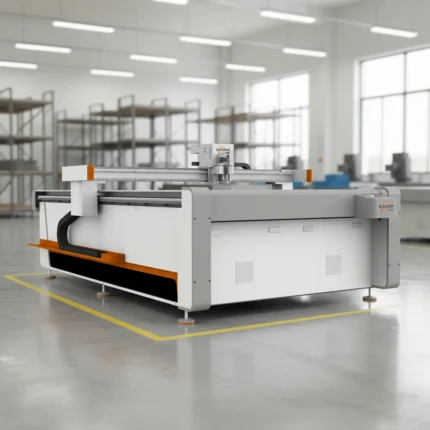
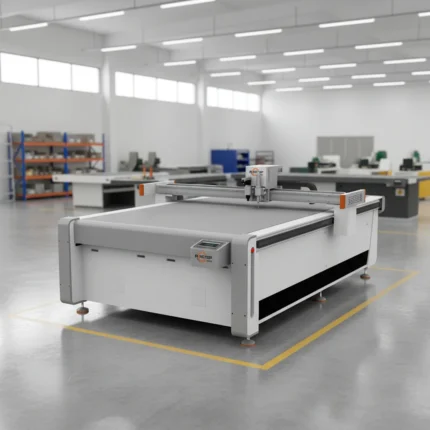
2026 Digital Flatbed Cutting Plotter Auto Corrugated Box Die Cutter
Product Introduction
Digital Flatbed Cutting Plotter 2026, ideal for auto corrugated box die cutting, offering precision and efficiency for professional packaging production.Specifications
| Type | Digital Flatbed Cutting Plotter |
| Model | 2026 |
| Application | Auto Corrugated Box Die Cutting |
| Function | Precision Cutting & Plotting |
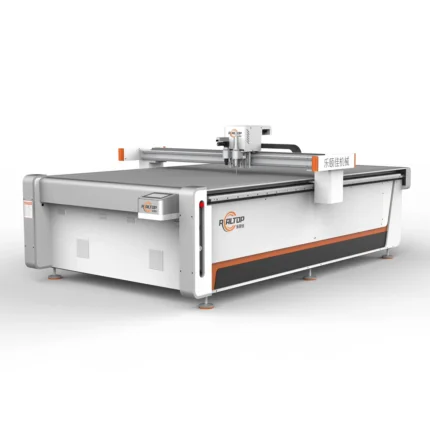
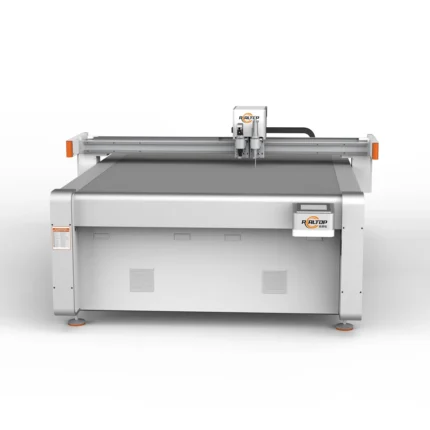
Automatic Digital Cardstock Cutter 2026 CNC Cutter
Product Introduction
Automatic Digital Cardstock Cutter 2026 is a CNC cutting machine ideal for white cardboard and kraft paper. It offers precise and efficient cutting performance, suitable for various paper processing needs in manufacturing and craft applications.Key Specifications
| Type | CNC Digital Cutting Machine |
| Material Compatibility | White Cardboard, Kraft Paper |
| Operation | Automatic |
| Application | Paper Cutting & Processing |

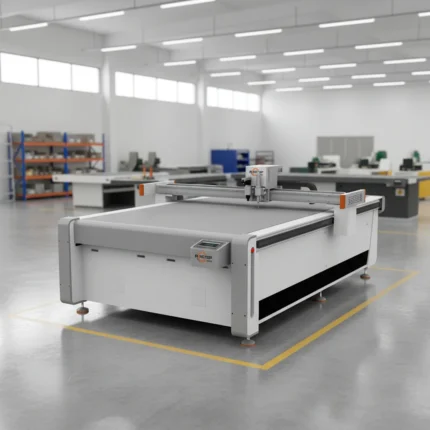


Digital CNC Cardboard Cutting Machine 2026
Product Introduction
High-precision Digital CNC Cardboard Cutting Machine 2026, ideal for efficient cardboard processing with advanced CNC technology, ensuring precise and fast cutting performance for various packaging and craft applications.
Key Specifications
| Model | 2026 |
| Type | Digital CNC Cutting Machine |
| Material | Cardboard |
| Feature | High Precision, Efficient Cutting |
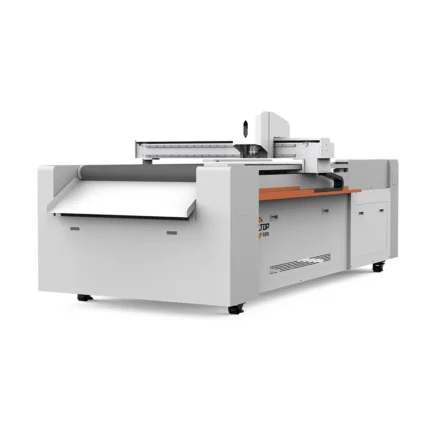
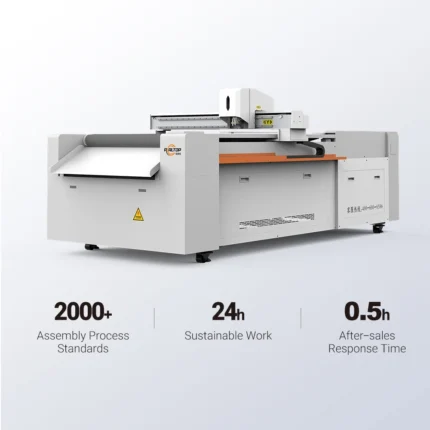
Realtop 2026 Digital Box Cutter High-Speed Corrugated Board
Product Introduction
Realtop Digital Box Cutting Machine 2026 is a high-speed solution for corrugated board cutting, designed for efficient and precise box production in manufacturing settings.Key Specifications
| Model | 2026 |
| Type | Digital Box Cutting Machine |
| Application | Corrugated Board |
| Feature | High-Speed Cutting |

商品评价
There are no reviews yet.