


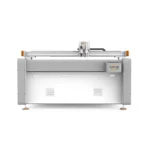


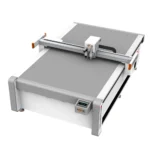
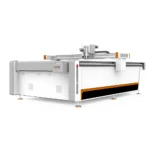
CNC Honeycomb Board Cutting Machine High-Precision for Packaging – Manufacturer
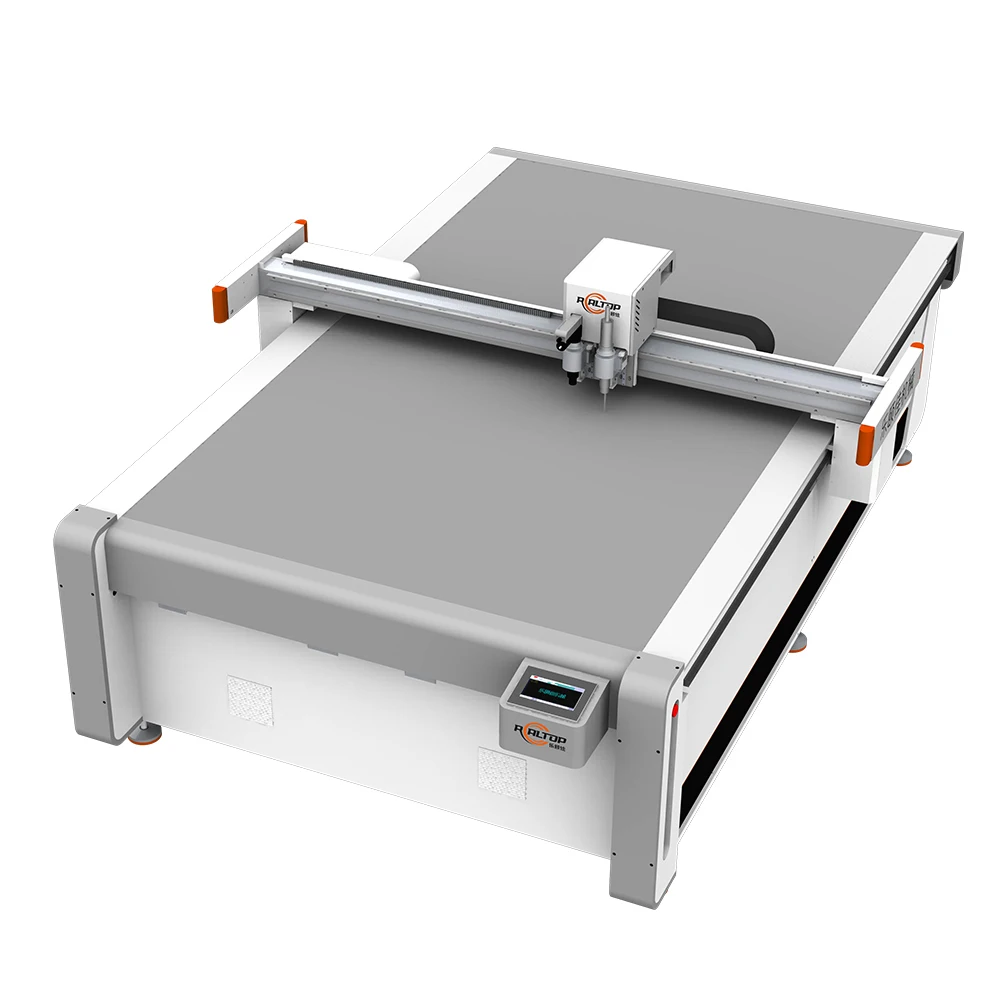
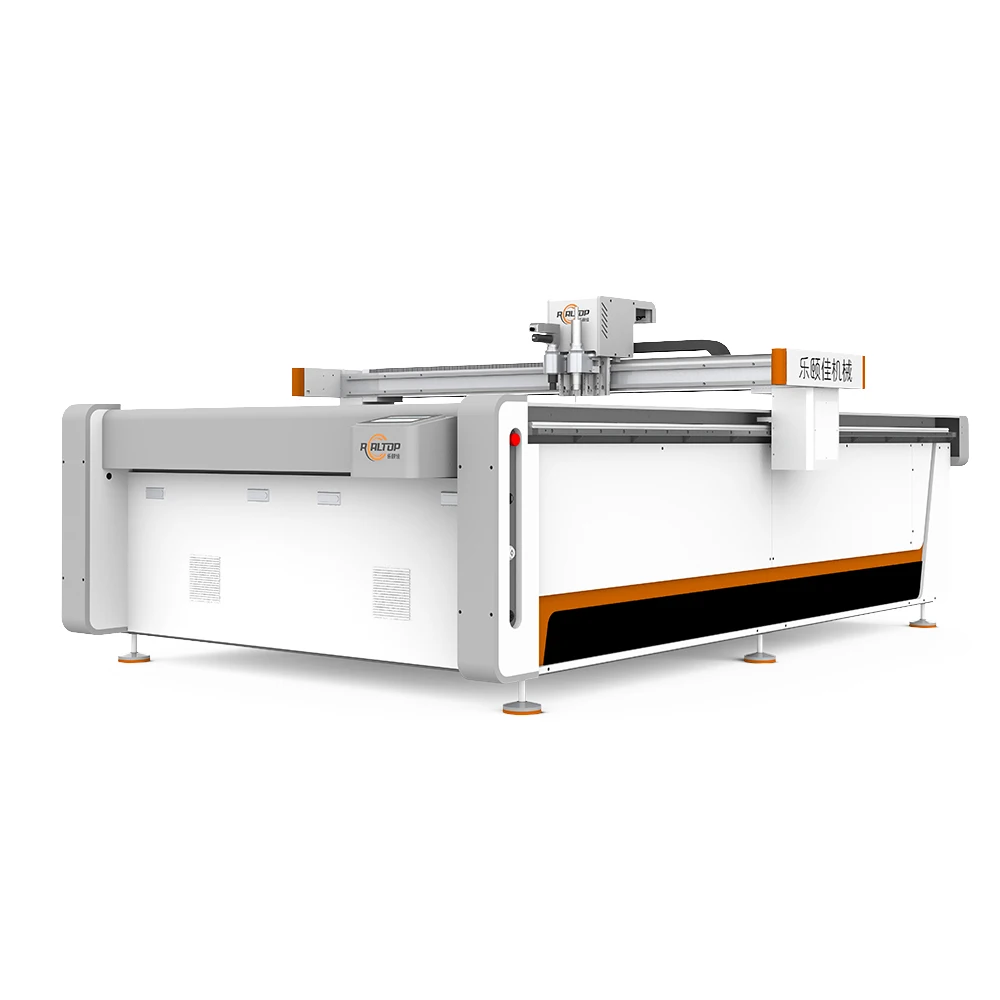
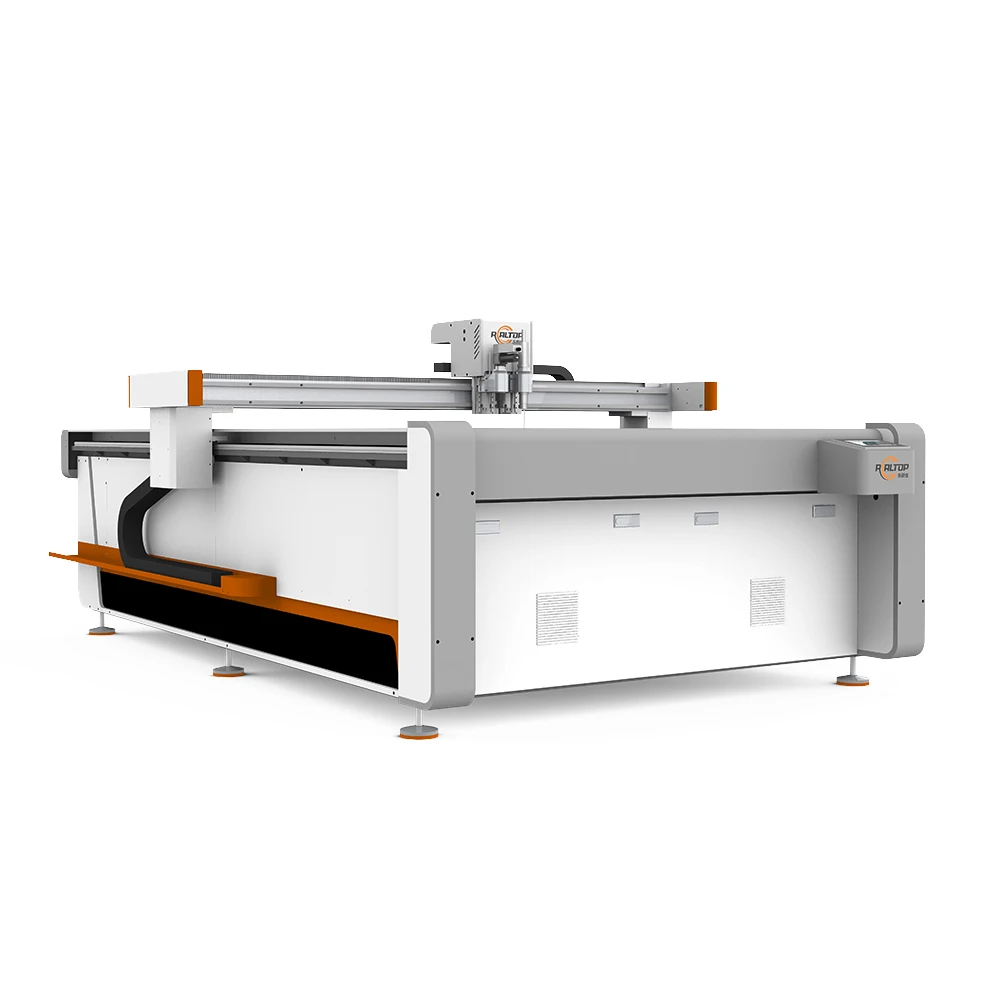
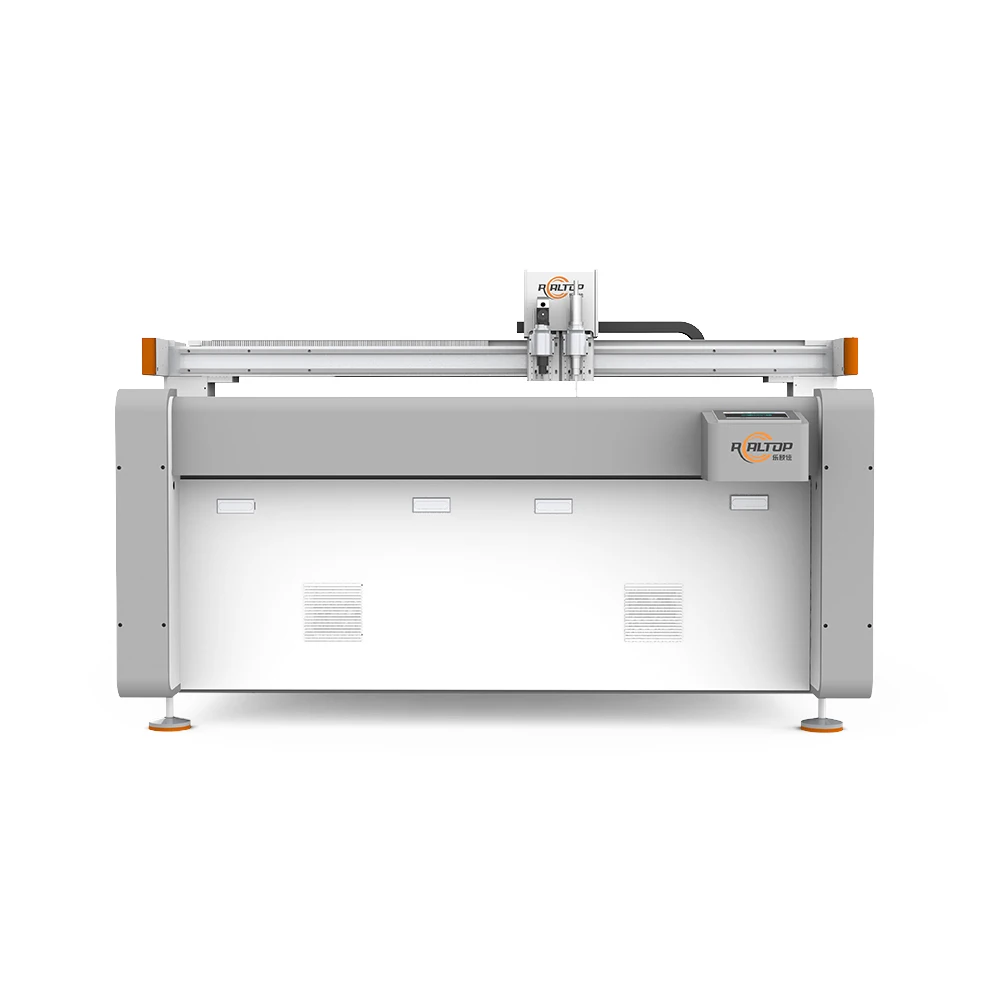
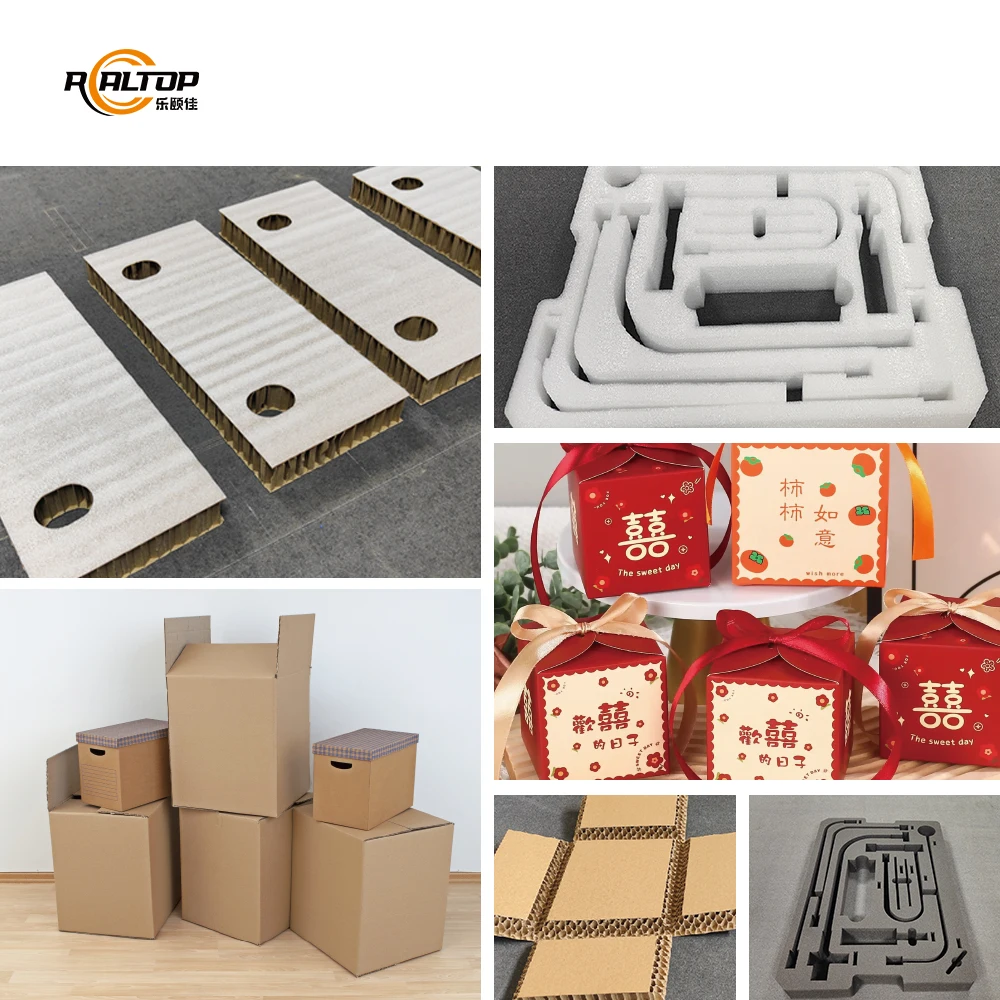
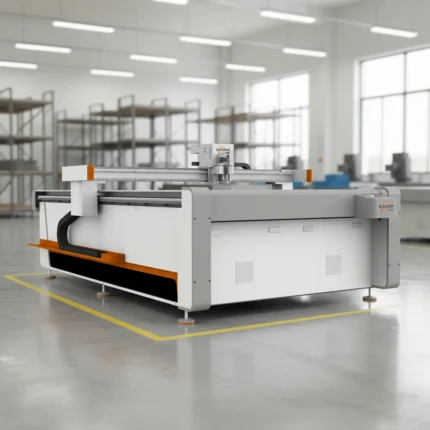
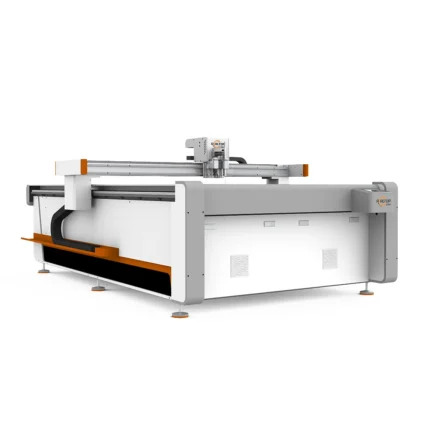
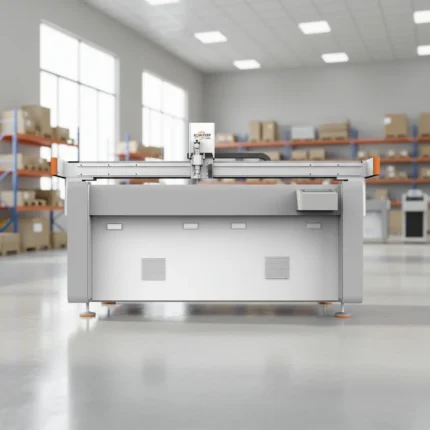
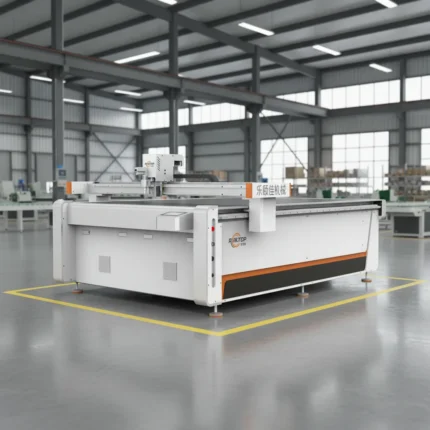
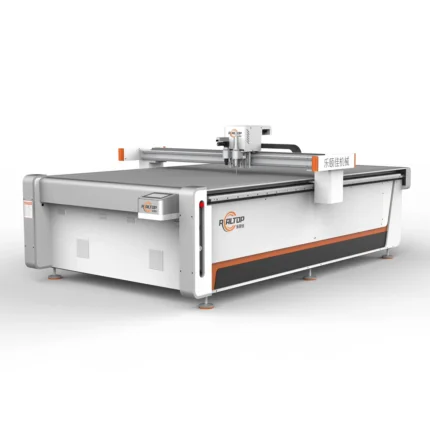
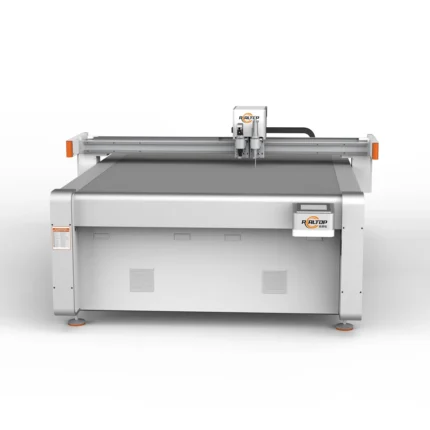
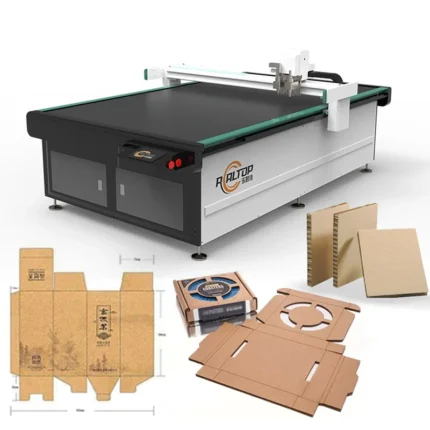
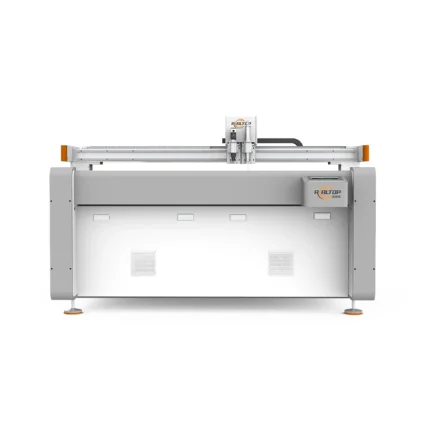
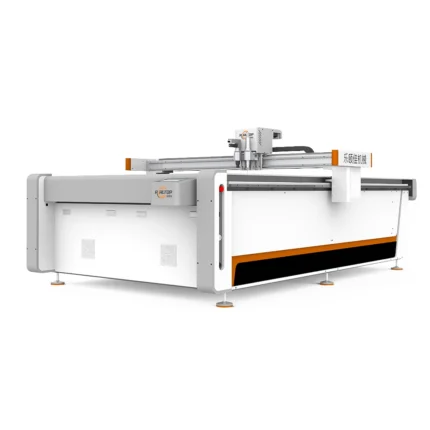
RT-D2516/RT-S2516 CNC Oscillating Knife Cutting Machine, 1600×2500mm Working Area, ≤100mm Cutting Thickness — configured for honeycomb board, corrugated cardboard and packaging sample making.
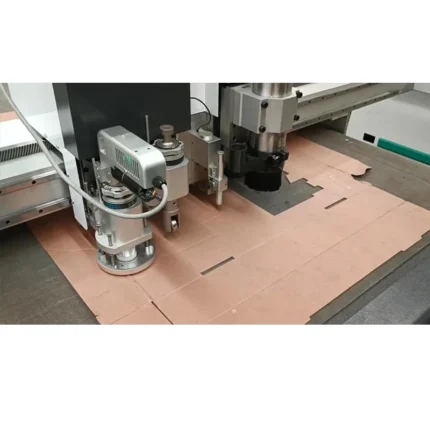
- Multi-tool head selection including oscillating knife, creasing wheel and V-cutting knife matched to board density and folding requirements
- CCD camera positioning for printed contour recognition on packaging materials at production speed
- 7.5kW vacuum adsorption table with zoning to prevent small part lift during cutting
Sample cutting on your own material confirms edge quality and achievable depth before order commitment.
Precision Tooling Matched to Material — The RT-D2516/RT-S2516 cutting platform is configured with specific tool heads, vacuum zoning and CCD positioning based on your material type and production volume, rather than shipping a generic setup and hoping it works on your substrate.
Technical Specifications
| Parameter | Value |
|---|---|
| Model | RT-D2516/RT-S2516 |
| Product Type | CNC Oscillating Knife Cutting Machine |
| Working Area | 1600 × 2500 mm |
| Overall Dimensions (L × W × H) | 3450 × 2300 × 1250 mm |
| Rated Power | 9 kW |
| Voltage | 380V ± 10% |
| Translational Velocity | 800 – 2000 mm/s |
| Cutting Speed | 200 – 800 mm/s (basis not stated in source — confirm material and thickness) |
| Cutting Thickness | ≤ 100 mm (varies with material density and tool head selection) |
| Repeated Accuracy | ≤ 0.1 mm |
| Transmission System | Digital servo motor, linear guide, synchronous belt, ball screw |
| Servo Motor Options | Delta (China) or Panasonic (Japan) |
| Table Type | Magnesium-aluminum alloy vacuum adsorption table, flat or auto-feeding |
| Vacuum Pump | 7.5 kW integrated aviation aluminum shell with built-in silencer sponge |
| Guide Rail | Taiwan Hiwin linear guide |
| Tool Head Options | Oscillating knife, pneumatic knife, high-power vibrating knife, circular knife, V-cutting knife, drag knife, creasing wheel, dotted line knife, punching, brush |
| Visual Positioning Options | Small CCD camera mark point positioning, panoramic camera recognition, projection positioning |
| Control Panel | Touch screen with multi-language support |
| Software & File Formats | HP-GL compatible; supports PLT, DXF, AI; auto nesting software included |
| Safety Devices | Infrared induction blocking, anti-collision beam sensors, emergency stop |
| CE Compliance | Declared in manufacturer documentation |
Application Suitability
| Application | Material or Output |
|---|---|
| Packaging and carton sample making | Honeycomb board, corrugated cardboard, high-GSM grey board with creasing wheel and V-cutting knife |
| Foam and gasket fabrication | Sponge, PU, EVA, XPE, silicone rubber, sealing pads using oscillating or high-power vibrating knife |
| Leather and textile cutting | Natural leather, synthetic leather, garment fabric, shoe materials with drag knife or oscillating knife |
| Composite material processing | Carbon fiber sheets, fiberglass, multi-layer composites with specialized tool heads |
| Signage and graphic production | PVC board, sticker film, vinyl, foam board with CCD contour recognition for printed graphics |
Why Cutting Depth Claims Fall Short on Your Material
Edge quality and achievable depth depend on tool head selection and material density, not just the machine’s stroke specification.
Many buyers receive a quotation stating a maximum cutting thickness, then discover on their production floor that the actual usable depth is far less once edge quality and material compression are factored in. I have walked into workshops where honeycomb board was being crushed by a drag knife that should have been swapped for a high-power oscillating head — the machine was capable, but the tooling was wrong for the substrate. With the RT-D2516/RT-S2516, cutting thickness is verified on the buyer’s actual material before commitment, not assumed from a generic specification sheet [NEED_CITE: material-specific cutting validation in CNC knife cutting procurement].
Laser Process Not Applicable — Why Knife Cutting Wins for Packaging Substrates
On this platform, the focus is entirely on knife-based cutting for packaging, foam, leather and composite materials. Laser cutting generates thermal edges that char honeycomb cores and melt synthetic foams, producing fumes that require extraction systems and leaving burn marks unacceptable to packaging buyers. The CNC oscillating knife cutting machine approach keeps the cut cold, preserving the structural integrity of corrugated flutes and foam cell walls while producing clean edges that meet packaging industry standards for sample presentation and short-run production.
Multi-Tool Head Strategy for Mixed-Material Production
A single facility often runs honeycomb board for protective packaging on Monday, corrugated samples on Wednesday, and foam gaskets on Friday. The RT-D2516/RT-S2516 accommodates this through interchangeable tool heads — oscillating knife for thick foam, creasing wheel for fold lines on carton stock, V-cutting knife for clean mitre joints in grey board, and punching tools for ventilation holes or handle cutouts. Each tool head is selected and specified at order stage based on the material matrix the buyer provides, so the machine arrives configured for actual production rather than requiring post-delivery retooling [NEED_CITE: CNC multi-tool head configuration workflow].
Decoding the Specs That Matter on the Production Floor
The 7.5 kW vacuum pump with aviation aluminum housing is not simply about suction strength — it determines whether small packaging cutouts stay pinned to the table during high-speed traversing. When cutting nesting layouts with dozens of small carton parts, inadequate vacuum zoning allows pieces to lift and shift, ruining an entire sheet. The magnesium-aluminum alloy table with fluorocarbon PVDF coating resists adhesive buildup from sticker films and maintains flatness across the 1600 × 2500 mm surface. The Taiwan Hiwin linear guides paired with either Delta or Panasonic servo motors hold repeated accuracy within 0.1 mm, which matters when die-line registration on printed packaging must align with CCD-tracked fiducial marks across the full working area.
The Hidden Cost of Skipping Material Trials
Buyers who skip sample cutting trials often discover problems only after the machine is installed and production has started. A packaging converter once ordered a machine based on working area and motor power alone, then found the vacuum zoning insufficient for small die-cut pieces on lightweight board — parts lifted during cutting, the drag knife caught the shifted material, and an entire batch was scrapped. The downtime cost of halting a packaging line to reconfigure vacuum zones and swap tool heads far exceeded what a pre-shipment material trial would have taken [NEED_CITE: production line downtime cost in packaging converting].
Why Buyers Source This Platform Here
In-house design and production spanning both knife and laser technologies means the cutting method is matched to the material, not forced into whichever machine happens to be in stock. Tool head and table configuration for the RT-D2516/RT-S2516 is specified per material type and production volume at order stage. CCD camera positioning and software file format compatibility are confirmed before the machine enters production, eliminating the common situation where the delivered system cannot read the buyer’s existing DXF or AI nesting files. Sample cutting on the buyer’s own substrate is conducted before commitment, providing an edge quality and speed baseline. Voltage, plug type and control panel language are finalized before shipment rather than discovered upon arrival.
Documentation & Verification
- Machine specification sheet listing every installed tool head and vacuum zone layout
- Electrical schematic with 380V ± 10% confirmation and plug type matched to your facility
- Sample cutting report on your honeycomb board or carton stock with edge quality photos
- Software licence and file format compatibility note covering PLT, DXF and AI import
- Factory test record documenting repeated accuracy and cutting speed on your specified material
- Spare parts list identifying consumable blades, vacuum seals and guide rail carriages
Installation, Commissioning & Support
- Floor space requirement of approximately 3450 × 2300 mm with clearance for auto-feeding conveyor if configured
- Dedicated 380V ± 10% circuit rated for 9 kW continuous draw, confirmed before shipment to match your local supply
- Machine ships partially assembled; table leveling and beam alignment performed during on-site commissioning
- First-run parameter setting includes vacuum zone mapping and CCD mark calibration on your production material
- Operator training covers tool head changeover, nesting software workflow and blade replacement intervals
- Daily maintenance focuses on guide rail lubrication and vacuum table surface cleaning to maintain adsorption consistency
What to Include in Your Inquiry
To match the RT-D2516/RT-S2516 configuration to your production needs, provide the material types, thicknesses and sheet dimensions you process most frequently. Specify your local voltage and frequency standard, preferred control panel language, and whether your existing workflow uses PLT, DXF or AI file formats. If printed contour cutting is part of your operation, indicate the registration mark style and whether panoramic camera recognition is needed for full-sheet scanning.
Frequently Asked Questions
Q: How is cutting speed and depth verified for my specific packaging material?
A: Before any order commitment, we run sample cuts on your actual substrate — honeycomb board, corrugated stock, foam or composite. The sample cutting report documents achievable thickness, edge quality, and cutting speed under realistic conditions. This eliminates guesswork and ensures the tool head and vacuum configuration match your material before the machine is built.
Q: Which tool head should I choose for honeycomb board versus corrugated cardboard?
A: Honeycomb board typically requires a high-power oscillating knife to shear through the core without crushing the cell structure. Corrugated cardboard works well with a standard oscillating knife for through-cuts and a creasing wheel for fold lines. If your production mixes both, the RT-D2516/RT-S2516 can be configured with both heads, switched based on the job in your nesting software.
Q: Can the CCD camera track printed registration marks at full production speed?
A: The CCD positioning options include mark-point recognition and panoramic camera scanning. Tracking reliability at production speed depends on mark contrast, size and substrate reflectivity. We verify this during the sample cutting trial using your printed material, confirming that the camera locks onto marks without requiring a speed reduction that would affect throughput.
Q: Is vacuum zoning sufficient for small packaging parts that tend to lift?
A: The magnesium-aluminum alloy table is divided into independently controlled vacuum zones. For nesting layouts with small die-cut pieces, we configure zone sizes to match your typical part dimensions. This is validated during the sample cutting phase, where we observe whether lightweight cutouts remain pinned during high-speed tool traversal across the 1600 × 2500 mm working area.
Q: What voltage and control language options are confirmed before shipment?
A: The RT-D2516/RT-S2516 operates on 380V ± 10% as standard, with plug type matched to your facility’s socket standard. Control panel languages include English, Russian, Italian and Chinese, with other languages configurable. Voltage, frequency, plug type and interface language are documented in the electrical schematic and confirmed in writing before production begins.


Related products
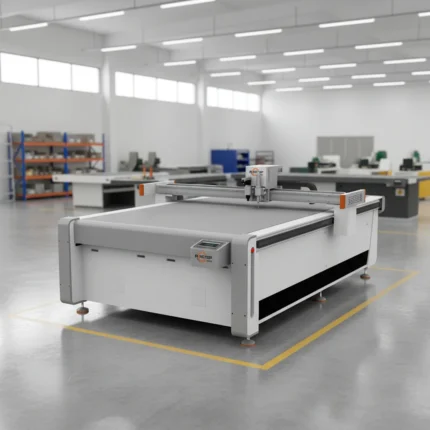
2026 Digital Flatbed Cutting Plotter Auto Corrugated Box Die Cutter
Product Introduction
Digital Flatbed Cutting Plotter 2026, ideal for auto corrugated box die cutting, offering precision and efficiency for professional packaging production.Specifications
| Type | Digital Flatbed Cutting Plotter |
| Model | 2026 |
| Application | Auto Corrugated Box Die Cutting |
| Function | Precision Cutting & Plotting |
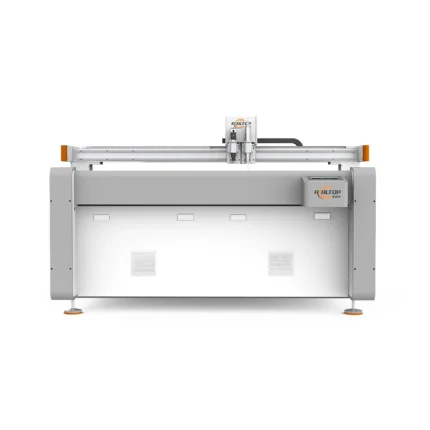
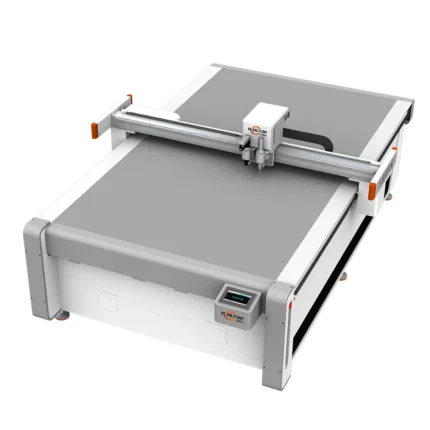
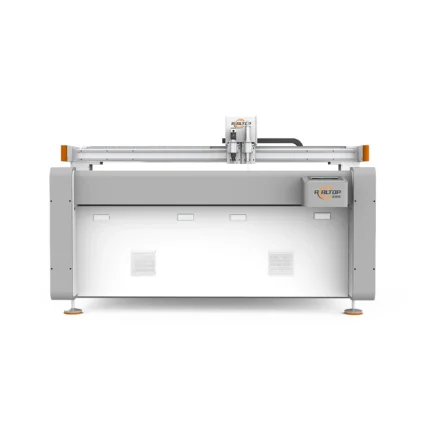
Automatic Die-less Cardboard Vibrating Knife Cutter 2026
Product Introduction
Automatic Die-less Cardboard Vibrating Knife Cutter 2026, a precision cutting solution for cardboard materials, featuring advanced die-less technology for efficient and flexible cutting operations. Ideal for various cardboard processing needs in manufacturing and packaging industries.Key Specifications
| Model | 2026 |
| Type | Automatic Die-less Cutter |
| Cutting Tool | Vibrating Knife |
| Material | Cardboard |
Automatic Digital Cardstock Cutter 2026 CNC Cutter
Product Introduction
Automatic Digital Cardstock Cutter 2026 is a CNC cutting machine ideal for white cardboard and kraft paper. It offers precise and efficient cutting performance, suitable for various paper processing needs in manufacturing and craft applications.Key Specifications
| Type | CNC Digital Cutting Machine |
| Material Compatibility | White Cardboard, Kraft Paper |
| Operation | Automatic |
| Application | Paper Cutting & Processing |
Automation CNC Pizza Box Machine 2026 Rotary Die Cutting
Product Parameters
| Type | Automation CNC Pizza Box Machine |
| Model Year | 2026 |
| Cutting Technology | Rotary Die Cutting |
| Operation | Automated CNC Control |
Introduction
This 2026 Automation CNC Pizza Box Machine features advanced rotary die cutting technology, ensuring precise and efficient pizza box production. With automated CNC control, it offers high productivity and accuracy for professional manufacturing needs.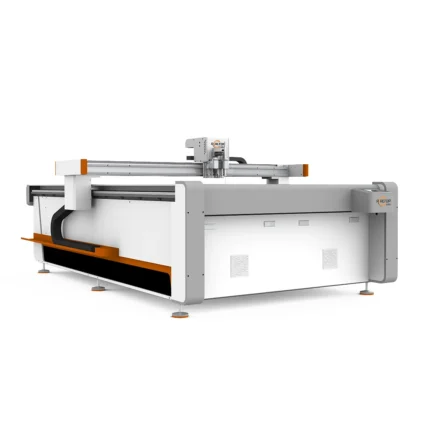
Digital Box Cutter 2026 Oscillating Knife Cardboard Cutter
Product Parameters
| Model | Digital Box Cutter 2026 |
| Cutting Type | Oscillating Knife |
| Material | Corrugated Cardboard |
Introduction
Professional oscillating knife cutting machine for corrugated cardboard. Ideal for precise, efficient cutting in packaging production. Reliable performance from China's leading welding & cutting equipment manufacturer.

商品评价
There are no reviews yet.