


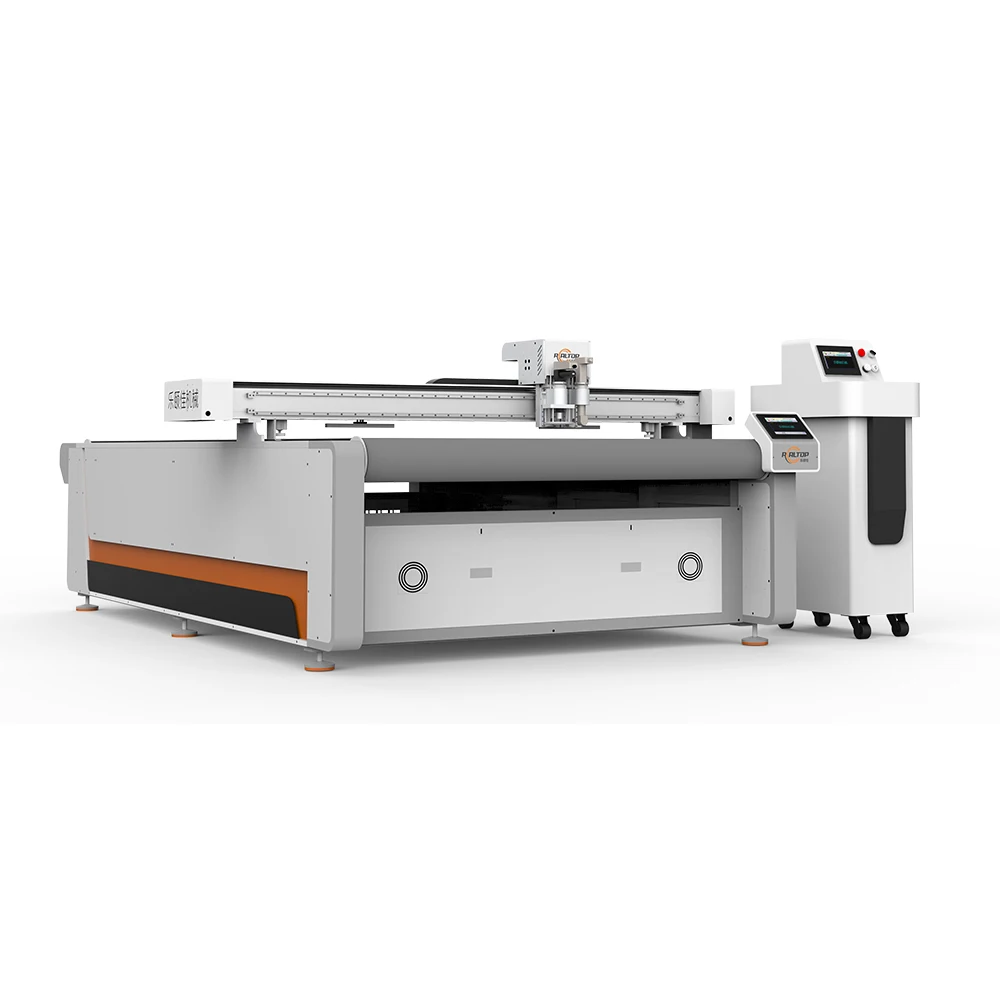
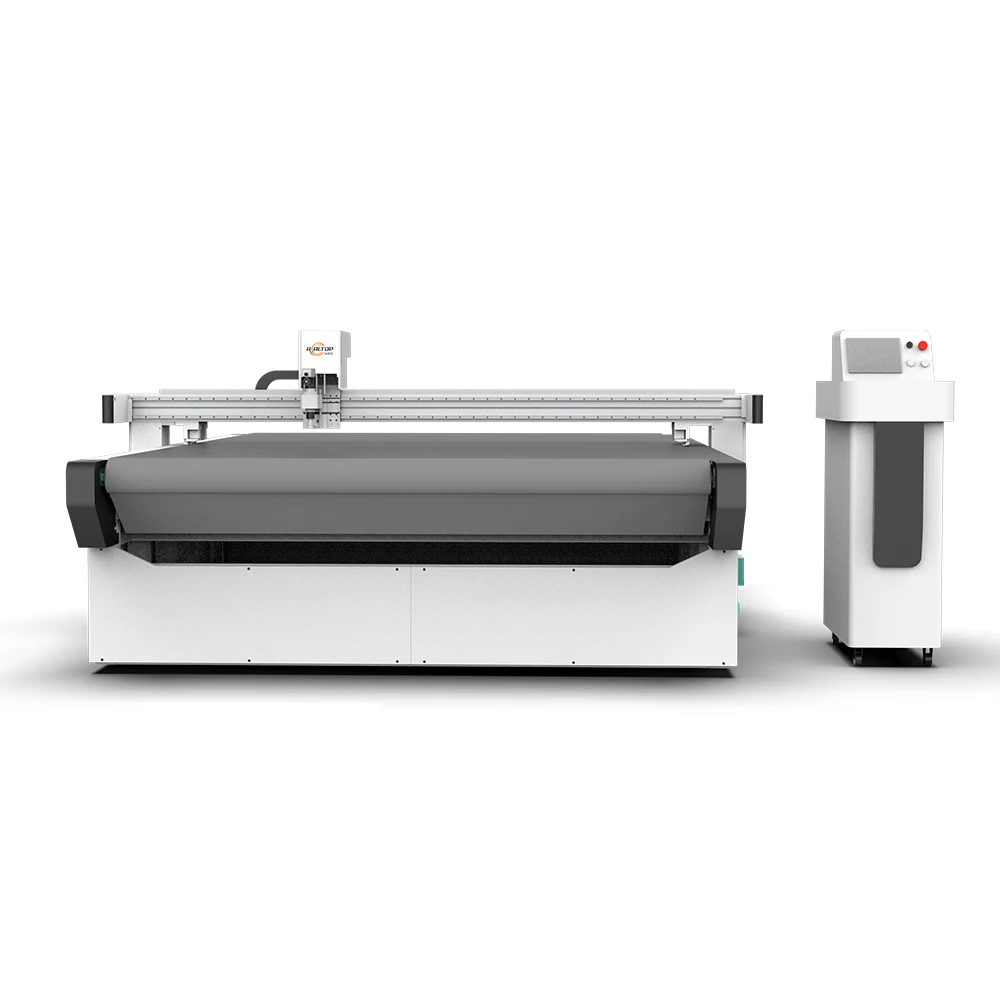
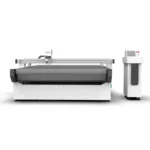
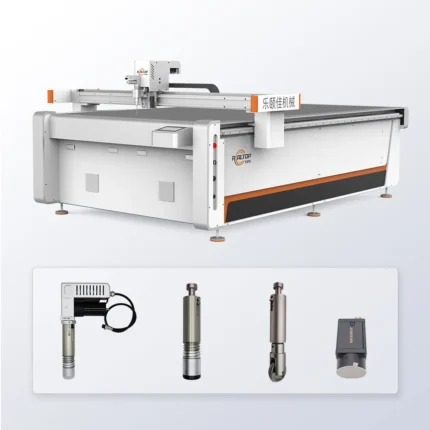
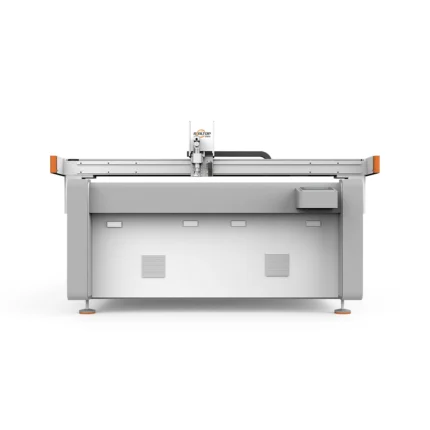
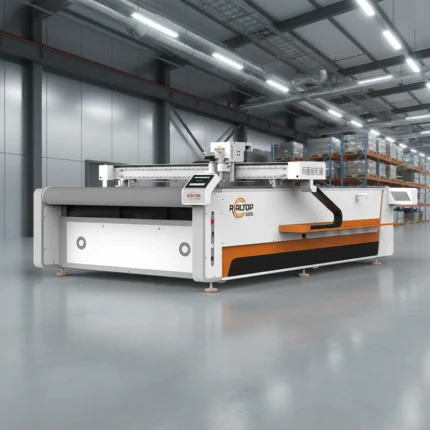
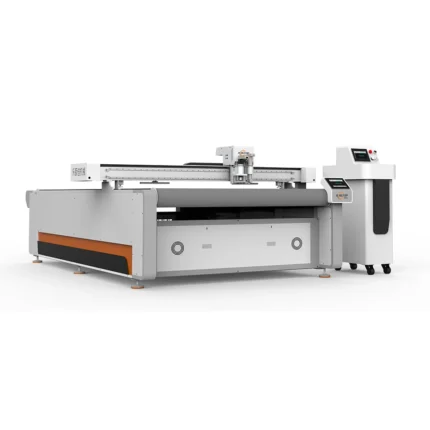
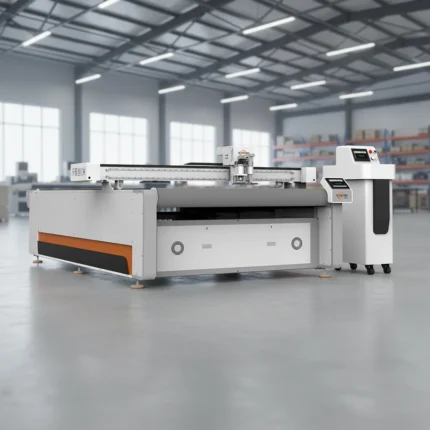
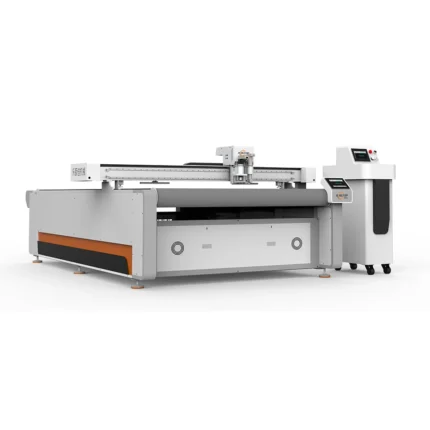
CNC Oscillating Knife Cutting Machine 1600×2500mm | Factory Supply
32568
In-house knife and laser design — tool head configurations specified per material thickness and production volume on the buyer’s actual fabric samples before order confirmation.
Technical Specifications
| Parameter | Value |
|---|---|
| Product Type | CNC Oscillating Knife Cutting Machine |
| Working Area | 1600 × 2500 mm |
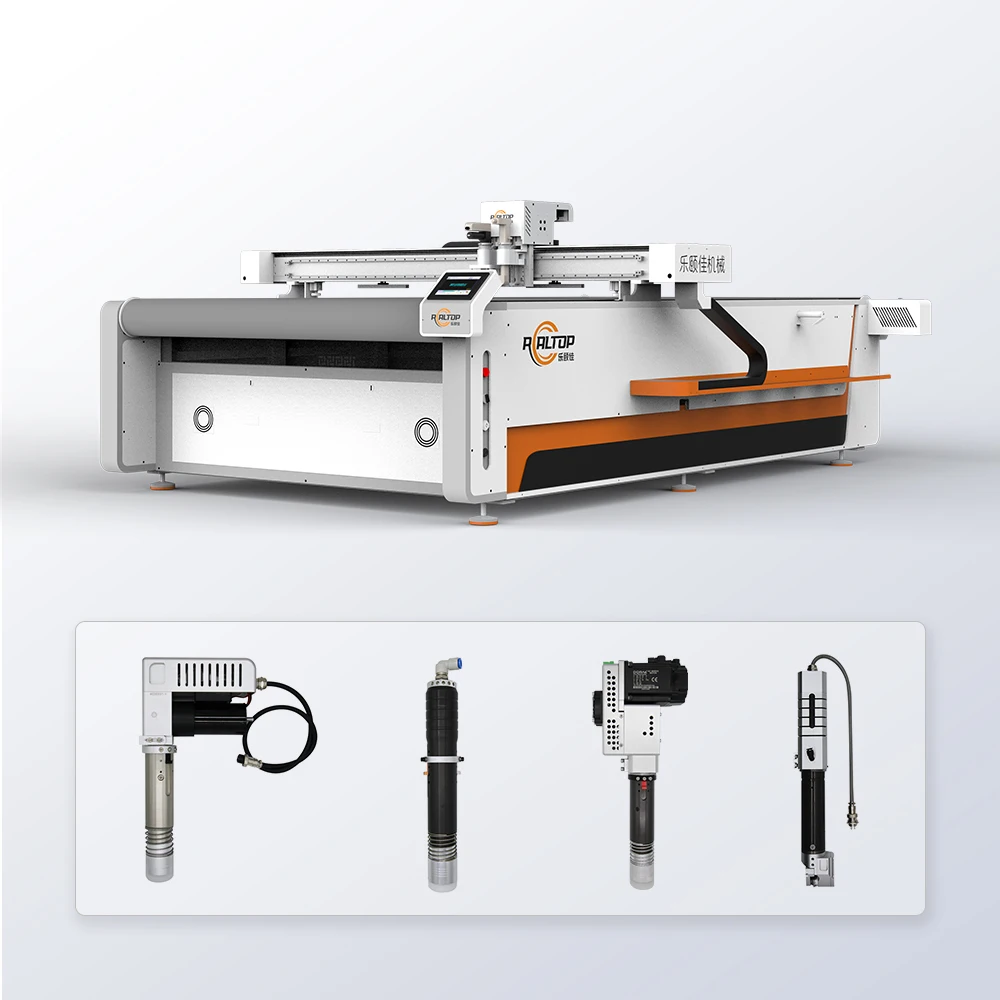
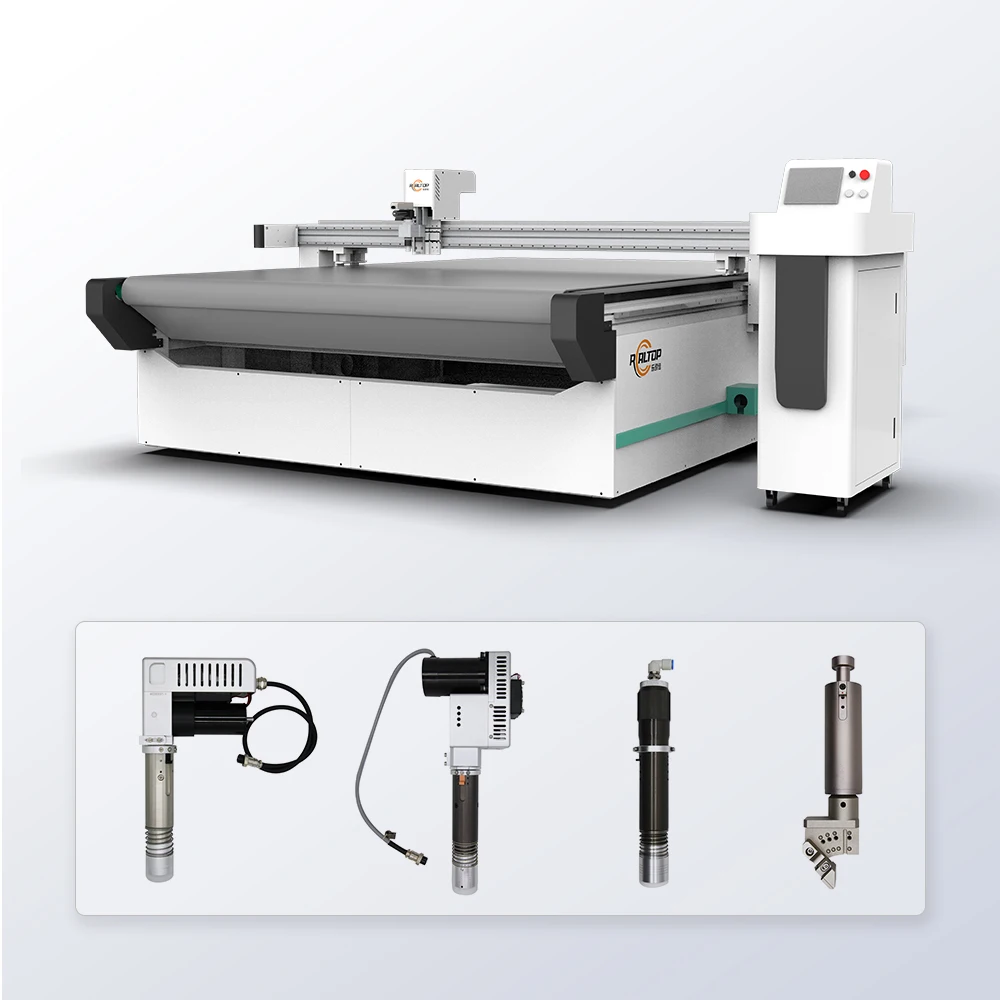
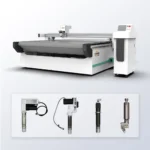
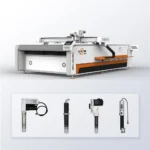
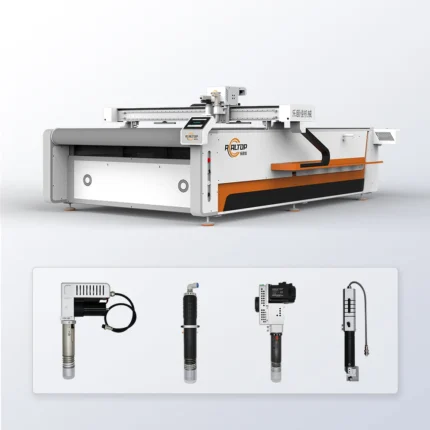
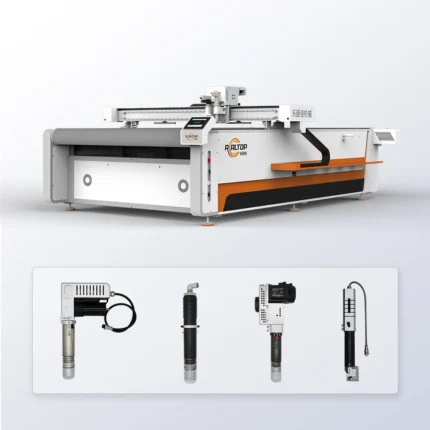
| Tool Head Options | Oscillating knife, Driven rotary knife, Creasing wheel, Kiss cutting tool, Pneumatic knife, Milling tool, V-groove knife |
| Maximum Cutting Thickness | ≤ 30 mm (basis not stated in source — confirm block format, material, and layer count) |
| Cutting Speed | 0 – 2000 mm/s |
| Positioning Accuracy | ±0.1 mm |
| Vacuum Pump | 9 kW |
| Vacuum Table | Aluminum bellows vacuum table |
| Control System | PLC control panel with optional display languages |
| Servo Motor Options | Panasonic, Delta, Dorna |
| Supported File Formats | PLT, DXF, AI, PDF |
| Voltage Options | 110V, 220V, 380V |
| Safety Devices | Infrared sensor device, emergency stop device |
| Machine Dimensions | 3300 × 2100 × 1350 mm |
Application Suitability
| Application | Material or Output |
|---|---|
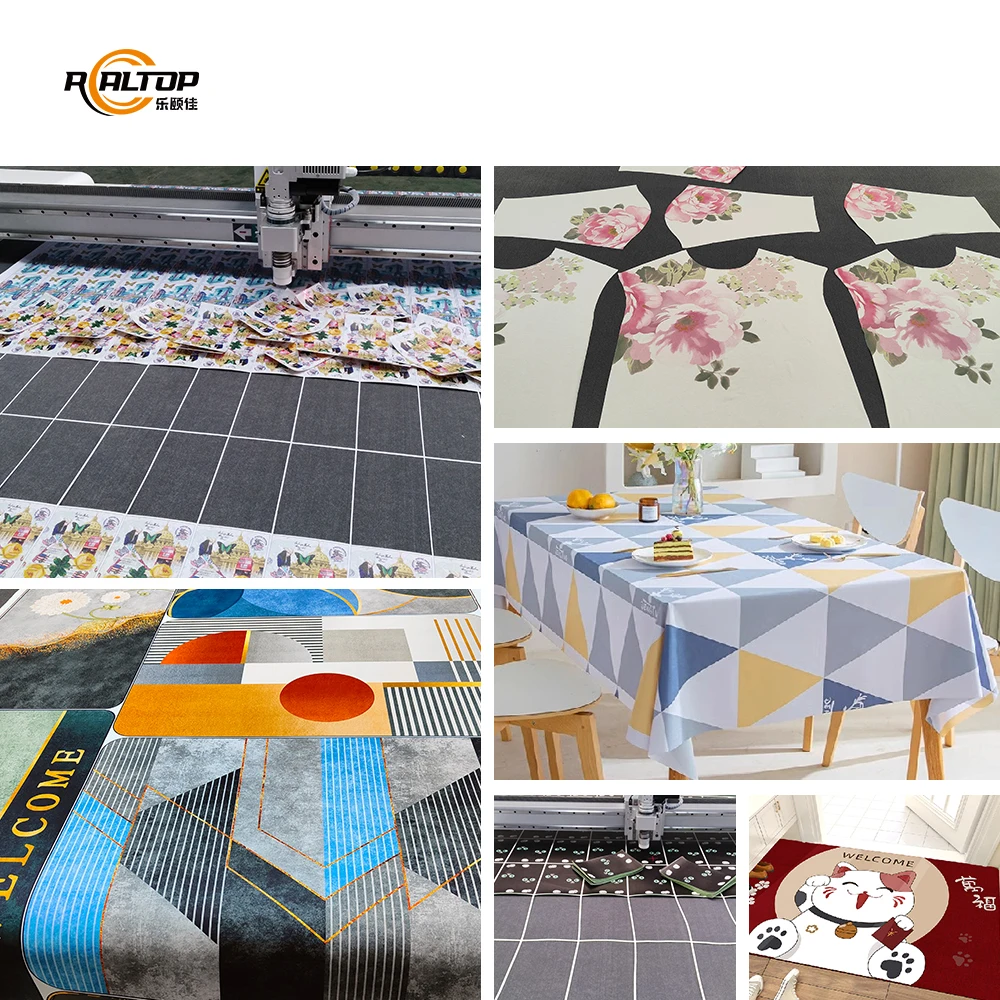
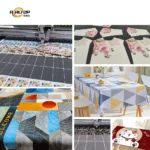
| Apparel manufacturing | Suits, knitwear, lace, complex multi-layer fabrics |
| Automotive interiors | Seat fabrics, carpets, PVC floor mats |
| Home textiles | Sofa fabrics, curtains, rugs, upholstery layers |
| Composite material processing | Carbon fiber prepreg, aramid, specialty reinforcement materials |
| Packaging sample making | Cardboard, corrugated carton, folding carton prototypes |
Why Material Thickness Claims Fail on the Production Floor
Specifying a CNC oscillating knife cutting machine manufacturer by working area alone, then discovering the tool head cannot penetrate your actual material stack, is the most expensive mistake in flatbed cutting procurement.
Cutting depth must be verified on your specific material at your required layer count before the purchase order is signed.
I have seen fabric producers commit to a machine based on a 30 mm maximum cutting thickness figure, only to find that figure applied to a single layer of low-density foam. When they loaded their actual 12-layer technical textile stack, the oscillating knife deflected, producing ragged edges on the bottom plies and forcing unscheduled blade changes mid-shift [NEED_CITE: material-specific cutting depth verification protocols for multi-layer textile stacks]. The thickness number on a spec sheet means very little without knowing what material and how many layers it was measured against.
Tool Head Selection Drives Edge Quality
An oscillating knife cutting table is only as effective as the tool head matched to the job. This platform supports seven distinct tool head configurations, and the correct choice depends on whether you are cutting woven fabric, non-woven composites, leather, or closed-cell foam. The oscillating knife handles most flexible materials cleanly, while the driven rotary knife suits continuous straight-line cuts on heavier textiles. The V-groove knife addresses bevel requirements for packaging and gasket work. Selecting the wrong head produces crushed edges, frayed layers, or excessive blade wear that operators often blame on the machine rather than the tooling mismatch.
Vacuum Hold-Down and Small-Part Stability
The aluminum bellows vacuum table paired with the 9 kW pump delivers the adsorption force necessary to keep flexible materials flat during high-speed cutting. When cutting small garment pattern pieces or intricate automotive interior shapes, inadequate vacuum zoning allows material lift at the cut boundary, shifting the workpiece and introducing dimensional error. The flatness of the aluminum table surface directly influences how evenly vacuum distributes across the working area. Buyers cutting a mix of large panels and small nested parts should confirm zone configuration against their typical nesting layout [NEED_CITE: vacuum table zoning requirements for nested small-part cutting on flatbed systems].
What the Core Parameters Mean for Your Cut Quality
The 2000 mm/s maximum cutting speed figure requires context: actual production speed depends on material density, layer count, and contour complexity. Tight corner work on intricate lace or automotive seat patterns requires the servo system to decelerate and re-accelerate constantly, making the ±0.1 mm positioning accuracy more relevant than peak speed for final part quality. The Panasonic, Delta, and Dorna servo options represent different performance and serviceability tiers that affect long-term motion consistency. The PLC control panel with configurable display languages reduces operator error when production staff are not fluent in the machine builder’s native language, a practical concern for export installations where on-site technical support is limited.
The Cost of Skipping Pre-Order Configuration Checks
When a buyer specifies voltage, plug type, and control language after the machine is already in production, the resulting modifications delay shipment and introduce rewiring risks that surface months later as intermittent control faults. I have walked into workshops where a 380V machine was connected to a 220V supply through an undersized transformer, causing the servo drives to overheat during sustained cutting cycles. The vacuum pump, servo motors, and PLC all draw from the same electrical architecture, so a voltage mismatch cascades through the entire system. Software file format incompatibility discovered at commissioning means the buyer’s existing nesting workflow cannot feed the machine directly, forcing manual file conversion that adds time and error to every production batch [NEED_CITE: electrical specification confirmation protocols before industrial equipment shipment].
Why Procurement Conversations Start Here
In-house design covers both knife and laser cutting technologies, so the cutting method is matched to the material rather than forcing one approach across every application. Tool head and table configuration are specified against the buyer’s material samples and daily volume targets, not selected from a fixed menu. CCD camera positioning is available for printed contour work where registration marks must be tracked at production speed. Software compatibility with DXF, PLT, AI, and PDF formats is confirmed before the order is placed, not discovered during installation. Sample cutting on the buyer’s own material generates a documented report showing edge quality, cutting speed, and dimensional accuracy before any commitment is made.
Documentation & Verification
- Machine specification sheet listing confirmed tool head and vacuum table configuration
- Electrical schematic with voltage and frequency matched to destination market
- Sample cutting report produced on buyer-supplied material with measured edge quality
- Software licence and file format compatibility note for DXF, PLT, AI, PDF workflows
- Factory test record documenting run parameters and accuracy measurements before dispatch
- Spare parts list identifying consumable blades, belts, and vacuum seals by part number
Installation, Commissioning & Support
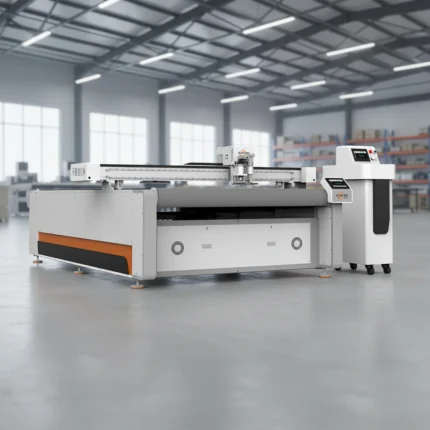
- Floor space requirement of approximately 3300 × 2100 mm with clearance for material loading on all sides
- Dedicated electrical circuit sized for 9 kW vacuum pump plus servo and PLC combined load
- Machine arrives assembled; vacuum table leveling and belt tension checked on-site during commissioning
- First-run parameter tuning performed on buyer’s actual material to establish baseline cutting speed and blade pressure
- Operator training covers tool head changeover, nesting file import, and vacuum zone adjustment
- Consumable blade inventory and replacement schedule provided based on material abrasiveness
- Preventive maintenance intervals documented for belt inspection, vacuum seal replacement, and servo calibration
Preparing Your Material Data for a Configuration Proposal
To move from general inquiry to a specific machine configuration, the useful starting information includes the exact material type, layer count, and maximum sheet dimensions you plan to cut. Your current file format and nesting software workflow determine whether the PLC can import jobs directly or whether a conversion step is needed. Confirming the local voltage and frequency at your facility, along with the preferred control language for operators, allows the electrical package to be finalized before production begins. If your material has coatings, laminations, or unusual density characteristics, sending a sample for cutting tests produces the most reliable configuration recommendation.
Frequently Asked Questions
Q: How is cutting thickness verified for my specific material and layer count?
A: We run cutting tests on the actual material you supply, at the layer count you intend to use in production. The test documents blade type, cutting speed, edge quality across all layers, and dimensional accuracy. You receive the sample report before committing to the order, so there is no uncertainty about what the machine will deliver on your shop floor.
Q: Which tool head should I choose for my material?
A: The selection depends on material type, thickness, and edge quality requirement. Oscillating knives suit most flexible materials; driven rotary knives handle heavier textiles; creasing wheels and kiss cutting tools address packaging work. We test multiple heads on your sample material and recommend the configuration that produces the cleanest edge at sustainable production speed.
Q: Will my existing DXF or AI nesting files work with this machine?
A: The control system supports PLT, DXF, AI, and PDF file import. We verify compatibility with your specific nesting software output before the order is placed, not during installation. If any conversion or formatting adjustment is needed, we document it in the software compatibility note provided with your machine documentation.
Q: What voltage and language options are available for export installations?
A: The machine is configurable for 110V, 220V, or 380V supplies. The PLC control panel supports English, Russian, Italian, and Chinese display languages, with additional languages available on request. We confirm voltage, frequency, plug type, and control language before production begins to avoid modification delays after build completion.
Q: Can the vacuum table hold small nested parts securely during cutting?
A: The aluminum bellows vacuum table with the 9 kW pump provides strong adsorption across the working surface. For small parts, zone configuration matters more than total pump capacity. We review your typical nesting layout and configure vacuum zones to maintain hold-down force on the smallest pieces in your production mix.


Related products
2026 Carbon Fiber Cloth Cutting Machine – China Manufacturer
Product Introduction
Fabric Sample Cutter Pillow Machine ¨C 2026 Carbon Fiber Cloth Cutting Machine, ideal for precise cutting of carbon fiber cloth and fabric samples, suitable for pillow production and related textile applications.Product Parameters
| Name | Fabric Sample Cutter Pillow Machine |
| Model | 2026 |
| Material | Carbon Fiber Cloth |
| Application | Pillow Fabric Cutting |
2026 CNC Knife Cutting Machine for Fabric Leather PVC Hot Sale
Product Introduction
2026 Hot Sale CNC Knife Cutting Machine for Fabric, Leather, PVC. Ideal for precise cutting of various materials with advanced CNC technology, perfect for manufacturing needs.
Product Parameters
| Application | Fabric, Leather, PVC |
| Type | CNC Knife Cutting Machine |
| Feature | Precision Cutting |
| Year | 2026 Model |
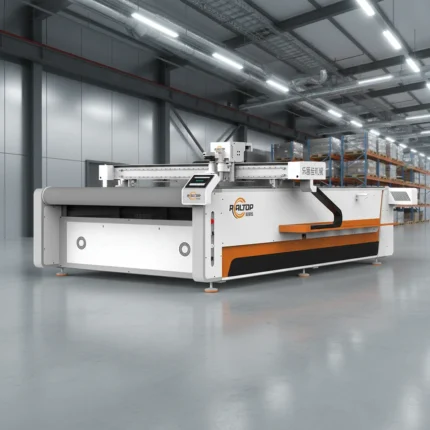
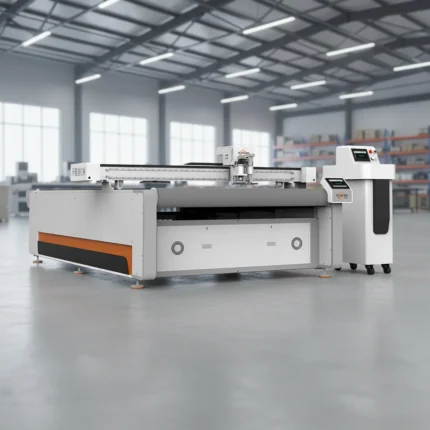
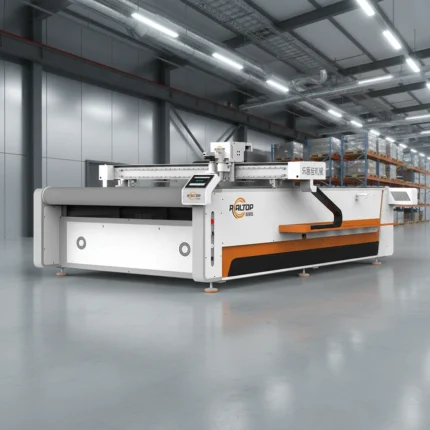
Jinan Realtop CNC Fabric Slitting Cutter 2026: Advanced Flexible Material Cutter
Product Introduction
Jinan Realtop CNC Fabric Slitting Cutter 2026 is a high-performance cutting equipment designed for precise fabric processing, ideal for industrial manufacturing needs with reliable CNC technology.Specifications
| Model | 2026 |
| Type | CNC Fabric Slitting Cutter |
| Manufacturer | Jinan Realtop |
| Application | Fabric Processing |
| Control System | CNC |
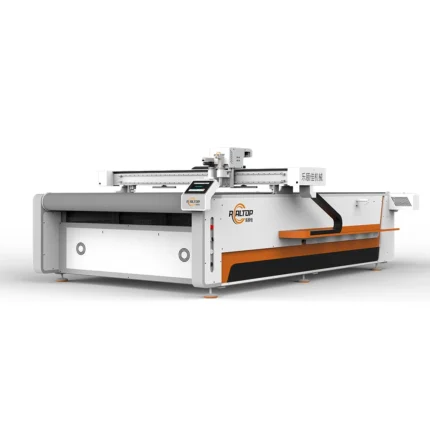
Jinan Realtop CNC Oscillating Knife Cutter 2026
Product Introduction
Jinan Realtop CNC Oscillating Knife Cutter 2026, a precision cutting solution from China's leading welding & cutting equipment manufacturer, ideal for efficient material processing with advanced CNC technology.
Key Specifications
| Model | 2026 |
| Type | CNC Oscillating Knife Cutter |
| Manufacturer | Jinan Realtop |
商品评价
There are no reviews yet.