


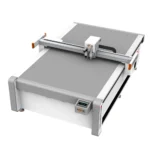
CNC Vibrating Knife Cutter for Corrugated Pizza Boxes – Production Line
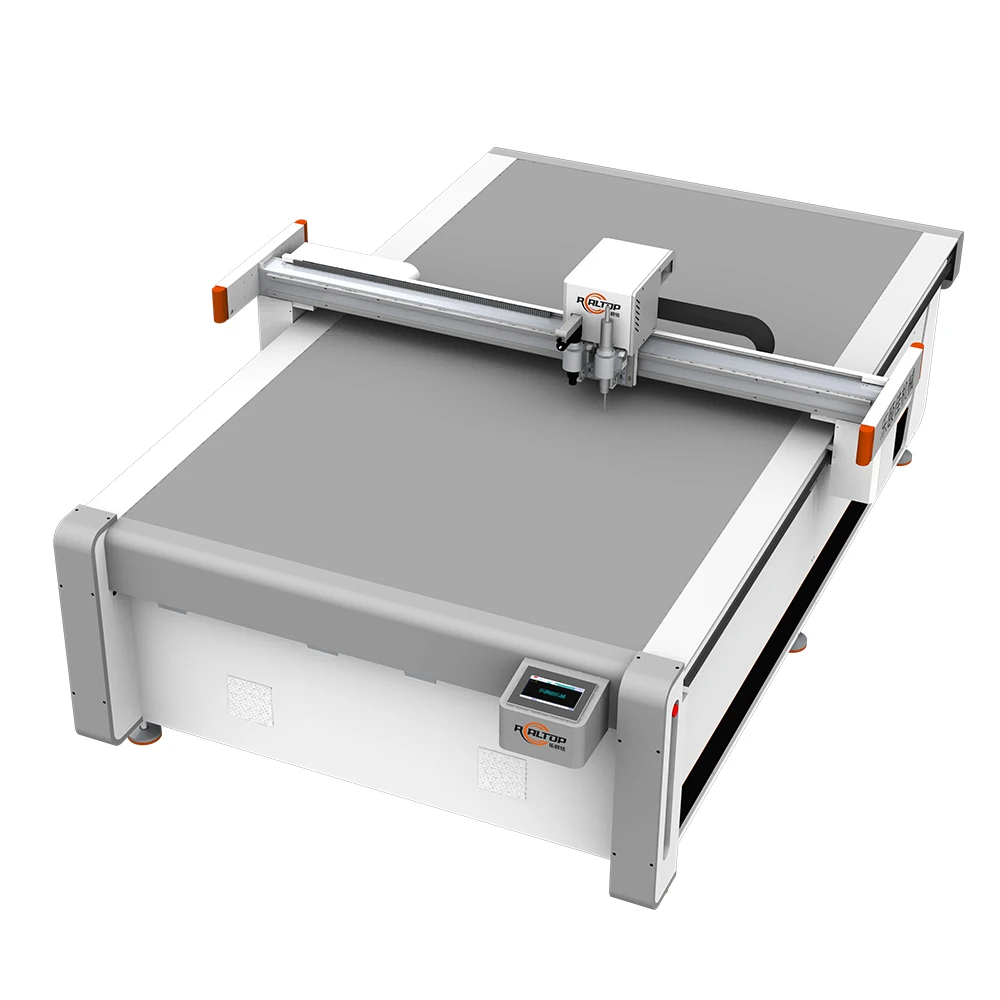
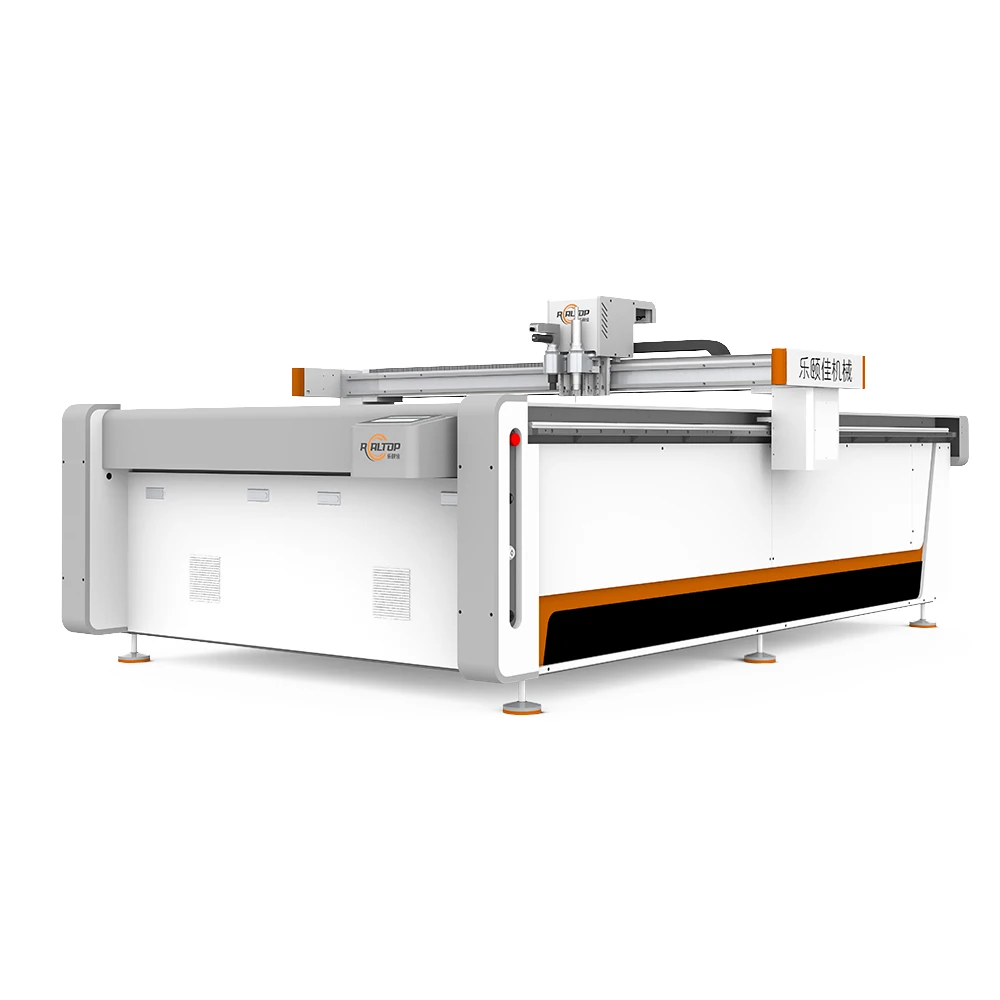
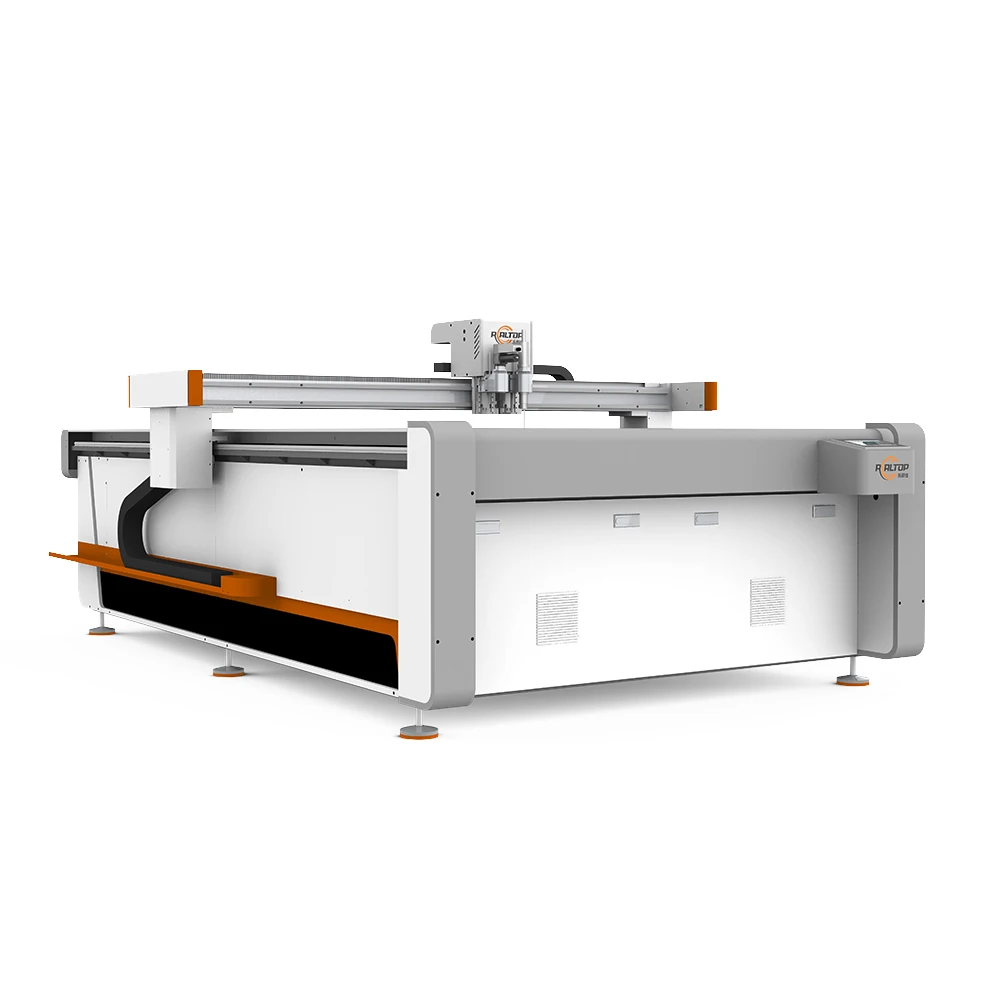
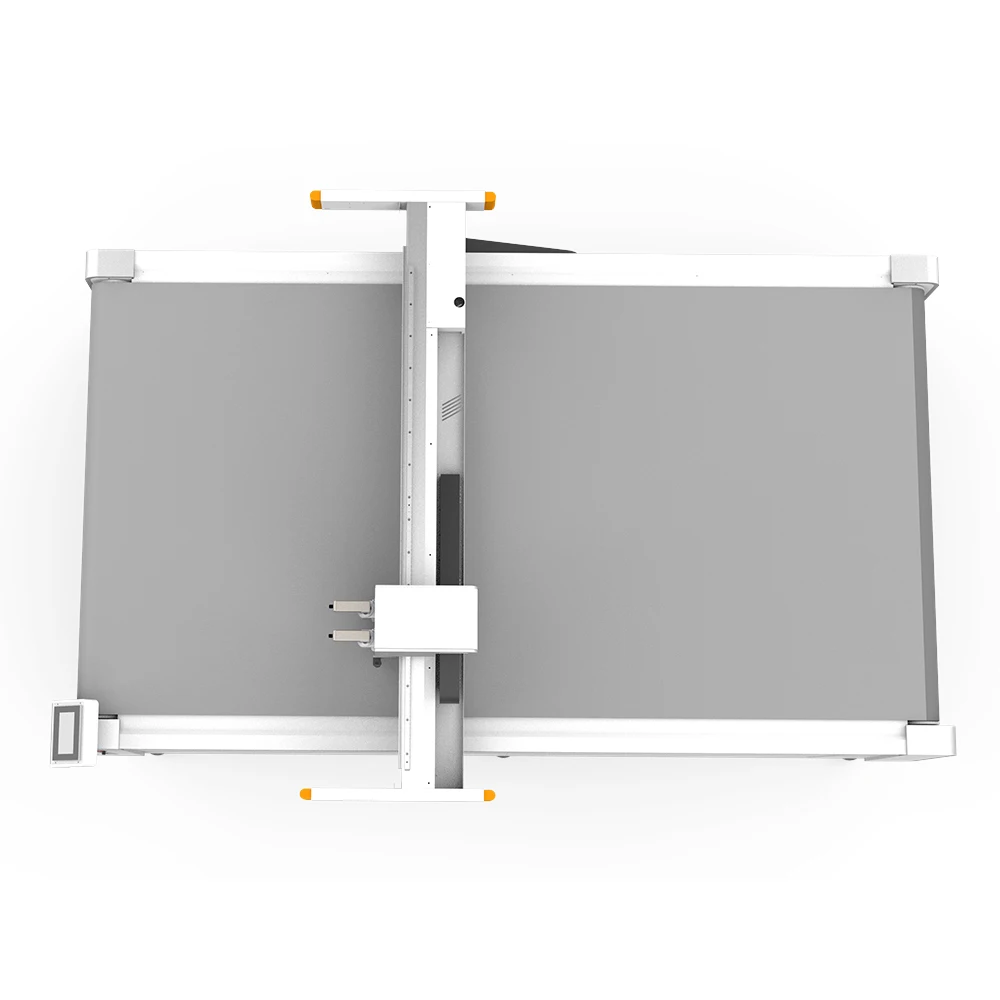
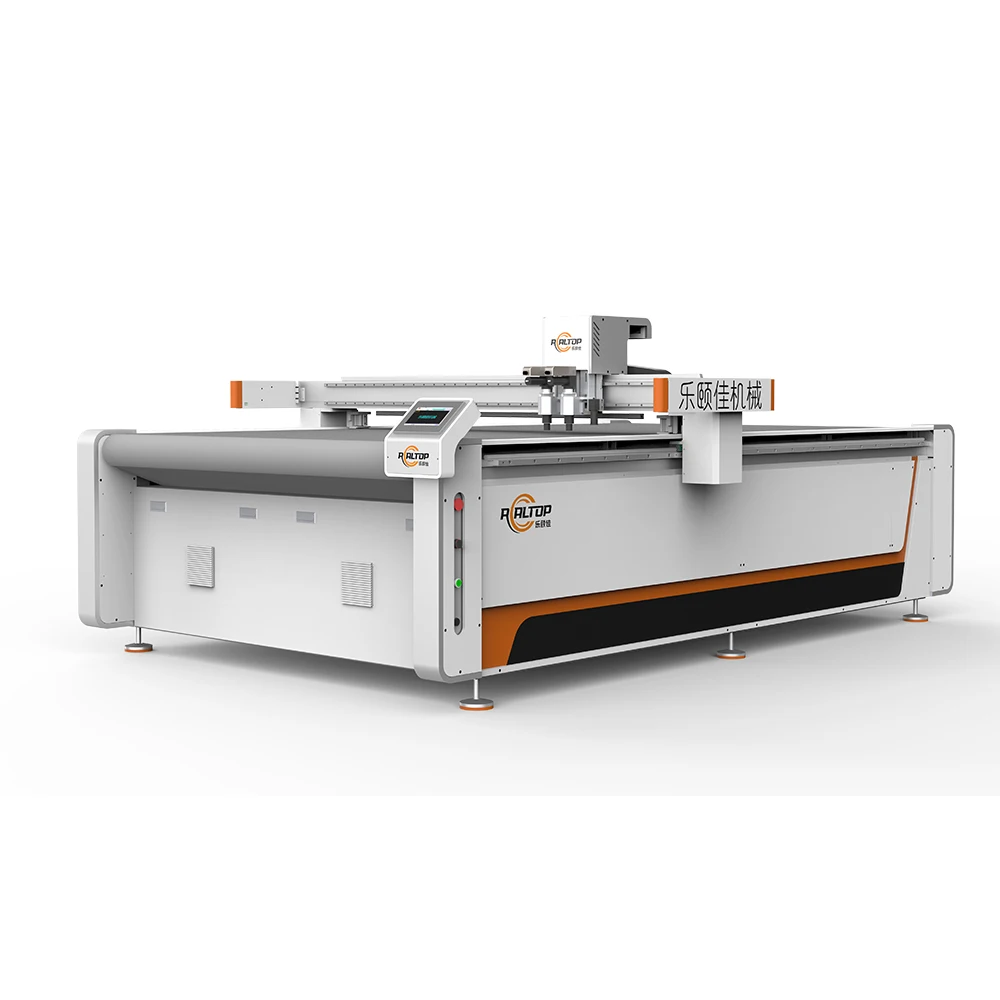
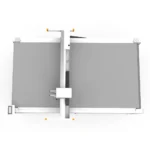
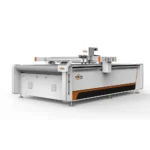
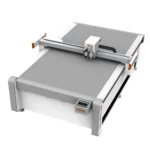
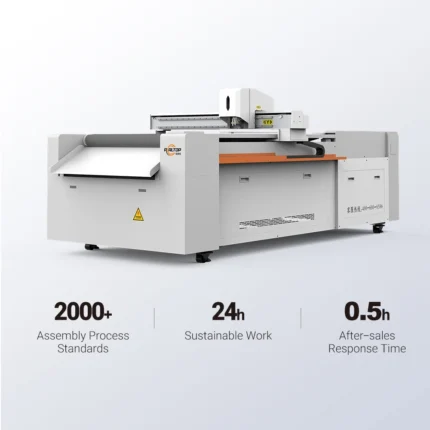
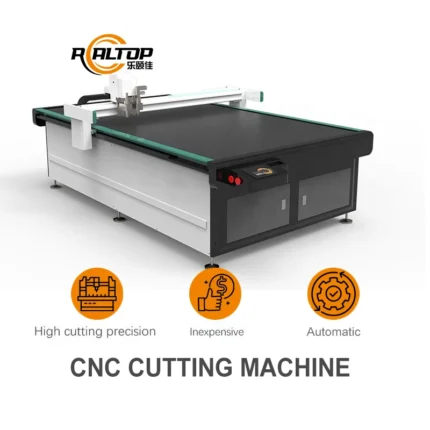
CNC Oscillating Knife Cutting Table, 1600×2500 mm Working Area, Multi-Tool Head Configuration — designed for corrugated pizza box and packaging production. Tool heads including oscillating knife, creasing wheel and V-groove cutter are matched to your flute type and board thickness, while the aluminum bellows vacuum table secures sheets across the full surface for ±0.1 mm accuracy during high-speed cutting.
Laser and knife technologies developed in-house mean the cutting method fits your material, not the other way around — sample cutting on your actual corrugated stock verifies edge quality and creasing depth before you commit.
- PLC control with English, Russian, Italian and Chinese interface options
- File formats: PLT, DXF, AI, PDF supported with dedicated packaging structure design software
- Voltage options: 110V, 220V, 380V confirmed with electrical schematic before shipment
Cutting Method Matched to Board — In-house design covering both knife and laser cutting technologies allows pizza box producers to verify flute type, thickness and edge quality on their own corrugated stock before committing to a configuration.
Technical Specifications
| Parameter | Value |
|---|---|
| Product Type | CNC Oscillating Knife Cutting Table |
| Working Area | 1600×2500 mm |
| Tool Head Options | Oscillating knife, Driven rotary knife, Creasing wheel, Kiss cutting tool, Pneumatic knife, Milling tool, V-groove knife |
| Cutting Speed | 0–1500 mm/s |
| Cutting Thickness | ≤ 40 mm (basis not stated in source — confirm material type and density) |
| Cutting Accuracy | ±0.1 mm |
| Vacuum Table Type | Aluminum bellows vacuum table |
| Vacuum Pump Power | 9 kW |
| Control System | PLC control panel |
| Servo Motor Options | Panasonic, Delta, Dorna |
| Supported File Formats | PLT, DXF, AI, PDF |
| Software | Dedicated packaging box structure design software |
| Voltage Options | 110V, 220V, 380V |
| Language Options | English, Russian, Italian, Chinese; special languages customizable |
| Safety Devices | Infrared sensor, emergency stop |
| Machine Dimensions (L×W×H) | 3300×2100×1350 mm |
| Certification | CE |
Application Suitability
| Application | Material or Output |
|---|---|
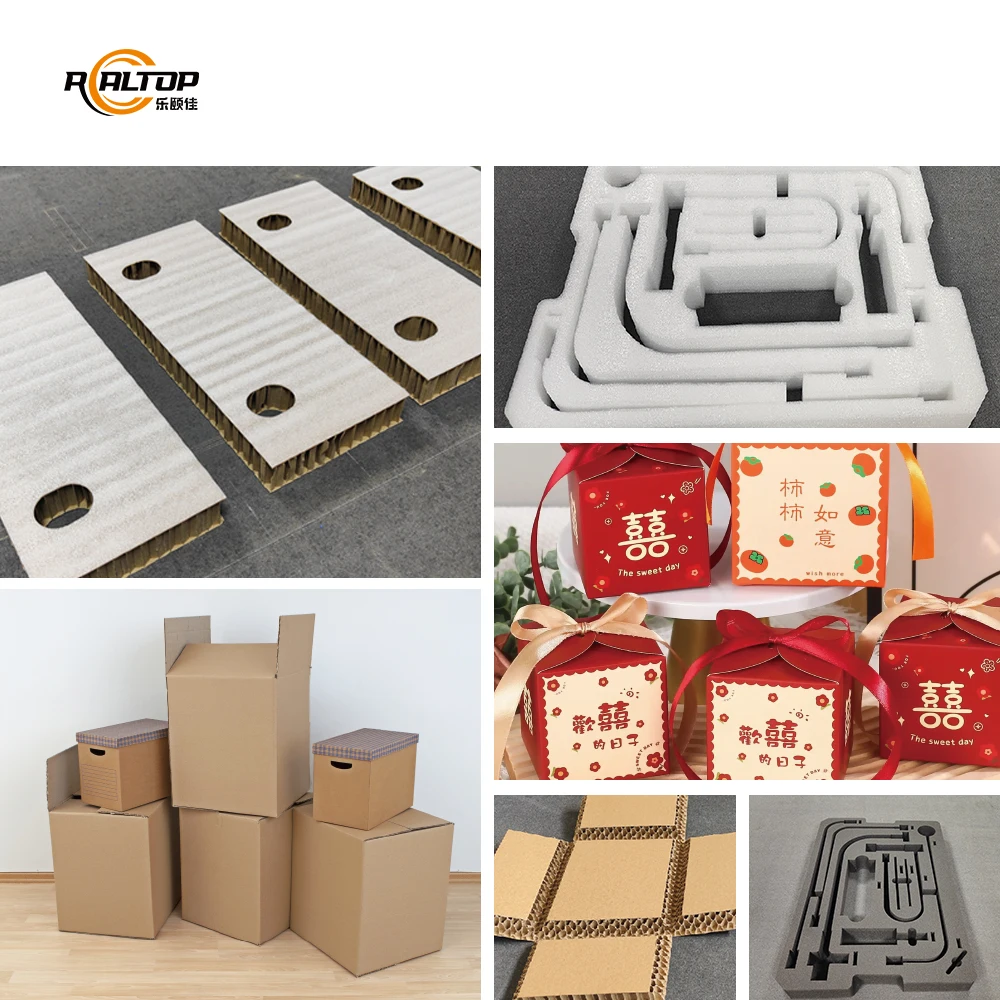
| Pizza box and food packaging | E-flute, B-flute and BC-flute corrugated cardboard |
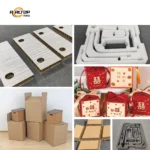
| Carton sample making and short-run production | Greyboard, cardstock, art paper, specialty paper |
| Custom protective inserts and dividers | EVA foam, EPE foam, PU foam |
| Display packaging and die-cut shapes | Thin plastic sheets (PVC, PET), composite materials |
| Gasket and non-metal flat cutting | Rubber mats, leather, synthetic leather, adhesive-backed materials |
Why the Flute Type Should Drive the Tool Head Decision
The oscillating knife that slices through B-flute cleanly can crush E-flute or leave ragged edges on BC-flute. A working area and cutting speed alone do not tell you whether the machine will handle the board you actually run. I have seen packaging shops receive a flatbed cutter only to discover the configured tool head was matched to a standard single-wall board while their daily production uses a denser, harder flute profile. The result is torn edges, crushed corrugation at the cut line and wasted sheets while operators chase parameters. [NEED_CITE:corrugated flute profiles and compressive strength differences]
This CNC oscillating knife cutting table for packaging addresses that gap by offering seven selectable tool heads — from oscillating knife and driven rotary knife to creasing wheel and V-groove knife — so the configuration is locked to the buyer’s real material stack before the order is confirmed. Sample cutting on the buyer’s own corrugated stock is part of the standard process, not an optional extra.
Tool Head Selection Across Flute Profiles
Every corrugated flute has a different crush resistance and wall thickness, which means the cutting force and blade oscillation frequency must be matched accordingly. E-flute requires a lighter, faster stroke to avoid collapsing the fine channels, while BC-flute demands more downward pressure and a deeper blade penetration. This CNC oscillating knife cutting table for packaging supports rapid tool head changes between oscillating knife, creasing wheel, kiss cutting and V-groove tools, letting operators switch between a pizza box blank, an insert tray and a scored divider on the same machine without reconfiguring the table.
Vacuum Holding for Nested and Small-Part Layouts
A common frustration in packaging sample making is watching small cut parts lift off the table as the knife exits a cut, ruining the layout and wasting the sheet. The aluminum bellows vacuum table on this system provides full-surface adsorption with high flatness, keeping corrugated sheets firmly seated even when the layout is dense with small nested parts. The 9 kW vacuum pump is sized to maintain suction across the entire 1600×2500 mm working area without pressure drop at the edges. [NEED_CITE:vacuum table holding force requirements for corrugated sheet cutting]
Reading the Spec Sheet Against the Board You Run
The listed cutting thickness of ≤ 40 mm is a starting point, not a guarantee. Corrugated board is a composite structure, and its effective cutting resistance depends on flute count per meter, liner weight and moisture content. A 40 mm BC-flute board behaves very differently from a 40 mm solid greyboard under the same oscillating knife. The ±0.1 mm cutting accuracy is achievable when the correct servo drive — Panasonic, Delta or Dorna — is paired with the right tool head and vacuum setting for the material. Buyers should treat thickness as one variable among several, and verify the actual cutting result on their own board sample before finalizing the configuration.
The Cost of Skipping a Sample Cut
When a packaging producer commits to a cutting machine based on working area and price alone, the hidden costs surface during the first week of production. Ragged edges on pizza box blanks mean rejected batches and manual trimming. A creasing wheel set for the wrong board weight produces shallow scores that crack the liner on folding. A vacuum table without adequate zoning for small nested parts causes sheet lift and forces operators to tape edges down, slowing throughput and introducing positional errors. These issues are not operator mistakes — they are configuration mismatches that could have been caught with a material-specific test before the machine left the factory. [NEED_CITE:corrugated board cutting quality factors in digital die cutting]
Why Buyers Source This Equipment Here
The design and production of both knife and laser cutting systems happen under one roof, so a packaging buyer can evaluate which cutting method suits their material mix rather than being locked into a single technology. Each tool head and vacuum table combination is specified against the buyer’s actual flute types and board thickness range, not a generic default. File format compatibility — PLT, DXF, AI, PDF — is confirmed against the buyer’s existing design workflow before the order ships. Voltage, plug type and control panel language are documented for the destination market so there are no surprises at installation. Sample cutting on the buyer’s own corrugated material produces a verifiable report covering edge quality, crease depth and dimensional accuracy.
Documentation & Verification
- Factory test record run on buyer’s corrugated flute types and board thicknesses
- Tool head and vacuum table configuration list matched to specific packaging applications
- Electrical schematic and voltage confirmation sheet for destination market
- Software licence and file format compatibility note for existing design workflow
- CE declaration with machine directive compliance noted
- Packing photographs documenting machine condition before crate closure
Installation, Commissioning & Support
- Floor loading assessment for 3300×2100×1350 mm machine footprint and weight distribution
- Dedicated electrical circuit provision for selected voltage option and 9 kW vacuum pump
- Assembly and level adjustment of aluminum bellows vacuum table on site
- First-run parameter tuning on buyer’s corrugated board for oscillation frequency and cut depth
- Operator training on tool head changeover between creasing wheel, oscillating knife and V-groove
- Spare parts list with recommended consumable blades and belt intervals
What to Include in Your Inquiry
To receive a configuration that matches your production reality, share the corrugated flute types and board thicknesses you run most often, along with typical box blank dimensions and daily sheet volume. Specify your local voltage and frequency, preferred control panel language and the design software you currently use for packaging layouts. If you can send a sample of your actual board stock, we will run a cutting test and return a report with edge quality photos and measured dimensions before you commit to an order.
Frequently Asked Questions
Q: How is the cutting thickness capacity verified for corrugated board?
A: The ≤ 40 mm figure is a general range. Actual cutting capacity depends on flute type, liner weight and board density. We run your specific corrugated stock on the machine and document edge quality, cutting force required and dimensional accuracy in a sample report before the order is finalized.
Q: Which tool heads do I need for E-flute versus BC-flute pizza boxes?
A: E-flute typically pairs with a high-frequency oscillating knife and a light creasing wheel, while BC-flute often requires a pneumatic knife and a heavier creasing wheel. The exact combination is confirmed during sample cutting on your board to ensure clean edges and proper fold scores.
Q: Can the vacuum table hold small nested packaging parts securely?
A: The aluminum bellows vacuum table provides full-surface adsorption across the 1600×2500 mm area. Zoning capability and pump capacity are matched to your typical nesting layout so that small parts stay flat during cutting without manual taping or edge weighting.
Q: Will the software work with my existing packaging design files?
A: The dedicated packaging structure design software supports PLT, DXF, AI and PDF imports. Before the order, we confirm compatibility with your current file formats and nesting workflow so there is no disruption to your design process when the machine arrives.
Q: How are voltage, plug type and panel language handled before shipment?
A: Your destination voltage (110V, 220V or 380V), frequency, plug standard and preferred control language are confirmed in writing and documented in the electrical schematic before production begins. Custom languages beyond English, Russian, Italian and Chinese are available on request.


Related products
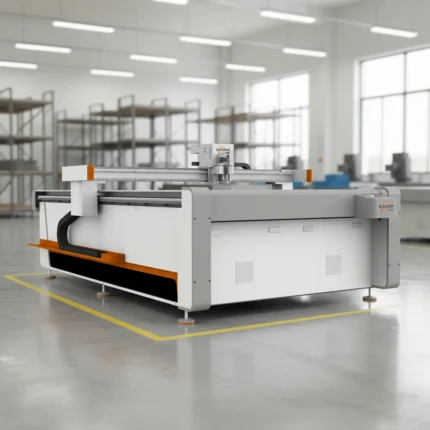
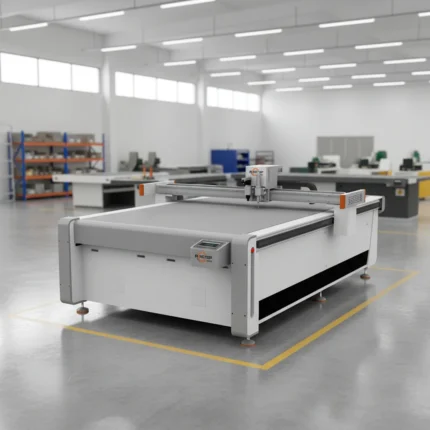
2026 Digital Flatbed Cutting Plotter Auto Corrugated Box Die Cutter
Product Introduction
Digital Flatbed Cutting Plotter 2026, ideal for auto corrugated box die cutting, offering precision and efficiency for professional packaging production.Specifications
| Type | Digital Flatbed Cutting Plotter |
| Model | 2026 |
| Application | Auto Corrugated Box Die Cutting |
| Function | Precision Cutting & Plotting |
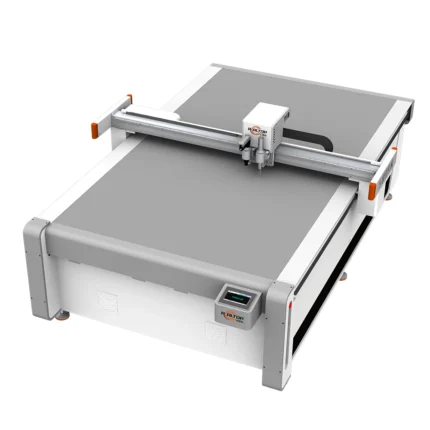
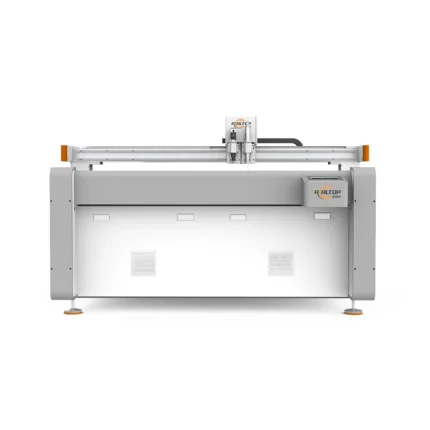
Automatic CNC Cutter Plotter 2026 Flat Bed Cardboard Cutter
Product Introduction
Automatic CNC Cutter Plotter 2026 is a flat bed cardboard cutting machine designed for precise and efficient cutting tasks. Ideal for various cardboard processing needs, it combines advanced CNC technology to deliver accurate results, suitable for manufacturing and packaging applications.Product Parameters
| Type | Automatic CNC Cutter Plotter |
| Model | 2026 |
| Design | Flat Bed |
| Application | Cardboard Cutting |
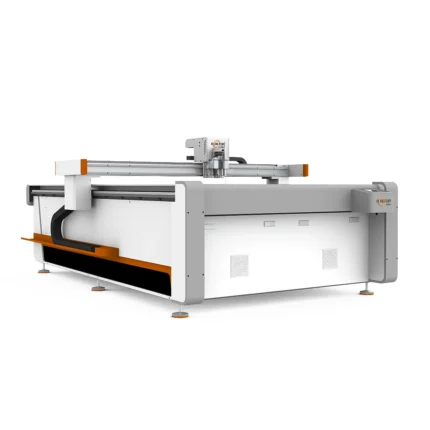
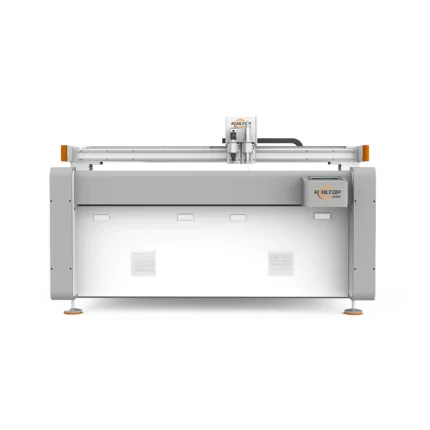
CNC Flatbed Cutter 2026 Digital Corrugated Box Making Machine
Product Introduction
High-precision CNC flatbed cutter designed for efficient cardboard box production. Ideal for 2026 digital corrugated box manufacturing, offering precise cutting and reliable performance for professional packaging solutions.
Key Specifications
| Type | CNC Flatbed Cutter |
| Application | Cardboard Box Production |
| Technology | 2026 Digital System |
| Material | Corrugated Board |
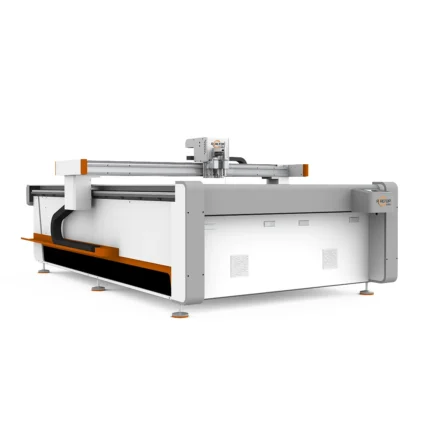
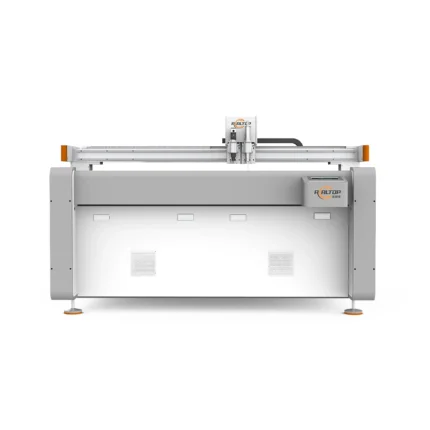
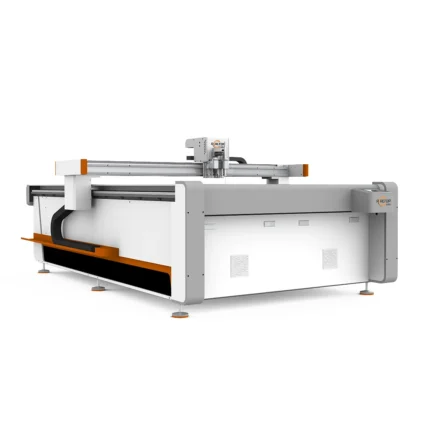
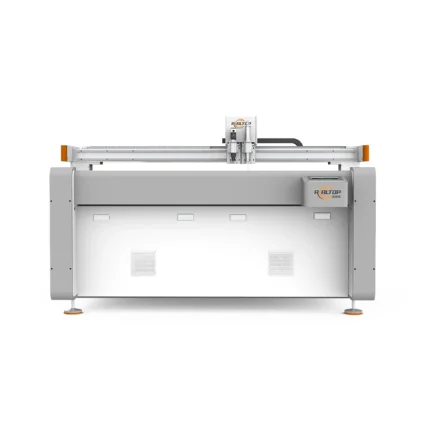
Digital Box Cutter 2026 Oscillating Knife Cardboard Cutter
Product Parameters
| Model | Digital Box Cutter 2026 |
| Cutting Type | Oscillating Knife |
| Material | Corrugated Cardboard |
Introduction
Professional oscillating knife cutting machine for corrugated cardboard. Ideal for precise, efficient cutting in packaging production. Reliable performance from China's leading welding & cutting equipment manufacturer.


Digital CNC Cardboard Cutting Machine 2026
Product Introduction
High-precision Digital CNC Cardboard Cutting Machine 2026, ideal for efficient cardboard processing with advanced CNC technology, ensuring precise and fast cutting performance for various packaging and craft applications.
Key Specifications
| Model | 2026 |
| Type | Digital CNC Cutting Machine |
| Material | Cardboard |
| Feature | High Precision, Efficient Cutting |
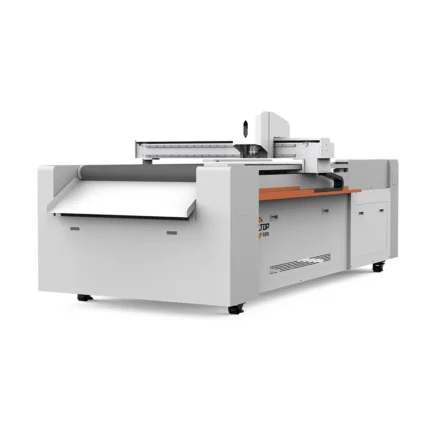

Realtop 2026 CNC Oscillating V-Cut Machine
Product Introduction
Realtop CNC Oscillating V-Cut Machine 2026 is a precision equipment designed for efficient V-cutting operations, ideal for various material processing needs with advanced CNC technology.
Key Specifications
| Model | Realtop CNC Oscillating V-Cut Machine 2026 |
| Type | CNC Oscillating V-Cut Machine |
| Application | Precision V-cutting operations |
| Feature | Advanced CNC technology |
商品评价
There are no reviews yet.