

Composites CNC Cutting Machine for Gasket – Manufacturer13
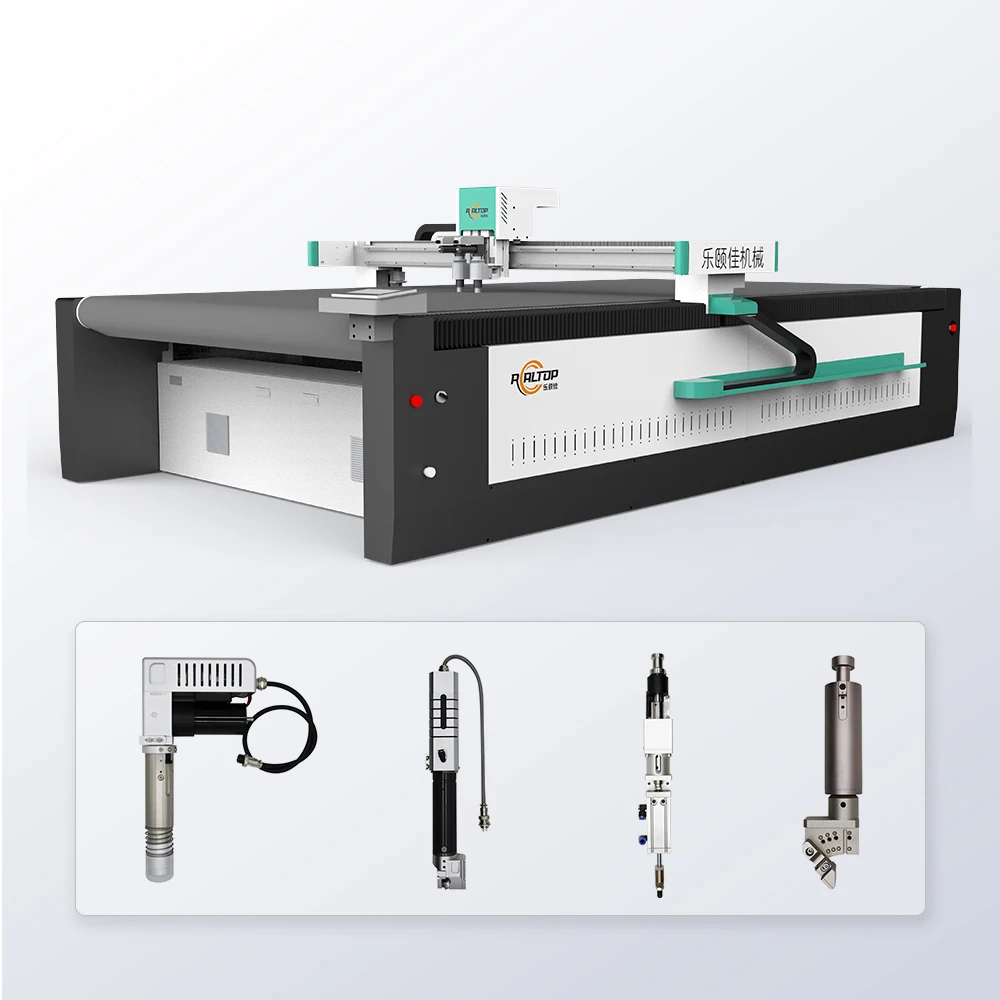
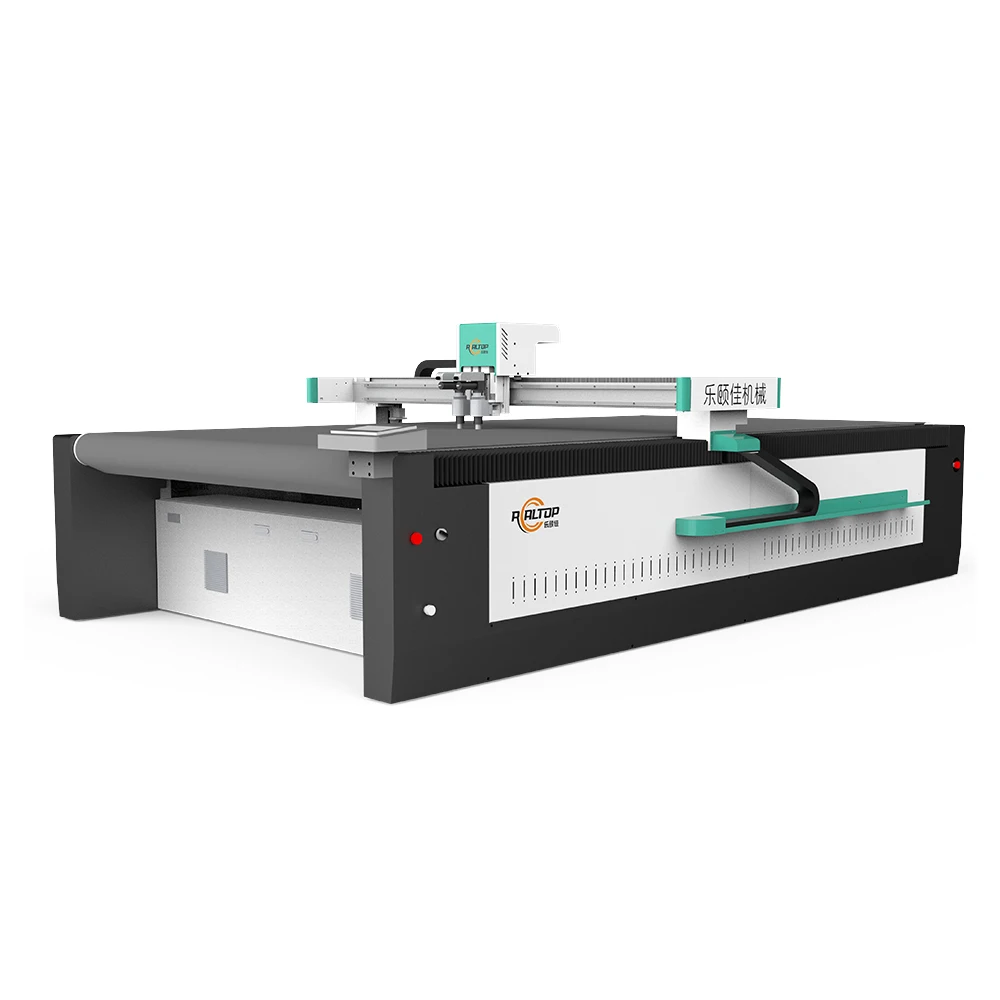
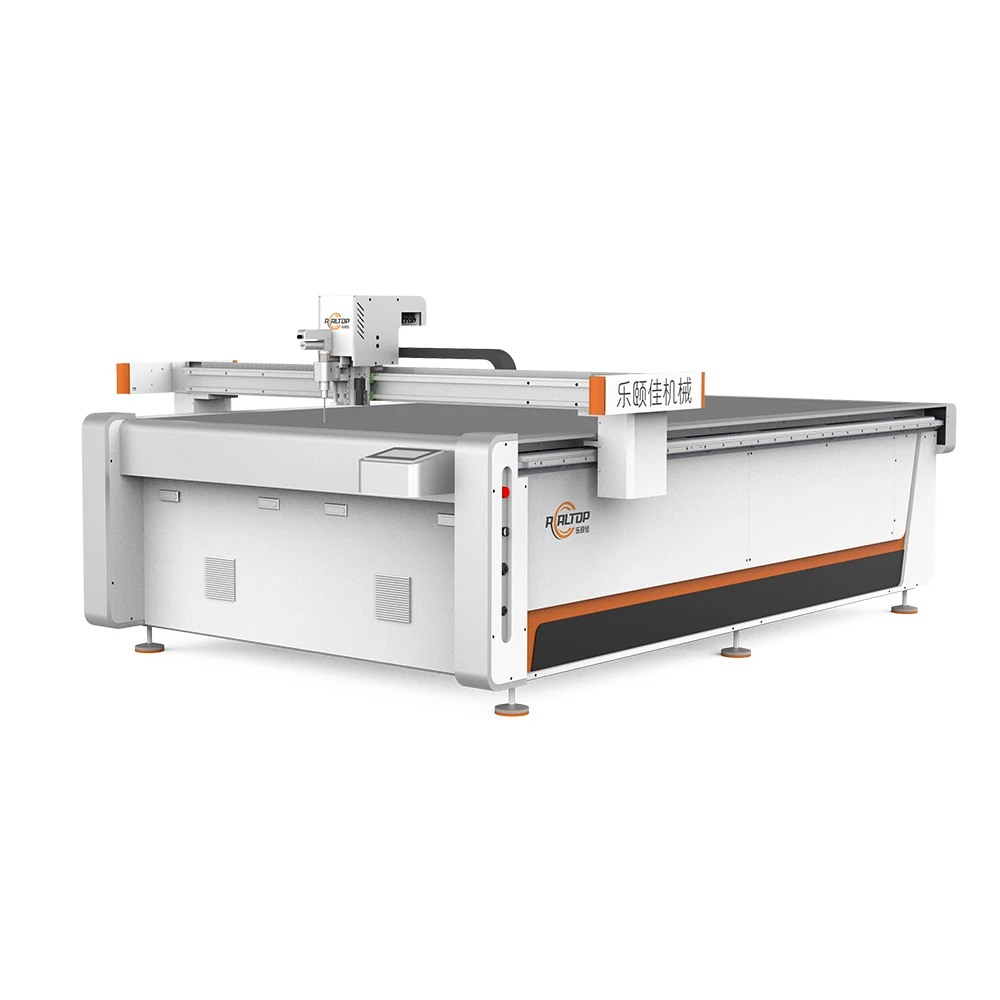
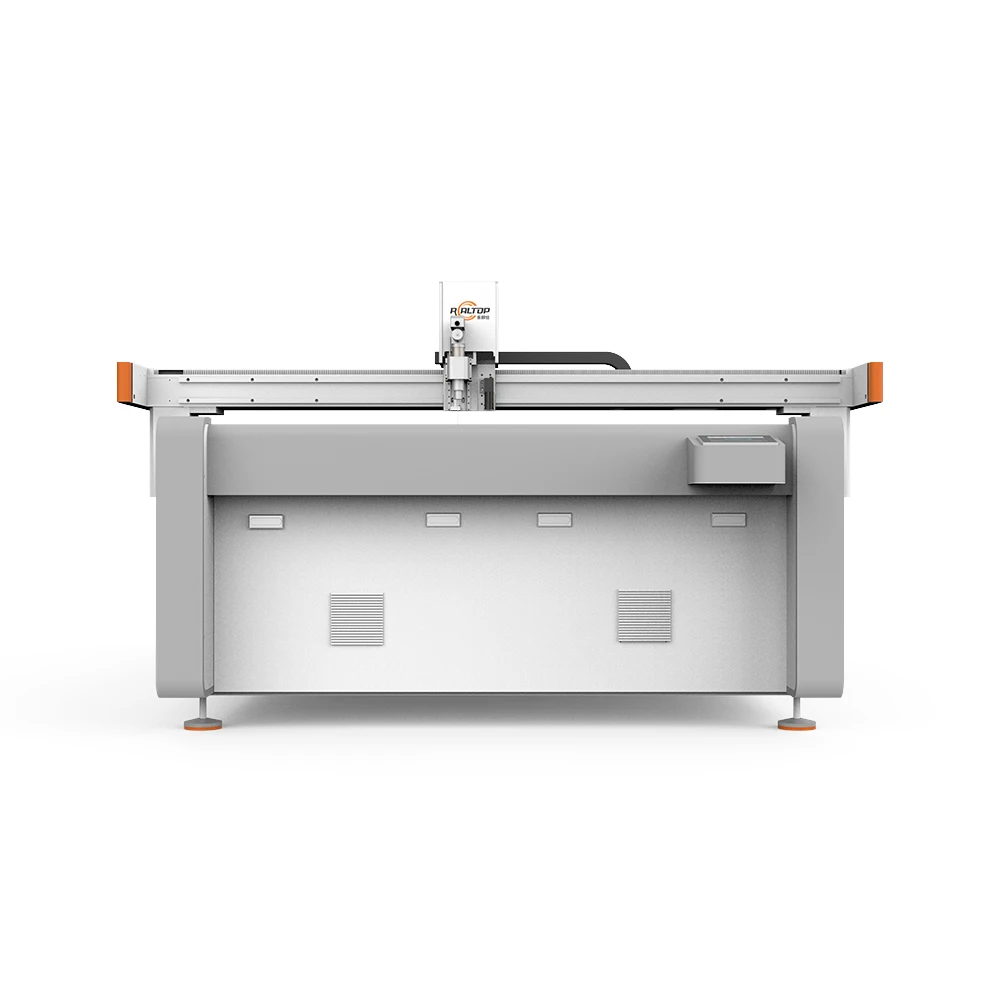
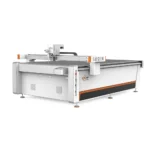
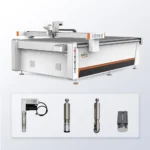
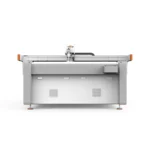
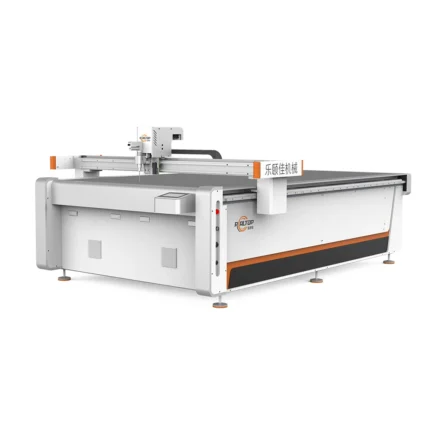
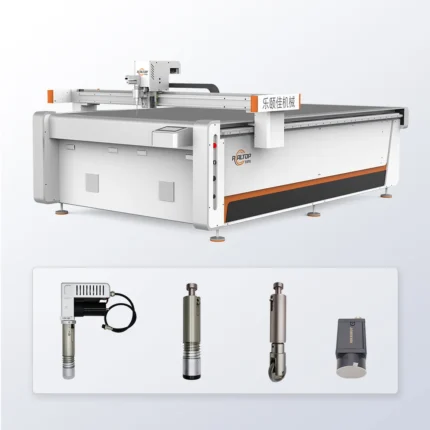
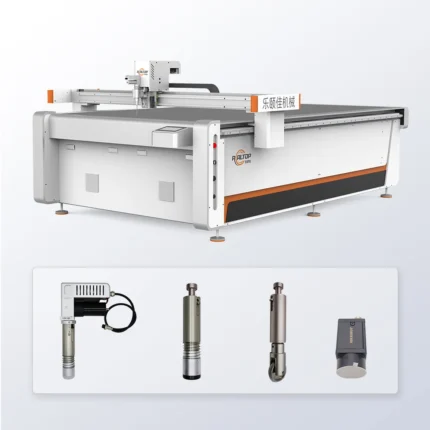
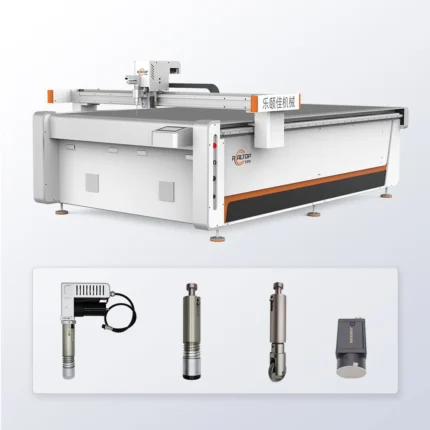
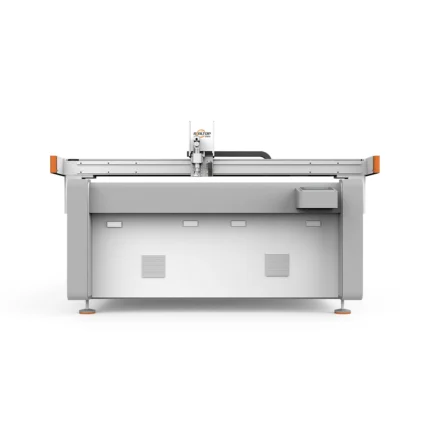
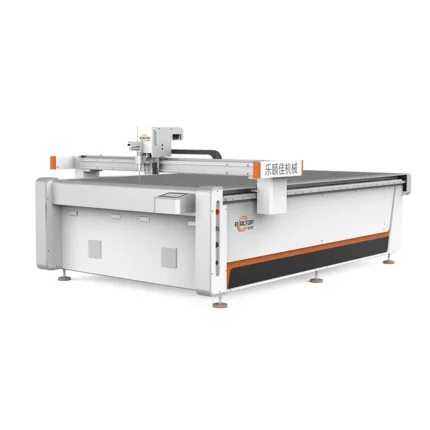
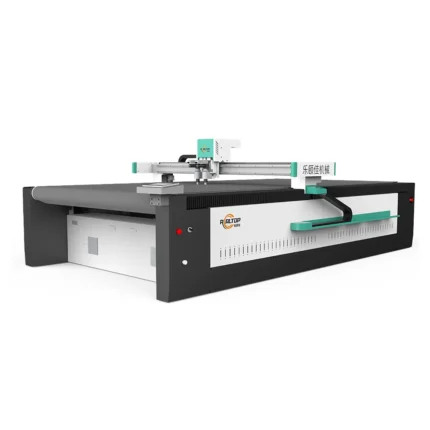
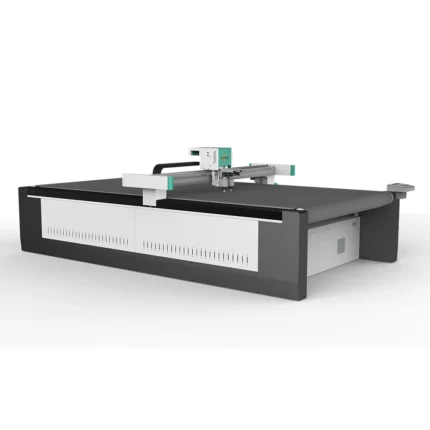
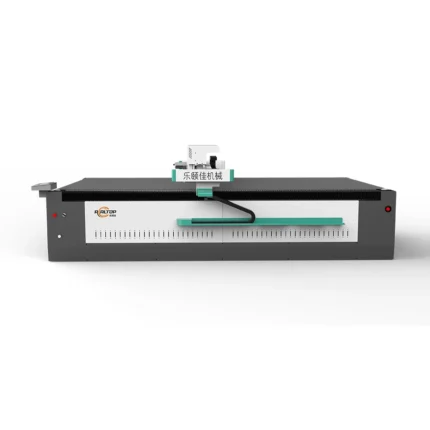
RT-D2516/RT-S2516 Composites CNC Cutting Machine, 1600×2500 mm Working Area, 9 kW — engineered for gasket, rubber and composite material processing with Swiss imported vibrating knife and multi-tool head configuration.
- Flat vacuum adsorption table with magnesium-aluminum alloy and PVDF coating ensures uniform hold-down for small gasket profiles, while CCD camera positioning tracks printed contour marks for precision cutting. Blade physical cutting eliminates burnt edges, thermal distortion and toxic fume extraction requirements common in laser processing of elastomers.
- Cutting speed 200–800 mm/s with repeated accuracy ≤0.1 mm, compatible with HP-GL format and customizable software language options including English, Russian and Italian.
- Sample cutting on your specific gasket material provided before order commitment, with electrical schematic, voltage confirmation and tool head configuration locked to your production requirements.
Blade-First Process Engineering — A CNC cutting platform configured around the exact material behavior of rubber, gasket and composite sheets, avoiding thermal distortion entirely.
Technical Specifications
| Parameter | Value |
|---|---|
| Model | RT-D2516/RT-S2516 |
| Product Type | CNC Digital Gasket and Composite Cutting Machine |
| Working Area | 1600 × 2500 mm |
| Machine Footprint | 3450 × 2300 × 1250 mm |
| Rated Power | 9 kW |
| Voltage | 380V ±10% |
| Table Surface | Magnesium-aluminum alloy, PVDF fluorocarbon powder coated, hard anodized |
| Vacuum Pump | 7.5 kW, aviation aluminum shell, built-in silencer sponge (noise reduction 35%) |
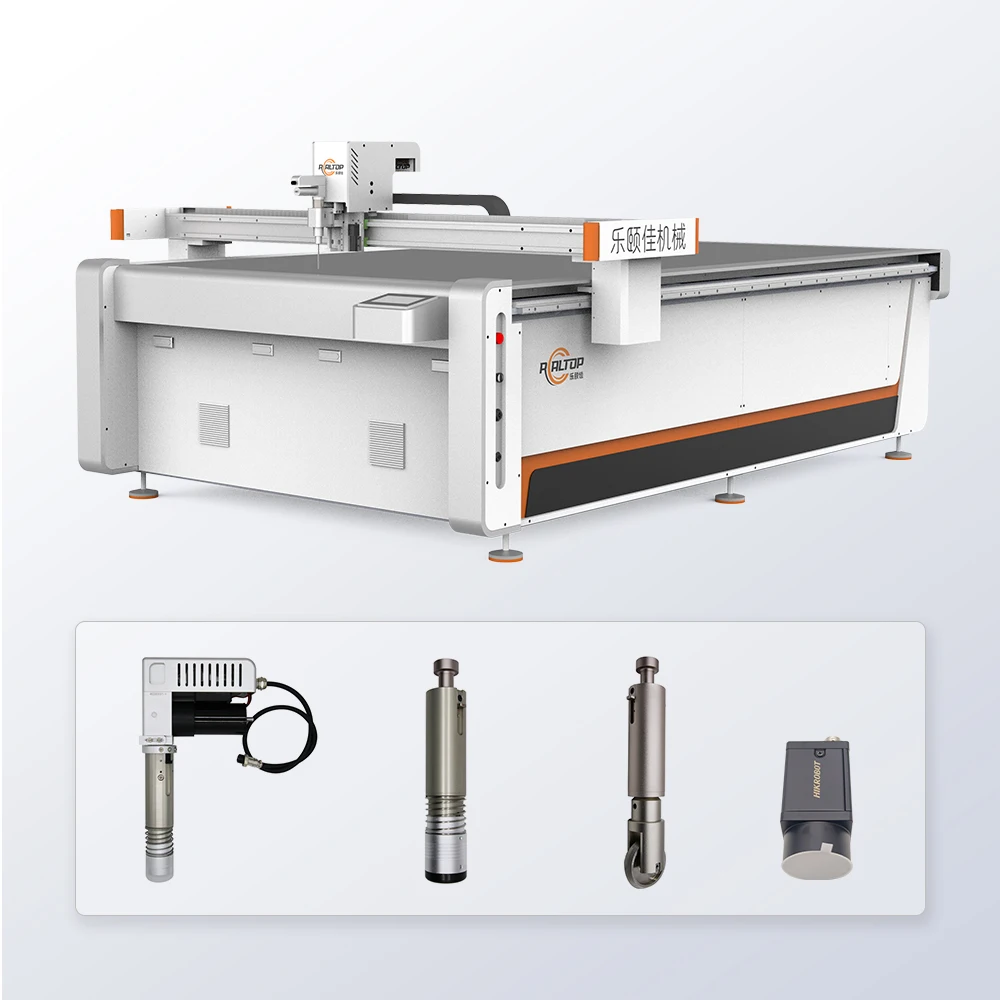
| Tool Head | Swiss imported vibrating knife (full cut, half cut, cursor location); oscillating knife, pneumatic knife, circular knife, drag knife, creasing wheel, punching, brush available |
| Visual Positioning | Small CCD mark point, panoramic camera recognition, projection positioning |
| Translational Velocity | 800–1200 mm/s |
| Cutting Speed | 200–800 mm/s (basis not stated in source — confirm material and thickness) |
| Cutting Thickness | ≤100 mm (varies with material; basis not stated in source — confirm material type) |
| Repeated Accuracy | ≤0.1 mm |
| Drive System | Digital servo motor (Delta or Panasonic optional, IP67), Taiwan Hiwin linear guide, synchronous belt, ball screw |
| Control / Instruction | CNC system, HP-GL compatible format |
| Safety | Infrared sensor stop, beam anti-collision, emergency stop with in-situ resume |
| Conveyor | Germany imported belt, optional auto feeding |
| Software Languages | English, Russian, Italian, Chinese; special languages customizable |
| Assembly | Fully assembled at factory |
| Warranty | One year, domestic and overseas |
| Certification | CE (source value — verify against manufacturer catalog) |
Application Suitability
| Application | Material or Output |
|---|---|
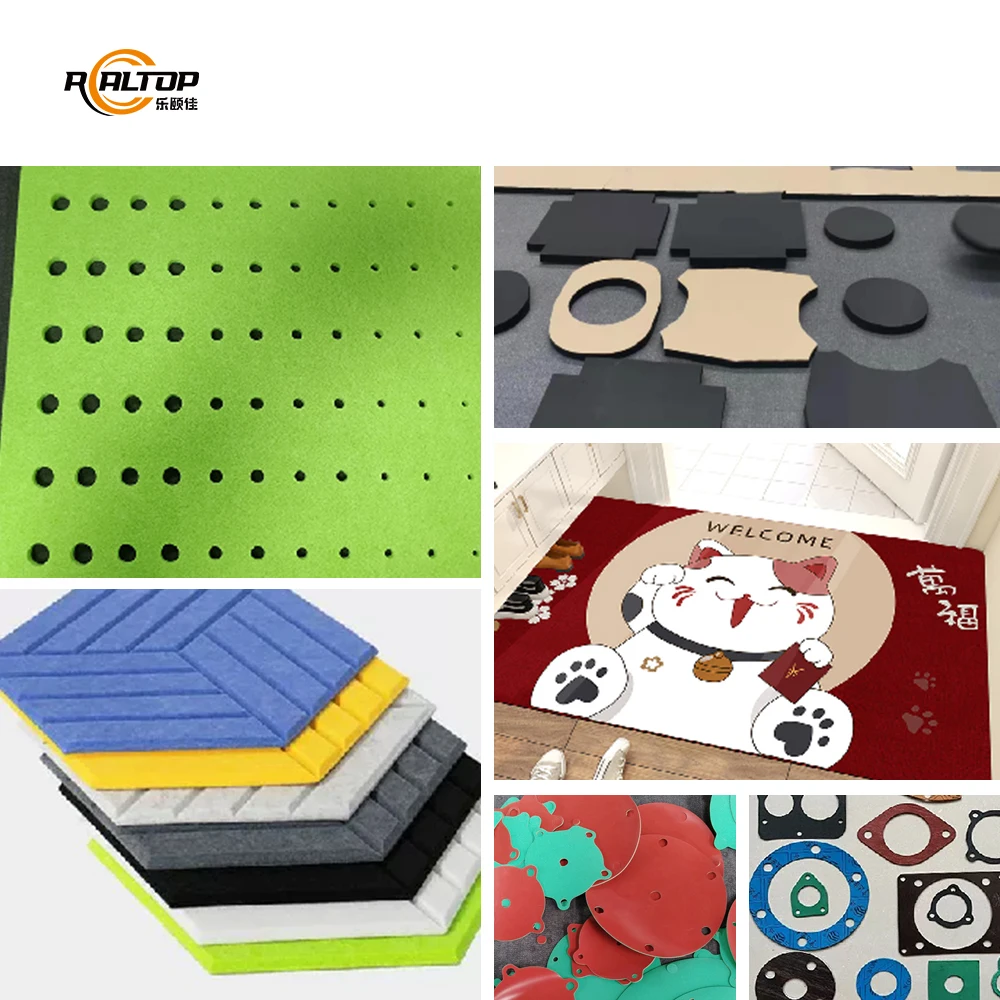
| Industrial gasket and sealing pad cutting | Rubber, silicone, PTFE, ETFE sheets |
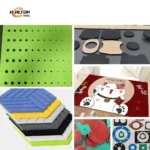
| Composite panel processing | Sponge composite leather, fiberglass, EVA, XPE, PU foam board |
| Automotive interior component fabrication | Sound-deadening mats, insulation layers, trim materials |
| Footwear and luggage material cutting | Leather, textile, shoe upper stock |
| Packaging sample and short-run production | Cardboard, corrugated board, plastic box stock |
| Signage and graphic finishing | Sticker, film, PVC, soft glass |
Why Burnt Edges on Rubber Gaskets Should Push You Toward Blade Cutting
When the process itself creates the defect, no parameter tuning will fix it.
I spent years aligning CO2 laser optics for non-metal cutting, and rubber is one material where the laser process fights you at every setting. Silicone chars at the kerf, PTFE releases fumes that demand industrial extraction, and composite gasket stacks with fiberglass reinforcement layers scorch unpredictably. A laser cutting and engraving equipment setup that works beautifully on acrylic will leave a gasket manufacturer with failed seal tests and rejected batches. [NEED_CITE: thermal degradation of elastomers during CO2 laser processing]
The RT-D2516/RT-S2516 removes the heat source entirely. Blade-based digital cutting produces no thermal edge effect, no discoloration and no fume extraction burden — the seal surface stays chemically intact.
Cold Cutting Eliminates the Thermal Compromise
Rubber and silicone gaskets seal by maintaining uniform material density at the edge. A CO2 beam melts and re-solidifies the kerf wall, creating a hardened bead that can crack under compression cycling. The Swiss imported vibrating knife on this CO2 and fiber laser cutting machine manufacturer platform slices through elastomer layers at up to 800 mm/s translational speed without generating measurable heat at the cut face. The edge remains flexible, compression-set resistant and dimensionally true to the CAD profile — exactly what a sealing application demands.
Multi-Tool Integration Covers the Full Gasket Workflow
A gasket rarely ships as a simple outline. Bolt holes need punching, internal windows need kiss-cutting, and identification marks need scoring. The multifunctional tool head accepts oscillating knife, drag knife, creasing wheel, punching tools and brush markers in a single setup. This means a composite sealing pad with through-cuts, half-cuts and scored fold lines completes in one fixturing cycle. For laser cutting and engraving equipment buyers who also process rigid composites, the same platform handles fiberglass-reinforced sheets and foam-core sandwich panels without tooling changeover downtime. [NEED_CITE: multi-tool CNC cutting workflow for gasket production]
What the Specifications Actually Mean on the Shop Floor
The 1600 × 2500 mm working area accommodates standard gasket sheet stock and automotive interior panel blanks without repositioning. The magnesium-aluminum alloy table with PVDF coating resists chemical attack from rubber compounds and adhesive residues that accumulate during composite processing. The 7.5 kW vacuum pump with zoned adsorption holds small gasket profiles flat — a critical factor when cutting sealing rings under 50 mm diameter, where inadequate suction causes the part to lift and drift mid-cut. The IP67-rated servo motors (Delta or Panasonic) tolerate the dust and particulate generated by fiberglass and foam cutting, reducing drive-related downtime in continuous production. Repeated accuracy of ≤0.1 mm keeps bolt-hole patterns aligned across nested gasket layouts.
The Cost of Skipping the Material Test
I configured a CO2 system last year for a composite gasket client based on sample swatches they mailed — clean cuts, good edges, everyone was satisfied. Then their production rolls arrived with a fiberglass scrim layer the samples never had, and every edge came out charred and delaminated. Two weeks of schedule lost while we re-evaluated the entire process. That is why the RT-D2516/RT-S2516 purchase workflow starts with sample cutting on your actual production material. [NEED_CITE: material variability in composite gasket manufacturing] Choosing the wrong tool head for a given composite stack produces crushed foam cores or ragged fiberglass edges that fail visual inspection. Vacuum zoning that does not match your smallest part geometry causes lift and dimensional drift that no software compensation can fully correct.
Why Source This Platform Here
The manufacturer designs and builds both knife and laser systems in-house, so the recommendation between blade cutting and laser processing is based on material behavior rather than pushing a single technology. Tool head and table zoning configurations are specified per your material stack and part geometry, not pulled from a default catalog page. CCD camera positioning and panoramic visual recognition are validated against your printed contour marks before the machine ships. Electrical schematics and voltage confirmation are locked to your facility supply — 380V ±10% matched to your local plug standard. Sample cutting reports on your own production material accompany the quotation, so edge quality and achievable thickness are confirmed before commitment.
Documentation & Verification
- Machine specification sheet with tool head and table zoning configuration listed per material
- Electrical schematic confirming 380V ±10% and plug type for destination market
- Sample cutting report on buyer-supplied gasket or composite material with edge photographs
- HP-GL file format compatibility note matched to buyer nesting software
- Factory test record with repeated accuracy measurement before dispatch
- Operation manual and spare parts list with consumable knife blade specifications
Installation, Commissioning & Support
- 3450 × 2300 mm footprint requires level concrete floor with clearance for conveyor feed option
- Dedicated 380V circuit with confirmed frequency match to servo drive rating
- Fully assembled delivery — no frame welding or gantry alignment required on site
- First-run parameter setting on buyer material included during commissioning visit
- Tool head calibration and vacuum zoning verification for smallest part profile in production
- One-year warranty covering servo motors, linear guides and vacuum pump components
Before You Send an Inquiry
Specify the exact gasket or composite material type, thickness range and whether reinforcement layers like fiberglass scrim are present in your production stock. Confirm your local voltage and frequency, preferred control language, and the CAD or nesting software your shop currently uses. If your parts include printed registration marks, note the mark size and contrast so CCD positioning can be validated. State your daily volume and smallest part dimensions so vacuum zoning is configured correctly from the start.
Frequently Asked Questions
Q: Should I cut rubber gaskets with a laser or a vibrating knife?
A: Laser cutting seals synthetic edges but burns elastomers, producing hardened kerf walls and fumes. Blade cutting leaves rubber and silicone edges flexible and chemically unchanged. For composite gaskets with fiberglass layers, blade cutting avoids delamination and scorching that a CO2 beam typically causes.
Q: How thick a gasket material can this machine actually cut?
A: The platform handles up to 100 mm depending on material density and tool selection. Cutting speed and achievable thickness vary significantly between soft silicone foam and dense PTFE. Request a sample cutting report on your specific material before committing to configuration.
Q: Why does vacuum table zoning matter for small gasket parts?
A: Small sealing rings and narrow profiles can lift off the table during high-speed cutting if the suction zone is larger than the part. The 7.5 kW pump with configurable zoning concentrates hold-down force exactly where the blade engages, preventing dimensional drift.
Q: Can the CCD system track printed marks on composite panels?
A: Both small CCD mark-point and panoramic camera positioning are available. Tracking accuracy depends on mark contrast, size and printing consistency. Confirm your mark specifications before order so the vision system is tuned to your production material.
Q: What must be confirmed before the machine enters production?
A: Lock down voltage and frequency match to your facility, control language preference, software file format compatibility with your nesting workflow, and vacuum zoning layout based on your part geometry. These items are difficult to change after shipment.


Related products

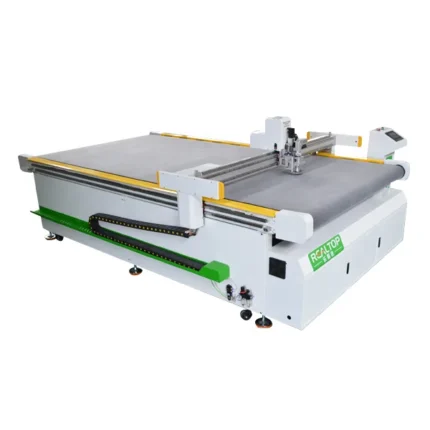
Foam Sheet Cutter EVA Oscillating Blade Contour Cutter 2026
Product Introduction
Designed for precise cutting of foam sheets and EVA materials, this 2026 oscillating blade contour cutter offers efficient and accurate contour cutting performance, ideal for industrial manufacturing and crafting applications.Key Specifications
| Product Type | Foam Sheet Cutter |
| Blade Type | Oscillating Blade |
| Function | Contour Cutting |
| Material Compatibility | EVA, Foam Sheets |
| Model Year | 2026 |
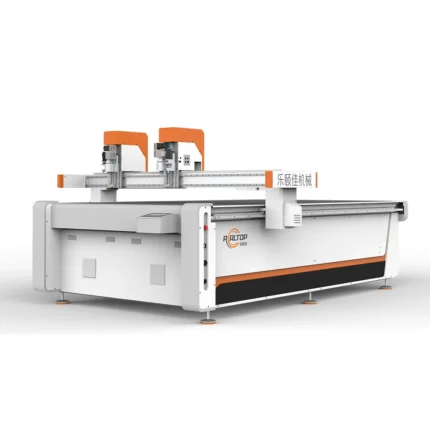
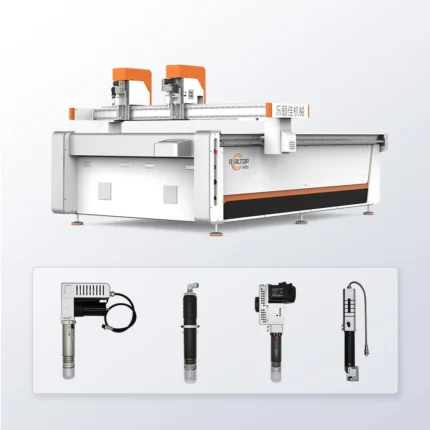
Realtop CNC 2026 Carbon Fiber Glass Mat CE Cutting Machine
Product Introduction
High-performance Realtop CNC Cutting Machine 2026, ideal for carbon fiber and glass mat cutting. CE certified for quality and safety, perfect for precision manufacturing needs.
Key Specifications
| Material Compatibility | Carbon Fiber, Glass Mat |
| Certification | CE Certified |
| Type | CNC Cutting Machine |
| Model | 2026 |

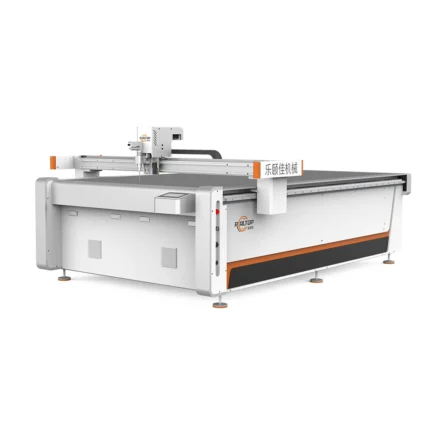
Realtop CNC Felt Plastic Cutting Machine 2026
Product Introduction
Realtop CNC Felt Plastic Cutting Machine 2026 is a precision cutting solution designed for felt and plastic materials, ideal for manufacturing applications. It combines advanced CNC technology to deliver accurate and efficient cutting performance, suitable for various industrial production needs.Key Specifications
| Model | Realtop CNC Felt Plastic Cutting Machine 2026 |
| Application | Felt & Plastic Cutting |
| Technology | Advanced CNC System |
| Performance | Precision & Efficient Cutting |
Realtop EPE Cutting Machine 2026 High-Speed Digital Auto Cut
Product Introduction
Realtop 2026 EPE Cutting Machine features high-speed digital auto-cut technology, designed for efficient and precise cutting operations. Ideal for EPE material processing with automated functionality to enhance productivity.Key Specifications
| Model | Realtop EPE Cutting Machine 2026 |
| Type | High-Speed Digital Auto Cut |
| Operation | Automated |
| Application | EPE Material Cutting |
商品评价
There are no reviews yet.