


Custom Build Automatic Gasket Cutting Machine 2026
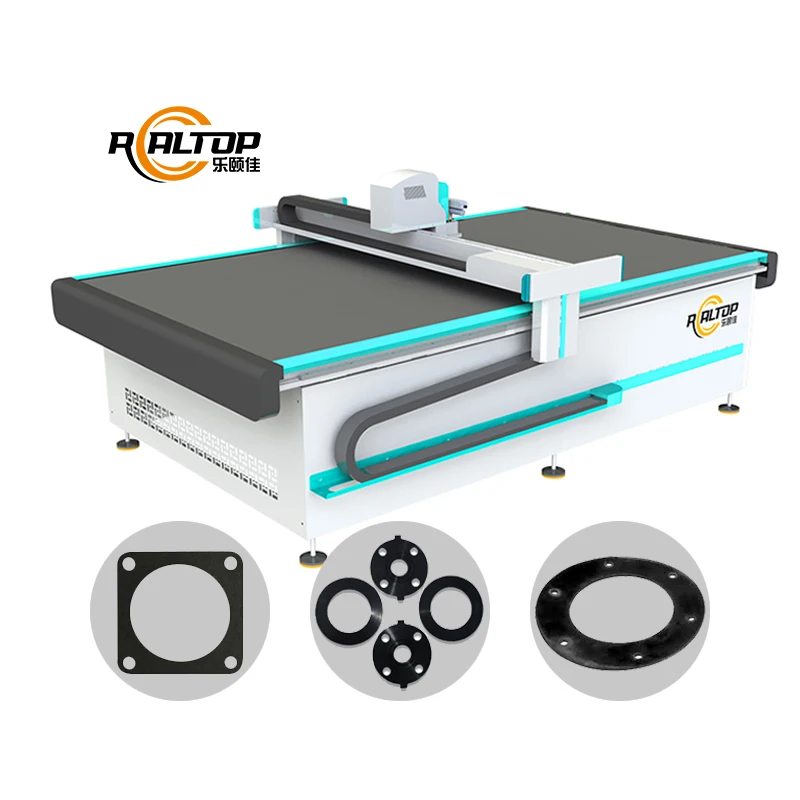
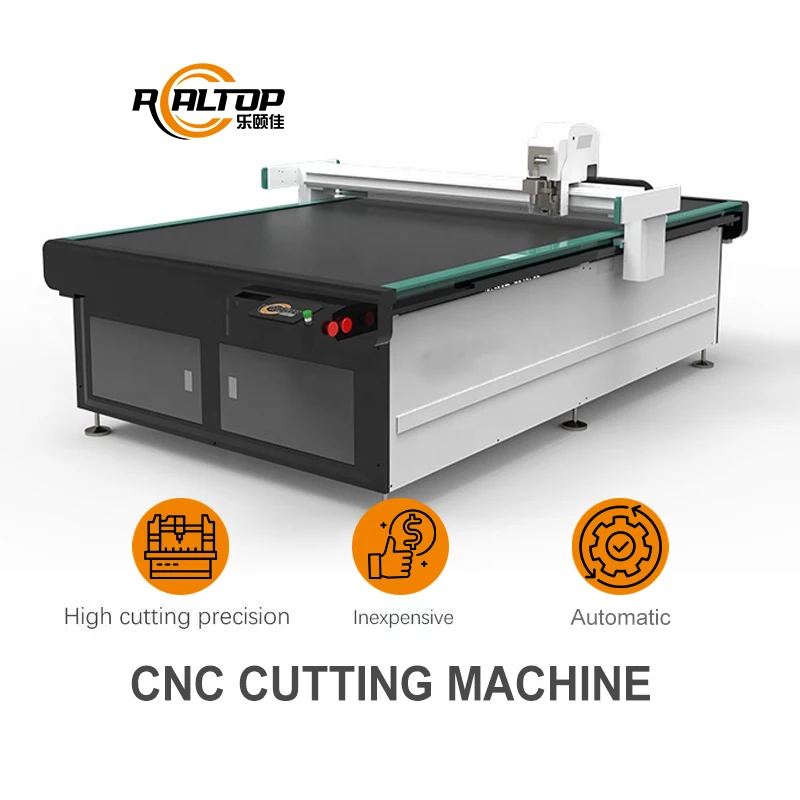
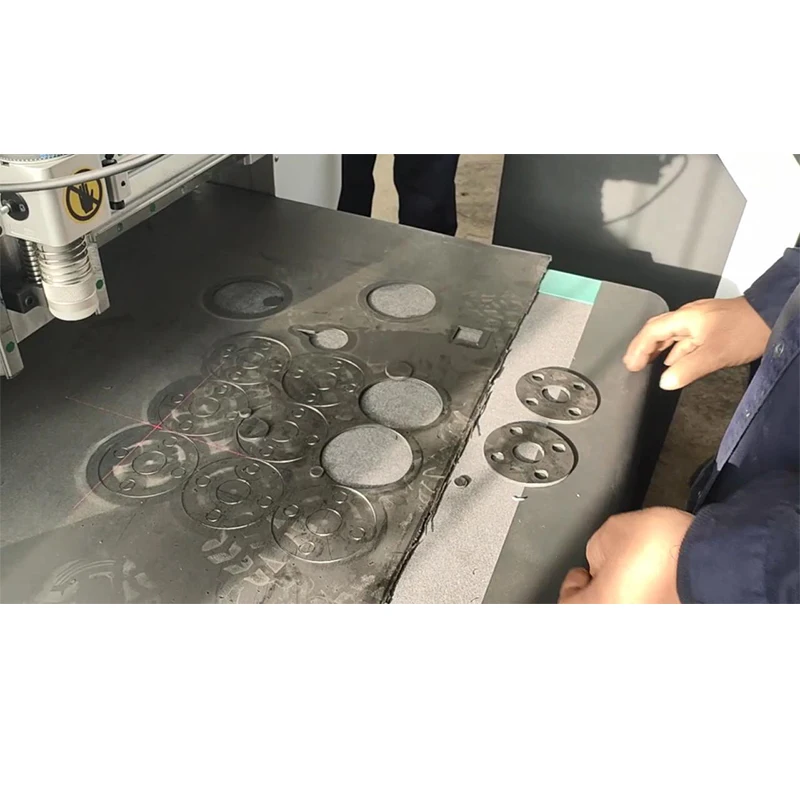
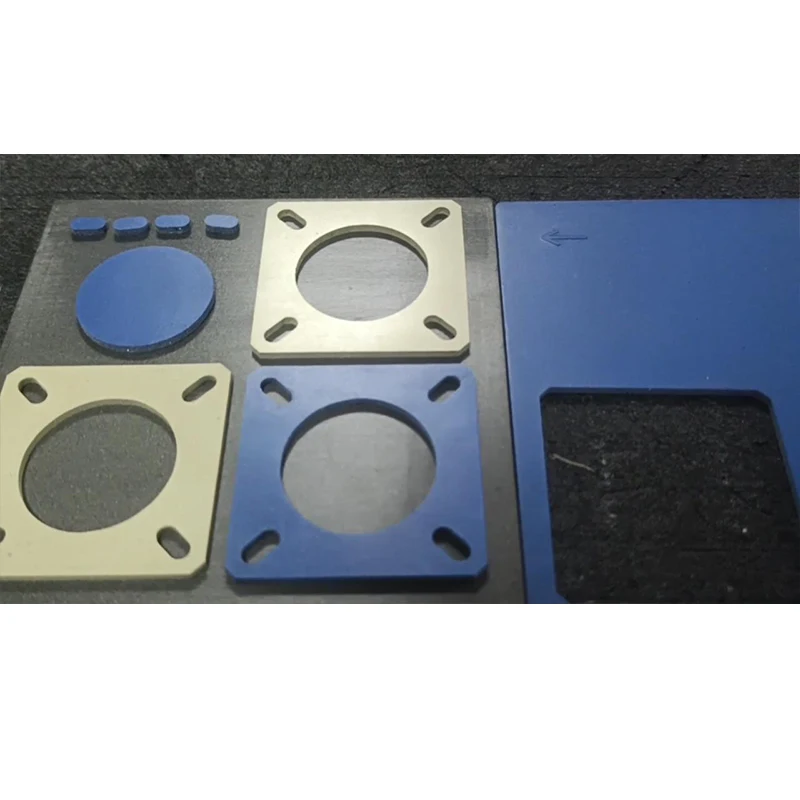
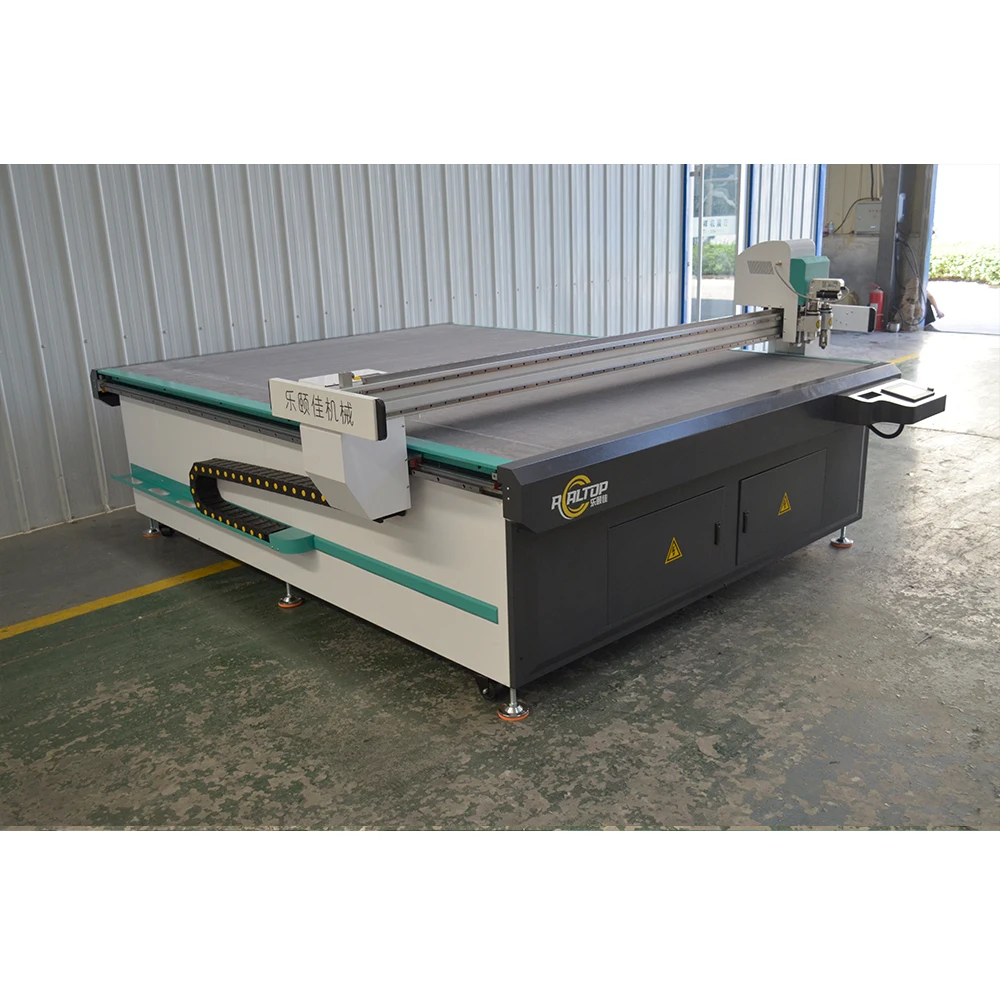
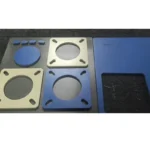
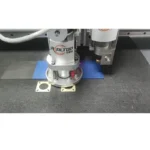
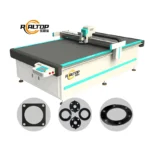
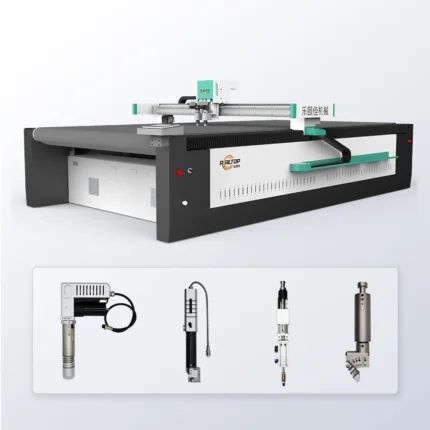
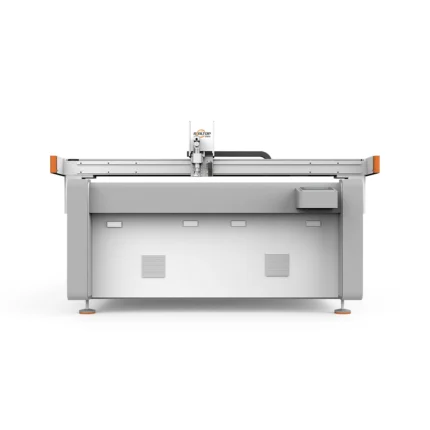
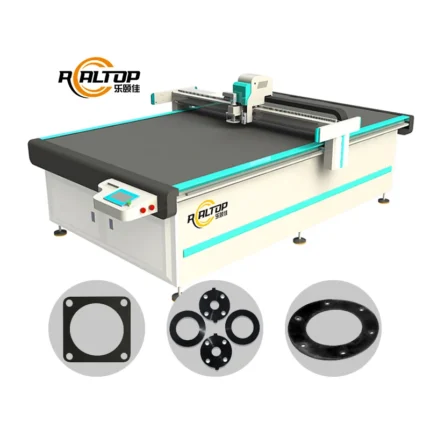
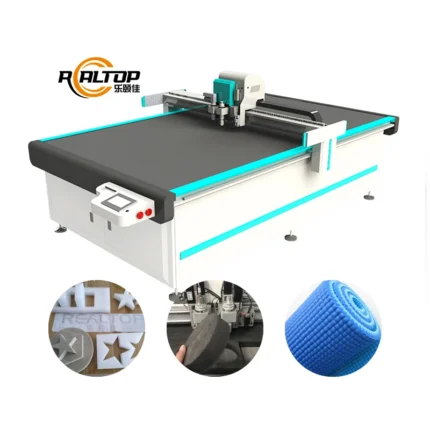
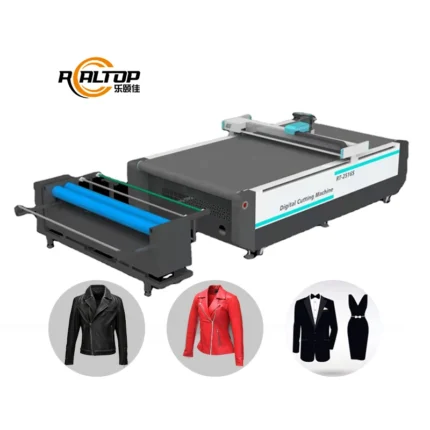
RT-D2516/RT-S2516 CNC Oscillating Knife Gasket Cutting Machine, 1600×2500mm Working Area, 20–80mm Cutting Thickness — blade-based physical cutting produces straight, burr-free edges on PTFE, rubber, silicone and composite gasket stock without burnt edges or discoloration, while the fluorocarbon-treated vacuum table with zoned suction secures thin sheets and small parts during high-speed operation.
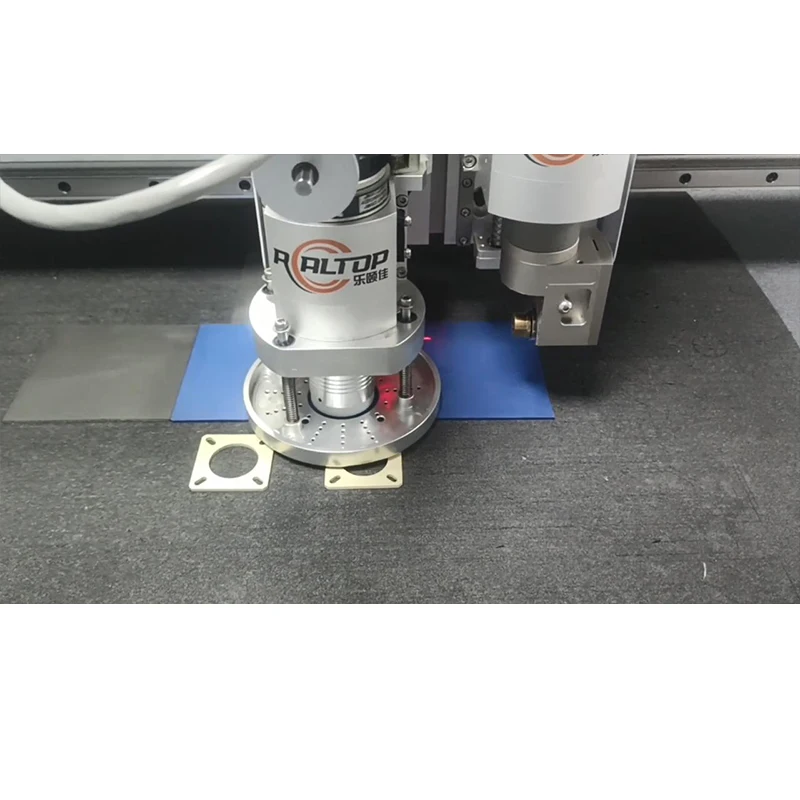
- Multifunctional tool head with Swiss imported knife, CCD camera positioning and infrared safety system
- 380V ±10%, Delta or Panasonic servo, repeated accuracy ≤0.1 mm
- Sample cutting on your own gasket material verified before commitment, with tool head configuration matched to your material and full factory test record provided
Voltage, Language And Specification Customization — confirmed per export market before production starts, with electrical schematic matching your local 380V ±10% grid and control panel set to your operator’s language from day one.
Technical Specifications
| Parameter | Value |
|---|---|
| Model | RT-D2516/RT-S2516 |
| Product Type | CNC Oscillating Knife Cutting Machine |
| Working Area | 1600 × 2500 mm |
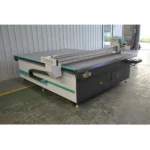
| Machine Size | 3450 × 2300 × 1250 mm |
| Rated Power | 9 kW |
| Table Type | Magnesium-aluminum alloy vacuum adsorption table with fluorocarbon PVDF powder spraying, anodic oxidation, hard oxidation |
| Tool Head | Multifunctional head — Swiss imported knife (vibration full cutting, vibration half cutting, cursor location); options include oscillating knife, pneumatic knife, high-power vibrating knife, circular knife, V-cutting knife, drag knife, creasing wheel, dotted line knife, punching, brush |
| Visual Positioning | Small CCD camera mark point positioning, panoramic camera recognition positioning, projection positioning |
| Translational Velocity | 800–1200 mm/s |
| Cutting Thickness | 20–80 mm (varies by material density and block format — basis to be confirmed) |
| Repeated Accuracy | ≤0.1 mm |
| Transmission System | Digital servo motor (Delta or Panasonic optional, IP67), linear guide, synchronous belt, ball screw; Taiwan Hiwin rail |
| Vacuum Pump | 7.5 kW, integrated aviation aluminum shell with built-in silencer sponge |
| Safety Device | Infrared induction blocking, anti-collision on both sides of beam, emergency stop button with in-situ resume |
| Frame | Thick-walled seamless steel structure, high-temperature tempering, CNC machining center finishing |
| Voltage | 380V ±10% |
| Instruction System | HP-GL compatible format |
| Assembly State | Fully assembled |
| Warranty | 1 year (free parts; buyer pays shipping) |
Application Suitability
| Application | Material or Output |
|---|---|
| Sealing gasket and O-ring blanking | PTFE, rubber, silicone, graphite composite sheets |
| Automotive interior gasket and sound-deadening pads | Foam, EVA, XPE, sponge composites |
| Industrial flange gasket cutting | Soft glass, fiber-reinforced composite, non-asbestos fiber |
| HVAC and pipeline sealing pads | Rubber, PTFE, compressed non-asbestos fiber sheets |
| Composite material fabrication | Multi-layer fabric, fiberglass, PU, PE, PP laminates |
Why "Peak Power" Ratings Leave Gasket Shops With Unfinished Cuts
Blade-based physical cutting removes the guesswork around laser power versus actual cutting depth on dense sealing materials.
I once watched a buyer compare two laser machines quoted at the same wattage, only to discover one was rated at peak output and the other at continuous — the continuous-rated unit cut through 6 mm graphite composite cleanly, while the peak-rated machine stalled at 4 mm. With a CNC oscillating knife gasket cutting machine manufacturer that matches tool head to material density instead of relying on optical power claims, the depth question becomes straightforward: you send your actual gasket stock, we run a sample cut, and the edge speaks for itself [NEED_CITE: continuous versus peak laser power ratings in industrial cutting equipment].
Clean Cross-Sections Without Burnt Edges or Fiber Pull
The RT-D2516/RT-S2516 cuts gasket material through mechanical blade oscillation rather than thermal energy. This means PTFE sheets exit the table with the same chemical integrity they had before cutting — no melted edges, no discoloration along the kerf, no fumes requiring additional extraction ductwork. For sealing applications where edge compression and surface flatness determine whether a flange holds pressure, the physical cut produces a cross-section that stays dimensionally true through the full thickness of the stock.
Zoned Vacuum Hold-Down for Small Gasket Profiles
Thin gasket sheets and small O-ring blanks tend to lift off flat tables during high-speed traversal. The fluorocarbon PVDF-treated magnesium-aluminum alloy table on the RT-D2516/RT-S2516 provides zoned suction across the 1600 × 2500 mm working area, keeping lightweight PTFE film and narrow rubber strips pinned in place even at translational velocities reaching 1200 mm/s [NEED_CITE: vacuum table zoning requirements for small-part CNC cutting]. The anodic and hard oxidation surface treatment resists scoring from repeated blade contact, maintaining flatness over extended production runs.
Servo Drive and Rail Tolerances That Hold Seal Geometry
The transmission stack pairs an IP67-rated digital servo motor — selectable between Delta and Panasonic — with Taiwan Hiwin linear rails and ball screws. Repeated accuracy holds at ≤0.1 mm, which matters when cutting concentric flange gaskets where an out-of-round bolt hole means the gasket fails to seat. The thick-walled seamless steel frame undergoes high-temperature tempering and CNC machining center finishing, so the gantry does not deflect under the lateral load of cutting dense compressed fiber sheet at full working width.
What Happens When the Wrong Tool Head Ships With Your Machine
A buyer once received a CNC knife cutting table configured with a standard oscillating knife, only to find it compressed rather than cut through 15 mm closed-cell sponge gasket material — the blade geometry was wrong for the cell structure, leaving crushed edges that could not seal. By the time the correct high-power vibrating knife arrived, production was delayed by several weeks. The tool head options on the RT-D2516/RT-S2516 span oscillating knife, pneumatic knife, high-power vibrating knife, circular knife, V-cutting knife, drag knife, and several others, but only a sample cut on your actual gasket stock confirms which one your application needs [NEED_CITE: tool head selection for composite gasket materials by density and cell structure].
Why Gasket Buyers Source From This CNC Oscillating Knife Gasket Cutting Machine Manufacturer
In-house design covers both knife and laser cutting platforms, so you compare physical blade cutting against thermal cutting on your own material before committing to a method. The CCD camera mark-point and panoramic recognition positioning systems are built and calibrated at the core factory, not added as an afterthought. Voltage, plug configuration, and control language are confirmed against your market’s electrical standards before the machine enters production. Every RT-D2516/RT-S2516 ships with a sample cutting report run on the buyer’s own gasket material, documenting edge quality and dimensional accuracy. Software compatibility with your existing CAD file format is verified during the pre-order phase, not discovered during commissioning.
Documentation & Verification
- Factory test record measuring repeated accuracy on your gasket thickness range before dispatch
- Electrical schematic confirming 380V ±10% or customized voltage for your local grid
- Tool head and vacuum table configuration list matched to your specific sealing material
- Sample cutting report on your PTFE, rubber, or composite stock with edge photographs
- HP-GL software compatibility note confirming your existing CAD file format imports correctly
- Spare parts list covering Swiss blade, vacuum pump silencer sponge, and Hiwin rail blocks
Installation, Commissioning & Support
- Machine arrives fully assembled at 3450 × 2300 × 1250 mm — confirm workshop door clearance and floor load capacity
- Dedicated 9 kW circuit with 380V ±10% supply and earth connection verified before power-on
- 7.5 kW vacuum pump connects to integrated aviation aluminum housing — no external silencer installation required
- First-run parameter setting covers blade oscillation frequency and vacuum zone mapping for your gasket stock
- Operator training includes tool head changeover procedure and in-situ resume after emergency stop activation
- One-year warranty covers free replacement parts with buyer-funded shipping and optional on-site engineer dispatch
Before You Request a Quote
Tell us the exact gasket material you cut — whether it is PTFE sheet, compressed non-asbestos fiber, silicone rubber, or a multi-layer composite — along with the thickness range and the smallest profile in your current production. Share your local voltage and frequency so the electrical package matches your workshop grid. If you have existing CAD files, send a sample so we confirm format compatibility before the machine ships.
Frequently Asked Questions
Q: When should I choose blade cutting over laser for gasket materials?
A: Blade cutting suits PTFE, rubber, fiber composite, and silicone gasket stock where thermal damage would alter the sealing surface or release fumes. Laser cutting works for thinner synthetics where edge sealing is acceptable. The decision depends on your material composition and whether the downstream application tolerates a heat-affected zone along the cut edge.
Q: How do I verify real cutting thickness on my specific gasket material?
A: Send a sample of your actual gasket stock — the exact brand, density, and thickness you run in production. The sample cutting report documents blade selection, cutting speed, edge quality photographs, and dimensional measurements. This eliminates guessing from published thickness ranges that vary by material composition.
Q: Will the vacuum table hold small gasket profiles flat during high-speed cutting?
A: The zoned vacuum adsorption table on the RT-D2516/RT-S2516 provides targeted suction across the working area. For very small O-rings or narrow flange gaskets, zone configuration is confirmed during the sample cutting phase so hold-down pressure matches your part geometry and material weight.
Q: What electrical and language specifications do I need to confirm before shipment?
A: Provide your workshop voltage, frequency, and plug type so the 9 kW rated system matches your grid. Specify the control panel language from available options including English, Russian, Italian, and Chinese, or request a custom language. These details are locked in before production begins [NEED_CITE: industrial equipment voltage and frequency standards by export market].
Q: What does the sample cutting report cover?
A: The report includes blade type selected, cutting speed used, edge quality photographs at magnification, dimensional accuracy measurements against your CAD file, and cycle time per part. You review and approve the results before the machine configuration is finalized for production.


Related products
2026 CNC Gasket Cutter Pneumatic Knife Asbestos Rubber
Product Introduction
CNC Gasket Cutter Machine 2026 with pneumatic knife, ideal for cutting asbestos, non-asbestos, cork, PTFE, and rubber materials. Precision-engineered for efficient gasket production.
Key Specifications
| Cutting Material | Asbestos, Non-Asbestos, Cork, PTFE, Rubber |
| Knife Type | Pneumatic |
| Control System | CNC |
| Model | 2026 |
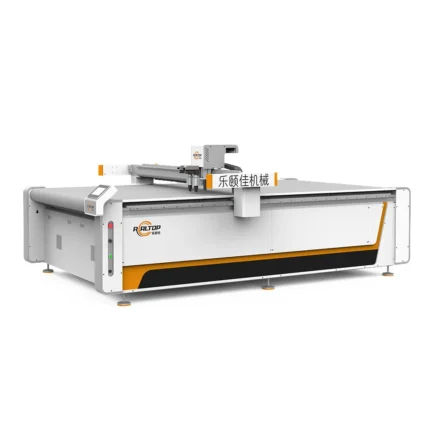
Flexible Material Cutting Machine 005 – Fast, Precise, High Conversion
Product Parameters
| Function | Advertising printing & cutting |
| Demonstration Model | 005 |
| Application | Advertising industry |
| Manufacturer | Chinese leading factory |
| Type | Integrated printing-cutting machine |
Introduction
This Advertising printing and cutting machine (Model 005) is designed for the advertising industry, integrating printing and cutting functions. Manufactured by a renowned Chinese factory, it offers reliable performance for various advertising production needs.
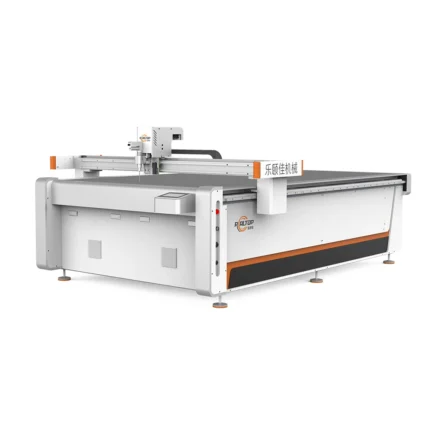
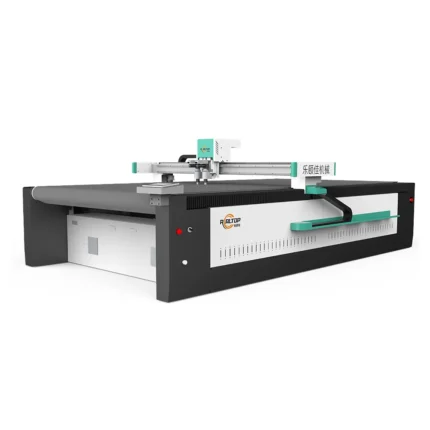
Oscillator Knife CNC Cutter 1625 for Gaskets Rubber Asbestos Graphite PTFE
Product Introduction
Oscillator Knife CNC Cutter 1625, ideal for precision cutting of rubber, asbestos, graphite, PTFE gaskets. Efficient 2026 model from China's leading welding & cutting equipment manufacturer.Key Specifications
| Model | 1625 |
| Cutting Technology | Oscillator Knife |
| Material Compatibility | Rubber, Asbestos, Graphite, PTFE Gaskets |
| Type | CNC Cutter |
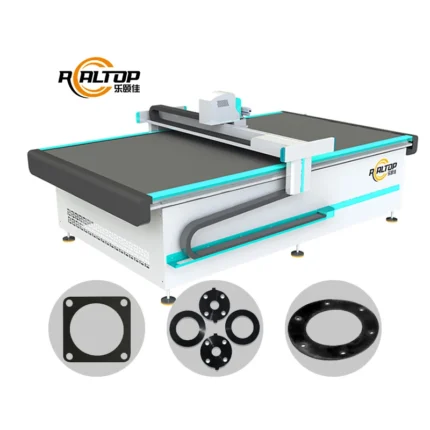
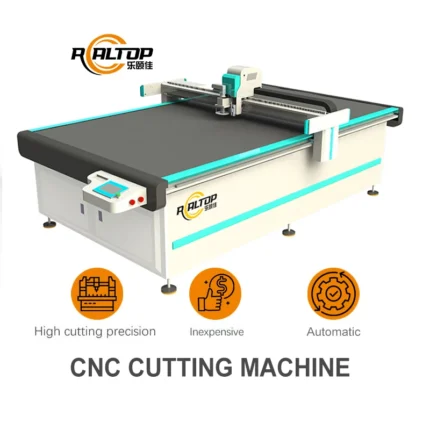
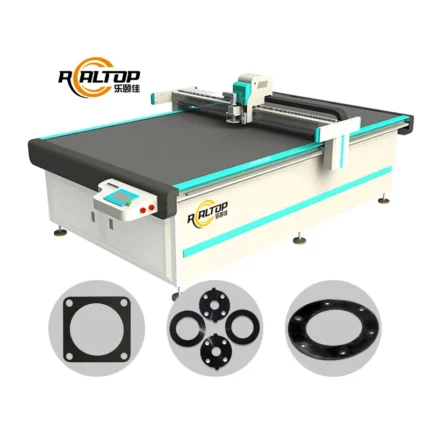
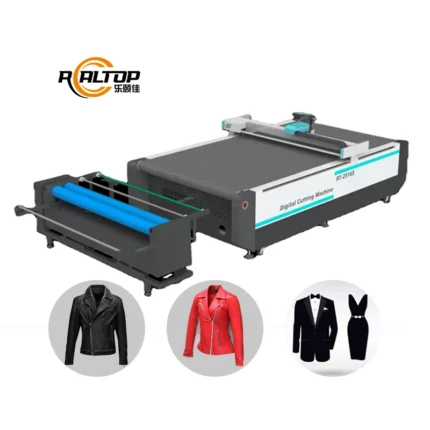
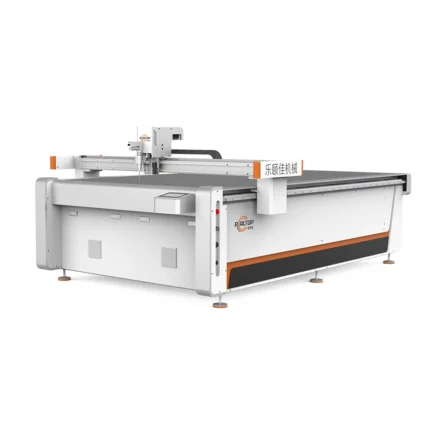
Realtop CNC Gasket Cutting Machine 2026 China Manufacturer
Product Introduction
Realtop CNC Gasket Cutting Machine 2026 is a precision tool designed for efficient gasket production, ideal for industrial manufacturing needs with advanced CNC technology.Key Specifications
| Model | Realtop CNC Gasket Cutting Machine 2026 |
| Type | CNC Gasket Cutting Equipment |
| Application | Industrial Gasket Manufacturing |
| Feature | Precision Cutting, Efficient Production |
商品评价
There are no reviews yet.