

Custom Build Paper Board Die Cutting Machine – 100m/min 11kW
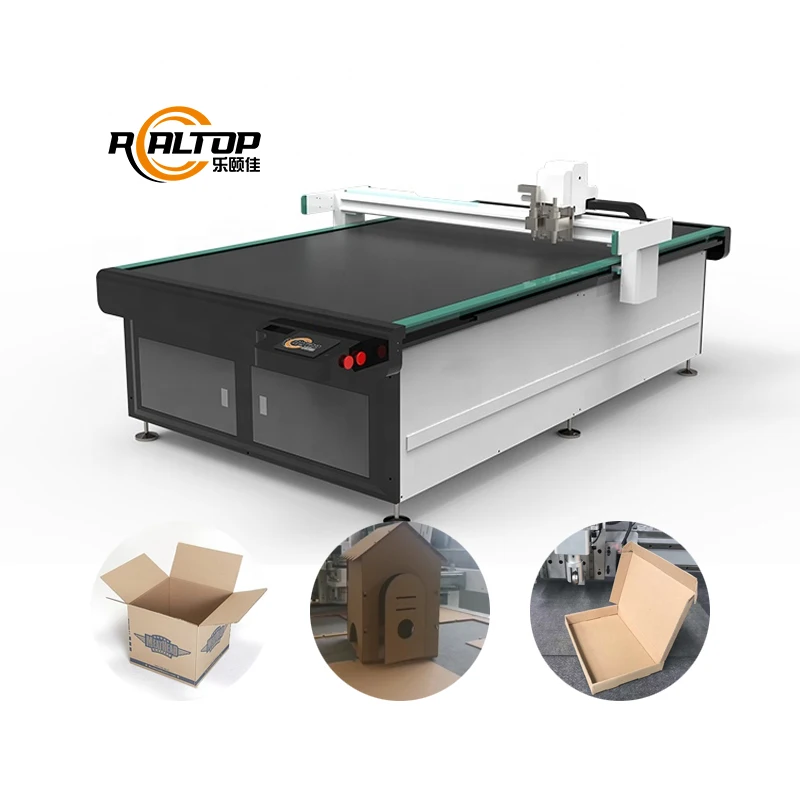
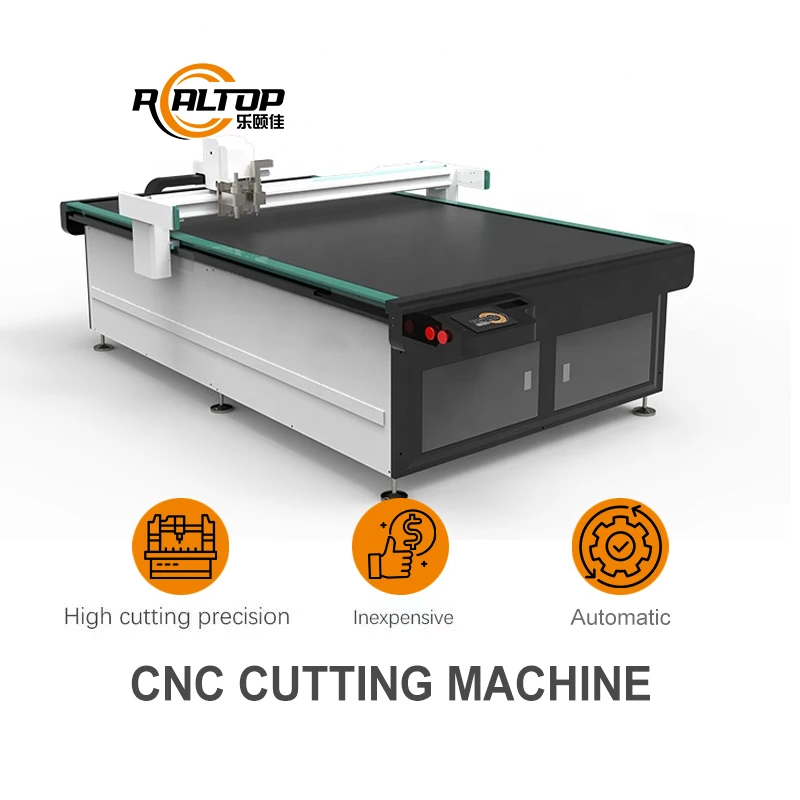
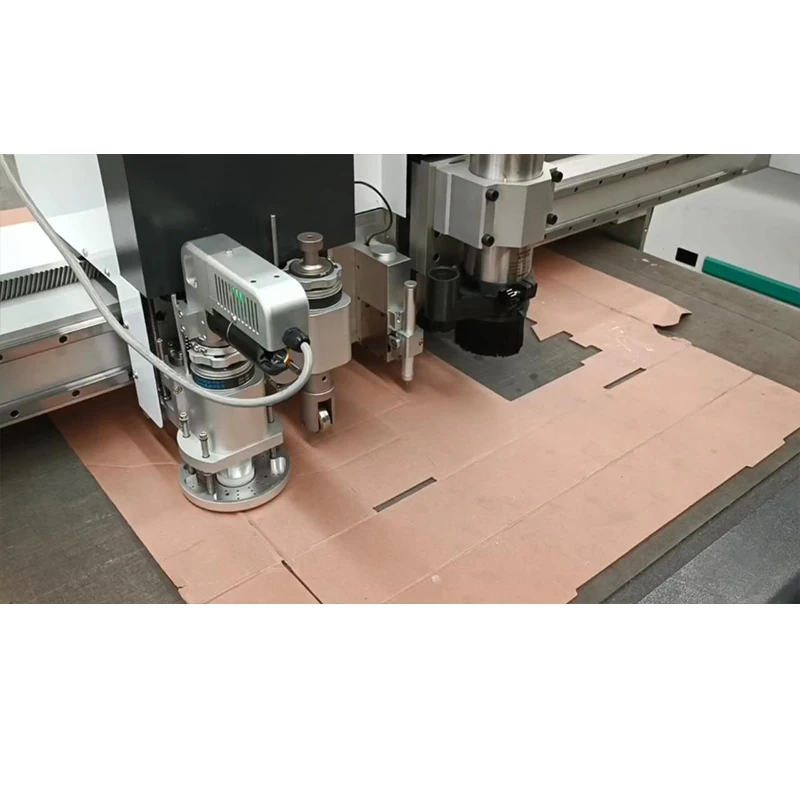
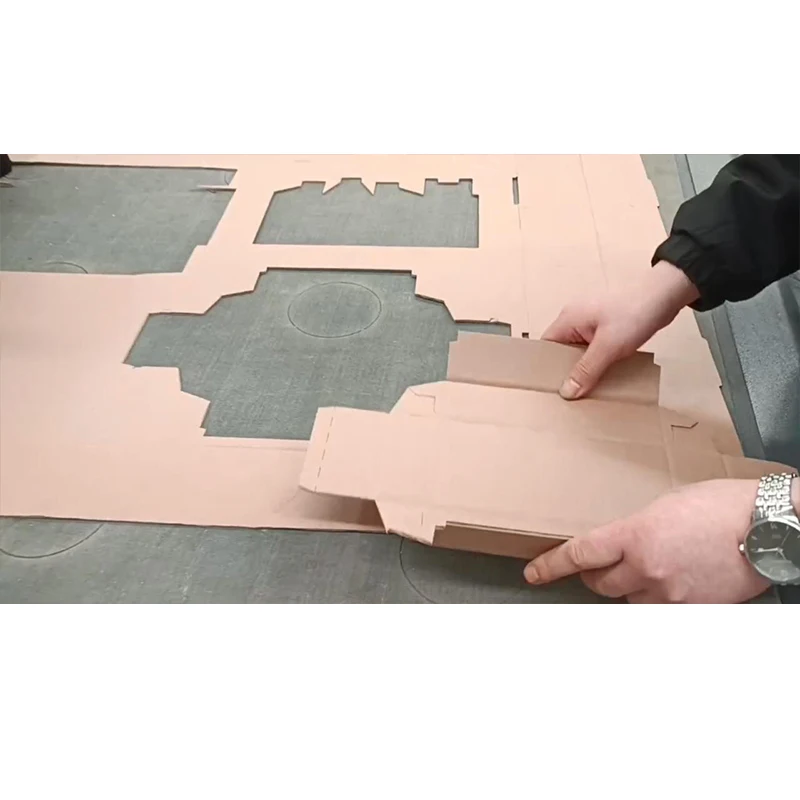
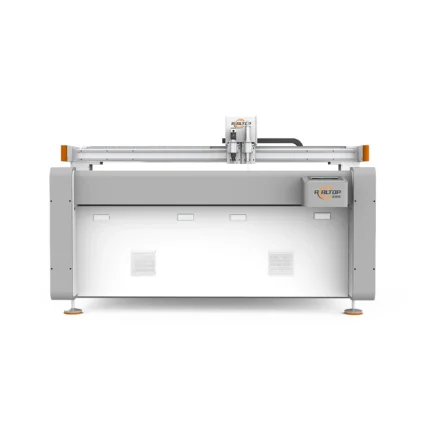
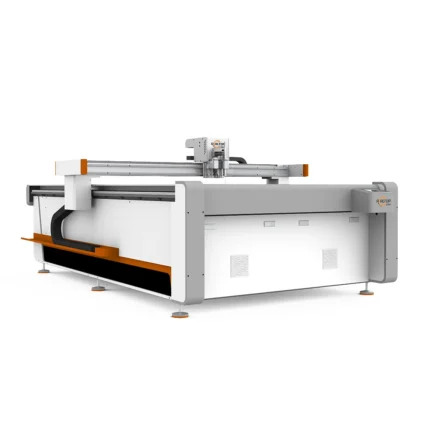
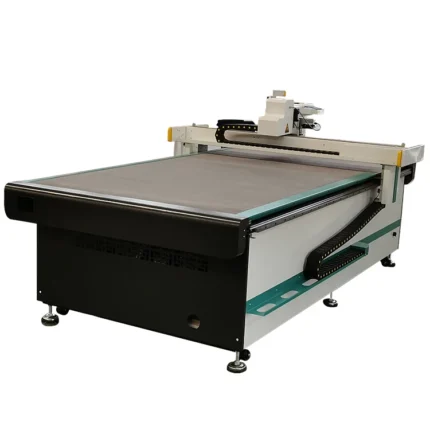
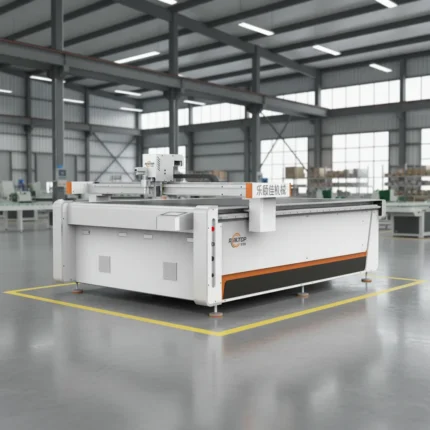
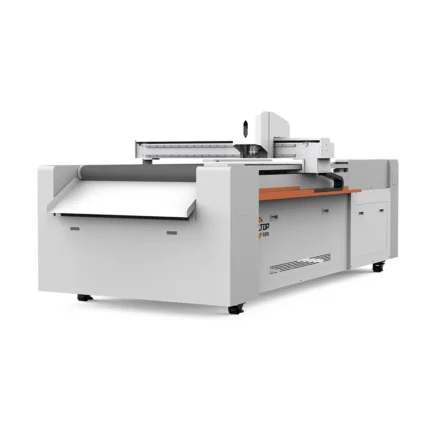
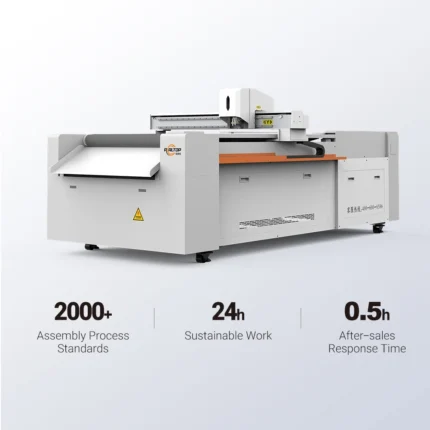
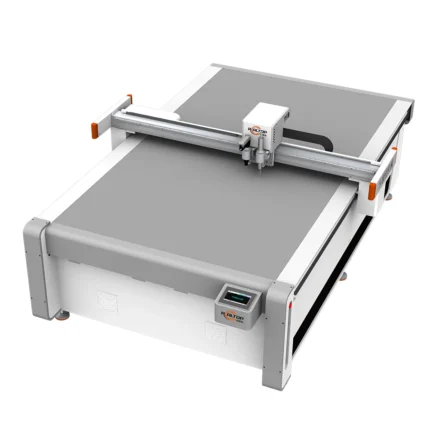
RT-D2516/RT-S2516 CNC Oscillating Knife Cutting Machine, 1600×2500 mm, 11kW — configured for packaging and flexible material processing with Swiss imported knife head, aluminum honeycomb vacuum table, and CCD contour positioning. Unlike laser cutting that risks charring on cardboard and stickers, this oscillating knife table delivers clean, burn-free edges with full-cut and half-cut modes in a single pass. Taiwan Delta servo drive and Hiwin linear guides ensure ≤0.1 mm repeatability across carton samples, labels, and textile patterns.
- Sample cutting on buyer’s own material before commitment
- Voltage, plug, and control language confirmed before shipment
- Tool head and table configuration matched to specific material thickness
Precision Tooling Match — We configure oscillating knife or laser cutting heads based on your specific material thickness and edge quality requirement, not catalogue defaults.
Technical Specifications
| Parameter | Value |
|---|---|
| Product Type | CNC Oscillating Knife Cutting Machine |
| Model | RT-D2516/RT-S2516 |
| Working Area | 1600×2500 mm |
| Machine Dimensions (L×W×H) | 3450×2300×1250 mm |
| Rated Power | 9 kW |
| Vacuum Pump Power | 7.5 kW |
| Table Surface | Aluminum alloy honeycomb vacuum adsorption platform |
| Tool Head | Swiss imported oscillating knife (vibration full-cut / half-cut / cursor location) |
| Translational Velocity | 800–1200 mm/s |
| Cutting Speed | 200–800 mm/s (basis not stated in source — confirm material type and thickness) |
| Maximum Cutting Thickness | ≤100 mm (varies by material density and tooling) |
| Repeatability | ≤0.1 mm |
| Transmission System | Taiwan Delta digital servo motor, Hiwin linear guide, synchronous belt, ball screw |
| Conveyor Belt | Germany imported |
| Safety Devices | Infrared sensors and emergency stop |
| Instruction System | HP-GL compatible format |
| Voltage | 380V ±10% |
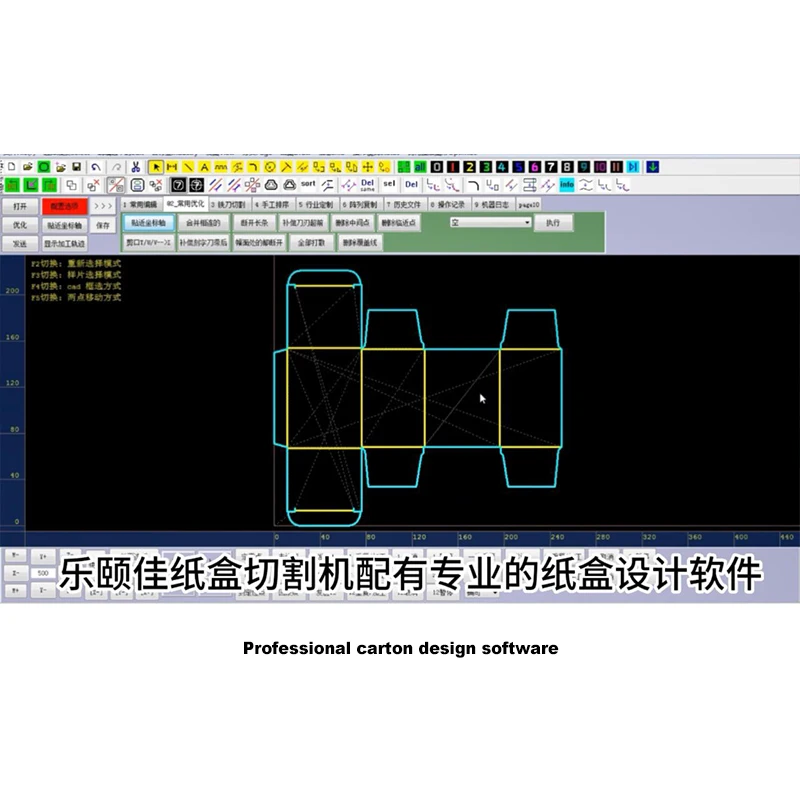
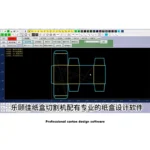
| Software | Professional carton nesting software; multi-format import; language customization available |
| Auto Feeding | Included |
| Assembly State | Fully assembled before shipment |
| Language Options | English, Russian, Italian, Chinese, and custom languages |
Application Suitability
| Application | Material or Output |
|---|---|
| Carton and packaging sample making | Corrugated board, grey board, folding carton stock, honeycomb paperboard |
| Sticker and label contour cutting | Printed vinyl, adhesive label stock, reflective film |
| Signage and billboard production | PVC foam board, KT board, corrugated plastic, acrylic sheet |
| Gift box and express packaging | Art card, ivory board, laminated carton |
| Flexible material processing | Leather, PVC soft glass, silicone, rubber, sponge, composite leather, garment fabric |
Why CO2 Laser Cutting and Engraving Machine Manufacturer Buyers Cross-Check Knife Cutting
Some packaging and textile materials simply cannot survive a laser beam without charring, fume contamination, or sealed edges that ruin downstream gluing.
When I was still on the assembly floor, a packaging customer ordered what they thought was a fast laser table for corrugated prototyping. The laser sealed every cut edge, which meant glue tabs would not hold during folding. The entire sample batch was scrapped. That experience is why, as a technical sales engineer, I always ask for the actual material sample before quoting any CO2 laser cutting and engraving machine manufacturer catalogue model. [NEED_CITE: material compatibility testing for CNC cutting buyers]
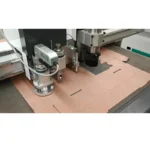
The RT-D2516/RT-S2516 sits on the opposite end of the spectrum from a thermal process. The Swiss oscillating knife head slices through board and flexible stock without heat, leaving a clean fibre edge that accepts adhesive, paint, or lamination immediately. For buyers who initially searched for a CO2 laser cutting and engraving machine manufacturer but work with cardboard, stickers, or garment textiles, this knife table often turns out to be the correct process match.
Clean Fibre Edges Where a Laser Beam Would Char
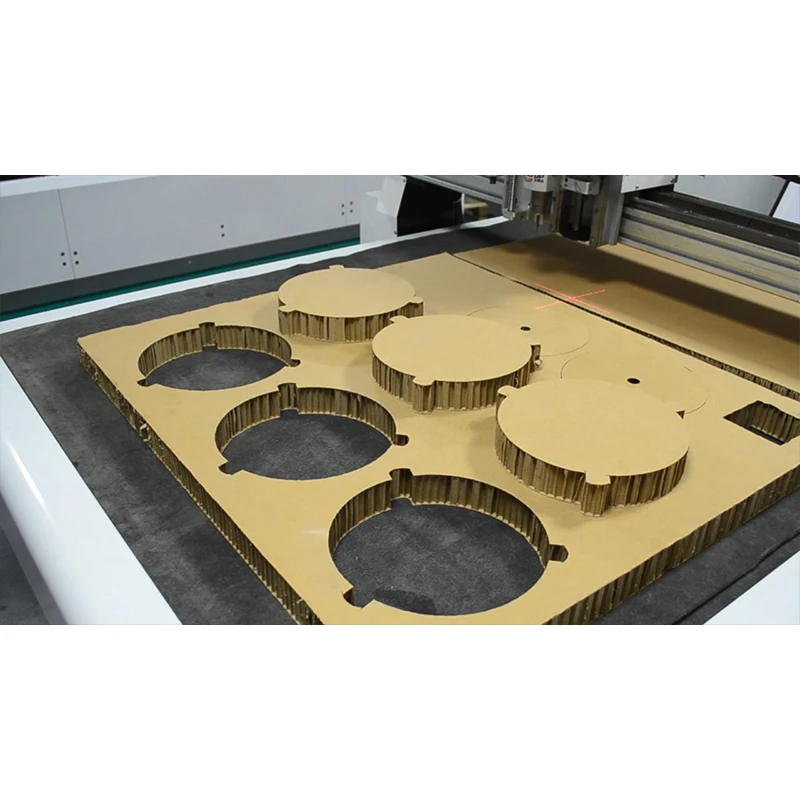
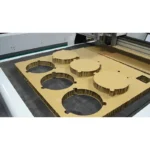
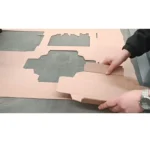
Cardboard, corrugated board, and woven fabrics react poorly to concentrated thermal energy. A laser beam melts or vaporises the material at the kerf, leaving a darkened, sometimes hardened edge that resists glue penetration and looks unfinished on premium packaging samples. The Swiss oscillating knife on this table vibrates at high frequency to shear through fibres cleanly. The full-cut mode drives the blade completely through the stock for die-less sample making, while the half-cut mode scores crease lines without severing the sheet, so folding cartons can be prototyped in a single tool pass.
CCD Contour Registration for Printed Stickers and Labels
Sticker and label converters often print hundreds of contour variations on a single sheet. Manually aligning each cut path to a slightly shifted print registration mark at production speed is where most digital cutting tables fail. This machine integrates a CCD cursor location system that reads printed fiducial marks and adjusts the cutting path in real time. The vacuum adsorption platform holds the printed sheet flat, preventing the micro-lift that causes contour drift on lightweight vinyl. For a CO2 laser cutting and engraving machine manufacturer buyer accustomed to burning through thin film, the mechanical precision of knife contour cutting offers a fume-free alternative that keeps the print surface intact. [NEED_CITE: CCD contour recognition tolerance at production speed]
Vacuum Zoning and Small-Part Stability on the Honeycomb Table
A 1600×2500 mm working area is generous for packaging sample making, but large tables create a different problem: when you cut small sticker or gasket parts, the vacuum pull across the full surface is not enough to keep individual pieces from lifting once they are freed from the surrounding material. The aluminum alloy honeycomb platform on this table is divided into controllable zones. Operators activate only the zones under the active cutting area, concentrating vacuum hold-down force where the knife is working. The 7.5 kW vacuum pump generates sufficient negative pressure to immobilise thin films and card stock even during high-speed directional changes at the translational velocity range of 800–1200 mm/s.
The Specification Gaps That Disrupt Production Schedules
One recurring pain point I encounter with packaging and signage buyers is the mismatch between quoted cutting speed and the speed actually achievable on their real material. A machine listed at a nominal cutting speed may perform well on thin art card but slow dramatically on double-wall corrugated or dense rubber gasket stock. When throughput expectations are set on a best-case material, production schedules break. That is why I request the buyer’s actual material — including grade, thickness, and density — before confirming any speed figure. Rushing this step has cost me entire project timelines before. [NEED_CITE: material-specific cutting speed verification for oscillating knife tables]
Why a Knife-and-Laser Manufacturer Matters for Your Process Choice
Realtop designs and builds both oscillating knife tables and laser cutting systems in-house, so the recommendation is based on your material behaviour, not on pushing one technology. Before order confirmation, the tool head and table configuration are specified against your material type and thickness, not left as a catalogue default. Sample cutting is performed on your own material stock, and the cutting report documents edge quality and achievable throughput. Electrical schematics and voltage are confirmed for your target market’s grid standard, and software file format compatibility is verified against your existing nesting workflow. This is the same verification discipline applied across our CO2 laser cutting and engraving machine manufacturer range.
Documentation & Verification
- Factory test record run on your specific board grade and thickness before dispatch
- Tool head and vacuum zone configuration list matched to your material profile
- Electrical schematic with voltage and plug type confirmed for your market
- Sample cutting report showing edge quality and achievable speed on your stock
- Software licence and file format compatibility note aligned to your nesting software
- Operation and maintenance manual in your chosen control language
Installation, Commissioning & Support
- Fully assembled 3450×2300×1250 mm frame requires level floor with anchor bolt provisions
- Dedicated 380V ±10% circuit with isolator switch rated above the combined 16.5 kW load
- Taiwan Delta servo parameters calibrated on-site for your material’s cutting resistance
- Vacuum zone mapping and pump commissioning verified against your smallest part size
- HP-GL compatible software configured with your language and file import templates
- Spare knife blades, conveyor belt sections, and sensor replacements included in initial kit
What We Need to Size This Correctly
To avoid the material mismatch I described earlier, send us your actual material samples along with the typical thickness range and daily sheet volume you plan to process. Tell us your local voltage standard and frequency, and whether your existing design software exports HP-GL or another format. If you need sample cutting on your stock before committing to a configuration, specify which edge finish — clean shear or scored crease — your downstream process requires.
Frequently Asked Questions
Q: How does oscillating knife cutting compare to laser for packaging board?
A: Laser cutting thermally seals edges, which can prevent glue adhesion on carton fold lines and leave char marks on white or printed board. The oscillating knife on this table produces a clean mechanical shear edge that accepts adhesive immediately. For corrugated and cardstock sample making, knife cutting avoids the fume extraction infrastructure that a CO2 laser cutting and engraving machine manufacturer installation requires.
Q: How do you confirm cutting speed for my specific material?
A: We run a sample cutting test on your actual material — at your specified thickness and grade — and document the achievable speed and edge quality in a test report. The published 200–800 mm/s range depends entirely on material density, so we never confirm throughput without this physical verification step completed first.
Q: Can the CCD system track printed marks at full production speed?
A: The CCD cursor location system reads fiducial marks and adjusts the cutting path dynamically. However, recognition reliability depends on mark contrast, size, and ambient lighting in your facility. We test this during the sample cutting phase using your printed sheets to confirm registration accuracy before the machine ships.
Q: What happens to small sticker parts after they are cut free?
A: The honeycomb vacuum platform is divided into independently controllable zones. Operators activate only the zone beneath the active cutting area, concentrating hold-down force on small parts to prevent lift. This is critical for label and sticker runs where individual pieces might otherwise shift during high-speed contour cutting.
Q: Do you confirm voltage and language before the machine ships?
A: Yes. The standard configuration is 380V ±10%, but we confirm your local voltage and frequency, plug type, and preferred control language before production begins. The software interface and operation manual are prepared in English, Russian, Italian, Chinese, or a custom language as specified.


Related products
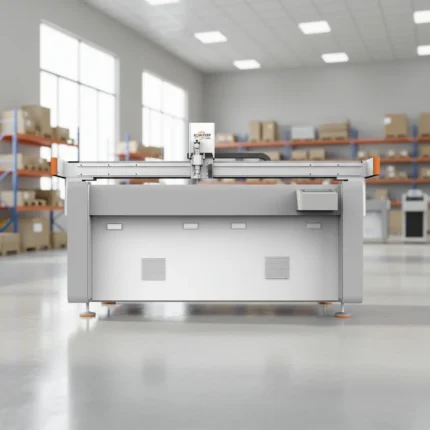
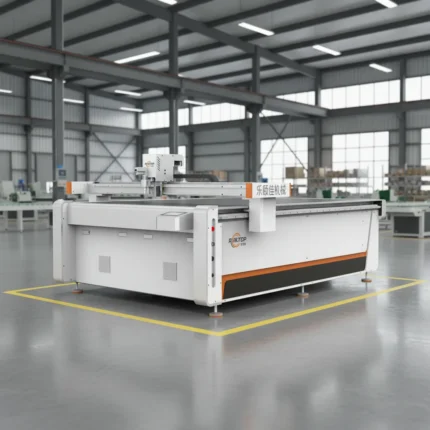
Automatic Die-less Cardboard Vibrating Knife Cutter 2026
Product Introduction
Automatic Die-less Cardboard Vibrating Knife Cutter 2026, a precision cutting solution for cardboard materials, featuring advanced die-less technology for efficient and flexible cutting operations. Ideal for various cardboard processing needs in manufacturing and packaging industries.Key Specifications
| Model | 2026 |
| Type | Automatic Die-less Cutter |
| Cutting Tool | Vibrating Knife |
| Material | Cardboard |

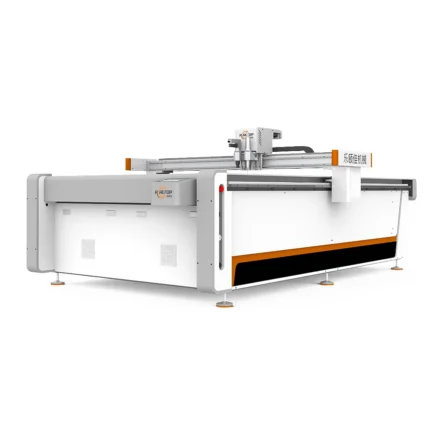
CNC Flatbed Oscillating Knife Cutting Machine 2026
Product Introduction
High-performance CNC Flatbed Oscillating Knife Cutting Machine 2026, ideal for precision cutting of various materials with advanced oscillating knife technology, ensuring efficient and accurate operations for industrial manufacturing needs.Specifications
| Model | 2026 |
| Type | CNC Flatbed Oscillating Knife Cutting Machine |
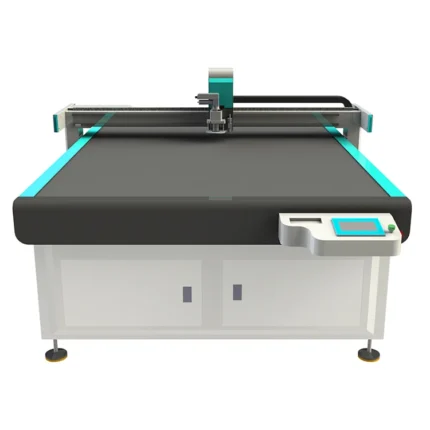
CNC Oscillating Knife Cutting Machine 2026 for Corrugated Cardboard & Honeycomb
Product Introduction
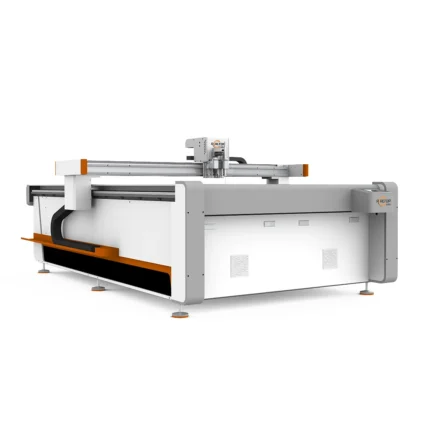
2026 CNC Oscillating Knife Cutting Machine, ideal for corrugated cardboard and honeycomb materials, offering precise and efficient cutting solutions for your production needs.Specifications
| Model | 2026 |
| Type | CNC Oscillating Knife Cutting Machine |
| Applicable Materials | Corrugated Cardboard, Honeycomb |
| Cutting Method | Oscillating Knife |
Digital Box Cutter 2026 Oscillating Knife Cardboard Cutter
Product Parameters
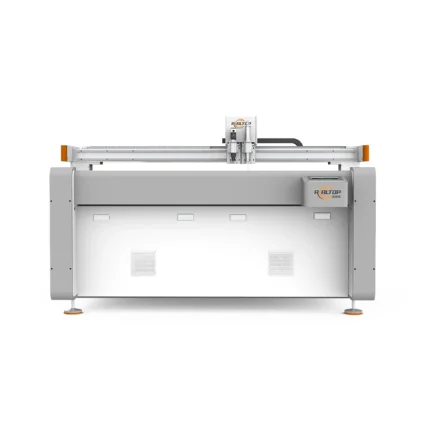
| Model | Digital Box Cutter 2026 |
| Cutting Type | Oscillating Knife |
| Material | Corrugated Cardboard |
Introduction
Professional oscillating knife cutting machine for corrugated cardboard. Ideal for precise, efficient cutting in packaging production. Reliable performance from China's leading welding & cutting equipment manufacturer.

商品评价
There are no reviews yet.