

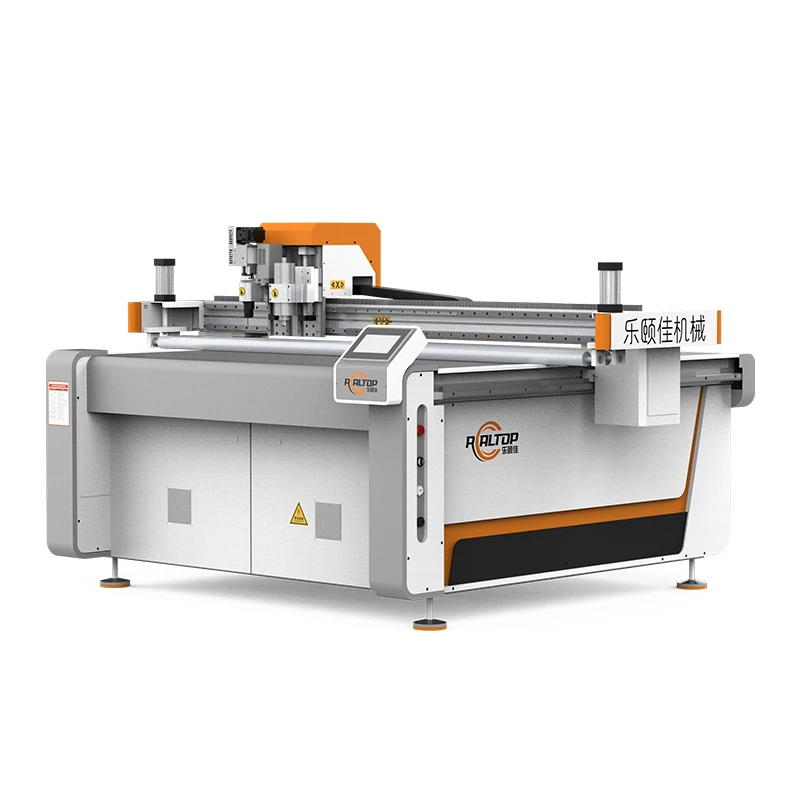
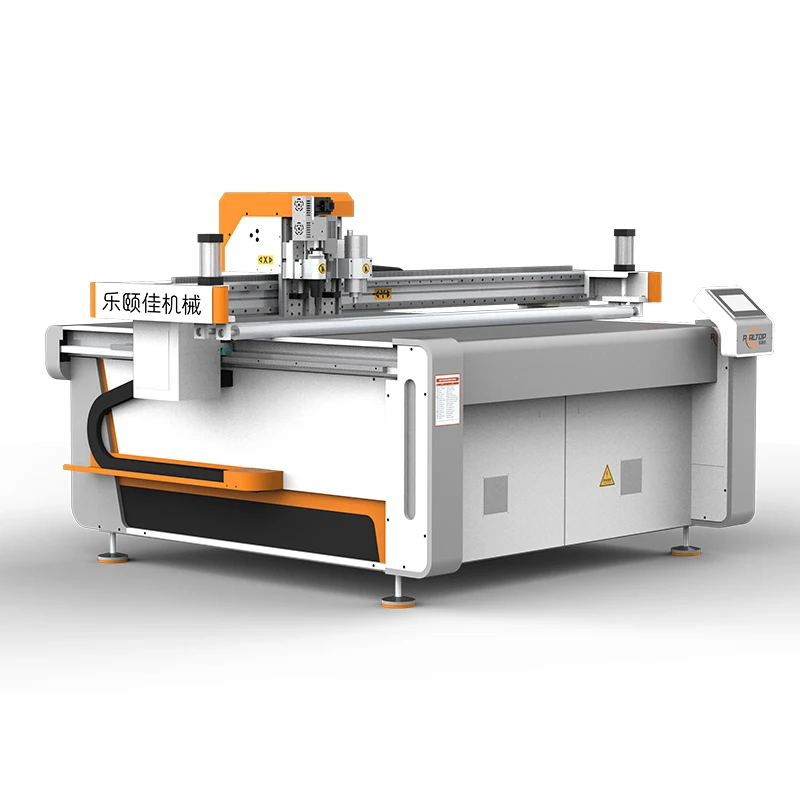
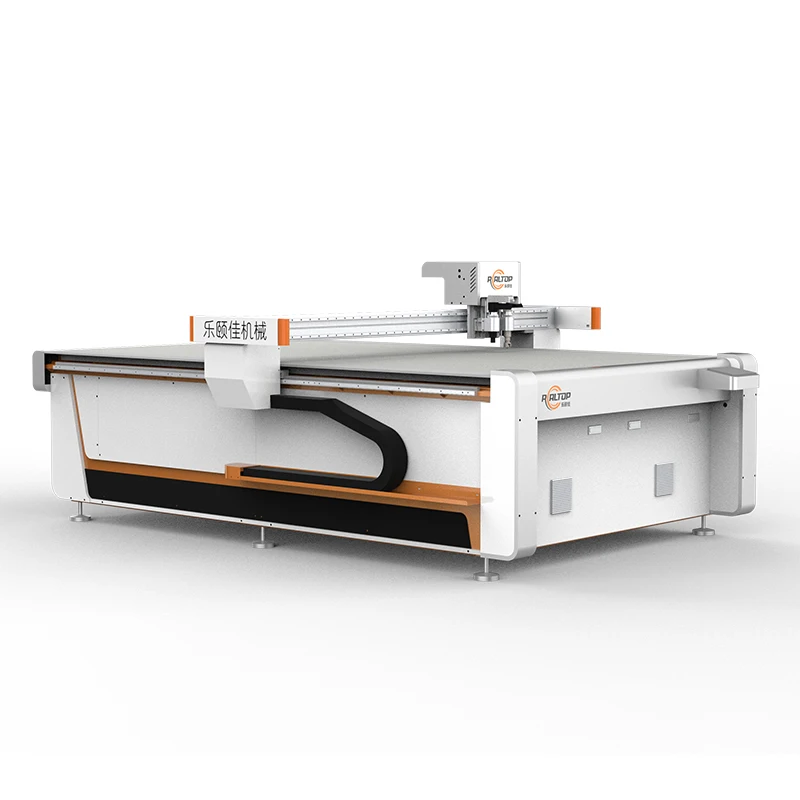
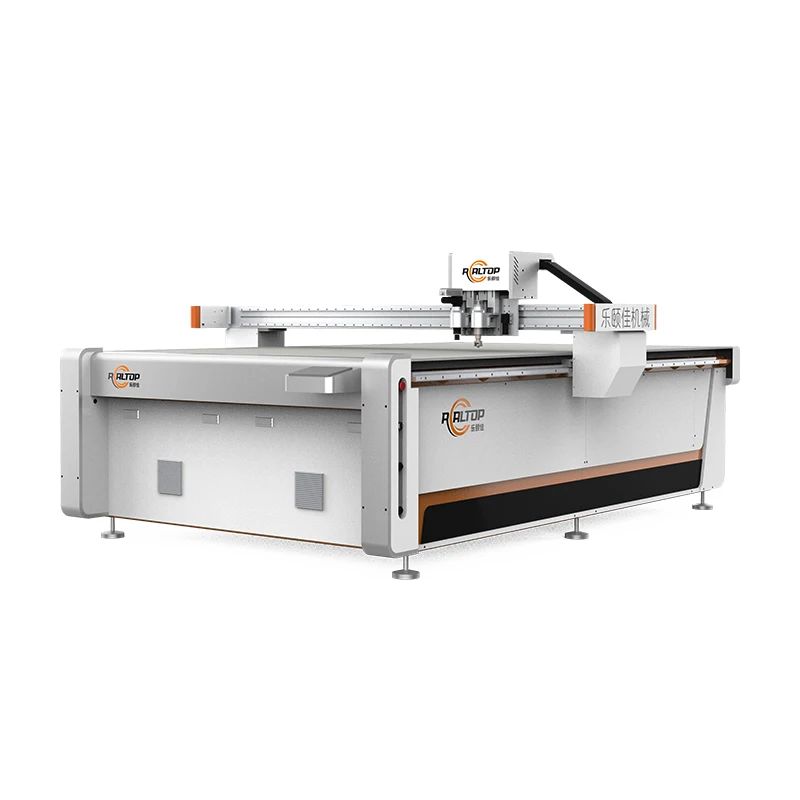
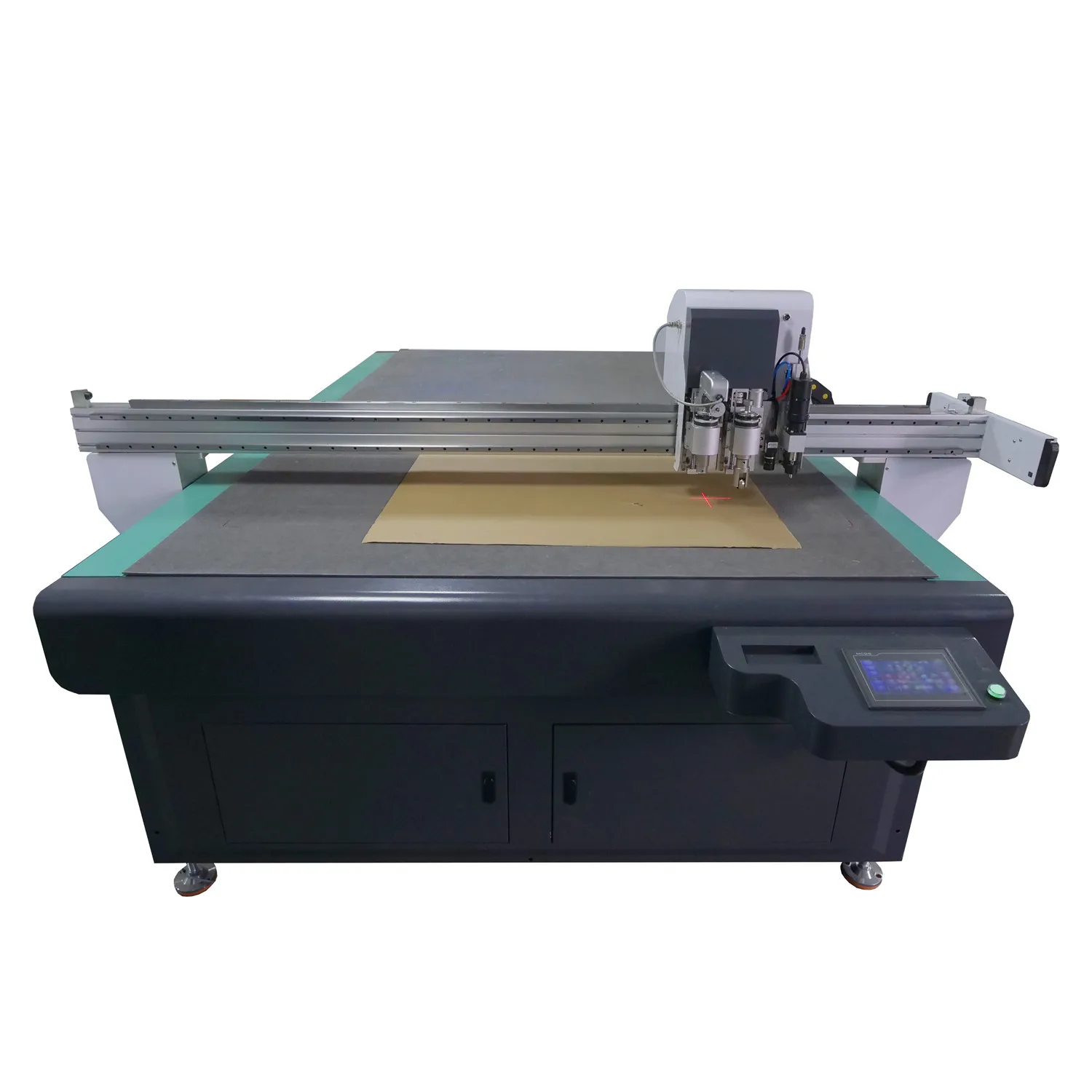
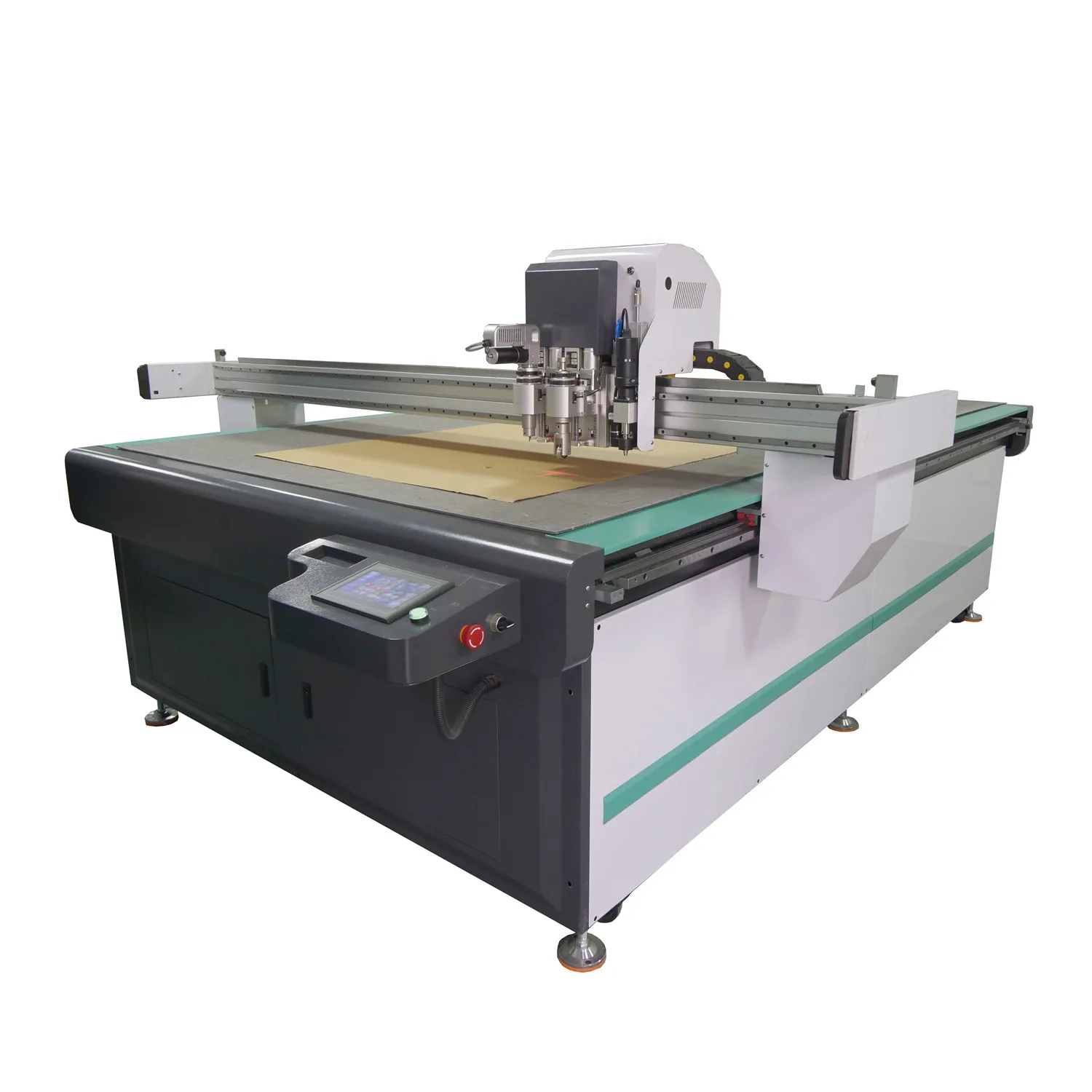
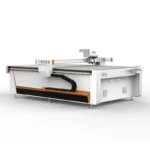
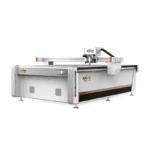
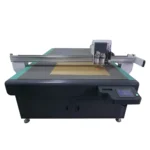
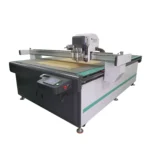
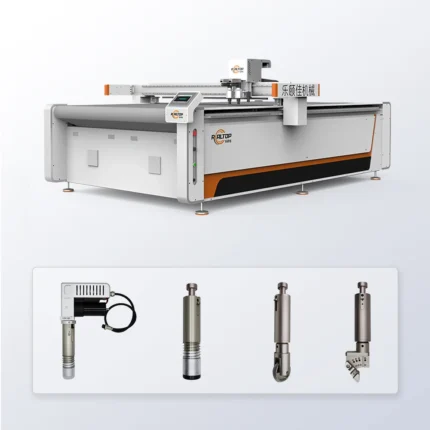
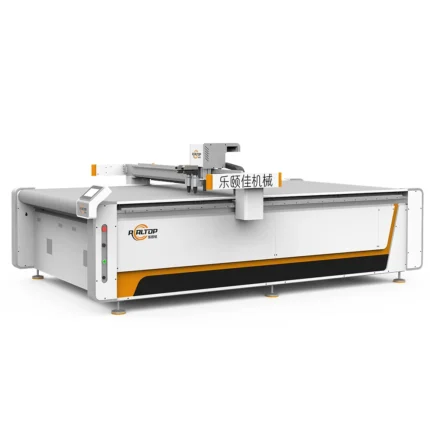
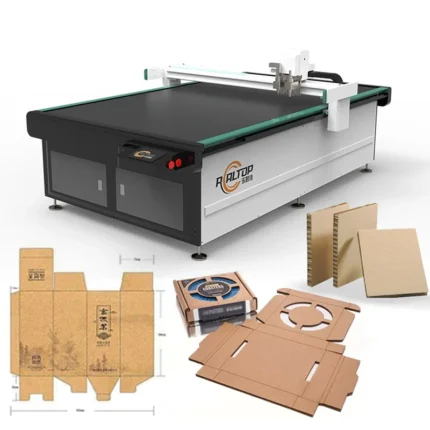
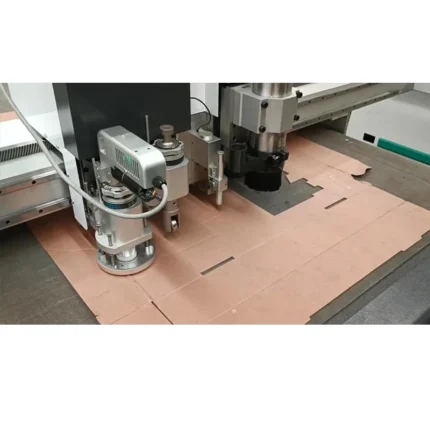
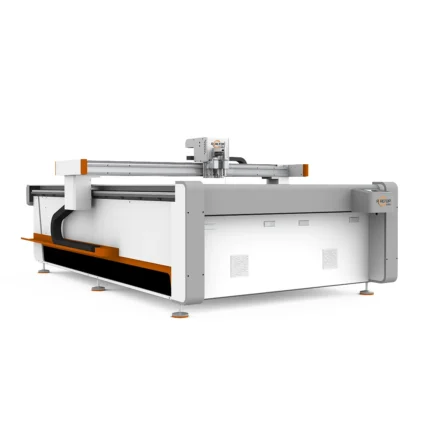
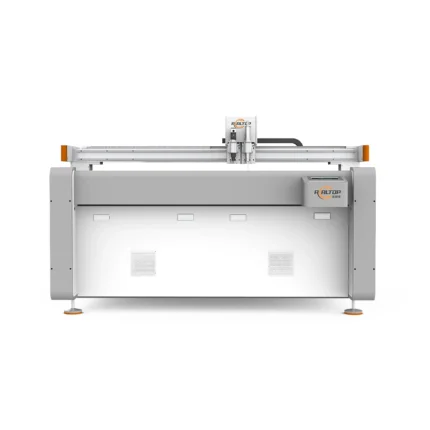
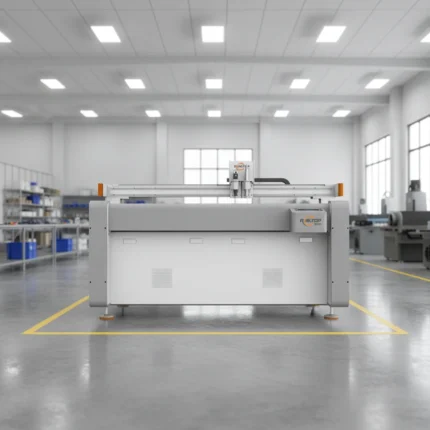
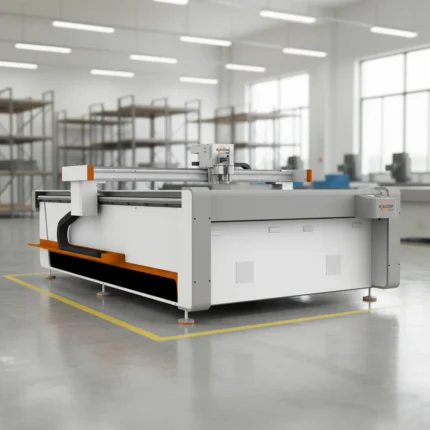
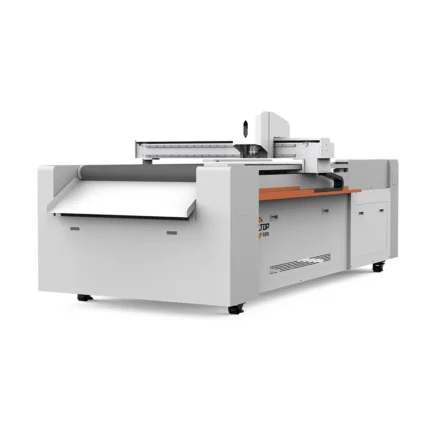
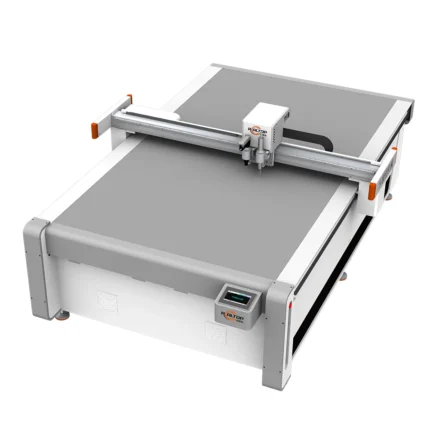
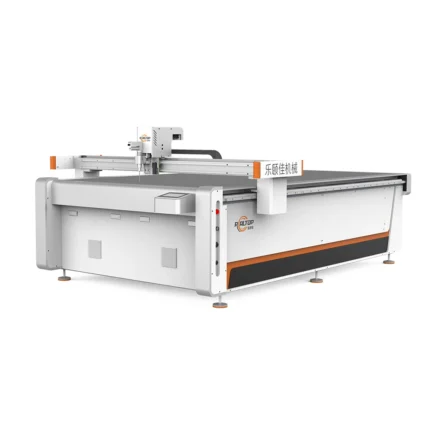
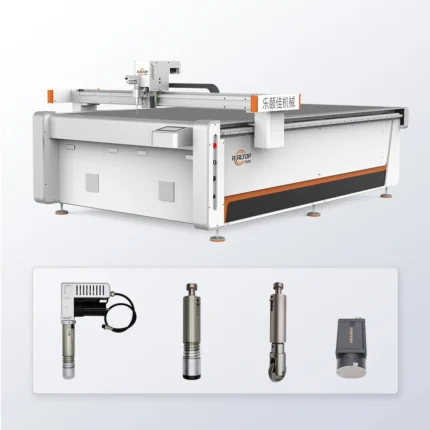
Die-less Cutting Machine for Fast Carton Sample Production – Manufacturer
Sample cutting on your own material before commitment, with software file format compatibility confirmed prior to order and full factory test records supplied at shipment.
Die-less Cutting Machine for Fast Carton Sample Production – Manufacturer
Laser Process Matched to Material — Each CO2 configuration is validated on the buyer’s actual cardboard or greyboard before shipment, ensuring the continuous power rating handles the specified thickness without ragged edges or incomplete cuts.
Technical Specifications
| Parameter | Value |
|---|---|
| Product Type | Die-less Cutting Machine |
| Laser Source | Sealed CO2 glass or RF metal tube |
| Laser Power Options | 80W, 100W, 130W, 150W continuous rating |
| Working Area | Configurable from desktop to large-format flatbed |
| Positioning System | Red-dot pointer or CCD camera for printed contour |
| Cutting Bed | Honeycomb and slat combination with downdraft |
| Motion System | Stepper or servo-driven belt and rail |
| Control Interface | LCD panel or PC-based with USB/network transfer |
| File Compatibility | DXF, AI, PLT, PDF vector import |
| Voltage | 220V/50Hz or 110V/60Hz configurable |
| Exhaust Requirement | Centrifugal fan with ducting to external vent |
| Cooling | Water chiller unit matched to tube wattage |
Application Suitability
| Application | Material or Output |
|---|---|
| Carton and packaging sample making | Corrugated board, greyboard, folding carton stock up to medium density |
| Point-of-sale display prototyping | Foam board, honeycomb paper, corrugated plastic |
| Gasket and seal cutting | Non-asbestos fiber sheet, compressed aramid, cork composite |
| Textile and fabric sampling | Felt, woven technical textile, non-woven filter media |
| Signage and lettering | Acrylic sheet, PVC foam board, MDF |
Why the "Peak Power" Claim Ruins Your First Sample Run
A wattage figure is meaningless unless it states whether it is continuous or peak output.
I spent years installing CO2 machines across Southeast Asia and the Middle East, and the most common dispute I handled started the same way every time: the buyer tested a greyboard sample, the laser head made a full pass, and the cut simply did not go through. The manufacturer had quoted a peak power number, which only describes the instantaneous maximum during pulsed operation. When you are running a continuous vector path through 2mm greyboard for a packaging sample, you need continuous wattage. A Die-less Cutting Machine quoted at peak will underperform the moment it hits real production material, and the edge quality will show it — charred tops, uncut fibers at the base, and a second pass that never quite aligns with the first [NEED_CITE: laser power rating conventions in industrial CO2 equipment].
Continuous Wattage and What It Actually Cuts
The continuous power rating of the CO2 tube determines the maximum material thickness you can cut cleanly in a single pass at a reasonable feed speed. An 80W continuous tube handles thin folding carton stock and light gasket material, while a 150W continuous tube will process medium-density corrugated and thicker greyboard used in premium packaging samples. Specifying a Die-less Cutting Machine without confirming continuous versus peak output is the single most common cause of edge quality failure in sample cutting.
Beam Quality, Focal Spot, and Edge Finish
The laser tube manufacturer, the mirror alignment, and the focal lens together determine the spot size at the material surface. A tighter focal spot concentrates energy into a narrower kerf, which produces cleaner edges on corrugated flute profiles and reduces the heat-affected zone on coated carton stock. This is where the difference between sample-grade cutting and production-grade cutting becomes visible — the Die-less Cutting Machine must hold a consistent focal distance across the entire bed, which is why a rigid flatbed frame and a well-calibrated Z-axis matter more than raw wattage alone [NEED_CITE: CO2 beam propagation and focal spot diameter effects on kerf quality].
Reading the Specification Sheet Against Your Material
Three parameters interact to determine whether your carton sample cuts cleanly: continuous wattage, feed speed, and assist air pressure. Higher wattage allows faster feed speed at the same thickness, but pushing speed too high on corrugated board will leave the bottom liner uncut. Assist air blows molten residue and smoke out of the kerf, preventing re-deposition on the flute tips. When evaluating a Die-less Cutting Machine, request a cutting test on your exact board grade at your target speed rather than accepting a generic sample made on a different material.
What Happens When the Vacuum Bed Is Undersized
Thin carton stock and corrugated samples are lightweight and prone to lifting when the laser head passes at speed, especially near cut endpoints where the material loses structural rigidity. A vacuum bed with insufficient zoning will allow small sample pieces to curl upward into the beam path, scorching the surface or causing a collision with the laser head. The bed must be divided into selectable zones so you can concentrate suction under the active cutting area. On a packaging sample table, this is not optional — it is the difference between a clean first sample and a pile of ruined stock [NEED_CITE: vacuum hold-down requirements for thin sheet laser cutting].
Why the Manufacturer’s Build Approach Matters Here
The design team works across both knife and laser cutting platforms, which means the Die-less Cutting Machine is specified by matching the cutting method to the material rather than forcing one technology onto every application. The factory tests every laser unit on the buyer’s submitted material before packing, documenting continuous wattage, feed speed, and edge quality in a sample report that ships with the machine. Electrical schematics confirm voltage, plug type, and control language before production begins, eliminating the most frequent field-service complaints. Software file compatibility — DXF, AI, PLT — is verified against the buyer’s existing design workflow during the order confirmation stage. CE documentation is prepared where the destination market requires it, and the packing photographs are shared before the crate closes.
Documentation & Verification
- Factory test record on your specific board grade and thickness before dispatch
- Electrical schematic confirming voltage, frequency, and plug type for your market
- Software license with verified DXF, AI, and PLT file import compatibility note
- Sample cutting report showing edge quality and single-pass depth on your material
- Operation manual translated into the control language specified at order
- Spare parts list with CO2 tube, mirrors, focal lens, and belt part numbers
Installation, Commissioning & Support
- Flatbed frame requires level concrete floor with clearance for chiller and exhaust duct routing
- Dedicated circuit matched to the total connected load of laser tube, chiller, and exhaust fan
- Machine ships partially assembled; Z-axis, gantry, and beam path require on-site alignment
- First-power-on procedure includes mirror alignment, focal length calibration, and bed leveling
- Operator training covers file import, speed-power matrix setup, and lens cleaning schedule
- Consumable spares kit includes replacement mirrors, focal lenses, and drive belts
What to Prepare Before Requesting a Quotation
Send the exact board grades you cut most often — flute type, grammage, and thickness — along with a typical sample file in your preferred vector format. Confirm your workshop voltage and frequency, the control panel language your operators need, and whether your current design software outputs DXF or a proprietary format. If you run short-run samples for multiple clients, note the maximum sheet size and whether you need CCD positioning for printed registration marks.
Frequently Asked Questions
Q: Can this machine cut both corrugated board and acrylic for display stands?
A: The CO2 source cuts both non-metal materials, but the speed and power settings differ significantly. Corrugated board requires lower power and faster speed to avoid charring the flute edges, while acrylic needs higher power and slower speed to achieve a flame-polished edge. The control system stores separate parameter files for each material.
Q: How do I know the quoted wattage is continuous and not peak?
A: Every quotation from this factory lists continuous wattage explicitly, confirmed by a cutting test on your submitted material before the machine ships. The sample cutting report documents the actual feed speed, number of passes, and edge quality achieved, so there is no ambiguity between peak and continuous rating.
Q: What exhaust setup is needed for cutting cardboard and greyboard?
A: Cardboard and greyboard produce fine particulate and smoke that must be extracted continuously. A centrifugal exhaust fan with flexible ducting routed to an external vent or filtration unit is required. The fan specification is matched to the bed size and the volume of smoke generated at your typical cutting speed.
Q: Can the machine read my existing sample files without conversion?
A: The control software imports DXF, AI, PLT, and PDF vector files directly. During order confirmation, you send a sample file from your current design workflow, and the factory verifies import, nesting, and toolpath generation before the machine is built. Any format incompatibility is resolved at that stage.


Related products
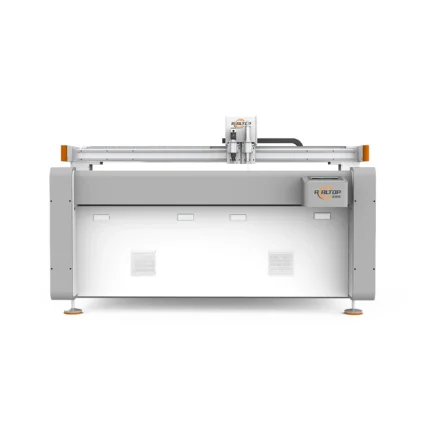
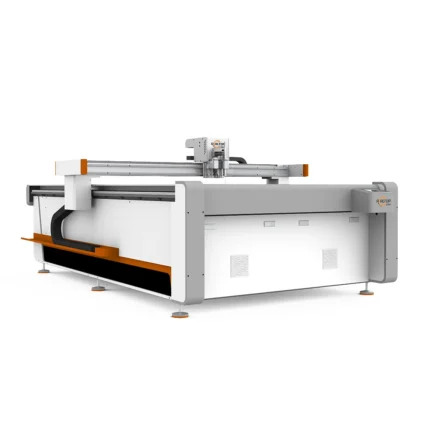
Automation CNC Pizza Box Machine 2026 Rotary Die Cutting
Product Parameters
| Type | Automation CNC Pizza Box Machine |
| Model Year | 2026 |
| Cutting Technology | Rotary Die Cutting |
| Operation | Automated CNC Control |

商品评价
There are no reviews yet.