

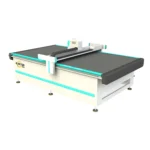
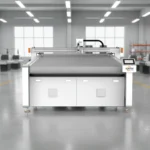
Fabric Sofa CNC Cutting Machine | Laser Cutting and Engraving Manufacturer
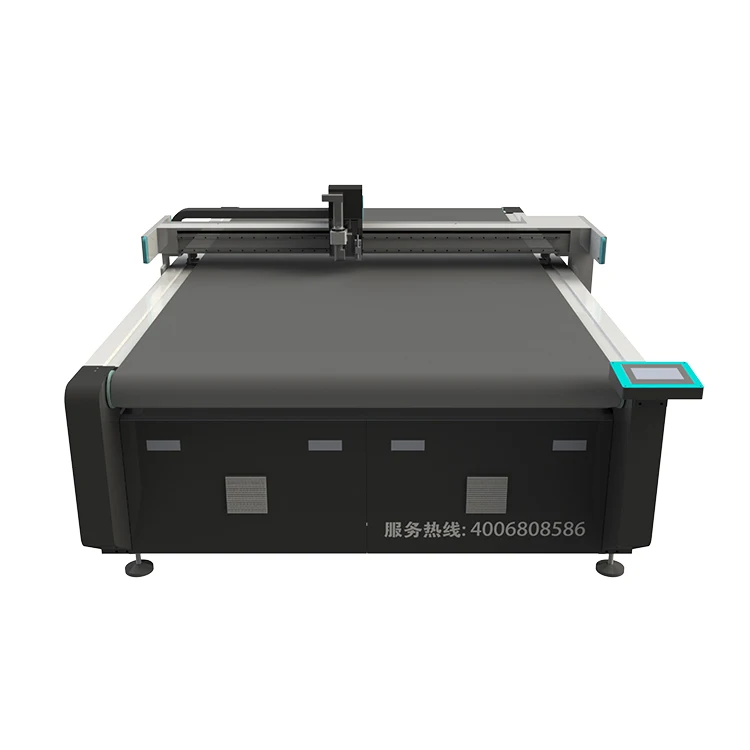
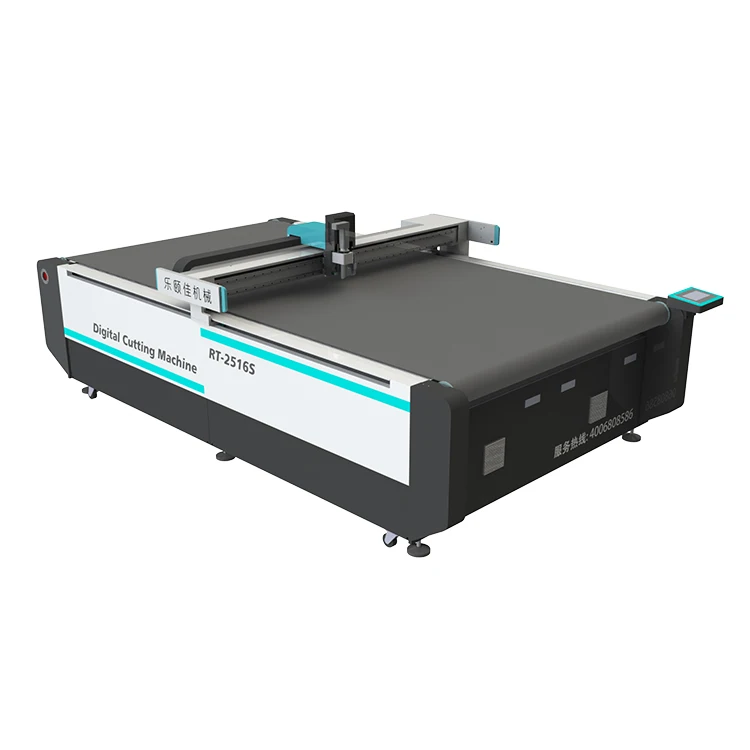
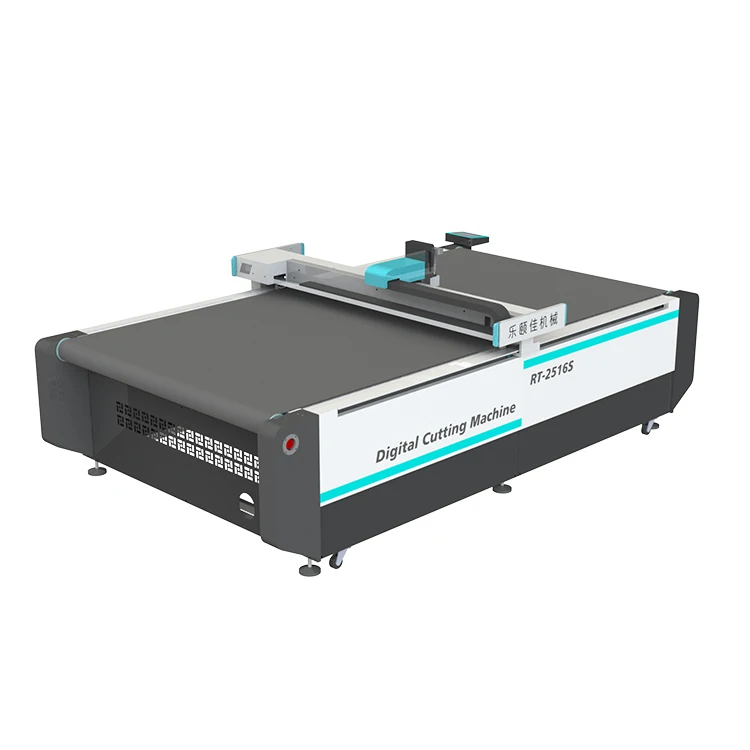
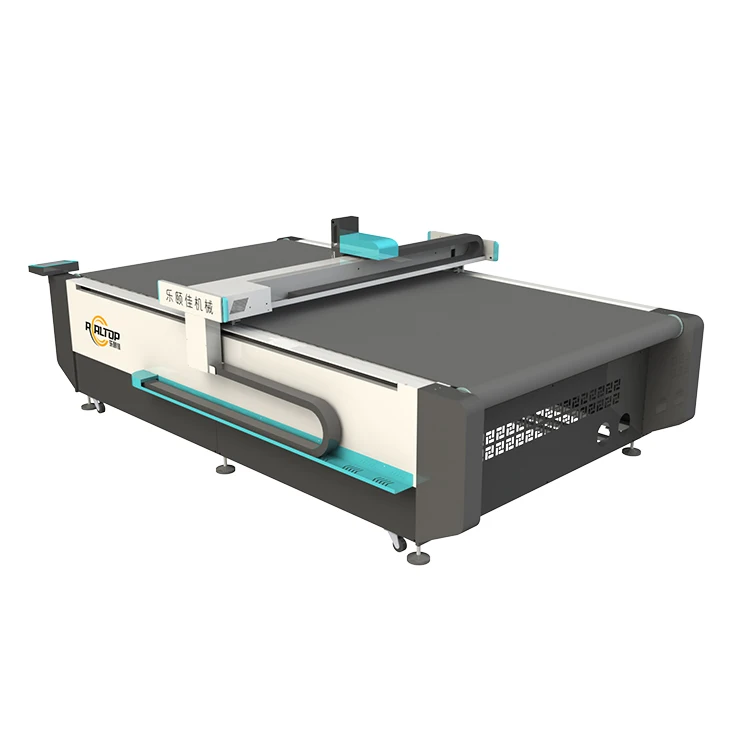
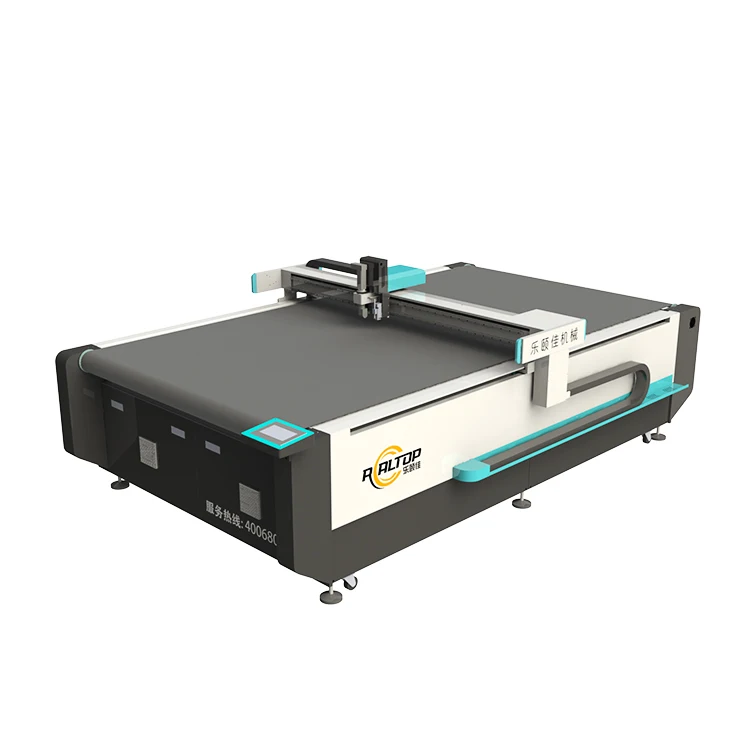
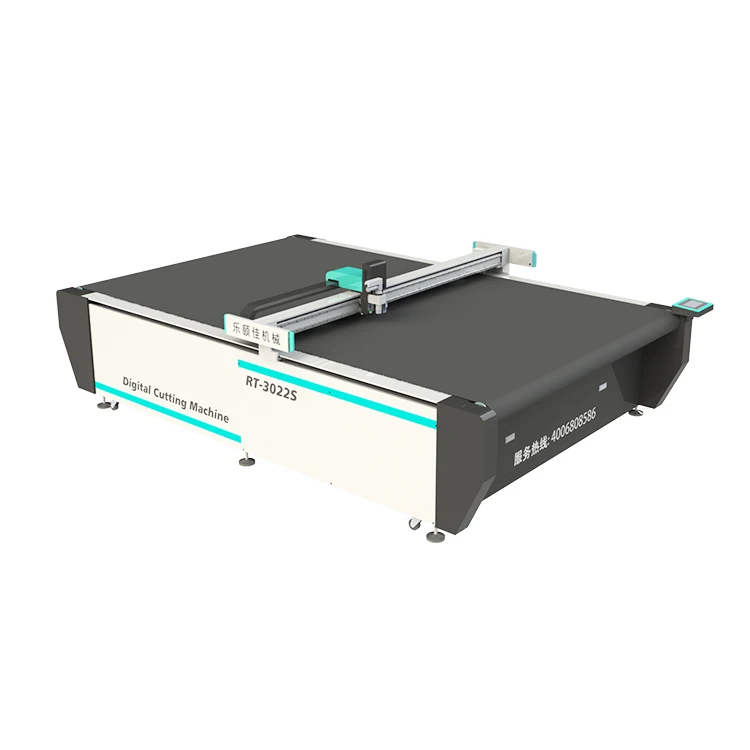
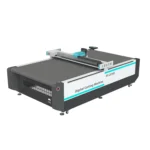
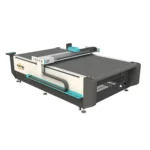
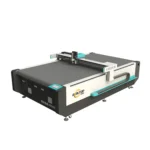
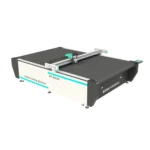
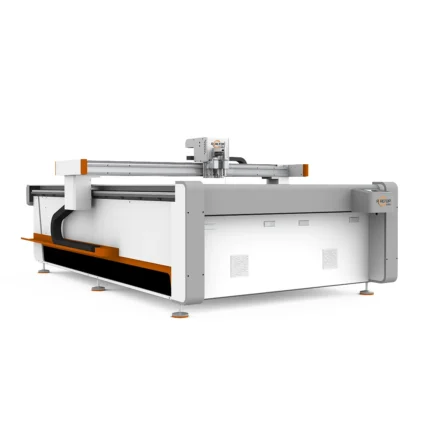
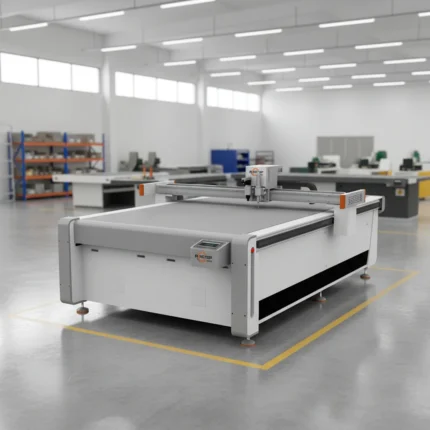
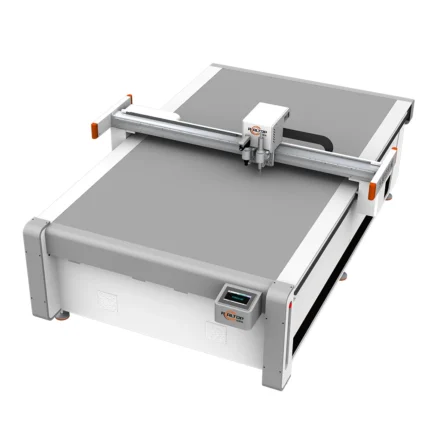
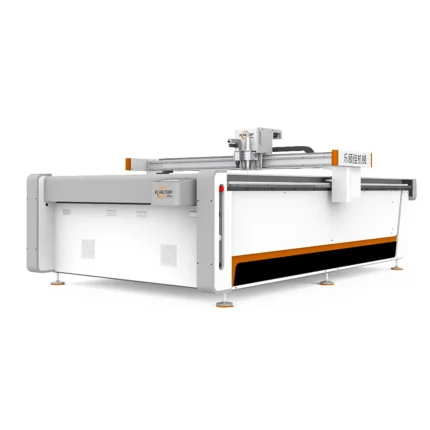
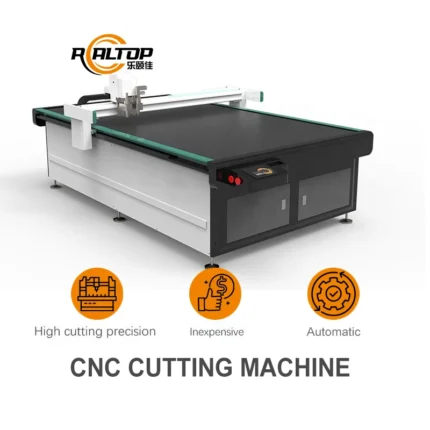
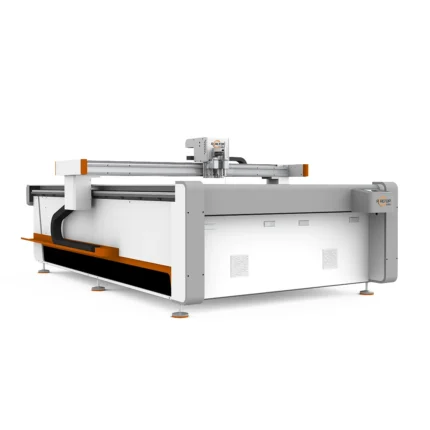
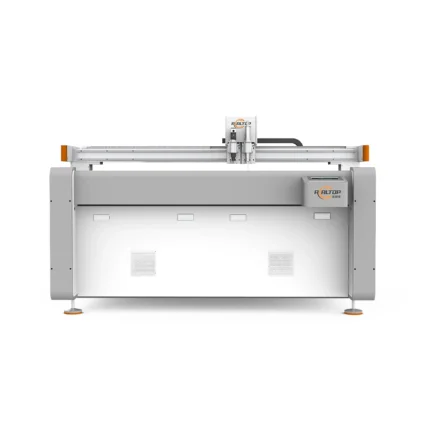
RT-D2516/RT-S2516 Fabric Sofa CNC Cutting Machine, 1600×2500mm Working Area, 9kW Rated Power, Swiss Oscillating Knife — engineered for precise contour cutting of leather, fabric, sponge composite and flexible materials in upholstery production.
- Vacuum table with 7.5kW pump and auto feeding system keep soft materials flat and aligned during high-speed cutting
- CCD camera positioning delivers ≤0.1mm repeat accuracy for printed pattern recognition
- HP-GL compatible control integrates with existing nesting software workflows
- Yaskawa servo motors and Hiwin linear rails ensure smooth motion across the full cutting area
Sample cutting on your actual sofa fabric or leather is completed before order confirmation, so edge quality and cutting depth are verified against your specific material stack-up.
Process-Matched Configuration — Real cutting capacity depends on matching oscillation frequency and vacuum zoning to the buyer’s actual fabric stack, verified by sample cutting before order confirmation.
Technical Specifications
| Parameter | Value |
|---|---|
| Product Type | CNC Oscillating Knife Cutting Machine |
| Model | RT-D2516/RT-S2516 |
| Working Area | 1600 × 2500 mm |
| Overall Dimensions (L×W×H) | 3450 × 2300 × 1250 mm |
| Rated Power | 9 kW |
| Cutting Thickness | 200–800 mm/s depending on material type and layer count (basis not stated in source) |
| Translational Velocity | 800–1200 mm/s |
| Repeated Accuracy | ≤ 0.1 mm |
| Fixed Table Type | Flat working table with vacuum hold-down |
| Vacuum Pump | 7.5 kW |
| Transmission System | Digital servo motor, linear guide, synchronous belt, ball screw |
| Servo Motor | Japanese Yaskawa |
| Linear Rail | Taiwan Hiwin |
| Conveyor Belt | Germany imported |
| Multifunctional Head | Swiss imported knife: vibration full cutting, vibration half cutting, cursor location |
| Safety Device | Infrared sensors |
| Instruction Format | HP-GL compatible |
| Voltage | 380V ± 10% |
| Feed System | Auto feeding |
| Warranty | 12 months for whole machine |
Application Suitability
| Application | Material or Output |
|---|---|
| Sofa upholstery panel cutting | Multi-layer woven polyester, velvet, chenille, microfiber |
| Leather furniture cover nesting | Natural and synthetic leather hides, PU leather |
| Cushion and armrest template cutting | Sponge composite leather, high-density foam laminates |
| Soft furnishing component production | PVC, soft glass, silicone rubber sheets |
| Gasket and seal profiling | Rubber, PTFE, ETFE, silicone gasket stock |
| Automotive interior trim pre-cutting | Non-woven carpet, headliner fabric, composite textiles |
Why "Working Area Alone" Is a Costly Way to Specify a CNC Oscillating Knife Cutting Machine for Laser Cutting and Engraving
Material behavior under the knife determines the real configuration, not the table dimensions.
I once stood next to a flatbed cutter that ran fine on single-ply polyester test swatches, then produced ragged edges and floating offcuts the moment the operator loaded a multi-layer composite velvet bonded to foam. The oscillation frequency was too low for the stack density, and the vacuum zones were sized for large panels rather than the small armrest pieces the factory actually produced. The entire first batch had to be re-cut, and the downtime cost more than the material itself. [NEED_CITE: vacuum zoning requirements for small-part nesting on oscillating knife tables]
When buyers specify a CNC Oscillating Knife Cutting Machine for laser cutting and engraving by table size alone, they leave tool head selection, vacuum partition layout, and feed rate calibration to chance. Those are the parameters that determine whether the machine holds fabric flat during high-speed contour cuts or lets edges lift and drift.
Oscillation Frequency and Knife Selection by Fabric Stack
The Swiss-imported oscillating knife head on this unit supports both full-cut and half-cut vibration modes. Full-cut mode drives the blade through the entire stack in a single pass, which is necessary for dense composites like foam-bonded velvet or multi-layer chenille. Half-cut mode scores the top layer without penetrating the backing, useful for kiss-cutting appliqué patterns on woven upholstery. Matching the oscillation stroke to the material density prevents frayed edges on loose-weave fabrics and crushed foam cores in bonded laminates. The CNC Oscillating Knife Cutting Machine for laser cutting and engraving reaches a translational velocity between 800 and 1200 mm/s, but sustained cutting speed depends on how quickly the knife can clear chips from the kerf in thicker stacks.
Vacuum Hold-Down and Zone Configuration for Upholstery Nesting
A 7.5 kW vacuum pump supplies suction across the flat working table, but total pump capacity matters less than how the table surface is zoned. Large sofa back panels cover enough area to engage multiple zones and stay flat. Small cushion piping strips and armrest gussets, however, may span only one zone or fall between zone boundaries, allowing edges to lift during contour cuts. Confirming the vacuum zone layout against the buyer’s typical nesting pattern ensures that the smallest piece in the nest remains secured throughout the cutting cycle. [NEED_CITE: vacuum zone planning for nested upholstery parts on flatbed digital cutters]
What the Specs Mean on the Shop Floor
The 1600 × 2500 mm working area accommodates standard roll widths used in upholstery fabric, allowing a full-width lay without trimming the selvedge first. A repeated accuracy of ≤ 0.1 mm keeps pattern-matching pieces — such as left and right armrest covers that must align at a seam — within tolerance for automated sewing lines downstream. Yaskawa servo motors paired with Hiwin linear rails maintain positioning consistency across long production runs, reducing cumulative drift that would otherwise show up as mismatched notches on nested pieces. The HP-GL compatible instruction format means nesting files generated in common upholstery CAD software can transfer to the machine controller without an intermediate conversion step, which eliminates a frequent source of contour distortion.
The Hidden Cost of a Mismatched Tool Head
Choosing a drag knife instead of an oscillating knife for woven upholstery fabric produces pulled threads along curved contours because the blade drags rather than vibrates through the weave. On sponge composite leather, insufficient oscillation amplitude leaves the foam core torn rather than sheared, creating a ragged cross-section visible on the finished cushion edge. If the vacuum zone grid does not align with the smallest piece in the nesting layout, that piece can shift mid-cut, ruining not only itself but also adjacent parts that share a common cut line. These failures show up after the machine has been installed, when return shipping is no longer an option. [NEED_CITE: tool head selection errors and material-specific edge defects in digital flatbed cutting]
Why Source This Configuration Here
In-house design and production cover both knife and laser cutting technologies, so the buyer selects the cutting method that fits the material rather than forcing one method across all fabrics. Tool head and table configurations are specified per material type and daily production volume, not pulled from a default build sheet. Sample cutting on the buyer’s own upholstery fabric is completed before order confirmation, providing a physical reference for edge quality, cut speed, and nesting accuracy. Voltage, control language, and electrical schematics are confirmed against the destination factory’s supply before the machine enters assembly. Software compatibility — including HP-GL file import and nesting workflow — is verified so that the buyer’s existing CAD output runs on the controller from day one.
Documentation & Verification
- Machine specification sheet listing confirmed tool head and vacuum zone layout
- Electrical schematic with voltage and frequency matched to destination country
- Sample cutting report on buyer’s own sofa fabric with edge quality photographs
- Factory test record showing repeated accuracy measurement before crating
- Operation and maintenance manual in the buyer’s specified control language
- Spare parts list covering blades, knife holders, and vacuum seals
Installation, Commissioning & Support
- Foundation must support 3450 × 2300 mm footprint with level tolerance for flat table alignment
- Dedicated 380V ± 10% three-phase circuit required for 9 kW rated load plus vacuum pump
- Machine ships partially assembled; conveyor belt and auto feeder mounted on site
- First-run parameter calibration includes oscillation frequency tuning to buyer’s fabric stack
- Operator training covers HP-GL file loading, nesting layout, and vacuum zone activation
- Blade and knife holder replacement intervals reviewed during commissioning visit
What to Include in Your Inquiry
Send a representative sample of the actual upholstery fabric — including any bonded foam or composite backing — along with the typical lay height and daily piece count. Specify the destination factory voltage, frequency, and preferred control panel language so the electrical build matches local supply conditions. If the nesting workflow relies on a specific CAD or marking software, provide a sample output file so compatibility can be confirmed before the controller is programmed.
Frequently Asked Questions
Q: How do you choose between oscillating knife and laser for sofa fabric?
A: Oscillating knife suits woven, knitted, and composite upholstery materials where a clean mechanical shear preserves the fabric hand and avoids melted edges. Laser is preferred for synthetic textiles that benefit from edge sealing during the cut. The decision depends on fabric composition, stack height, and whether the finished piece requires a soft or sealed edge. We run sample cuts on the buyer’s material to confirm the method before building the machine.
Q: Can the voltage and control language be adapted for different export markets?
A: Yes. The standard configuration is 380V ± 10%, but the electrical build is confirmed against the destination factory’s supply before assembly. Control panel language, manual, and software interface are specified at order stage. The electrical schematic provided with the machine reflects the confirmed voltage, plug type, and frequency for the target country.
Q: Does the vacuum table hold small upholstery pieces securely?
A: The 7.5 kW vacuum pump provides suction across the flat table, but small parts like piping strips and gussets require zone layout planning. We review the buyer’s typical nesting pattern and adjust the zone grid so that every piece in the nest engages at least one active zone, preventing lift during high-speed contour cutting.
Q: What file formats does the controller accept?
A: The system accepts HP-GL compatible format, which covers output from most upholstery CAD and nesting software. We verify file import and nesting workflow compatibility using a sample file from the buyer’s existing software before the machine ships, avoiding conversion errors on the production floor.
Q: How is installation and operator training handled?
A: The machine arrives partially assembled; the conveyor belt and auto feeder are mounted on site. Commissioning includes oscillation frequency calibration to the buyer’s fabric stack, vacuum zone testing, and repeated accuracy verification. Operator training covers file loading, nesting, tool head changes, and maintenance intervals, typically completed within the first production week.


Related products
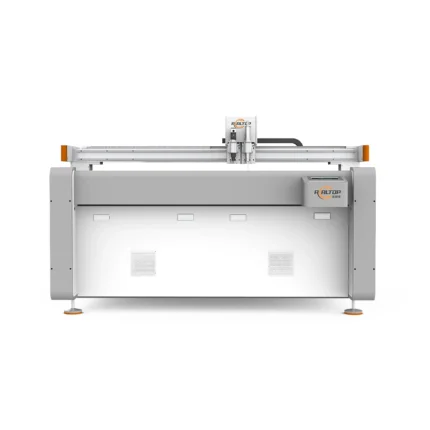
CNC Oscillating Knife Cutter 2026 for Corrugated Foam Cutting – Manufacturer
CNC Oscillating Knife Cutting Machine, 1600×2500mm Working Area, 7-Tool Head Configuration — designed for corrugated board and foam packaging production.
Cutting method matched to material behavior: oscillating knife for clean E/B/BC-flute corrugated edges, creasing wheel for fold lines, driven rotary knife for fabric inserts. Aluminum bellows vacuum table with 9KW pump ensures consistent hold-down across the full bed, while PLC control and dedicated packaging structure software accept PLT, DXF, AI, and PDF files directly.
Sample cutting on your specific flute type and foam density performed before order confirmation, with tool head configuration list and electrical schematic verified for your voltage and frequency requirements.

CNC Oscillating Knife Cutting Machine for Packaging – Manufacturer
1625 CNC Oscillating Knife Cutting Machine, 1600×2500mm working area, ±0.1mm accuracy — configured for packaging sample and non-metal processing.
- Tool heads: oscillating knife, driven rotary, creasing wheel, kiss cutting, pneumatic, milling, V-groove, matched to corrugated, foam, PVC and composites
- 9kW vacuum pump with aluminum bellows table for small-part hold-down at up to 1500mm/s cutting speed
- Dedicated packaging structure design software, PLT/DXF/AI/PDF import, multi-language PLC control
CO2 laser power verified at continuous rating — not peak — with a cutting test on your material before order, ensuring real depth on acrylic, wood and textile.
CNC Vibrating Knife Cutter with Custom Cartons – for Packaging
RT-D2516/RT-S2516 CNC Oscillating Knife Cutting Machine, 1600×2500 mm, 9 kW — configured with Swiss imported multi-tool head supporting full cutting, half cutting, creasing, and V-slotting in one setup.
- Magnesium-aluminum alloy vacuum table with PVDF coating and zoned adsorption
- CCD camera options: mark point, panoramic, and projection positioning
- Delta/Panasonic servo drive with Hiwin linear guides, ≤0.1 mm repeatability
- Supports PLT, DXF, AI file formats with multi-language touch screen control
Sample cutting on your own material provided before commitment, with full tool head and configuration list confirmed per your production workflow.

Corrugated Packaging CNC Cutting Machine – Specifications
RT-D2516/RT-S2516 CNC Oscillating Knife Cutting Machine, 1600×2500mm Working Area, 9kW, Vacuum Table — engineered for corrugated packaging, carton sample making, and sticker contour cutting across non-metal substrates.
- Swiss imported oscillating knife with full-cut and half-cut modes for crease-and-cut workflows
- Taiwan Delta servo drives and Hiwin linear rails deliver ≤0.1mm repeatability
- Aluminum honeycomb vacuum platform with 7.5kW pump for stable hold-down at 800–2000mm/s translational speed
- HP-GL compatible, multi-language control interface
CO2 laser seals synthetic edges but cannot crease card stock — this oscillating knife system handles corrugated, foam board, and flexible materials where blade cutting outperforms thermal processes. Sample cutting on your material available before order confirmation.
Flatbed Digital Cutting Machine for Packaging – Factory Supply
Realtop 1625 (STD) Packaging CNC Cutting Machine, 1600×2500mm, ±0.1mm Accuracy — engineered for packaging sample making and multi-material processing without die-cut molds.
- Seven interchangeable tool heads including oscillating knife, creasing wheel, and V-groove for material-specific edge quality
- Aluminum bellows vacuum table with 9KW pump holds small parts flat during high-speed cutting
- PLC control with dedicated packaging structure design software, supporting PLT/DXF/AI/PDF import
Sample cutting on your own material is completed before order commitment to verify thickness capacity and edge finish.
High Speed CNC Vibrating Knife Cutter for Corrugated Box & Cardboard – Manufacturer
RT-D2516/RT-S2516 CNC Oscillating Knife Cutting Machine, 1600×2500mm Working Area, 9kW — configured for corrugated box and cardboard sample making with oscillating knife, creasing wheel and V-cutting tool heads. Translational velocity reaches 800–2000mm/s with ≤0.1mm repeatability, while the aluminum air box vacuum platform ensures uniform hold-down across full sheets. - Multi-tool head handles full-cut, half-cut and creasing in a single pass for packaging workflows. - Supports PLT, DXF and AI file import with auto typesetting software for nesting efficiency. - Sample cutting on your own material before order commitment ensures the configuration matches your exact board grade and thickness.
Ice Silk Mattress Cutter Round Knife Quilt Blanket Cutting Machine – Manufacturer
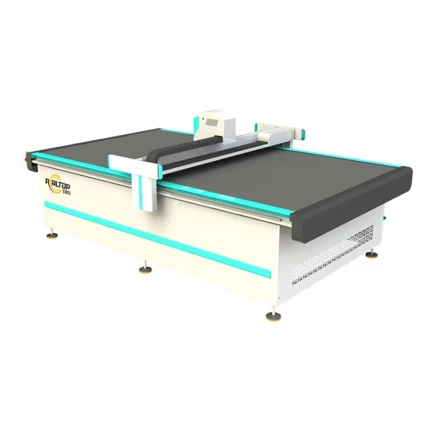
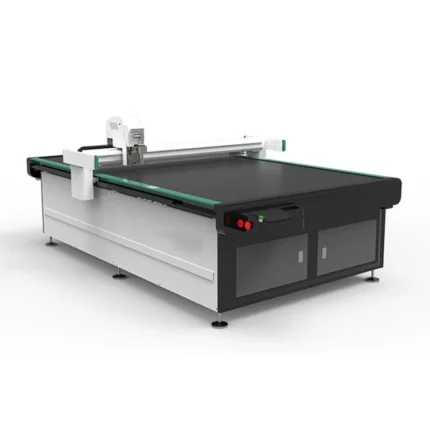
RT-D2516/RT-S2516 CNC Oscillating Knife Cutting Machine, 1600×2500mm Working Area, 9kW Rated Power — configured for fabric, leather and flexible composite material processing.
- Swiss imported oscillating knife with full cut, half cut and cursor location ensures clean edges on woven textiles, quilted panels and foam-backed fabrics
- Auto-feeding conveyor with vacuum hold-down supports continuous roll-to-sheet workflow
- Yaskawa servo and Hiwin linear guide deliver ≤0.1mm repeatability across the full table
CO2 laser process parameters including focal length, assist gas and edge sealing behaviour are specified per material at quotation stage. Sample cutting on your own material confirms edge quality and cutting depth before commitment, with tool head and vacuum zone configuration documented per fabric weight and production volume.
Sofa Cover Fabric Oscillating Knife Cutter – Manufacturer
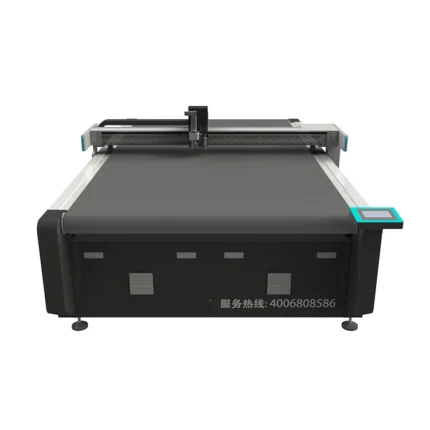
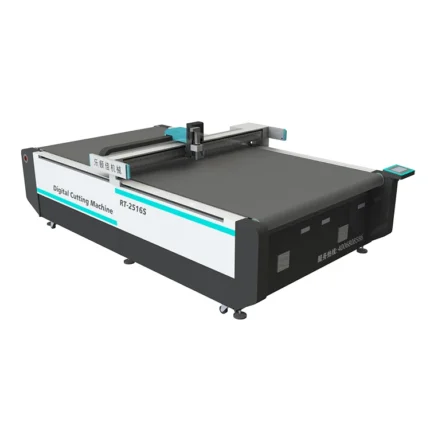
RT-D2516/RT-S2516 Fabric Sofa CNC Cutting Machine, 1600×2500mm Work Area, 9kW Rated Power, Swiss Tool Head — configured for oscillating knife cutting of sofa upholstery fabric, leather and sponge composites with clean-edge full-cut and half-cap modes.
- CO2 vs fiber laser process detail is out of scope here; this platform focuses on knife cutting matched to material type, thickness and daily volume
- Yaskawa servos with Hiwin linear guides deliver ≤0.1mm repeated accuracy; 7.5kW vacuum pump and auto-feeding conveyor support continuous roll-to-sheet workflow
- Sample cutting on your own material is performed before commitment, with voltage, plug type and HMI language confirmed prior to shipment
商品评价
There are no reviews yet.