

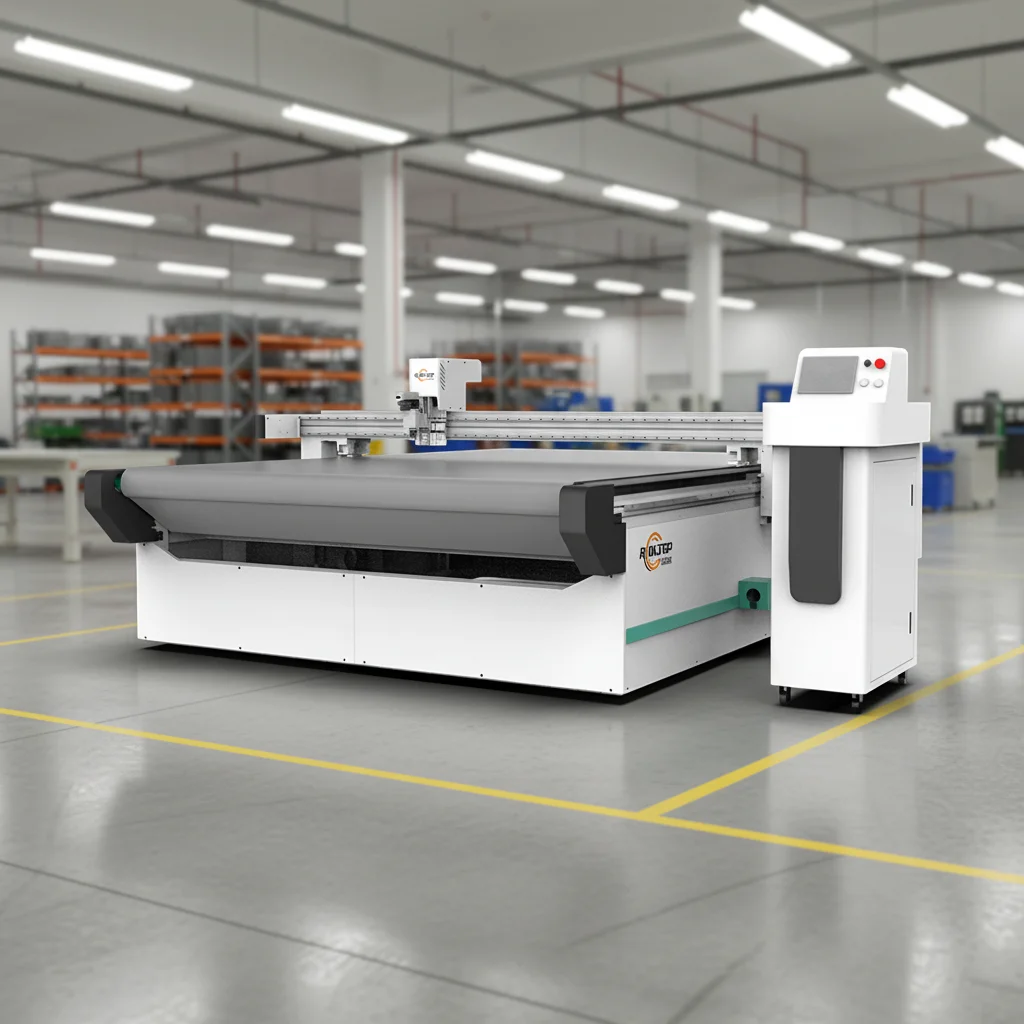
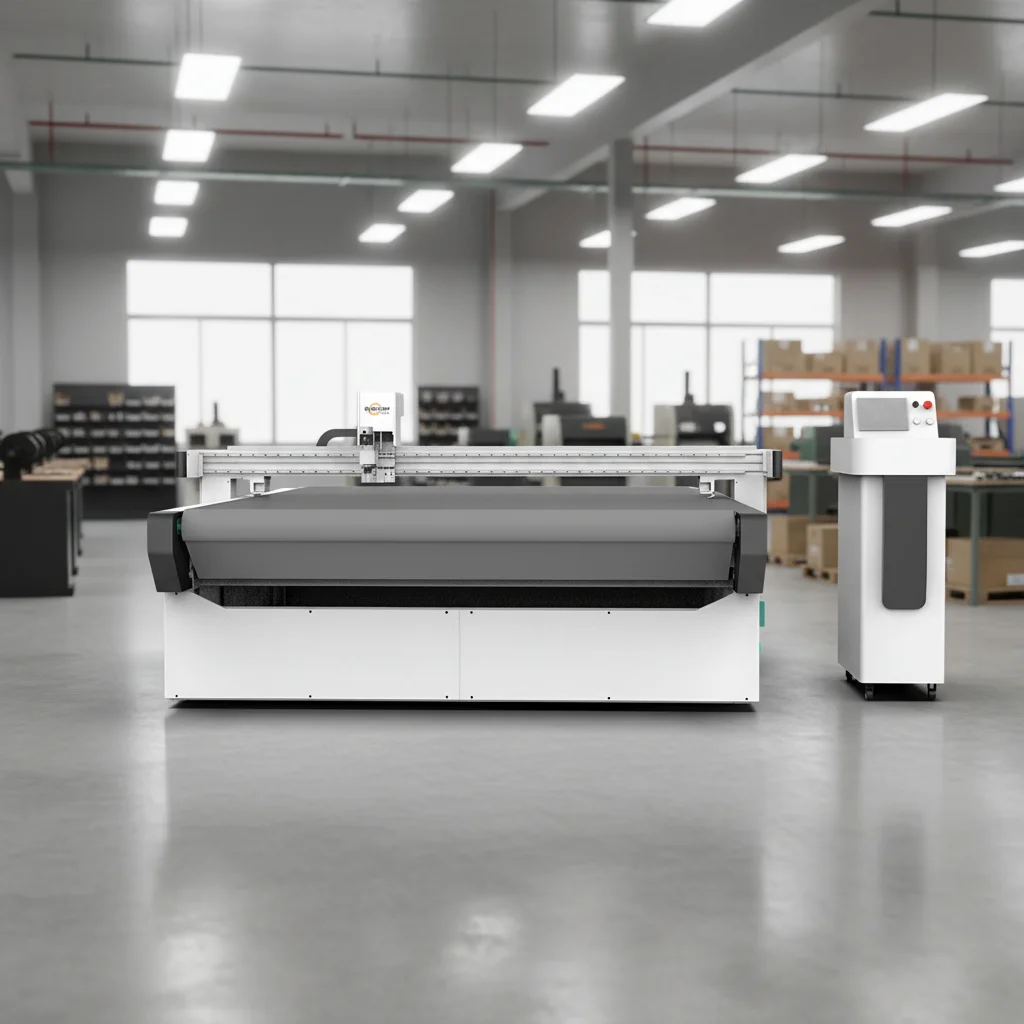
Factory Direct CNC Oscillating Knife Cutting Machine for Fabric Leather PVC
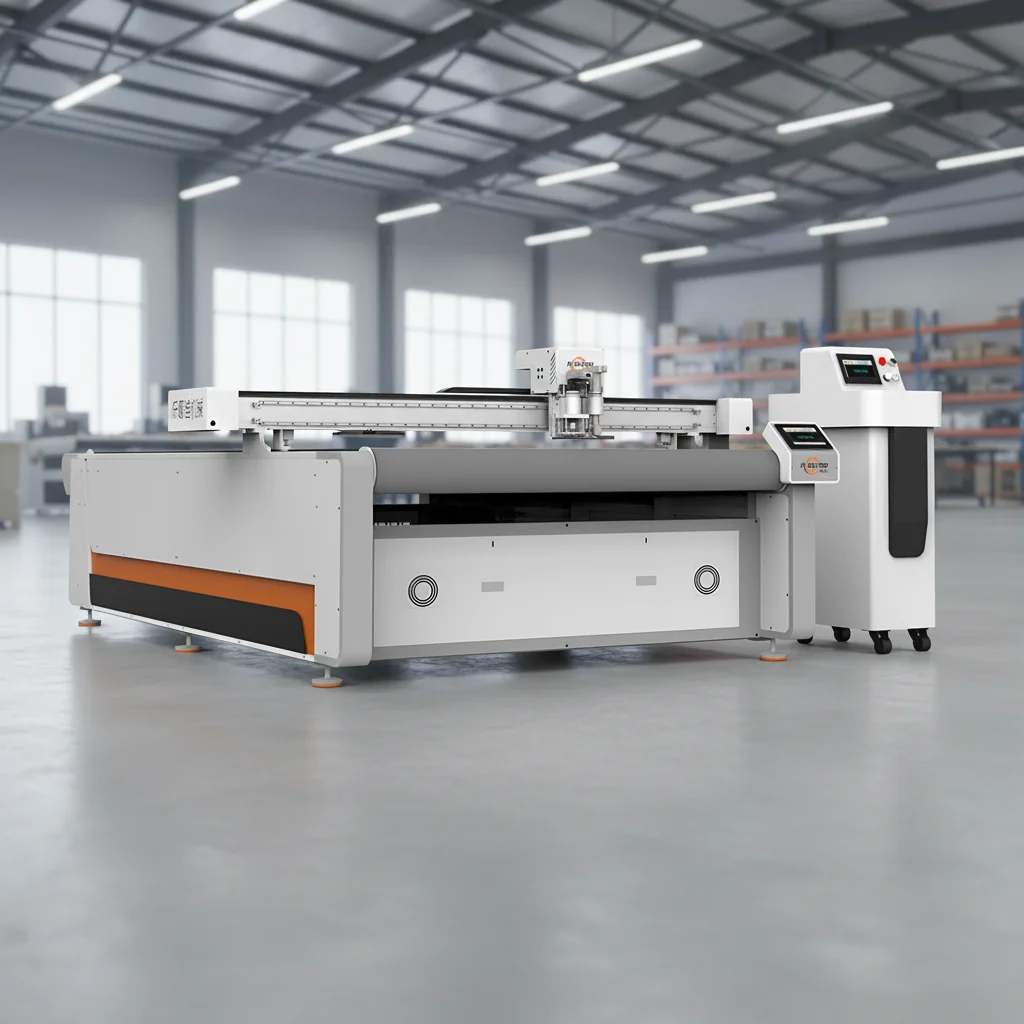
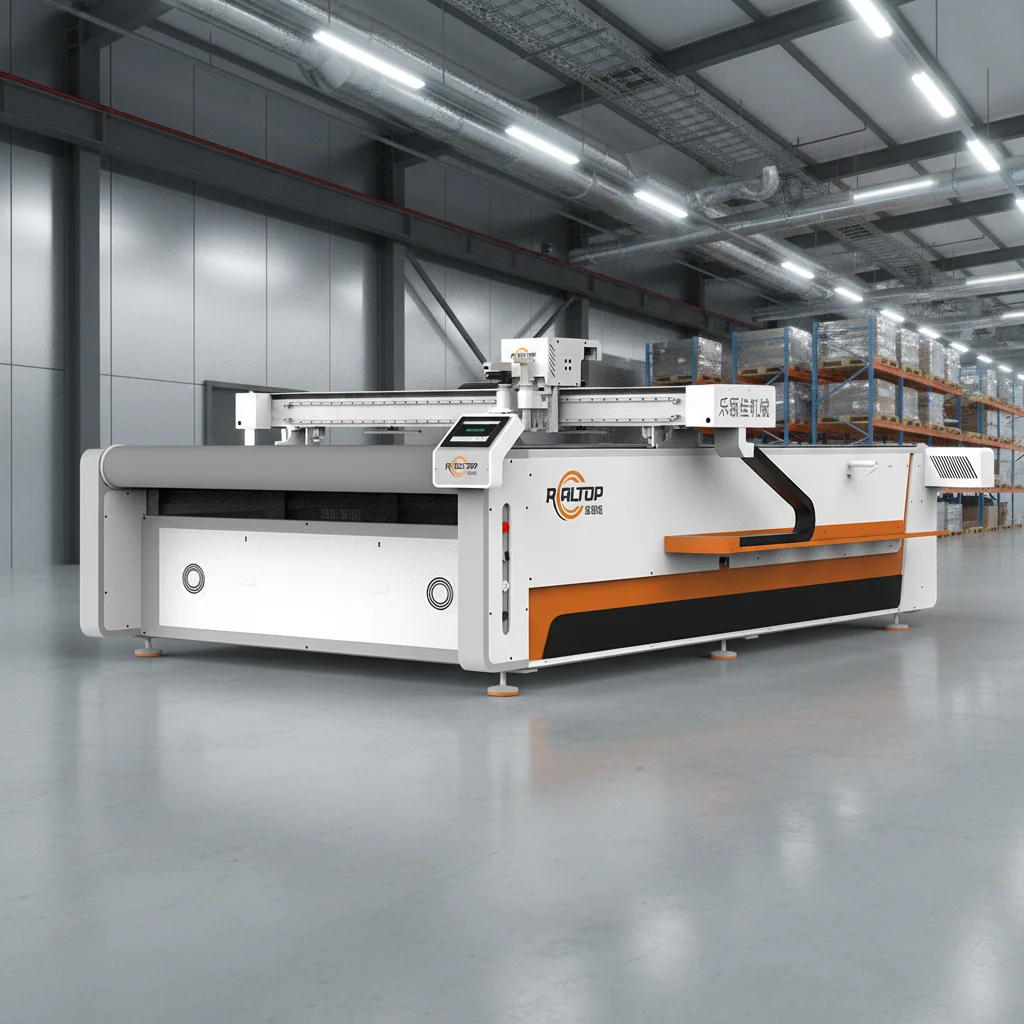
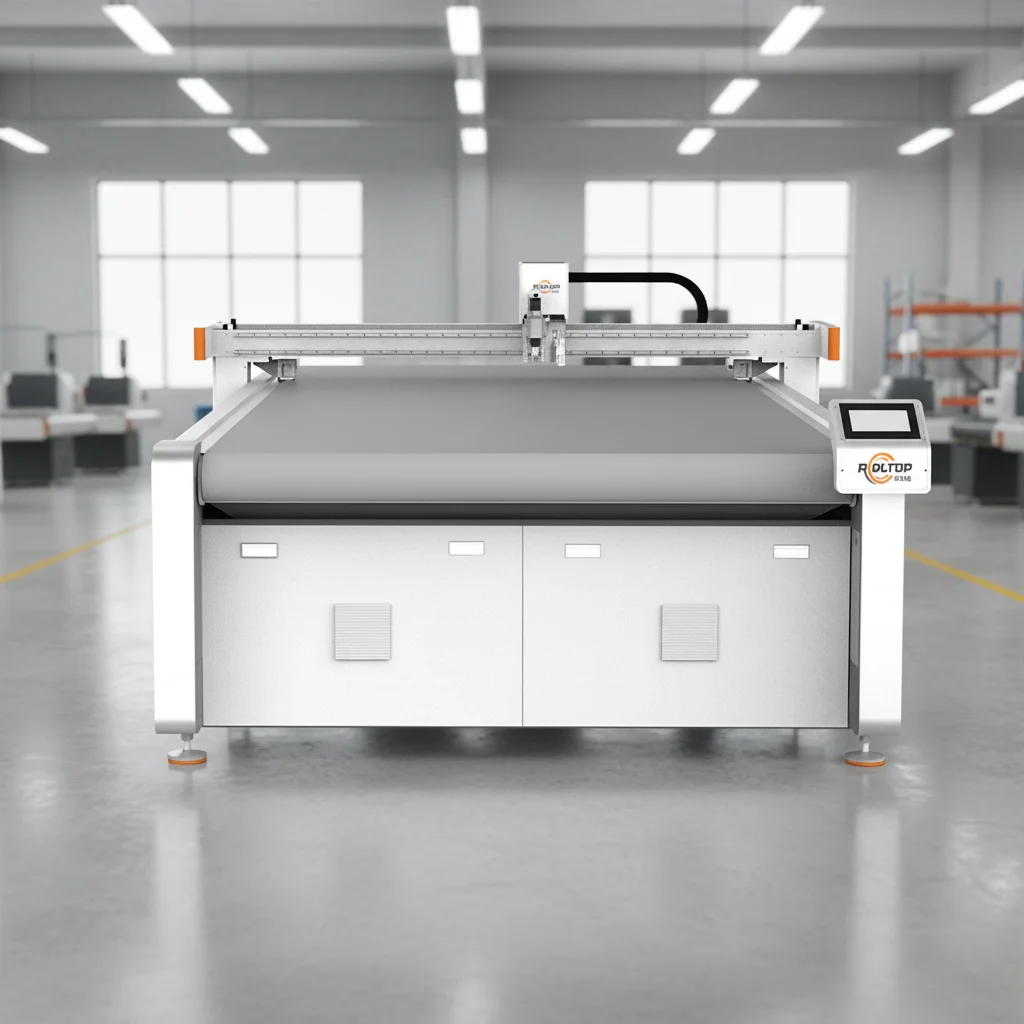
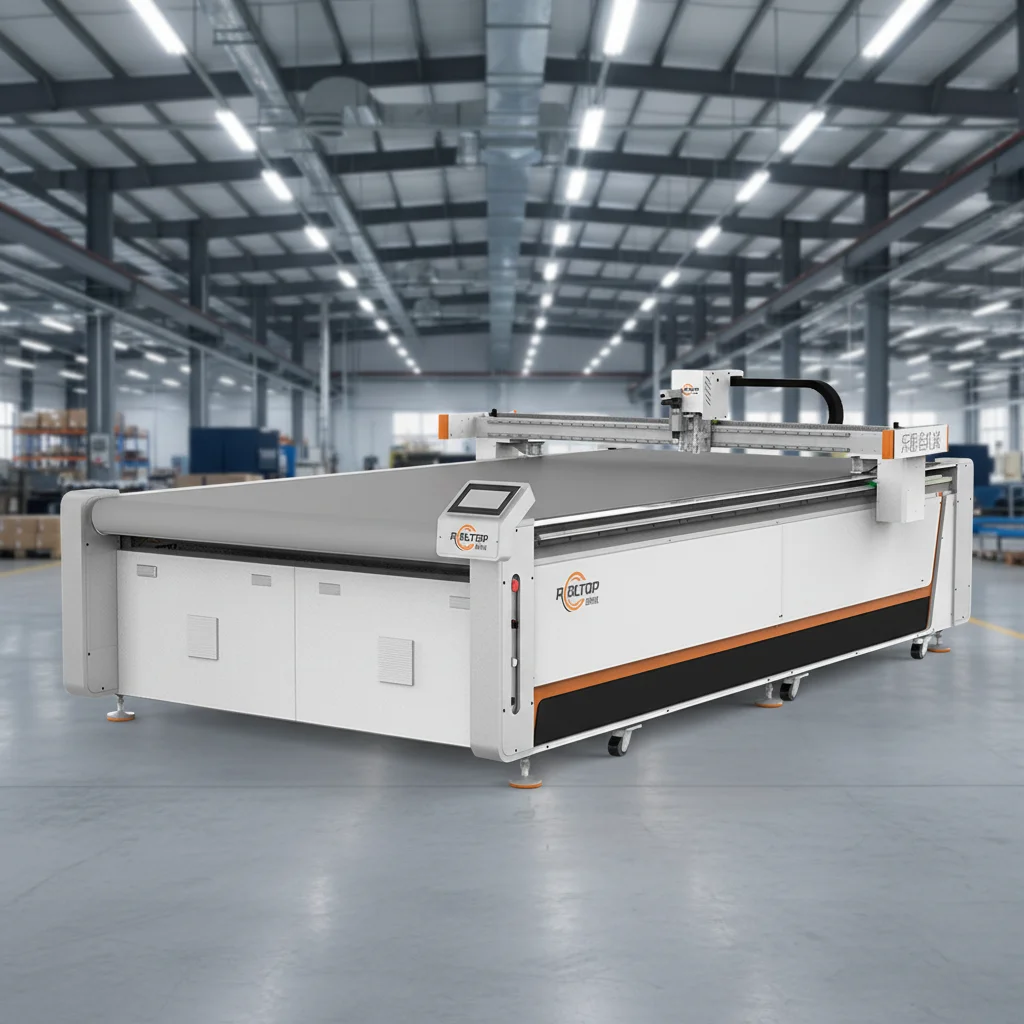
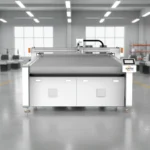
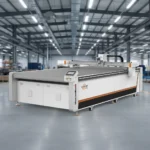
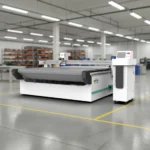
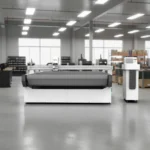
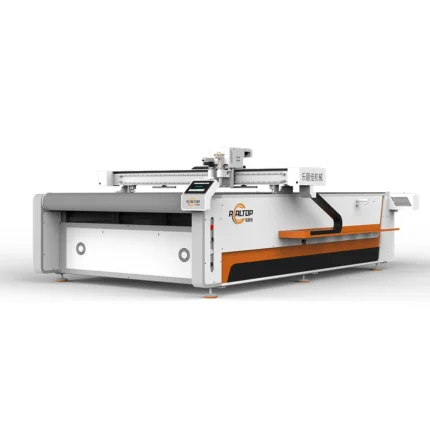
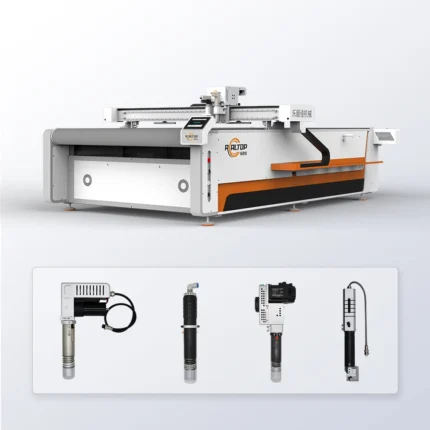
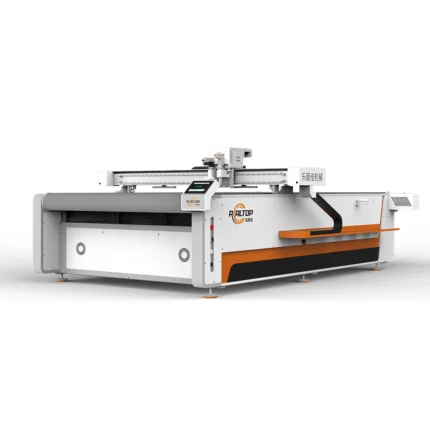
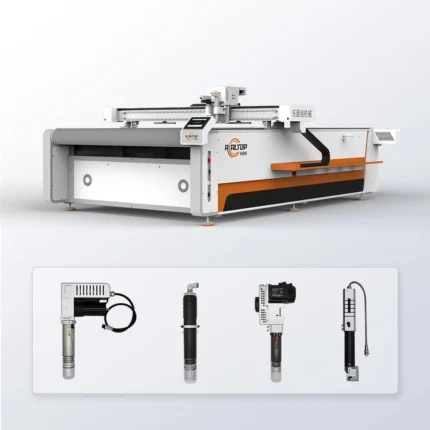
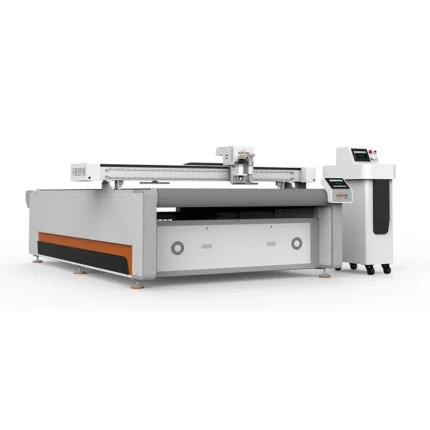
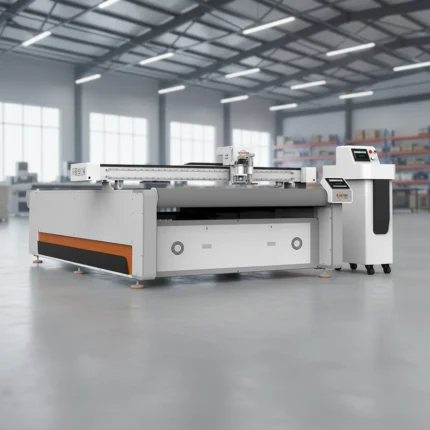
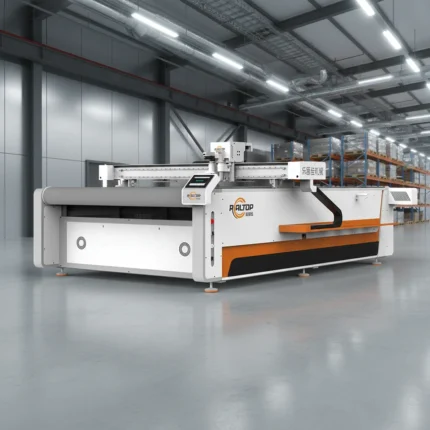
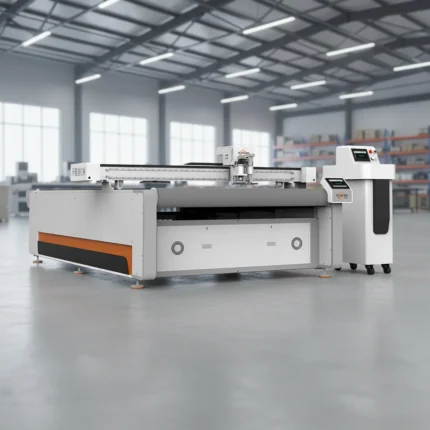
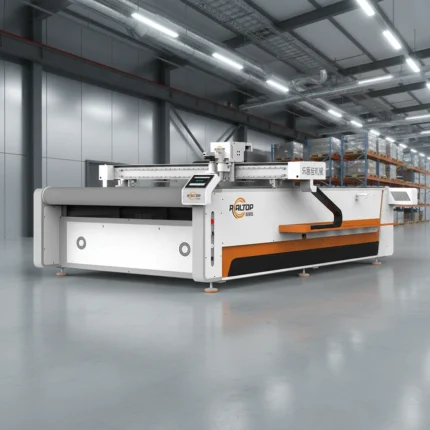
RT-D2516/RT-S2516 CNC Oscillating Knife Cutting Machine, 1600×2500mm, 9kW — engineered for fabric, leather, PVC and flexible composites with oscillating, drag and circular knife tool heads. IP67 servo drives deliver ≤0.1mm repeatability, while CCD panoramic positioning handles printed-contour work. Vacuum table zoning and auto-nesting software (PLT/DXF/AI) keep material yield tight across garment, automotive interior and gasket production runs.
Sample cutting on buyer’s own material validates edge quality before order commitment.
- In-house design covering both knife and laser platforms — method matched to material, not forced
- Voltage, plug and control language confirmed pre-shipment
- Tool-head and table configuration locked to material thickness and daily volume
Method Match First — In-house design covering both knife and laser platforms means the cutting method is selected based on your material behavior, not forced onto a single technology path.
Technical Specifications
| Parameter | Value |
|---|---|
| Product Type | CNC Oscillating Knife Cutting Machine |
| Working Area | 1600 × 2500 mm |
| Machine Size (L×W×H) | 3450 × 2300 × 1250 mm |
| Rated Power | 9 kW |
| Voltage | 380 V ±10% |
| Vacuum Pump | 7.5 kW, integrated aviation-aluminum shell with built-in silencer sponge |
| Translational Velocity | 800 – 2000 mm/s |
| Cutting Speed | 200 – 800 mm/s (basis not stated in source — confirm material and thickness) |
| Repeatability | ≤ 0.1 mm |
| Transmission | Digital servo motor (Delta or Panasonic optional, IP67), linear guide, synchronous belt, ball screw (Taiwan Hiwin rail) |
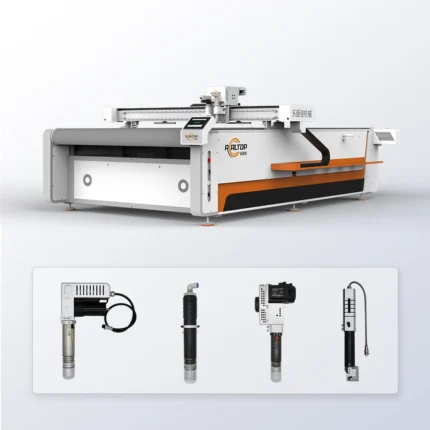
| Tool Head Options | Oscillating knife, pneumatic knife, high-power vibrating knife, circular knife, V-cutting knife, drag knife, creasing wheel, dotted-line knife, punch, brush |
| Positioning Options | Small CCD camera mark-point positioning, panoramic camera recognition, projection positioning |
| Table Type | Flat working table or auto-feeding conveyor with magnesium-aluminum alloy vacuum adsorption |
| Control / Instruction Format | HP-GL compatible |
| Software / File Formats | Automatic nesting; supports PLT, DXF, AI |
| Safety Devices | Infrared induction blocking, anti-collision sensors, emergency stop with in-situ resume |
| Language Options | English, Russian, Italian, Chinese (customizable) |
Application Suitability
| Application | Material or Output |
|---|---|
| Automotive interior cutting | Leather, synthetic fabric, multi-layer composites, gasket material |
| Garment and footwear production | Clothing cloth, shoe material, non-woven fabric, PU, EVA |
| Soft furnishing fabrication | Carpet, sponge, textile, XPE foam, fiberglass cloth |
| Signage and packaging | Corrugated cardboard, sticker, film, PVC, sticker sheets |
| Industrial gasket and seal | PTFE, ETFE, rubber, silicon, carbon fiber prepreg |
Why Edge Quality Decisions Start Before the Quotation
A clean cut edge on coated synthetics demands matching the thermal or mechanical method to the coating chemistry, not just specifying a working area.
I spent years on the buyer side sourcing cutting lines for fabric mills before moving to the seller side and working the European and North American trade show circuit. One recurring failure pattern stands out: a buyer orders a Cloth CNC Cutting Machine based on sample runs of uncoated polyester, then discovers their actual production stock carries a TPU or acrylic coating that changes how the material responds to thermal or mechanical separation. The result is ragged edges, melted sealing zones, or throughput dropping significantly below expectation. The CO2 laser cutting and engraving machine manufacturer you evaluate should flag this divergence before the order is placed [NEED_CITE: material coating effects on cutting method selection].
Thermal Versus Mechanical Separation on Flexible Materials
When cutting synthetic textiles, the edge condition determines whether the part goes straight to assembly or needs secondary trimming. Blade-based oscillating or drag knife tooling produces a straight, uncompressed section with no thermal discoloration, which matters for automotive interiors and light-colored garment panels where a burnt edge is a visible reject. Laser processing, by contrast, seals the edge on synthetics, preventing fraying on materials like polyester or nylon — but introduces heat that can melt coatings or laminate layers. The decision between a CO2 laser cutting and engraving machine manufacturer solution and a knife-based platform depends entirely on which edge defect your downstream process cannot tolerate.
Contour Recognition Across Printed and Woven Marks
Printed-contour work introduces a different constraint. CCD camera positioning on the knife platform reads mark points or uses panoramic recognition to follow printed boundaries, which is essential when cutting digitally printed textiles or sublimated sportswear panels where the print-to-cut registration must hold within tight limits. Laser platforms can also integrate vision systems, but the thermal kerf width and the focal depth behavior differ from the mechanical blade path [NEED_CITE: CCD positioning accuracy across cutting technologies]. For short-run, high-mix production where each panel has a unique print, the software workflow — importing PLT, DXF, or AI files directly into the nesting engine — determines whether the operator spends time on file conversion or runs the job.
Reading the Specification Sheet Against Your Material Stack
The 1600 × 2500 mm working area accommodates standard textile rolls and hide layouts, but the working area alone does not tell you whether the machine will handle your specific material stack. The 7.5 kW vacuum pump with magnesium-aluminum alloy table provides the hold-down force needed for single-ply fabrics, yet multi-layer cutting of carpet, sponge, or composite laminates requires zoning confirmation to prevent small parts from lifting mid-cut. The IP67-rated servo drives and Hiwin linear rails maintain the ≤ 0.1 mm repeatability across long production runs, but the cutting speed of 200 – 800 mm/s varies depending on material density and total stack thickness — a value that must be confirmed against your actual sample rather than assumed from a generic brochure figure.
The Cost of a Tool Head Chosen by Catalog Instead of Sample
Selecting an oscillating knife head for a material that actually requires a high-power vibrating knife or a circular knife leads to compressed foam cores, delaminated composite plies, or incomplete cuts through rubber gasket stock. These defects do not appear during the initial demo on a standard sample — they surface weeks into production when the operator notices increasing reject rates and begins slowing the feed rate to compensate. The consequence is a machine running below its designed throughput, with no clear fault to report to the supplier because the configuration was technically accepted at delivery [NEED_CITE: tool head material mismatch in flexible cutting operations].
Why Procurement Decisions Land Here
Realtop designs and produces both knife and laser cutting platforms in-house, so the method is matched to the buyer’s material rather than forced into whichever technology happens to be on the showroom floor. Sample cutting on your actual stock — including coated, laminated, or multi-layer variants — is completed before the order is finalized, producing a cutting report that documents edge quality, achievable speed, and tool head selection. Voltage, plug type, and control language are confirmed for the destination market before shipment, preventing the installation-week discovery that the 380 V ±10% supply does not align with local frequency standards. The CE declaration is provided where applicable, and the documentation package arrives with the machine rather than being requested afterward.
Documentation & Verification
- Machine specification sheet listing confirmed tool head and table configuration for your material
- Electrical schematic with voltage and frequency matching your facility supply
- Sample cutting report run on your actual fabric, leather, or composite stock
- Software license and file format compatibility note for PLT, DXF, AI workflows
- Factory test record documenting repeatability and safety device function before dispatch
Installation, Commissioning & Support
- Flat foundation required for the 3450 × 2300 mm footprint with clearance for conveyor feed
- Dedicated 380 V ±10% circuit with capacity for 9 kW machine load plus 7.5 kW vacuum pump
- Machine ships fully assembled; positioning and utility connection on arrival
- First-run parameter setting for your specific material thickness and cutting speed range
- Operator training covering tool head changeover and CCD positioning calibration
- Spare parts list covering blades, vacuum table seals, and wear components
What to Include With Your Inquiry
Specify the material type, coating or laminate structure, sheet or roll dimensions, and the daily volume you need to sustain. Confirm your local voltage and frequency standard, the control language your operators require, and whether your existing design files are in PLT, DXF, or AI format. If your material mix includes both printable textiles and non-printed technical fabrics, note that so the cutting method and tool head configuration can be scoped accordingly.
Frequently Asked Questions
Q: How do I determine whether a knife or laser cutting method suits my material?
A: The decision depends on edge requirements and material composition. Knife cutting produces a clean, uncompressed edge with no thermal effect, suited for coated fabrics, composites, and light-colored textiles where burn marks are unacceptable. Laser cutting seals edges on synthetics to prevent fraying. A sample cutting test on your actual material — including any coatings or laminates — provides the definitive answer before commitment.
Q: Will the CCD positioning track my printed marks at production speed?
A: The platform offers small CCD mark-point positioning and panoramic camera recognition. Tracking reliability at full translational velocity depends on mark contrast, print resolution, and ambient lighting conditions in your facility. This is verified during the sample cutting phase using your actual printed stock, not a generic test pattern.
Q: Are voltage, plug, and control language confirmed before the machine ships?
A: Yes. The electrical specification — including the 380 V ±10% supply, plug type, and control interface language — is confirmed against your destination market requirements before production begins. This prevents installation delays caused by mismatched frequency standards or unreadable control menus.
Q: What if my material mix changes after the machine is installed?
A: The platform supports multiple tool head options — oscillating knife, drag knife, pneumatic knife, creasing wheel, and others — that can be reconfigured as your production scope evolves. The vacuum table zoning and software nesting engine accommodate different material types without requiring a platform replacement.


Related products
2026 CNC Knife Cutting Machine for Fabric Leather PVC Hot Sale
Product Introduction
2026 Hot Sale CNC Knife Cutting Machine for Fabric, Leather, PVC. Ideal for precise cutting of various materials with advanced CNC technology, perfect for manufacturing needs.
Product Parameters
| Application | Fabric, Leather, PVC |
| Type | CNC Knife Cutting Machine |
| Feature | Precision Cutting |
| Year | 2026 Model |
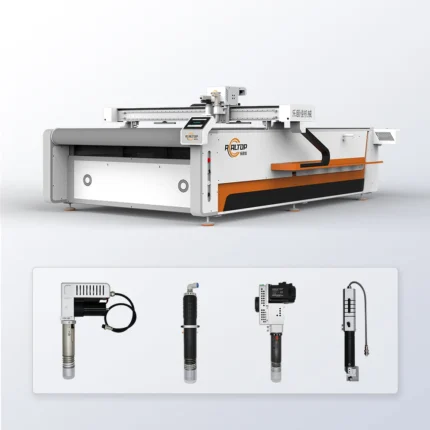
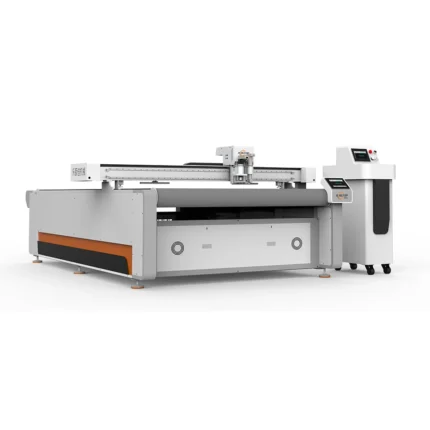
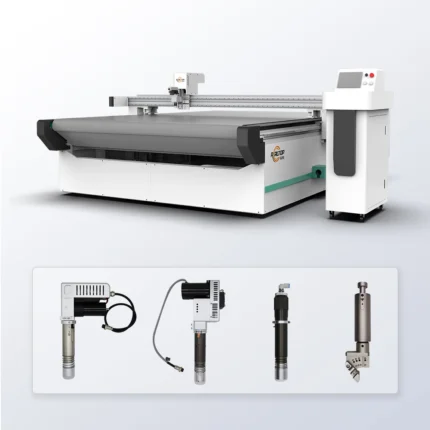
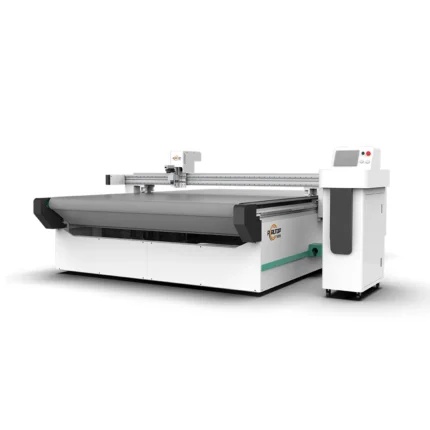
2026 Flatbed Oscillating Knife Cutter 1600x3500mm Auto-Feeding Textile
Product Overview
Flatbed Oscillating Knife Cutting Machine 2026 is a high-precision textile fabric cutter with auto-feeding function, ideal for efficient and accurate cutting tasks in textile manufacturing. It combines advanced oscillating knife technology with a large working area to meet industrial production needs.Key Specifications
| Model | 2026 |
| Working Area | 1600x3500mm |
| Feeding System | Auto-Feeding |
| Cutting Type | Oscillating Knife |
| Application | Textile Fabric |
CNC Vibration Knife System 2026 for Polyester Nylon Non-Woven Prepreg
Product Introduction
CNC Vibration Knife System 2026 is ideal for cutting polyester, nylon, non-woven fabrics, and prepreg materials with precision and efficiency, suitable for industrial manufacturing needs.Product Parameters
| Model | 2026 |
| Cutting Technology | CNC Vibration Knife |
| Materials | Polyester, Nylon, Non-Woven, Prepreg |
Jinan Realtop CNC Fabric Slitting Cutter 2026: Advanced Flexible Material Cutter
Product Introduction
Jinan Realtop CNC Fabric Slitting Cutter 2026 is a high-performance cutting equipment designed for precise fabric processing, ideal for industrial manufacturing needs with reliable CNC technology.Specifications
| Model | 2026 |
| Type | CNC Fabric Slitting Cutter |
| Manufacturer | Jinan Realtop |
| Application | Fabric Processing |
| Control System | CNC |
商品评价
There are no reviews yet.