

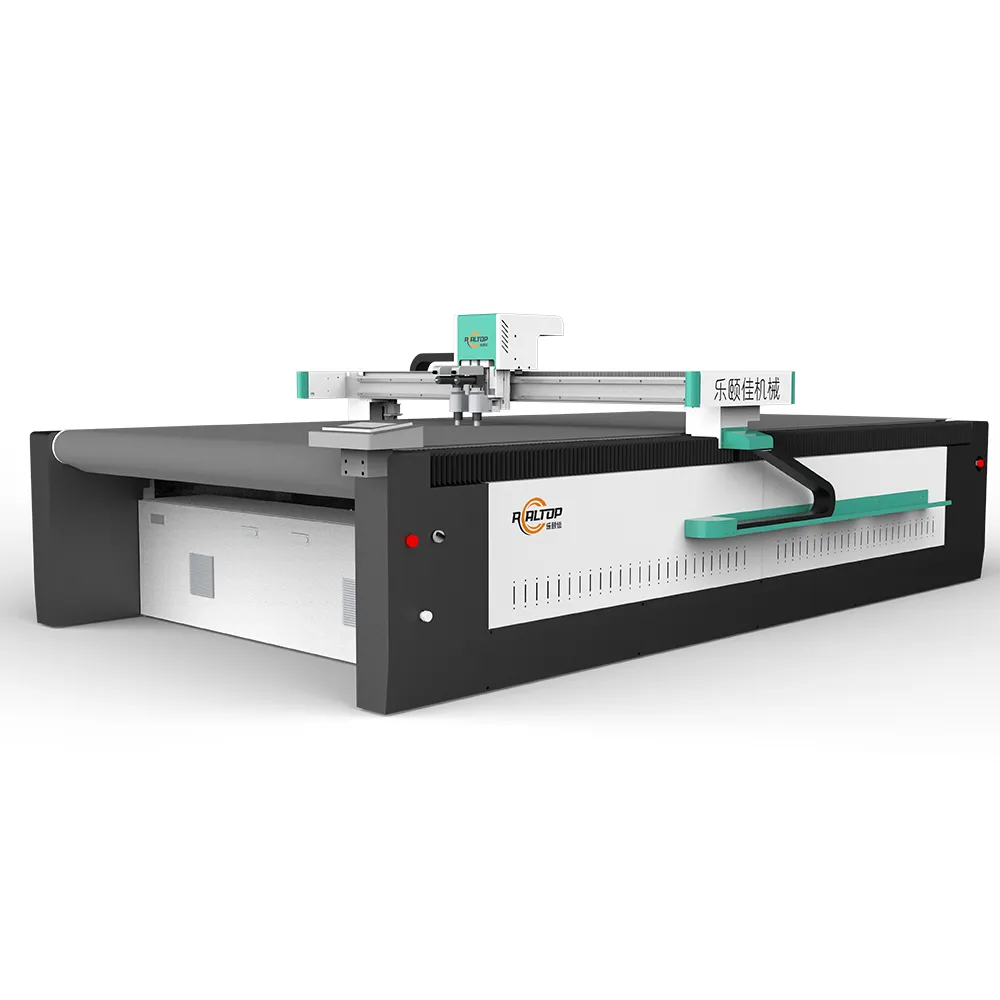
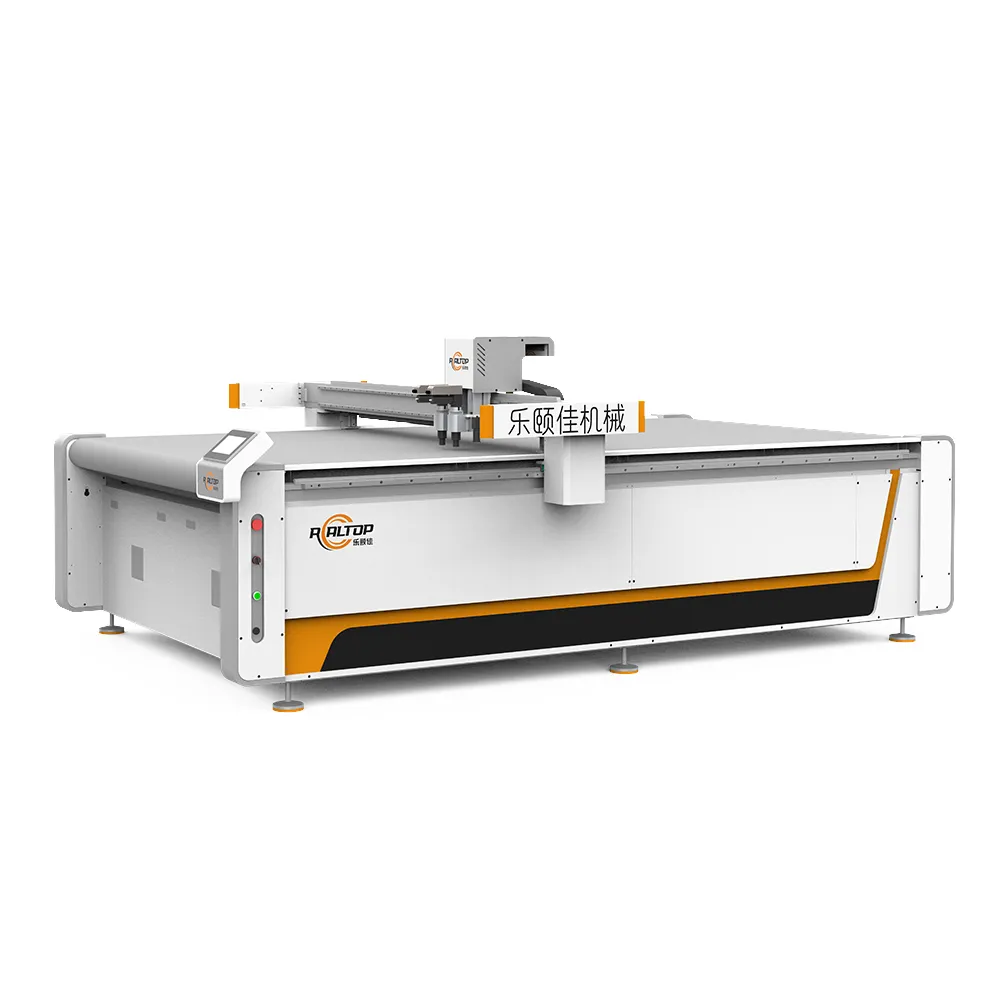
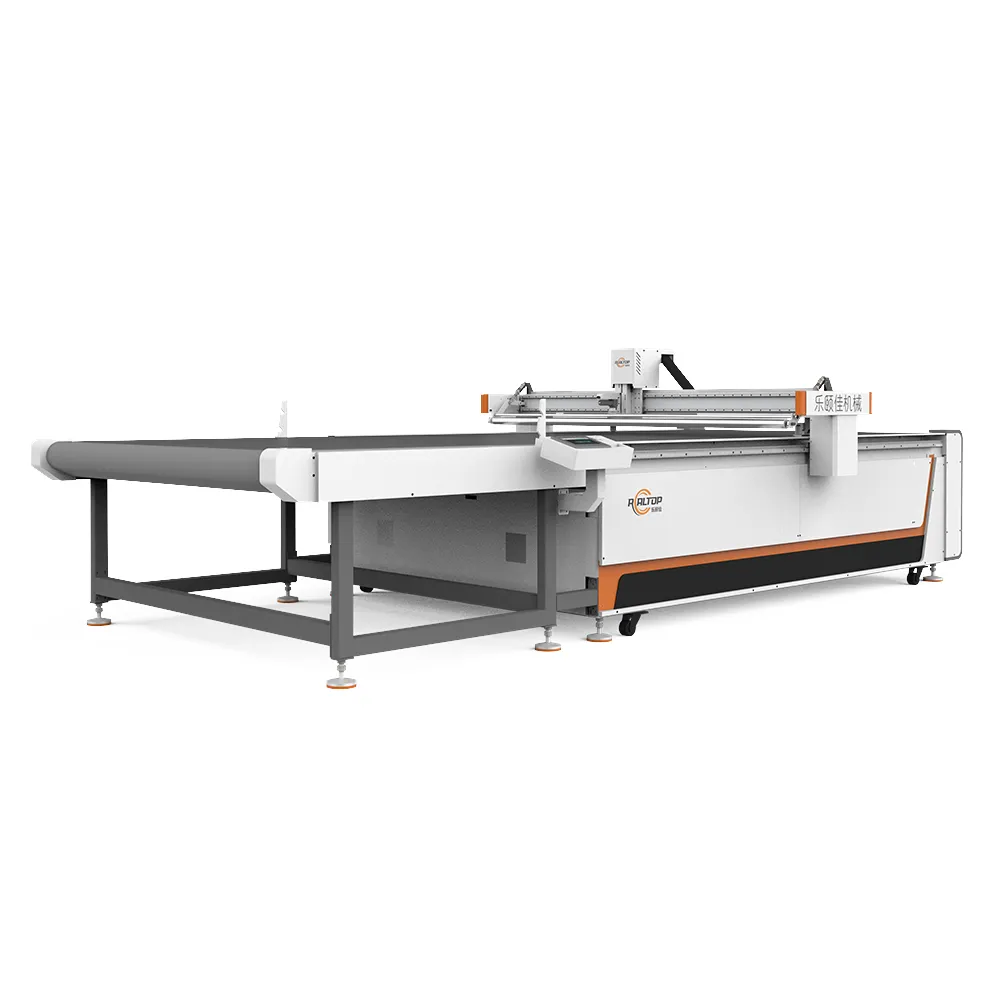
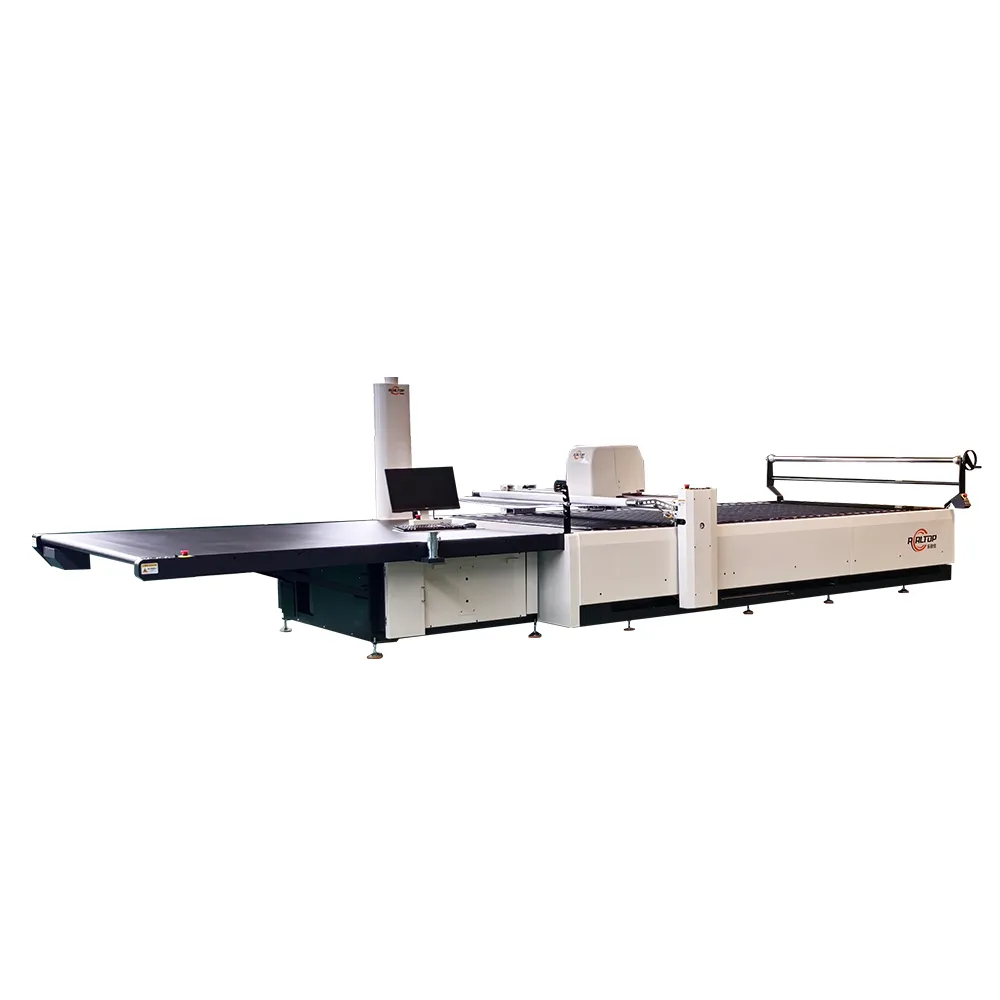
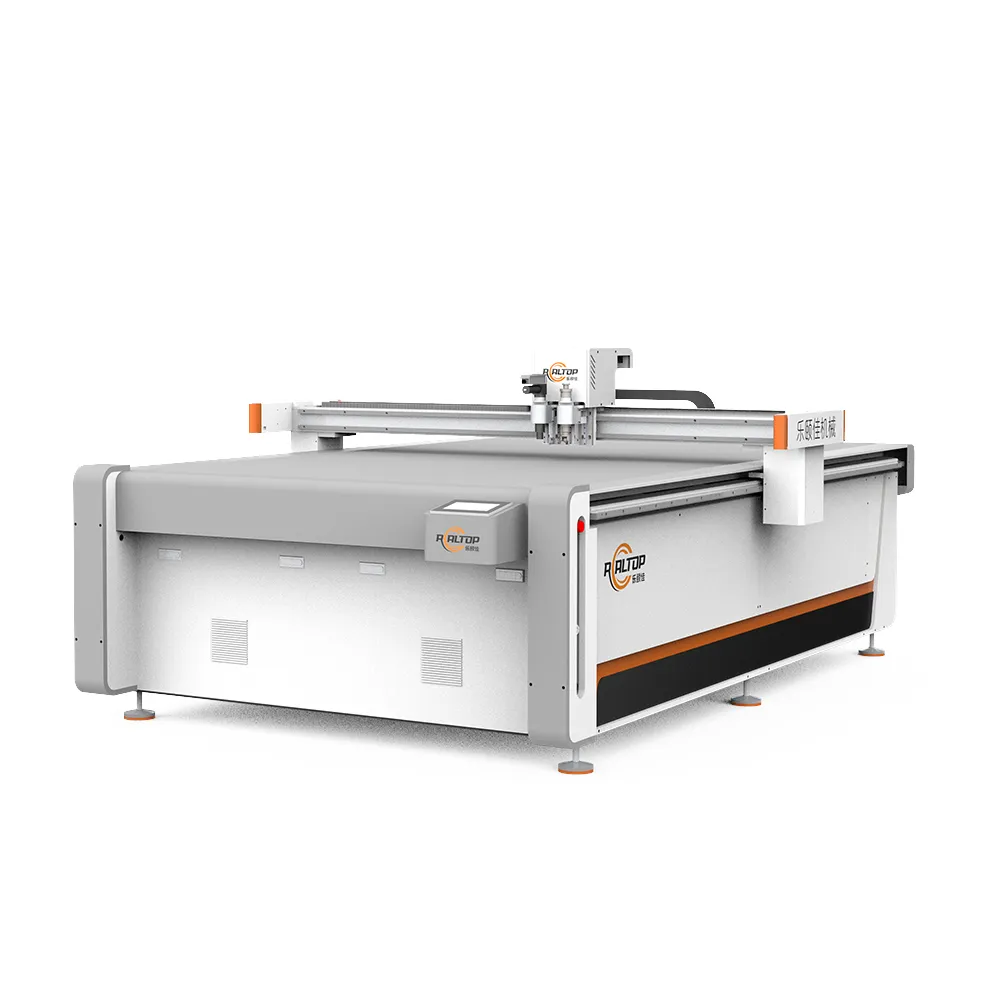
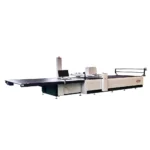
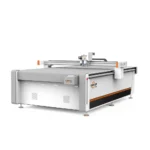
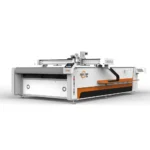
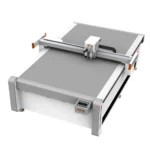
Flexible Material Cutting Machine for Gasket – Manufacturer
SKIP: no identifier
Laser Process Matched to Material — CO2 and fiber laser sources specified by gasket material composition and required edge seal quality, not by a generic wattage number.
Technical Specifications
| Parameter | Value |
|---|---|
| Product Type | Flexible Material Cutting Machine for Gasket |
| Laser Source Options | CO2 laser tube or RF metal laser tube |
| Laser Power Range | 80W, 100W, 130W, 150W (CO2); 20W, 30W, 50W (RF metal) |
| Working Area Options | 1300×900mm, 1600×1000mm, 1800×1000mm |
| Positioning Accuracy | ±0.05mm |
| Maximum Cutting Speed | Up to 600mm/s (basis to be confirmed by material) |
| Cooling System | Industrial water chiller |
| Exhaust Requirements | Centrifugal fan with ducting to external filtration |
| Control System | Ruida or equivalent DSP controller |
| Supported File Formats | DXF, PLT, AI, BMP, DST |
| Electrical Supply | 220V/50Hz or customized to local standard |
Application Suitability
| Application | Material or Output |
|---|---|
| Automotive exhaust gaskets | Graphite composite sheet, fiber-reinforced elastomer |
| Industrial flange gaskets | Non-asbestos fiber sheet, aramid fiber composite |
| HVAC sealing gaskets | Closed-cell foam, sponge rubber, cork-rubber blend |
| Electrical enclosure seals | Silicone sheet, EPDM rubber, neoprene |
| Custom one-off replacements | Small-batch cutting from varied sheet stock on a single platform |
Why "Laser Power" Alone Tells You Nothing About Gasket Edge Quality
The wattage on a nameplate is a starting point for a conversation, not a guarantee of cutting depth.
A 130W CO2 tube will slice through 3mm cork-rubber cleanly but may char the edges of a PTFE-coated glass fiber gasket if the speed and air assist are not dialed in correctly. Conversely, an underpowered laser will make multiple passes on dense non-asbestos fiber, creating a heat-affected zone that weakens the seal. I once saw a workshop in Karachi cutting compressed fiber gaskets with a machine quoted at peak power; the continuous output was significantly lower, and the edges were fused and brittle, leading to field failures [NEED_CITE: thermal degradation of fiber gasket materials at elevated cutting temperatures]. The correct approach is to test the specific material and document the power, speed, and assist gas parameters that produce an acceptable edge.
Beam Delivery and Optical Path Stability
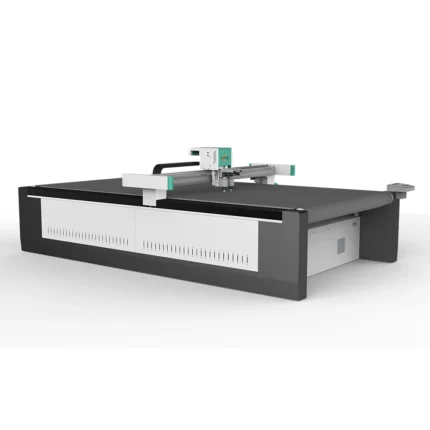
The laser tube sits at the rear of the gantry, and the beam travels through a series of mirrors to the focusing lens in the cutting head. Over a 1600×1000mm working area, the optical path length changes as the head moves, which can shift the focal point and alter the kerf width. This Flexible Material Cutting Machine for Gasket uses a fixed-optics design where the beam path length remains constant regardless of head position, maintaining a consistent spot size across the entire bed. This matters for gasket work because a bolt-hole pattern with tight tolerances will not assemble correctly if the kerf varies from one side of the sheet to the other.
Exhaust and Filtration for Gasket Materials
Cutting rubber, cork, and composite gasket stock generates particulate and fumes that must be extracted continuously. The centrifugal fan draws air down through the honeycomb bed and ducts it to an external filtration unit. Materials like EPDM and neoprene produce oily smoke that coats mirrors and lenses rapidly if extraction is inadequate [NEED_CITE: laser optics contamination rates when processing elastomer compounds]. The exhaust port diameter and duct run length must be sized for the specific material being processed most often; a short run with minimal bends works for cork, while a longer run cutting silicone requires a higher static pressure fan to maintain airflow.
Specification Interpretation for Gasket Production
The positioning accuracy of ±0.05mm refers to the repeatability of the gantry returning to a coordinate, which directly determines whether a complex gasket profile with multiple bolt holes will match the flange pattern. The working area of 1800×1000mm accommodates standard non-asbestos fiber sheets without repositioning, eliminating registration errors from manual sheet shifts. Laser power selection depends on material density: 80-100W handles thin cork and sponge rubber at production speed, while 130-150W is required for 5mm+ fiber-reinforced composites. The Ruida controller stores material-specific parameters, so an operator can switch from cutting EPDM seals to graphite gaskets without manually recalculating speed and power each time. File format support for DXF and PLT means gasket drawings from CAD packages import directly, but AI and BMP files require pre-processing to ensure closed vector paths before cutting.
The Cost of Skipping a Material Test
Ordering a gasket cutting machine based on a working area and wattage figure alone is the most common mistake I see in this sector. A buyer will specify 150W assuming it covers everything, but when the machine arrives and they load a sheet of wire-reinforced graphite, the beam cannot penetrate cleanly and the edge is left with a charred ridge that will not seal under compression. By that point, the machine is crated and shipped, and swapping the laser source means weeks of downtime and additional freight cost [NEED_CITE: cost of post-shipment laser source replacement including logistics]. The alternative is a two-day material test before the order is confirmed, which reveals whether the material needs a higher-wattage tube, a different assist gas, or whether a knife cutting method would produce a better edge on that specific stock.
Why Source This Machine Here
The laser source and power rating are matched to your actual gasket material, not selected from a default list. Every configuration is validated with a sample cutting report on your own sheet stock before production begins. Voltage and plug type are confirmed for your facility’s electrical supply, preventing the situation where a machine arrives wired for 380V three-phase and the workshop only has 220V single-phase available. The control language and software documentation are set to your operator’s preference before shipment. The factory test record documents cutting speed, power setting, and edge quality on your specific material, giving you a known baseline for production.
Documentation & Verification
- Sample cutting report on your gasket material documenting edge quality and kerf width
- Electrical schematic with confirmed voltage and phase matching your facility supply
- Laser source specification sheet showing continuous power output at rated conditions
- File format compatibility note confirming your CAD output imports without conversion errors
- Operation and maintenance manual covering mirror cleaning intervals for your material type
Installation, Commissioning & Support
- Level concrete floor with minimum 150mm clearance on all sides for 1800×1000mm bed access
- Dedicated 220V circuit with earth leakage protection sized to the chiller and fan combined load
- Water chiller filled and circulated for 24 hours before first laser ignition to stabilize coolant temperature
- Exhaust ducting routed with minimum bends, fan static pressure verified against material fume volume
- Mirror alignment checked with thermal paper after first 8 hours of cutting to confirm beam path stability
- Spare mirror and lens set included, with replacement interval based on your primary material type
Before You Send an Inquiry
To match the right laser configuration to your production, provide the gasket material type and thickness, the maximum sheet size you purchase, and whether you are cutting from DXF drawings or importing scanned profiles of existing gaskets. Specify your workshop voltage and frequency, and let us know if your operators need the controller interface in a language other than English. If you have existing nesting software, confirm the output file format so we can verify compatibility before quotation.
Frequently Asked Questions
Q: How do I choose between a CO2 laser and an RF metal laser tube for gasket cutting?
A: CO2 laser tubes are suited to organic and composite materials like cork, rubber, fiber, and graphite. RF metal tubes are used for thin metal foils sometimes found in layered gasket constructions. The choice depends on your primary material, and a sample cut on both sources will show which produces the cleaner edge on your stock.
Q: What thickness of non-asbestos fiber gasket material can a 150W CO2 laser cut reliably?
A: A 150W tube can process non-asbestos fiber sheets in the typical thickness range used for industrial flange gaskets. The actual cutting speed and edge quality depend on material density and filler composition, which must be confirmed with a sample cut on your specific sheet stock before a thickness limit is stated.
Q: Will the laser seal the edge of a rubber gasket, or leave it raw?
A: The laser naturally heat-seals the edge of elastomer materials like EPDM and silicone, which prevents fraying and can improve seal performance in some applications. However, on cork and fiber composites the edge is cut clean without sealing, which is the desired result for those materials.
Q: How does the software handle nested gasket layouts for material yield?
A: The controller accepts DXF and PLT files from nesting software. You prepare the nested layout in your existing CAD or nesting package, export the file, and the machine reads the vector paths directly. The software does not perform automatic nesting internally but is compatible with common third-party nesting output formats.
Q: What maintenance does the optical path require when cutting rubber gasket material?
A: Rubber and elastomer materials produce oily residue that deposits on mirrors and the focusing lens. The maintenance schedule includes cleaning the optics at intervals determined by your cutting volume and material type. The operation manual specifies the cleaning procedure and the recommended spare parts inventory to maintain consistent beam delivery.


Related products
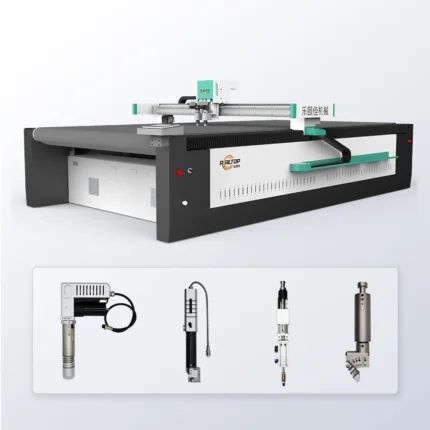
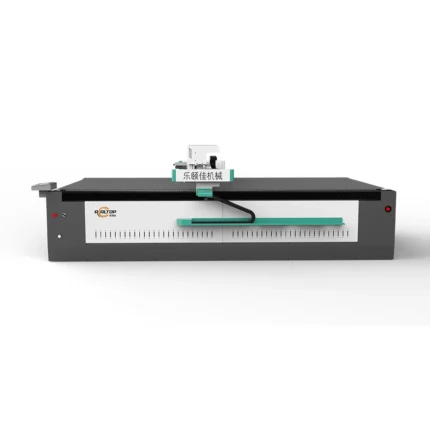
2026 CNC Gasket Cutter Pneumatic Knife Asbestos Rubber
Product Introduction
CNC Gasket Cutter Machine 2026 with pneumatic knife, ideal for cutting asbestos, non-asbestos, cork, PTFE, and rubber materials. Precision-engineered for efficient gasket production.
Key Specifications
| Cutting Material | Asbestos, Non-Asbestos, Cork, PTFE, Rubber |
| Knife Type | Pneumatic |
| Control System | CNC |
| Model | 2026 |
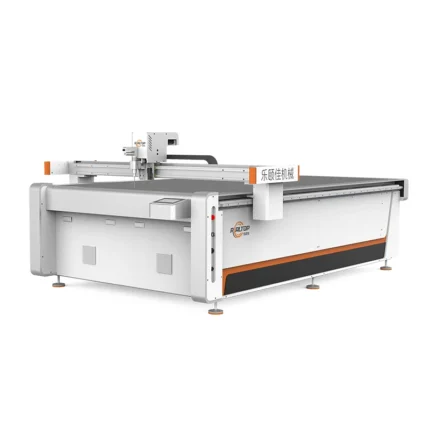
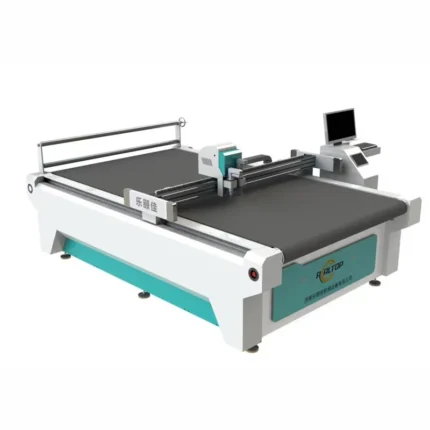
2026 Full Automatic CNC Rubber Gasket Cutting Machine
Product Introduction
Full Automatic CNC Rubber Gasket Cutting Machine 2026, a blade-based plastic cutter designed for precise and efficient cutting of rubber gaskets and plastic materials with automated CNC control.Technical Parameters
| Type | Full Automatic CNC Cutting Machine |
| Cutting Method | Blade-Based |
| Application | Rubber Gaskets, Plastic Materials |
| Control System | CNC |
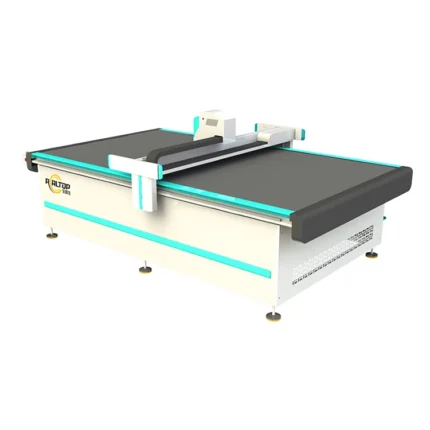
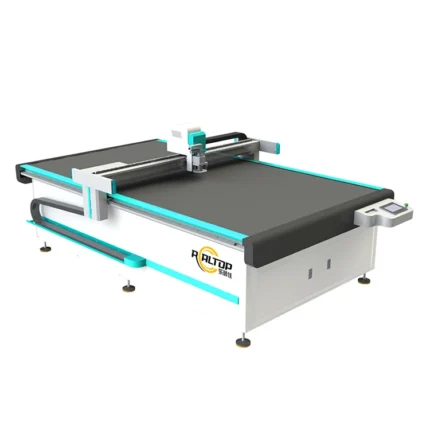
2026 Rubber CNC Cutting Machine High-Precision Auto-Feeding Gasket
Product Introduction
High-precision 2026 model Rubber CNC Digital Cutting Machine designed for gasket production with auto-feeding functionality, ensuring efficient and accurate cutting performance.
Key Specifications
| Model | 2026 |
| Type | Rubber CNC Digital Cutting Machine |
| Application | Gasket Production |
| Feature | High-Precision |
| Function | Auto-Feeding |
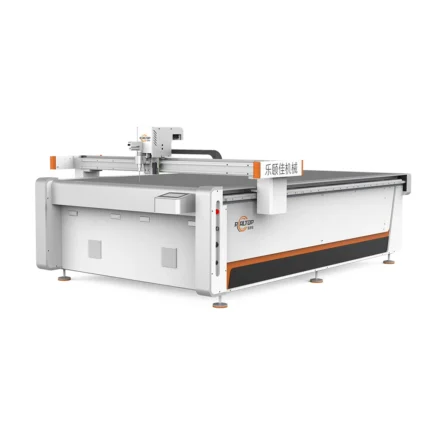
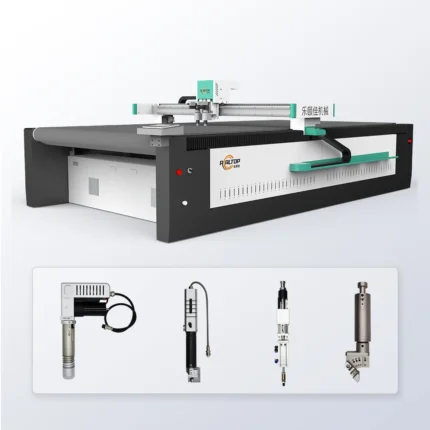
CNC Gasket Cutting Machine 2026 Auto Oscillating Silicone/Asbestos/Felt
Product Introduction
2026 CNC Gasket Cutting Machine with auto oscillating function, ideal for cutting silicone, asbestos, and felt materials. Precision-engineered for efficient gasket production in industrial settings.
Key Specifications
| Type | CNC Gasket Cutting Machine |
| Year | 2026 |
| Function | Auto Oscillating |
| Material Compatibility | Silicone/Asbestos/Felt |
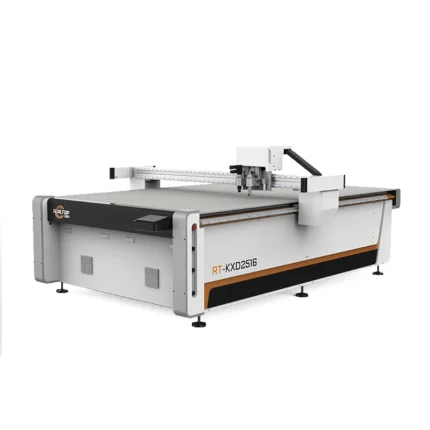
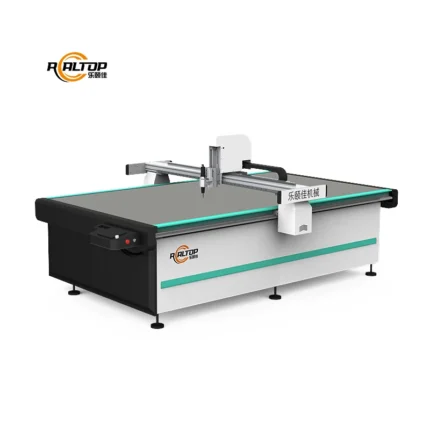
CNC Oscillating Knife Cutting Machine 2026 for Flexible Materials
Product Introduction
2026 CNC Oscillating Knife Cutting Machine, ideal for asbestos, cork, rubber, PTFE, felt, foam. Precision cutting solution from China's leading welding & cutting equipment manufacturer.
Product Parameters
| Model | 2026 |
| Type | CNC Oscillating Knife Cutting Machine |
| Materials | Asbestos, Cork, Rubber, PTFE, Felt, Foam |
| Manufacturer | China Leading Factory |
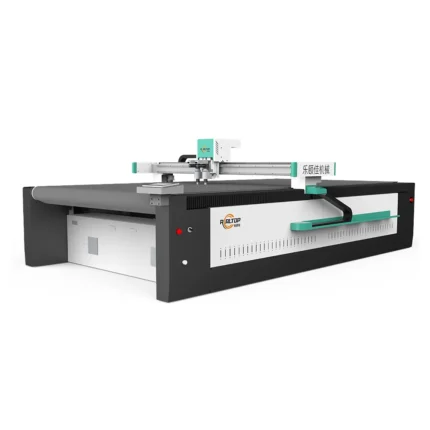
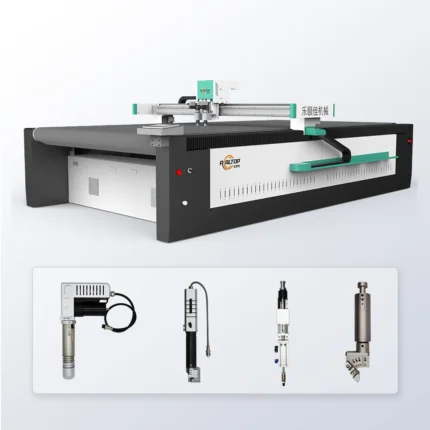
Realtop 2026 CNC Gasket Cutter 1200¡Á2400mm Auto Rubber Cutter
Product Parameters
| Model | Realtop CNC Sealing Gasket Cutter 2026 |
| Working Area | 1200¡Á2400mm |
| Type | Auto Rubber Cutting Machine |
Introduction
Realtop CNC Sealing Gasket Cutter 2026 is an advanced auto rubber cutting machine with a 1200¡Á2400mm working area, ideal for precise and efficient gasket production, manufactured by a leading Chinese welding & cutting equipment factory.
商品评价
There are no reviews yet.