

Industrial 1625 CNC Oscillating Knife Cutter for Fabric and Textile – Factory Supply
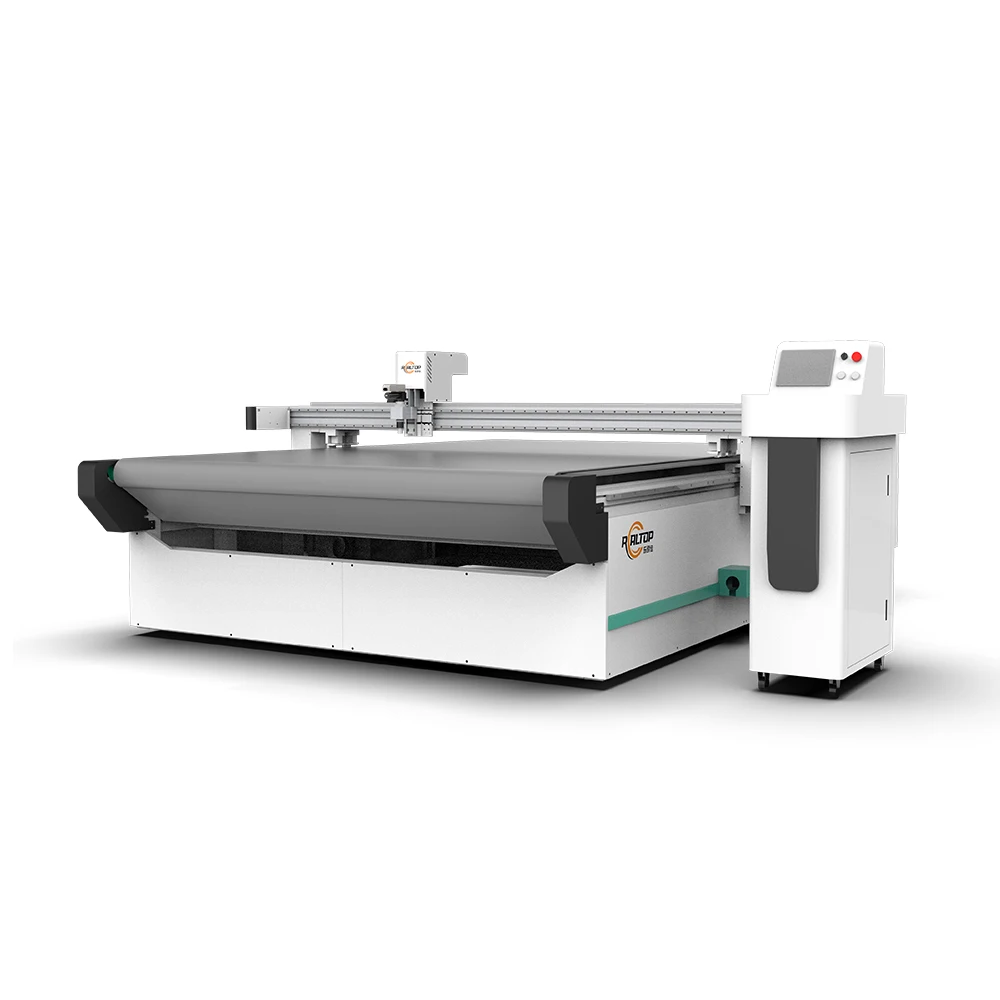
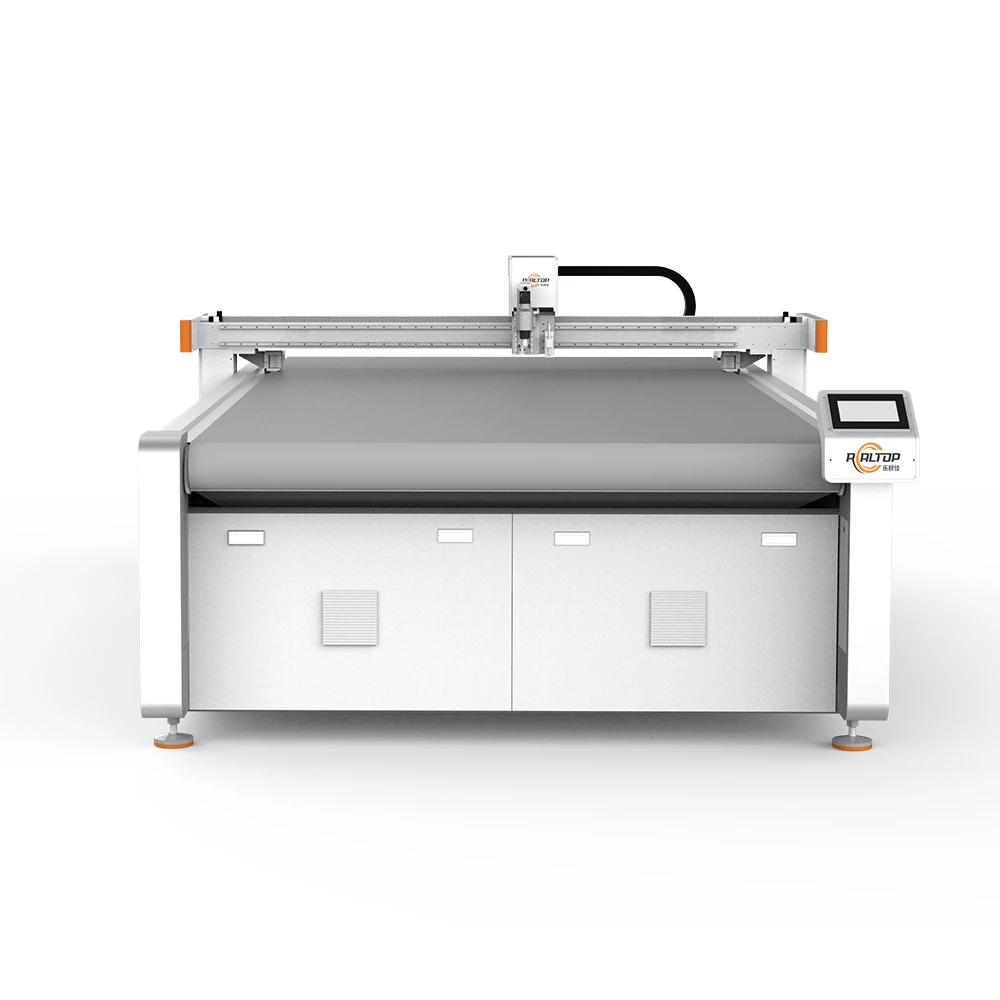
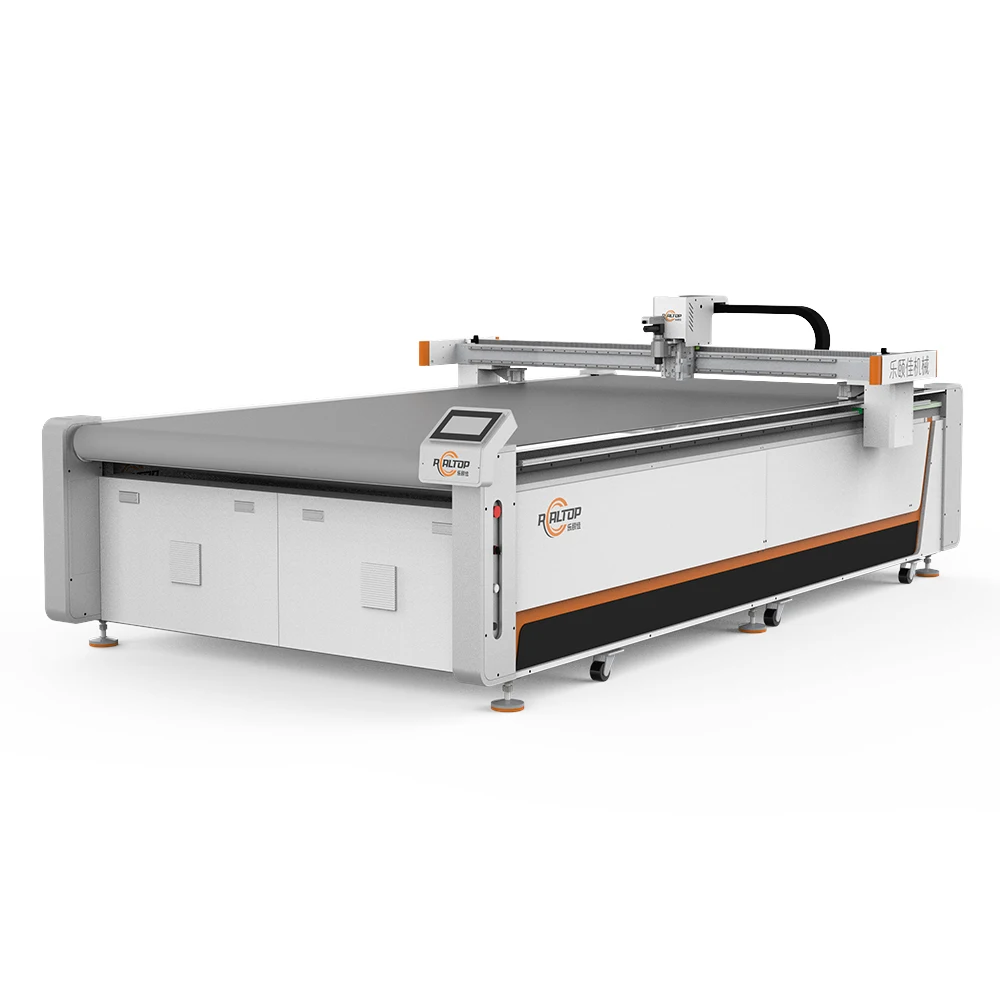
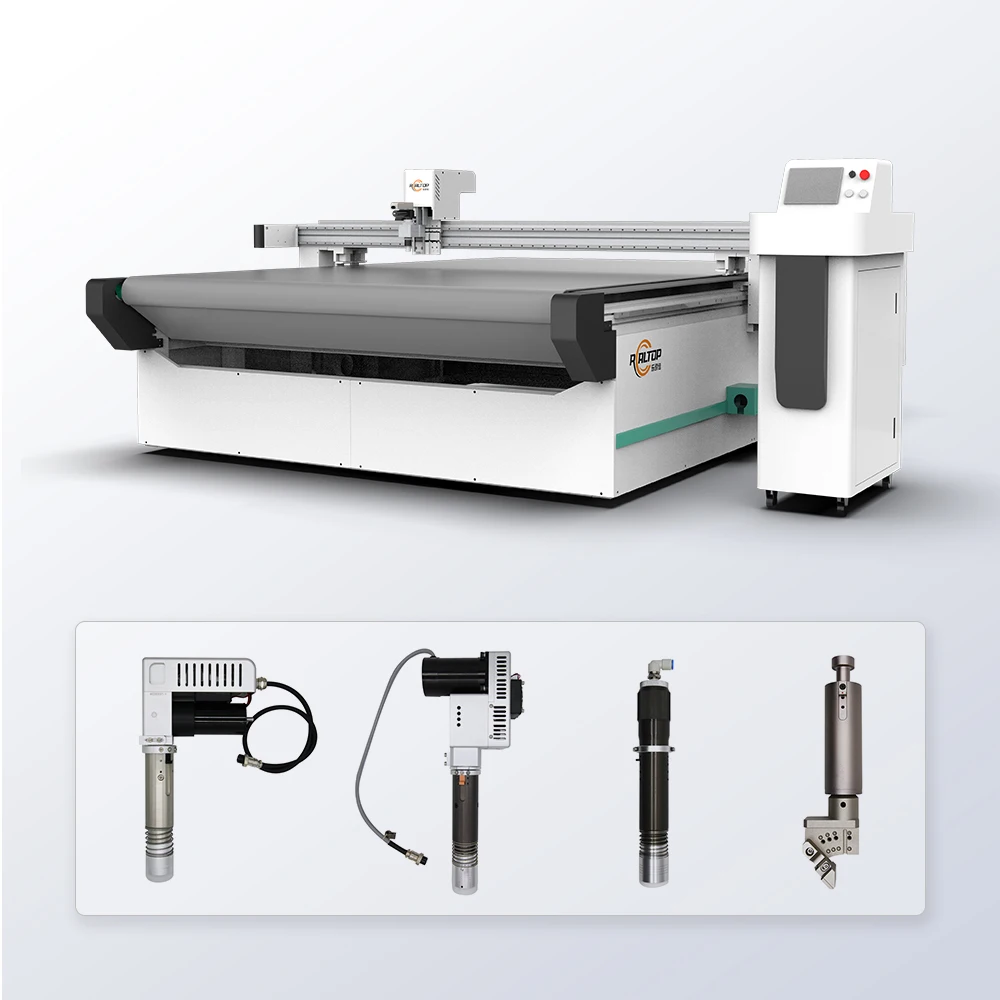
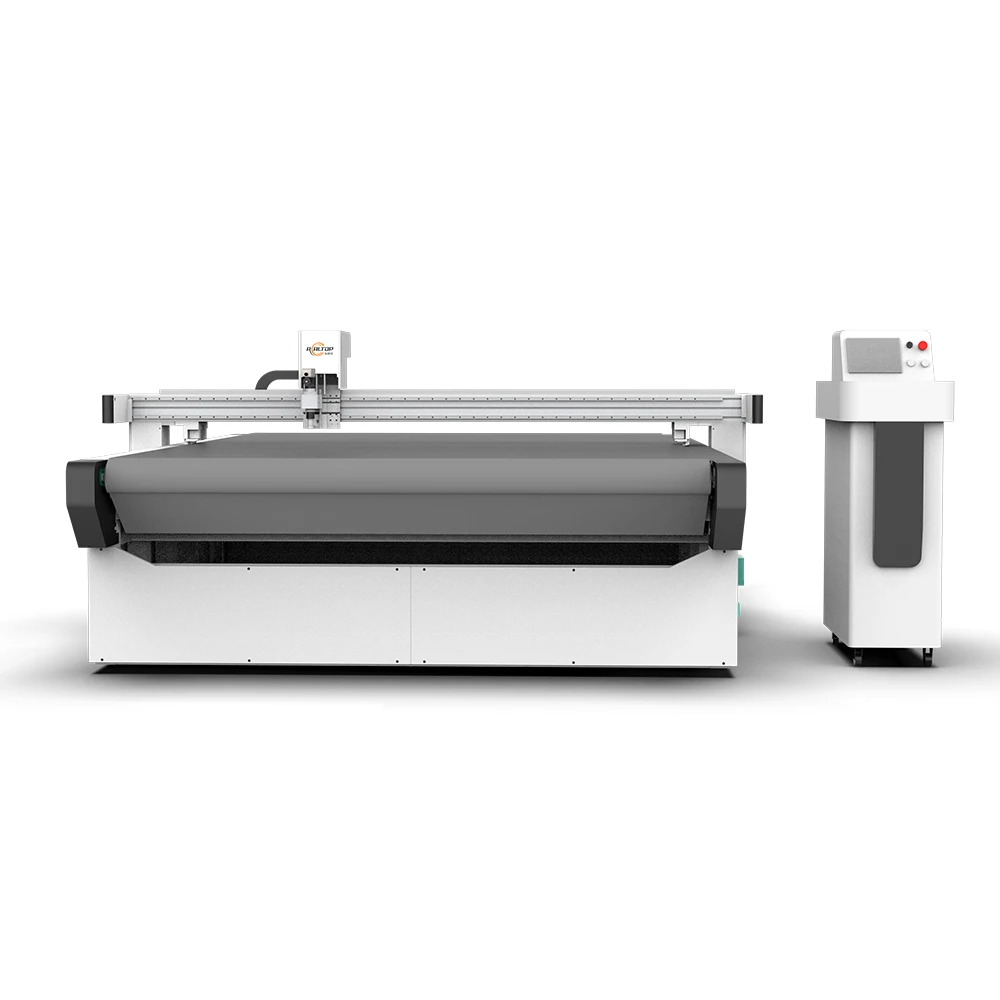
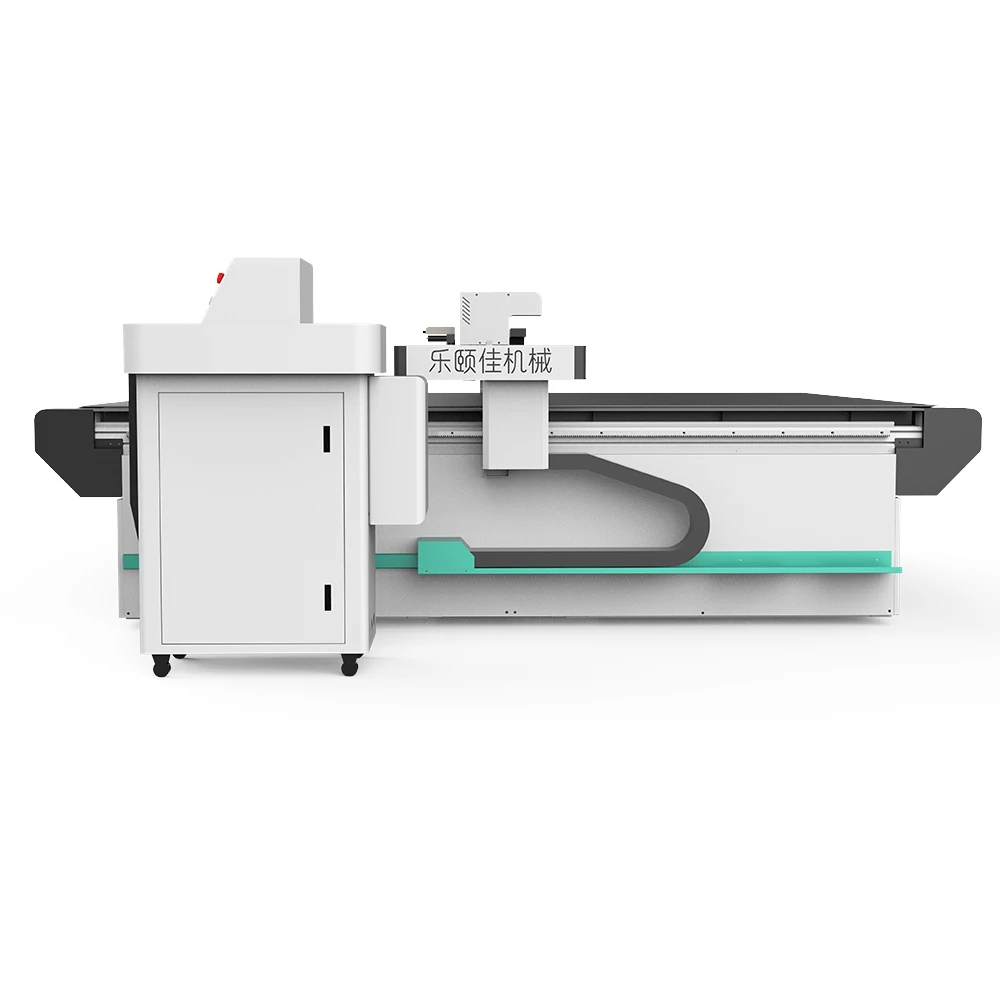
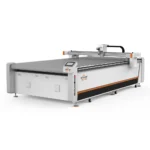
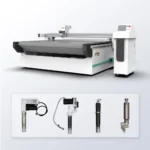
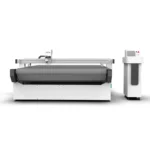
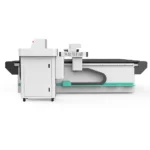
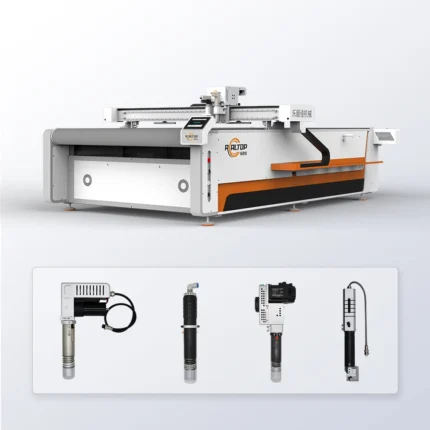
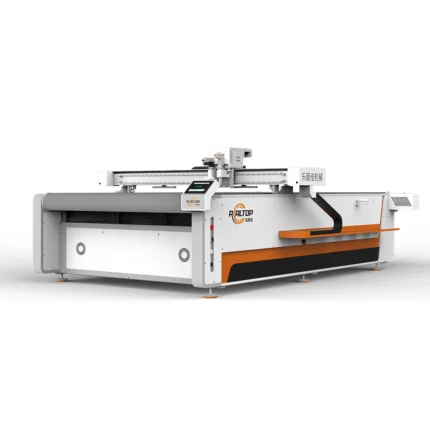
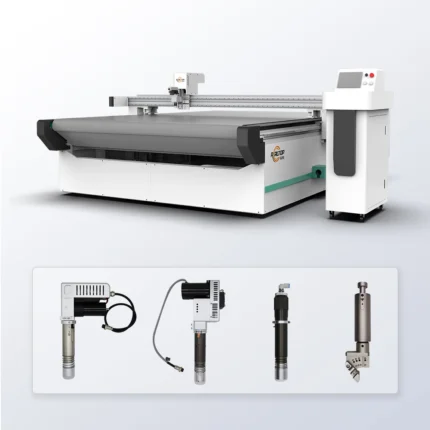
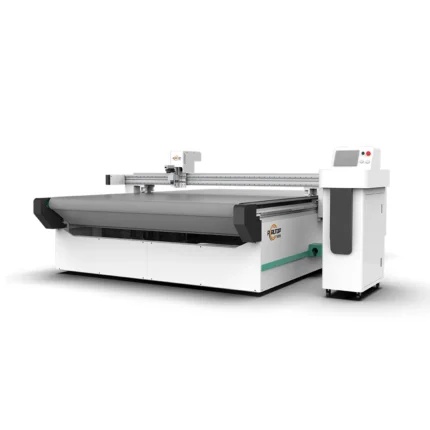
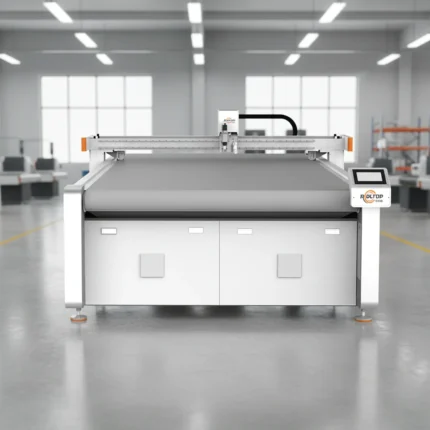
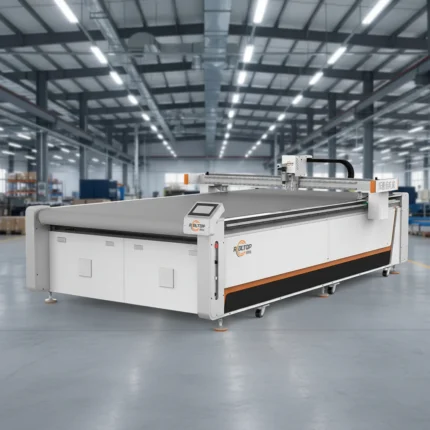
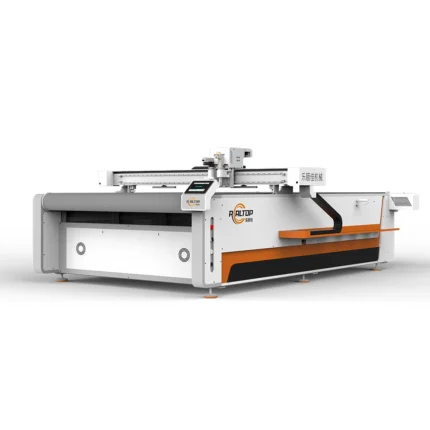
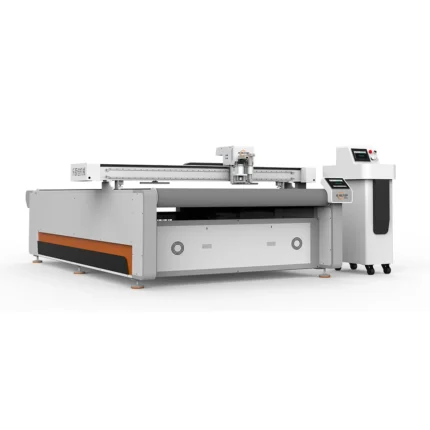
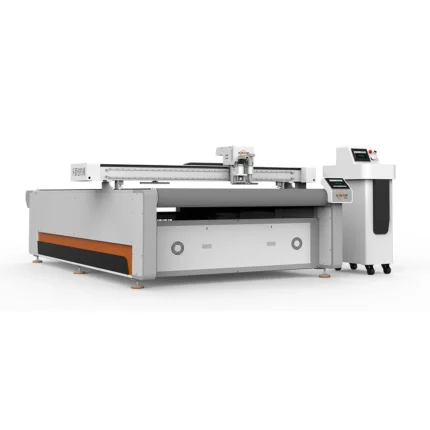
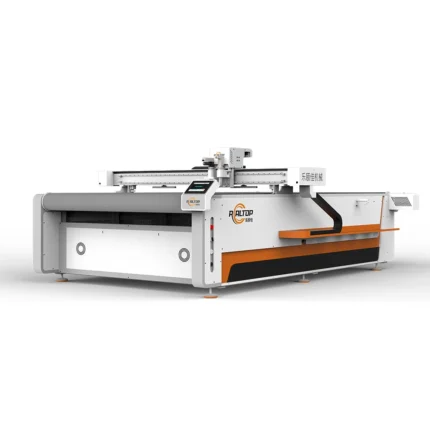
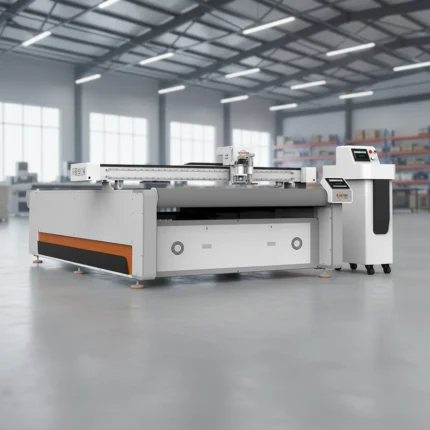
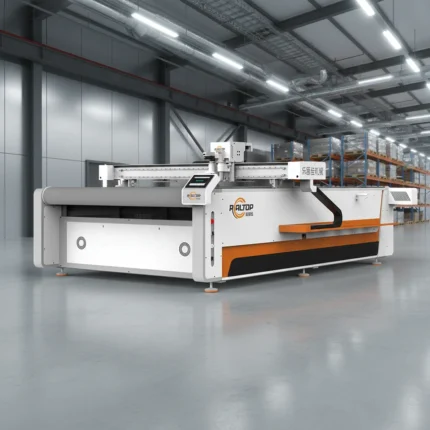
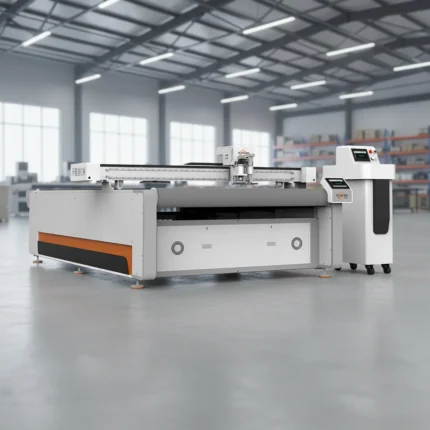
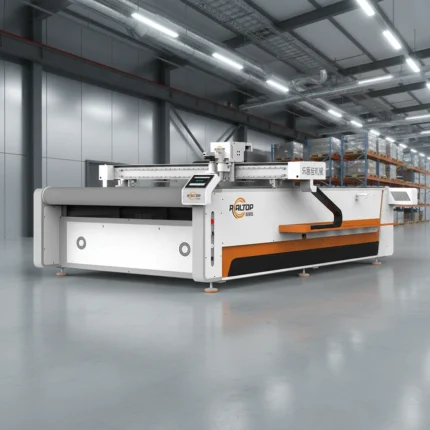
1625 CNC Oscillating Knife Cutting Machine, 1600×2500mm Working Area, ≤30mm Cutting Thickness — configured with interchangeable tool heads including oscillating knife, driven rotary knife, creasing wheel and pneumatic knife to match fabric, leather, foam and composite materials.
- Aluminum bellows vacuum table ensures full-surface adsorption for accurate cuts on flexible textiles
- CCD contour recognition and intelligent nesting support DXF, PLT, AI and PDF file import for automated path generation
Sample cutting performed on your own material before commitment, with tool head and table configuration specified per production volume and edge quality requirement.
Customized cutting configuration — We match knife tooling, vacuum zoning and software to your textile roll width and ply height before production starts.
Technical Specifications
| Parameter | Value |
|---|---|
| Model | 1625 |
| Product Type | CNC Oscillating Knife Cutting Machine |
| Working Area | 1600 × 2500 mm |
| Tool Head Options | Oscillating knife, Driven rotary knife, Creasing wheel, Kiss cutting tool, Pneumatic knife, Milling tool, V-groove knife |
| Applicable Materials | Fabric, Cardboard, Carton, Mats, PVC, EVA, Leather, Acrylic, Foam, PTFE, Rubber |
| Cutting Speed | 0–2000 mm/s |
| Maximum Cutting Thickness | ≤ 30 mm |
| Cutting Accuracy | ±0.1 mm |
| Vacuum Pump | 9 kW |
| Vacuum Table | Aluminum bellows vacuum table |
| Voltage Options | 110V, 220V, 380V |
| Control System | PLC control panel (source value — verify against manufacturer catalog) |
| Servo Motor Options | Panasonic, Delta, Dorna (source value — verify against manufacturer catalog) |
| Compatible File Formats | PLT, DXF, AI, PDF |
| Safety Features | Infrared sensor device, Emergency stop device |
| Machine Dimensions | 3300 × 2100 × 1350 mm |
| Language Options | English, Russian, Italian, Chinese (custom languages available) |
| Certification | CE |
Application Suitability
| Application | Material or Output |
|---|---|
| Apparel manufacturing | Suits, knitwear, lace, complex multi-layer woven and knit fabrics |
| Automotive interiors | Seat fabrics, carpets, PVC floor mats, headliner textiles |
| Home textiles | Sofa upholstery fabrics, curtain panels, woven rugs |
| Composite material processing | Carbon fiber prepreg, aramid weaves, specialty technical textiles |
Why "Peak Power" Specs Leave Fabric Shops Stranded
We verify continuous cutting capacity on your actual roll stock before the machine is built.
When a textile buyer reads a cutting speed figure on a spec sheet, it rarely accounts for the number of plies, the weave density, or the adhesive backing on laminated automotive textiles. I once saw a fabric producer in Southeast Asia run their new oscillating knife cutter at the published maximum speed, only to find the bottom ply of a twelve-layer lay fused and dragged. The machine was not at fault — the speed rating had been measured on a single ply of light cotton. That mismatch cost them two weeks of production while the feed parameters were recalibrated [NEED_CITE: textile ply cutting speed versus single ply rating]. With the 1625, cutting speed and vacuum hold-down are both tuned during a sample test on your specific fabric, thickness, and lay height.
Matching Tool Heads to Textile Behavior
An oscillating knife handles most woven and knit fabrics cleanly, but a driven rotary knife is the correct choice when cutting tightly rolled aramid or carbon fiber prepreg where edge fraying must be eliminated entirely. The 1625 supports interchangeable heads — oscillating, rotary, pneumatic, kiss cutting, and V-groove — so a single CO2 laser cutting and engraving machine manufacturer with knife capability can supply one platform that covers everything from lace to carbon composite. The tool change is mechanical, not a software workaround, which matters when your shift schedule rotates between garment panels and automotive carpet blanks.
Vacuum Zoning That Actually Holds Small Pattern Pieces
The aluminum bellows vacuum table on this unit delivers full-surface adsorption, but the real issue in fabric cutting is small-piece lift. When a nested layout leaves narrow offcut strips between pattern pieces, those strips tend to rise and jam the knife head mid-cycle. Zoned vacuum activation keeps only the occupied areas under suction, reducing air leakage through empty table regions and maintaining hold-down pressure on pieces as small as a collar tab or a gusset panel. This is the kind of configuration detail that only surfaces when you run your actual nesting file on the machine [NEED_CITE: vacuum table zoning impact on small part stability].
Reading the Specs That Matter for Fabric Yield
The 1600 × 2500 mm working area accommodates standard textile roll widths, but the usable cutting width is slightly less once clamping and tool clearance are accounted for — confirm your widest roll diameter against the effective bed dimension. Cutting accuracy of ±0.1 mm is achieved through servo-driven motion; the specific servo brand (Panasonic, Delta, or Dorna) is selected based on your control system preference and target market service availability. The 9 kW vacuum pump is sized for continuous operation across the full bed area; if your production uses only a portion of the table per cycle, zoned activation reduces energy draw accordingly. File format compatibility with PLT, DXF, AI, and PDF means the nesting system accepts output directly from most textile CAD platforms without intermediate conversion, which eliminates a common source of contour distortion in curved pattern pieces like armholes and princess seams.
The Hidden Cost of Skipping a Material Test
I had a customer in Eastern Europe who specified his machine based entirely on working area and cutting speed, confident that his polyester fleece would behave like the sample fabric the factory tested. His fleece had a brushed backing with a thin foam laminate that grabbed the oscillating knife at high stroke frequency. Without a prior test on his actual roll, the machine shipped with a standard oscillating head and default stroke settings. He spent the first month adjusting stroke amplitude and vacuum pressure manually, and his reject rate on curved cuts stayed stubbornly high until we sent a technician to reconfigure the tool path parameters. A sample cutting report on your own material before commitment eliminates this entire cycle [NEED_CITE: sample testing versus specification-only procurement in textile cutting].
Why Procurement Starts With the Material, Not the Brochure
The 1625 platform is produced by a manufacturer that builds both knife and laser systems in-house, so the decision between oscillating knife and CO2 laser for edge-sealing synthetics is resolved by a material test rather than a catalog limitation. Tool head and vacuum table configuration are specified per your fabric type and daily lay volume, not locked to a default build. The PLC control panel supports multiple languages and accepts your existing nesting files without forced software migration. Voltage, plug type, and control interface language are confirmed and documented before the machine enters production, so your electrical team is not improvising a transformer solution on the shop floor. The factory test record uses your material and your nesting layout, not a generic demonstration piece.
Documentation & Verification
- Machine specification sheet listing all configured tool heads and vacuum zones
- Electrical schematic with confirmed voltage and frequency for your facility
- Sample cutting report on your fabric roll including edge quality photographs
- Software licence and file format compatibility note for your nesting workflow
- CE declaration covering the complete machine assembly as shipped
- Factory test record using your nesting file and material before dispatch
Installation, Commissioning & Support
- Requires a level floor with clearance around the 3300 × 2100 mm footprint for material loading
- Dedicated electrical circuit matching confirmed voltage (110V, 220V, or 380V) and local frequency
- Machine ships partially disassembled; vacuum table and gantry assembled on-site
- First-run calibration of knife stroke, vacuum zones, and servo tuning with your material
- Operator training covers tool head changes, nesting import, and PLC panel navigation
- Spare knife blades and vacuum seals included; wear schedule documented in manual
What to Share Before Requesting a Quote
Send a sample of your most challenging fabric — including any laminate, backing, or coating — along with your typical ply count and the widest roll dimension you run. Let us know your local voltage and frequency, your preferred control language, and whether your existing nesting software exports DXF, PLT, AI, or PDF. If you have a target daily output, describe the pattern complexity and the number of shifts you plan to run. With that information, we configure the tool head, vacuum zoning, and feed parameters, then cut your sample and send the results before any order is placed.
Frequently Asked Questions
Q: How do I know the cutting speed applies to my fabric and ply count?
A: Published speed figures are measured under controlled conditions that may not match multi-layer production. We run your actual fabric at your target ply height during the sample test and record the sustainable cutting speed with acceptable edge quality. The results are documented in the sample cutting report so you can plan throughput based on real data, not a catalog maximum.
Q: Which tool head should I use for laminated automotive textiles?
A: Laminated fabrics with foam or adhesive backing often require a pneumatic knife or adjusted oscillating stroke to prevent the backing from grabbing the blade. The correct head depends on the laminate thickness and adhesive type. We test multiple head options on your sample material and recommend the configuration that produces clean edges without delamination.
Q: Can the nesting system import my existing pattern files without conversion?
A: The system accepts PLT, DXF, AI, and PDF formats directly. Before the order is finalized, we verify compatibility with your specific CAD output and nesting workflow. A file format compatibility note is included in the documentation package, and any required import settings are pre-configured on the PLC panel before shipment.
Q: What voltage and language options are available for my market?
A: The 1625 is configurable for 110V, 220V, or 380V supply, and the control panel supports English, Russian, Italian, and Chinese, with additional languages available on request. Your voltage, plug type, and preferred interface language are confirmed in writing before production begins to prevent on-site electrical or operational issues.


Related products
2026 Flatbed Oscillating Knife Cutter 1600x3500mm Auto-Feeding Textile
Product Overview
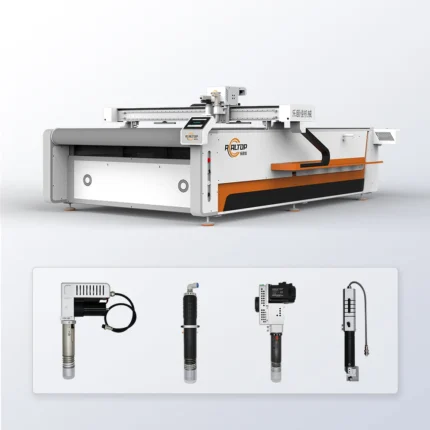
Flatbed Oscillating Knife Cutting Machine 2026 is a high-precision textile fabric cutter with auto-feeding function, ideal for efficient and accurate cutting tasks in textile manufacturing. It combines advanced oscillating knife technology with a large working area to meet industrial production needs.Key Specifications
| Model | 2026 |
| Working Area | 1600x3500mm |
| Feeding System | Auto-Feeding |
| Cutting Type | Oscillating Knife |
| Application | Textile Fabric |
Automatic Fabric Cutting Machine 1200mm Delta Servo 2026
Product Parameters
| Cutting Width | 1200mm |
| Servo System | Delta Servo |
| Model Year | 2026 |
Introduction
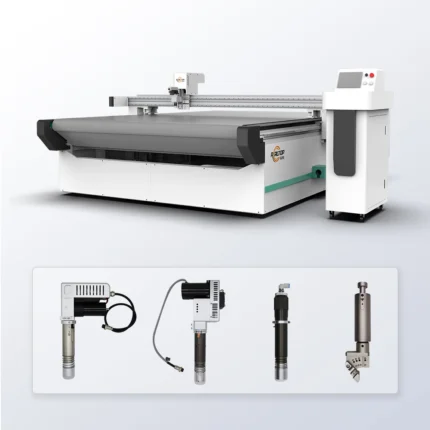
High-performance Automatic Fabric Cutting Machine with 1200mm cutting width, equipped with Delta Servo for precision. Ideal for efficient fabric processing in textile industry, ensuring accurate and fast cutting operations.
Automatic Multi-Layer Vibrating Knife Cutter 2026
Product Introduction
Automatic Multi-Layer Vibrating Knife Cutter 2026, ideal for precise cutting of various materials with multi-layer processing capability, enhancing production efficiency.
Key Specifications
| Type | Automatic Vibrating Knife Cutter |
| Layer Capacity | Multi-Layer |
| Model | 2026 |
| Function | Precision Cutting |
CNC Oscillating Knife Cutting Machine 2026 3000¡Á1600mm High-Speed
Product Parameters
| Model | CNC Oscillating Knife Cutting Machine 2026 |
| Working Area | 3000mm¡Á1600mm |
| Cutting Type | Oscillating Knife |
| Application | Fabric Cutting |
| Feature | High-Speed |
Introduction
High-performance CNC oscillating knife cutting machine with 3000mm¡Á1600mm working area, ideal for high-speed fabric cutting. Precision and efficiency for professional textile processing needs.
Jinan Realtop CNC Fabric Slitting Cutter 2026: Advanced Flexible Material Cutter
Product Introduction
Jinan Realtop CNC Fabric Slitting Cutter 2026 is a high-performance cutting equipment designed for precise fabric processing, ideal for industrial manufacturing needs with reliable CNC technology.Specifications
| Model | 2026 |
| Type | CNC Fabric Slitting Cutter |
| Manufacturer | Jinan Realtop |
| Application | Fabric Processing |
| Control System | CNC |
商品评价
There are no reviews yet.