


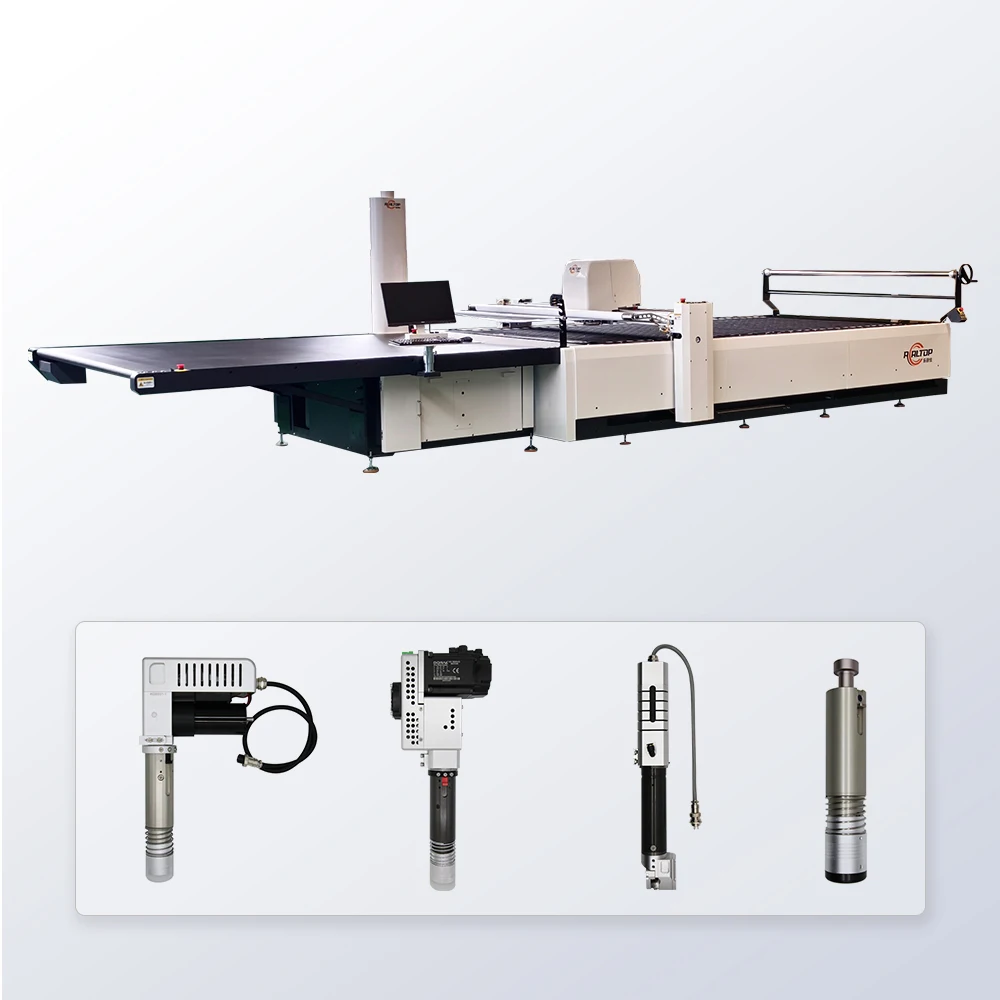
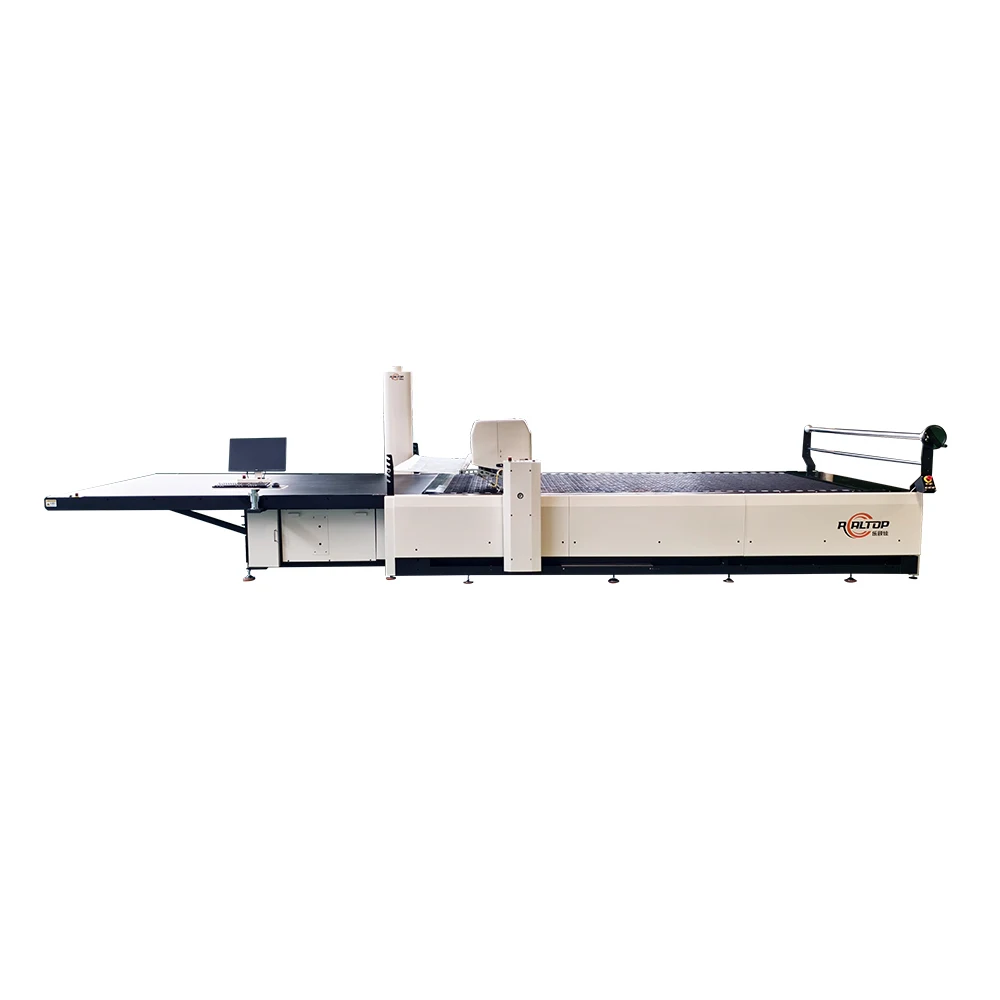
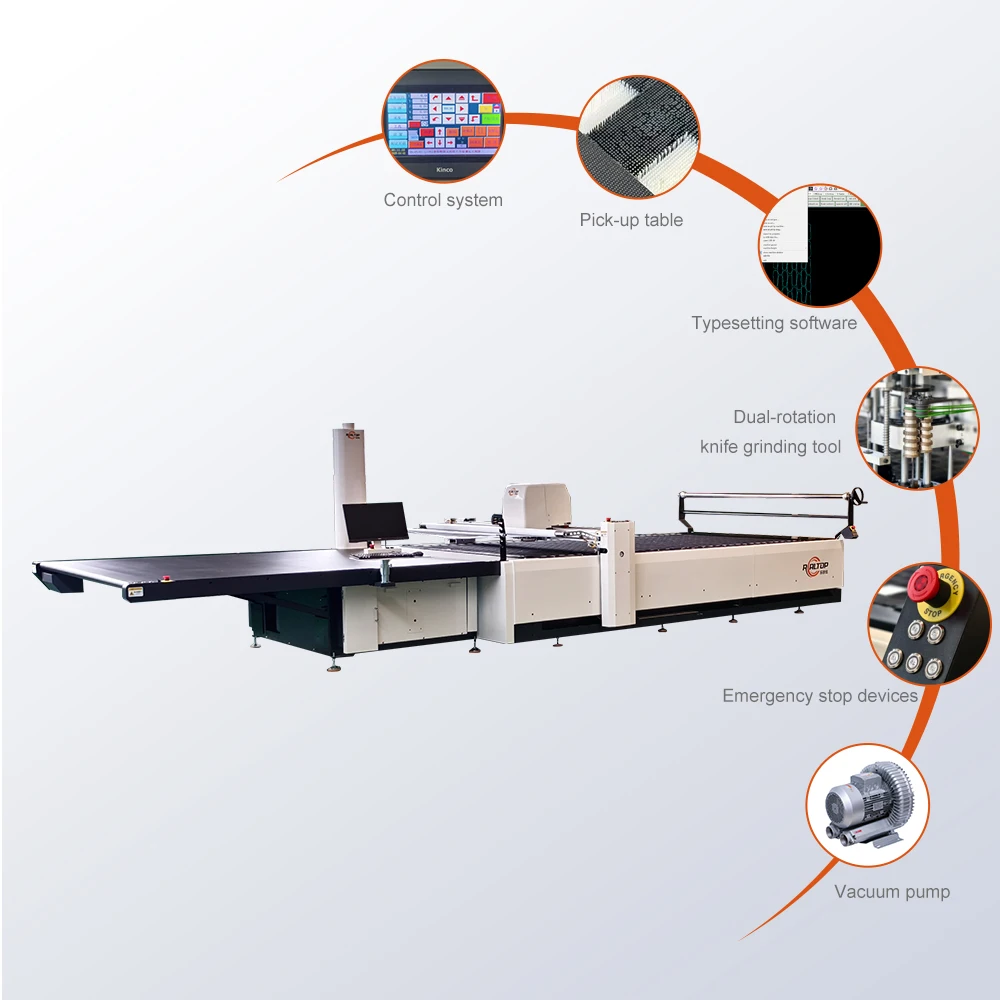

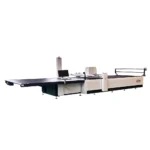
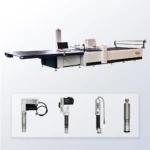
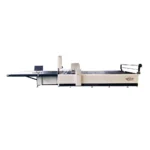
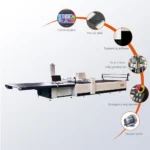


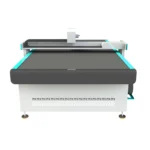
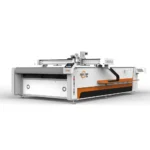
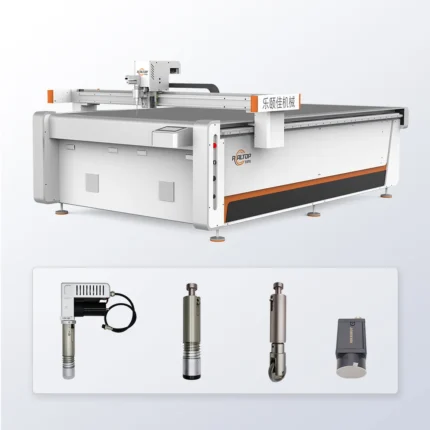
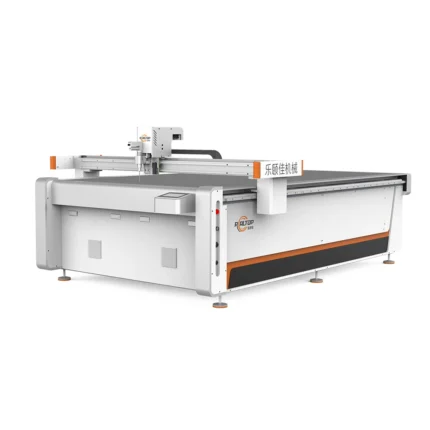
Industrial Application CNC Cutting Machine for Surgical Drapes
SKIP: no identifier
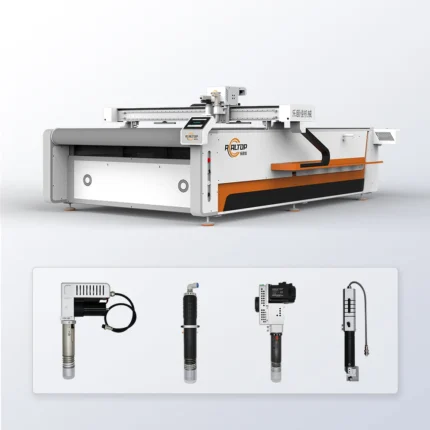
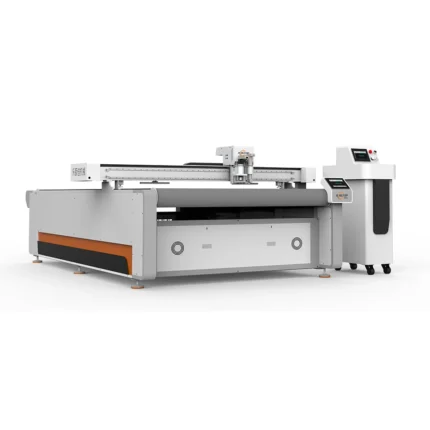
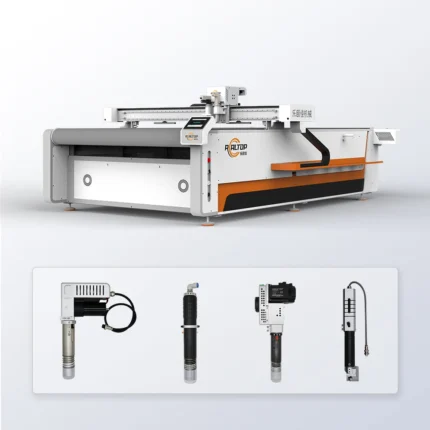
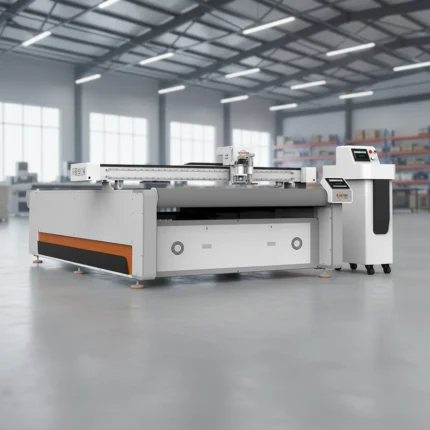
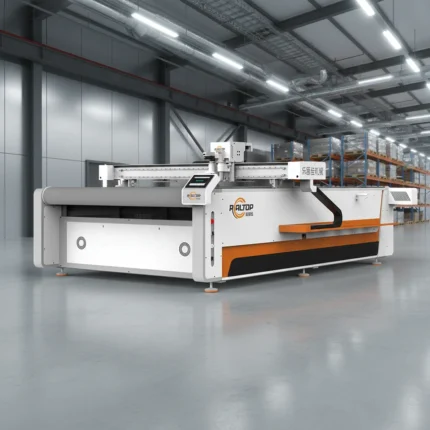
Cold-Knife Advantage for Medical Textiles — in-house design pairs oscillating tool heads with vacuum hold-down to cut surgical drapes without scorching, preserving biocompatibility and edge integrity that laser systems cannot guarantee on heat-sensitive synthetics.
Technical Specifications
| Parameter | Value |
|---|---|
| Product Type | Cloth CNC Cutting Machine |
| Cutting Method | Oscillating knife (cold cutting) |
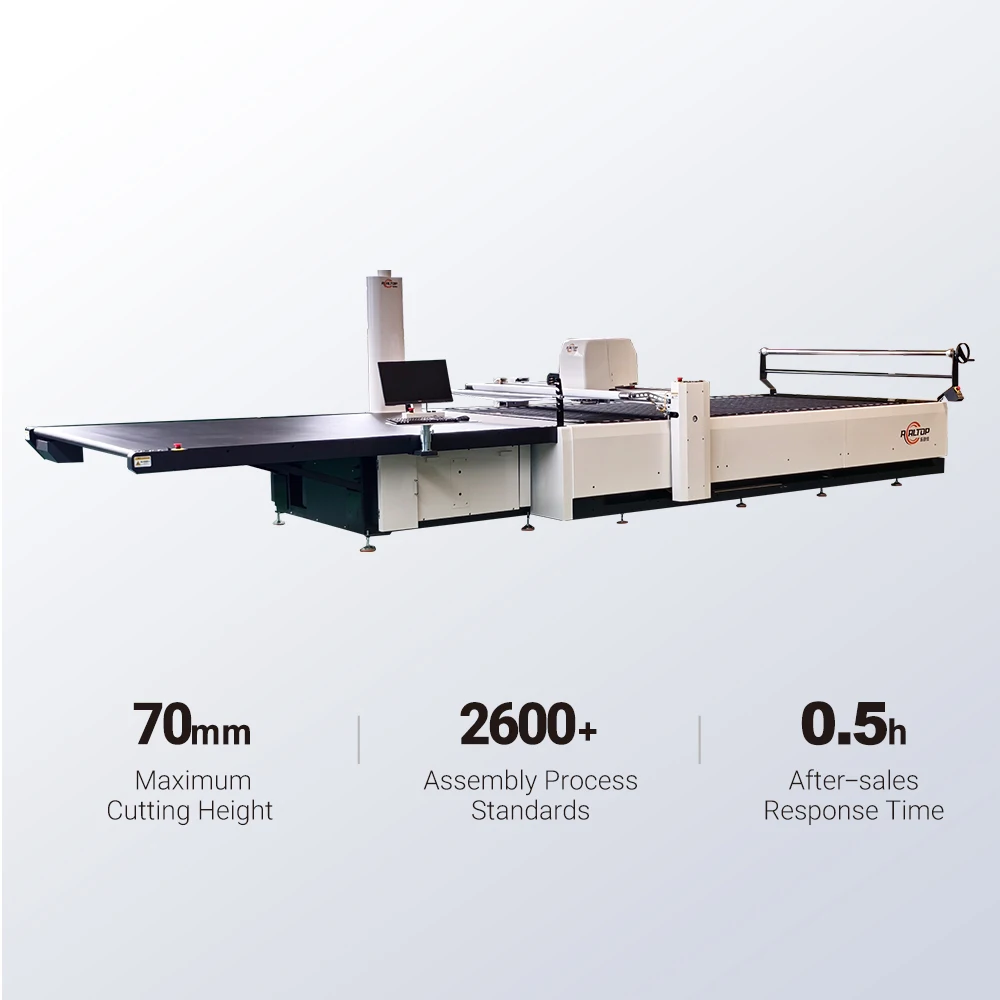
| Multi-Layer Capacity | Up to 70 mm after vacuum adsorption (basis: material dependent, confirm with sample) |
| Repeat Positioning Accuracy | ±0.1 mm |
| Vacuum Table | Aluminum bellows, full-surface adsorption |
| Supported File Formats | DXF, PLT, AI, PDF |
| Voltage | Configurable per destination market (confirm before order) |
| Control Language | Customizable |
| Material Thickness Range | 0.1 – 70 mm flexible materials |
| Edge Quality | Clean cut, no thermal damage or fumes |
Application Suitability
| Application | Material or Output |
|---|---|
| Surgical drape and gown production | SMS nonwoven, spunbond-meltblown composites, disposable medical textiles |
| Apparel batch cutting with nesting | Woven cotton, polyester blends, technical apparel fabrics |
| Home textile panel cutting | Upholstery cloth, curtain lining, quilted layers |
| Technical textile fabrication | Coated fabrics, composite laminates, closed-cell foams |
Why "Peak Laser Power" Is the Wrong Metric for Surgical Drapes
Cold knife cutting eliminates the heat-affected zone entirely, which is the only way to guarantee uncontaminated edges on meltblown nonwovens.
Many buyers of medical textiles start by evaluating CO2 laser cutters, focusing on peak wattage figures that sound impressive on a spec sheet. The problem is that peak power does not translate into clean, continuous cuts through multi-layer stacks of surgical drape material. Thermal energy melts the polypropylene fibers in SMS nonwovens, leaving fused edges that can compromise fluid barrier ratings and raise biocompatibility concerns. I have watched production managers discover this only after their first full run, when QA flags darkened edges and the entire batch of surgical drape panels has to be scrapped. An Industrial Application CNC Cutting Machine for Surgical Drapes using an oscillating knife avoids thermal damage from the start [NEED_CITE: ISO 10993 biocompatibility considerations for medical textile edge integrity].
How Oscillating Frequency Translates to Edge Quality on Nonwovens
The oscillating knife vibrates at high frequency while moving through the material stack, slicing fibers rather than tearing them. On meltblown and spunbond layers, this means individual filaments are severed cleanly without pulling adjacent yarns out of alignment. For surgical drapes that must maintain uniform pore structure across the entire panel, that distinction matters during sterilization and clinical use. The Industrial Application CNC Cutting Machine for Surgical Drapes holds repeat positioning within ±0.1 mm, so nested patterns stay true across hundreds of plies.
Multi-Layer Stacking Without the Lift Problem
Vacuum adsorption compresses loose fabric stacks and locks them against the aluminum bellows table surface. Full-surface suction is essential when the nesting layout includes small drape components like reinforcement patches or tie loops. Zoned vacuum systems often leave gaps between zones where lightweight nonwoven can lift, causing the knife to drag and produce ragged edges on those small parts. This machine addresses that gap with continuous adsorption across the entire cutting area [NEED_CITE: vacuum hold-down requirements for multi-layer technical textile cutting].
Reading the Spec Sheet Beyond Working Area
Working area is the first number buyers check, but it tells you nothing about how the machine handles your actual material. The 70 mm multi-layer capacity is measured after vacuum compression; uncompressed stack height will be greater depending on fabric loft and weight. Oscillating knife stroke length and blade geometry must be matched to the specific nonwoven type and ply count. Voltage and frequency need to be confirmed against the destination workshop’s supply before the control cabinet is wired. File format compatibility should be tested with your existing nesting software output — DXF, PLT, AI, and PDF are supported, but font embedding and layer naming conventions can cause import errors if not verified on a sample file.
The Hidden Cost of Skipping a Material Trial
Specifying a Cloth CNC Cutting Machine on working area alone is how buyers end up with a system that cannot cut through their production stack. I saw this with a surgical gown manufacturer who ordered based on bed size, then found the standard oscillating blade deflected on their 60 gsm SMS at sixty layers. We switched to a heavier-duty blade and adjusted stroke amplitude, but the delay cost them two weeks of contracted deliveries. A trial cut on the buyer’s actual incoming fabric, at production stack height, reveals blade selection, vacuum pressure, and feed rate requirements that no catalog can predict [NEED_CITE: variability in nonwoven fabric density across production lots].
What the Build Process Covers Before Shipment
Tool head and table configuration are selected per material and production volume, not pulled from a default build sheet. CCD camera positioning is available for printed contour work on pre-printed drape layouts where cut lines must follow registration marks. Software compatibility is confirmed with the buyer’s nesting workflow before the order is locked. Voltage, control language, and plug type are set to the destination market specification. A sample cutting report on the buyer’s own surgical drape material documents edge quality, cutting speed, and stack performance before the machine leaves the factory.
Documentation & Verification
- Factory test record run on your surgical drape fabric at confirmed stack height
- Tool head and blade configuration list matched to your material weight and composition
- Electrical schematic with voltage and frequency set to your workshop supply
- Software license and file format compatibility note for your nesting workflow
- Sample cutting report documenting edge quality on your incoming nonwoven batch
- Operation and maintenance manual in your specified control language
Installation, Commissioning & Support
- Dedicated circuit required matching confirmed voltage and phase specification
- Level floor with clearance for full-bed material loading on both sides
- Vacuum pump and exhaust routing planned before machine placement
- First-run parameter tuning on your fabric at production stack height during commissioning
- Operator training covering blade change intervals and vacuum filter maintenance
- Spare blade and consumable kit sized to your daily cutting volume
What to Include With Your Inquiry
Send a sample of your surgical drape fabric along with the target ply count and heaviest GSM you run in production. Specify your workshop voltage, frequency, and preferred control language. If you already use nesting software, export a sample DXF or PLT file so we can verify import compatibility before quoting. Let us know whether your drape layouts include printed registration marks that require CCD camera tracking.
Frequently Asked Questions
Q: How does cold knife cutting compare to CO2 laser for surgical drape fabrics?
A: CO2 lasers seal synthetic edges with heat, which can alter pore structure and compromise fluid barrier performance on meltblown nonwovens. Cold oscillating knife cutting severs fibers without thermal input, leaving edges that pass biocompatibility and barrier testing unchanged. Fume extraction requirements are also eliminated since no material is vaporized during the cut.
Q: What is the real multi-layer cutting capacity and what determines it?
A: The stated 70 mm capacity is measured after vacuum compression. Actual stack height before compression depends on fabric loft, GSM, and ply count. Heavier spunbond-meltblown composites compress less than lightweight gauze. We confirm cutting depth on your specific material during the sample trial before the machine is built.
Q: How does the vacuum table prevent small drape components from lifting?
A: The aluminum bellows table provides continuous full-surface adsorption rather than zoned vacuum with dead spots between sections. This means small reinforcement patches and tie loops in a nested drape layout stay flat against the table throughout the cut, preventing blade drag and ragged edges on those components.
Q: What software file formats and nesting workflows are supported?
A: The system imports DXF, PLT, AI, and PDF files. We verify compatibility with your existing nesting output during the pre-order stage by processing a sample file. Automatic defect avoidance and fabric yield optimization are available depending on the software package selected for your production workflow.
Q: Can the machine handle both woven and nonwoven medical textiles?
A: Yes. The oscillating knife system processes flexible materials from 0.1 mm to 70 mm, covering woven cotton drapes, SMS nonwovens, and coated barrier fabrics. Blade type and stroke settings are adjusted per material. We specify the tool head configuration based on the full range of fabrics in your production mix.


Related products
2026 Auto Fabric Cutter Round Knife High Efficiency
Product Introduction
High Efficiency 2026 Auto Fabric Cutter with Round Knife is a professional cutting equipment designed for fabric processing. It features advanced automation and high cutting efficiency, suitable for various fabric materials in industrial production.Product Parameters
| Model | 2026 |
| Type | Auto Fabric Cutter |
| Blade Type | Round Knife |
| Feature | High Efficiency |
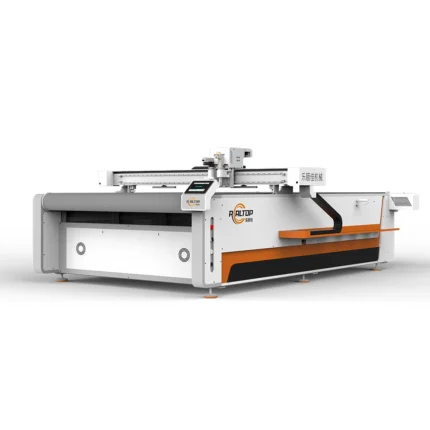
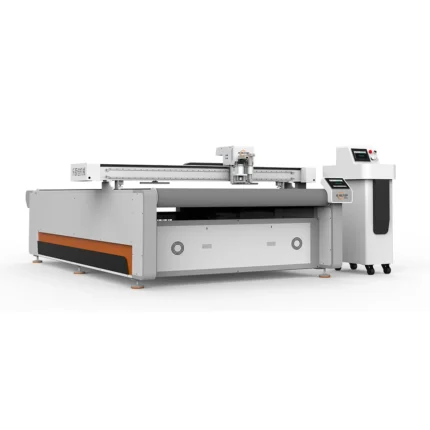
CNC Oscillating Knife Cutting Machine 2026 3000¡Á1600mm High-Speed
Product Parameters
| Model | CNC Oscillating Knife Cutting Machine 2026 |
| Working Area | 3000mm¡Á1600mm |
| Cutting Type | Oscillating Knife |
| Application | Fabric Cutting |
| Feature | High-Speed |
Introduction
High-performance CNC oscillating knife cutting machine with 3000mm¡Á1600mm working area, ideal for high-speed fabric cutting. Precision and efficiency for professional textile processing needs.
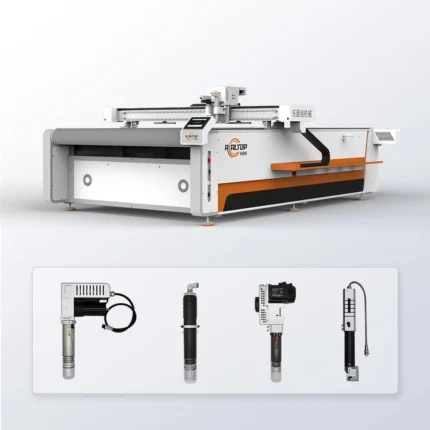
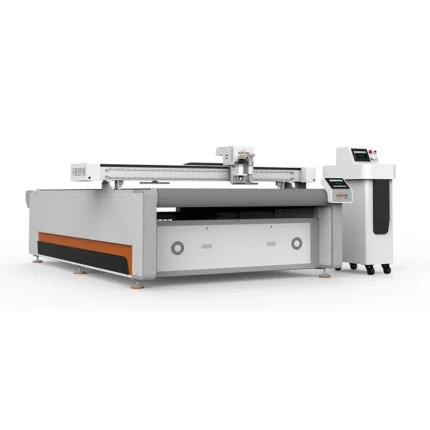
CNC Vibration Knife System 2026 for Polyester Nylon Non-Woven Prepreg
Product Introduction
CNC Vibration Knife System 2026 is ideal for cutting polyester, nylon, non-woven fabrics, and prepreg materials with precision and efficiency, suitable for industrial manufacturing needs.Product Parameters
| Model | 2026 |
| Cutting Technology | CNC Vibration Knife |
| Materials | Polyester, Nylon, Non-Woven, Prepreg |
Custom CNC Shirt Fabric Cutting Machine 2026
Product Introduction
Custom CNC Shirt Fabric Cutting Machine 2026, ideal for precise fabric cutting in garment manufacturing, offering efficient and accurate cutting solutions.
Product Parameters
| Model | Custom CNC Shirt Fabric Cutting Machine 2026 |
| Type | CNC Fabric Cutting Machine |
| Application | Shirt Fabric Cutting |
| Year | 2026 |
商品评价
There are no reviews yet.