

Industrial CNC Cutting Machine for Gasket Foam Composite Materials
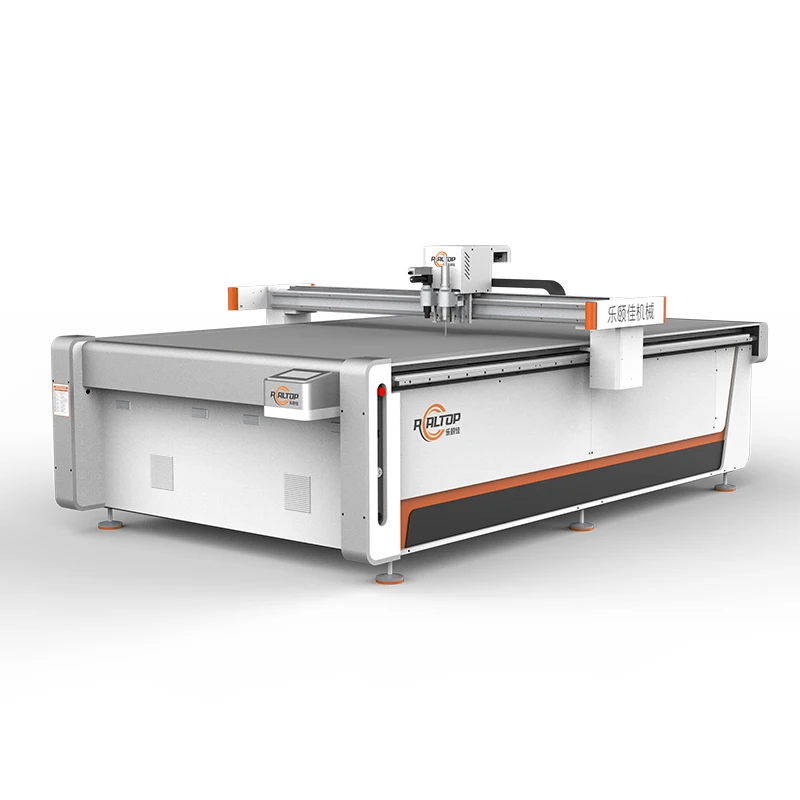
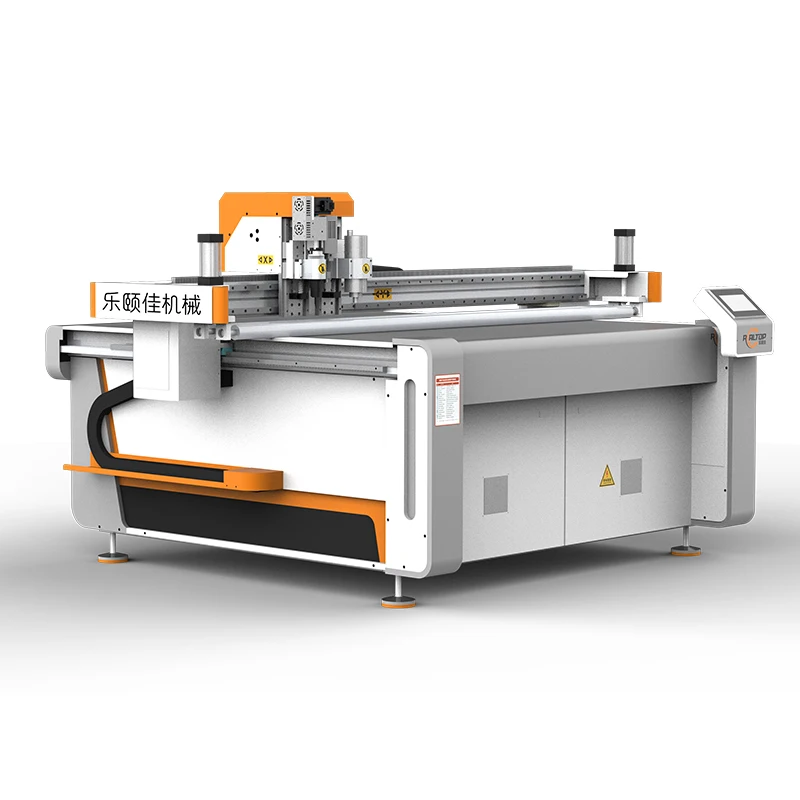
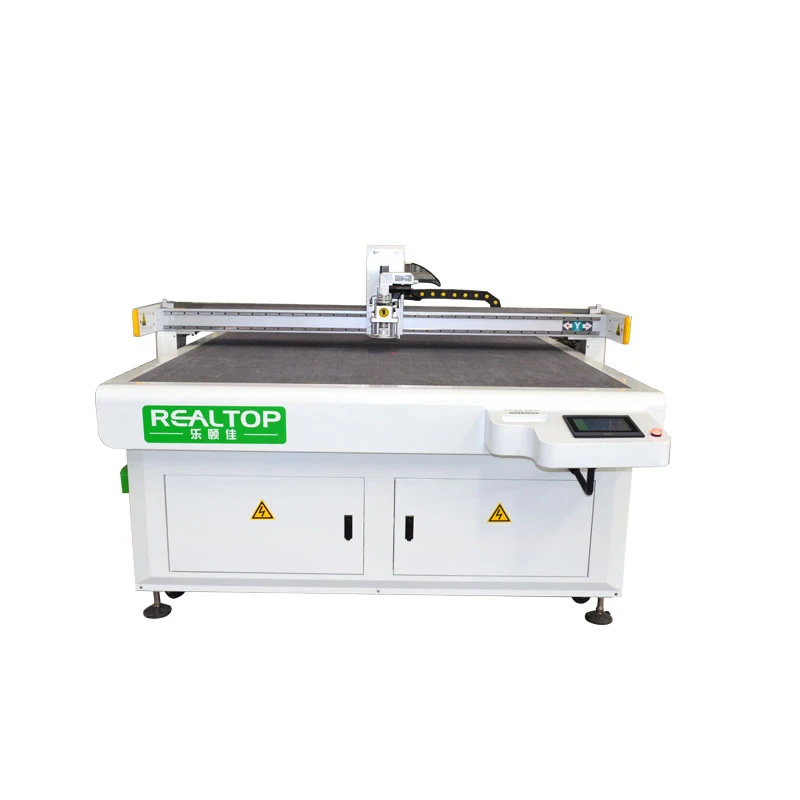
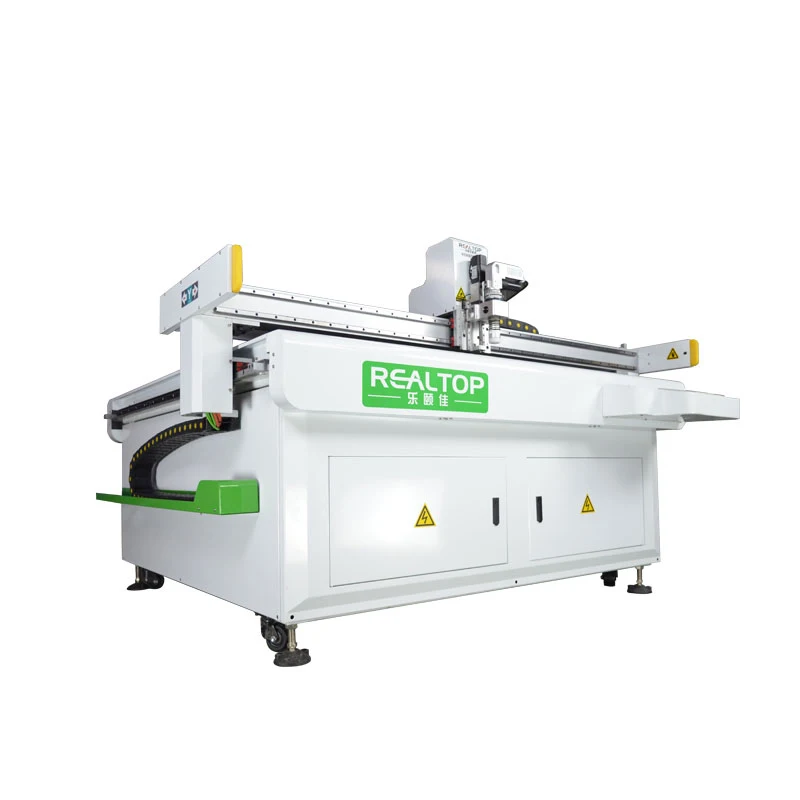
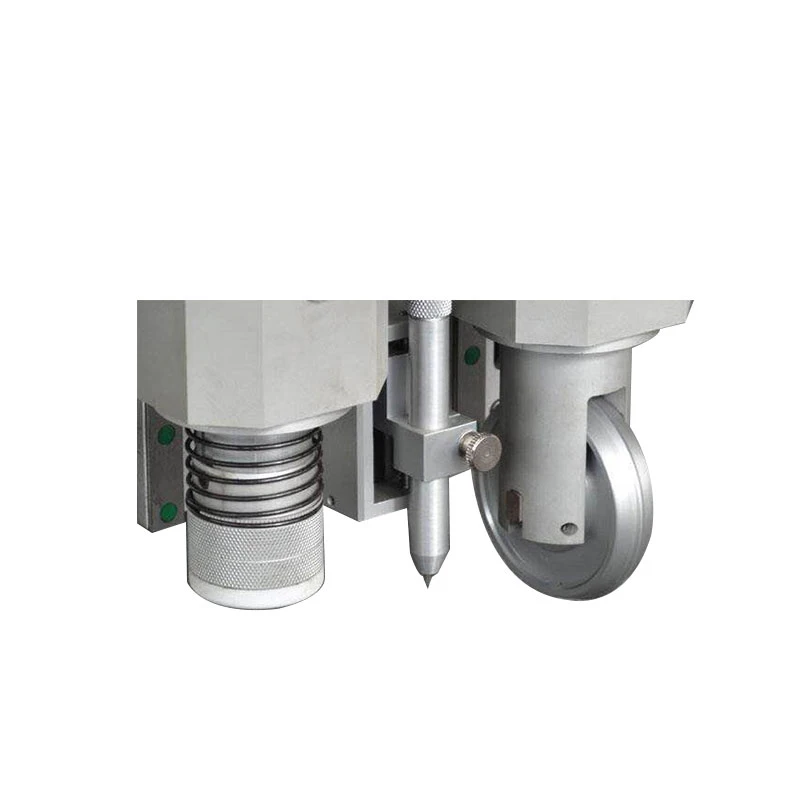
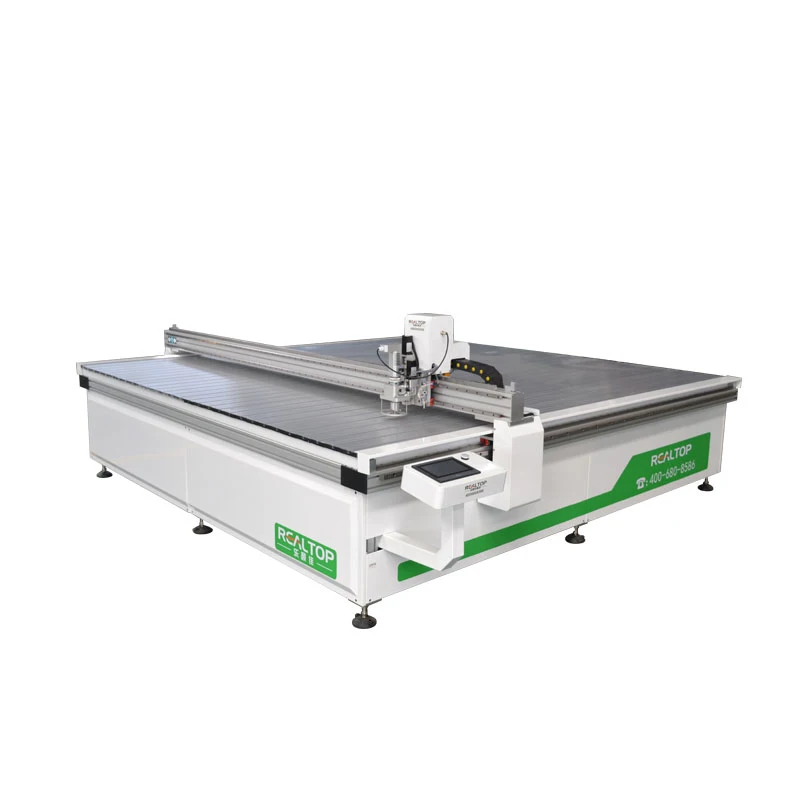
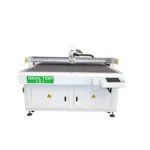
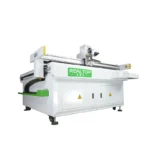
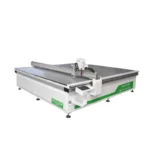
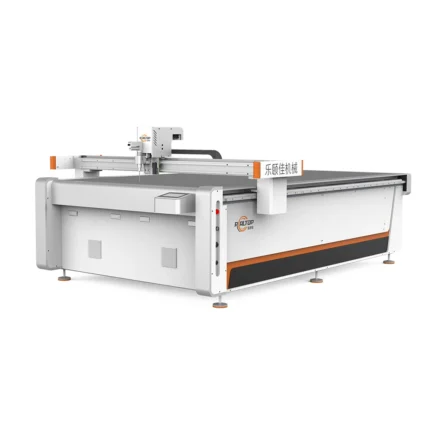
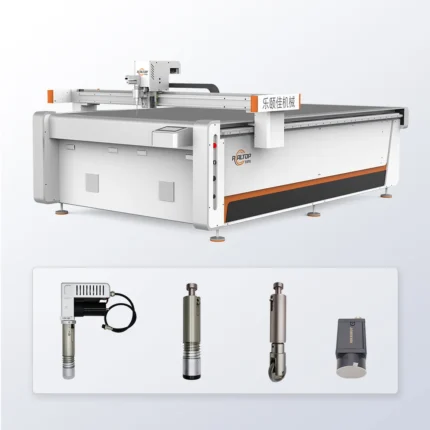
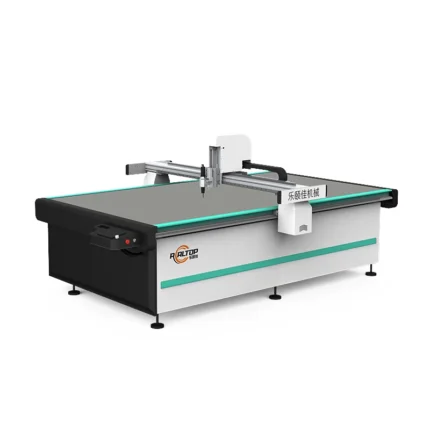
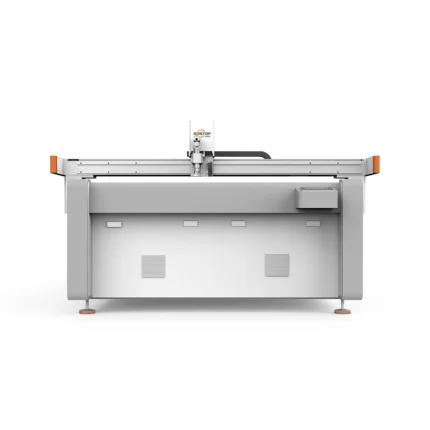
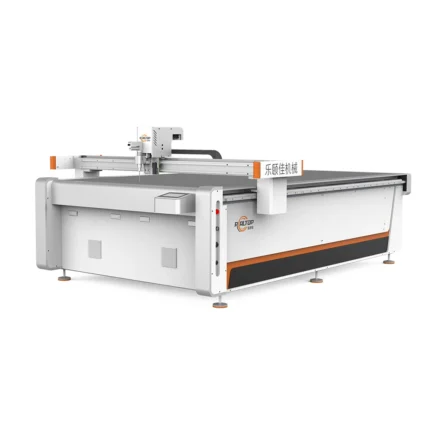
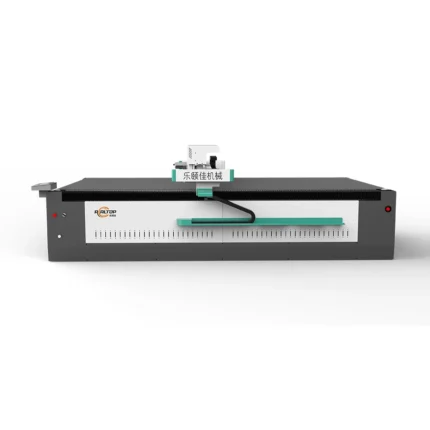
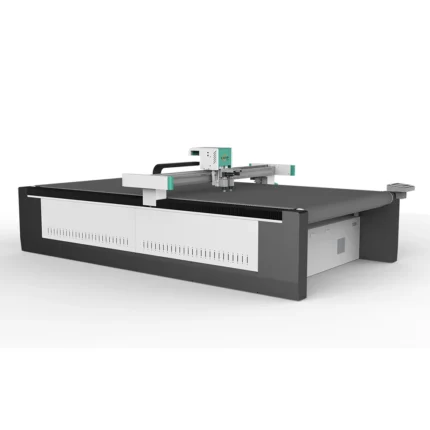
RT-D2516/RT-S2516 CNC Oscillating Knife Cutting Machine, 1600×2500mm, 9kW — configured for gasket, foam and composite fabrication. Swiss imported knife head delivers full and half vibration cutting with cursor location, while the magnesium-aluminum vacuum table with PVDF coating ensures uniform hold-down on small parts. CCD and panoramic camera positioning options handle printed contour work at production speed. – Sample cutting on your own material confirms edge quality and tool head match before commitment — every unit ships with electrical schematic, voltage confirmation and factory test record.
Laser and Knife Process Match — cutting method selected against actual material behavior rather than defaulting to a single technology, with this CNC oscillating knife cutting machine factory offering both CO2 and fiber laser cutting machine manufacturer capabilities under one roof.
Technical Specifications
| Parameter | Value |
|---|---|
| Product Type | CNC Oscillating Knife Cutting Machine |
| Model | RT-D2516/RT-S2516 |
| Working Area | 1600×2500 mm |
| Machine Size | 3450×2300×1250 mm |
| Rated Power | 9 kW |
| Voltage | 380V ±10% (50Hz/60Hz to be confirmed per destination) |
| Working Table Type | Flat table (conveyor belt optional) |
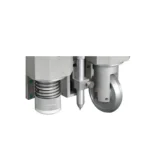
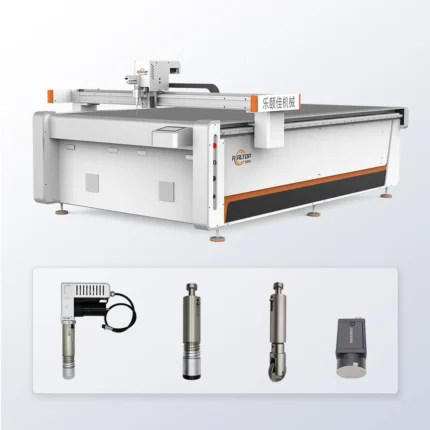
| Tool Head | Swiss imported knife with vibration full cutting, half cutting and cursor location |
| Translational Velocity | 800–1200 mm/s |
| Cutting Speed | 200–800 mm/s (basis to be confirmed with buyer material) |
| Cutting Thickness | Up to 100 mm (varies with material density and composition) |
| Repeated Accuracy | ≤0.1 mm |
| Transmission System | Digital servo motor (Delta or Panasonic optional), linear guide, synchronous belt, ball screw |
| Guide Rail | Taiwan Hiwin rail |
| Vacuum Pump | 7.5 kW |
| Vacuum Table | Magnesium-aluminum alloy with fluorocarbon PVDF coating and hard oxidation |
| Safety Device | Infrared sensors, anti-collision beam sensors, emergency stop |
| Instruction System | HP-GL compatible format |
| Visual Positioning | Small CCD mark point, panoramic camera, or projection positioning (configuration per order) |
| Language Options | English, Russian, Italian, Chinese (customizable) |
| Assembly State | Fully assembled before shipment |
| Warranty | 1 year |
Application Suitability
| Application | Material or Output |
|---|---|
| Automotive gasket and sealing pad fabrication | Rubber, PTFE, composite fiber-reinforced sheet |
| Foam and sponge processing | PU, EVA, XPE, PE, sponge composite leather |
| Composite material nesting | Fiberglass, multi-layer fabric, carbon fiber prepreg |
| Packaging sample making | Corrugated cardboard, foam board, sticker film |
| Footwear and luggage manufacturing | Leather, shoe material, luggage material, non-woven fabric |
| Advertising signage production | PVC, soft glass, silicon rubber, vinyl |
Why the Tool Head Matters More Than the Working Area
Edge quality on fiber-reinforced composites is decided by knife oscillation frequency and downforce, not by table size alone.
I once helped a gasket shop in the Yangtze Delta that had already bought a vibrating knife cutter based purely on a 1600×2500 mm working area. The sample cuts on plain rubber looked fine, but when production started on fiber-reinforced sealing material, the blade dulled within two days and every edge showed fraying. Their throughput dropped by half before we re-matched the oscillation amplitude and selected a different knife profile. A CNC oscillating knife cutting machine factory that tests on the buyer’s actual stock before shipment catches this problem at the quotation stage rather than on the shop floor. [NEED_CITE: tool wear rates on fiber-reinforced elastomers versus plain rubber]
Oscillating Knife Mechanics on Layered Composites
The Swiss imported knife head on the RT-D2516/RT-S2516 delivers vibration full cutting, half cutting, and cursor location in a single tool station. On layered composites where a soft foam core sits between two denser skins, the oscillation frequency must be high enough to shear the reinforcing fibers cleanly without dragging the core material. This CNC oscillating knife cutting machine factory configures the oscillation stroke and blade geometry after reviewing the buyer’s material cross-section, which is why sample cutting on actual stock is a mandatory step before order confirmation.
Vacuum Hold-Down Zoning for Small and Irregular Parts
A 7.5 kW vacuum pump paired with a magnesium-aluminum alloy table provides strong suction, but suction alone does not hold a 30 mm gasket in place when the knife exits the cut path. The table surface receives a fluorocarbon PVDF powder spray and hard oxidation treatment to maintain flatness across the 1600×2500 mm area, while zone valves let the operator isolate suction to the region being cut. For small or irregularly shaped parts nested closely together, this zoning prevents the material from lifting and shifting mid-cut [NEED_CITE: vacuum table zoning requirements for nested small-part cutting].
Reading the Spec Sheet Beyond the Headline Numbers
The listed cutting speed range of 200–800 mm/s spans a wide envelope because actual speed depends on material density, thickness, and whether the blade is performing a full through-cut or a kiss-cut on a liner. The RT-D2516/RT-S2516 uses Taiwan Hiwin linear guides and digital servo motors from Delta or Panasonic to maintain the ≤0.1 mm repeated accuracy across the full travel, which matters when a nesting layout places hundreds of gasket profiles across the table and cumulative positioning drift would scrap an entire sheet. The 9 kW rated power covers the spindle oscillation, servo drives, and control electronics, while the separate 7.5 kW vacuum circuit requires its own dedicated breaker in the shop panel.
The Cost of Skipping Material-Specific Configuration
When a buyer specifies a machine by working area and skips the tool head conversation, the first sign of trouble appears as ragged edges on fiber-reinforced stock or crushed cells in open-cell foam. Replacing blades mid-shift adds downtime that compounds across a production week, and scrapped sheets from poor nesting yield push raw material costs higher than the original quotation assumed. [NEED_CITE: hidden cost of unplanned blade changes in continuous gasket production] Shops that run mixed materials across the same week — rubber on Monday, fiberglass composite on Wednesday — face the sharpest penalty because a single default knife profile cannot handle both cleanly.
Why Sourcing from a Dual-Technology Manufacturer Helps
A factory that builds both knife and laser systems evaluates each material honestly rather than forcing every job onto one cutting method. The RT-D2516/RT-S2516 sits alongside CO2 and fiber laser platforms in the same production facility, so the recommendation starts with the material’s thermal and mechanical properties, not with whichever machine has open capacity. In-house design covers the tool head selection, vacuum table zoning, and CCD contour recognition configuration as an integrated package. Software file format compatibility is confirmed before the order is placed, preventing the situation where a buyer’s existing nesting workflow cannot feed the machine controller. Sample cutting on the buyer’s own material produces a documented edge quality report that anchors the specification. [NEED_CITE: benefits of integrated knife and laser process evaluation under one manufacturer]
Documentation & Verification
- Factory test record run on your composite thickness and material type before dispatch
- Electrical schematic confirming 380V ±10% wiring, plug type, and breaker sizing
- Tool head and vacuum table configuration list matched to your material data sheet
- Sample cutting report with edge quality photographs on your supplied stock
- Software licence and HP-GL file format compatibility note for your nesting system
- CE declaration included in shipment documentation package
Installation, Commissioning & Support
- Requires a level concrete floor supporting 3450×2300 mm footprint plus operator clearance on three sides
- Dedicated 380V ±10% circuit with separate breaker for the 9 kW machine load and 7.5 kW vacuum pump
- Arrives fully assembled; commissioning covers table flatness check, servo tuning, and vacuum zone balancing
- On-site training includes knife oscillation parameter adjustment and CCD mark point calibration for your print format
- Spare blade and wear parts list provided with recommended reorder intervals based on your material abrasiveness
- Monthly guide rail lubrication and vacuum filter cleaning schedule documented in the operation manual
Preparing Your Inquiry
Send your material type, typical sheet dimensions, maximum thickness, and whether the stock contains reinforcing fibers or abrasive fillers. Include your local voltage and frequency, the control language your operators need, and the file formats your current nesting software exports. If your production mix includes both flexible and semi-rigid composites, list each material so the tool head and vacuum zoning can be specified together.
Frequently Asked Questions
Q: How is cutting speed verified against my material type and thickness?
A: The factory runs sample cuts on your supplied material at multiple speeds within the 200–800 mm/s range, documenting edge quality and cycle time for each pass. The final speed recommendation appears in the sample cutting report so you can cross-check throughput against your daily volume targets before committing to the order.
Q: Which CCD or visual positioning option is included for printed contour work?
A: Three options exist — small CCD mark point positioning, panoramic camera recognition, and projection positioning. The correct choice depends on whether your printed marks are small fiducials or full-sheet graphics. The selected option is confirmed during the specification review and documented in the configuration list before production.
Q: What voltage, plug, and control language options are confirmed before shipment?
A: The standard electrical supply is 380V ±10%, but the exact frequency (50Hz or 60Hz) and plug type are confirmed against your destination country standards. Control interface language options include English, Russian, Italian, and Chinese, with additional languages available on request. All electrical details are recorded in the pre-shipment schematic.
Q: Can the vacuum table zoning handle my small part geometry without lift?
A: The magnesium-aluminum alloy table is divided into independently valved zones. During the configuration phase, your nesting layout is reviewed to confirm that suction can be concentrated on the active cutting region, preventing small or lightweight parts from shifting when the knife exits a contour.
Q: What sample cutting is done on my material before order commitment?
A: You send a representative sheet or roll of your production material to the factory. The engineering team tests the selected knife profile, oscillation settings, and vacuum hold-down, then provides a report with edge photographs, measured accuracy, and achievable cycle time so you can evaluate the result before the machine enters production.


Related products

2026 Oscillating Knife Foam Insert Digital Packaging Cutter
Product Introduction
Designed for foam insert cutting, this 2026 Digital Packaging Cutter features oscillating knife technology, ideal for precise digital packaging applications with efficient cutting performance.Product Parameters
| Parameter | Details |
|---|---|
| Type | Oscillating Knife Cutting Machine |
| Application | Foam Insert Cutting |
| Model Year | 2026 |
| Category | Digital Packaging Cutter |

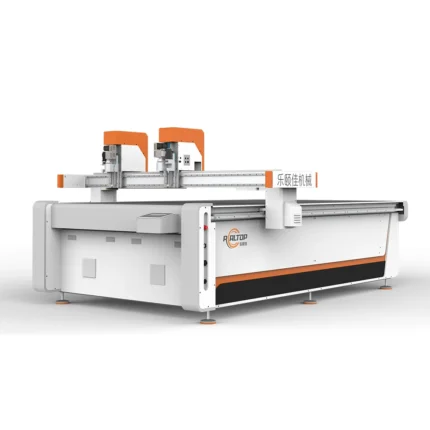
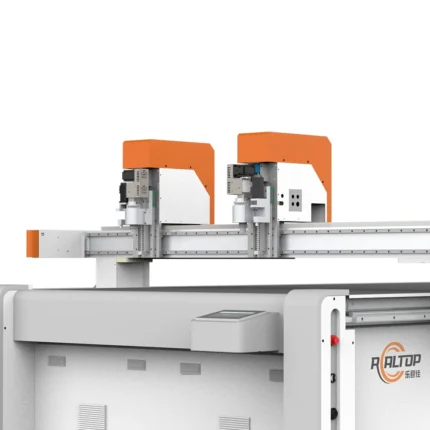
2516 CNC Vibrating Knife Cutting Machine 2026
Product Introduction
2516 CNC Vibrating Knife Cutting Machine 2026, a precision cutting solution from China's leading welding & cutting equipment manufacturer. Ideal for efficient, high-quality material processing with advanced CNC technology.
Key Specifications
| Model | 2516 |
| Type | CNC Vibrating Knife Cutting Machine |
| Year | 2026 |
| Origin | China |
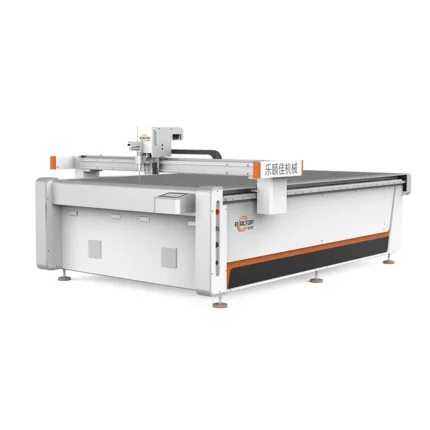
Jinan Realtop CNC Foam Cutting Machine 2026
Product Introduction
Jinan Realtop CNC Foam Cutting Machine 2026, a high-precision solution from China's leading welding & cutting equipment manufacturer, ideal for efficient foam cutting applications with reliable performance and advanced CNC technology.Key Specifications
| Model | 2026 |
| Type | CNC Foam Cutting Machine |
| Manufacturer | Jinan Realtop |
| Origin | China |

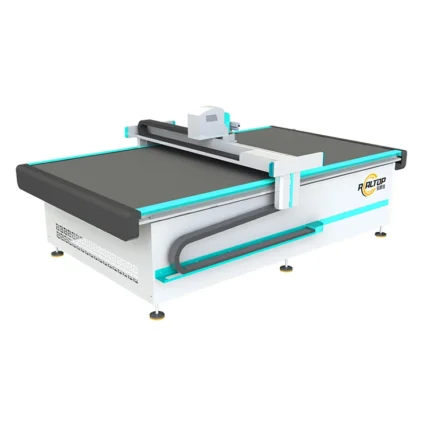
Realtop CNC Felt Plastic Cutting Machine 2026
Product Introduction
Realtop CNC Felt Plastic Cutting Machine 2026 is a precision cutting solution designed for felt and plastic materials, ideal for manufacturing applications. It combines advanced CNC technology to deliver accurate and efficient cutting performance, suitable for various industrial production needs.Key Specifications
| Model | Realtop CNC Felt Plastic Cutting Machine 2026 |
| Application | Felt & Plastic Cutting |
| Technology | Advanced CNC System |
| Performance | Precision & Efficient Cutting |

商品评价
There are no reviews yet.