


Industrial CNC Oscillating Knife Cutting Machine for Cloth and Fabric
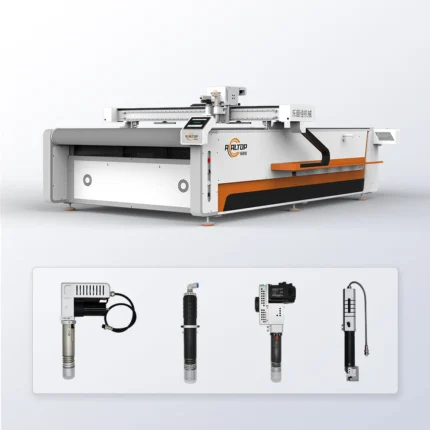
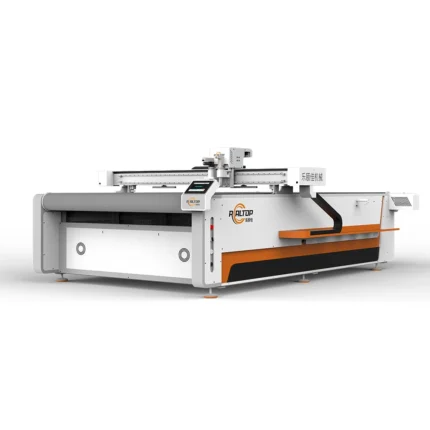
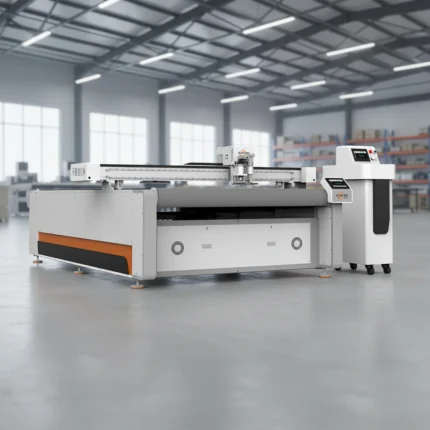
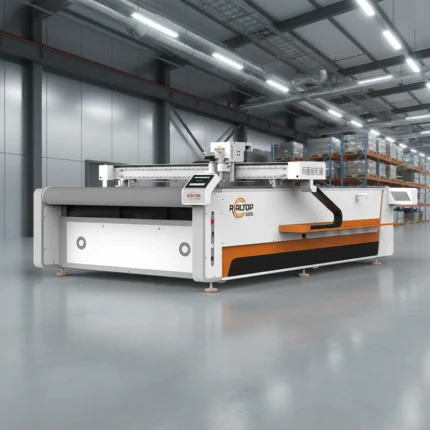
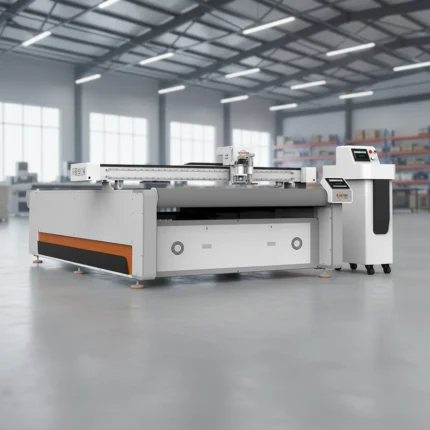
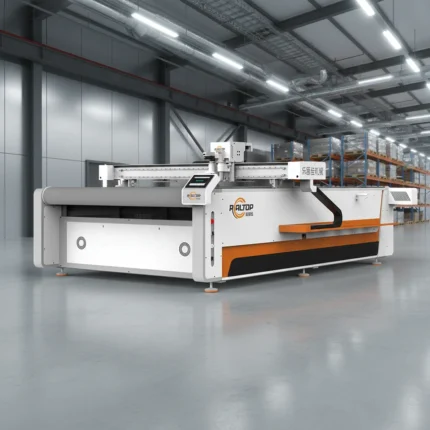
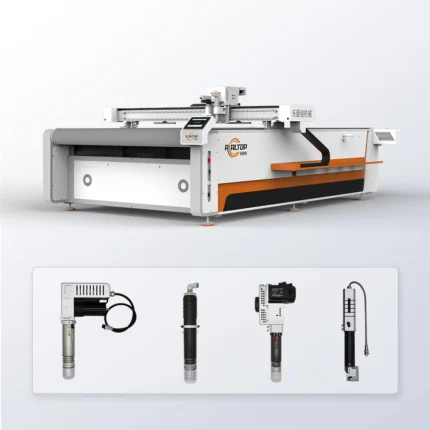
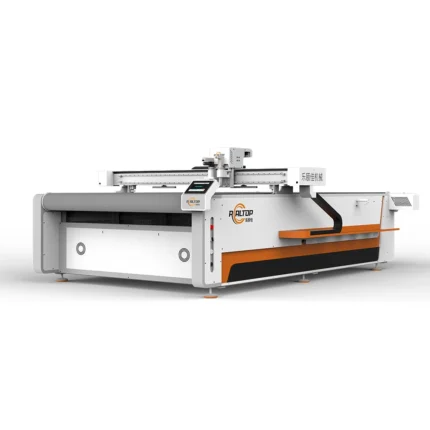
RT-D2516/RT-S2516 CNC Oscillating Knife Cutting Machine, 1600×2500 mm, 9 kW — configured for fabric, textile and composite cutting with multifunctional tool heads and CCD vision positioning.
- Knife vs. laser process matching ensures the right cutting method for each material — oscillating knife delivers clean, burr-free edges on multi-layer fabric stacks without thermal discoloration, while CCD contour recognition tracks printed marks at production speed.
- Supported by sample cutting on your own material before commitment, with voltage, language and software compatibility confirmed prior to shipment.
Process-Matched Cutting Configuration — The RT-D2516/RT-S2516 platform supports multifunctional oscillating knife heads and vision positioning, allowing fabric processors to specify the cutting method that fits their material stack rather than forcing a single technology.
Technical Specifications
| Parameter | Value |
|---|---|
| Product Type | CNC Oscillating Knife Cutting Machine |
| Model | RT-D2516 / RT-S2516 |
| Working Area | 1600 × 2500 mm |
| Overall Dimensions (L × W × H) | 3450 × 2300 × 1250 mm |
| Rated Power | 9 kW |
| Voltage | 380V ±10% |
| Control System | CNC with Touch Screen Panel |
| Transmission System | Digital servo motor, linear guide, synchronous belt, ball screw |
| Servo Motor Options | Delta (China) or Panasonic (Japan) |
| Translational Velocity | 800 – 2000 mm/s |
| Cutting Speed | 200 – 800 mm/s (according to different cutting materials) |
| Repeated Accuracy | ≤0.1 mm |
| Tool Head Type | Multifunctional — Swiss imported knife with vibration full/half cutting; options include pneumatic knife, high-power vibrating knife, circular knife, V-cutting knife, drag knife, creasing wheel, punching tool |
| Visual Positioning | Small CCD camera mark point positioning, panoramic camera recognition, projection positioning (options) |
| Worktable | Magnesium-aluminum alloy vacuum adsorption table with fluorocarbon PVDF coating, anodic and hard oxidation treatment |
| Vacuum Pump | 7.5 kW, integrated aviation aluminum shell with built-in silencer sponge |
| Fixed Model Options | Flat working table / Auto feeding table |
| Conveyor Belt | Germany imported |
| Guide Rail | Taiwan Hiwin |
| Safety Devices | Infrared induction blocking, anti-collision sensors, emergency stop with in-situ resume |
| Instruction System | HP-GL compatible format |
| Software | Auto typesetting / nesting; supports PLT, DXF, AI formats |
| Language Options | English, Russian, Italian, Chinese; special languages customizable |
Application Suitability
| Application | Material or Output |
|---|---|
| Garment and footwear production | Layered clothing cloth, shoe material, non-woven fabric, PU, EVA |
| Automotive interior fabrication | Synthetic leather, composite upholstery panels, gasket material |
| Soft home furnishings | Carpet, sponge, foam board, XPE, fabric rolls |
| Packaging and sample making | Cardboard, corrugated cardboard, plastic box, sticker, film |
| Graphic advertising and printing | PVC, PP, PE, vinyl banner, printed textile |
| Sports and outdoor products | PTFE, ETFE, fiberglass, composite materials |
Why "Peak Power" Claims Leave Fabric Buyers Stranded
Continuous cutting capability on your actual material stack is the only rating that matters.
Too many textile processors have received machines quoted on peak output figures, only to discover the real continuous throughput cannot penetrate their specific fabric layers at acceptable speed. When a supplier lists cutting speed without naming the material and ply count behind that number, the buyer absorbs all the risk. I once watched a European fabricator unpack a machine that performed flawlessly on single-ply polyester samples, yet stalled repeatedly on the TPU-coated waterproof textile they actually ran in production — the oscillating force and knife geometry were simply mismatched to the coated surface [NEED_CITE: material-specific cutting force requirements for coated technical textiles].
A CNC laser cutting and engraving machine manufacturer that also builds knife cutting platforms understands this distinction intimately, because the same buyer pool evaluates both technologies side by side.
Knife Versus Laser: Choosing the Right Edge for Your Textile
Fabric processors face a genuine process decision, not merely a budget choice. Oscillating knife cutting delivers burr-free, thermally neutral sections across multi-layer stacks, which matters when fused or discolored edges compromise downstream sewing or lamination. The RT-D2516/RT-S2516 platform supports vibration full cutting and half cutting with Swiss imported knife tooling, giving operators control over penetration depth for each ply.
CO2 laser cutting seals synthetic edges automatically, preventing fraying on polyester and nylon — yet that same thermal seal stiffens the hand feel on garments and may discolor light-colored textiles. A CNC laser cutting and engraving machine manufacturer offering both platforms lets buyers test each method on their own material before committing, rather than being steered toward whichever technology the supplier happens to stock.
Vacuum Zoning, CCD Positioning, and the Small-Part Problem
Cutting nested garment panels or intricate signage shapes introduces a challenge that raw cutting speed figures never capture: holding small, lightweight pieces flat against the table while the knife exits the final contour. The magnesium-aluminum alloy vacuum adsorption table on this platform uses fluorocarbon PVDF coating with anodic and hard oxidation treatment, delivering consistent suction distribution across the 1600 × 2500 mm working area. When paired with optional CCD camera mark point positioning or panoramic camera recognition, the system locates printed registration marks and adjusts cut paths in real time — essential for contour-cut printed textiles where even slight misalignment ruins the piece [NEED_CITE: CCD contour recognition accuracy standards in digital textile cutting].
How Core Parameters Translate to Production Reality
The repeated accuracy of ≤0.1 mm matters most when cutting nested patterns where adjacent pieces share a common cut line; any drift compounds across the sheet and generates measurable fabric waste. Translational velocity ranging from 800 to 2000 mm/s governs how quickly the head repositions between cuts, while the actual cutting speed of 200–800 mm/s varies with material density and thickness — a dense rubber gasket demands the lower end, whereas single-ply non-woven allows the upper range. The 7.5 kW vacuum pump with integrated silencer sponge maintains adsorption force across the full table without excessive workshop noise, and the Taiwan Hiwin guide rails paired with digital servo motors (Delta or Panasonic options) provide the linear motion stability needed for clean edge quality at higher feed rates.
The Hidden Cost of Wrong Tool Head Selection
Specifying a machine on working area alone, then discovering the standard knife cannot cleanly penetrate your material thickness, creates expensive downtime while replacement tooling is sourced overseas. A drag knife may crush foam instead of slicing it; a circular knife may struggle with tight radii on stiff leather. When the tool head and material are mismatched, operators slow the feed rate to compensate, negating the throughput the machine was purchased to deliver [NEED_CITE: oscillating knife selection guide by material type and density].
Why Source This Platform Here
Realtop designs and produces both knife and laser cutting systems in-house, so buyers receive an honest recommendation on which method suits their fabric rather than a forced fit to one technology. The RT-D2516/RT-S2516 platform is configured per material and production volume, with tool head selection, vacuum zoning, and CCD options confirmed before order. Voltage, plug type, and control language are verified against the buyer’s local electrical standards — not assumed. Sample cutting on the buyer’s own material is standard practice, producing a cutting report that documents edge quality, achievable speed, and tooling wear before the machine enters production.
Documentation & Verification
- Machine specification sheet listing confirmed tool head and vacuum table configuration for your material type
- Electrical schematic with voltage and frequency verified against your facility supply before build
- Sample cutting report generated on your actual fabric, documenting edge quality and speed achieved
- Software licence and file format compatibility note confirming PLT, DXF, or AI workflow acceptance
- Factory test record captured before dispatch, including repeated accuracy measurement
- Packing photographs showing secured vacuum table and tool head assembly for transit
Installation, Commissioning & Support
- Requires dedicated 380V ±10% circuit rated for 9 kW plus 7.5 kW vacuum pump load
- Overall dimensions of 3450 × 2300 × 1250 mm require clear floor space and overhead clearance for gantry access
- Machine ships fully assembled; split vacuum box option available for container transport constraints
- First-run commissioning includes servo calibration, vacuum zone mapping, and CCD registration setup
- Operator training covers nesting software workflow, tool head changeover, and HP-GL file import
- Spare parts list provided with recommended Swiss knife blades, drag knife tips, and vacuum seals
What to Include in Your Inquiry
Provide your material type, maximum thickness, and typical sheet or roll dimensions so the correct tool head and table configuration can be specified. Confirm your facility voltage and frequency, preferred control language, and whether your existing nesting files use PLT, DXF, or AI format. If daily volume targets are known, share them alongside the material data so throughput can be estimated realistically. Request sample cutting on your own fabric before final commitment — it is the only way to verify edge quality and speed on the material you will actually run.
Frequently Asked Questions
Q: How do I decide between oscillating knife and CO2 laser cutting for my fabric type?
A: Oscillating knife is preferred for multi-layer natural or blended fabrics where thermal discoloration and edge stiffening must be avoided. CO2 laser excels on single-layer synthetics like polyester where edge sealing prevents fraying. Submit your actual material for sample cutting on both platforms to compare edge quality, hand feel, and achievable speed before deciding.
Q: Can the RT-D2516/RT-S2516 platform be configured with a laser source instead of a knife head?
A: This platform is engineered as a CNC oscillating knife cutting machine with vacuum adsorption and multifunctional tool heads. Laser cutting requires a different gantry and extraction architecture. The manufacturer builds both knife and laser platforms and will recommend the appropriate machine based on your material and process requirements.
Q: What electrical specifications need confirming before shipment?
A: The standard configuration operates on 380V ±10% with configurable frequency. Buyers in regions using 220V or 60Hz supply must verify transformer requirements or internal reconfiguration scope before production begins. Voltage, plug type, and phase are confirmed during the specification review stage to prevent mismatches at installation.
Q: Does the nesting software accept my existing design files?
A: The auto typesetting and nesting software supports PLT, DXF, and AI file formats natively, with HP-GL compatible instruction output. Confirm your file format during inquiry and request a compatibility test using your actual production files so any conversion issues are resolved before the machine ships.
Q: How does CCD positioning improve accuracy on printed fabric?
A: The optional CCD camera system locates printed registration marks on the fabric surface and dynamically adjusts the cut path to follow the actual printed contour. This compensates for stretch, skew, or shrinkage introduced during printing, maintaining ≤0.1 mm repeated accuracy on pattern-matched pieces across the full working area.


Related products
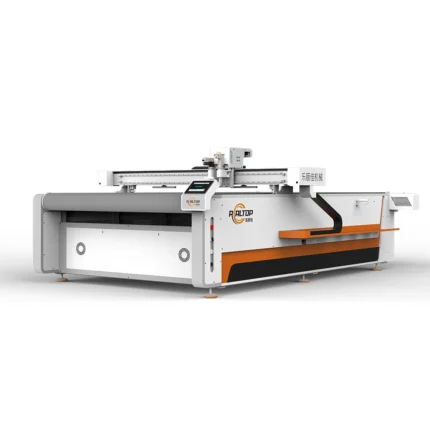
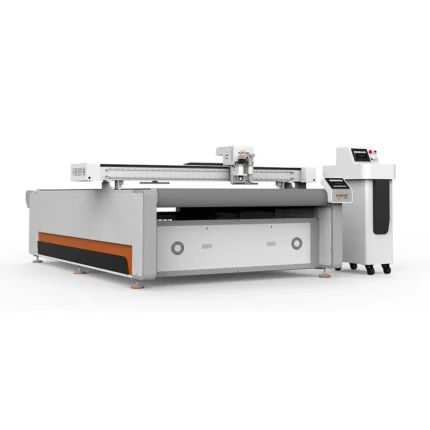
2026 Auto CNC Cloth Cutting Machine High-Precision Fabric Leather Plotter
Product Introduction
2026 Auto CNC Cloth Cutting Machine, a high-precision fabric & leather plotter designed for efficient cutting. Ideal for textile and leather industries with advanced CNC technology.
Key Specifications
| Model | Auto CNC Cloth Cutting Machine 2026 |
| Application | Fabric & Leather |
| Precision | High-Precision Cutting |
| Type | CNC Plotter |
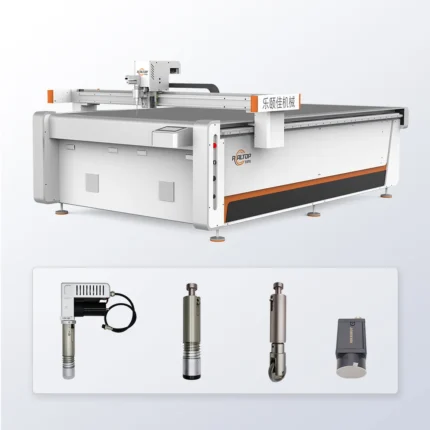
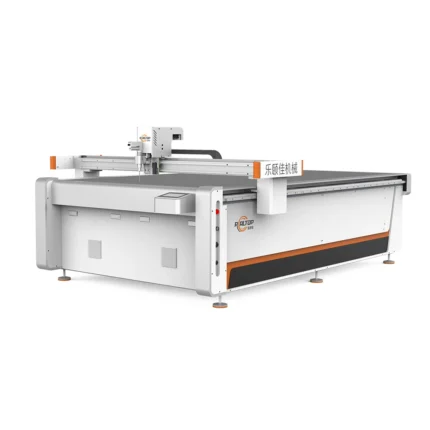
2026 Auto Fabric Cutter Round Knife High Efficiency
Product Introduction
High Efficiency 2026 Auto Fabric Cutter with Round Knife is a professional cutting equipment designed for fabric processing. It features advanced automation and high cutting efficiency, suitable for various fabric materials in industrial production.Product Parameters
| Model | 2026 |
| Type | Auto Fabric Cutter |
| Blade Type | Round Knife |
| Feature | High Efficiency |
2026 CNC Knife Cutting Machine for Fabric Leather PVC Hot Sale
Product Introduction
2026 Hot Sale CNC Knife Cutting Machine for Fabric, Leather, PVC. Ideal for precise cutting of various materials with advanced CNC technology, perfect for manufacturing needs.
Product Parameters
| Application | Fabric, Leather, PVC |
| Type | CNC Knife Cutting Machine |
| Feature | Precision Cutting |
| Year | 2026 Model |
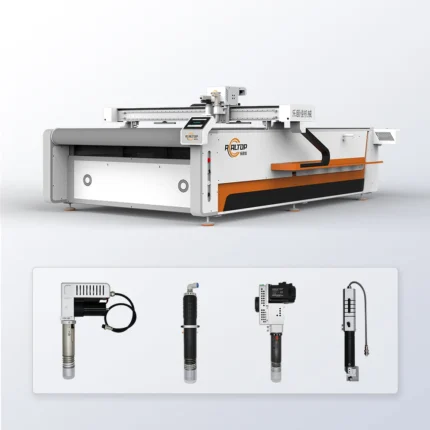
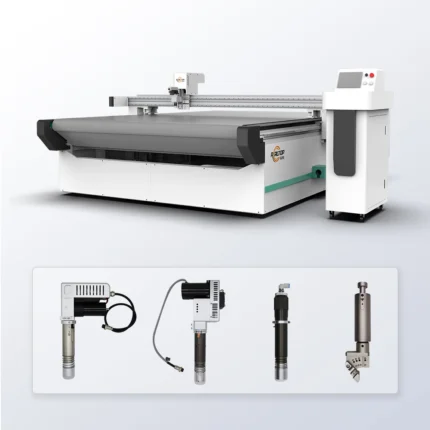
Automatic Fabric Cutting Machine 1200mm Delta Servo 2026
Product Parameters
| Cutting Width | 1200mm |
| Servo System | Delta Servo |
| Model Year | 2026 |
Introduction
High-performance Automatic Fabric Cutting Machine with 1200mm cutting width, equipped with Delta Servo for precision. Ideal for efficient fabric processing in textile industry, ensuring accurate and fast cutting operations.
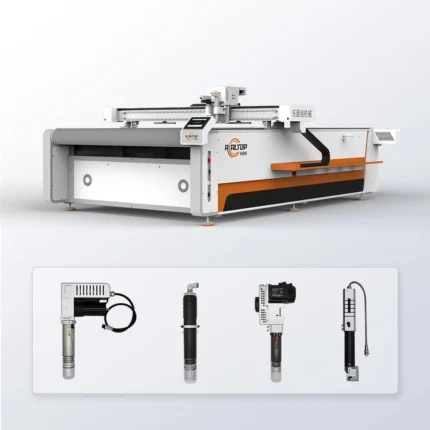
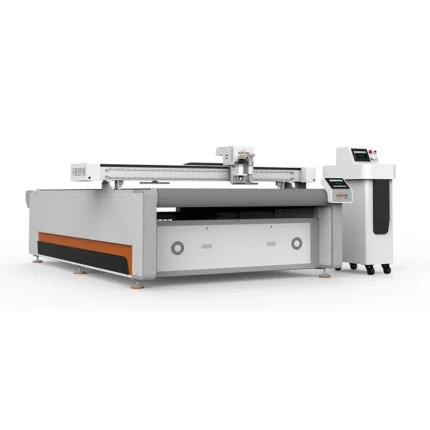
CNC Vibration Knife System 2026 for Polyester Nylon Non-Woven Prepreg
Product Introduction
CNC Vibration Knife System 2026 is ideal for cutting polyester, nylon, non-woven fabrics, and prepreg materials with precision and efficiency, suitable for industrial manufacturing needs.Product Parameters
| Model | 2026 |
| Cutting Technology | CNC Vibration Knife |
| Materials | Polyester, Nylon, Non-Woven, Prepreg |
Realtop CNC Fabric Cutting Machine 2026 CE Certified
Product Introduction
Realtop CNC Fabric Cutting Machine 2026, CE Certified, ideal for precision fabric cutting with advanced CNC technology. Engineered for efficiency and reliability in textile manufacturing processes.Key Specifications
| Model | Realtop CNC Fabric Cutting Machine 2026 |
| Certification | CE Certified |
商品评价
There are no reviews yet.