

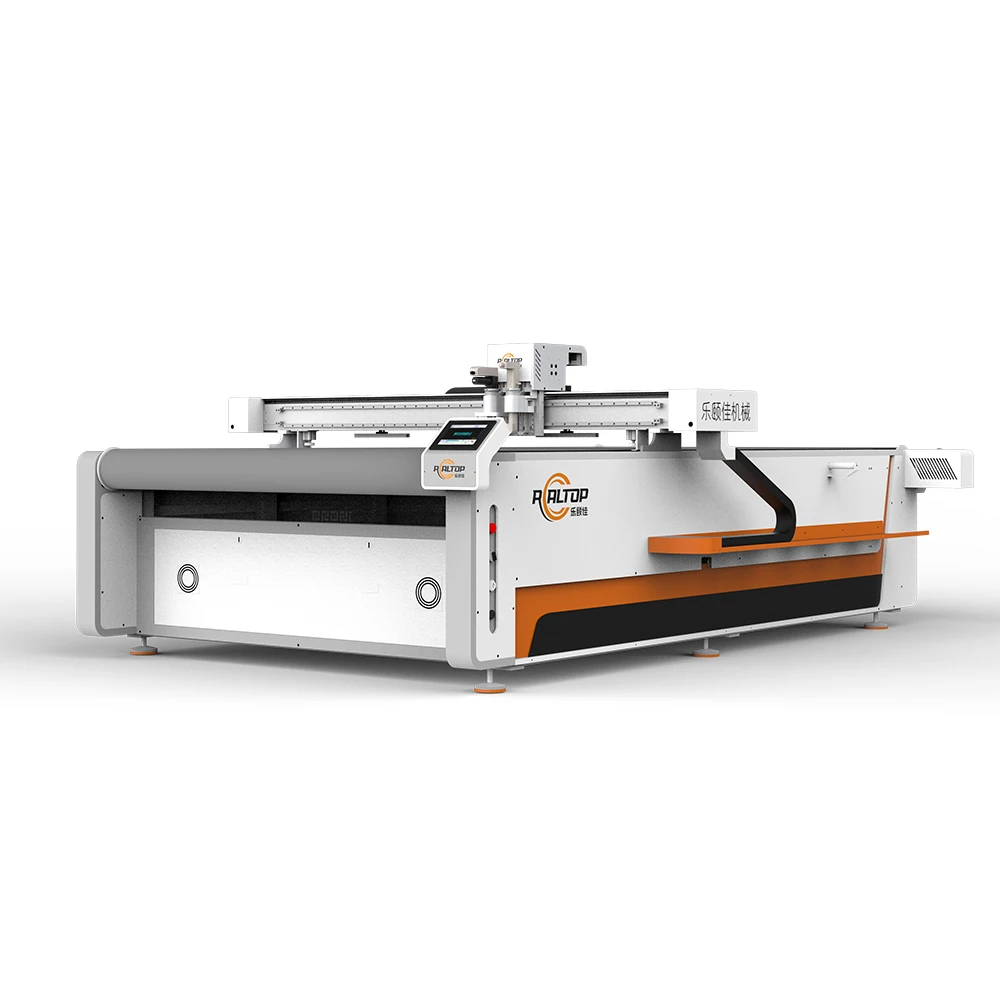
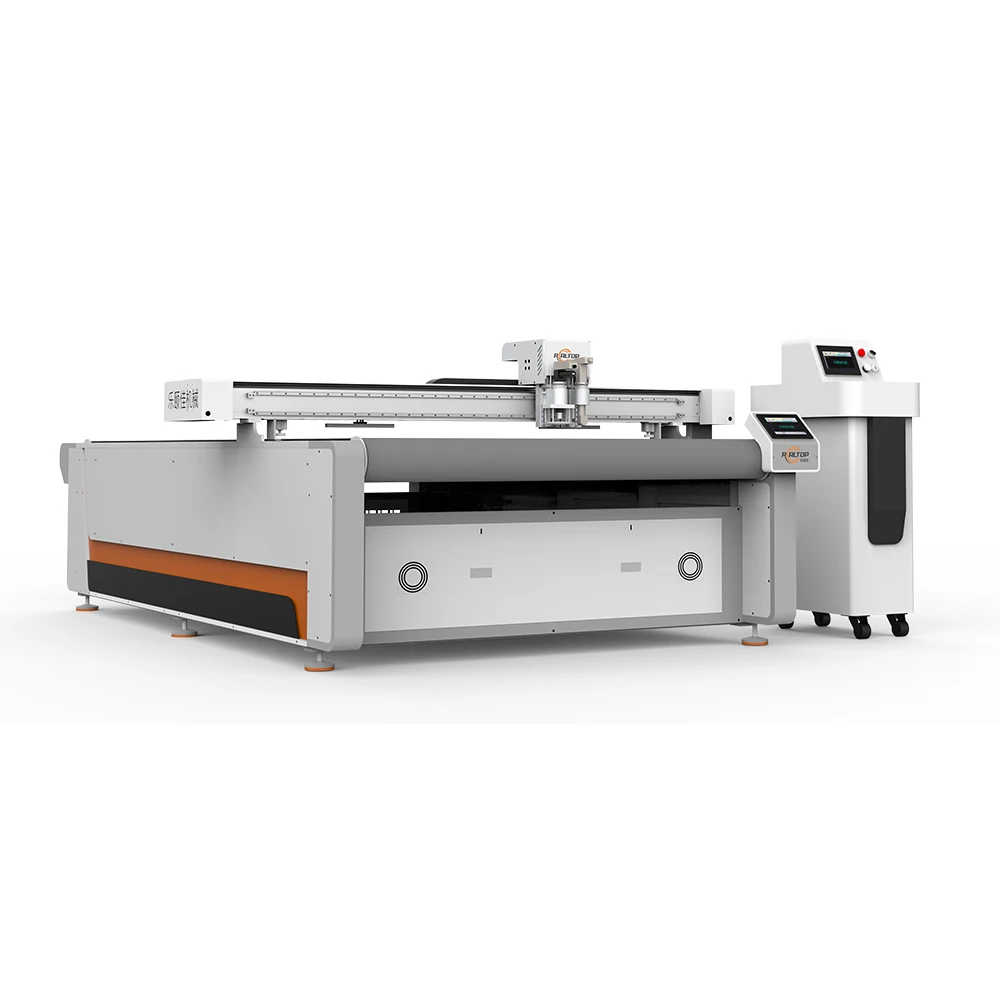
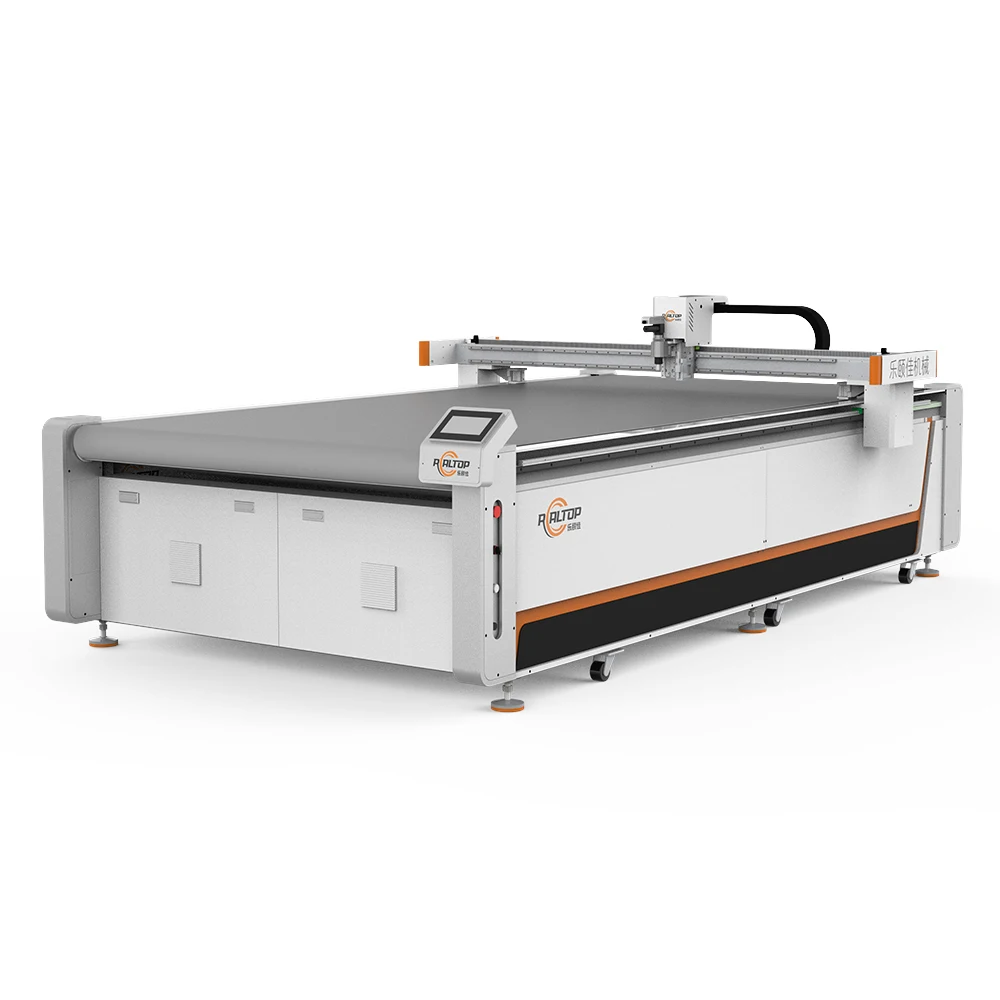
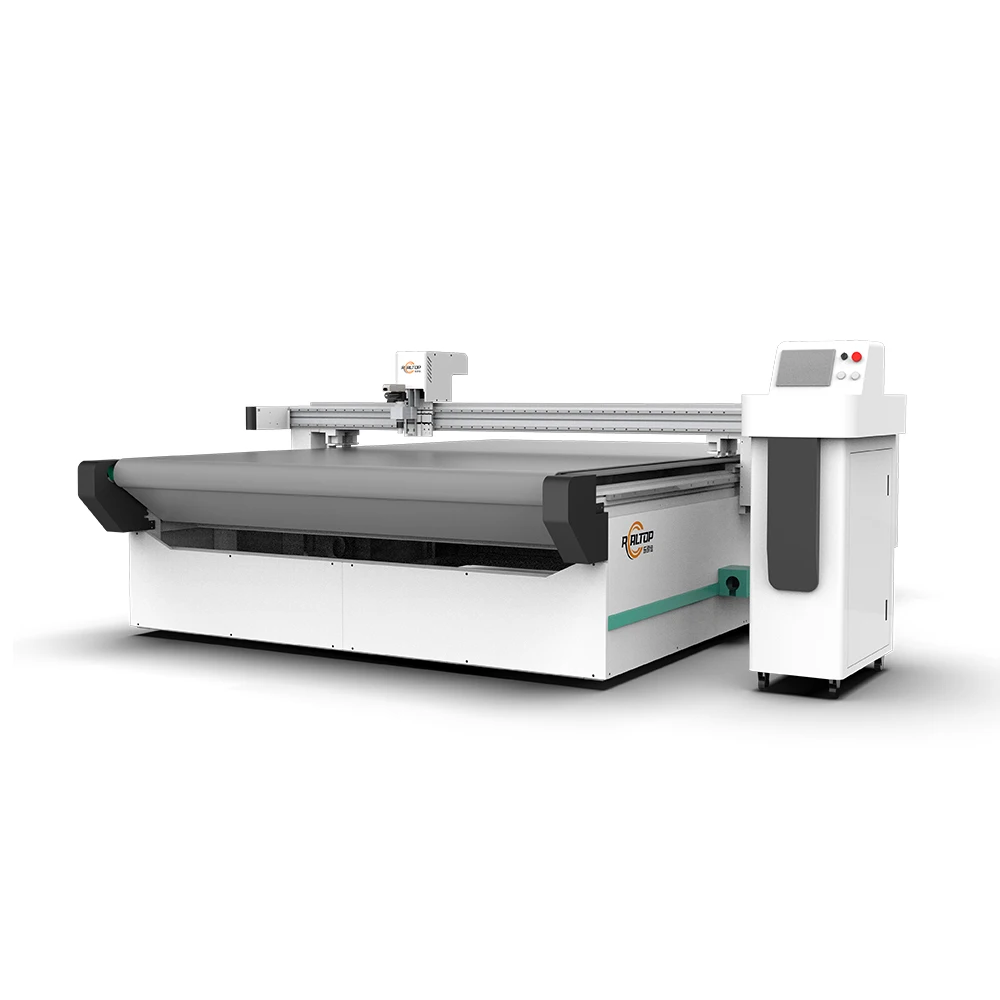
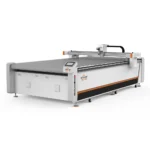
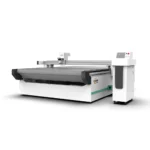
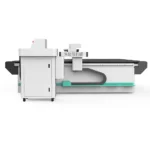
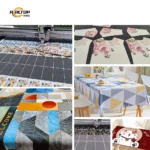
Inflatable Surf SUP Board Cloth CNC Cutting Machine – Industrial Application
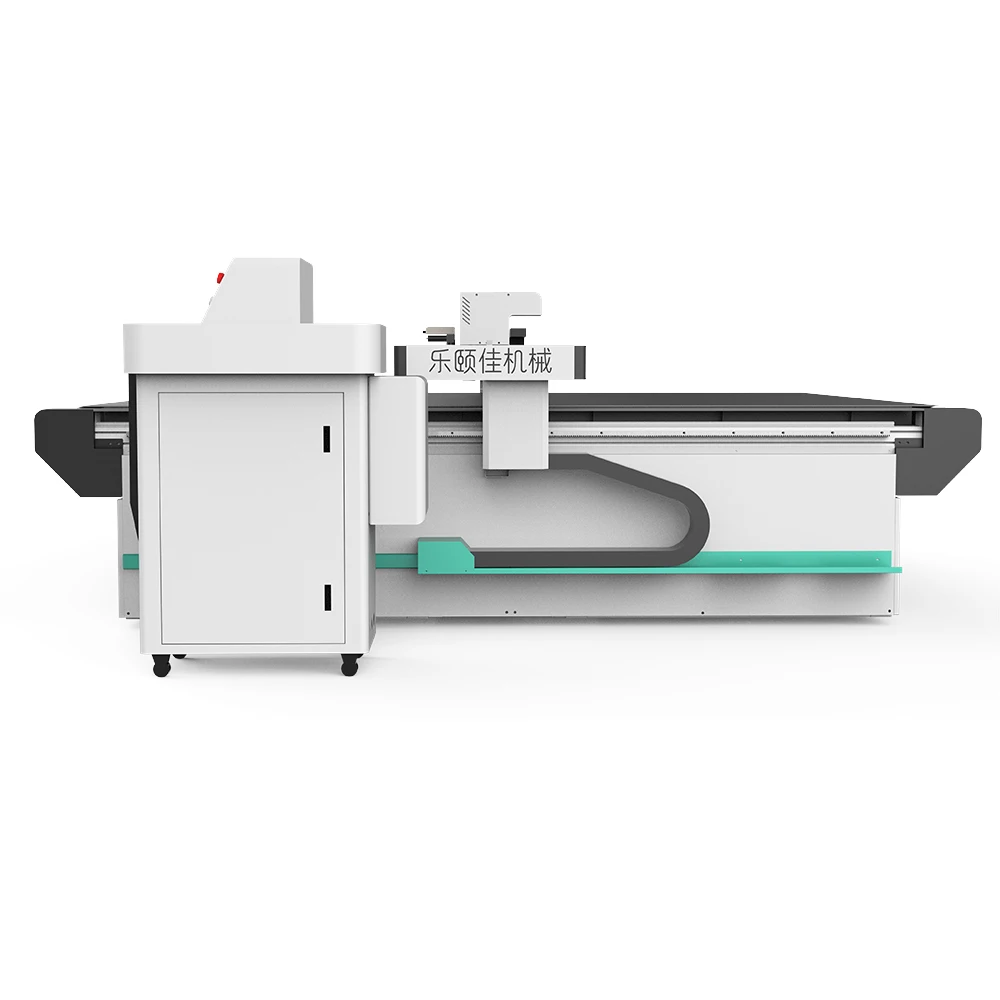
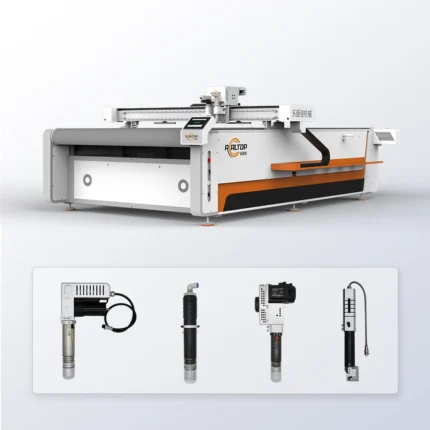
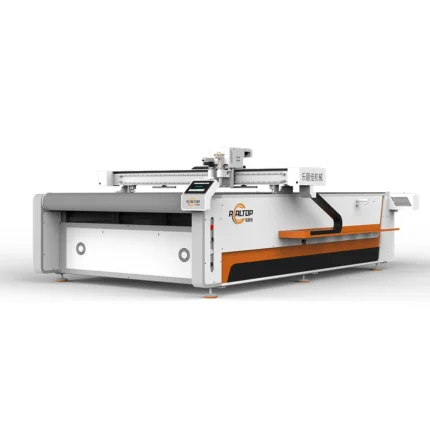
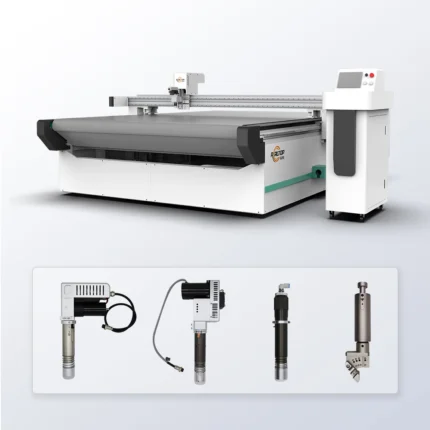
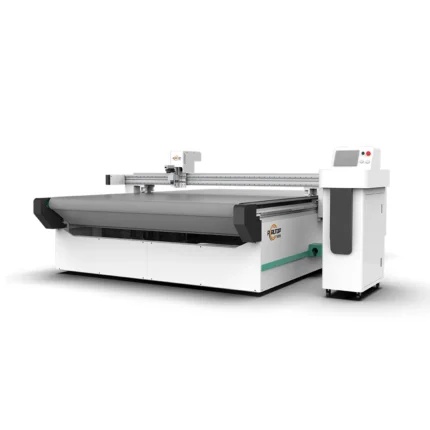
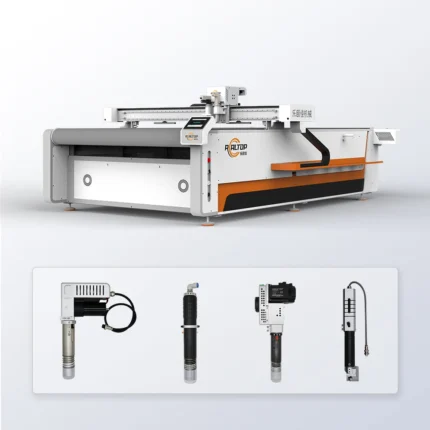
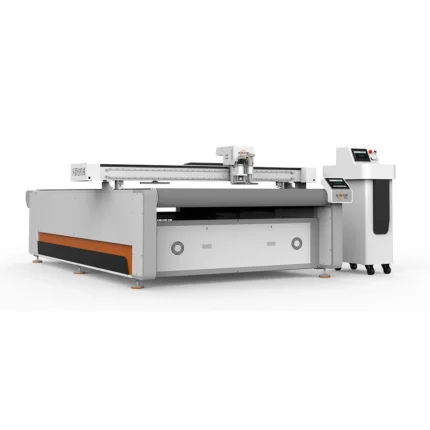
Cloth CNC Cutting Machine, 1600×2500 mm Working Area, Oscillating & Driven Rotary Knife — engineered for textile and fabric processing with ±0.1 mm accuracy and cutting speeds up to 2000 mm/s.
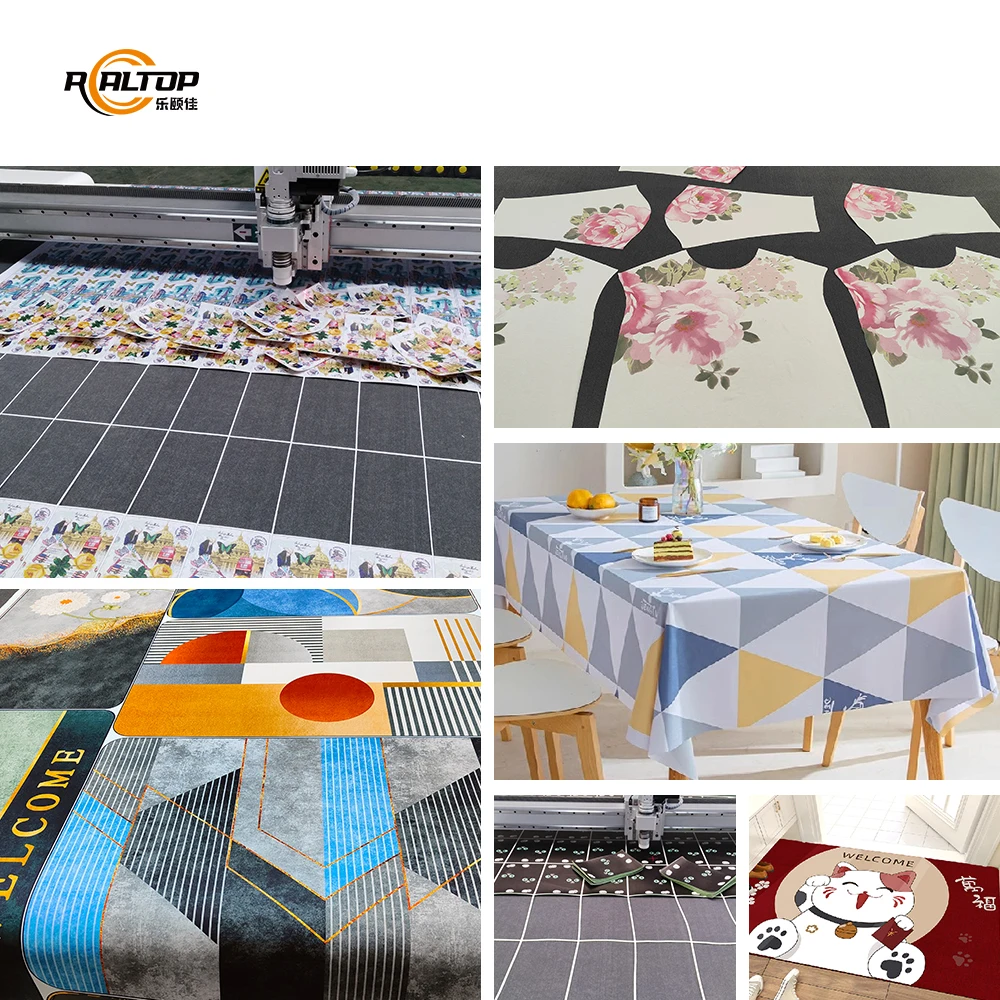
Tool head selection matched to knit, woven, plush or synthetic textile type ensures clean edges without crushing or fraying. CCD camera positioning and DXF/PLT/AI/PDF software compatibility support precise contour cutting for garment patterns and home textiles.
Sample cutting on your own fabric provided before order commitment, with voltage, plug and control language confirmed prior to shipment.
Process-Matched Configuration — Every textile cutting system we ship is validated against continuous laser power ratings and real edge sealing performance on the buyer’s own fabric, not quoted from a peak-power brochure.
Technical Specifications
| Parameter | Value |
|---|---|
| Product Type | CNC Oscillating Knife Cutting Table |
| Working Area | 1600×2500 mm |
| Tool Head Options | Oscillating knife, Driven rotary knife, Creasing wheel, Kiss cutting tool, Pneumatic knife, Milling tool, V groove knife |
| Cutting Thickness | ≤ 30 mm (basis not stated in source) |
| Cutting Speed | 0–2000 mm/s |
| Cutting Accuracy | ±0.1 mm |
| Vacuum Pump | 9 kW |
| Voltage Options | 110V, 220V, 380V |
| Control System | PLC control panel |
| Supported File Formats | PLT, DXF, AI, PDF |
| Overall Dimensions (L×W×H) | 3300×2100×1350 mm |
| Safety Devices | Infrared sensor device and emergency stop device |
| Language Options | English, Russian, Italian, Chinese (special languages customizable) |
| Assembly State | Fully assembled |
| Certification | CE |
Application Suitability
| Application | Material or Output |
|---|---|
| Apparel manufacturing | Suits, knitwear, lace, complex woven and blended fabrics |
| Automotive interiors | Seat fabrics, carpets, PVC mats with sealed edges |
| Home textiles | Sofa fabrics, curtains, multi-layer rugs |
| Composite material processing | Carbon fiber prepreg, aramid fabric |
| General non-metal cutting | Cardboard, carton, EVA, leather, acrylic, foam, PTFE, rubber |
What "Peak Power" Figures Hide About Your Fabric Cut Quality
A CO2 laser cutting and engraving machine for fabric textile must be rated on continuous output, because peak-only figures leave you guessing whether the beam actually penetrates your material at production speed.
I once watched a garment line in Dhaka stall for three days because the laser source was quoted at its peak pulse rating. The moment the operator ran the cutter at normal traverse speed on a blended polyester-cotton roll, the beam could not hold a clean through-cut. Edges frayed, ply layers separated, and the entire batch had to be recut. That shop had paid for a wattage number that existed only in microseconds, not in the sustained output needed for a continuous cut path. When evaluating a CO2 laser cutting and engraving machine for fabric textile, the first question should always be what the tube delivers at steady state across the full working area [NEED_CITE: laser tube continuous versus peak power rating standards].
How Laser Process Parameters Shape Textile Edge Quality
Synthetic fabrics like polyester and nylon rely on the laser beam to melt and seal fibres as it cuts, preventing unraveling. The sealing quality depends directly on the relationship between continuous wattage, traverse speed, and assist air flow. A CO2 laser cutting and engraving machine for fabric textile configured with adequate continuous power and correct focal distance produces a clean, fused edge on synthetics without scorch marks or bead build-up.
Natural fibres such as cotton and linen do not melt-seal the same way. They char, which means the operator must balance speed and power to keep discolouration within acceptable limits. Process expertise here matters more than raw wattage, because excessive power on a light cotton simply burns through and leaves brown edges that reject at quality inspection.
Extraction and Ventilation Realities in the Cutting Room
Textile laser cutting generates fine particulate and volatile compounds, especially when processing coated fabrics, PVC-backed materials, or blended synthetics. The extraction system must move enough air volume to capture fumes at the cutting head before they settle on the lens or contaminate the workspace. Undersized extraction leads to lens fouling, which degrades beam quality and forces unplanned maintenance stops mid-shift [NEED_CITE: industrial laser fume extraction requirements for textile processing].
On the inflatable surf SUP board cloth and similar technical textiles, resin coatings release compounds that demand dedicated filtration beyond a basic blower. Planning the ducting route and filter replacement schedule before installation avoids the common problem of a machine that cuts well on day one but degrades by week two as the optics collect residue.
Reading the Specs That Actually Matter
The 1600×2500 mm working area aligns with standard fabric roll widths and lay lengths in apparel and automotive textile production, allowing full-width spreading without repositioning. The 9 kW vacuum pump holds multi-ply fabric lays flat across the table surface, which is critical when cutting several layers at once where even slight lifting causes dimensional drift beyond the ±0.1 mm accuracy tolerance.
Supported file formats including PLT, DXF, AI, and PDF mean the machine accepts patterns directly from most garment CAD and nesting software without intermediate conversion. The PLC control panel with multi-language support, including English, Russian, Italian, and Chinese with custom language options, lets operators in different markets run jobs without relying on translated paperwork. Voltage configurable across 110V, 220V, and 380V means the electrical specification is locked to the buyer’s local supply before the machine leaves the factory, avoiding transformer add-ons on arrival.
When the Wrong Process Configuration Stops the Line
Choosing a tool head or laser setting without testing on the actual production fabric is the single most common cause of line stoppages after installation. A configuration that cuts a sample swatch perfectly may fail on the full roll if the material has a higher resin content, a tighter weave, or a backing layer not present in the sample. Edge sealing that looks acceptable at slow speed often breaks down at the traverse rates needed for daily volume, leaving frayed edges that fail downstream quality checks [NEED_CITE: textile cutting defect rates from incorrect process parameters].
The cost is not just the scrap fabric. It includes idle operators, missed shipment deadlines, and the reputational damage of delivering substandard cut pieces to a sewing line that depends on precision edges.
Why Source This Machine Here
In-house laser process expertise means the cutting method is matched to the textile type rather than forcing one approach across all fabrics. Woven, knit, plush, and coated synthetics each respond differently to the beam, and the process parameters are developed on the buyer’s own material before any commitment.
Tool head and table configuration is specified per material and production volume, so a high-mix garment shop gets a different setup than a single-product automotive interior supplier. Sample cutting reports on the buyer’s fabric ship with the quotation, giving a verified baseline for edge quality and cycle time. Voltage, plug type, and control language are confirmed before production begins, eliminating the post-arrival electrical surprises that delay commissioning [NEED_CITE: export equipment voltage and plug standards by destination market].
Software compatibility is validated against the buyer’s existing nesting workflow and file format, not assumed from a generic compatibility list. Documentation includes a full software licence and file format compatibility note so the IT team knows what they are receiving before the crate arrives.
Documentation & Verification
- Machine specification sheet with continuous power rating and working area confirmation
- Electrical schematic and voltage confirmation matched to destination country supply
- Tool head and table configuration list specifying selected options for your fabric type
- Sample cutting report on your own textile material with edge quality photographs
- Software licence and file format compatibility note for your nesting workflow
- Factory test record with cut accuracy measurement before dispatch
Installation, Commissioning & Support
- Fully assembled delivery at 3300×2100×1350 mm requires clear floor space and forklift access
- 9 kW vacuum pump needs a dedicated circuit separate from the laser source supply
- PLC control panel language set to operator preference during initial commissioning
- First-article cutting on production fabric to establish baseline speed and power parameters
- Multi-point vacuum table zoning checked against your smallest pattern piece dimensions
- Spare parts list covering lenses, mirrors, and nozzle consumables included at shipment
What to Prepare Before Requesting a Quote
Send the actual fabric types you run in daily production, including any coated or blended variants, along with the maximum ply count and sheet dimensions. Confirm your local voltage and frequency, the control language your operators need, and whether your existing nesting software outputs in PLT, DXF, AI, or PDF. If your workflow includes printed contour cutting, share the registration mark format so compatibility can be verified before the machine is built.
Frequently Asked Questions
Q: How is laser power rated — continuous versus peak — and what does it mean for my fabric thickness?
A: Continuous power is the sustained output the tube delivers during an actual cut path. Peak power is a momentary pulse figure that does not reflect real cutting capability. For textile work, continuous power determines whether the beam penetrates your full ply stack at production speed. Always request the continuous rating and verify it against a sample cut on your material.
Q: What edge sealing quality can I expect on synthetic and blended textiles?
A: Synthetic fibres like polyester and nylon melt-seal cleanly when laser power and speed are balanced correctly. Blended fabrics with natural fibre content may show slight charring along the cut edge. The exact result depends on your specific blend ratio and coating, which is why a sample cut on your production roll is the only reliable way to confirm edge quality.
Q: What fume extraction and ventilation requirements does the machine need on-site?
A: Textile laser cutting produces fine particulate and volatile compounds, particularly from coated or synthetic fabrics. You need a dedicated extraction system with sufficient air volume to capture fumes at the cutting head. The ducting route and filtration specification should be planned before installation to maintain consistent beam quality and workshop air safety.
Q: Which file formats and nesting workflows are supported for garment pattern cutting?
A: The system accepts PLT, DXF, AI, and PDF files directly. If your current nesting software exports in one of these formats, patterns transfer without intermediate conversion. File format compatibility is confirmed against your specific software version before the order is finalized, and a licence note ships with the documentation.
Q: Can I send my own fabric for a sample cutting test before ordering?
A: Yes, sending your actual production fabric is the standard process. The sample cutting report covers edge quality, cutting speed, and ply handling on your specific material. This report ships with the quotation so you can evaluate real performance before making a commitment.


Related products
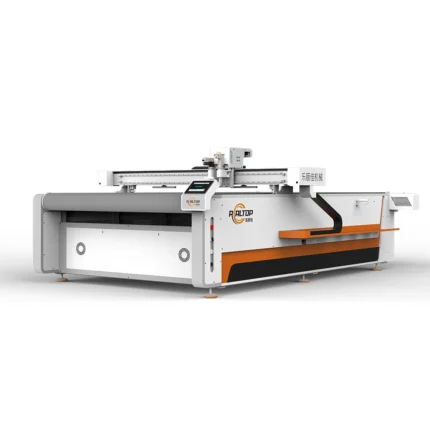
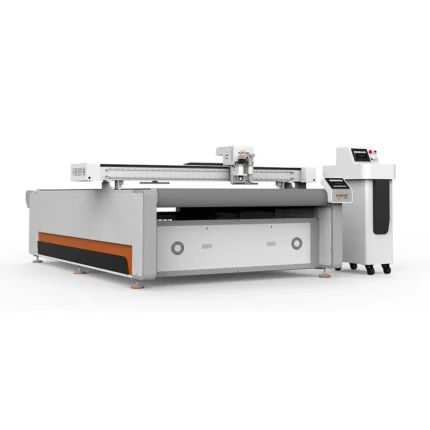
2026 Auto CNC Cloth Cutting Machine High-Precision Fabric Leather Plotter
Product Introduction
2026 Auto CNC Cloth Cutting Machine, a high-precision fabric & leather plotter designed for efficient cutting. Ideal for textile and leather industries with advanced CNC technology.
Key Specifications
| Model | Auto CNC Cloth Cutting Machine 2026 |
| Application | Fabric & Leather |
| Precision | High-Precision Cutting |
| Type | CNC Plotter |
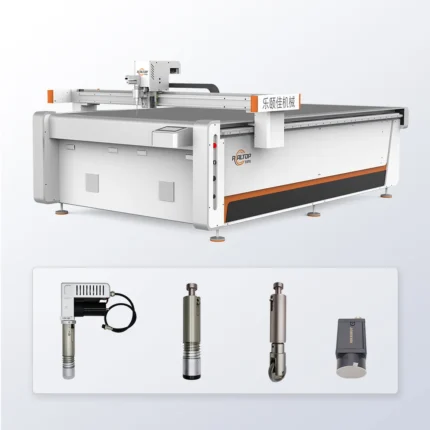
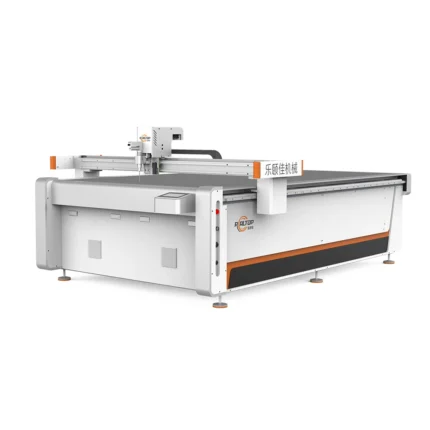
2026 Auto Fabric Cutter Round Knife High Efficiency
Product Introduction
High Efficiency 2026 Auto Fabric Cutter with Round Knife is a professional cutting equipment designed for fabric processing. It features advanced automation and high cutting efficiency, suitable for various fabric materials in industrial production.Product Parameters
| Model | 2026 |
| Type | Auto Fabric Cutter |
| Blade Type | Round Knife |
| Feature | High Efficiency |
2026 Flatbed Oscillating Knife Cutter 1600x3500mm Auto-Feeding Textile
Product Overview
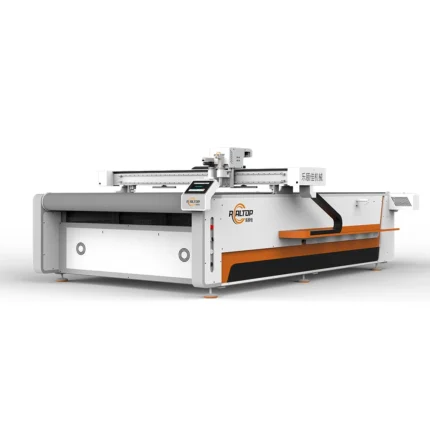
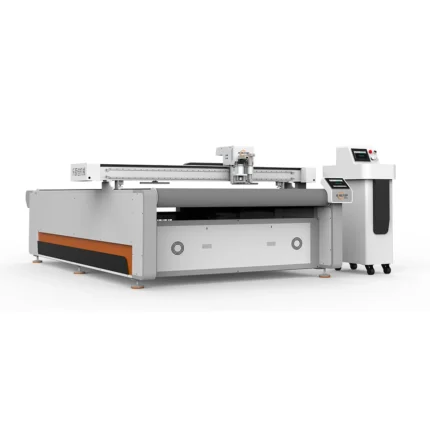
Flatbed Oscillating Knife Cutting Machine 2026 is a high-precision textile fabric cutter with auto-feeding function, ideal for efficient and accurate cutting tasks in textile manufacturing. It combines advanced oscillating knife technology with a large working area to meet industrial production needs.Key Specifications
| Model | 2026 |
| Working Area | 1600x3500mm |
| Feeding System | Auto-Feeding |
| Cutting Type | Oscillating Knife |
| Application | Textile Fabric |
2026 Inflatable Surf SUP Board Cutting Machine
Product Introduction
Ideal for inflatable surf SUP board production, this 2026 cutting machine ensures precise and efficient cutting, tailored for manufacturers seeking reliable performance in water sports equipment manufacturing.
Specifications
| Application | Inflatable Surf SUP Board |
| Type | Cutting Machine |
| Model Year | 2026 |
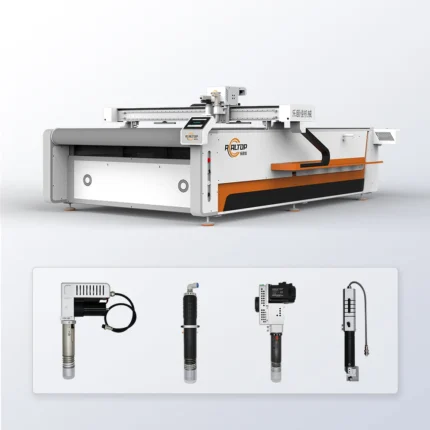
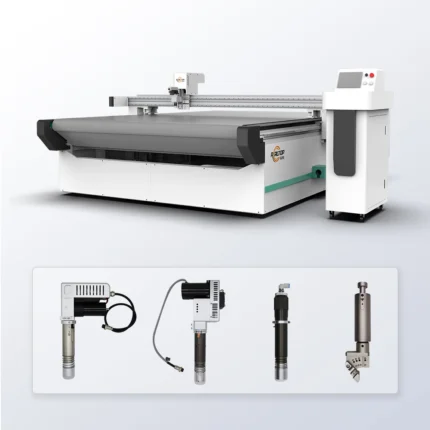
Automatic Fabric Cutting Machine 1200mm Delta Servo 2026
Product Parameters
| Cutting Width | 1200mm |
| Servo System | Delta Servo |
| Model Year | 2026 |
Introduction
High-performance Automatic Fabric Cutting Machine with 1200mm cutting width, equipped with Delta Servo for precision. Ideal for efficient fabric processing in textile industry, ensuring accurate and fast cutting operations.
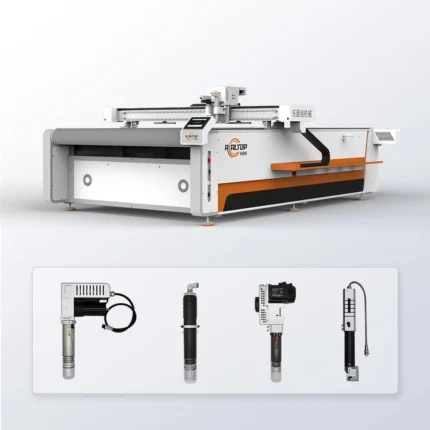
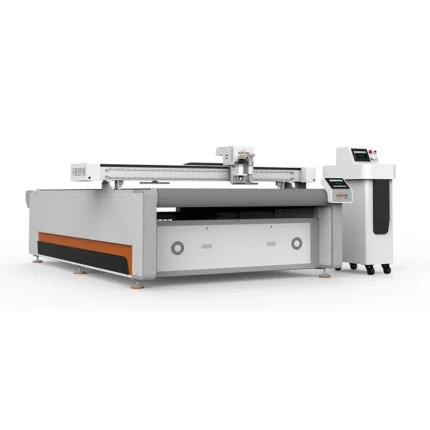
CNC Vibration Knife System 2026 for Polyester Nylon Non-Woven Prepreg
Product Introduction
CNC Vibration Knife System 2026 is ideal for cutting polyester, nylon, non-woven fabrics, and prepreg materials with precision and efficiency, suitable for industrial manufacturing needs.Product Parameters
| Model | 2026 |
| Cutting Technology | CNC Vibration Knife |
| Materials | Polyester, Nylon, Non-Woven, Prepreg |
Custom CNC Shirt Fabric Cutting Machine 2026
Product Introduction
Custom CNC Shirt Fabric Cutting Machine 2026, ideal for precise fabric cutting in garment manufacturing, offering efficient and accurate cutting solutions.
Product Parameters
| Model | Custom CNC Shirt Fabric Cutting Machine 2026 |
| Type | CNC Fabric Cutting Machine |
| Application | Shirt Fabric Cutting |
| Year | 2026 |
商品评价
There are no reviews yet.