


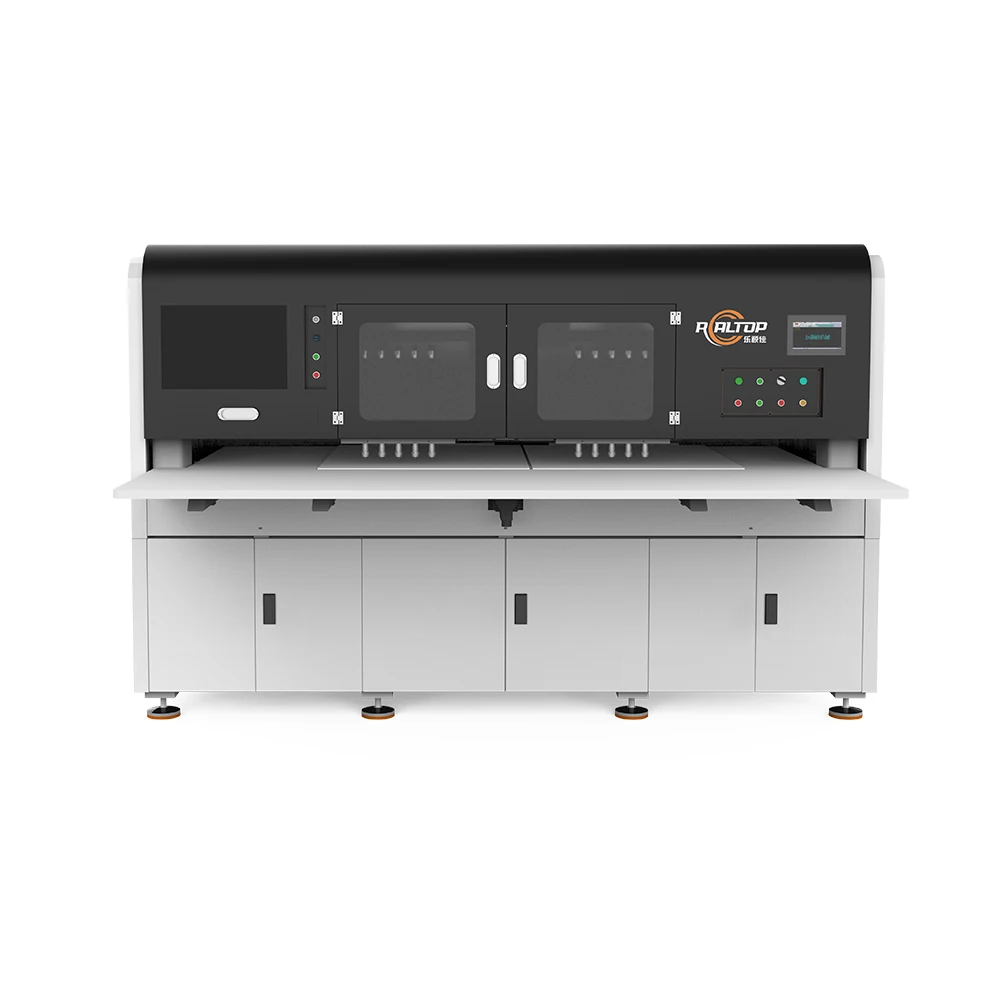
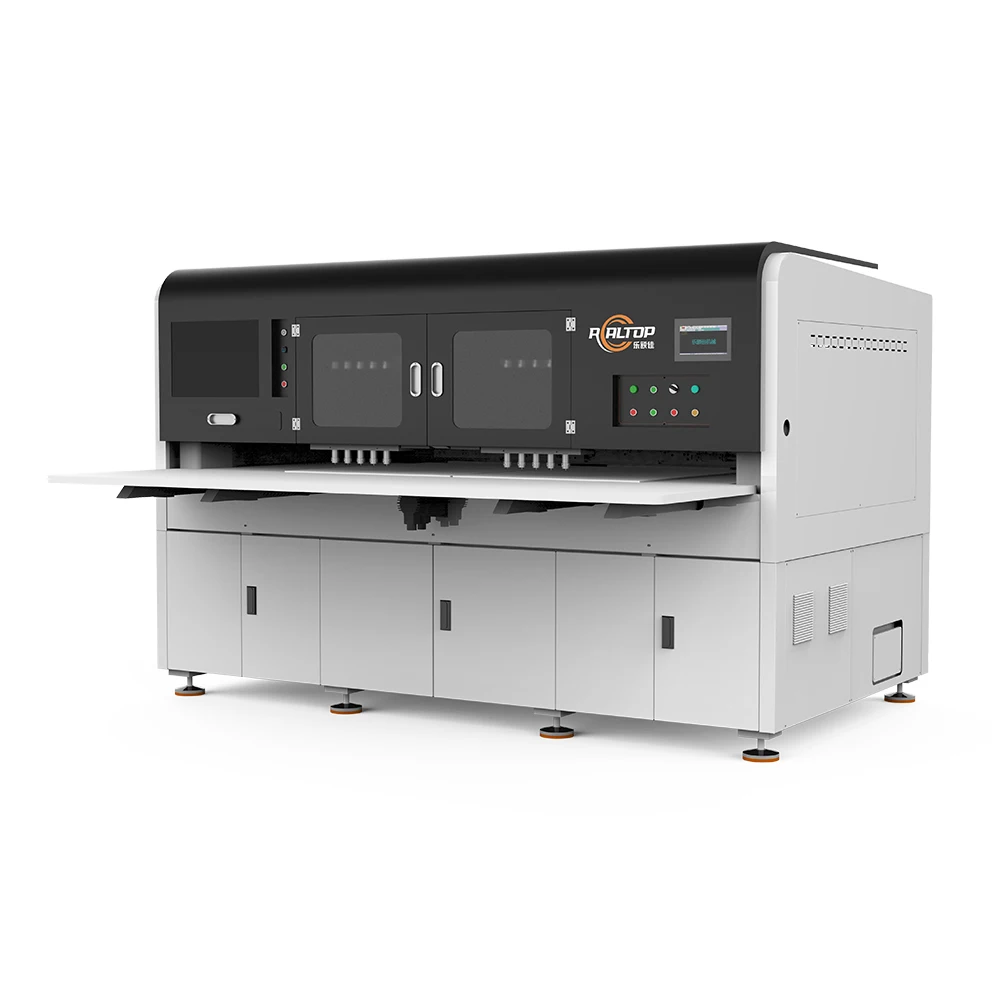



Leather Hole Perforating Machine 2026 Precision Punching for Industrial Application
RT-A2 CNC Leather Hole Perforating Machine, 900 punches/min, 600×500mm work area, 0.8–12mm hole range — configured for repeatable hole patterns on 1–6mm leather stock.
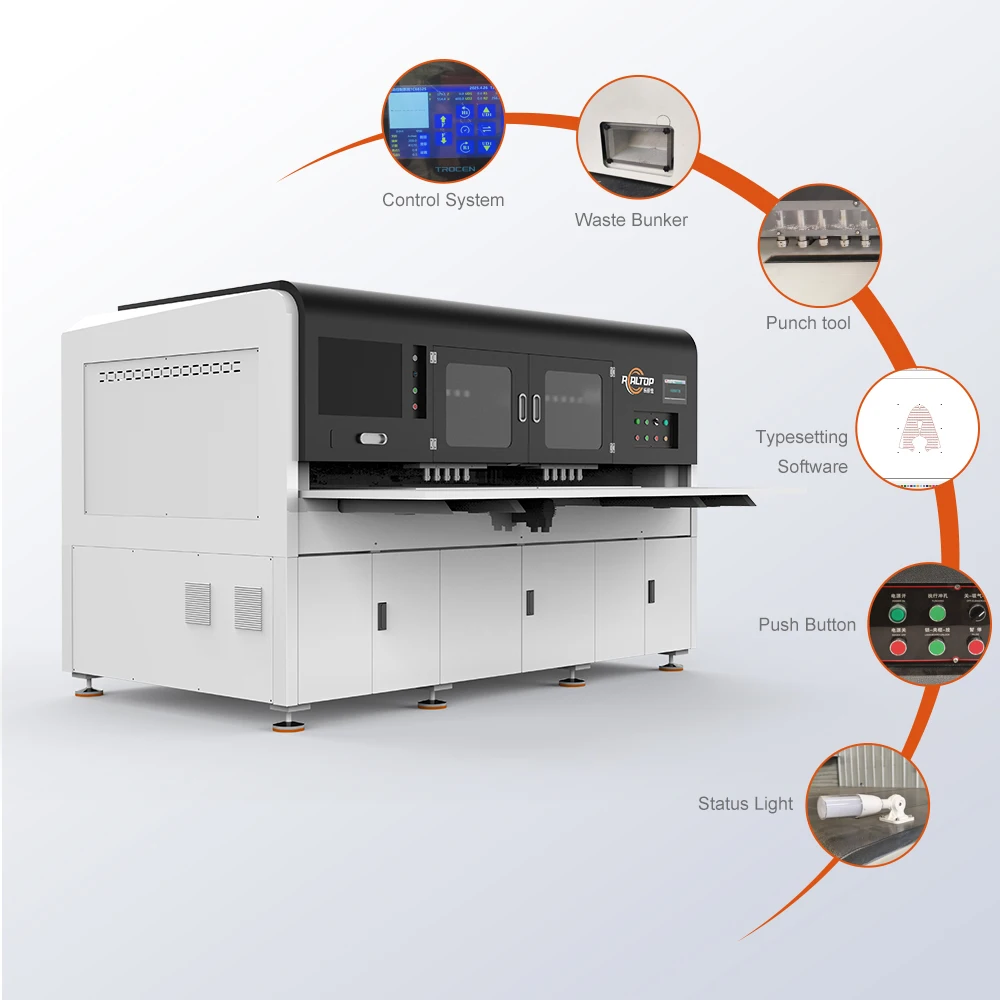
- 12 interchangeable punch jigs with computer angle adjustment reduce setup time between leather thicknesses and hole diameters.
- Independent dust extraction, break-point memory and smart cutter function support uninterrupted production runs.
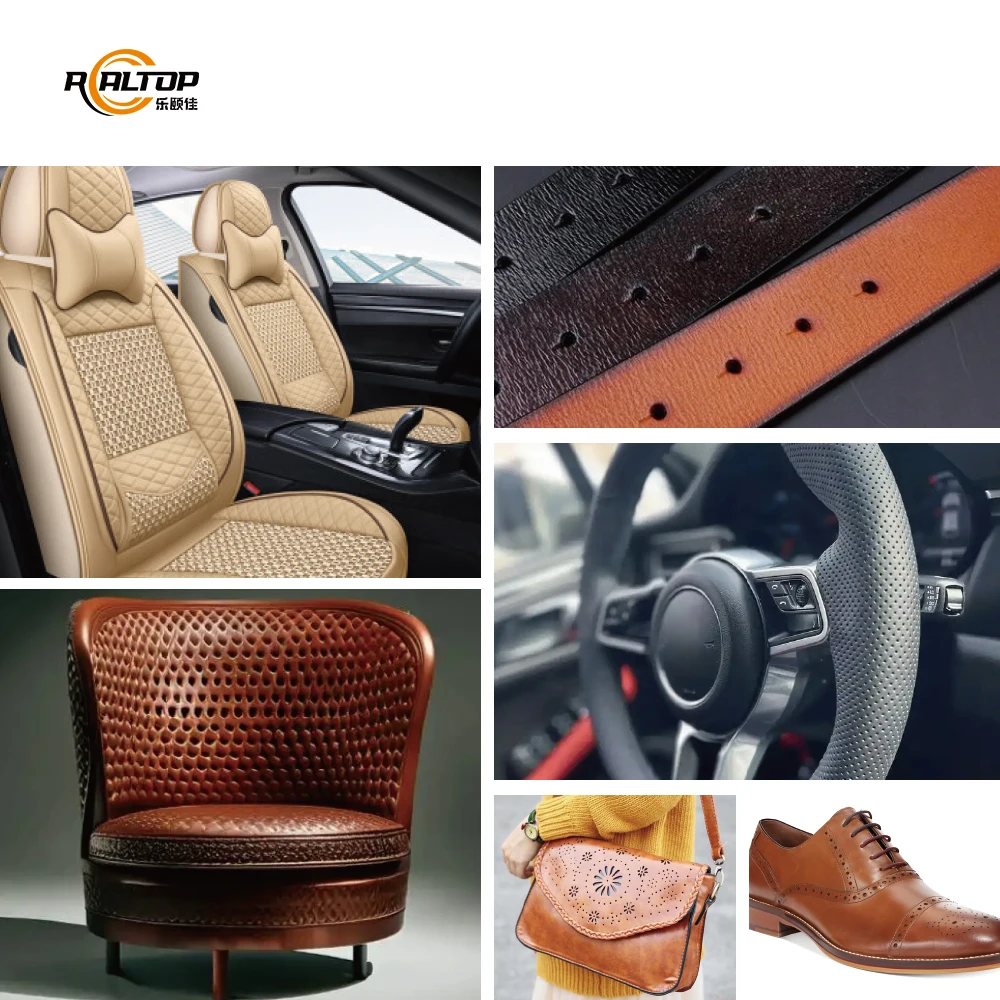
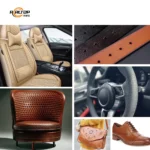
- Ideal for footwear uppers, automotive interior trim and leather goods requiring decorative or ventilation perforation.
Laser and punching technologies built in-house allow buyers to match cutting method to material, with sample punching on buyer’s own leather stock available before order confirmation.
Dedicated Tooling Integration — punch jig clamping mechanisms matched to leather thickness ranges ensure repeatable hole geometry across production runs.
Technical Specifications
| Parameter | Value |
|---|---|
| Model | RT-A2 |
| Product Type | CNC Leather Hole Perforating Machine |
| Punching Speed | 900 punches/min (basis not stated in source — confirm leather thickness and hole diameter) |
| Punching Area | 600 × 500 mm |
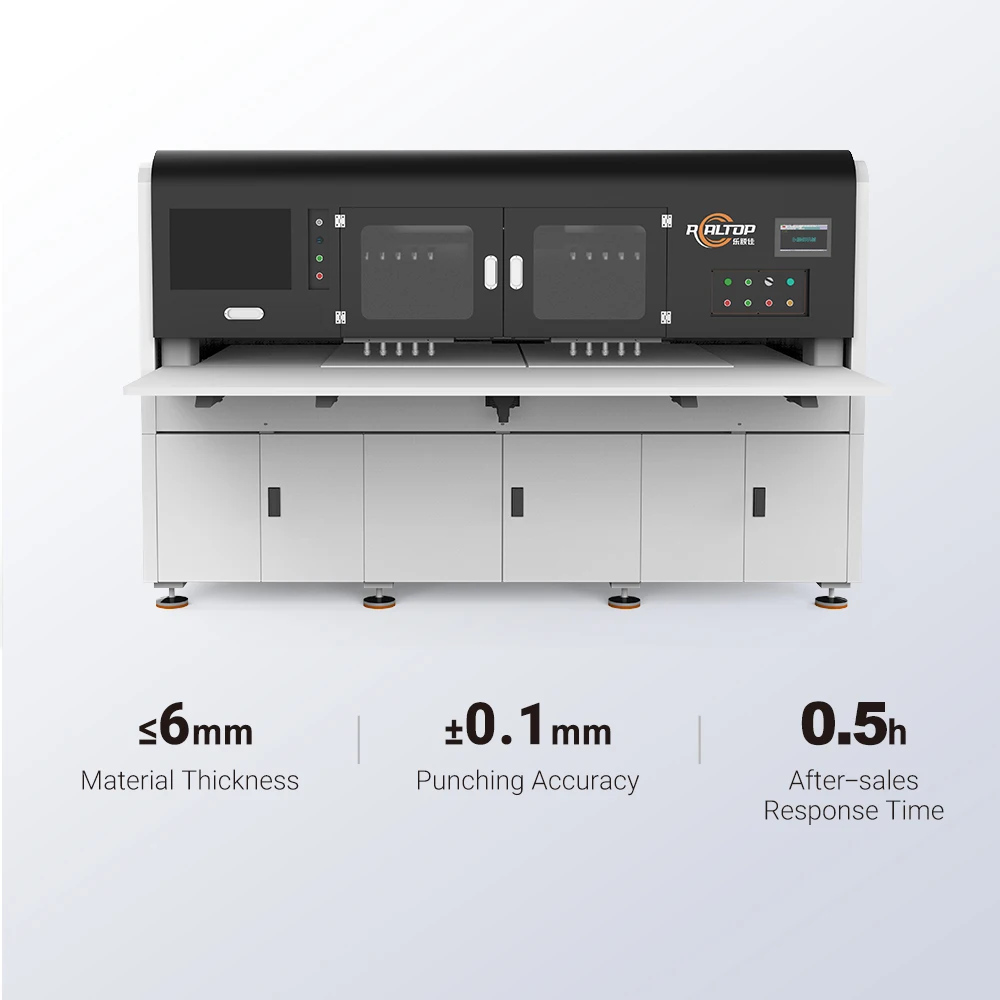
| Material Thickness Range | 1 – 6 mm |
| Hole Size Range | 0.8 – 12 mm |
| Optional Punch Jigs | 12 sizes |
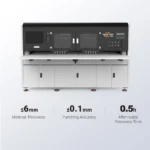
| Punching Accuracy | ±0.1 mm |
| Equipment Tolerances | ±0.02 mm |
| Machine Dimensions (L × W × H) | 1800 × 1510 × 1600 mm |
| Net Weight | 1000 kg |
| Power Supply | 220V, 50/60Hz |
| Rated Power | 1.5 kW |
| Compressed Air Pressure | 5 – 6 bar |
| Control System | NC system with smart cutter function |
| Dust Collecting System | Independent, integrated |
| Auxiliary Functions | Leather positioning and laying, break-point memory |
Application Suitability
| Application | Material or Output |
|---|---|
| Footwear upper perforation | 1.5 – 3 mm garment leather, decorative and ventilation hole patterns |
| Automotive interior trim | Coated seat leather and door panel leather for structured ventilation arrays |
| Leather goods and bags | Stitching guide perforation and decorative micro-holes on bag components |
| Upholstery components | Ventilation perforation on 1 – 6 mm leather stock for furniture and marine applications |
Why Claimed Punch Rates Collapse on the Factory Floor
A leather perforating machine specified at 900 punches per minute means nothing until you know which leather thickness, which hole diameter, and which jig produced that number. Speed without material context is a quotation trick, not an engineering commitment.
I have watched processors accept a leather CNC cutting machine based on a cycle-time demo run on soft PU samples, then discover their actual stock — coated automotive seat leather or dense 5 mm soling leather — demands reduced speed and higher air pressure to maintain hole geometry. The punch tears through, the exit side splinters, and the operator spends hours adjusting parameters that were never documented. [NEED_CITE: material thickness and tooling compatibility in industrial punching operations] When commissioning lines across South Asian footwear workshops, I learned to ask for the buyer’s actual roll before the machine leaves the factory. If the sample cutting report does not match the production material, the rated throughput becomes a ceiling you will never reach.
Punch Jig Discipline Across the Hole Range
Twelve interchangeable punch jigs spanning 0.8 mm to 12 mm give the RT-A2 flexibility across decorative micro-perforation and coarse ventilation patterns. Each jig clamps into a dedicated holder so that runout stays within the stated ±0.1 mm punching accuracy during continuous operation. Switching between a 1 mm decorative array and an 8 mm ventilation grid requires a jig change and a corresponding NC program call — no manual offset guessing.
Air Pressure and the Coated Leather Problem
Automotive leather often carries a polyurethane or acrylic topcoat that behaves differently under a punch tool than raw split leather. The 5 – 6 bar compressed air supply drives the punch stroke and clears the slug from the die block. If the pressure drops below that window on a coated surface, the slug can adhere to the punch tip and leave a burr on the next hit. This CNC leather perforating machine specifies the air requirement explicitly so buyers can verify compressor capacity before the machine arrives, rather than troubleshooting fused holes on a humid Monday morning in Lagos or Dhaka.
Reading the Specification Sheet Like a Production Engineer
The 600 × 500 mm punching area determines the maximum leather panel size that can be processed in a single clamping — for automotive seat panels, this typically covers one full seat back or two cushion panels per cycle. Equipment tolerances of ±0.02 mm govern the mechanical repeatability of the punch-to-die alignment, which directly affects hole wall cleanliness on thin garment leather where any lateral drift produces a visible tear rather than a clean cut. The independent dust collecting system matters for high-volume footwear operations: leather dust accumulates rapidly during 0.8 mm decorative perforation runs, and without extraction the platform surface becomes a slip hazard that can shift the leather sheet mid-pattern. Break-point memory lets the operator resume an interrupted job from the last completed hole coordinate, which prevents scrapping a partially perforated panel when a power fluctuation or material jam stops the cycle — a practical safeguard when running expensive automotive stock. [NEED_CITE: tolerance requirements for precision perforation on coated leather substrates]
What Happens When Utility Specs Are Skipped Before Shipment
The 220V single-phase supply and 5 – 6 bar compressed air line are non-negotiable prerequisites. I have seen installations stall for days because the buyer’s workshop in Nairobi had only three-phase 415V available and no dedicated air compressor, forcing an improvised transformer and a shared shop-air line that dropped pressure every time the sandblaster ran next door. The NC control system does not compensate for low air pressure — the punch simply *ruin the panel. [NEED_CITE: industrial compressed air supply standards for pneumatic punching equipment] Voltage mismatch can damage the drive electronics before the first test sheet is punched.
Why Buyers Come Back After the First Machine
In-house tooling design means the punch jig sizes and holder geometry are engineered together with the machine frame, not sourced separately and bolted on. The leather positioning and laying system addresses a real setup problem: without consistent sheet placement, the NC program coordinates do not match the physical leather, and edge holes end up too close to the margin. Sample punching on the buyer’s own leather stock — at their actual thickness and hole pattern — happens before the order is confirmed, so there are no surprises when production material arrives on the worktable. Factory testing records ship with the machine, documenting punching accuracy and cycle behavior on the specific material submitted. Voltage and frequency are set per the buyer’s facility specification, not left at a default that may not match local grid standards.
Documentation & Verification
- Sample punching report on your leather type, thickness, and hole pattern before order confirmation
- Factory test record covering punching accuracy and cycle behavior on submitted material
- Punch jig configuration list matched to your specified hole sizes and leather thickness range
- Electrical schematic confirming 220V wiring and NC control system layout for local electricians
- Operation manual with jig changeover procedures and compressed air pressure adjustment steps
- Spare punch and die list with reorder part numbers for each of the 12 jig sizes
Installation, Commissioning & Support
- Floor loading capacity for 1000 kg machine weight plus leather stock and operator clearance
- Dedicated 220V circuit with correct amperage for the 1.5 kW rated power draw
- Compressed air line rated for continuous 5 – 6 bar delivery at the machine inlet
- First-run parameter setup on buyer’s leather thickness and hole diameter combination
- NC control familiarization covering program loading, break-point memory recovery, and jig selection
- Scheduled punch and die inspection intervals based on material abrasiveness and production volume
What to Prepare Before You Request a Quote
Provide the leather type, thickness range, and whether the surface is coated or raw split — this determines punch tooling and air pressure settings. Specify the hole diameters and array patterns your products require so the correct jig sizes can be included. Confirm your facility’s available voltage and compressed air capacity to avoid utility mismatches at installation.
Frequently Asked Questions
Q: How is the 900 punches per minute rate verified, and on what leather specification is it based?
A: The 900 punches per minute figure is a machine capability rating whose actual achievable rate depends on leather thickness, hole diameter, and jig configuration in use. Thicker stock and smaller holes require adjusted cycle timing. We recommend a sample punching test on your own material to establish the verified production rate for your specific application before commitment.
Q: Which punch jig sizes are included, and how do I order additional jigs?
A: The RT-A2 supports 12 interchangeable punch jig sizes ranging from 0.8 mm to 12 mm. The specific sizes included with your machine are configured based on the hole diameters your products require. Additional jigs and replacement punch-and-die sets are available as spare parts, listed with part numbers in the documentation shipped with the machine.
Q: What utility requirements must my facility meet before installation?
A: The machine requires a dedicated 220V, 50/60Hz single-phase electrical circuit sized for the 1.5 kW rated power, plus a compressed air supply delivering a continuous 5 – 6 bar at the machine inlet. Buyers should verify both utilities against local grid standards and compressor capacity before the machine ships to avoid commissioning delays.
Q: How does break-point memory work when a perforation job is interrupted?
A: When a perforation cycle stops — due to power fluctuation, air supply drop, or operator pause — the NC control system records the last completed hole coordinate. On restart, the operator can resume the pattern from that point rather than restarting the entire sheet, which prevents scrapping partially completed panels on expensive automotive or footwear leather stock.
Q: What documentation is shipped with the machine?
A: Each machine ships with a factory test record, sample punching report on the buyer’s submitted material, electrical schematic, punch jig configuration list, operation and maintenance manual, and a spare parts list with reorder numbers for punch and die sets. All documents reference the specific machine serial number and configuration supplied.


Related products
CNC Leather Cutter with Auto-Adjust Blade – Laser Cutting and Engraving
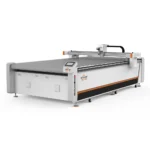
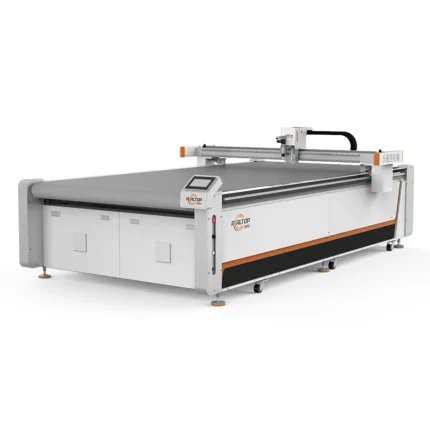
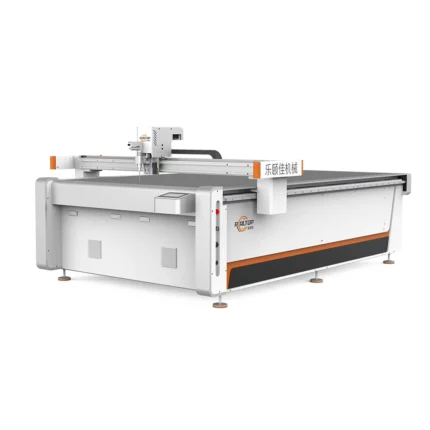
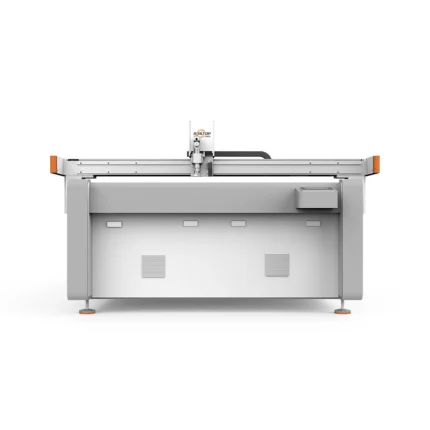
CNC Oscillating Knife Cutting Machine for Leather, 1600×2500 mm working area, ±0.1 mm cutting accuracy, up to 30 mm thickness — configured with seven interchangeable tool heads including oscillating knife, driven rotary knife and V groove knife for leather, fabric and composite processing.
- CCD camera contour recognition with auto-nesting handles printed grain patterns on genuine leather at production speed
- Aluminum bellows vacuum table paired with 9 kW pump ensures full-surface hold-down across small and large parts
- PLC control supports PLT, DXF, AI, PDF file import with multi-language interface options
Sample cutting on your own leather or composite material confirms tool head selection, edge quality and nesting workflow before commitment.

Leather CNC Oscillating Knife Cutter – Realtop1625
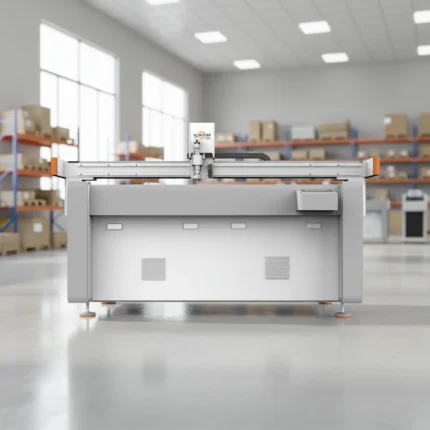
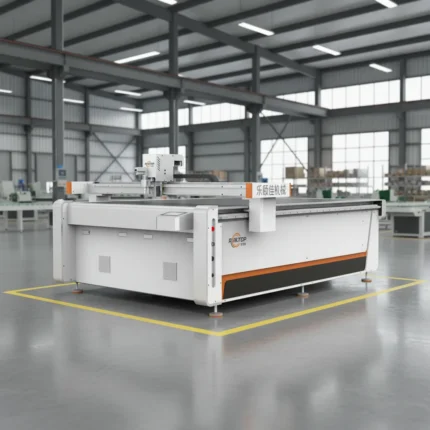
Realtop1625 Leather CNC Cutting Machine, 1600×2500mm, ≤30mm Thickness, CCD Contour Recognition — configured with interchangeable oscillating and rotary knife heads matched to leather grade and fabric density rather than a single fixed tool. Aluminum bellows vacuum table holds small contours flat across the full working area, with CCD camera tracking printed marks on patterned rolls at production speed.
Sample cutting on your own material with a written test report before order commitment, voltage and control language confirmed before shipment.
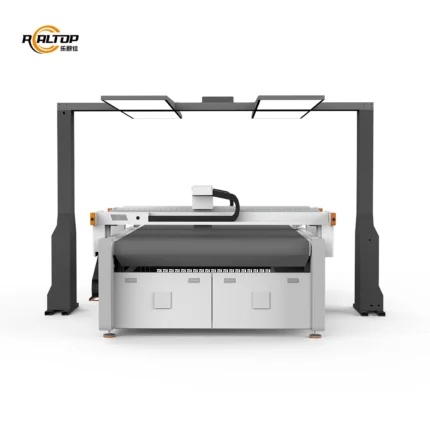
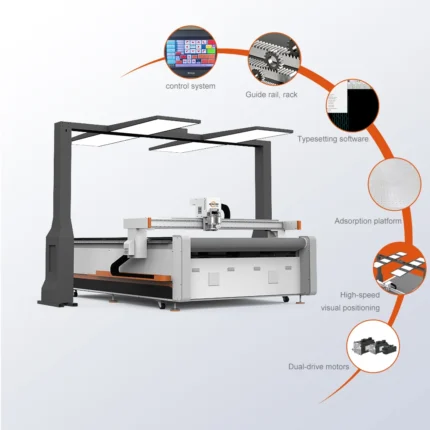
Oscillating Knife Leather Cutter CNC 2026
Product Introduction
Oscillating Knife Leather Cutter CNC 2026 is a precision cutting solution for leather materials, designed for efficient and accurate fabrication in manufacturing settings. Ideal for leather processing with advanced CNC technology.Product Parameters
| Model | Oscillating Knife Leather Cutter CNC 2026 |
| Cutting Type | Oscillating Knife |
| Application | Leather Materials |
| Control System | CNC |
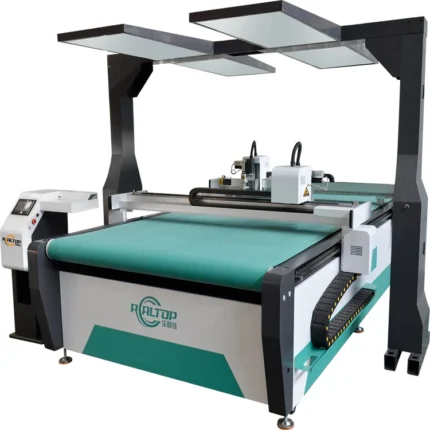
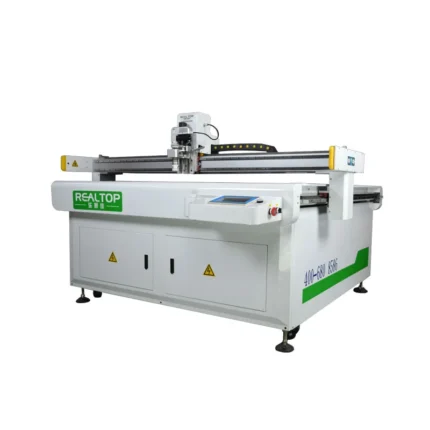
Python Snakeskin PU Leather Cutting Machine 2026 China
Product Parameters
| Model | 2026 |
| Material | Python Snakeskin PU Leather |
| Type | Luxury Cutting Machine |
| Application | Leather Processing |
Introduction
Luxury Python Snakeskin PU Leather Cutting Machine 2026, designed for precise cutting of premium PU leather. Ideal for manufacturing high-end leather products with efficiency and accuracy.
商品评价
There are no reviews yet.