



Oscillator Knife CNC Cutter 1625 for Gaskets Rubber Graphite PTFE – Industrial Application
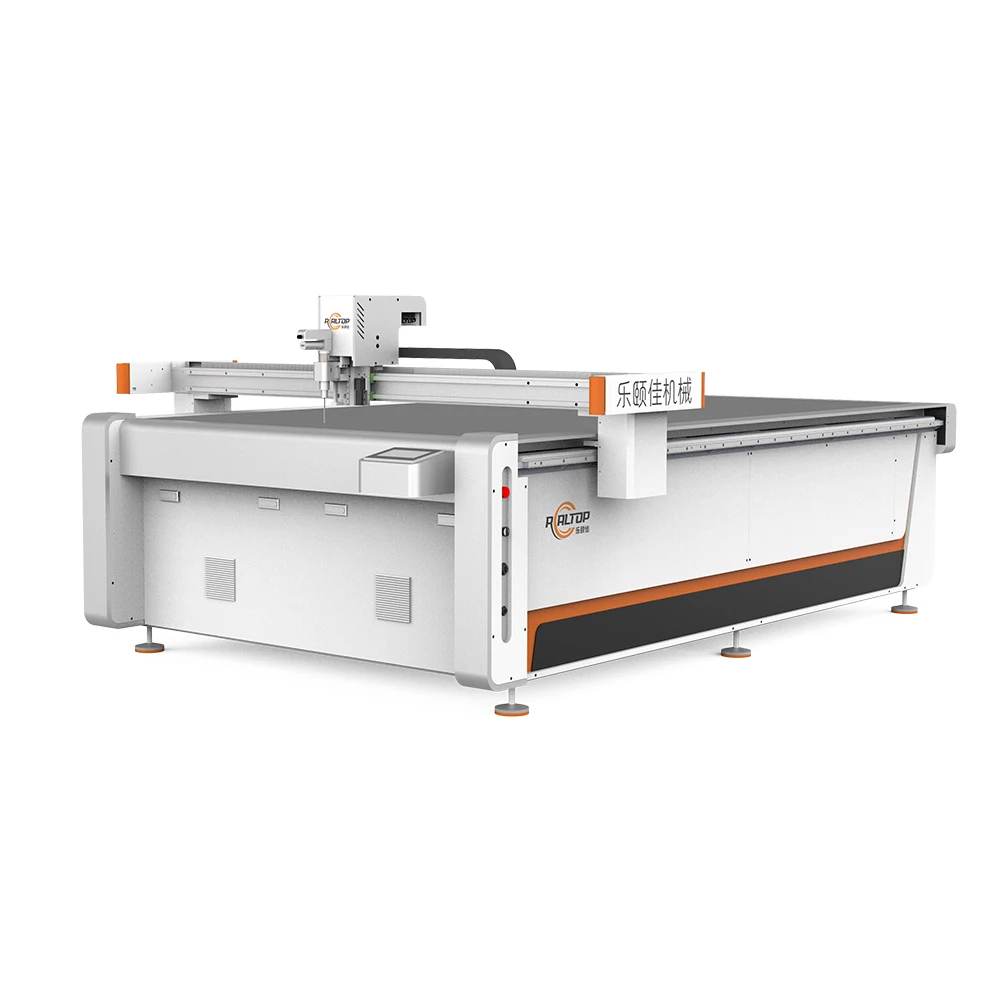
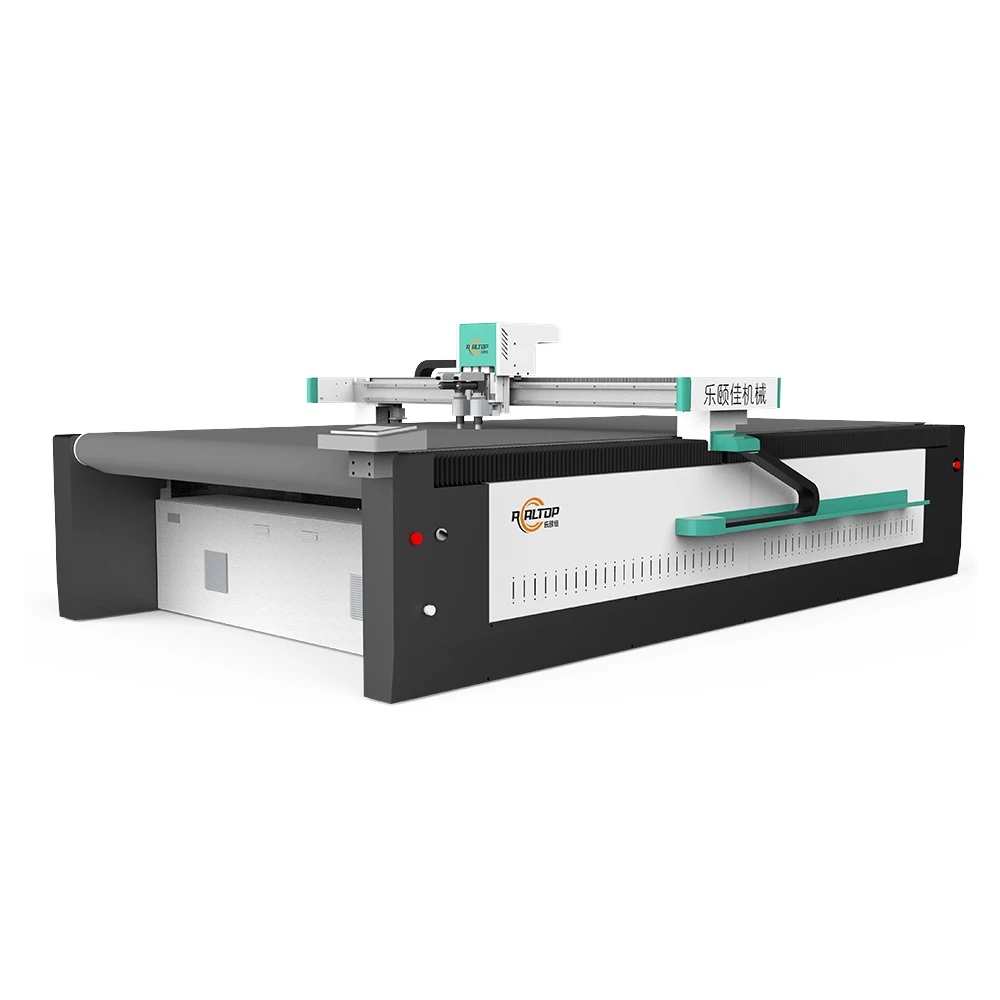
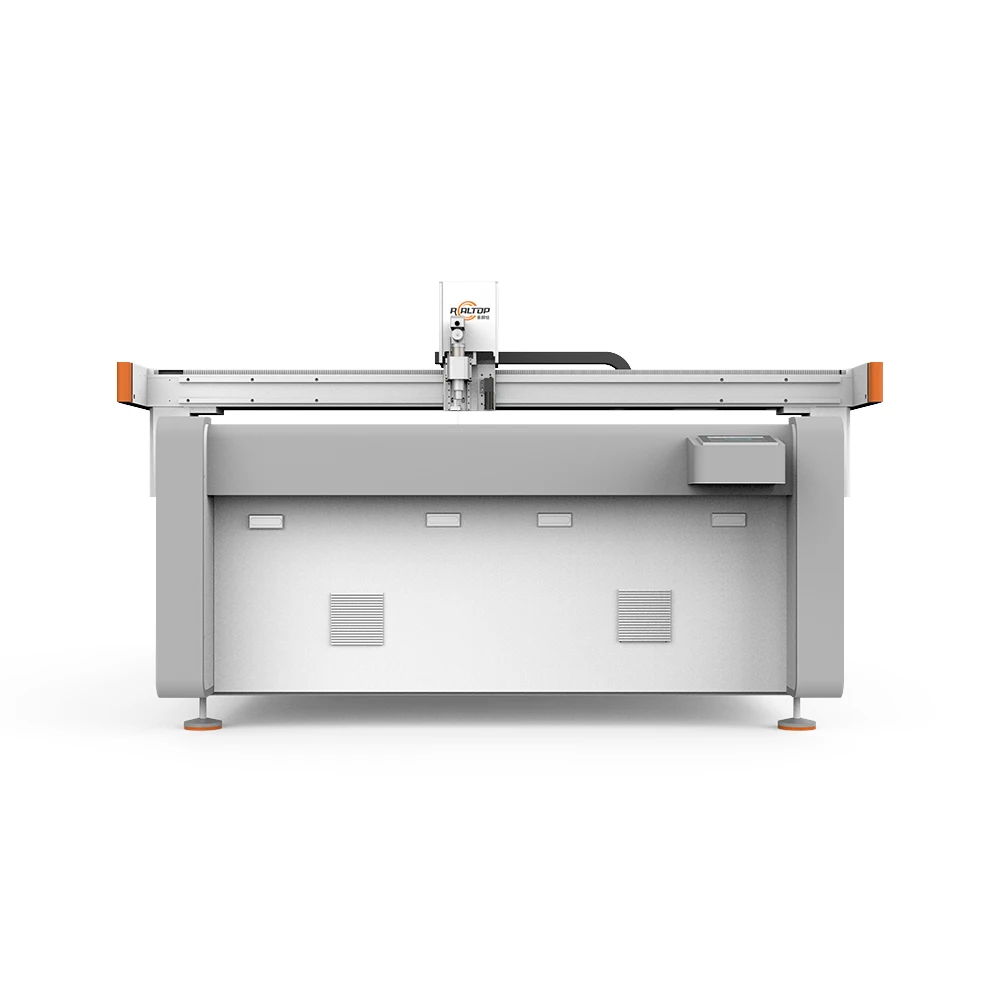
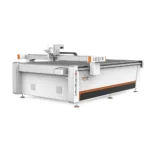
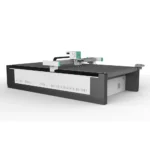
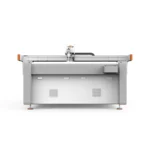
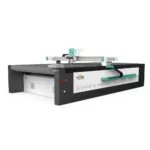
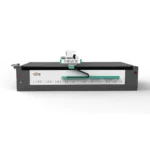
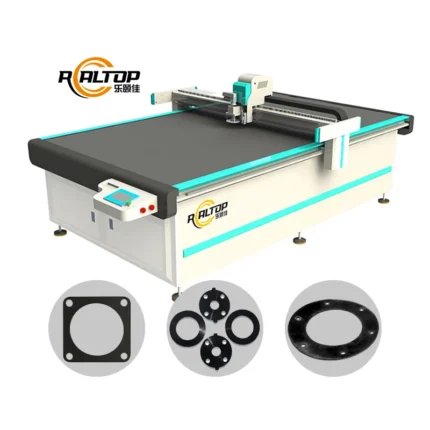
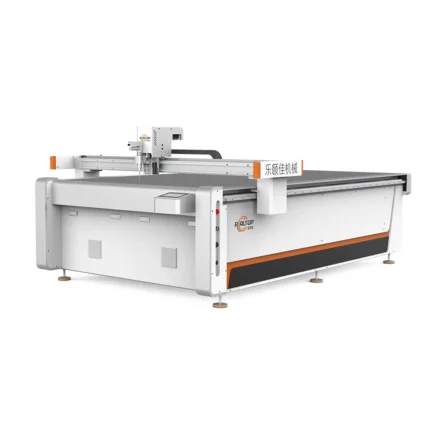
1625 CNC Oscillating Knife Cutting Machine, 1600×2500 mm, ±0.1 mm Accuracy — configured for gasket and composite material cutting.
- Cold-cutting oscillating knife eliminates thermal damage to PTFE, rubber, graphite, and carbon fiber prepreg
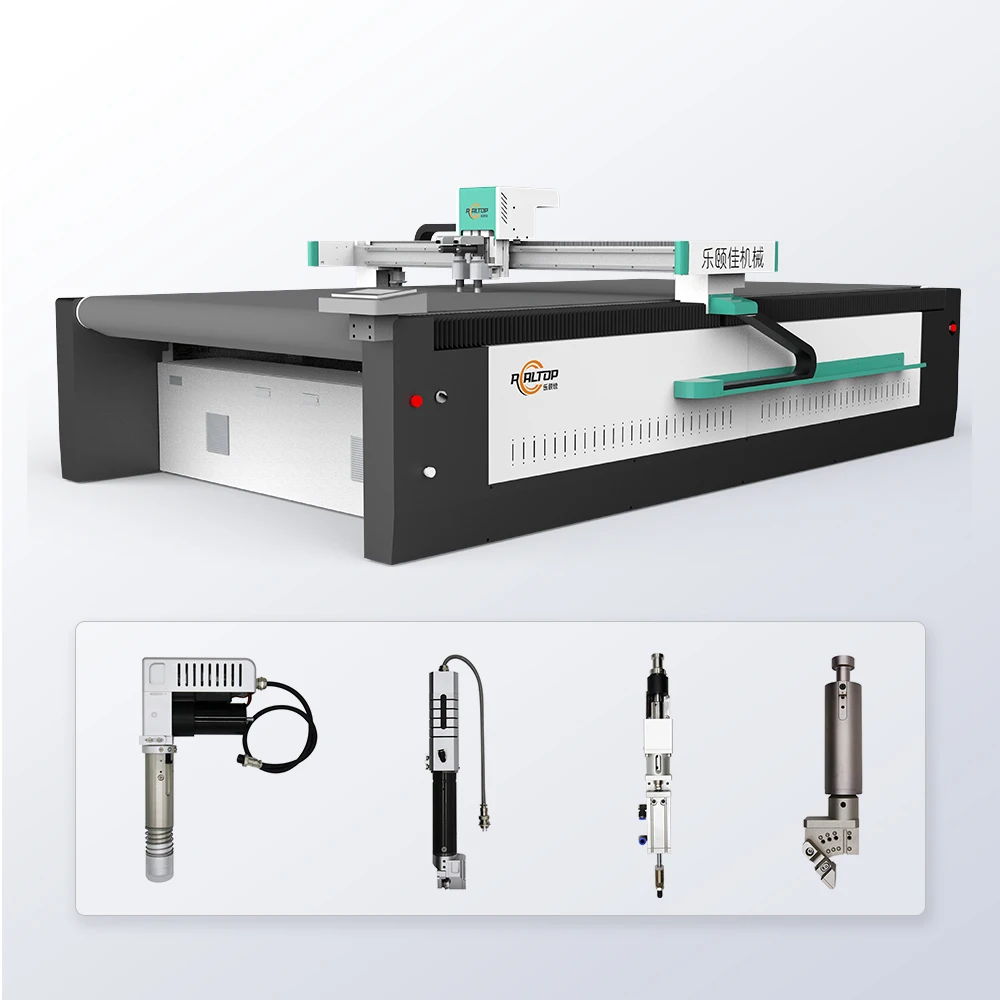
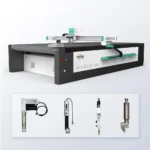
- Multi-tool head options including rotary knife, creasing wheel, and milling for flexible workflows
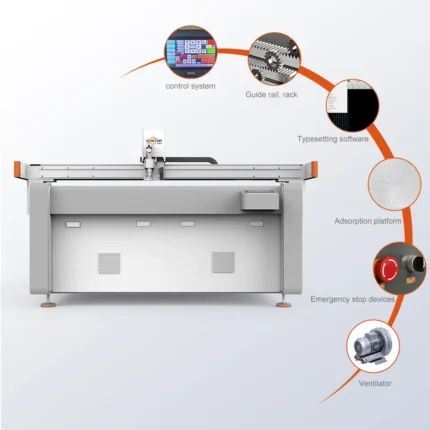
- 9 kW vacuum pump with aluminum bellows table secures materials during high-speed cutting
Sample cutting reports on buyer’s own material provided before order commitment, with voltage and control language confirmed to match facility requirements.
Cold-Cutting Precision for Gasket Profiles — REALTOP 1625 delivers burr-free cuts on PTFE, graphite, and rubber without thermal degradation, verified through pre-shipment sample testing on buyer-supplied materials.
Technical Specifications
| Parameter | Value |
|---|---|
| Product Type | CNC Oscillating Knife Cutting Machine |
| Working Area | 1600×2500 mm |
| Tool Head Options | Oscillating knife, Driven rotary knife, Creasing wheel, Kiss cutting tool, Pneumatic knife, Milling tool, V groove knife |
| Cutting Speed | 0–2000 mm/s |
| Cutting Thickness | ≤ 30mm (basis not stated in source) |
| Cutting Accuracy | ±0.1 mm |
| Vacuum Pump | 9 kW |
| Voltage | 110V / 220V / 380V (rated or peak not specified in source) |
| File Formats | PLT, DXF, AI, PDF |
| Safety Device | Infrared sensor device and emergency stop device |
| Machine Size | 3300×2100×1350 mm |
| Control System | PLC control panel (source value — verify against manufacturer catalog) |
| Servo Motors | Panasonic / Delta / Dorna (source value — verify against manufacturer catalog) |
| Vacuum Table | Aluminum bellows vacuum table (zoning details not stated in source) |
| Language Options | English, Russian, Italian, Chinese (customizable) |
| Standards | CE (certification image shown — verify certificate number and scope) |
Application Suitability
| Application | Material or Output |
|---|---|
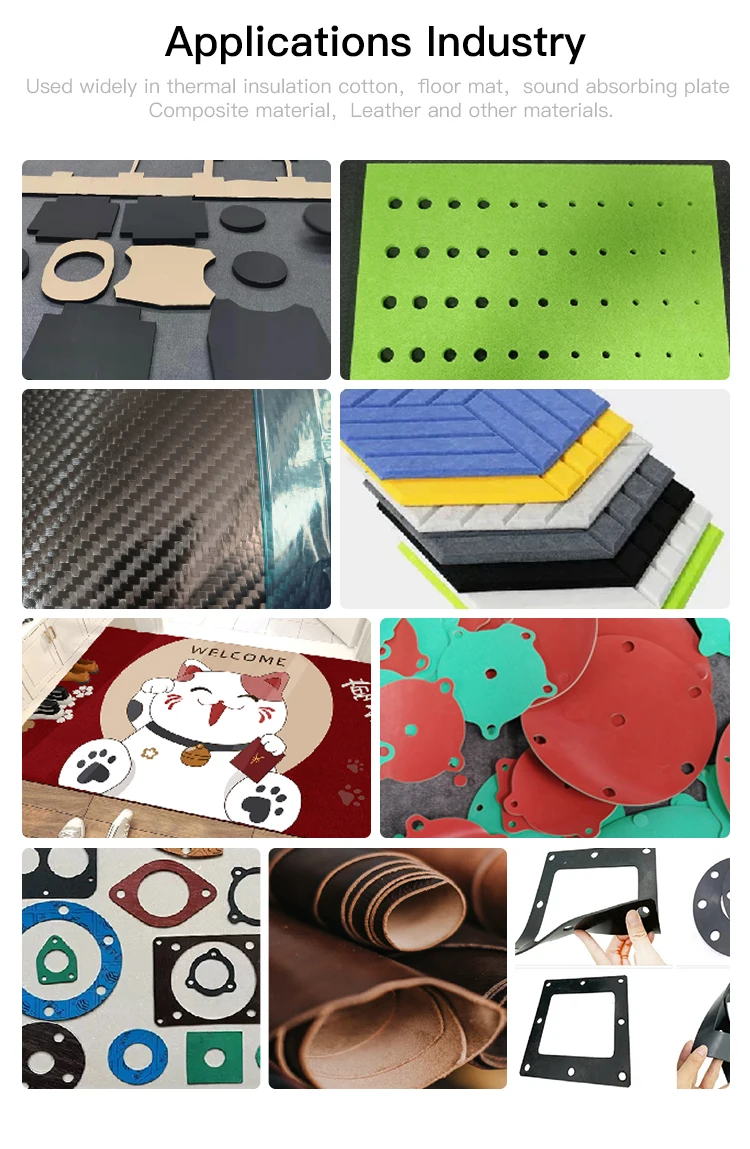
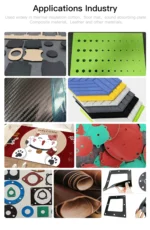
| Gasket Production | Rubber, asbestos, graphite, PTFE, composite gasket materials |
| Aerospace Composite Cutting | Carbon fiber prepreg, aramid honeycomb (Nomex), fiberglass cloth, ceramic fiber blankets, thermal/acoustic insulation foam |
| Automotive and Rail Interior | Carbon fiber covers, FRP, acoustic felt, damping pads, carpets, sealing strips, seat foam |
| Wind Power and New Energy | Fiberglass cloth, carbon fiber cloth, vacuum infusion mesh, PET/PVC foam core, battery insulation sheets, thermal pads |
| Sporting Goods | Carbon fiber sheets/fabric, Kevlar, high-performance foam, composite fabrics for bicycle frame prepreg, helmet liners |
Why the Material Thickness Question Should Come Before the Quote
A 30mm rating on a laser cutting and engraving machine means nothing if your specific gasket material density collapses under the cutting head.
I spent two weeks at a sealing plant in the Pearl River Delta recalibrating a system because we quoted based on standard asbestos-rubber board, but the customer was running graphite composite. The oscillation frequency and knife depth were completely wrong, shredding edges and ruining a batch of material. That failure mode repeats across the industry when specifications are treated as generic numbers rather than material-dependent variables. Every gasket compound — from soft PTFE to reinforced graphite — reacts differently to blade geometry and table hold-down force [NEED_CITE: material-specific cutting parameters for industrial gasket compounds].
Cold-Cutting Advantage Over Thermal Processes
When processing resin-based composites and elastomeric gasket materials, thermal cutting methods introduce heat-affected zones that alter material properties at the cut edge. The 1625 CNC oscillating knife cutting machine eliminates this risk entirely by using mechanical blade action, preserving the sealing integrity of PTFE and graphite sheets where edge charring would compromise performance. This cold-cutting approach also prevents delamination in multi-layer composites used for aerospace and automotive sealing applications.
Tool Head Selection by Material Behavior
Gasket materials range from brittle reinforced graphite to elastic silicone rubber, each demanding different tool head configurations. The oscillating knife handles dense, fibrous composites by vibrating at high frequency to shear through reinforcement layers, while the driven rotary knife suits softer, thicker elastomers that would tear under drag knife pressure. The kiss cutting tool enables partial-depth cuts for peel-and-stick gasket assemblies without penetrating the backing liner, a capability critical for high-volume automotive sealing strip production.
Vacuum Table Dynamics and Small-Part Hold-Down
The aluminum bellows vacuum table on this laser cutting and engraving machine provides full-area suction across the 1600×2500mm bed, but gasket production often involves nesting dozens of small profiles from a single sheet. When vacuum zoning is not matched to the smallest part geometry, individual gaskets lift during the final cuts, causing dimensional drift or complete part loss. The 9kW vacuum pump delivers substantial suction force, yet the effectiveness depends entirely on zone configuration relative to the buyer’s typical part layout [NEED_CITE: vacuum table zoning requirements for small-part CNC cutting].
What Happens When Configuration Is Wrong for the Material
Selecting a drag knife instead of an oscillating knife for reinforced graphite produces ragged, compressed edges that fail leak tests. Setting cutting speed without accounting for material elasticity causes dimensional inaccuracy that compounds across nested layouts. Voltage mismatch between the quoted specification and the facility’s actual supply leads to servo motor overheating or insufficient vacuum pump torque, both manifesting as intermittent cutting failures weeks after commissioning [NEED_CITE: voltage and frequency standards by export market].
Verification Before Commitment
REALTOP maintains in-house design and production covering both knife and laser cutting technologies, allowing buyers to match the cutting method to material rather than forcing one approach across diverse applications. Tool head and table configuration is specified per material type and production volume, with CCD camera positioning available for printed contour work on pre-marked gasket sheets. Sample cutting on the buyer’s own material before commitment reveals edge quality, thickness capacity, and nesting yield under actual production conditions. Voltage, language, and control system specifications are confirmed before production begins, not discovered after the machine arrives on the factory floor.
Documentation & Verification
- Machine specification sheet detailing tool head configuration and cutting parameters for gasket materials
- Electrical schematic with voltage confirmation matching facility supply before production
- Sample cutting report on buyer-supplied PTFE, graphite, or composite material with edge quality documentation
- CE declaration confirming machinery directive compliance for industrial cutting equipment
- Factory test record demonstrating cutting accuracy and speed on specified material thickness range
- Spare parts list with oscillating knife blades, vacuum pump consumables, and servo motor specifications
Installation, Commissioning & Support
- Machine footprint of 3300×2100×1350mm requires level concrete floor with adequate overhead clearance for sheet loading
- 9kW vacuum pump demands dedicated circuit separate from PLC control panel power supply
- Delivery in disassembled state with table, gantry, and control cabinet requiring on-site reassembly
- First-run commissioning includes cutting speed calibration and vacuum zoning adjustment for buyer’s specific gasket profiles
- Operator training covers tool head changeover procedures for oscillating knife, rotary knife, and kiss cutting tools
- Preventive maintenance schedule specifies vacuum pump filter replacement intervals and servo motor inspection cycles
Inquiry Process for Gasket and Composite Applications
When requesting a quotation, provide your specific gasket material type, density, and maximum thickness along with typical sheet dimensions and daily production volume. Confirm your facility’s voltage and frequency standard, preferred control language, and whether your existing design files use PLT, DXF, AI, or PDF formats. Send representative material samples for cutting trials to verify edge quality and dimensional accuracy before order confirmation.
Frequently Asked Questions
Q: How does cold-cutting with an oscillating knife compare to laser cutting for gasket materials?
A: Cold-cutting avoids thermal damage that compromises sealing integrity in PTFE and graphite composites. Laser processes create heat-affected zones that alter material properties at cut edges, while oscillating knife action preserves the original compound characteristics. The choice depends on material composition, thickness, and whether edge charring is acceptable for the sealing application.
Q: What cutting thickness is achievable, and on which material is that rating based?
A: The ≤30mm specification requires confirmation against your specific material density and reinforcement structure. Graphite composites, reinforced rubber, and soft PTFE each respond differently to cutting force and blade geometry. We conduct sample cutting trials on buyer-supplied material to establish actual thickness capacity and edge quality before finalizing machine configuration.
Q: How is vacuum table zoning configured to hold small gasket parts securely?
A: The aluminum bellows table provides full-area suction, but zoning layout must match your typical nested part geometry. Small gasket profiles require zone boundaries that align with cut paths to prevent part lift during final separation. We review your nesting patterns and adjust vacuum zone configuration during factory testing before shipment.
Q: What voltage and language options are available, and how are they confirmed before shipment?
A: Voltage is configurable across 110V, 220V, and 380V ranges, with control language options including English, Russian, Italian, and Chinese. We require written confirmation of your facility’s exact voltage, frequency, and plug type, plus preferred control language, before production begins to prevent field compatibility issues.
Q: What sample cutting and factory test documentation is provided before order commitment?
A: We provide a sample cutting report documenting edge quality, dimensional accuracy, and cutting speed achieved on your supplied material. The factory test record shows cutting performance across your specified thickness range and tool head configuration, allowing you to verify production capability before the machine leaves our facility.


Related products
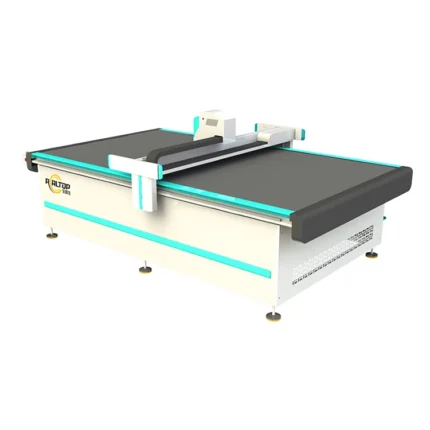
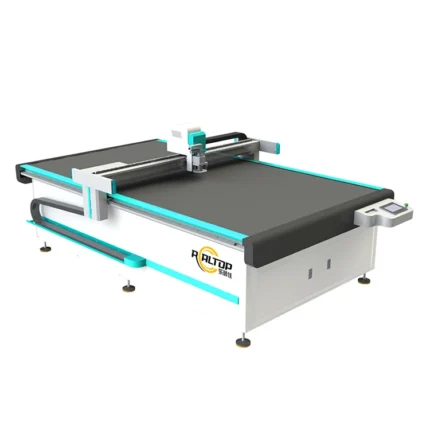
2026 Rubber CNC Cutting Machine High-Precision Auto-Feeding Gasket
Product Introduction
High-precision 2026 model Rubber CNC Digital Cutting Machine designed for gasket production with auto-feeding functionality, ensuring efficient and accurate cutting performance.
Key Specifications
| Model | 2026 |
| Type | Rubber CNC Digital Cutting Machine |
| Application | Gasket Production |
| Feature | High-Precision |
| Function | Auto-Feeding |
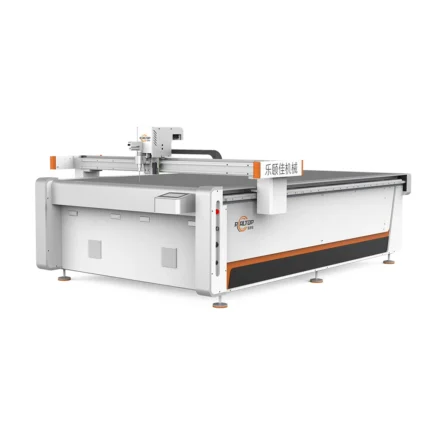
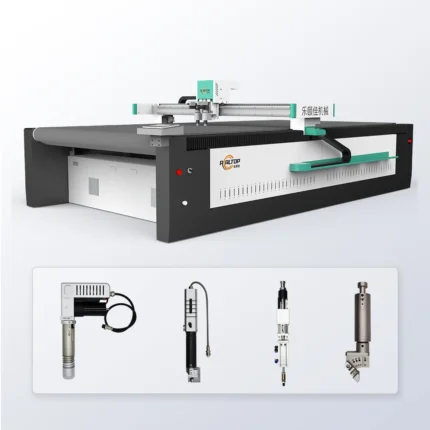
CNC Gasket Cutting Machine 2026 Auto Oscillating Silicone/Asbestos/Felt
Product Introduction
2026 CNC Gasket Cutting Machine with auto oscillating function, ideal for cutting silicone, asbestos, and felt materials. Precision-engineered for efficient gasket production in industrial settings.
Key Specifications
| Type | CNC Gasket Cutting Machine |
| Year | 2026 |
| Function | Auto Oscillating |
| Material Compatibility | Silicone/Asbestos/Felt |
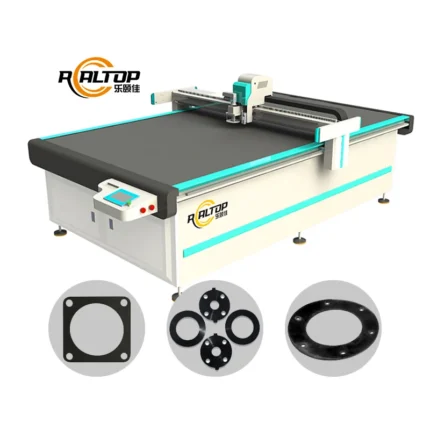
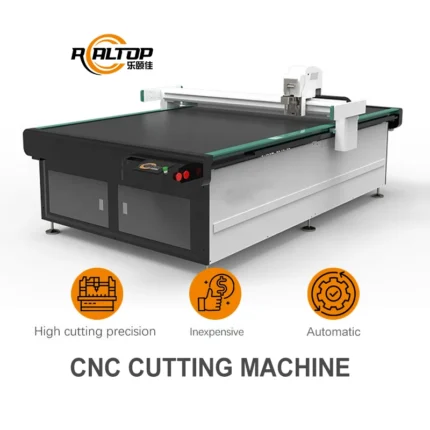
Realtop 2026 CNC Vibration Knife Cutter 1600x3200mm Auto Gasket Cutting
Product Introduction
Realtop CNC Vibration Knife Cutter 2026 is an advanced cutting solution ideal for auto gasket cutting, featuring precision and efficiency for industrial applications.Key Specifications
| Model | Realtop CNC Vibration Knife Cutter 2026 |
| Working Area | 1600x3200mm |
| Cutting Type | Vibration Knife |
| Application | Auto Gasket Cutting |
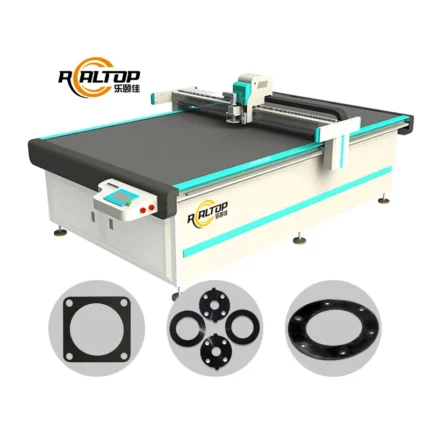
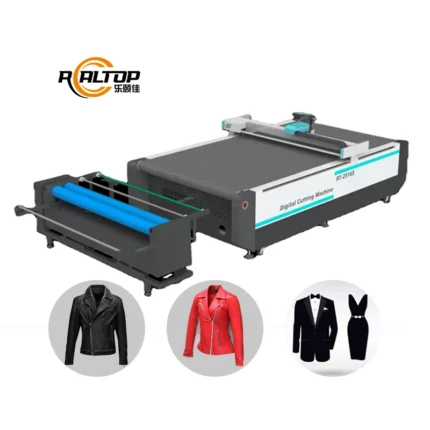
Realtop 2026 PVC Foam Board Cutting Machine
Product Introduction
A specialized cutting solution for PVC foam boards, ideal for precision cutting tasks in various manufacturing and fabrication applications. Engineered for efficiency and reliability in processing PVC foam materials.Product Parameters
| Model | Realtop PVC Foam Board Cutting Machine 2026 |
Realtop CNC Gasket Cutting Machine 2026 China Manufacturer
Product Introduction
Realtop CNC Gasket Cutting Machine 2026 is a precision tool designed for efficient gasket production, ideal for industrial manufacturing needs with advanced CNC technology.Key Specifications
| Model | Realtop CNC Gasket Cutting Machine 2026 |
| Type | CNC Gasket Cutting Equipment |
| Application | Industrial Gasket Manufacturing |
| Feature | Precision Cutting, Efficient Production |
Realtop Gasket Cutter 2026 Digital Oscillating Machine
Product Introduction
Realtop Gasket Cutter 2026 is a digital oscillating machine designed for precise cutting of silicone, asbestos, and non-asbestos felt materials, ideal for industrial gasket production.Product Parameters
| Model | Realtop Gasket Cutter 2026 |
| Type | Digital Oscillating Machine |
| Material Compatibility | Silicone, Asbestos, Non-Asbestos Felt |
| Operation | Digital Control |


商品评价
There are no reviews yet.