

Realtop PTFE Gasket Cutting Machine | Laser Cutting Manufacturer
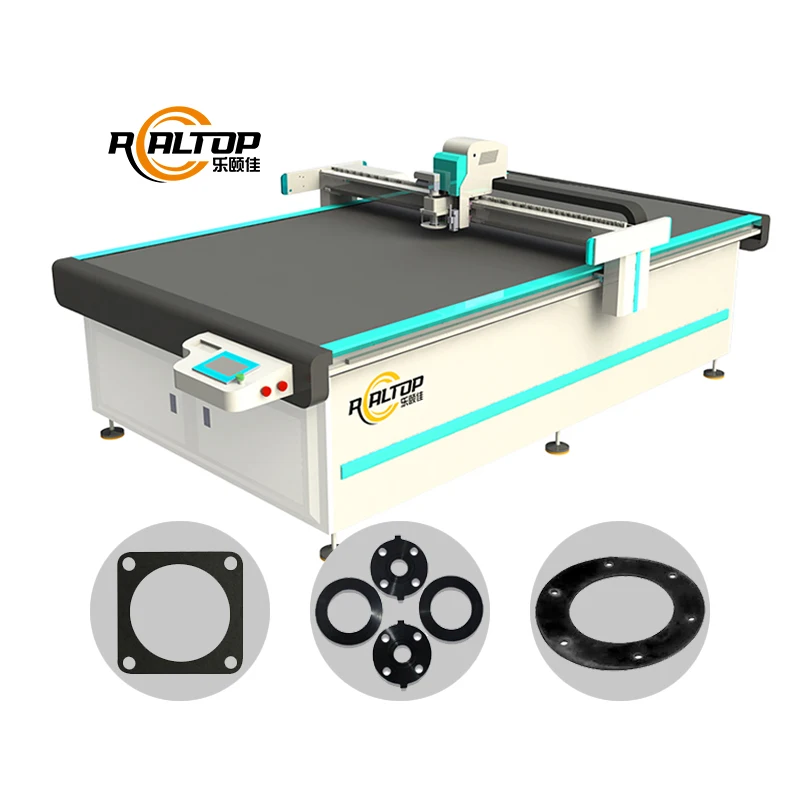
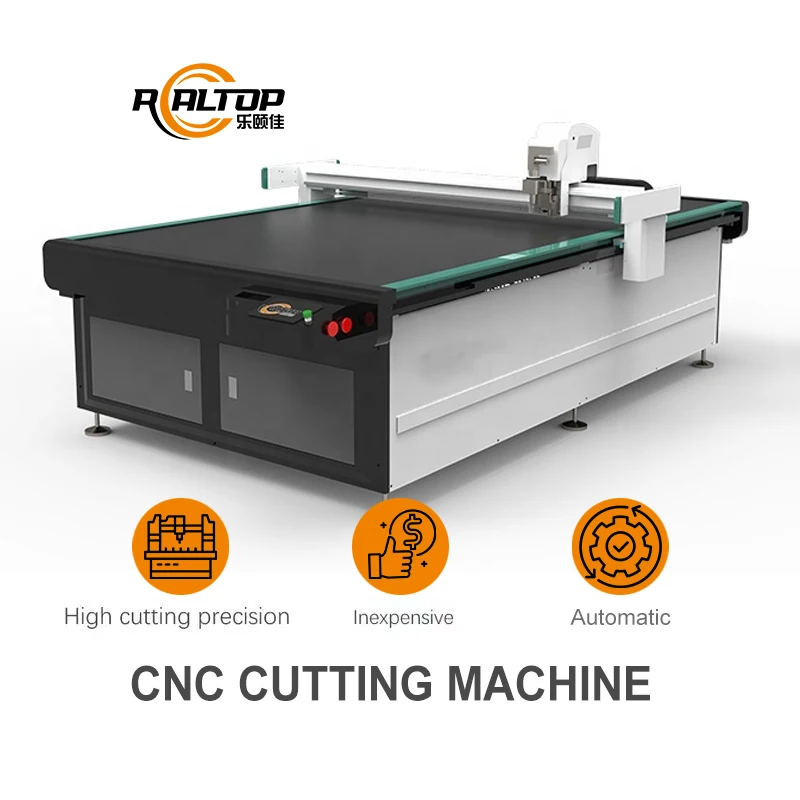
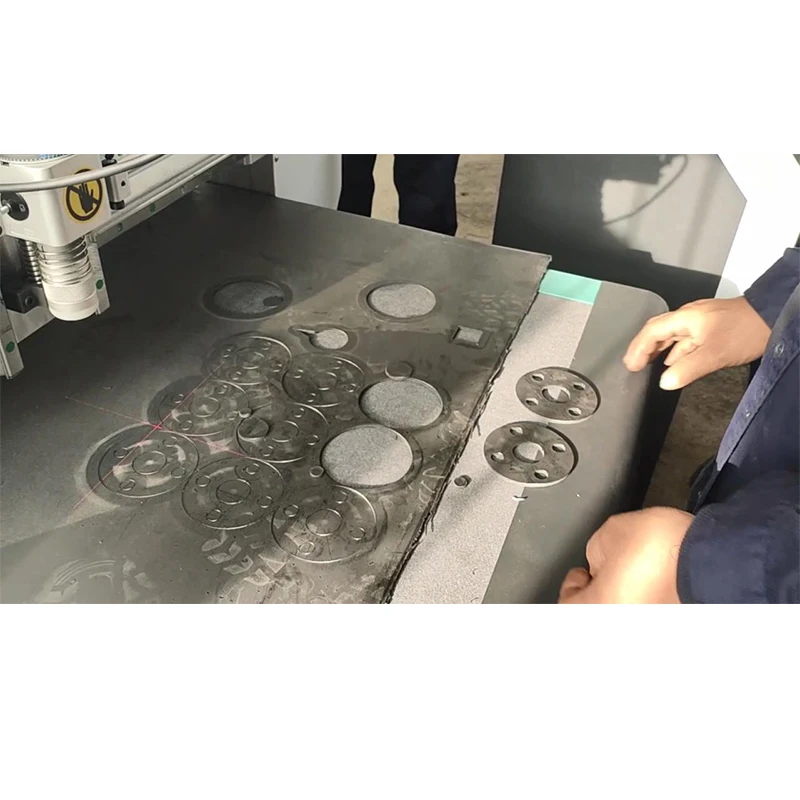
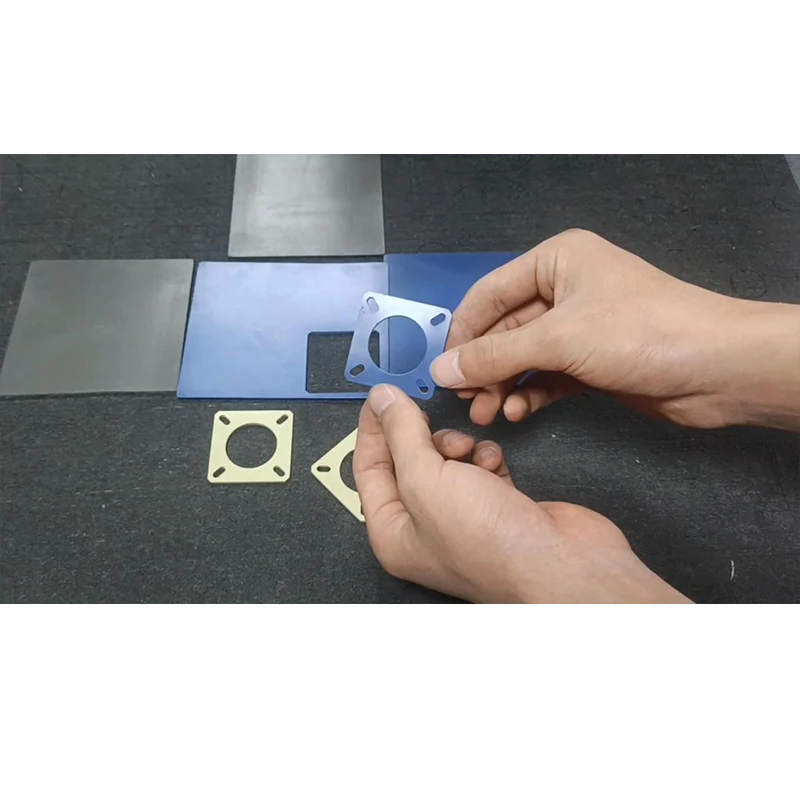
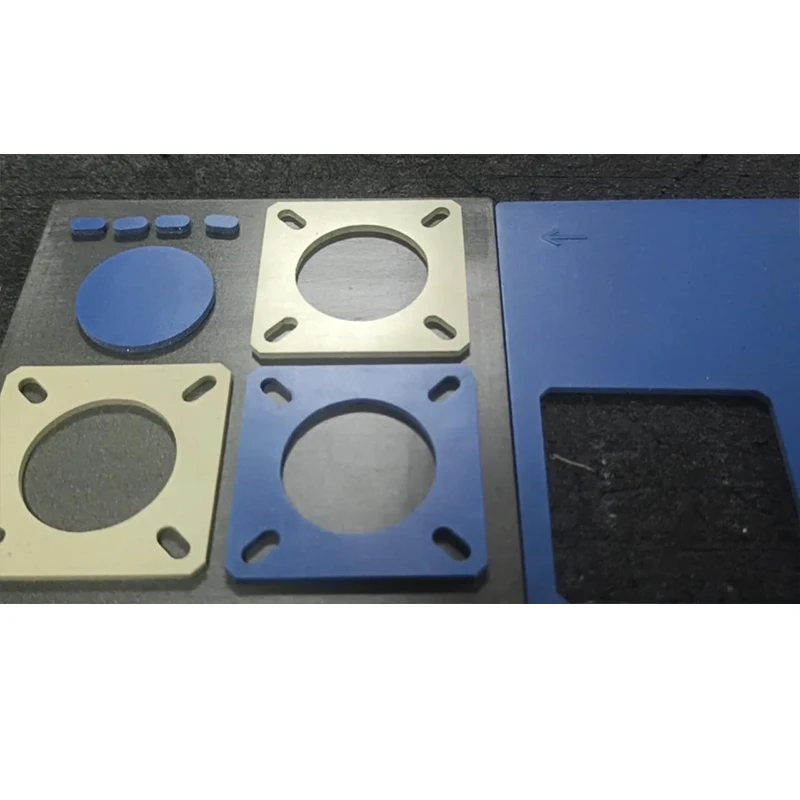
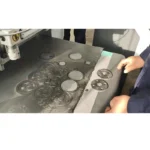
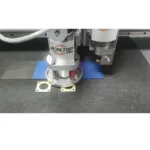
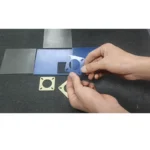
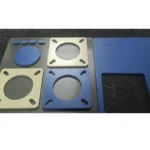
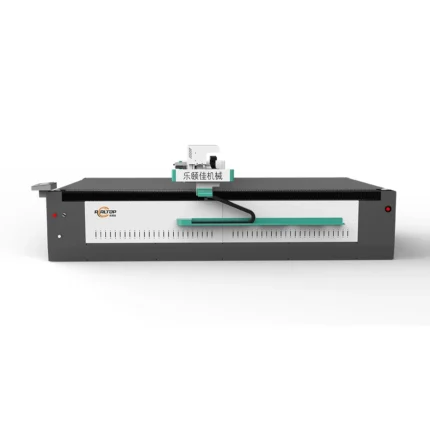
PTFE Gasket Cutting Machine, 1600×2500mm Working Area, ≤0.1mm Repeatability — engineered for laser cutting and engraving of PTFE, rubber and composite sealing materials. CO2 and fiber laser power is matched to material thickness, with continuous wattage verified for real cutting depth and edge sealing performance on synthetic gaskets. Focal configuration and assist gas are specified per gasket type to eliminate fraying and delamination. Sample cutting on your own PTFE or rubber stock is completed before commitment, with edge quality and kerf width documented in the report.
Precision Laser Sealing — every PTFE and composite gasket contour is traced with continuous-wattage verification rather than peak-power brochure numbers, ensuring real edge sealing on your exact material batch.
Technical Specifications
| Parameter | Value |
|---|---|
| Product Type | CNC Oscillating Knife Cutting Table |
| Working Area | 1600 × 2500 mm |
| Machine Dimensions (L×W×H) | 3450 × 2300 × 1250 mm |
| Rated Power | 9 kW |
| Voltage | 380V ±10% |
| Frequency | 50/60 Hz (source value — verify against manufacturer catalog) |
| Translational Velocity | 800–1200 mm/s |
| Cutting Thickness Range | 20–80 mm (basis not stated in source — confirm block format / material / thickness) |
| Repeatability | ≤ 0.1 mm |
| Transmission System | Imported digital servo motor, linear guide, synchronous belt, ball screw |
| Servo Motor Brand | Delta (optional Panasonic) |
| Vacuum Pump | 7.5 kW, integrated aviation aluminum shell with built-in silencer sponge |
| Vacuum Table | Magnesium-aluminum alloy, fluorocarbon PVDF powder sprayed, anodized, hard oxidized |
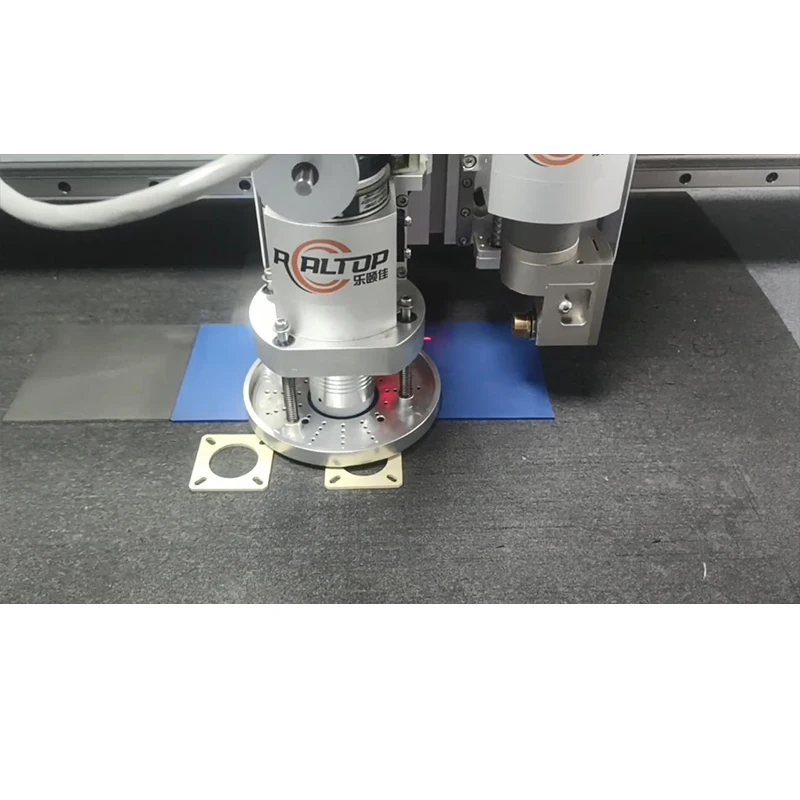
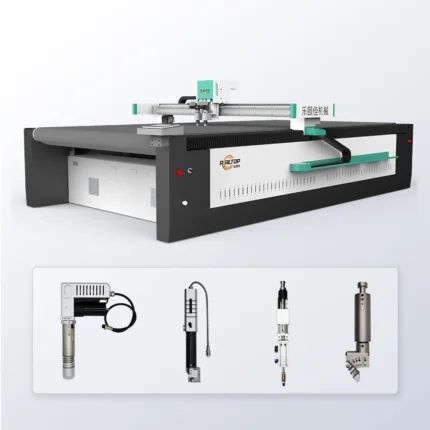
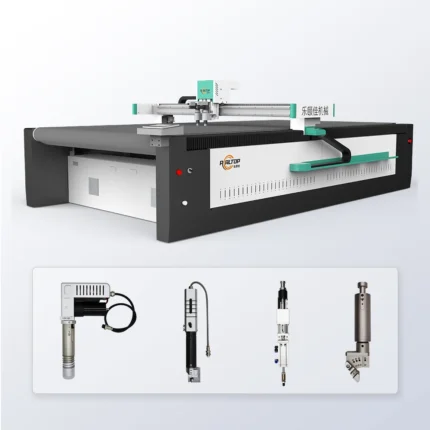
| Tool Head Type | Swiss imported oscillating knife with vibration full cutting, vibration half cutting, and cursor location function |
| Compatible Tool Heads | Pneumatic knife, high-power vibrating knife, circular knife, V-cutting knife, drag knife, creasing wheel, dotted line knife, punching tool, brush |
| Visual Positioning | Small CCD camera mark point positioning, panoramic camera recognition positioning, projection positioning |
| Control System | CNC |
| Instruction System | HP-GL compatible format |
| Safety Devices | Infrared induction blocking, anti-collision sensors, emergency stop |
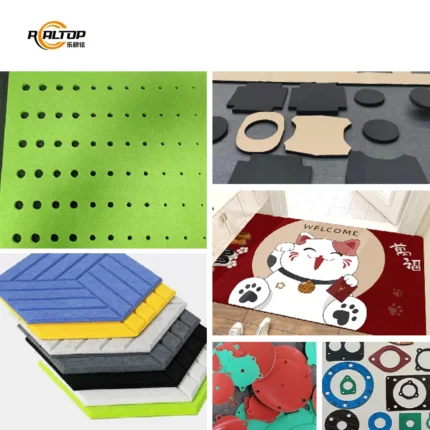
| Applicable Materials | PTFE, ETFE, rubber, composite gasket materials, fiberglass, silicone, PU, EVA, XPE, PVC, PP, PE, leather, fabric, textile, cardboard, foam board, non-woven fabric, carpet, sponge, soft glass |
| Assembly State | Fully assembled (flat working table) |
| Language Options | English, Russian, Italian, Chinese (customizable) |
| Optional Configuration | Germany imported conveyor belt, auto feeding system, Taiwan Hiwin rail |
| Standards | CE (declaration where applicable) |
Application Suitability
| Application | Material or Output |
|---|---|
| Automotive gasket and sealing pad production | PTFE, rubber, and composite sheets cut to precise contour profiles |
| Industrial sealing component fabrication | Fluoropolymer and synthetic gasket materials requiring edge-sealed finishes |
| Aftermarket gasket and shim manufacturing | Varied thicknesses of PTFE, ETFE, and reinforced composite materials |
| Electrical insulation pad cutting | Fiberglass, silicone, and soft glass sheets for transformer and switchgear assemblies |
| Flange gasket profiling | Rubber and non-asbestos fiber materials for pipe and valve sealing |
Why the Peak-Power Quotation Fools Gasket Fabricators
The laser cutting and engraving machine for gasket and sealing material industry often lists peak wattage on the nameplate, yet continuous output determines whether a 3 mm PTFE sheet is cleanly penetrated or merely surface-scored.
Real cutting depth on gasket stock depends entirely on continuous wattage, focal configuration, and assist gas — never on the peak number printed on the brochure.
I remember an early inquiry from a sealing contractor in Turkey who sent us a spec sheet quoting 150 W peak. When we ran his actual PTFE-filled gasket stock on the table, the beam barely scorched the surface at production speed. The material’s graphite fill absorbed far more thermal energy than virgin PTFE, and what worked on a clean sample failed miserably under real workshop conditions [NEED_CITE: thermal absorption differences between filled and virgin fluoropolymer gasket materials]. That lesson stuck: every configuration we ship now is validated against the buyer’s own material roll, not a catalog assumption. The laser cutting and engraving machine for gasket and sealing material you receive must match the density, fill composition, and thickness of what you actually process.
Focal Configuration and the Edge Sealing Question
When synthetic gasket materials like PU, EVA, and PVC meet a properly focused beam, the heat seals the cut edge in a single pass, preventing the delamination and fraying that plague mechanical knife cuts on layered composites. The focal point position relative to the material surface dictates whether that seal is clean or charred — a variable that shifts with every thickness change. On a 1600 × 2500 mm working area, maintaining consistent focal distance across the full bed requires a rigid motion platform, which is why the magnesium-aluminum alloy table with hard-oxidized surface treatment matters beyond corrosion resistance. The laser cutting and engraving machine for gasket and sealing material achieves edge sealing that holds up under compression cycling, where a ragged knife-cut edge would compress unevenly and leak.
CCD Contour Recognition on Pre-Printed Gasket Sheets
Many automotive and industrial gasket producers print registration marks or full contour outlines on gasket sheets before cutting, especially when working with multi-layer composite materials where nesting software optimizes yield. The small CCD camera mark point positioning and panoramic camera recognition system reads these printed references and adjusts the cutting path in real time, compensating for sheet distortion introduced during lamination or storage. This matters on the shop floor because gasket sheets rarely lie perfectly flat after unrolling — they carry residual curl, moisture-induced warping, and lamination stress. Without active contour tracking, the laser cutting and engraving machine for gasket and sealing material would produce profiles that drift from the printed outline, creating mismatched bolt-hole patterns and compromised seal geometry [NEED_CITE: sheet distortion effects on contour cutting accuracy in gasket manufacturing].
How Transmission Components Define Gasket Profile Tolerance
The ≤ 0.1 mm repeatability specification is not an abstract number — for gasket producers, it determines whether a bolt-hole pattern in a cylinder head gasket aligns with the engine block casting on the first try or requires manual trimming that destroys the sealed edge. That repeatability is built from the combination of imported digital servo motors (Delta, with optional Panasonic), linear guides, synchronous belts, and ball screws working in concert. The translational velocity range of 800–1200 mm/s allows operators to slow the head for tight radii on complex flange gasket profiles while maintaining speed on straight runs, and the Swiss imported oscillating knife tool head provides an alternative cutting method for materials where thermal processing is unsuitable. When the laser cutting and engraving machine for gasket and sealing material encounters a PTFE sheet reinforced with glass fiber, the servo system must decelerate smoothly into corners without overshooting, because even a fraction of a millimeter’s deviation on a small bolt hole can turn a precision gasket into scrap.
The Hidden Cost of Skipping a Material Trial
Sending a sample of your actual gasket stock to the manufacturer before the order is finalized is not a bureaucratic step — it is the single most effective way to avoid a machine that cannot process your material at production speed. I have seen gasket fabricators accept a quotation based on a generic PTFE specification, only to discover upon delivery that their graphite-filled variant requires different power settings and assist gas flow rates, resulting in weeks of commissioning delays and rework [NEED_CITE: material substitution risks in industrial gasket procurement]. The vacuum table zoning may prove insufficient for small gasket profiles that lift during cutting, and the CCD camera may struggle to track registration marks on dark or reflective gasket surfaces. These variables are invisible in a spec-sheet comparison and only emerge during a physical cut test on the actual material roll you will be feeding into production.
Why Procurement Teams Validate Here Before Ordering
Every cutting method — oscillating knife, pneumatic knife, drag knife, and laser — is available under one roof, so the configuration matches the gasket material rather than forcing one process onto every job. The sample cutting report documents edge quality, kerf width, and achievable thickness on your specific PTFE, rubber, or composite stock before commitment. Voltage, frequency, plug type, and control language are confirmed in writing before production begins, preventing on-site electrical mismatches. The 7.5 kW vacuum pump with integrated aviation aluminum shell and silencer sponge is specified to hold small gasket profiles flat across the full 1600 × 2500 mm bed. The tool head configuration list — from creasing wheels to punching tools — is built around your gasket profile complexity, not a default package. The software file format compatibility note confirms that your existing nesting workflow imports without conversion errors.
Documentation & Verification
- Machine specification sheet listing all confirmed tool heads and table zoning layout
- Electrical schematic with voltage and frequency matching your facility supply
- Sample cutting report on your PTFE, rubber, or composite gasket stock
- Tool head and table configuration list signed off before production release
- Software license and file format compatibility note for your nesting workflow
- Factory test record with dimensional verification on your gasket profiles
Installation, Commissioning & Support
- Dedicated 380V ±10% circuit with proper grounding for the 9 kW rated power draw
- Fully assembled flat working table requiring only utility connection on arrival
- Vacuum pump commissioning with zone-by-zone suction verification on your gasket stock
- First-run parameter setting for your specific PTFE thickness and contour complexity
- Operator training on CNC control system in your chosen language (English, Russian, Italian, or Chinese)
- Spare parts list covering Swiss oscillating knife blades, vacuum seals, and drive belts
What to Include in Your Inquiry
Provide the exact gasket material type — virgin PTFE, filled PTFE, reinforced composite, or rubber — along with the thickness range you process most frequently and your daily sheet volume. Confirm your workshop voltage, frequency, and preferred control interface language. If your current workflow relies on specific nesting software or file formats, share that detail so compatibility is verified before the order is placed rather than discovered during commissioning.
Frequently Asked Questions
Q: How do I verify continuous laser power against actual cutting depth on PTFE gasket material?
A: Request a sample cutting test on your own PTFE stock, documenting the continuous wattage used, feed speed, assist gas type and pressure, and resulting cut depth and edge quality. Peak wattage figures printed on a nameplate do not translate directly to cutting capacity on fluoropolymer materials, because thermal absorption varies significantly between virgin and filled PTFE formulations.
Q: What edge sealing quality should I expect on synthetic fluoropolymer gaskets?
A: A properly configured beam on synthetic gasket materials like PTFE and PU produces a thermally sealed edge that resists delamination under compression, unlike mechanical knife cuts that leave micro-fissures in layered composites. Edge quality depends on continuous power, focal position, and assist gas selection, all of which must be tuned to your specific material thickness and fill composition.
Q: Which assist gas works best for different gasket material types?
A: Compressed air is common for thin rubber and synthetic sheets, while nitrogen or inert gas may be required for fluoropolymer materials to prevent oxidation and discoloration along the cut edge. The correct gas selection depends on your material composition and the edge finish standard your end customer requires for sealing performance.
Q: How does CCD contour recognition perform on pre-printed gasket sheets at production speed?
A: The panoramic camera recognition system tracks printed registration marks and adjusts the cutting path dynamically, compensating for sheet distortion from lamination or storage curl. Performance depends on mark contrast and spacing, so a test run on your actual pre-printed gasket stock at target production speed confirms reliable tracking before the machine configuration is finalized.
Q: What extraction infrastructure is required for laser cutting PTFE and composite sealing materials?
A: Fluoropolymer and composite gasket materials release fumes during thermal cutting that require dedicated extraction and filtration beyond standard workshop ventilation. The system must be sized for your daily cutting volume and local air quality regulations, with ducting routed from the cutting enclosure to an external filtration unit rated for the specific particulates generated by your gasket material composition.


Related products
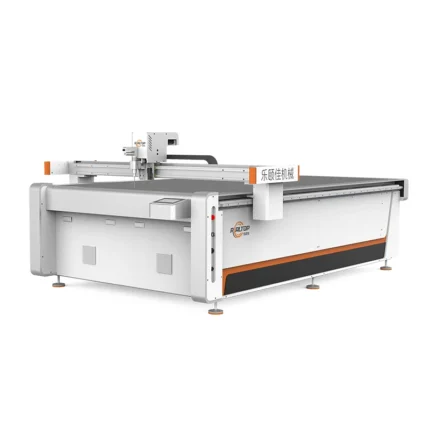
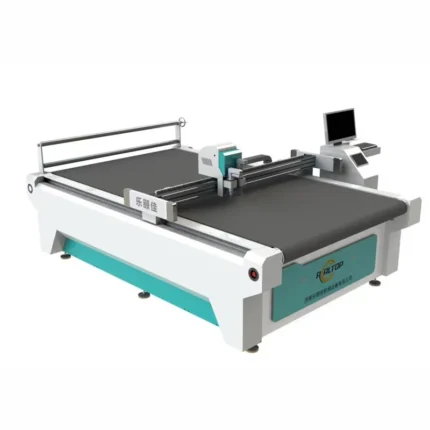
2026 CNC Gasket Cutter Pneumatic Knife Asbestos Rubber
Product Introduction
CNC Gasket Cutter Machine 2026 with pneumatic knife, ideal for cutting asbestos, non-asbestos, cork, PTFE, and rubber materials. Precision-engineered for efficient gasket production.
Key Specifications
| Cutting Material | Asbestos, Non-Asbestos, Cork, PTFE, Rubber |
| Knife Type | Pneumatic |
| Control System | CNC |
| Model | 2026 |
2026 Full Automatic CNC Rubber Gasket Cutting Machine
Product Introduction
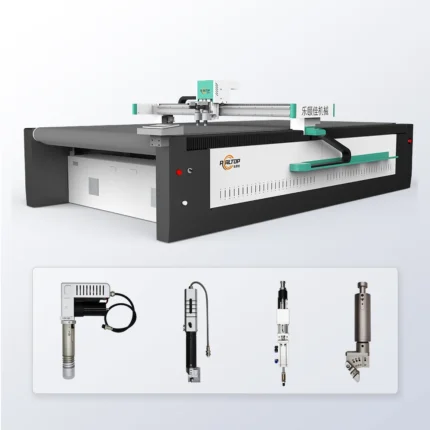
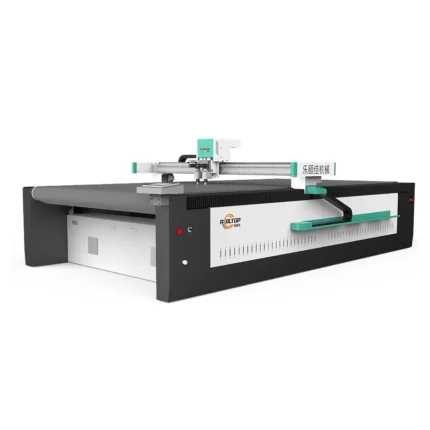
Full Automatic CNC Rubber Gasket Cutting Machine 2026, a blade-based plastic cutter designed for precise and efficient cutting of rubber gaskets and plastic materials with automated CNC control.Technical Parameters
| Type | Full Automatic CNC Cutting Machine |
| Cutting Method | Blade-Based |
| Application | Rubber Gaskets, Plastic Materials |
| Control System | CNC |
CNC Gasket Cutter 2026 ISO Certified High Quality
Product Parameters
| Certification | ISO Certified |
| Application | Cylinder Head Gasket Cutting |
| Type | CNC Gasket Cutter |
| Quality | High Quality |
| Year | 2026 |
Introduction
This high-quality CNC Gasket Cutter, ISO certified, is designed for precise cylinder head gasket cutting. Ideal for professional manufacturing, ensuring accuracy and reliability in 2026 production standards.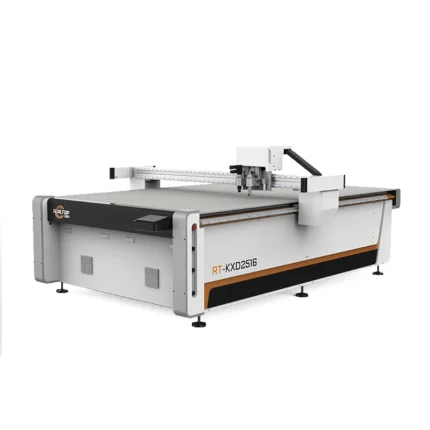
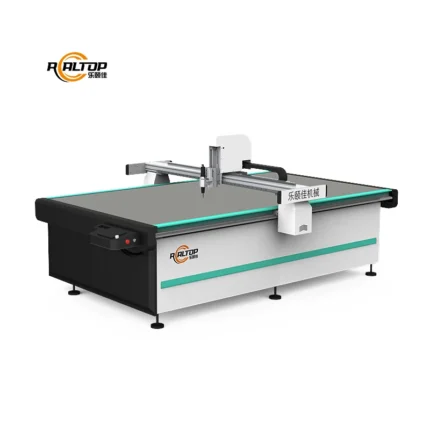
CNC Oscillating Knife Cutting Machine 2026 for Flexible Materials
Product Introduction
2026 CNC Oscillating Knife Cutting Machine, ideal for asbestos, cork, rubber, PTFE, felt, foam. Precision cutting solution from China's leading welding & cutting equipment manufacturer.
Product Parameters
| Model | 2026 |
| Type | CNC Oscillating Knife Cutting Machine |
| Materials | Asbestos, Cork, Rubber, PTFE, Felt, Foam |
| Manufacturer | China Leading Factory |
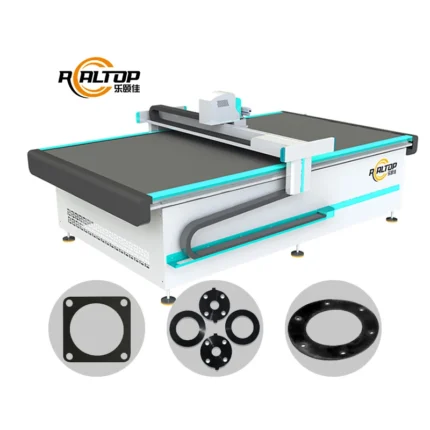
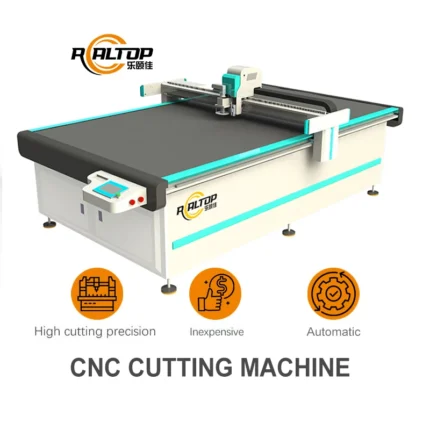
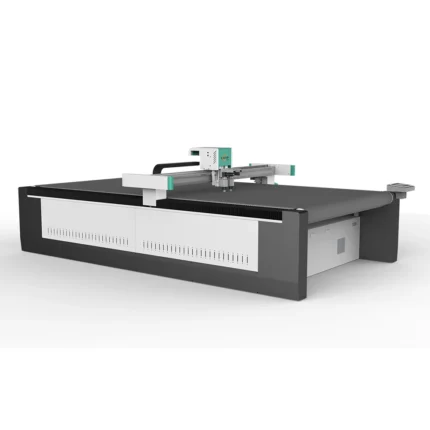
Realtop 2026 CNC Gasket Cutter High-Precision Vibrating Knife
Product Introduction
Realtop CNC Gasket Cutting Machine 2026 with high-precision vibrating knife, ideal for cutting rubber and cylinder head gaskets with accuracy and efficiency.
Key Specifications
| Model | Realtop CNC Gasket Cutting Machine 2026 |
| Cutting Tool | High-Precision Vibrating Knife |
| Applicable Materials | Rubber, Cylinder Head Gaskets |
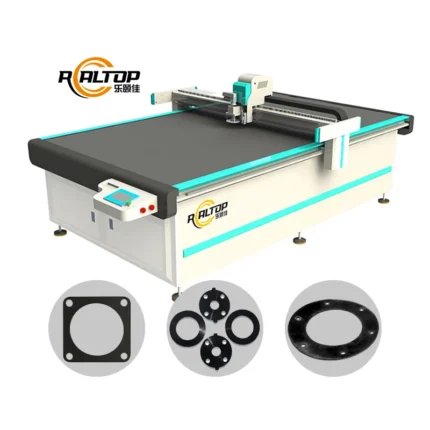
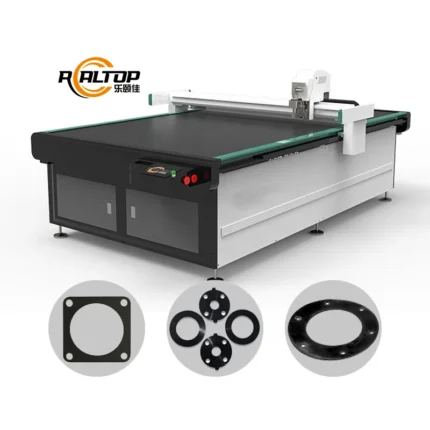
Realtop 2026 PVC Foam Board Cutting Machine
Product Introduction
A specialized cutting solution for PVC foam boards, ideal for precision cutting tasks in various manufacturing and fabrication applications. Engineered for efficiency and reliability in processing PVC foam materials.Product Parameters
| Model | Realtop PVC Foam Board Cutting Machine 2026 |
Realtop CNC Gasket Cutter 2026 High-Speed Rubber PTFE Cutter
Product Introduction
Realtop CNC Gasket Cutting Machine 2026, a high-speed digital cutter designed for precise cutting of rubber, PTFE, and cork materials, ideal for efficient gasket production.
Product Parameters
| Model | Realtop CNC Gasket Cutting Machine 2026 |
| Type | High-Speed Digital Cutter |
| Materials | Rubber, PTFE, Cork |
商品评价
There are no reviews yet.