





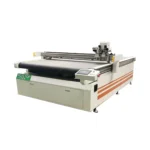

Static Table Digital Cutting Plotter for PVC Textile – Manufacturer
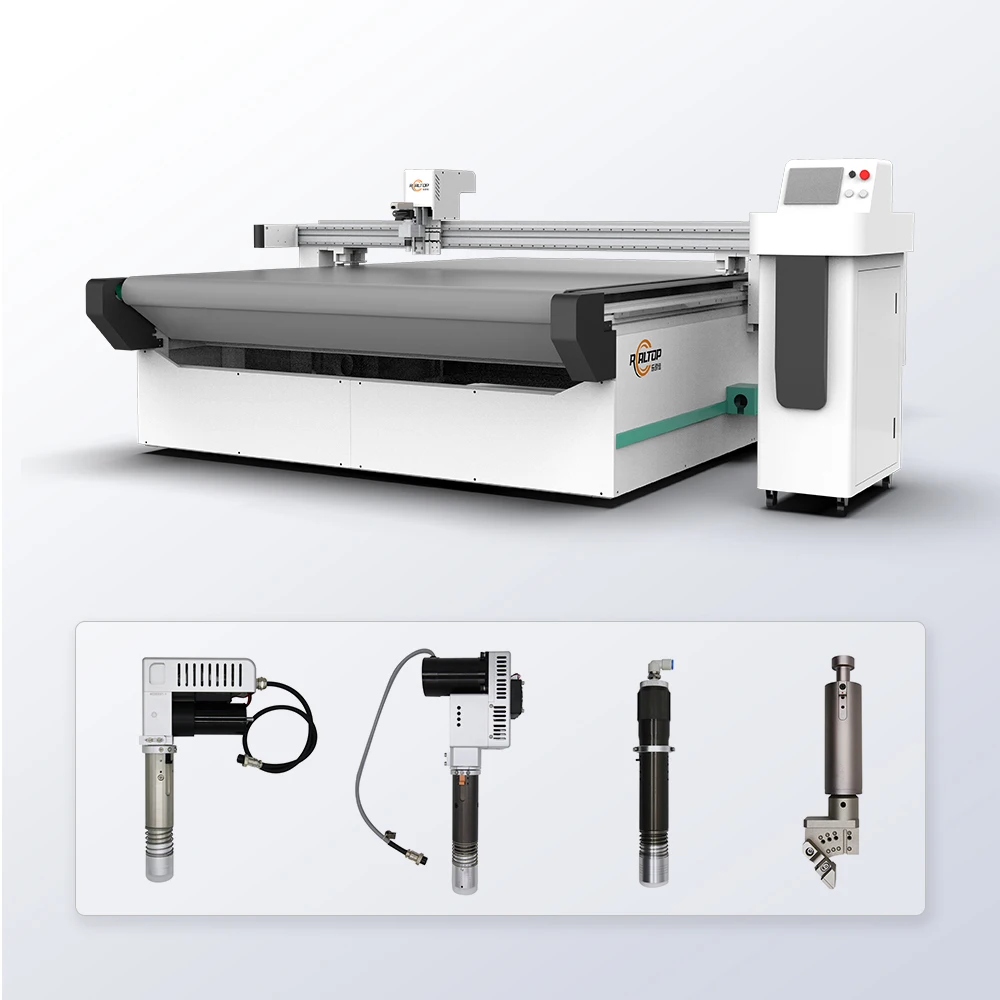
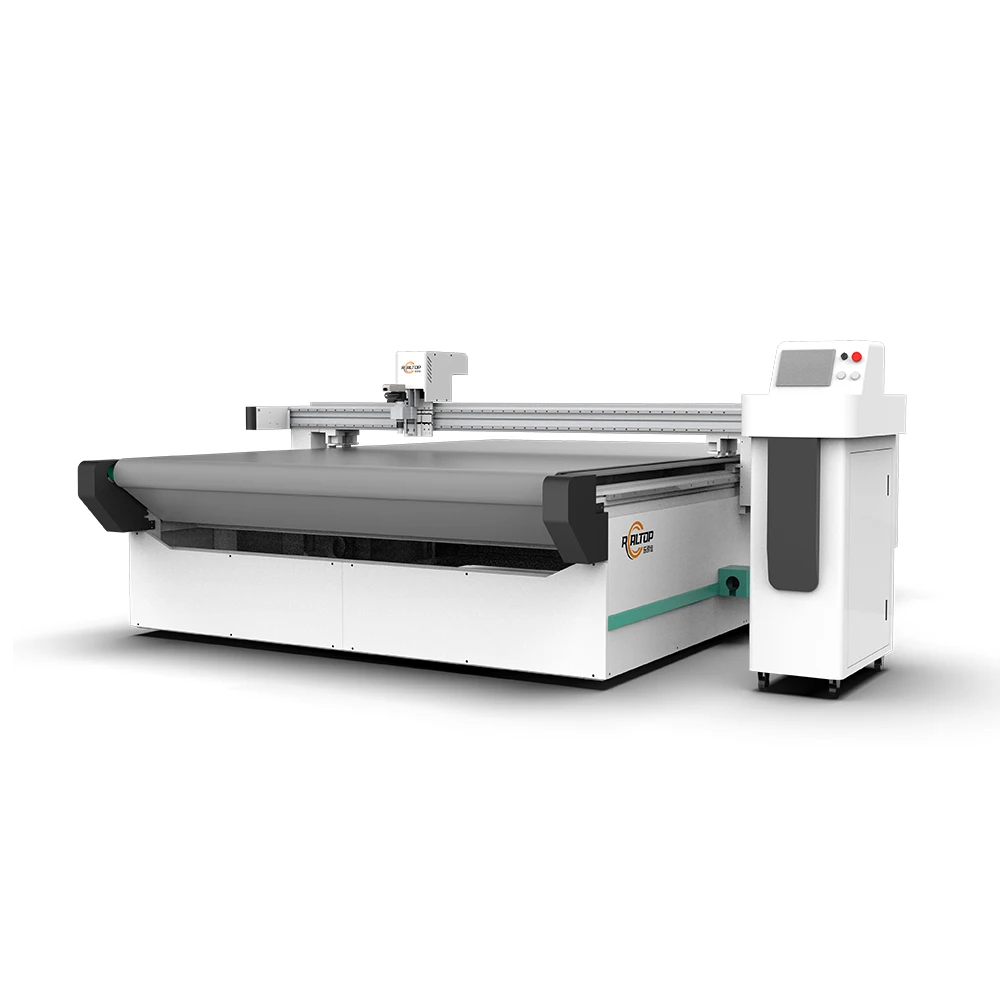
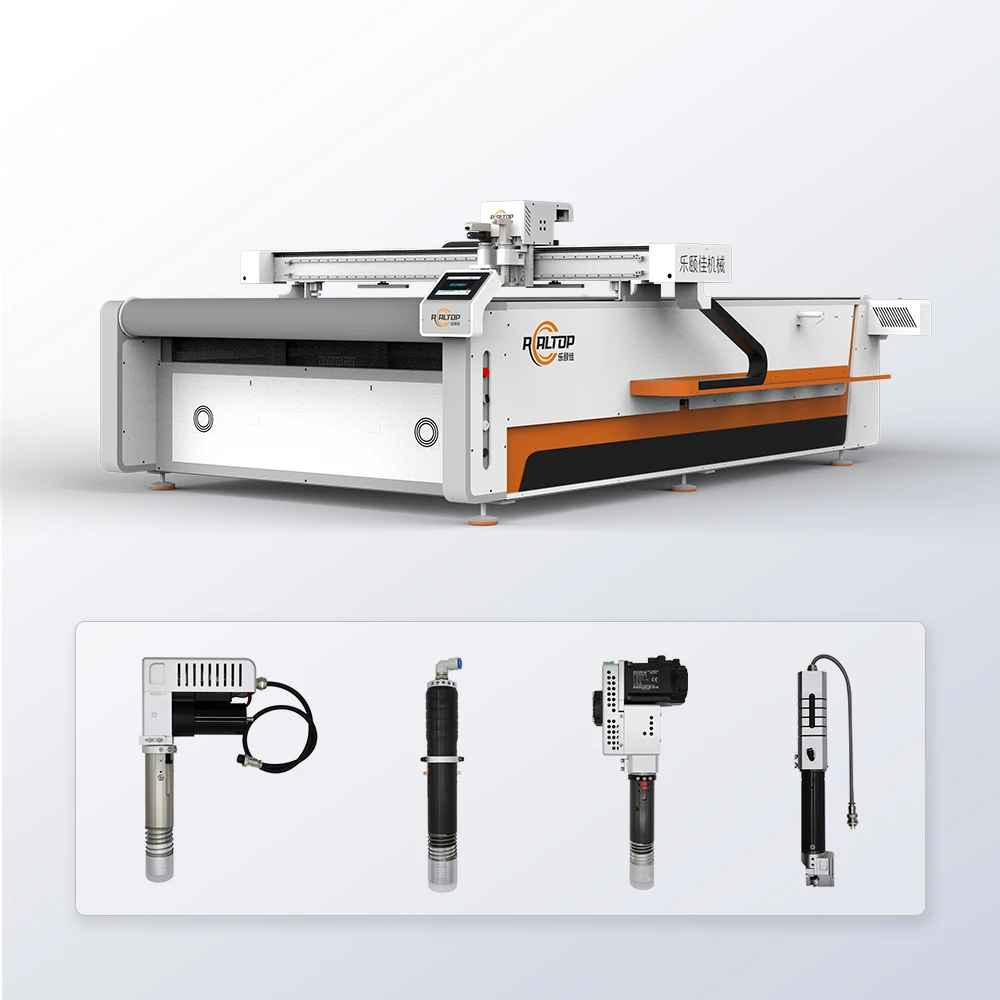
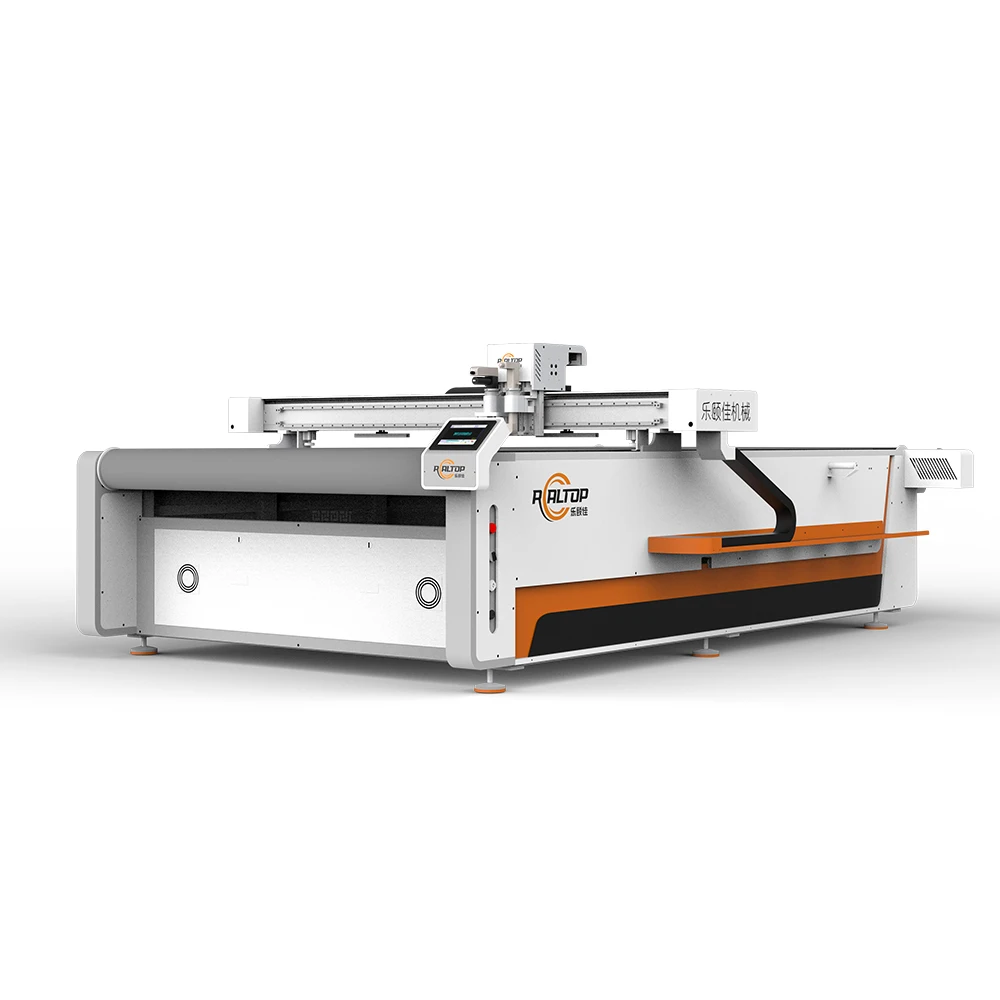
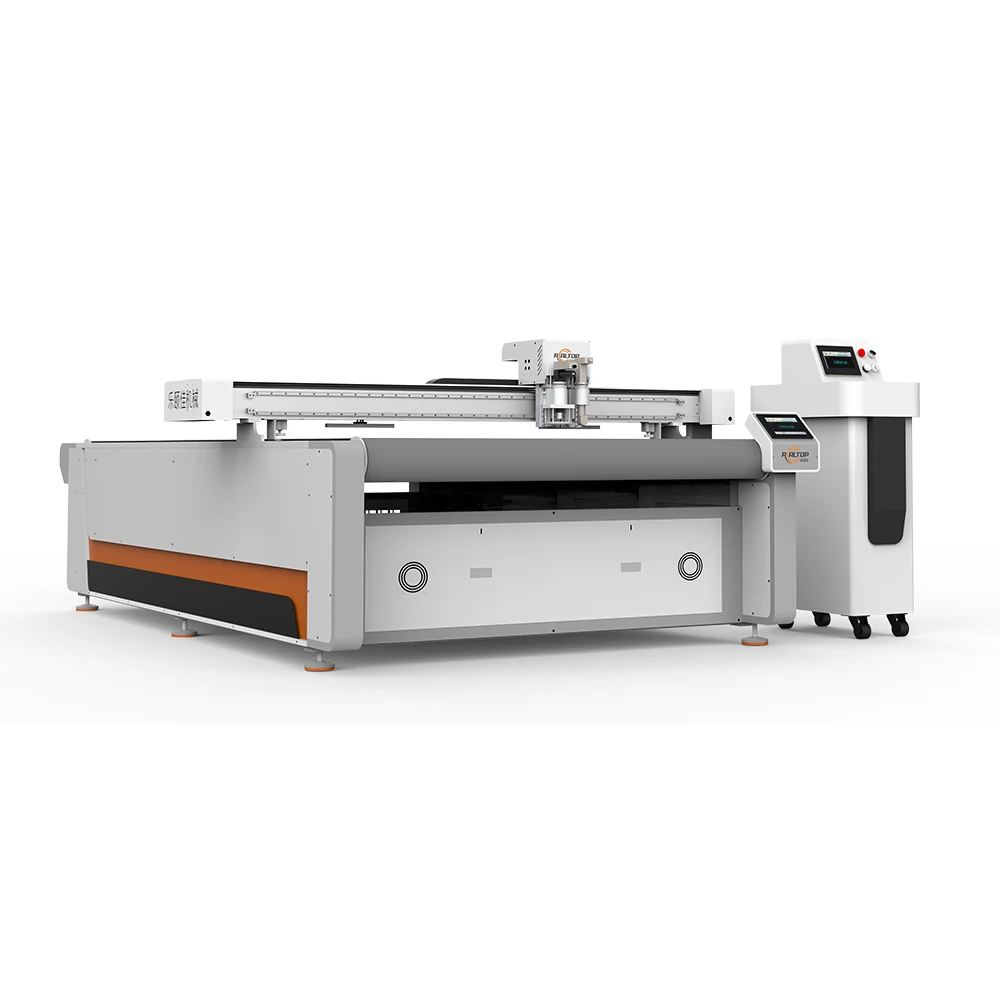
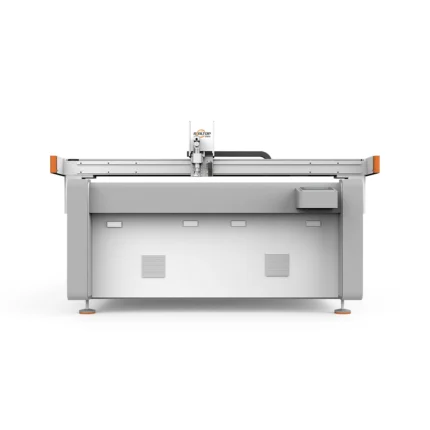
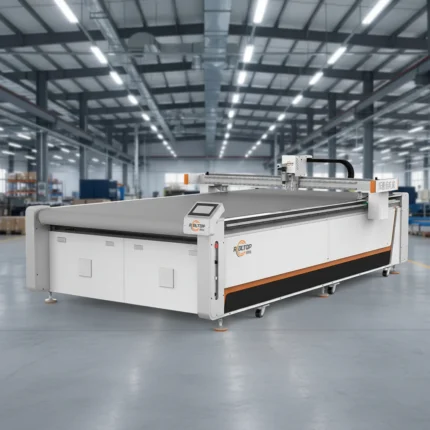
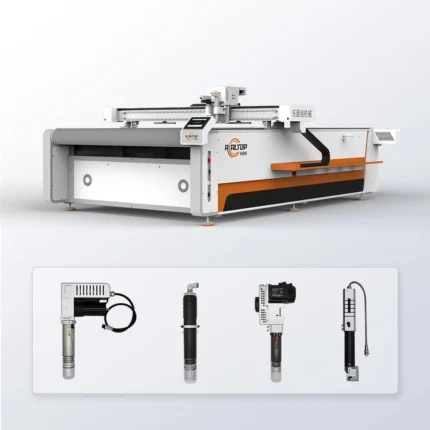
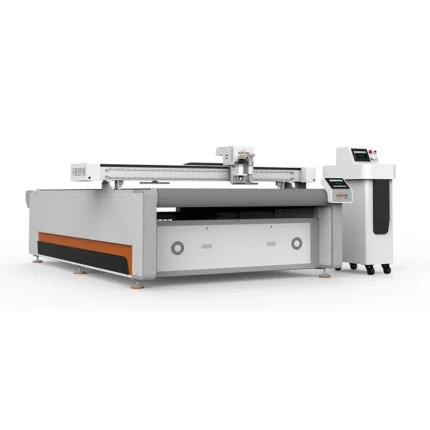
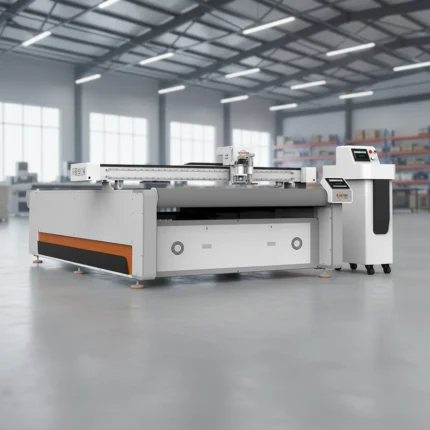
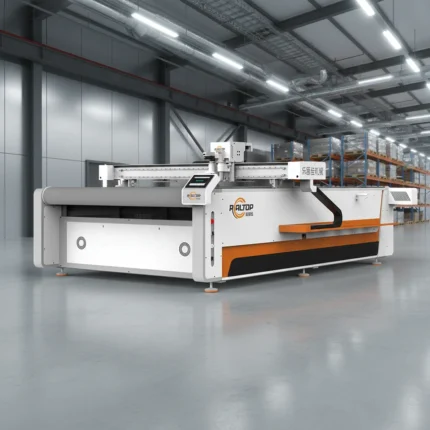
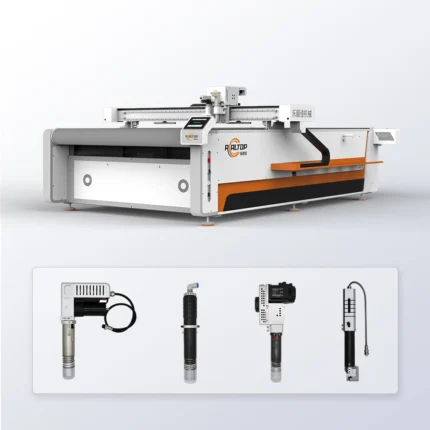
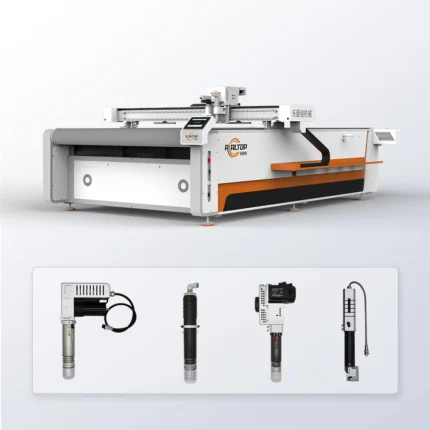
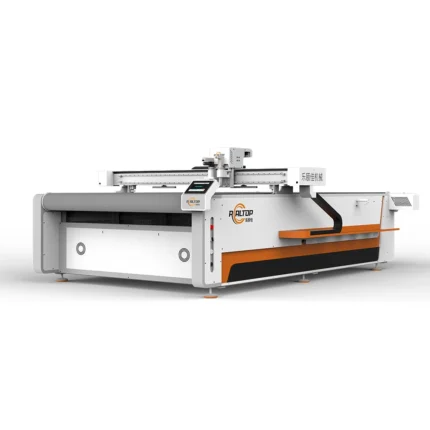
Cloth CNC Cutting Machine, 1600×2500mm working area, oscillating and rotary knife tools — engineered for textile and fabric processing without thermal damage. Cold knife cutting eliminates scorching, sealed-edge fraying and toxic fumes common with laser on synthetics. Multiple interchangeable tool heads match the cutting method to material thickness and type rather than forcing one process.
- PLC control with customizable language and DXF/PLT/AI/PDF file import compatibility
- Aluminum bellows vacuum table with 9KW pump for full-surface material hold-down
- Sample cutting on buyer’s own material confirms edge quality and dimensional accuracy before commitment
Blade-Process Matching — Every tool head and vacuum zoning layout is specified against the buyer’s actual fabric weight and layer count before the CNC oscillating knife cutting machine for textile enters production.
Technical Specifications
| Parameter | Value |
|---|---|
| Product Type | CNC Oscillating Knife Cutting Machine |
| Working Area | 1600 × 2500 mm |
| Tool Head Options | Oscillating knife, driven rotary knife, creasing wheel, kiss cutting tool, pneumatic knife, milling tool, V-groove knife |
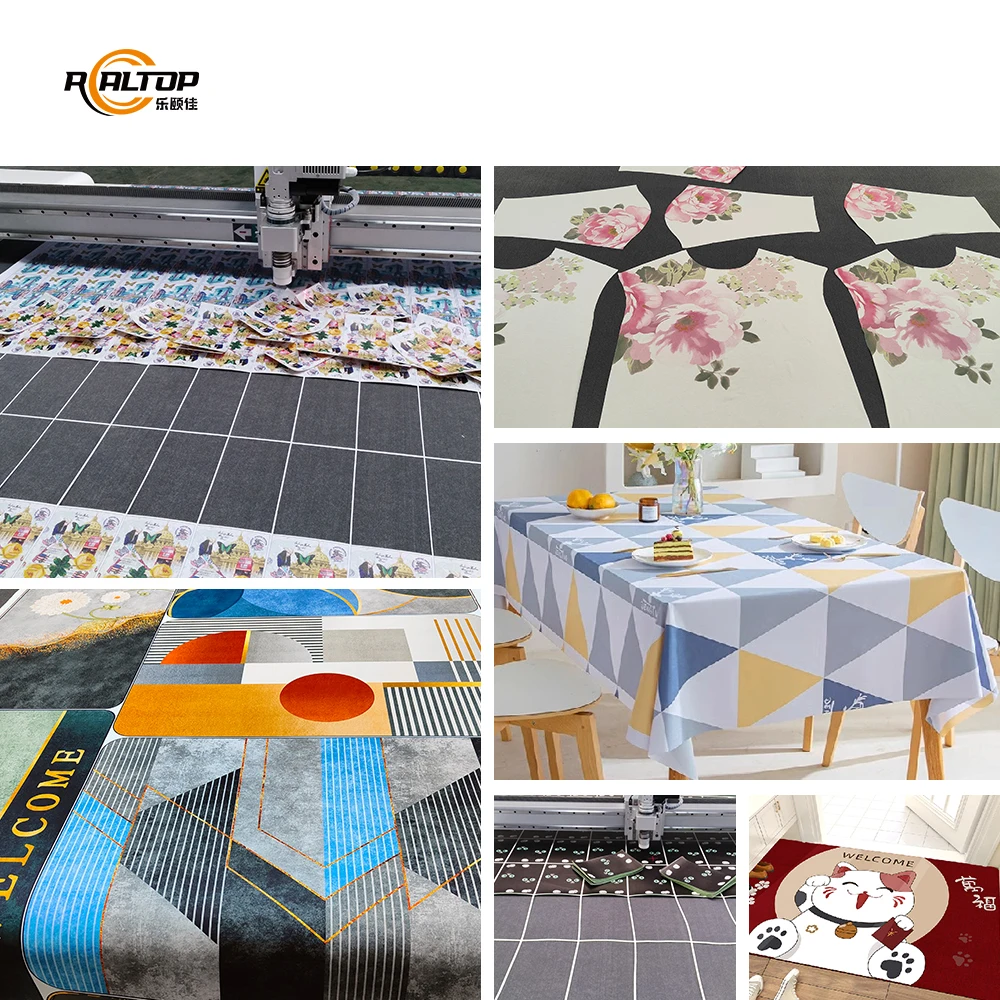
| Applicable Materials | Fabric, cardboard, carton, mats, PVC, EVA, leather, acrylic, foam, PTFE, rubber |
| Cutting Speed | 0–2000 mm/s (basis to be confirmed per fabric weight and layer count) |
| Cutting Thickness | Up to 30 mm single layer; multi-layer up to 30–50 mm (basis to be confirmed) |
| Cutting Accuracy | ±0.1 mm |
| Repeat Positioning Accuracy | ±0.1 mm |
| Vacuum Pump | 9 kW |
| Vacuum Table | Aluminum bellows vacuum table |
| Voltage Options | 110V, 220V, 380V (frequency to be confirmed) |
| Profile Format | PLT, DXF, AI, PDF |
| Control Panel | PLC control panel with customizable language (English, Russian, Italian, Chinese, special languages customizable) |
| Safety Device | Infrared sensor and emergency stop |
| Machine Frame | Heavy-duty frame with precision-ground surface |
| Servo Motor Options | Panasonic, Delta, Dorna (source value — verify against manufacturer catalog) |
| Nesting System | Intelligent nesting with automatic defect avoidance |
| Machine Size | 3300 × 2100 × 1350 mm |
| Certification | CE |
Application Suitability
| Application | Material or Output |
|---|---|
| Apparel Manufacturing | Suits, knitwear, lace, complex woven fabrics, pattern-matching layouts |
| Automotive Interiors | Seat fabrics, floor carpets, PVC mats requiring burr-free edges |
| Home Textiles | Sofa fabrics, curtains, rugs in multi-layer cutting stacks |
| Composite Material Processing | Carbon fiber prepreg, aramid fabrics, specialty technical textiles |
Why Cold Knife Cutting Outperforms Laser on Synthetic Textiles
Thermal damage is the silent cost in laser textile processing, and cold knife cutting eliminates it entirely.
When I first started running lab tests on CO2 laser cutters for fabric, the cut edges on standard polyester looked clean enough to sign off. It was only when a buyer switched to their actual production material — a flame-retardant coated composite — that the truth came out: charred edges, incomplete penetration, and toxic fume output that required extraction upgrades nobody had budgeted for. A CNC oscillating knife cutting machine for textile avoids all three failure modes by removing heat from the equation. The blade severs fibers mechanically, leaving the edge structure intact and the workshop air unchanged [NEED_CITE: thermal degradation thresholds for coated technical textiles].
Blade Selection Dictates Edge Quality More Than Speed Does
An oscillating knife handles woven and knitted fabrics cleanly at production speeds, but switch to a plush or pile textile and the driven rotary knife becomes necessary to shear without pulling fibers. The seven tool head options on this cutting plotter exist because no single blade geometry works across every textile structure. Selecting the correct tool head against the buyer’s material library is the first decision in the configuration process, and it must be validated on sample cuts before the CNC oscillating knife cutting machine for textile is locked into a build specification.
Vacuum Zoning Determines Whether Small Pattern Pieces Stay Flat
A 9 kW vacuum pump delivers strong total adsorption across the aluminum bellows table surface, but garment pattern pieces vary dramatically in footprint. A large back panel holds easily; a small collar piece can lift at the edges during high-speed cutting if the vacuum zone cannot be isolated beneath it. Buyers producing intricate garment components need to confirm how many independent vacuum zones the table provides and whether each zone can be activated separately. Without this verification, cutting speed claims become irrelevant because the machine must slow down to compensate for part movement [NEED_CITE: vacuum zoning requirements for small-format textile cutting].
What the Specification Sheet Actually Means on the Shop Floor
The ±0.1 mm cutting and repeat positioning accuracy matters most when pattern pieces must align with pre-printed graphics or when nested pieces leave minimal kerf waste. The intelligent nesting system with automatic defect avoidance supports this by routing cuts around fabric flaws rather than forcing the operator to manually reposition material. The PLC control panel accepts PLT, DXF, AI, and PDF files, which removes the file conversion bottleneck that stalls many production starts. Servo motor selection across Panasonic, Delta, and Dorna options allows the drive system to be matched to the buyer’s preference for spare parts availability in their local market, rather than locking them into a single supply chain.
The Configuration Mistakes That Surface After Delivery
I have watched a buyer specify a machine based on working area alone, only to discover their 40 mm multi-layer foam stack exceeded the cutting depth the standard oscillating knife could handle. The tool head had to be swapped for a pneumatic knife, which meant a new mounting plate, recalibration, and a delayed production start. Another buyer ordered without confirming voltage and frequency, and the 9 kW vacuum pump motor burned out within a week on incompatible power supply. These are not manufacturing defects; they are specification gaps that shift the cost and delay onto the buyer [NEED_CITE: common specification mismatches in textile cutting equipment procurement].
What the Manufacturer Brings to This Machine Class
In-house design and production cover both knife and laser cutting technologies, so the buyer receives an honest recommendation on whether cold knife or thermal cutting suits their material, rather than a forced fit to one method. Tool head and table configuration is specified per material type and daily volume, not quoted as a standard package. Software compatibility is confirmed against the buyer’s existing nesting workflow before order placement. Voltage, control language, and safety device specifications are locked in during the quotation stage. Sample cutting runs on the buyer’s own material provide a physical report before commitment, eliminating the guesswork that causes the failures described above.
Documentation & Verification
- Machine specification sheet listing confirmed tool heads and vacuum zone count
- Electrical schematic with voltage, frequency, and plug type locked per destination market
- Sample cutting report on buyer’s fabric at target layer thickness and speed
- Tool head and table configuration list matched to buyer’s material library
- Software licence with confirmed PLT, DXF, AI, PDF file format compatibility
- Factory test record documenting accuracy verification before crating
Installation, Commissioning & Support
- Heavy-duty frame at 3300 × 2100 × 1350 mm requires level concrete floor with adequate clearance for material loading
- 9 kW vacuum pump demands dedicated circuit; confirm voltage and frequency match before electrical rough-in
- Machine ships as single assembly; fork-lift access and overhead clearance needed for placement
- First-run commissioning includes tool head calibration and vacuum zone mapping for buyer’s typical pattern sizes
- Operator training covers PLC panel navigation in selected language and nesting software workflow
- Spare parts list identifies consumable blades, vacuum seals, and servo-specific components by supplier
What We Need to Quote Accurately
Send the fabric type, weight per square meter, and whether you cut single-ply or multi-layer stacks, along with your maximum sheet dimensions and daily piece count. Confirm your workshop voltage and frequency, preferred control panel language, and whether your existing nesting files are in DXF, PLT, AI, or PDF format. If your material includes coatings, laminations, or flame-retardant treatments, provide a sample roll so we can run cutting tests before finalizing the tool head and vacuum table configuration.
Frequently Asked Questions
Q: How do I decide between knife cutting and laser cutting for my textile products?
A: Laser cutting seals edges on synthetics, which suits applications requiring fray prevention, but it generates heat that scorches coated or flame-retardant fabrics and produces fumes requiring extraction. Cold knife cutting leaves the fiber structure unaltered with no thermal damage and no fume output. The decision depends on your specific material composition and edge finish requirements. We run sample cuts on your actual fabric to determine which method produces the correct result.
Q: What vacuum zoning do I need if I cut small garment pattern pieces?
A: Small pieces require isolated vacuum zones directly beneath them to prevent edge lift during high-speed cutting. A single-zone table loses suction across uncovered areas, reducing hold-down force on small parts. Confirm the number of independently controllable zones on the aluminum bellows table and whether they can be activated based on the pattern layout being cut.
Q: How can I verify the cutting speed against my actual production throughput?
A: Published speed figures of 0–2000 mm/s represent the mechanical travel range, not achievable throughput on a specific fabric. Actual speed depends on material thickness, layer count, pattern complexity, and the tool head selected. Request a sample cutting report run on your material at your target layer stack and measure the cycle time against your daily volume requirement.
Q: Will the machine accept my existing nesting files without software conversion?
A: The PLC control system imports PLT, DXF, AI, and PDF profile formats directly. If your current nesting software exports in one of these formats, no intermediate conversion is required. Confirm file compatibility during the quotation stage by sending a sample production file for import testing before the machine enters build.
Q: What voltage and language options are available for my market?
A: The machine is configurable for 110V, 220V, and 380V power supplies, with frequency to be confirmed per destination. Control panel language options include English, Russian, Italian, and Chinese, with special languages customizable. Lock these specifications during the quotation stage to avoid electrical incompatibility or operator interface issues at commissioning.


Related products
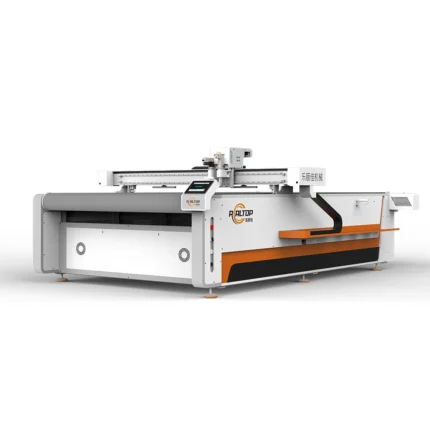
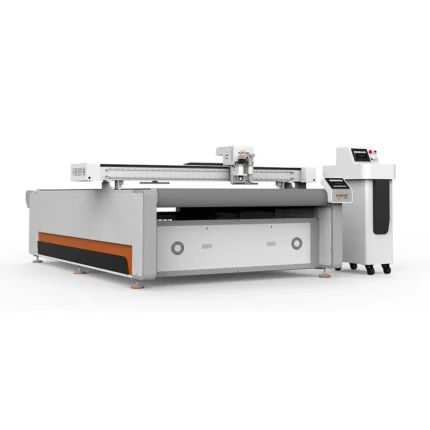
2026 Auto CNC Cloth Cutting Machine High-Precision Fabric Leather Plotter
Product Introduction
2026 Auto CNC Cloth Cutting Machine, a high-precision fabric & leather plotter designed for efficient cutting. Ideal for textile and leather industries with advanced CNC technology.
Key Specifications
| Model | Auto CNC Cloth Cutting Machine 2026 |
| Application | Fabric & Leather |
| Precision | High-Precision Cutting |
| Type | CNC Plotter |
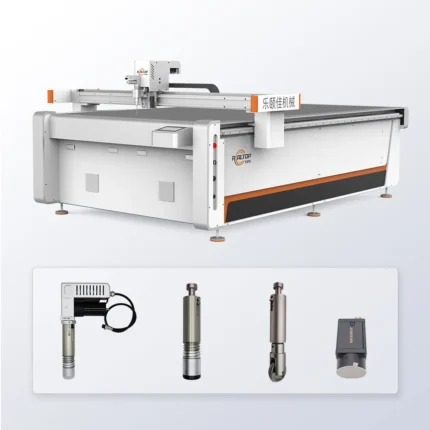
2026 Carbon Fiber Cloth Cutting Machine – China Manufacturer
Product Introduction
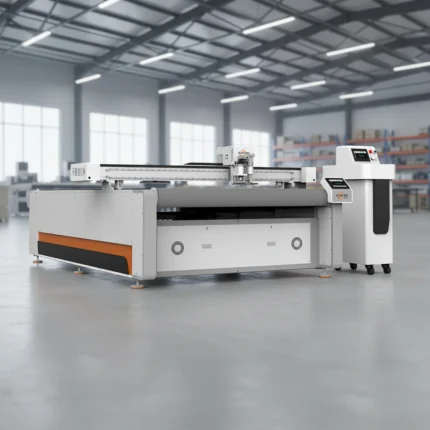
Fabric Sample Cutter Pillow Machine ¨C 2026 Carbon Fiber Cloth Cutting Machine, ideal for precise cutting of carbon fiber cloth and fabric samples, suitable for pillow production and related textile applications.Product Parameters
| Name | Fabric Sample Cutter Pillow Machine |
| Model | 2026 |
| Material | Carbon Fiber Cloth |
| Application | Pillow Fabric Cutting |
2026 CNC Knife Cutting Machine for Fabric Leather PVC Hot Sale
Product Introduction
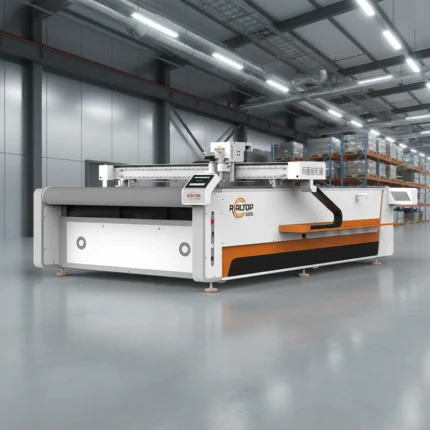
2026 Hot Sale CNC Knife Cutting Machine for Fabric, Leather, PVC. Ideal for precise cutting of various materials with advanced CNC technology, perfect for manufacturing needs.
Product Parameters
| Application | Fabric, Leather, PVC |
| Type | CNC Knife Cutting Machine |
| Feature | Precision Cutting |
| Year | 2026 Model |
Automatic Multi-Layer Vibrating Knife Cutter 2026
Product Introduction
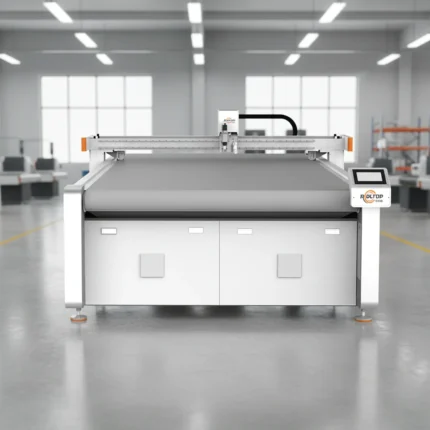
Automatic Multi-Layer Vibrating Knife Cutter 2026, ideal for precise cutting of various materials with multi-layer processing capability, enhancing production efficiency.
Key Specifications
| Type | Automatic Vibrating Knife Cutter |
| Layer Capacity | Multi-Layer |
| Model | 2026 |
| Function | Precision Cutting |
CNC Vibration Knife System 2026 for Polyester Nylon Non-Woven Prepreg
Product Introduction
CNC Vibration Knife System 2026 is ideal for cutting polyester, nylon, non-woven fabrics, and prepreg materials with precision and efficiency, suitable for industrial manufacturing needs.Product Parameters
| Model | 2026 |
| Cutting Technology | CNC Vibration Knife |
| Materials | Polyester, Nylon, Non-Woven, Prepreg |

Jinan Realtop PVC Cutting Machine 2026 CE Certified
Product Introduction
Jinan Realtop PVC Cutting Machine 2026 is a CE-certified cutting solution, ideal for precise PVC material processing. Designed for efficiency and reliability in industrial applications.Product Parameters
| Model | 2026 |
| Certification | CE Certified |
| Application | PVC Cutting |
| Manufacturer | Jinan Realtop |
Realtop CNC Fabric Cutting Machine 2026 CE Certified
Product Introduction
Realtop CNC Fabric Cutting Machine 2026, CE Certified, ideal for precision fabric cutting with advanced CNC technology. Engineered for efficiency and reliability in textile manufacturing processes.Key Specifications
| Model | Realtop CNC Fabric Cutting Machine 2026 |
| Certification | CE Certified |
商品评价
There are no reviews yet.