

Surgical Gown Cutting Machine 2026 High-Precision Fabric Die Cutter | Manufacturer
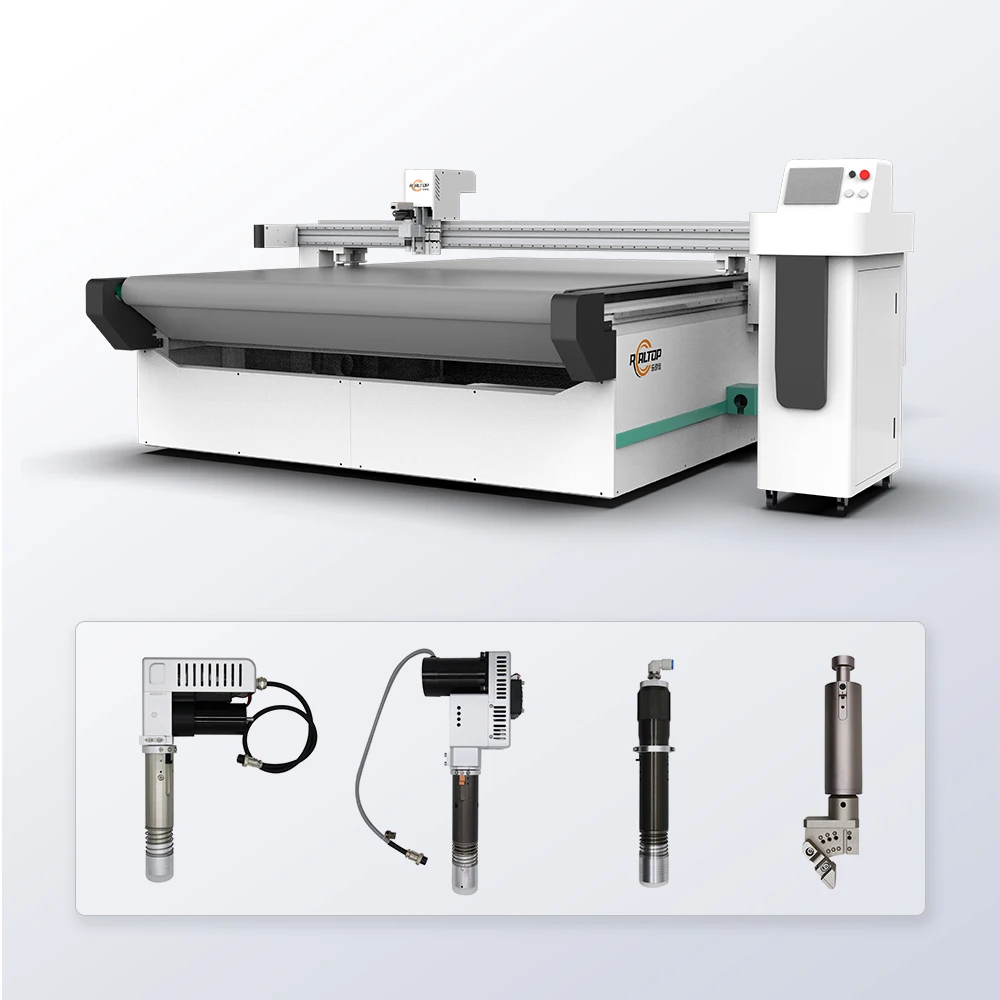
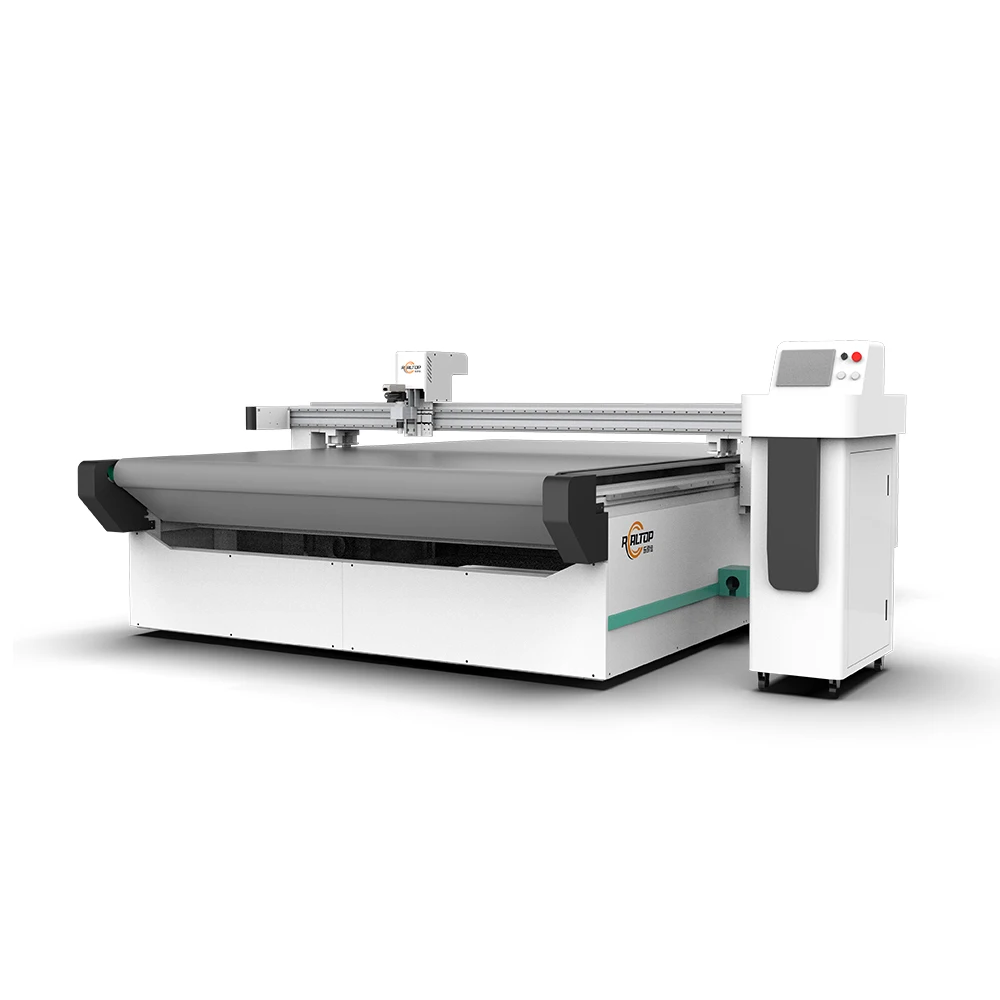
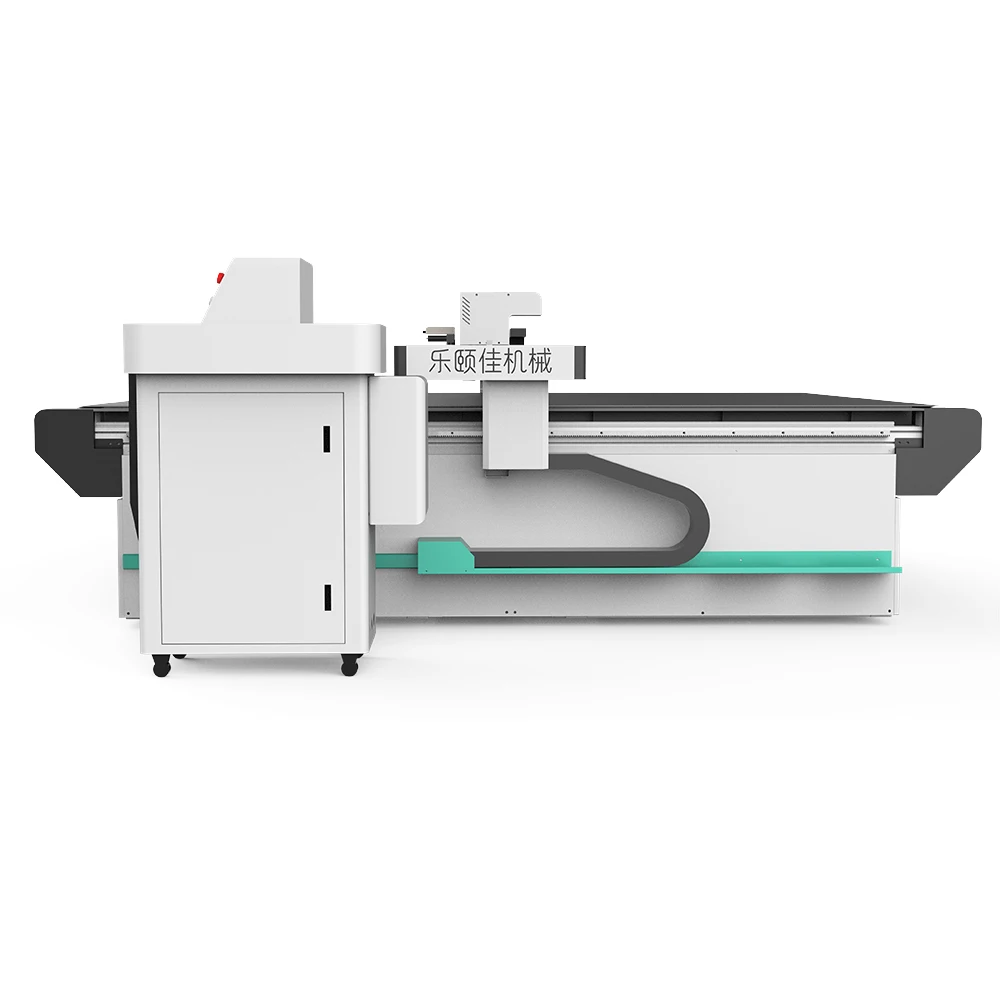
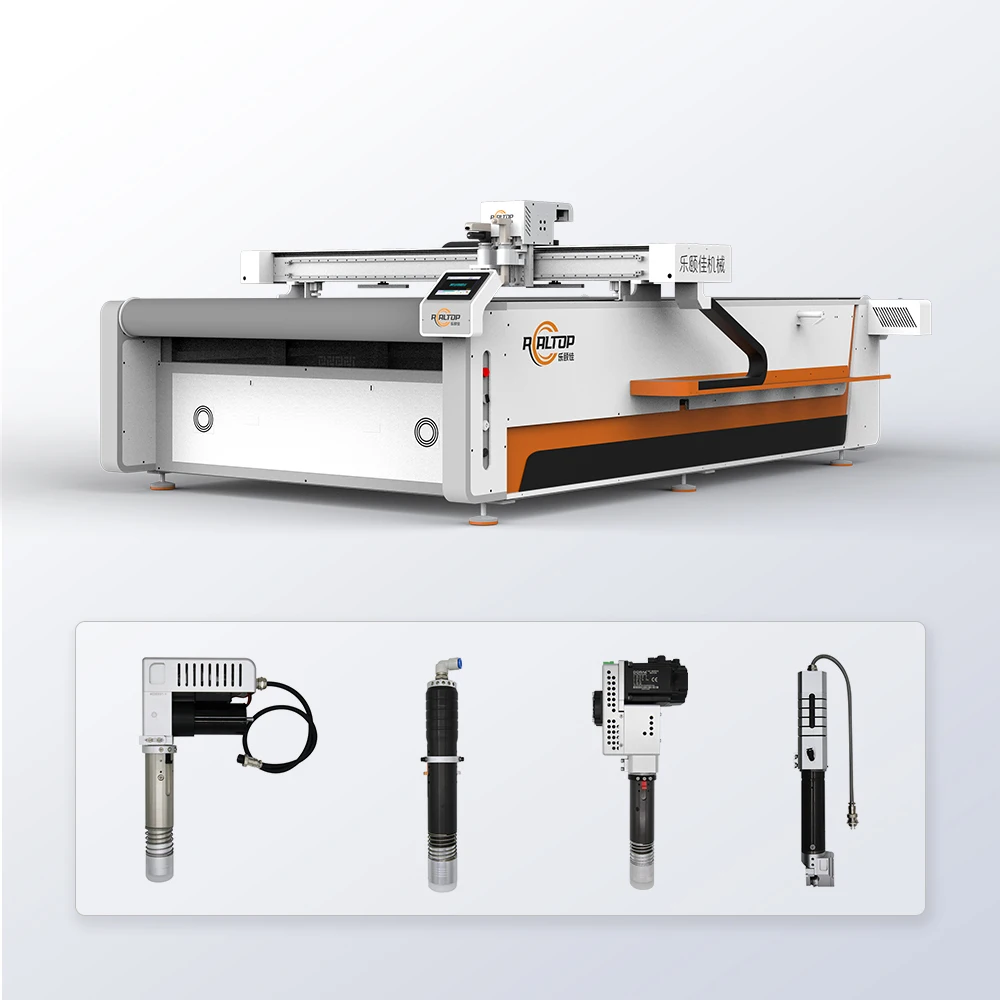
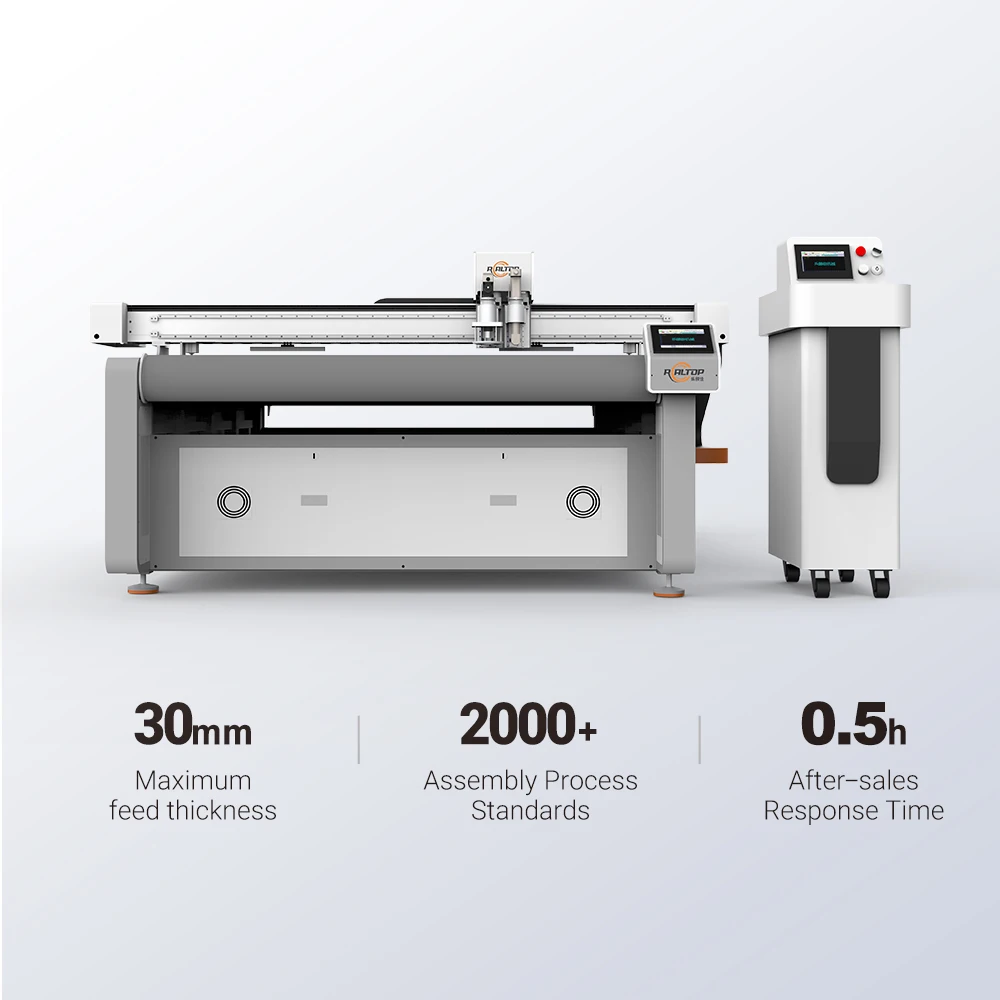
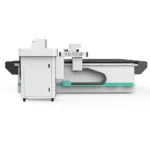
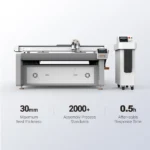
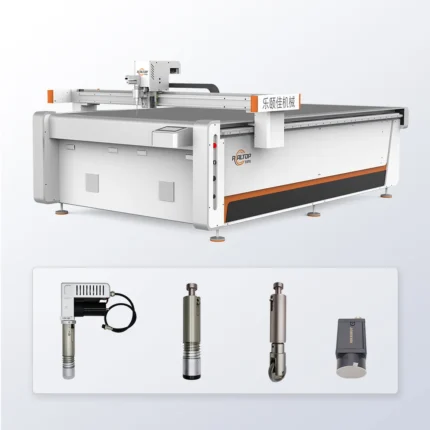
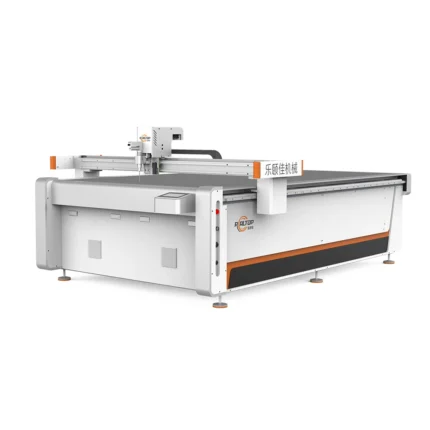
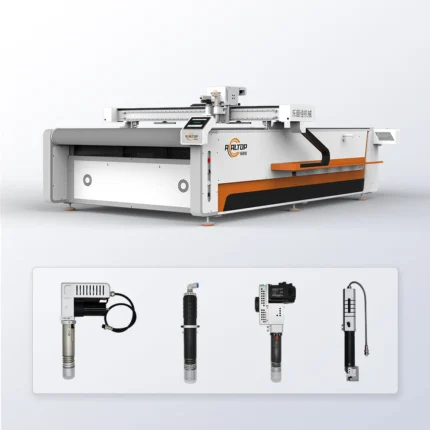
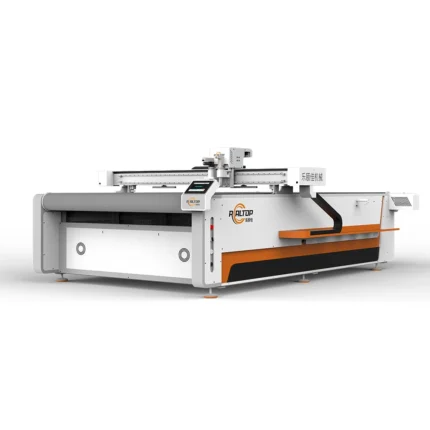
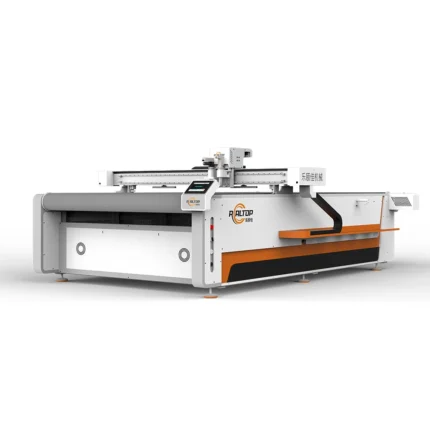
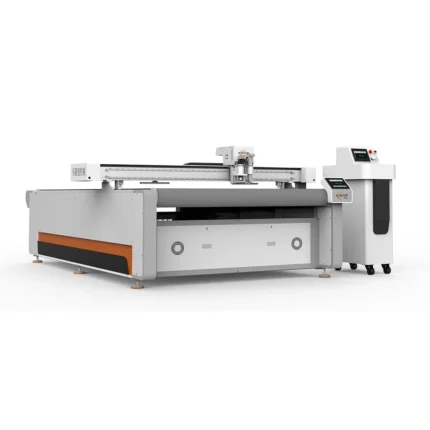
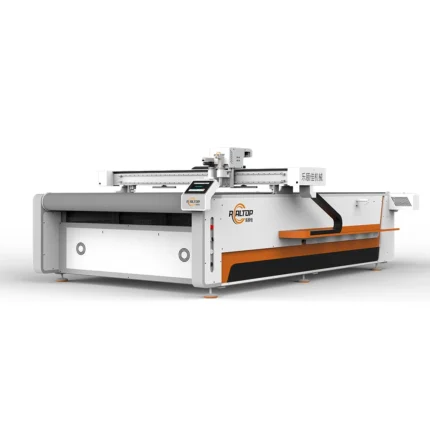
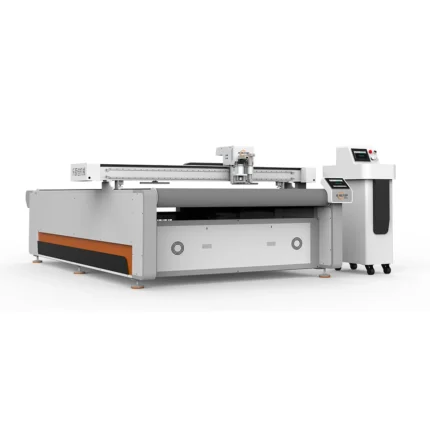
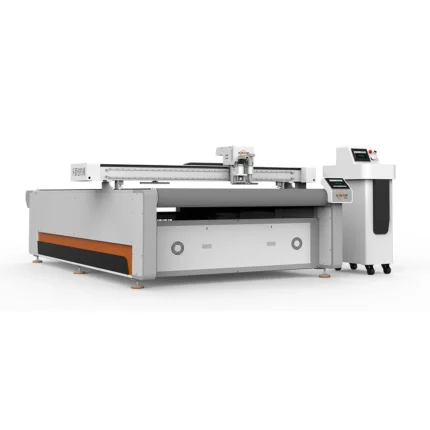
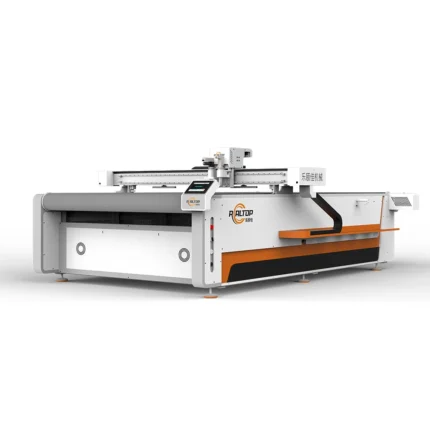
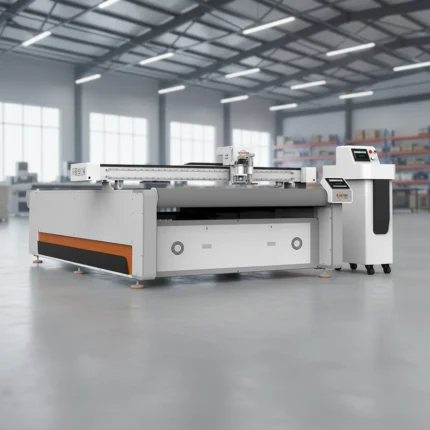
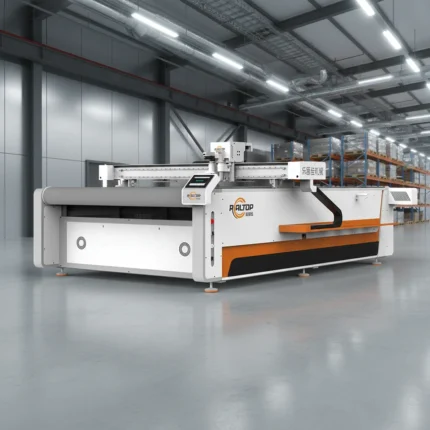
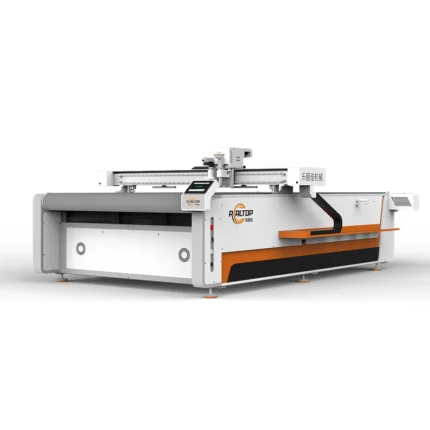
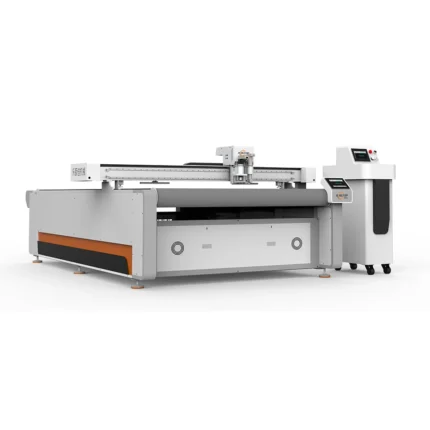
RT-D2516/RT-S2516 CNC Oscillating Knife Cutting Machine, 1600×2500mm Working Area, 9kW — engineered for high-precision fabric and soft material processing. CO2 versus fiber laser selection starts with matching the cutting method to your material; this oscillating knife system delivers straight, burr-free edges without thermal damage to textiles and composites. CCD camera positioning and zoned vacuum table ensure registration accuracy at production speed. Request sample cutting on your own material to verify edge quality, cutting depth and throughput before commitment.
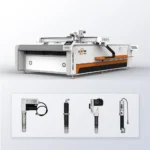
Precision Tooling Match — the multifunctional head is configured around your specific fabric stack and composite layers, not sold as a one-size unit.
Technical Specifications
| Parameter | Value |
|---|---|
| Model | RT-D2516/RT-S2516 |
| Product Type | CNC Oscillating Knife Cutting Machine |
| Working Area | 1600 × 2500 mm |
| Machine Size | 3450 × 2300 × 1250 mm |
| Rated Power | 9 kW |
| Voltage | 380V ± 10% |
| Translational Velocity | 800 – 2000 mm/s |
| Cutting Speed | 200 – 800 mm/s (basis not stated in source) |
| Cutting Thickness | ≤ 100 mm (varies with material density and tool head) |
| Repeated Accuracy | ≤ 0.1 mm |
| Transmission System | Digital servo motor, linear guide, synchronous belt, ball screw |
| Servo Motor Options | Delta or Panasonic (IP67 waterproof) |
| Control System | Touch screen panel, HP-GL compatible format |
| Tool Head Options | Oscillating knife, pneumatic knife, high-power vibrating knife, circular knife, V-cutting knife, drag knife, creasing wheel, dotted line knife, punching, brush |
| Knife Origin | Swiss imported blade with vibration full cutting, half cutting and cursor location |
| Visual Positioning | Small CCD camera mark point positioning, panoramic camera recognition, projection positioning |
| Vacuum Table | Magnesium-aluminum alloy with PVDF powder spraying, anodic and hard oxidation, 7.5 kW vacuum pump |
| Table Type Options | Flat working table, auto feeding table |
| Conveyor Belt | Germany imported |
| Linear Guide | Taiwan Hiwin rail |
| Safety Device | Infrared induction blocking, anti-collision, emergency stop |
| Software | Auto typesetting, supports PLT, DXF, AI |
| Language Options | English, Russian, Italian, Chinese; special languages customizable |
| Warranty | One year |
Application Suitability
| Application | Material or Output |
|---|---|
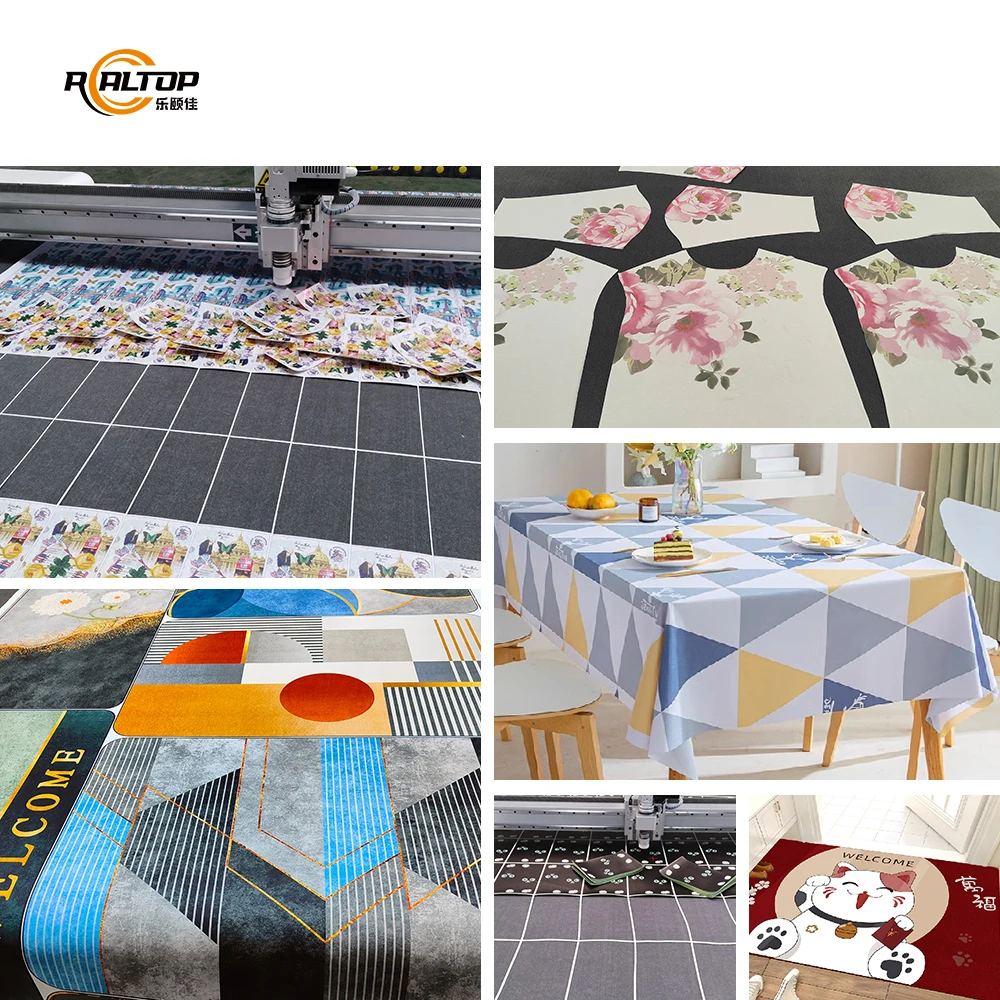
| Medical protective garments | SMS non-woven, spunbond-meltblown composites, breathable membrane laminates |
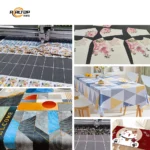
| Garment and footwear manufacturing | Woven and knit cloth, lining fabric, shoe upper material, luggage textile |
| Automotive interior components | Synthetic leather, PU and EVA foam, sponge composite, headliner fabric |
| Gasket and seal production | Rubber sheet, silicone, PTFE, ETFE, soft glass |
| Packaging sample making | Corrugated board, carton stock, greyboard |
| Signage and graphic finishing | Self-adhesive vinyl, sticker film, heat transfer material |
| Carpet and soft furnishing | Tufted carpet, floor mat, upholstery foam, cushion composite |
Why the Tool Head Must Match the Material, Not the Brochure
A vibration knife cutting clean non-woven at one thickness may crush a three-layer SMS composite at another, leaving ragged fibre protrusions along every cut edge.
I spent my early years on the assembly floor tightening bolts before moving into technical sales here in Shandong. Last year a Middle Eastern buyer needed a surgical gown cutting line and quoted the configuration against a standard non-woven sample. When production started, the actual feedstock turned out to be SMS composite with uneven interlayer bonding — the edge quality collapsed, and the entire batch was reworked. Since then I ask every buyer to send material samples first. We run the parameters, document the edge result, and only then formalise the tool head list. This laser cutting and engraving machine manufacturer approach applies equally to knife systems: the cutting method must follow the material, never the catalogue page [NEED_CITE: buyer rework rates from mis-specified cutting tooling].
Blade Selection by Fabric Construction
Woven textiles, non-wovens and laminated composites each demand a different oscillation frequency and blade geometry. The Swiss imported blade on this platform supports full vibration cutting for dense stacks, half cutting for kiss-cut applications and cursor location for start-point registration. When the material shifts from single-layer polyester lining to a four-layer foam-backed automotive headliner, the tool head changes from a standard oscillating knife to a high-power vibrating knife or pneumatic knife — the frame and motion system stay the same, but the cutting interface is reconfigured per job.
CCD Tracking at Production Speed
Printed contour recognition is only useful if the camera holds registration at the machine’s working translational velocity. The small CCD camera handles mark-point positioning for discrete panels, while the panoramic camera option recognises full-sheet printed layouts. On stretch fabrics and printed films that distort during feeding, the projection positioning option overlays the nest pattern directly onto the material surface, letting the operator visually verify alignment before the blade engages. Selecting the right visual system depends on whether the buyer runs pre-printed rolls or blank stock.
Vacuum Table Zoning and Small-Part Stability
A 1600 × 2500 mm bed holds large garment markers, but surgical gown panels and shoe uppers produce many small pieces that lift if suction is concentrated in a single zone. The magnesium-aluminum alloy table is finished with PVDF powder spraying and hard oxidation to resist abrasion from fibrous dust. The 7.5 kW vacuum pump, combined with configurable zoning, keeps narrow offcuts and curved pieces flat during high-speed oscillating passes. When the daily mix shifts between full-sheet nesting and small-part die-style cutting, zoning adjustments determine whether operators spend time repositioning lifted pieces [NEED_CITE: vacuum zoning requirements for mixed-format textile cutting].
Reading the Specification Sheet Against Your Material
The 9 kW rated power covers the servo drives, vacuum pump and control electronics simultaneously; the actual cutting force is delivered by the oscillating knife mechanism, not by spindle horsepower as in CNC routers. Repeated accuracy of ≤ 0.1 mm is measured on the linear guide and ball screw transmission — critical when garment pattern pieces share edges in a nested layout and a drift of even half a millimetre accumulates across a full marker. The Delta or Panasonic IP67 servo motors maintain positional holding during the rapid direction changes that an oscillating knife demands at each corner. Translational velocity reaches 2000 mm/s for repositioning moves, while the cutting speed range of 200–800 mm/s must be confirmed against the buyer’s specific fabric weight and ply count before throughput projections are made.
What Happens When the Wrong Head Is Shipped
A drag knife intended for vinyl will tear through woven cloth, leaving pulled fibres along bias-cut edges. A circular knife that handles single-layer canvas may fold the top ply of a five-layer lay-up before the bottom ply is fully severed. Without a pre-shipment sample cut report on the buyer’s actual material, these mismatches surface only after the machine is installed and production deadlines are already slipping. The cost is not the tool head — it is the downtime and the scrap pile [NEED_CITE: cost impact of post-installation tooling changeover].
Why Procure the Laser Cutting and Engraving Machine Manufacturer Knife Line Here
The design team covers both knife and laser cutting technologies under one roof, so the buyer can match the cutting method to the material rather than force a single process. Tool head and table configurations are specified per material type and daily volume before the order is locked. CCD camera positioning is validated against the buyer’s printed marks at working speed, not only during static alignment. Software file compatibility — PLT, DXF, AI — is confirmed against the buyer’s existing nesting workflow so that no translation layer is needed after delivery. Voltage, control language and plug type are agreed in writing before production begins.
Documentation & Verification
- Machine specification sheet with confirmed tool head and table configuration list
- Electrical schematic showing voltage and circuit layout for the destination market
- Sample cutting report run on the buyer’s own fabric with edge photographs
- Factory test record documenting repeated accuracy and servo response before crating
- Software licence with PLT, DXF and AI file format compatibility note
- Operation and maintenance manual in the agreed control language
Installation, Commissioning & Support
- Floor plan review for the 3450 × 2300 mm footprint including operator clearance
- Dedicated 380V ± 10% circuit sized for the 9 kW total rated load
- Assembly of the modular bed frame and conveyor belt on site
- First-article cut on buyer’s material to verify vacuum zoning and tool head selection
- Operator training on the touch screen panel, auto typesetting software and HP-GL file import
- Spare parts list covering Swiss blades, vacuum seals and synchronous belt segments
What to Include With Your Inquiry
Send the material type, ply count, sheet width and the daily output target so the tool head and table type can be matched before quoting. Specify the local voltage and frequency, the preferred control language, and whether your existing CAD workflow uses PLT, DXF or AI files. If you want a sample cut on your own roll stock, ship a representative length and we will return a cutting report with edge photographs before you commit to the order.
Frequently Asked Questions
Q: What cutting speed is realistic on my specific fabric thickness?
A: The machine runs between 200 and 800 mm/s depending on material density, ply count and the selected tool head. We determine the practical speed by running your actual fabric sample and recording the edge quality at incrementally higher feed rates, so the quoted speed reflects your production conditions rather than a generic maximum.
Q: Which tool head should I choose — oscillating, drag, circular or pneumatic?
A: Oscillating knives handle thick foam and multi-ply composites, drag knives suit thin vinyl and film, circular knives cut single-layer canvas quickly, and pneumatic knives manage heavy woven stacks. We recommend the head after a sample cut on your material, and the multifunctional mount lets you switch heads later if your product mix changes.
Q: Can the CCD camera track printed marks at full production speed?
A: The small CCD camera handles discrete mark-point positioning, while the panoramic camera recognises full-sheet printed layouts at working velocity. We verify tracking performance on your printed material before shipment, including stretch fabrics that distort during feeding, so registration holds during continuous runs.
Q: Will the machine be configured for my local voltage and control language?
A: Voltage is confirmed at 380V ± 10% or adjusted to your local supply, and the control panel language is set from available options including English, Russian, Italian and Chinese, with special languages arranged on request. Both items are locked in writing before production starts to avoid rework at the destination.
Q: Can I send my own material for a sample cut before ordering?
A: Yes. Ship a representative length or sheet of your actual fabric or composite. We run it on the configured tool head, document edge quality, cutting depth and achievable speed, and provide a sample cutting report with photographs so you can evaluate the result before committing to the purchase order.


Related products
2026 Auto Fabric Cutter Round Knife High Efficiency
Product Introduction
High Efficiency 2026 Auto Fabric Cutter with Round Knife is a professional cutting equipment designed for fabric processing. It features advanced automation and high cutting efficiency, suitable for various fabric materials in industrial production.Product Parameters
| Model | 2026 |
| Type | Auto Fabric Cutter |
| Blade Type | Round Knife |
| Feature | High Efficiency |
2026 Automatic PVC Tarpaulin Cutter Machine
Product Introduction
High-performance Automatic PVC Tarpaulin Cutter Machine 2026, ideal for precise and efficient cutting of PVC tarpaulin materials, designed for industrial manufacturing needs with reliable operation and user-friendly control.Product Parameters
| Model | 2026 |
| Type | Automatic PVC Tarpaulin Cutter |
| Application | PVC Tarpaulin Cutting |
| Feature | Precise & Efficient Cutting |
2026 Inflatable Surf SUP Board Cutting Machine
Product Introduction
Ideal for inflatable surf SUP board production, this 2026 cutting machine ensures precise and efficient cutting, tailored for manufacturers seeking reliable performance in water sports equipment manufacturing.
Specifications
| Application | Inflatable Surf SUP Board |
| Type | Cutting Machine |
| Model Year | 2026 |
商品评价
There are no reviews yet.