


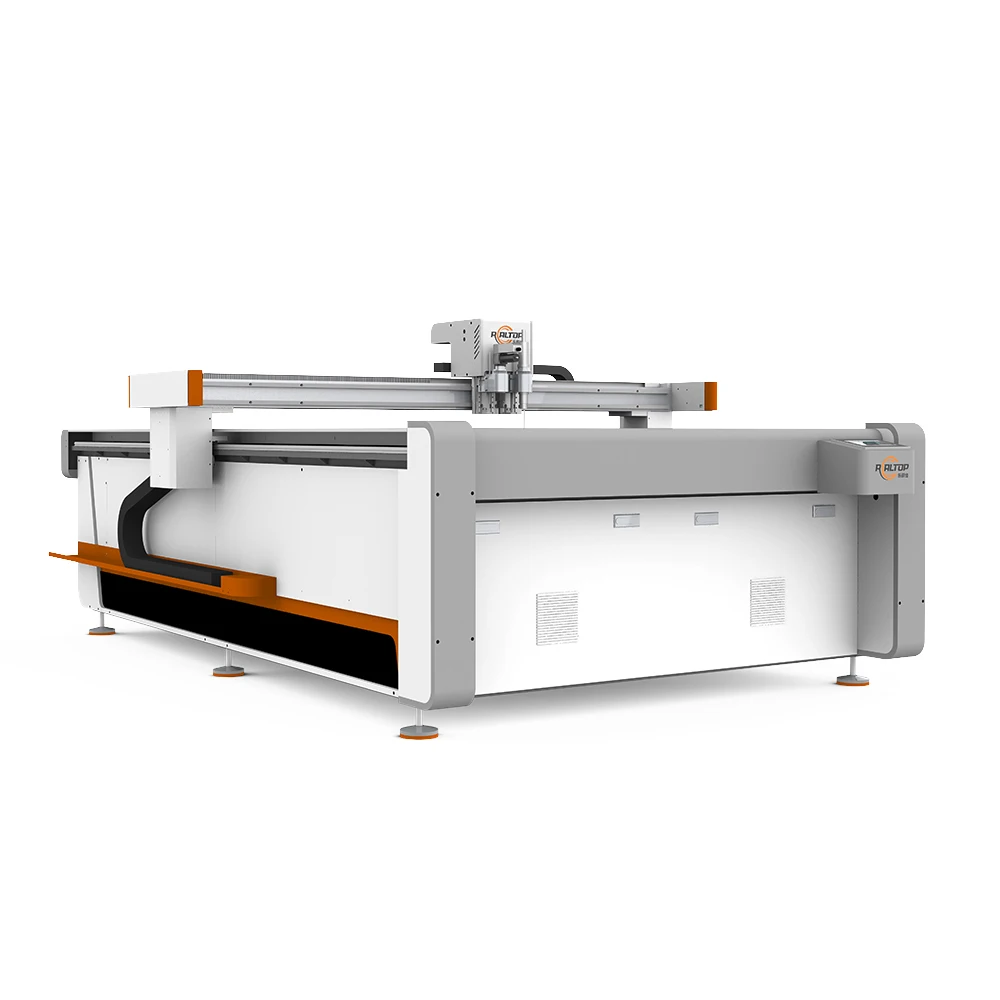

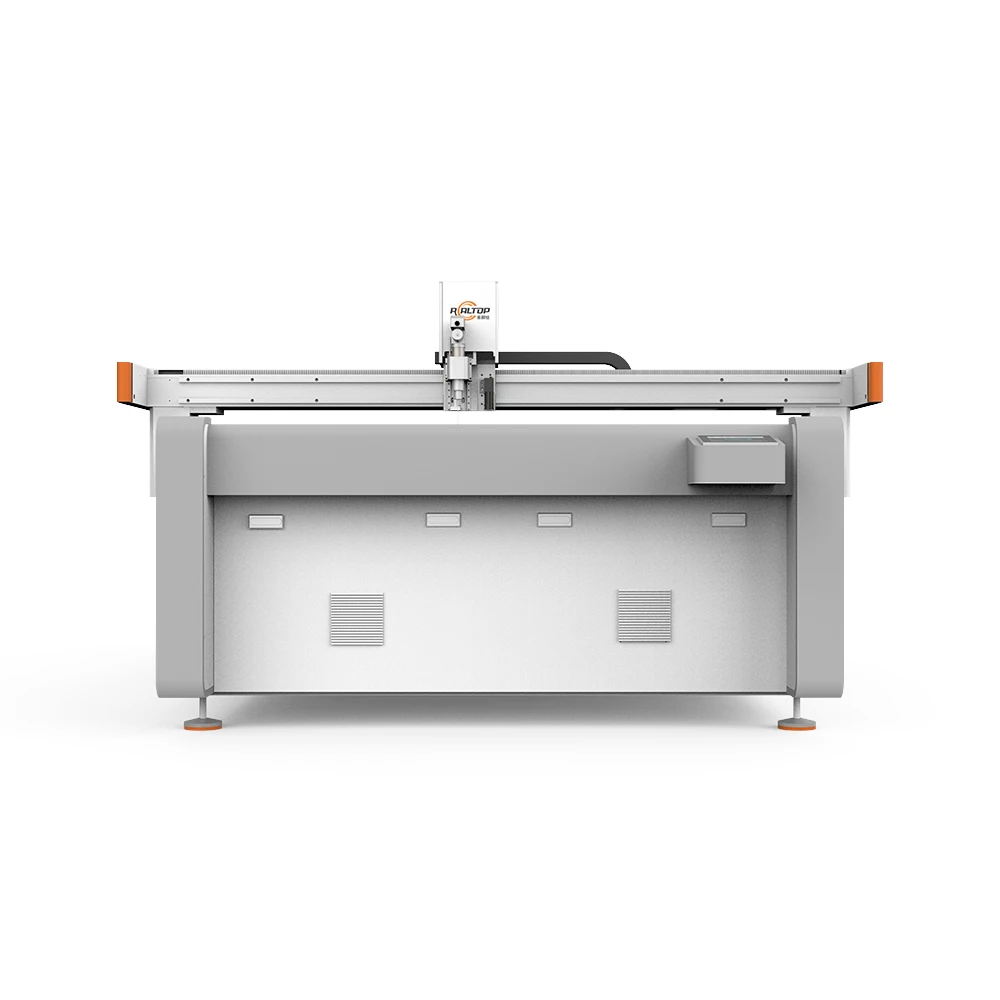
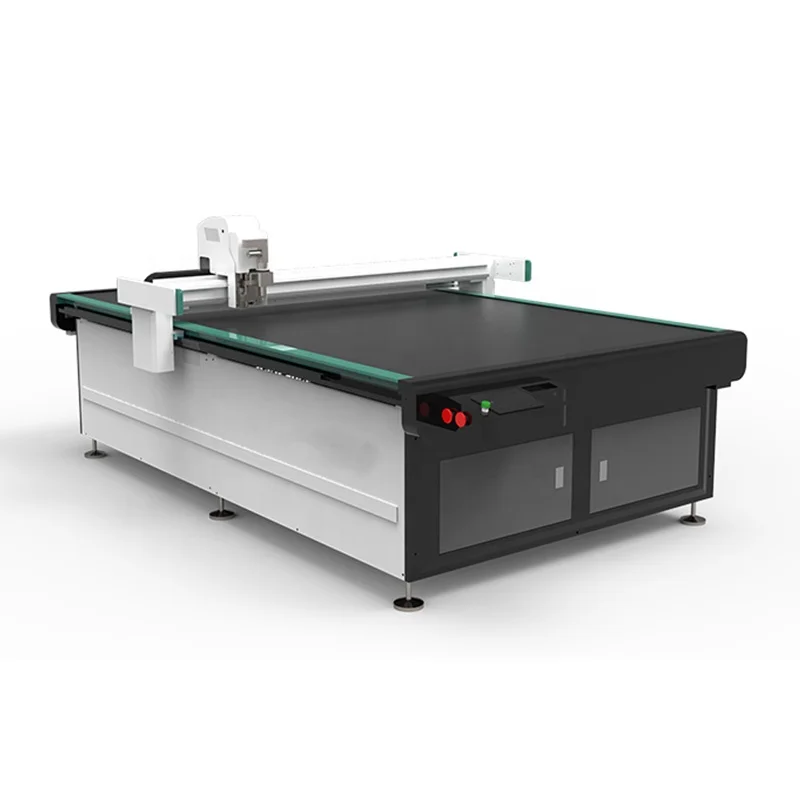


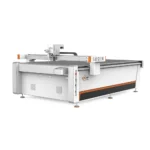


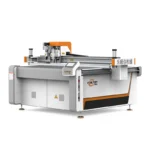

1625 CNC Oscillating Knife Cutting Table for Corrugated Box – Custom Build
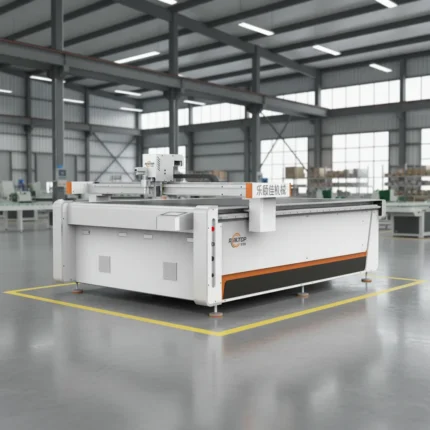
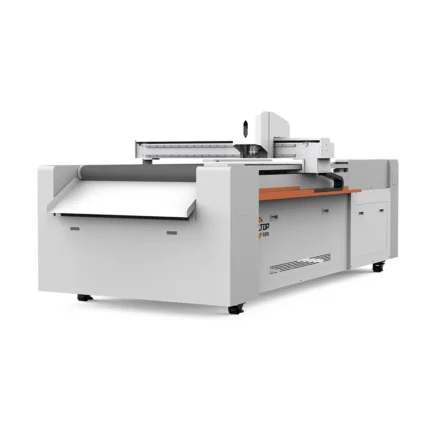
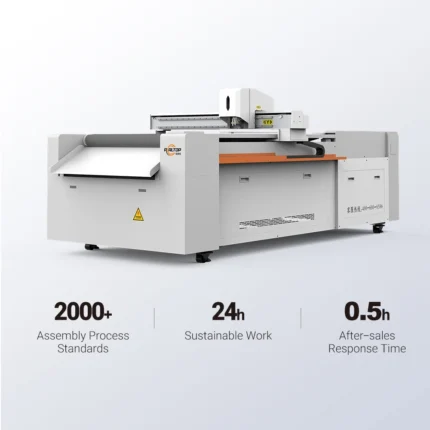
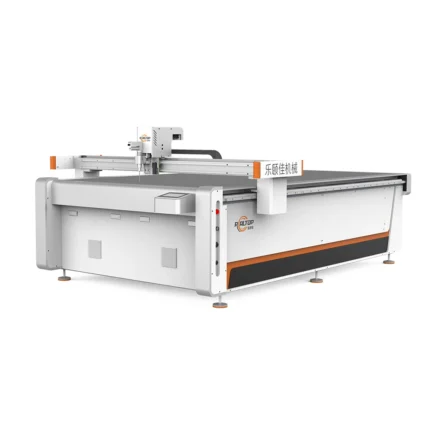
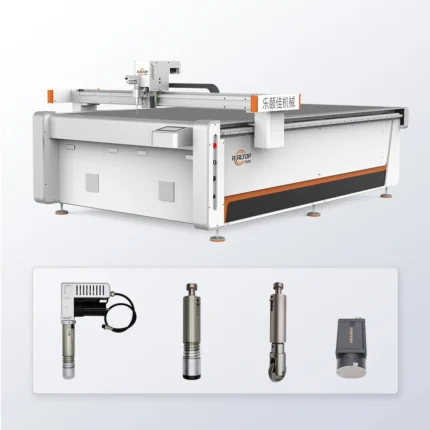
1625 CNC Oscillating Knife Cutting Table, 1600×2500 mm, ≤40 mm Cutting Depth — configured with seven interchangeable tool heads including oscillating knife, creasing wheel, and V-groove for corrugated box sampling and packaging prototype work.
- Aluminum bellows vacuum table with 9 kW pump provides full-surface adsorption to prevent small-part lift during cutting
- ±0.1 mm accuracy at 0–1500 mm/s with PLC control and PLT/DXF/AI/PDF file compatibility
Sample cutting on your own corrugated stock is completed before commitment, with tool head and vacuum zoning matched to your flute profile and grammage.
Configurable Tooling — seven interchangeable heads specified per flute profile and board density, not forced into a single cutting method.
Technical Specifications
| Parameter | Value |
|---|---|
| Model | 1625 |
| Product Type | CNC Oscillating Knife Cutting Table |
| Working Area | 1600 × 2500 mm |
| Tool Head Options | Oscillating knife, Driven rotary knife, Creasing wheel, Kiss cutting tool, Pneumatic knife, Milling tool, V groove knife |
| Cutting Speed | 0–1500 mm/s |
| Cutting Thickness | ≤ 40 mm |
| Cutting Accuracy | ±0.1 mm |
| Vacuum Pump | 9 kW |
| Vacuum Table | Aluminum bellows vacuum table (full-surface adsorption) |
| Machine Frame | Heavy-duty frame with precision-ground surface |
| Servo Motor Brands | Panasonic, Delta, Dorna |
| Control System | PLC control panel with optional display languages |
| File Format Compatibility | PLT, DXF, AI, PDF |
| Voltage Options | 110V, 220V, 380V (frequency 50Hz/60Hz to be confirmed) |
| Safety Device | Infrared sensor device and emergency stop device |
| Machine Dimensions (L×W×H) | 3300 × 2100 × 1350 mm |
| Language Options | English, Russian, Italian, Chinese (custom languages available) |
| Standards | CE declaration where applicable |
Application Suitability
| Application | Material or Output |
|---|---|
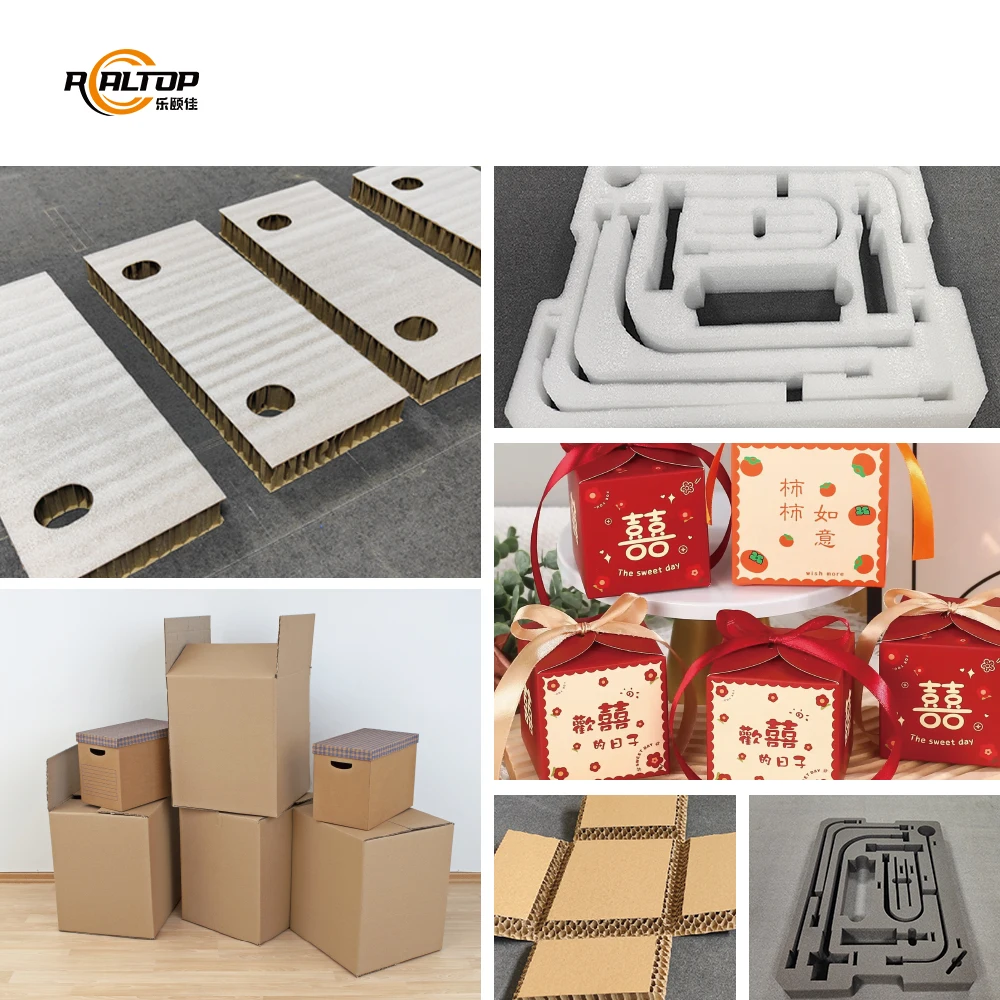
| Corrugated box and carton sample making | Corrugated board, carton stock, folding carton substrates |
| Advertising signage and display production | Foam board, PVC board, acrylic sheet, lightweight display materials |
| Automotive interior component prototyping | Seat cover fabrics, carpet, floor mats, door panel composites |
| Furniture and home decor sampling | Sofa cover fabrics, cushion foam, curtain textiles |
| Footwear and luggage pattern cutting | Uppers, insoles, shells, linings in leather and synthetic materials |
| Composite material processing | Carbon fiber, fiberglass, aramid fiber, sound insulation foam |
Why "Working Area" Alone Fails Packaging Sample Makers
A CNC oscillating knife cutting table for packaging specified only by bed size regularly fails when it meets actual corrugated stock — the tool head pressure, vacuum hold-down, and crease-line depth must all match the flute profile and grammage, not just the sheet dimensions.
The 1625 addresses this by pairing a 1600×2500 mm working area with seven distinct tool heads and a 9 kW vacuum system, so the cutting method follows the material rather than the other way around. [NEED_CITE: common causes of edge failure in corrugated digital sample cutting]
I once saw a packaging prototype shop run double-wall corrugated on a flatbed that had plenty of table space but only a single oscillating knife head. The crease lines were shallow and inconsistent, the V-grooves for rigid box corners were impossible, and small carton inserts lifted off the table mid-cut because the vacuum zoning was a single undivided zone. The machine was dimensionally correct for the job and functionally wrong for it. That gap between bed size and material capability is where most packaging sample budgets quietly leak money.
Tool Head Selection Determines the Cut Quality, Not the Machine Size
A corrugated packaging prototype typically requires three operations in one setup: cutting the outer profile, scoring crease lines for folding, and routing V-grooves for rigid corner joints. The 1625 CNC oscillating knife cutting table for packaging offers oscillating knife, creasing wheel, V groove knife, milling tool, kiss cutting, driven rotary knife, and pneumatic knife heads — each matched to a specific board behavior.
Swapping between these heads means a single sheet of corrugated board enters the machine and exits as a finished, folded sample without moving to a secondary station. The creasing wheel compresses the flute structure along fold lines without cutting through the liner, while the V groove knife removes a precise channel for 90-degree rigid box corners. Getting this combination wrong produces crushed flutes on crease lines or ragged tear-out on cut edges. [NEED_CITE: creasing wheel versus oscillating knife on corrugated flute compression behavior]
Vacuum Hold-Down Is Where Small Packaging Parts Fail
Lightweight carton inserts, small dividers, and narrow packaging sleeves are the components most likely to shift during cutting. The aluminum bellows vacuum table on this model delivers full-surface adsorption across the entire 1600×2500 mm area, backed by a 9 kW pump.
The vacuum system must be matched to the porosity of corrugated board — an open-flute profile leaks air differently than a solid carton stock, and the pump capacity must compensate. When small parts are nested tightly on the sheet, the adsorption force per square centimeter becomes the deciding factor in whether the part stays flat or lifts into the knife path. Confirming vacuum zoning before shipment is important for operations cutting a high proportion of small packaging components.
What ±0.1 mm Accuracy and 1500 mm/s Mean in Practice
Cutting accuracy of ±0.1 mm on a flatbed digital table is a function of frame rigidity, servo control, and tool head deflection — not just encoder resolution. The heavy-duty frame with precision-ground surface and servo motors from Panasonic, Delta, or Dorna maintain positional repeatability across the full 1600×2500 mm travel. For packaging sample makers, this tolerance means tab-and-slot joints fit on the first prototype without manual trimming.
The 0–1500 mm/s speed range allows the operator to slow down for intricate carton lock mechanisms and accelerate through long straight profiles. A ≤40 mm cutting depth covers single-wall, double-wall, and most triple-wall corrugated grades, as well as dense foam board and composite gasket materials used in protective packaging inserts. The PLC control panel accepts PLT, DXF, AI, and PDF files, which aligns with the output formats of standard packaging structure design software.
The Cost of Skipping the Sample Cut Step
Ordering a flatbed cutting table based on catalog specifications alone, without a test cut on your actual corrugated stock, leaves too many variables unresolved. The knife oscillation frequency that works on E-flute may crush B-flute. The vacuum pressure sufficient for solid carton board may fail on porous double-wall corrugated. The creasing wheel depth that scores a clean fold on 300 gsm liner may tear through a recycled-content sheet.
Every one of these mismatches shows up after the machine arrives. Requesting a sample cutting report on your specific material — at your target thickness and flute profile — before committing to the order compresses that risk into a stage where adjustments cost time, not a container return shipment. [NEED_CITE: material variability in recycled corrugated board affecting digital cutting performance]
Why Buyers Source This Equipment From the Manufacturer Directly
The tool head and table configuration is specified per material and production volume, not selected from a fixed catalog page. Each 1625 ships with the head combination matched to the buyer’s actual substrate range, whether that is corrugated packaging, foam display board, or composite gasket material.
Software compatibility with the buyer’s existing file format and nesting workflow is confirmed before the order is placed, preventing a situation where the machine arrives and cannot open the design files the shop already uses. Voltage, plug type, and control panel language are locked in during the specification stage — 110V, 220V, or 380V with frequency confirmed to match the destination facility.
In-house design and production covering both knife and laser technologies means the manufacturer can advise whether a knife table or a laser system is the correct method for a given packaging material, rather than forcing every application onto one platform. Sample cutting on the buyer’s own material before commitment provides physical proof of edge quality, crease integrity, and dimensional accuracy before the production build begins.
Documentation & Verification
- Machine specification sheet listing all confirmed tool heads and vacuum table configuration
- Electrical schematic with voltage, frequency, and plug type locked to your facility standard
- Sample cutting report produced on your corrugated board at target thickness and flute profile
- Factory test record documenting cutting accuracy verification before dispatch
- Software license and file format compatibility note for PLT, DXF, AI, PDF workflow integration
- Spare parts list covering blades, creasing wheels, and vacuum table consumables
Installation, Commissioning & Support
- Heavy-duty frame requires level concrete floor capable of supporting 3300×2100 mm footprint plus operator clearance
- 9 kW vacuum pump and PLC system require dedicated circuit matching confirmed voltage (110V/220V/380V) and frequency
- Machine ships in single crate at 3400×2400×1600 mm; verify workshop door and ceiling clearance before delivery
- First-run commissioning includes tool head calibration for oscillation depth, creasing wheel pressure, and vacuum zone verification
- Operator training covers tool head changeover sequence, file import workflow, and emergency stop and infrared sensor protocols
- Daily maintenance focuses on knife blade inspection, vacuum table surface cleaning, and servo rail lubrication per manual schedule
Before You Send the Inquiry
Provide the specific corrugated flute type, board thickness, and grammage you cut most frequently, along with the largest sheet size your packaging designs require. Confirm your facility voltage, frequency, and the language your operators need on the control panel. If you are replacing an existing die-cutting workflow, note the daily sample volume and whether your current design software outputs PLT, DXF, AI, or PDF.
Frequently Asked Questions
Q: Which tool head is correct for my corrugated flute type and board thickness?
A: E-flute and F-flute profiles under 3 mm typically use the oscillating knife for clean profile cuts, while B-flute and C-flute above 4 mm benefit from a driven rotary knife to prevent flute crush. Crease lines require the creasing wheel matched to board caliper, and rigid box corners need the V groove knife. The correct combination depends on your specific flute profile and liner weight, confirmed by a sample cut.
Q: How is ±0.1 mm cutting accuracy verified on corrugated material?
A: Accuracy verification runs a test file with tab-and-slot joints and measured reference points on your actual corrugated stock. The cut sheet is measured against the digital file dimensions. Material preparation matters — warped or moisture-affected board must be flattened before cutting, as curl introduces positional drift that no machine calibration can compensate for.
Q: Is the vacuum table single-zone or multi-zone, and how does it hold small parts?
A: The aluminum bellows vacuum table provides full-surface adsorption with a 9 kW pump. Zoning configuration — single or multi-zone — must be confirmed before order placement based on your typical part size. Small packaging inserts and narrow dividers need sufficient localized suction to prevent lift, and the correct zoning prevents air leakage through uncovered table areas.
Q: What voltage, frequency, and control language options are confirmed before shipment?
A: Voltage options are 110V, 220V, or 380V, with frequency (50Hz or 60Hz) confirmed to match your destination country’s electrical grid. Plug type is specified to local standard. Control panel languages include English, Russian, Italian, and Chinese, with custom language options available. All three — voltage, plug, and language — are locked during the specification stage before production begins.
Q: Can the machine import my existing packaging design files?
A: The PLC system accepts PLT, DXF, AI, and PDF file formats, which covers output from most packaging structure design platforms. Compatibility with your specific nesting software and crease-line layer conventions should be verified before order. A test file import during the specification stage confirms that fold lines, cut paths, and perforation marks translate correctly.


Related products

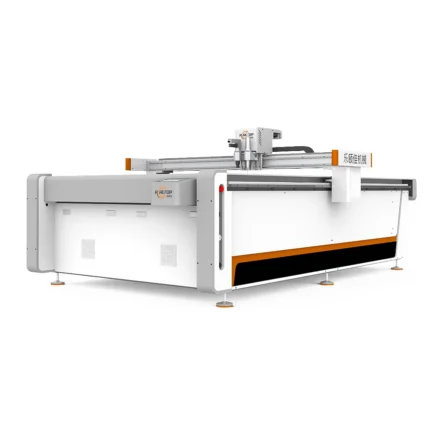
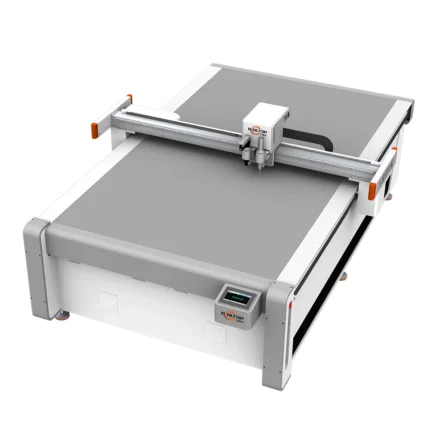
CNC Flatbed Oscillating Knife Cutting Machine 2026
Product Introduction
High-performance CNC Flatbed Oscillating Knife Cutting Machine 2026, ideal for precision cutting of various materials with advanced oscillating knife technology, ensuring efficient and accurate operations for industrial manufacturing needs.Specifications
| Model | 2026 |
| Type | CNC Flatbed Oscillating Knife Cutting Machine |
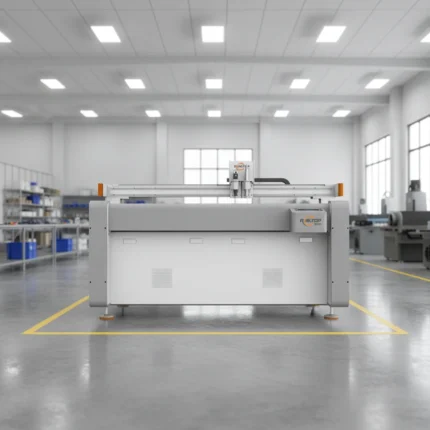
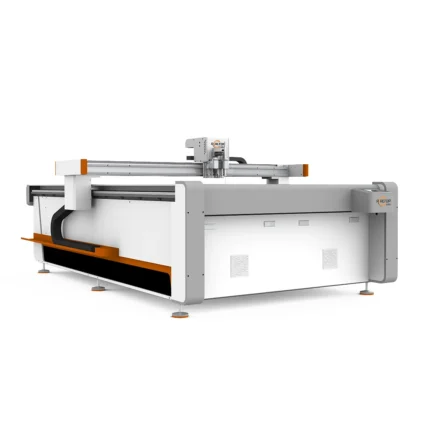
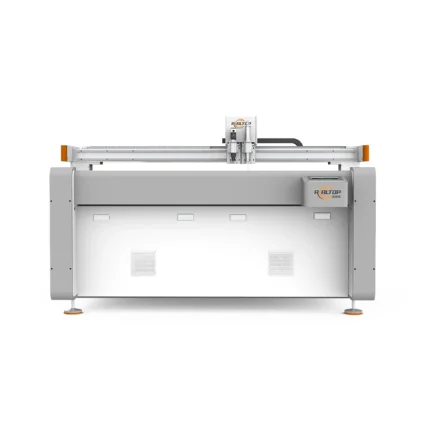
Digital Box Cutter 2026 Oscillating Knife Cardboard Cutter
Product Parameters
| Model | Digital Box Cutter 2026 |
| Cutting Type | Oscillating Knife |
| Material | Corrugated Cardboard |
Introduction
Professional oscillating knife cutting machine for corrugated cardboard. Ideal for precise, efficient cutting in packaging production. Reliable performance from China's leading welding & cutting equipment manufacturer.
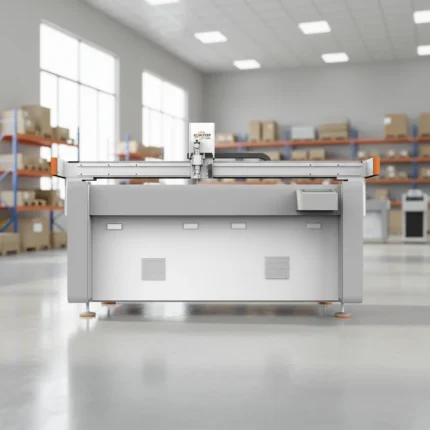

REALTOP 2026 Digital Industrial Cardboard Box Cutter
Product Introduction
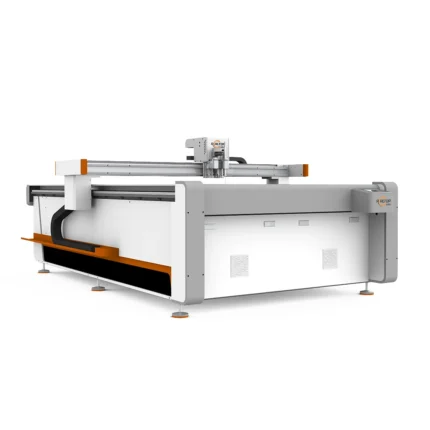
REALTOP Digital Industrial Cardboard Box Cutter Machine 2026 is a professional industrial-grade cutting equipment designed for efficient cardboard box processing, ideal for manufacturing and packaging applications.
Product Parameters
| Model | 2026 |
| Type | Digital Industrial Cardboard Box Cutter |
| Application | Cardboard Box Processing |
| Feature | Industrial-grade, Efficient Cutting |

Realtop CNC Carton Box Cutter 2026 CCD Camera Honeycomb Cutting
Product Introduction
Realtop CNC Carton Box Cutter 2026 is a professional cutting solution featuring CCD Camera and Honeycomb Cutting technology, ideal for precise carton box processing with efficient performance.Product Parameters
| Model | Realtop CNC Carton Box Cutter 2026 |
| Vision System | CCD Camera |
| Cutting Technology | Honeycomb Cutting |
商品评价
There are no reviews yet.