

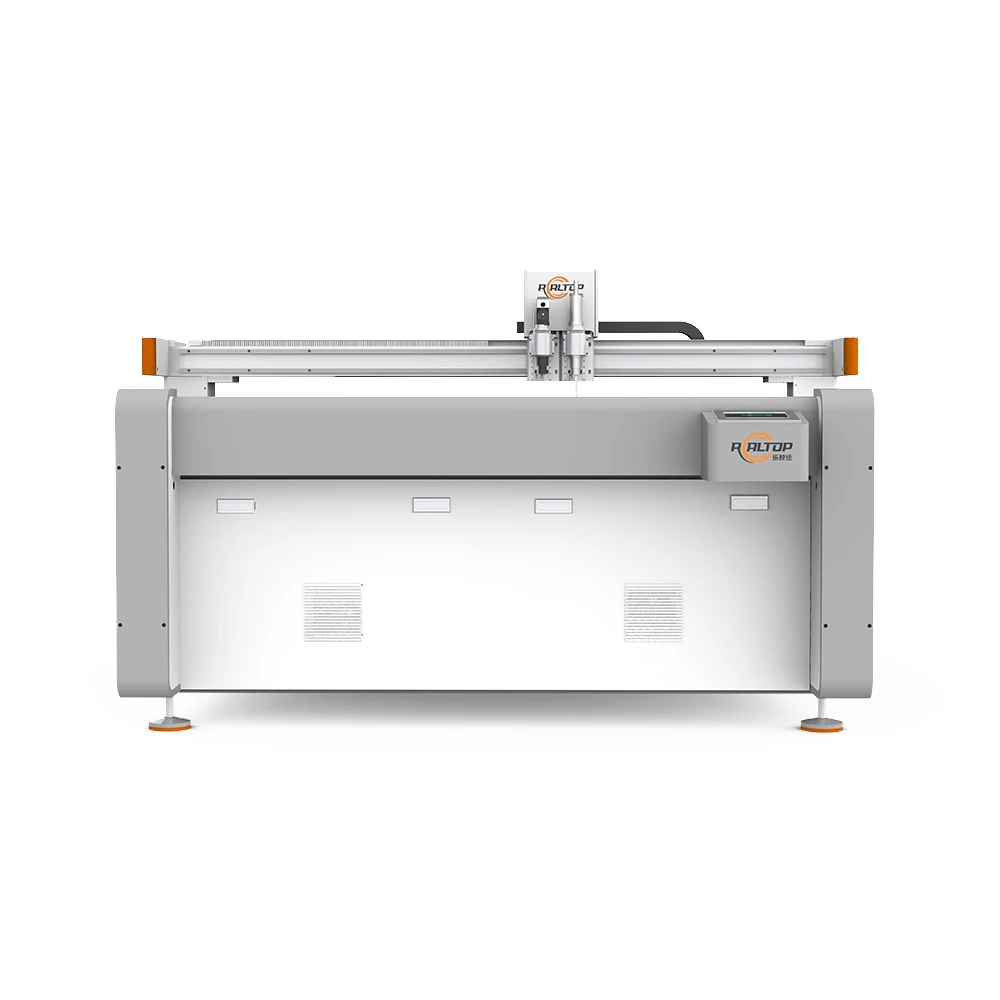

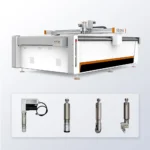
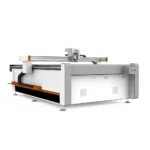
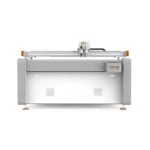


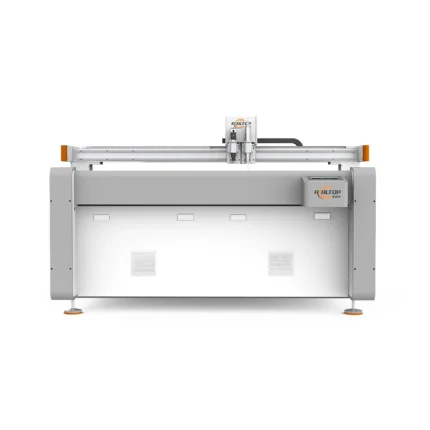
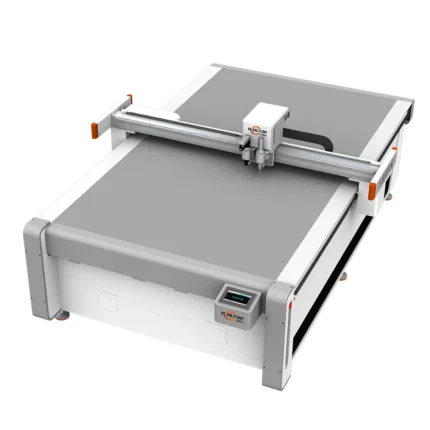
Automatic CNC Digital Carton Box Cutting Machine for Packaging – OEM Available
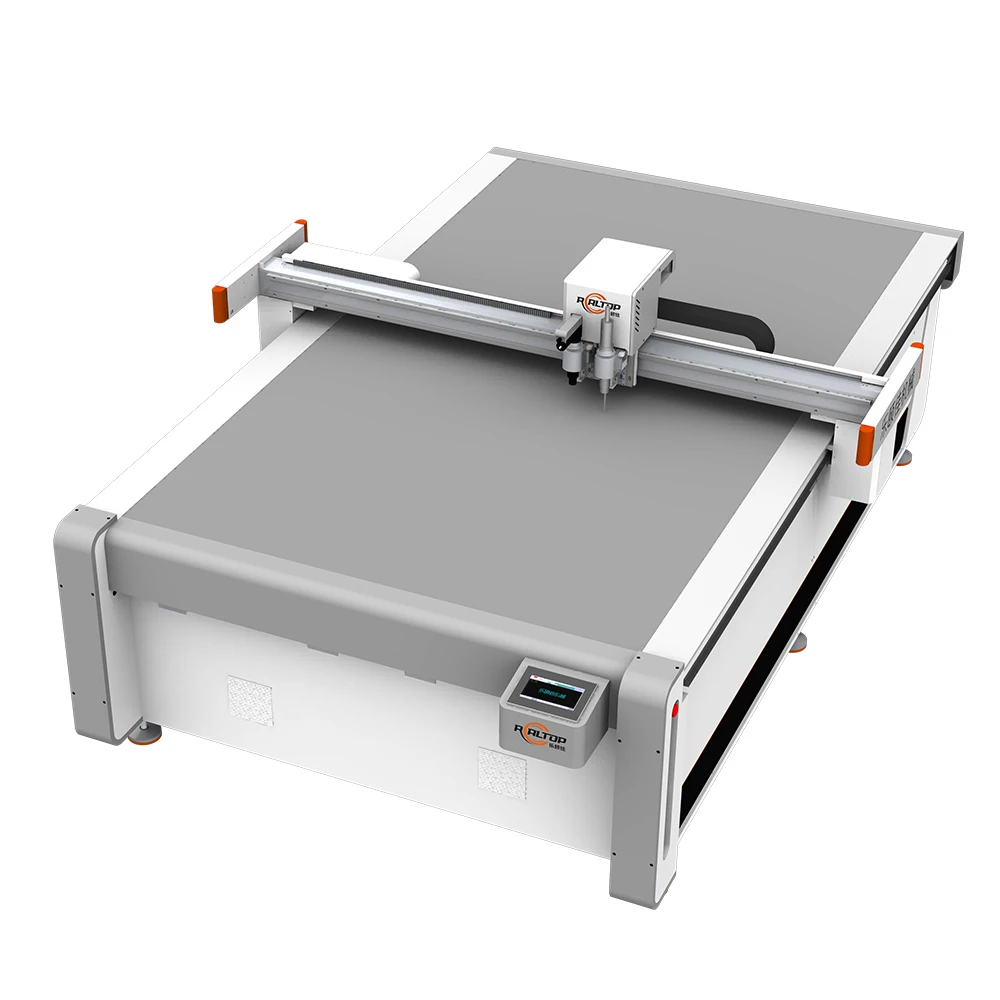
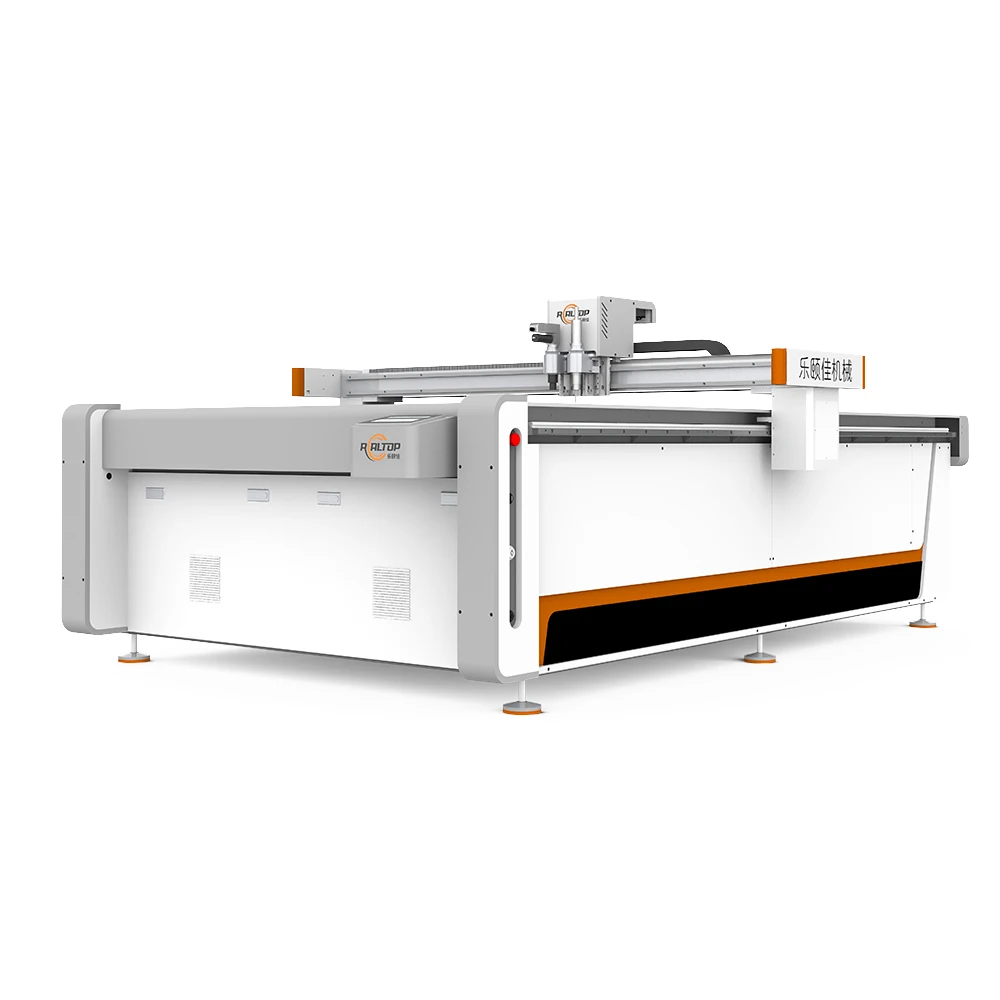
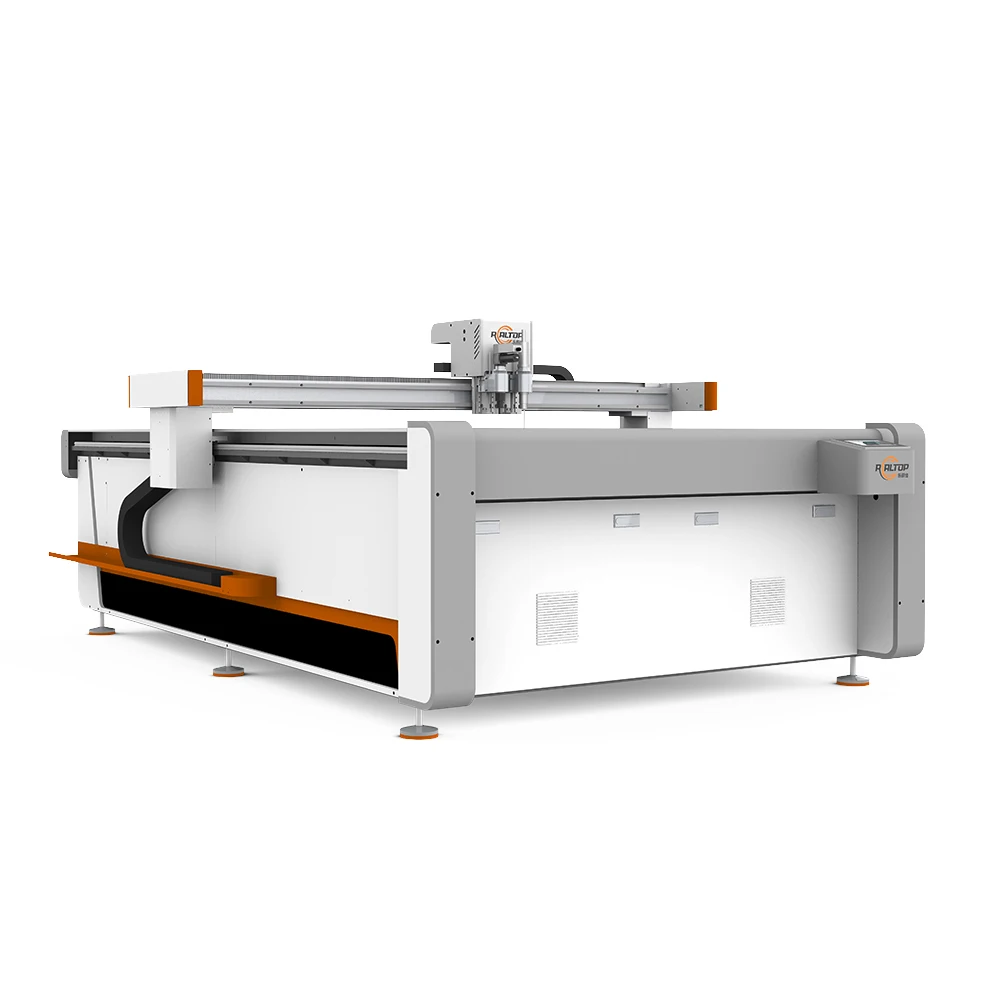
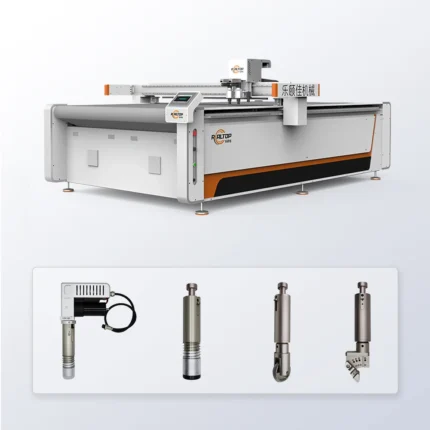
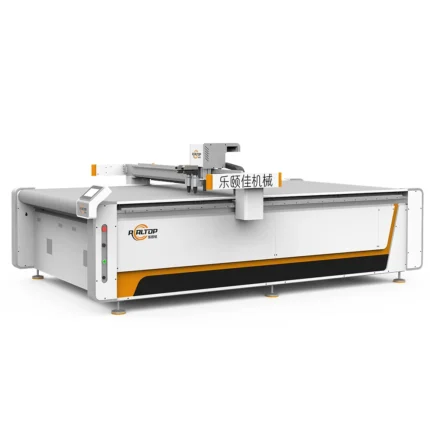
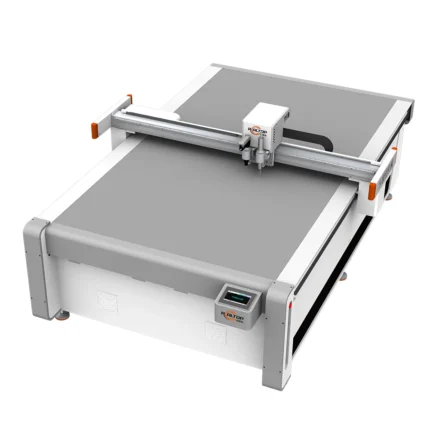
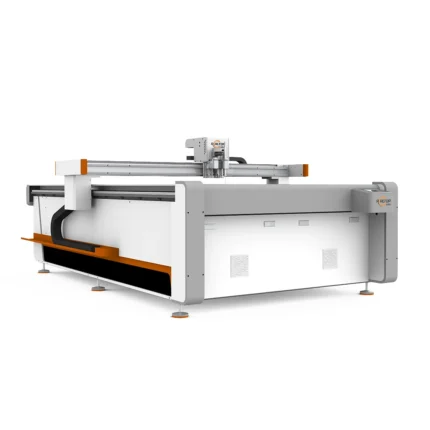
CNC Oscillating Knife Cutting Machine for Packaging, 1600×2500mm, ±0.1mm Accuracy — engineered for carton box prototyping and corrugated board processing across E-flute to BC-flute materials.
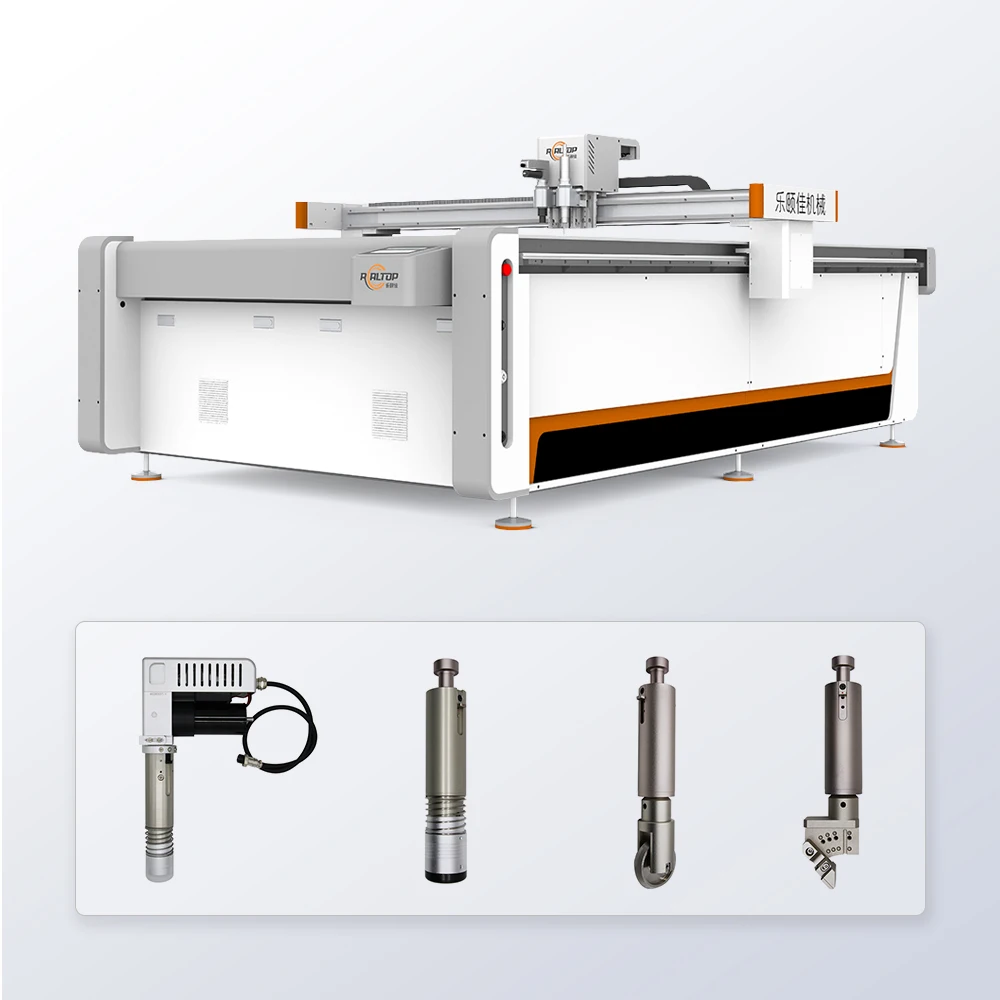
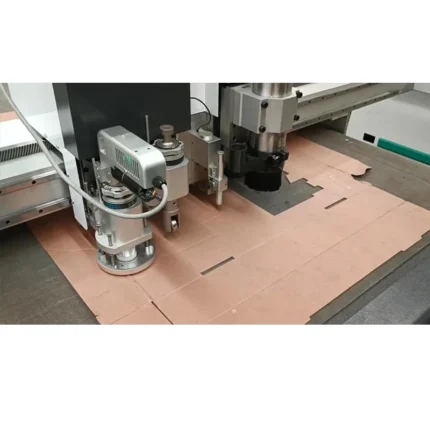
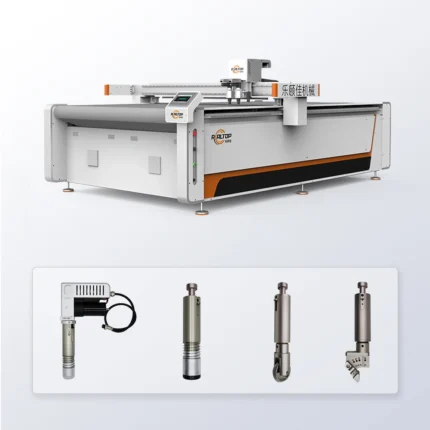
- Tool heads include oscillating knife, creasing wheel, V-groove and driven rotary options matched to substrate density and edge quality requirements
- Dedicated packaging structure design software supports PLT, DXF, AI and PDF file formats with multi-language PLC control interface
- Aluminum bellows vacuum table ensures full-surface adsorption for small carton parts during high-speed cutting up to 1500 mm/s
Sample cutting on your own material is performed before commitment to verify edge finish, cutting depth and throughput against your actual production requirements.
Material-to-method matching — We test your corrugated board, foam, or composite on our cutting bed before specifying the tool head, ensuring edge quality and throughput align with your production reality rather than a brochure promise.
Technical Specifications
| Parameter | Value |
|---|---|
| Product Type | CNC Oscillating Knife Cutting Machine for Packaging |
| Working Area | 1600 × 2500 mm |
| Cutting Speed | 0–1500 mm/s |
| Cutting Thickness | ≤ 40 mm (basis not stated in source — confirm specific material density and flute type) |
| Cutting Accuracy | ±0.1 mm |
| Tool Options | Oscillating knife, Driven rotary knife, Creasing wheel, Kiss cutting tool, Pneumatic knife, Milling tool, V groove knife |
| Vacuum Pump | 9 kW |
| Voltage | Configurable: 110V, 220V, 380V |
| Control System | PLC control panel |
| Software | Dedicated packaging box structure design software |
| Profile Formats | PLT, DXF, AI, PDF |
| Safety | Infrared sensor and emergency stop |
| Machine Size | 3300 × 2100 × 1350 mm |
| Language Options | English, Russian, Italian, Chinese (customizable) |
Application Suitability
| Application | Material or Output |
|---|---|
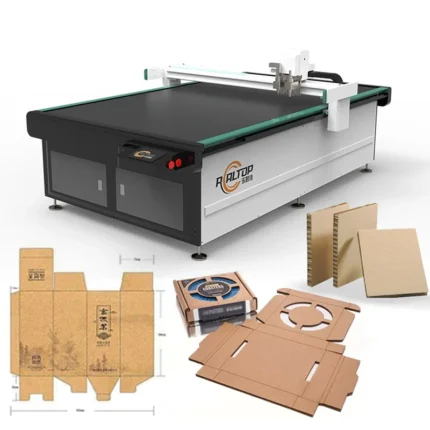
| Carton box prototyping | E-flute, B-flute, BC-flute corrugated board |
| Packaging sample making | Greyboard, cardstock, art paper |
| Foam insert cutting | EVA, EPE, PU foam |
| Non-metal gasket production | Rubber mats, PTFE, synthetic leather |
| Textile packaging components | Velvet, fleece, non-woven fabric |
| Thin plastic packaging | PVC, PET sheets |
Why the Voltage Question Should Come Before the Price on a CNC Oscillating Knife Cutting Machine
A machine wired for the wrong grid will sit idle until a transformer arrives — sometimes for weeks.
I learned this the hard way shipping a digital carton cutting unit to a Vietnam packaging plant. The workshop ran 220V three-phase, but the electrical cabinet left our floor configured for 380V. The buyer stared at a silent machine for nearly three weeks while sourcing a step-down transformer locally. Since that job, I ask every buyer to photograph their workshop distribution panel before we finalize the electrical schematic [NEED_CITE: voltage and frequency standards by export market]. Voltage mismatch is not a minor paperwork error; it stalls production and erodes trust before the first cut is made.
Tool Head Selection Drives Edge Quality More Than Speed
Packaging substrates vary wildly in density and fiber structure. A creasing wheel scores greyboard without severing fibers, preserving fold integrity for luxury carton assembly. An oscillating knife handles thicker corrugated flutes cleanly, while a V-groove knife produces chamfered channels for rigid box corners. Specifying the correct tool head for each material family is where cutting accuracy of ±0.1 mm actually translates into usable output. A machine that swaps heads quickly across a shift lets a sample room handle both E-flute mailers and foam inserts without dedicating separate stations.
Vacuum Zoning Determines Whether Small Parts Stay Put
A 9 kW vacuum pump delivers strong adsorption across the full aluminum bellows table, but corrugated board cut into small partition inserts can still lift at the edges if the vacuum zones are too broad. Proper zoning concentrates suction under the active cutting area, holding even narrow carton dividers flat against the bed [NEED_CITE: vacuum table zoning requirements for die-free cutting]. When evaluating any packaging CNC cutting platform, confirm how many independent zones exist and whether they can be activated selectively based on sheet size and part geometry.
Reading the Spec Sheet Against Your Daily Substrates
Working area alone does not tell you whether a board will cut cleanly. The 1600 × 2500 mm bed accommodates standard full-size corrugated sheets, but cutting thickness capability depends heavily on flute profile and material density — a claim of up to 40 mm requires confirmation against your actual BC-flute or laminated foam stock. Cutting speed of 0–1500 mm/s is an envelope figure; denser greyboard demands slower travel to maintain ±0.1 mm accuracy and prevent delamination. The PLC control panel paired with dedicated packaging structure design software handles common file formats including PLT, DXF, AI, and PDF, which avoids the bottleneck of converting legacy designs into proprietary formats. Language customization across English, Russian, Italian, and Chinese also reduces operator error during the critical first weeks of production.
The Hidden Cost of Choosing the Wrong Configuration
Buyers who select a machine based solely on bed size often discover that their foam inserts crush under an inappropriate knife, or that printed contour marks on packaging prototypes cannot be tracked at production speed because the recognition system was never specified. Ragged edges on corrugated samples mean re-cuts, wasted board, and delayed client approvals [NEED_CITE: tool head selection impact on packaging edge quality]. Insufficient vacuum zoning causes small carton parts to shift mid-cut, destroying dimensional accuracy and forcing operators to tape sheets manually — negating any throughput advantage the machine was supposed to deliver.
Why Source This Equipment Through Our Approach
Our in-house design team covers both knife and laser cutting technologies, so we recommend the method that suits your material rather than forcing one platform to do everything. We confirm software compatibility with your existing PLT, DXF, or AI files before the order is finalized. Every unit ships with a tool head and table configuration list matched to the substrates you identified during the sample cutting stage. Voltage, plug type, and control language are locked down with photographic evidence from your workshop. The factory test record documents actual cuts on your material before the crate is sealed.
Documentation & Verification
- Electrical schematic confirming your site voltage before cabinet assembly begins
- Tool head and vacuum zone configuration list matched to your substrate list
- Sample cutting report on your corrugated board and foam at agreed thickness
- Software license with PLT, DXF, AI, PDF file format compatibility confirmed
- Factory test record showing ±0.1 mm accuracy on your packaging profiles
Installation, Commissioning & Support
- 3300 × 2100 mm footprint requires level concrete floor with clear access on three sides
- Dedicated circuit matching confirmed voltage (110V/220V/380V) with appropriate breaker rating
- Machine arrives partially assembled; gantry and tool head require on-site alignment
- PLC control panel calibrated with your chosen language during initial power-up
- Operator training covers tool head changeover, vacuum zone setup, and file import workflow
- Spare oscillating knife blades and creasing wheels included for initial production runs
What to Share When You Open an Inquiry
Provide the specific corrugated flute types, foam densities, and board thicknesses you run most frequently, along with typical sheet dimensions and daily cutting volume. Send a photo of your workshop electrical distribution panel so we can confirm voltage and phase requirements before quoting. If you have existing design files, share a sample in your native format so we can verify software import and nesting compatibility ahead of commitment.
Frequently Asked Questions
Q: How do I choose between oscillating knife and laser for my packaging material?
A: Oscillating knife suits corrugated board, foam, and thick greyboard where cold cutting preserves material structure without burning edges. Laser works better for thin cardstock and intricate perforations on art paper. We run sample cuts on your actual material using both methods so you can compare edge quality and throughput before deciding.
Q: What cutting thickness is realistic on corrugated board versus foam?
A: Thickness capacity depends on material density and flute profile, not just the stated maximum. BC-flute corrugated board and high-density EVA foam behave very differently under the knife. We verify achievable thickness during the sample cutting stage using your specific stock to confirm edge quality.
Q: Does the software support my existing nesting workflow and file formats?
A: The dedicated packaging structure design software imports PLT, DXF, AI, and PDF files directly. Before your order is finalized, we test your actual design files to confirm geometry import, kerf compensation, and nesting output so there are no surprises at commissioning.
Q: What vacuum table zoning do I need for small carton parts?
A: Small partition inserts and narrow dividers require concentrated suction to prevent lifting during high-speed cutting. We specify vacuum zone count and layout based on your smallest part dimensions and sheet utilization pattern, confirmed during the configuration review before production.


Related products
Automation CNC Pizza Box Machine 2026 Rotary Die Cutting
Product Parameters
| Type | Automation CNC Pizza Box Machine |
| Model Year | 2026 |
| Cutting Technology | Rotary Die Cutting |
| Operation | Automated CNC Control |
Introduction
This 2026 Automation CNC Pizza Box Machine features advanced rotary die cutting technology, ensuring precise and efficient pizza box production. With automated CNC control, it offers high productivity and accuracy for professional manufacturing needs.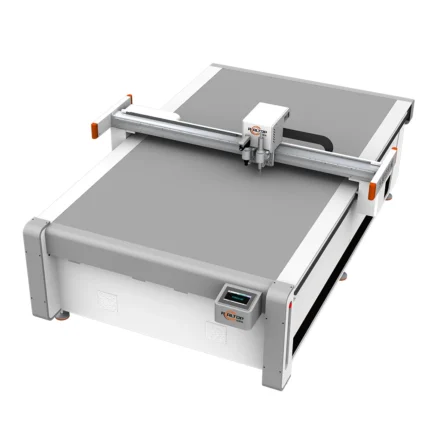
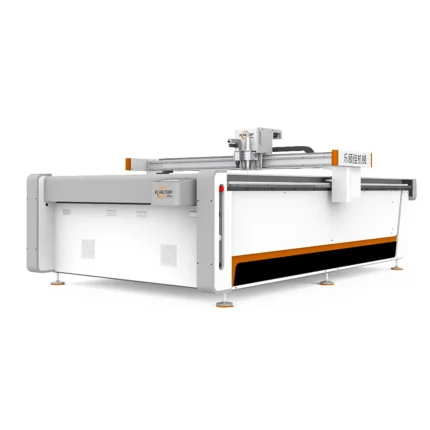
CNC Vibrating Knife Cutter 2026 Custom Cartons Packaging
Product Introduction
CNC Vibrating Knife Cutter 2026 is ideal for custom cartons & packaging, offering precise cutting solutions for various materials. Engineered by a leading Chinese welding & cutting equipment manufacturer, it ensures efficiency and accuracy for packaging production needs.Key Specifications
| Model | 2026 |
| Type | CNC Vibrating Knife Cutter |
| Application | Custom Cartons & Packaging |
| Manufacturer | Chinese Leading Factory |
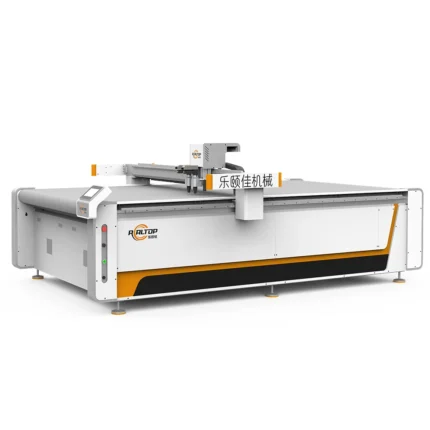


Realtop 2026 CNC Oscillating V-Cut Machine
Product Introduction
Realtop CNC Oscillating V-Cut Machine 2026 is a precision equipment designed for efficient V-cutting operations, ideal for various material processing needs with advanced CNC technology.
Key Specifications
| Model | Realtop CNC Oscillating V-Cut Machine 2026 |
| Type | CNC Oscillating V-Cut Machine |
| Application | Precision V-cutting operations |
| Feature | Advanced CNC technology |

Realtop CNC Carton Box Cutter 2026 CCD Camera Honeycomb Cutting
Product Introduction
Realtop CNC Carton Box Cutter 2026 is a professional cutting solution featuring CCD Camera and Honeycomb Cutting technology, ideal for precise carton box processing with efficient performance.Product Parameters
| Model | Realtop CNC Carton Box Cutter 2026 |
| Vision System | CCD Camera |
| Cutting Technology | Honeycomb Cutting |
商品评价
There are no reviews yet.