

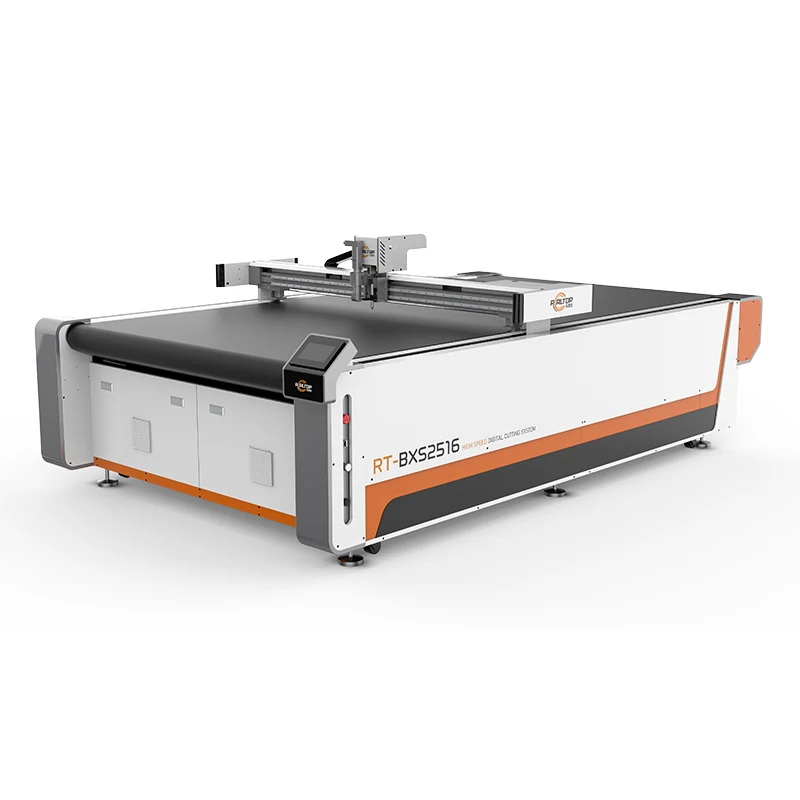
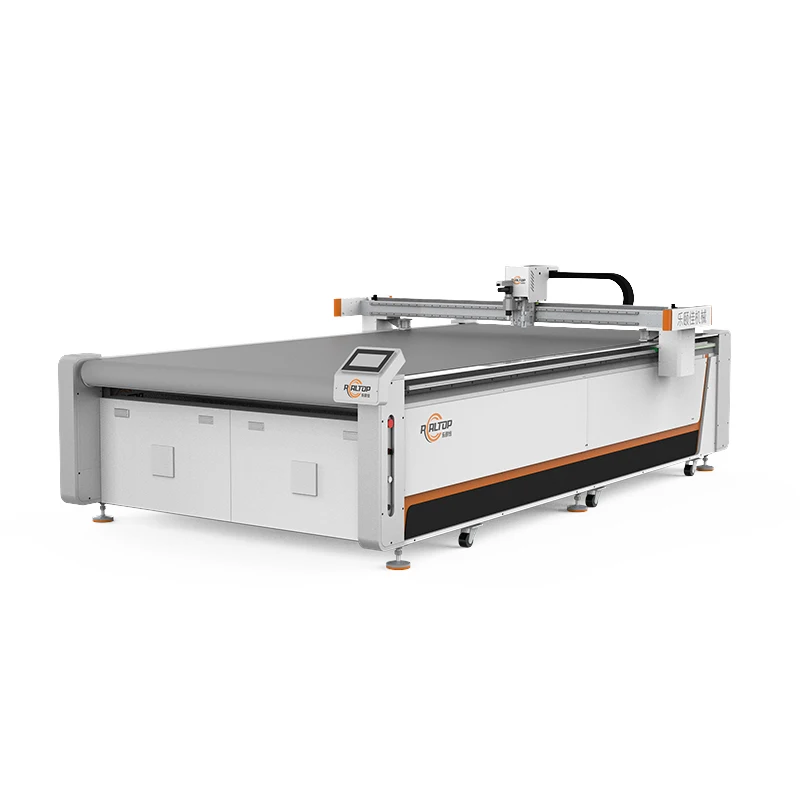
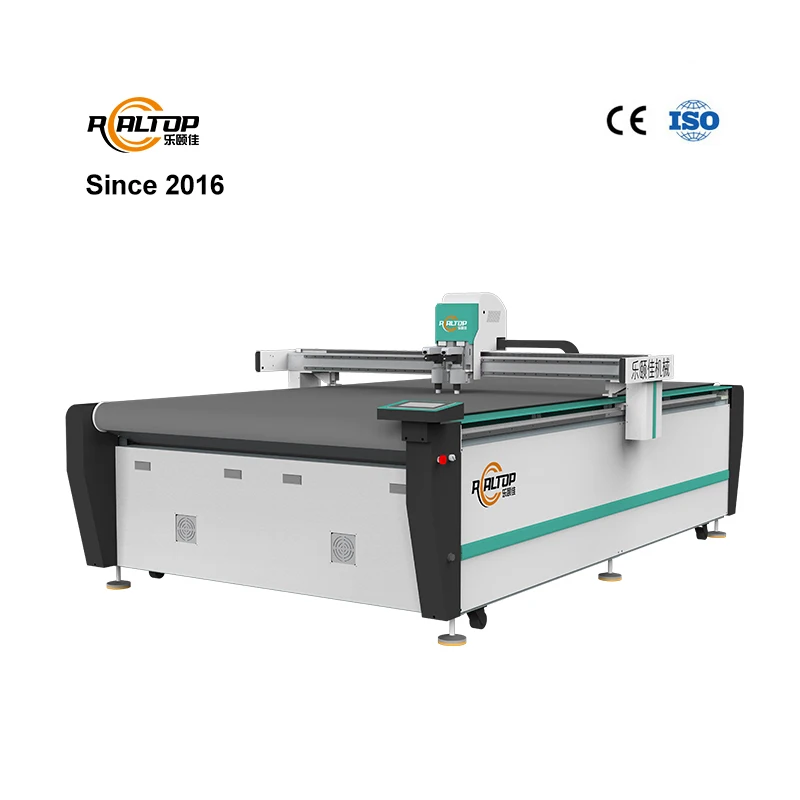
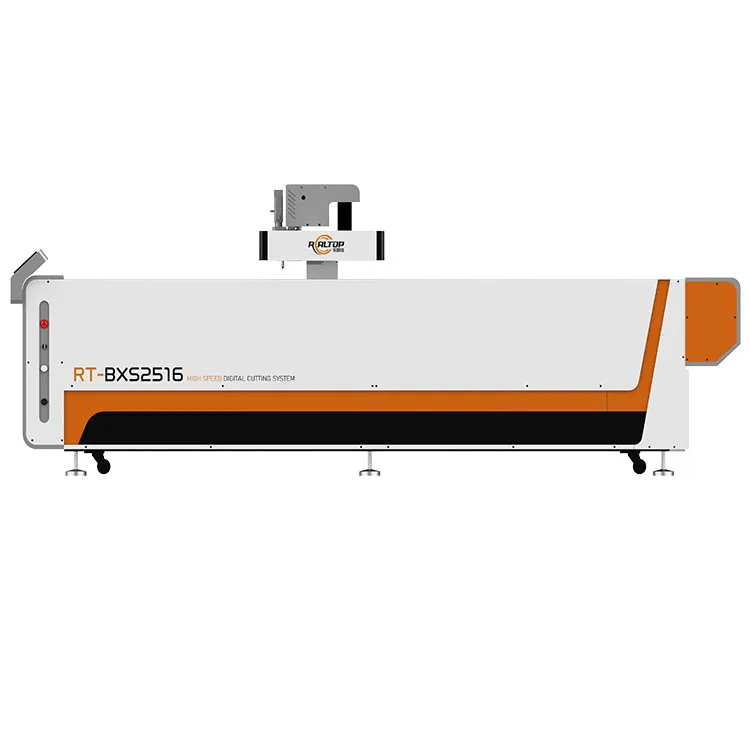
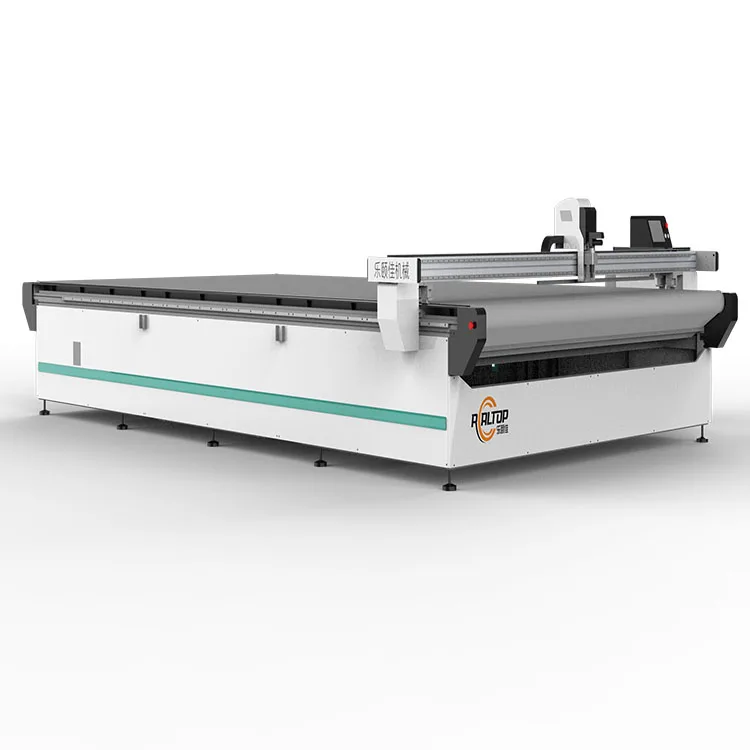
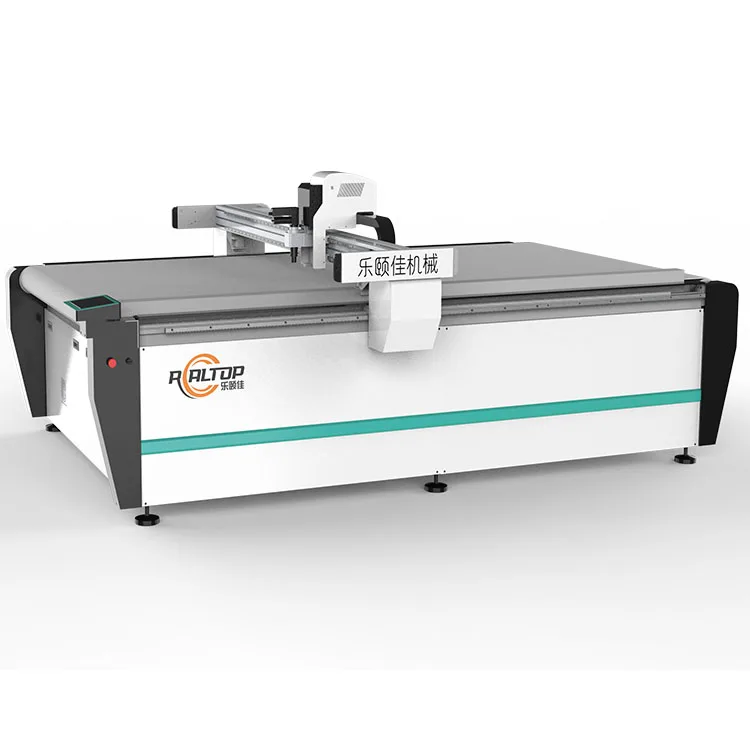
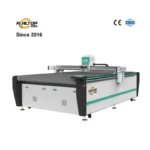
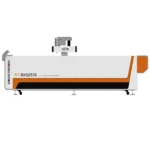
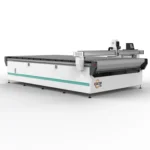
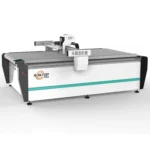

Automatic Multilayer Fabric CNC Cutting Machine for Garment – OEM Available
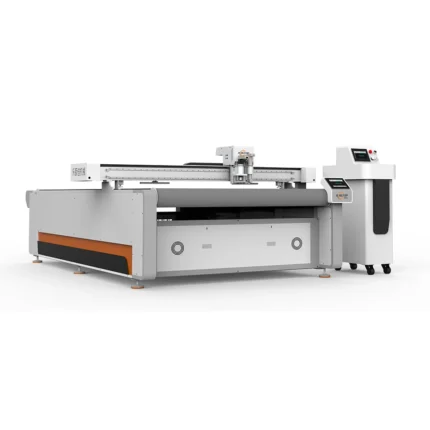
RT-D2516/RT-S2516 Multilayer CNC Cutting Machine, 1600×2500mm Working Area, 9kW Rated Power, 380V — engineered for high-volume fabric, leather and composite material processing with Swiss imported oscillating knife and auto feeding system.
- CO2 and fiber laser options available to match cutting method precisely to material type and production volume
- Magnesium-aluminum alloy vacuum table with fluorocarbon PVDF coating ensures stable adsorption of small parts at 200-800mm/s cutting speed
- Touch screen control with multi-language support and auto typesetting software accepting PLT, DXF and AI formats
Sample cutting on buyer’s own material confirms edge quality, cutting depth and achievable speed before order commitment, with tool head configuration matched to specific fabric thickness and daily volume requirements.
Voltage-Adaptive Power Integration — 9 kW rated cutting head and 7.5 kW vacuum pump configured for 380V±10% industrial supply, verified per export market before shipment.
Technical Specifications
| Parameter | Value |
|---|---|
| Model | RT-D2516/RT-S2516 |
| Product Type | CNC Multilayer Fabric Cutting Machine |
| Working Area | 1600 × 2500 mm |
| Machine Size | 3450 × 2300 × 1250 mm |
| Rated Power | 9 kW |
| Vacuum Pump | 7.5 kW |
| Translational Velocity | 800–2000 mm/s |
| Cutting Speed | 200–800 mm/s (material dependent) |
| Repeated Accuracy | ≤0.1 mm |
| Cutting Thickness | ≤100 mm (basis to be confirmed by material density and layer count) |
| Transmission System | Digital servo motor, linear guide, synchronous belt, ball screw |
| Servo Motor | Delta (optional Panasonic) |
| Linear Rail | Taiwan Hiwin |
| Conveyor Belt | Germany imported |
| Vacuum Table | Magnesium-aluminum alloy with fluorocarbon PVDF powder spraying, anodic and hard oxidation |
| Vacuum Adsorption Pump | Integrated aviation aluminum shell, built-in silencer sponge, fire-proof, corrosion-resistant |
| Multifunctional Head | Swiss imported knife with vibration full cutting, half cutting, cursor location |
| Safety Device | Infrared sensors, anti-collision beam, emergency stop with in-situ resume |
| Control Panel | Touch screen, multi-language supported |
| Instruction System | HP-GL compatible format |
| Auto Typesetting Software | Supports PLT, DXF, AI formats |
| Voltage | 380V±10% |
| Assembly State | Fully assembled |
| Certification | CE declaration where applicable |
Application Suitability
| Application | Material or Output |
|---|---|
| Garment and footwear manufacturing | Multi-layer cotton, polyester, denim, non-woven fabric, shoe material |
| Automotive interior production | Sponge composite leather, PU, EVA, XPE, carpet, gasket material |
| Soft home furnishing fabrication | Large-format textile, upholstery fabric, curtain cloth, sofa padding |
| Graphic advertising and printing | PVC sheet, sticker, film, corrugated cardboard, plastic box |
| Sports and outdoor equipment | Carbon fiber sheets, rubber, foam board, composite materials |
| Packaging sample making | Cardboard, corrugated cardboard, plastic box, sticker, film |
Why the "Cutting Speed" Number Is Only Half the Story
Most spec sheets list cutting speed as a single range without tying it to the actual material stack being processed — this is where production expectations collide with reality.
Real throughput depends on material density, layer count, and knife head configuration, not just the maximum travel speed on the nameplate.
A machine running at 800 mm/s on a single layer of polyester may need to drop to 300 mm/s on a 50 mm stack of sponge composite leather to maintain edge quality. I’ve seen buyers focus entirely on the upper speed limit, only to find that their specific material combination requires a much slower pass to avoid ragged edges or incomplete cuts on the bottom layers. The RT-D2516/RT-S2516 addresses this by pairing a Swiss imported oscillating knife with variable vibration full and half cutting modes, allowing the operator to match the stroke frequency to the stack being processed [NEED_CITE: oscillating knife cutting parameters for composite textile materials].
Laser Cutting and Engraving Machine Manufacturer Perspective: Knife Versus Beam Selection
When buyers compare a laser cutting and engraving machine manufacturer’s full catalogue, the question is not which technology is universally better, but which matches the material profile. Oscillating knife cutting handles multi-layer fabric stacks and compressible foams that would melt or fuse under a CO₂ or fiber beam. The Swiss knife head on this system vibrates at high frequency to slice through sponge composite leather and non-woven layers without dragging or delaminating the stack.
Vacuum Table Zoning and Small-Part Retention at Production Speed
One of the most common failures in high-speed fabric cutting is small parts lifting off the table mid-cut, especially when the vacuum adsorption is not zoned to match the nesting layout. The magnesium-aluminum alloy table on this system uses fluorocarbon PVDF powder spraying with anodic and hard oxidation, creating a flat, corrosion-resistant surface that maintains consistent suction across zones [NEED_CITE: vacuum table zoning requirements for multi-layer textile cutting]. The 7.5 kW aviation aluminum pump with built-in silencer sponge delivers sustained adsorption without the pressure drop that causes smaller cut pieces to shift during rapid traversing at up to 2000 mm/s.
How Key Specifications Translate to Production Floor Performance
The Delta servo motor (with optional Panasonic) paired with Taiwan Hiwin linear rails determines the positioning precision that directly affects pattern matching in garment cutting. A repeated accuracy of ≤0.1 mm means that when cutting nested panels for a tailored jacket or automotive seat cover, the cut edges align with printed grain lines and pattern repeats across the full 1600 × 2500 mm working area. The 380V±10% voltage specification is critical for export markets where supply fluctuation can cause servo faults — confirming the local grid tolerance before shipment prevents mid-production alarms. The auto typesetting software accepting PLT, DXF, and AI formats means the buyer’s existing nesting files import directly without format conversion, reducing the gap between design and first cut. The Germany-imported conveyor belt on the auto-feeding variant supports continuous roll-to-sheet feeding for garment and automotive fabric runs, maintaining registration across multiple layers as material advances through the cutting zone.
The Cost of Specifying a Machine on Working Area Alone
I once saw a buyer order a flatbed cutter based entirely on the table dimensions, only to discover that the vacuum pump could not hold down the small gasket pieces their nesting software produced. The parts lifted at the edges during the final pass, creating scrap that compounded across every shift [NEED_CITE: vacuum adsorption failure modes in CNC flatbed cutting]. On the garment side, specifying without testing actual material thickness means discovering mid-installation that the knife stroke cannot penetrate the full stack, forcing the operator to cut in two passes and halving effective output. These are not theoretical risks — they are the failure modes that sample cutting on the buyer’s own material before commitment is designed to eliminate.
Why Production Teams Source This Configuration
The knife head selection is matched to the material and production volume rather than offered as a universal tool, meaning sponge composite leather gets a different vibration setting than single-layer polyester. The CCD camera positioning option supports printed contour recognition for garment panels and automotive interior pieces where pattern alignment matters. Software compatibility is confirmed before the order ships — the buyer’s PLT or DXF nesting files are tested against the auto typesetting system to verify import without conversion errors. Voltage, control language, and plug type are locked in during the specification stage, so a machine bound for a 380V market does not arrive with the wrong transformer tap [NEED_CITE: industrial voltage and plug standards by export region]. Sample cutting on the buyer’s actual fabric or composite material is completed and documented before the production order is released.
Documentation & Verification
- Factory test record on your specific fabric stack and composite material before dispatch
- Electrical schematic with 380V±10% confirmation matched to your local supply grid
- Tool head configuration list matched to material type, thickness, and layer count
- Software license and PLT/DXF/AI file format compatibility note before order release
- CE declaration documentation where applicable to your import market
- Operation and maintenance manual with multi-language control panel guide
Installation, Commissioning & Support
- Fully assembled delivery — no on-site frame welding required for the 3450 × 2300 × 1250 mm footprint
- 380V±10% dedicated circuit required for the combined 9 kW cutting head and 7.5 kW vacuum pump load
- First-run parameter tuning on your actual multi-layer fabric stack during commissioning
- Touch screen control language set to your operator preference before or during installation
- Swiss imported knife replacement schedule and spare oscillating blade supply included
- Vacuum pump silencer sponge inspection and replacement interval documented in maintenance manual
Inquiry Guidance for Production Managers
To match the RT-D2516/RT-S2516 to your cutting workflow, we need to know your primary material type and layer stack thickness, your daily cutting volume in panels or linear meters, and your local voltage and frequency standard. If you are cutting printed fabric requiring contour recognition, confirm your file format and whether your nesting software outputs PLT, DXF, or AI. Send a sample roll or sheet of your actual production material so we can run a cutting test and verify edge quality, depth, and achievable speed before you commit.
Frequently Asked Questions
Q: How is cutting thickness verified against my specific fabric or composite material before order?
A: We run a sample cutting test on your actual material — whether multi-layer cotton, sponge composite leather, or foam — and document edge quality, penetration depth, and achievable cutting speed in a report you review before confirming the order. This prevents discovering mid-installation that the knife stroke cannot handle your stack.
Q: Which tool head is recommended for multi-layer fabric versus single-layer leather?
A: Multi-layer fabric stacks typically require the Swiss imported oscillating knife with high-frequency vibration full cutting to penetrate cleanly without delaminating layers, while single-layer leather may use vibration half cutting for cleaner edge finish. The correct head and stroke frequency are determined during the material sample test.
Q: Can the auto typesetting software import my existing nesting files without conversion?
A: The system accepts PLT, DXF, and AI formats directly. We test your actual nesting files against the software before shipment to confirm import without errors, layer mapping issues, or geometry distortion, and provide a compatibility note with the documentation package.
Q: How does the vacuum table zoning handle small cut parts that tend to lift during high-speed processing?
A: The 7.5 kW vacuum pump with zoned magnesium-aluminum alloy table maintains adsorption across the 1600 × 2500 mm surface. Zoning is configured based on your nesting layout so that small parts remain held through the final cut pass, verified during the sample cutting test on your material.
Q: What voltage and control language customization is confirmed before shipment?
A: The machine is configured for 380V±10% with the transformer tap matched to your local supply. The touch screen control panel language — English, Russian, Italian, Chinese, or a custom language — is set and verified before dispatch, along with the correct plug and electrical schematic.


Related products
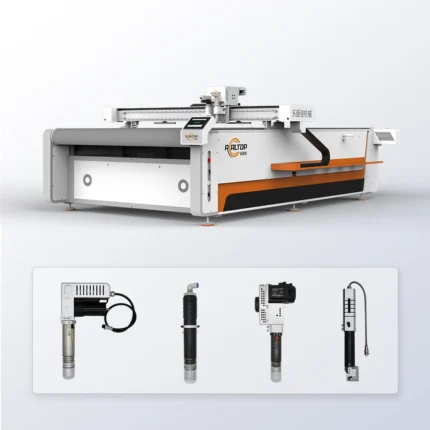
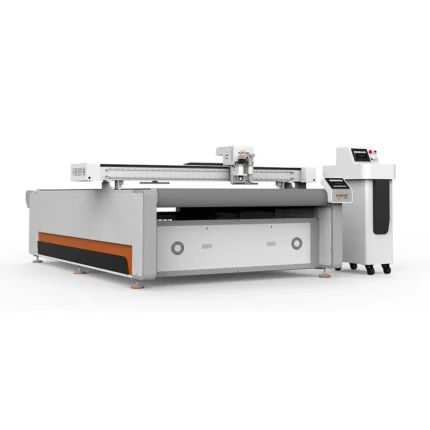
2026 Auto CNC Cloth Cutting Machine High-Precision Fabric Leather Plotter
Product Introduction
2026 Auto CNC Cloth Cutting Machine, a high-precision fabric & leather plotter designed for efficient cutting. Ideal for textile and leather industries with advanced CNC technology.
Key Specifications
| Model | Auto CNC Cloth Cutting Machine 2026 |
| Application | Fabric & Leather |
| Precision | High-Precision Cutting |
| Type | CNC Plotter |
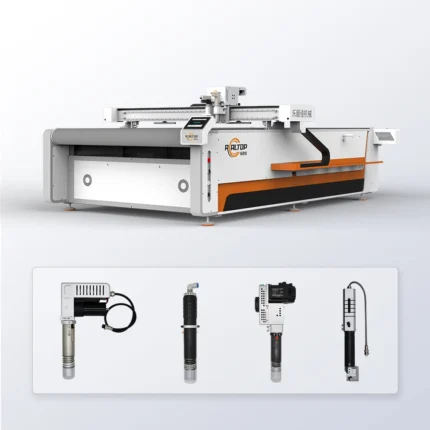
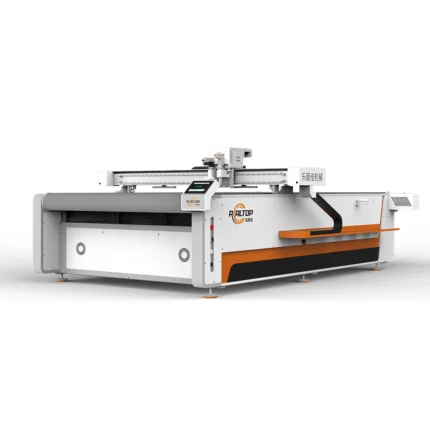
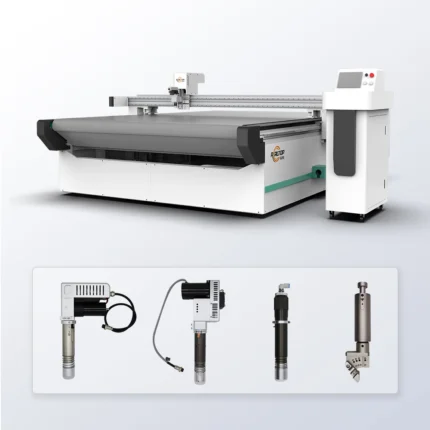
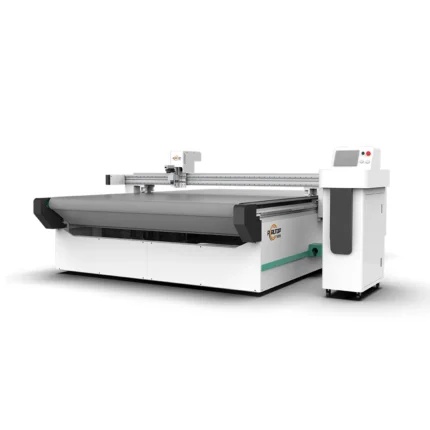
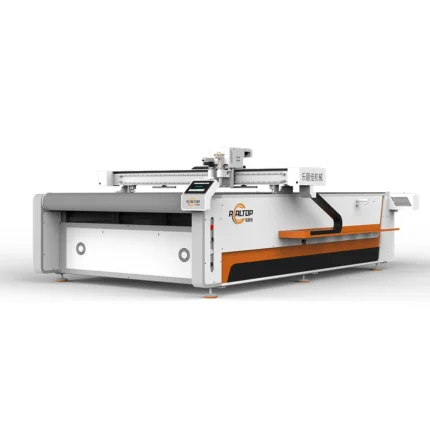
2026 Flatbed Oscillating Knife Cutter 1600x3500mm Auto-Feeding Textile
Product Overview
Flatbed Oscillating Knife Cutting Machine 2026 is a high-precision textile fabric cutter with auto-feeding function, ideal for efficient and accurate cutting tasks in textile manufacturing. It combines advanced oscillating knife technology with a large working area to meet industrial production needs.Key Specifications
| Model | 2026 |
| Working Area | 1600x3500mm |
| Feeding System | Auto-Feeding |
| Cutting Type | Oscillating Knife |
| Application | Textile Fabric |
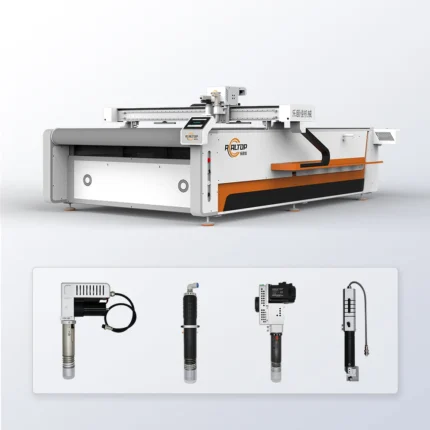
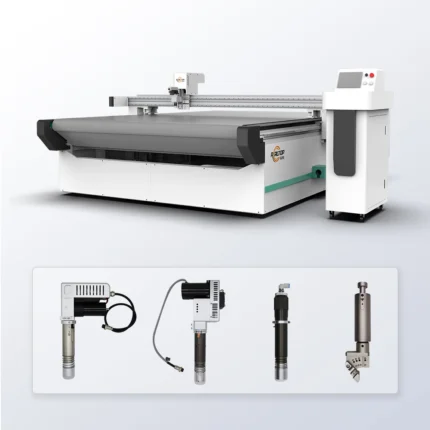
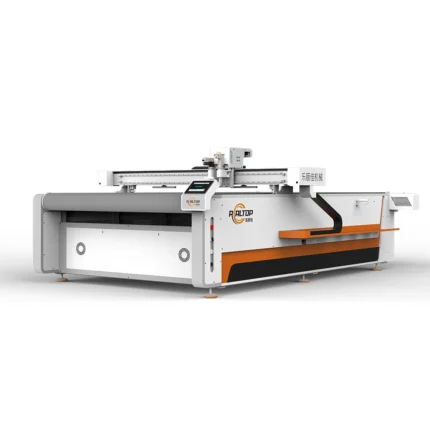
Automatic Fabric Cutting Machine 1200mm Delta Servo 2026
Product Parameters
| Cutting Width | 1200mm |
| Servo System | Delta Servo |
| Model Year | 2026 |
Introduction
High-performance Automatic Fabric Cutting Machine with 1200mm cutting width, equipped with Delta Servo for precision. Ideal for efficient fabric processing in textile industry, ensuring accurate and fast cutting operations.
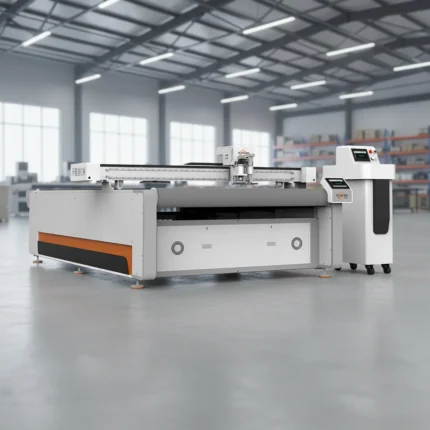
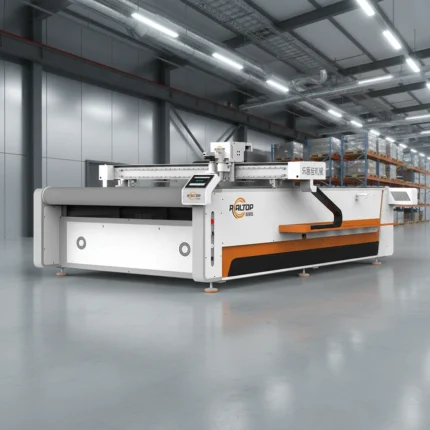
Jinan Realtop CNC Fabric Slitting Cutter 2026: Advanced Flexible Material Cutter
Product Introduction
Jinan Realtop CNC Fabric Slitting Cutter 2026 is a high-performance cutting equipment designed for precise fabric processing, ideal for industrial manufacturing needs with reliable CNC technology.Specifications
| Model | 2026 |
| Type | CNC Fabric Slitting Cutter |
| Manufacturer | Jinan Realtop |
| Application | Fabric Processing |
| Control System | CNC |
商品评价
There are no reviews yet.