

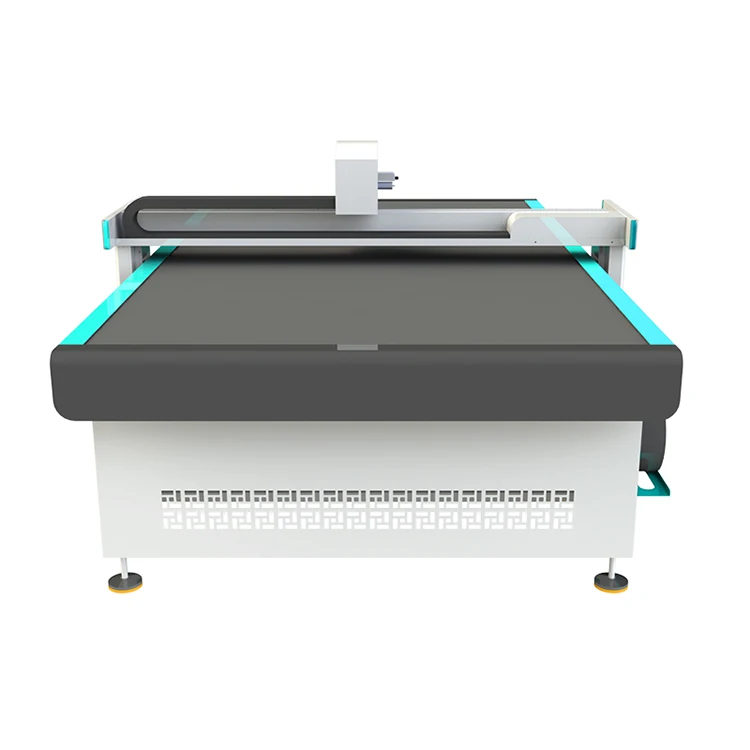
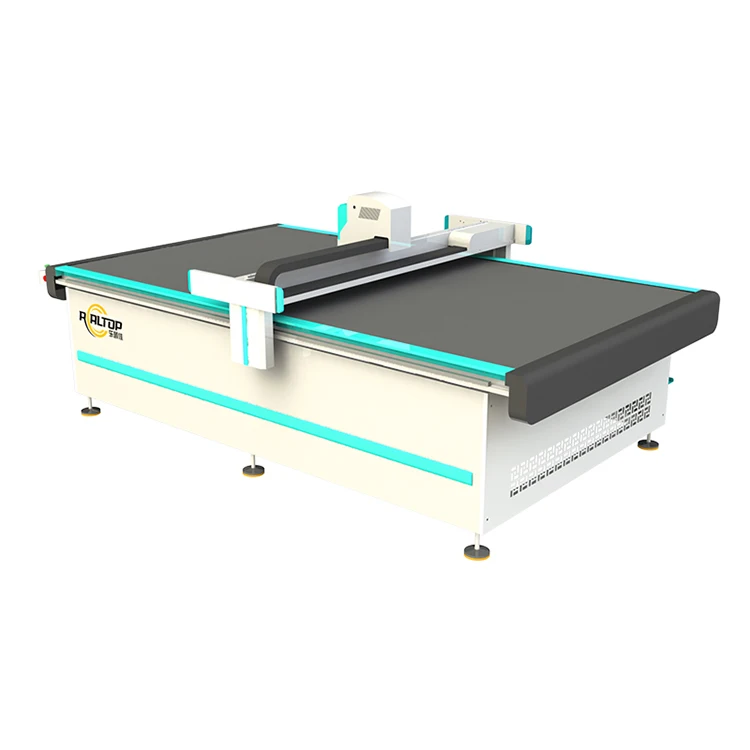
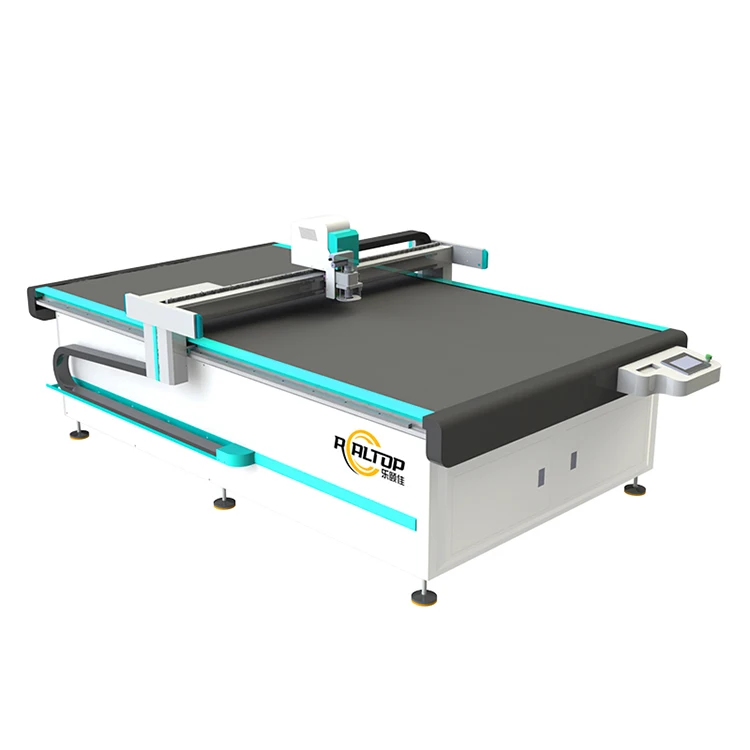
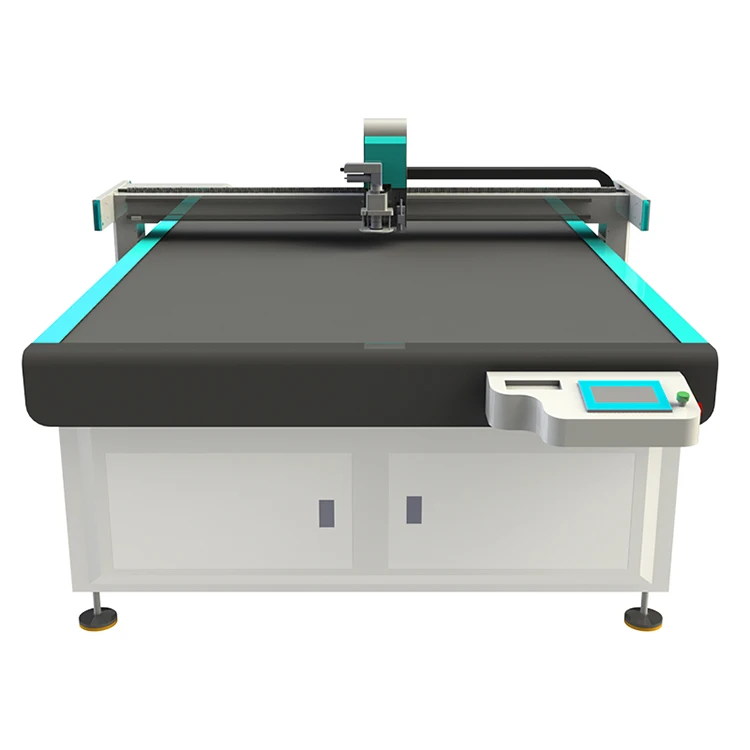
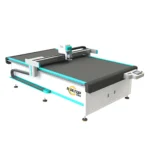
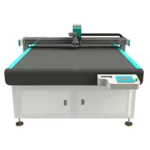
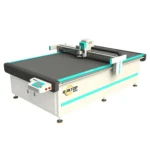
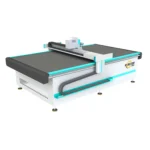

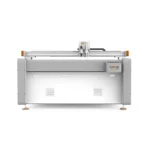
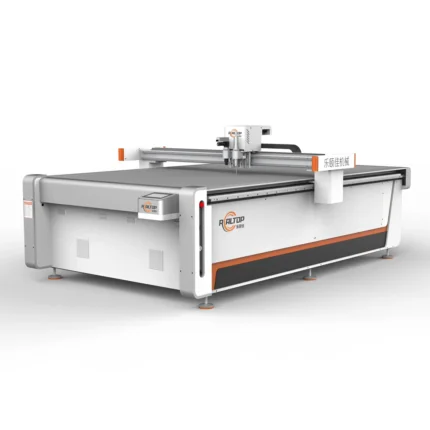
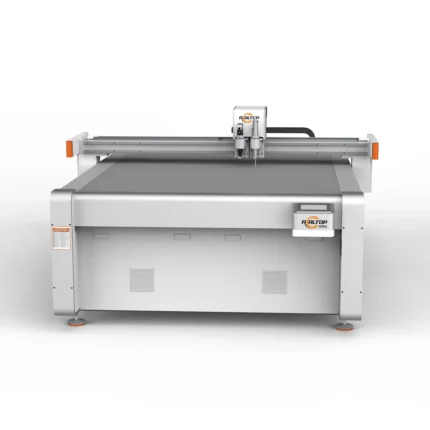
Cardboard Puzzle CNC Cutting Machine RT-D2516/RT-S2516 | Manufacturer
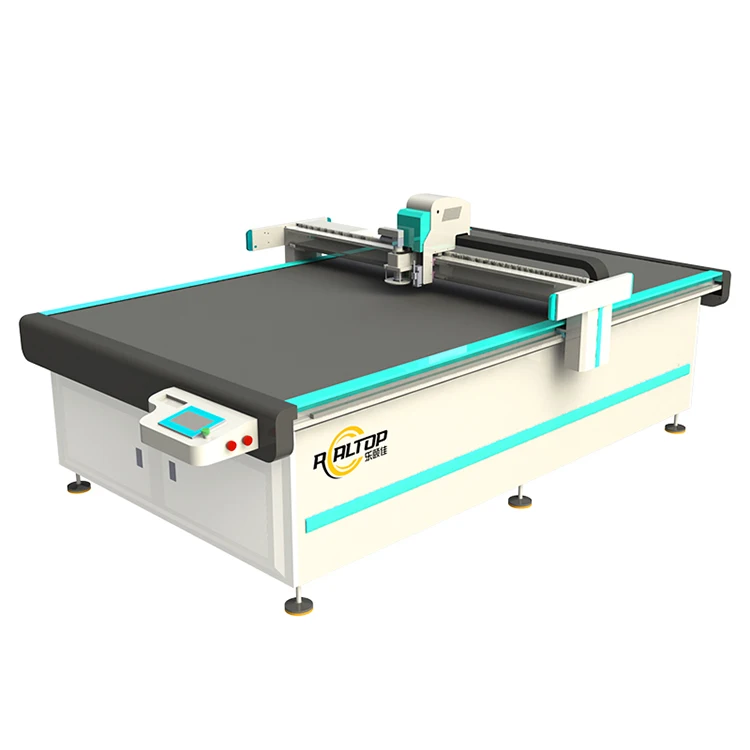
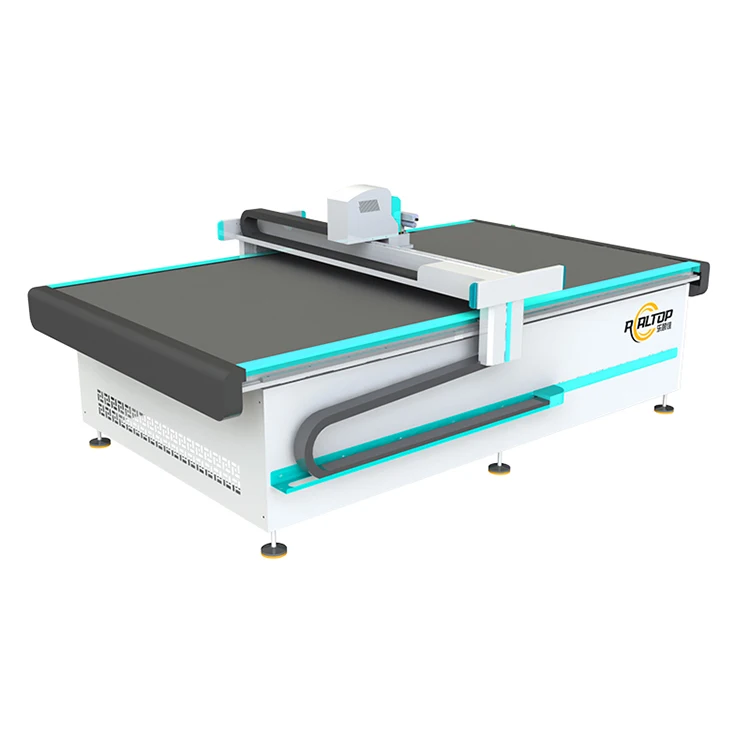
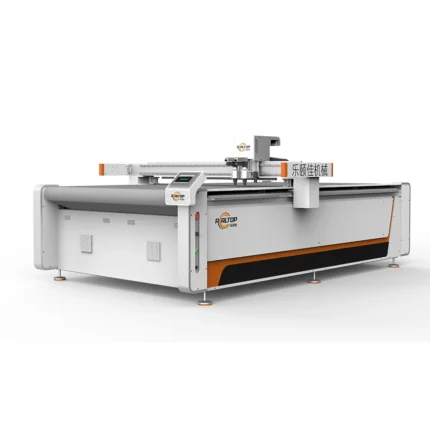
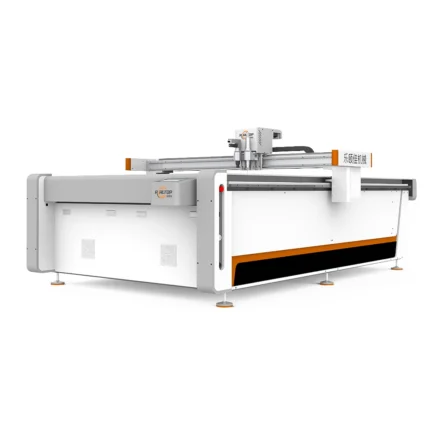
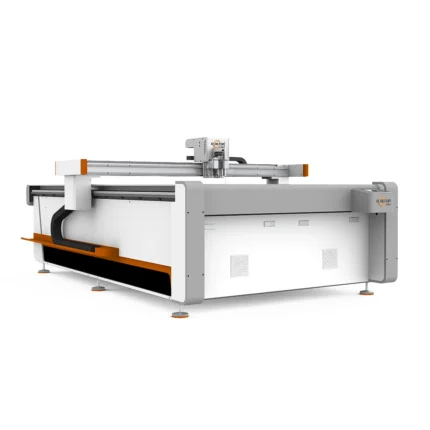
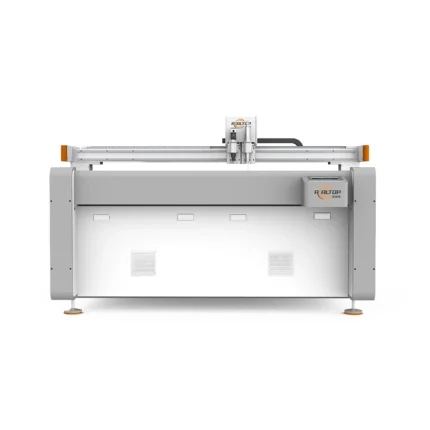
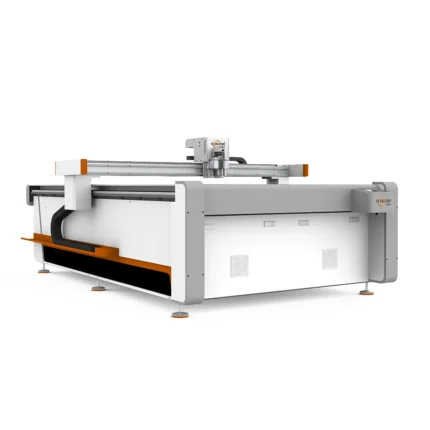
RT-D2516/RT-S2516 CNC Oscillating Knife Cutting Machine, 1600×2500 mm Working Area, 9 kW Rated Power — configured for cardboard puzzle cutting, corrugated box prototyping and flexible material processing.
- Swiss imported oscillating knife with full-cut and half-cut vibration modes ensures clean edges on corrugated board, foam and composites
- 7.5 kW vacuum pump with flat table hold-down secures small puzzle pieces during high-speed contour cutting
- Yaskawa servo motors and Hiwin linear rails deliver ≤0.1 mm repeatability across the full cutting area
- HP-GL compatible instruction system integrates directly with your existing CAD and nesting workflow
Laser and knife technologies are both developed in-house, so the cutting method is matched to your material rather than forced into one process — sample cutting on your own stock is available before commitment.
Tool head and table configuration specified per material and production volume — the RT-D2516/RT-S2516 CNC oscillating knife cutting machine ships with Swiss-imported knife modules, vacuum zoning mapped to your sheet size, and a confirmed electrical schematic before crating.
Technical Specifications
| Parameter | Value |
|---|---|
| Model | RT-D2516 / RT-S2516 |
| Product Type | CNC Oscillating Knife Cutting Machine |
| Working Area | 1600 × 2500 mm |
| Machine Size (L × W × H) | 3450 × 2300 × 1250 mm |
| Rated Power | 9 kW |
| Table Type | Flat working table with vacuum hold-down |
| Vacuum Pump | 7.5 kW |
| Multifunctional Head | Swiss imported knife with vibration full cutting, half cutting and cursor location |
| Translational Velocity | 800–1200 mm/s |
| Cutting Speed | 200–800 mm/s (basis to be confirmed by material and thickness) |
| Repeated Accuracy | ≤0.1 mm |
| Transmission System | Digital servo motor, linear guide, synchronous belt, ball screw (imported components) |
| Servo Motor | Japanese Yaskawa |
| Linear Rail | Taiwan Hiwin |
| Conveyor Belt | Germany imported |
| Safety Device | Infrared sensors |
| Instruction System | HP-GL compatible format |
| Voltage | 380V ±10% |
| Auto Feeding | Included |
| Certification | CE |
Application Suitability
| Application | Material or Output |
|---|---|
| Corrugated box prototyping and sampling | Single, double and triple-wall corrugated board |
| Cardboard puzzle cutting | Grey board and coated cardboard up to working thickness |
| Packaging sample making | Folding carton stock, honeycomb board, foam board |
| Flexible material cutting for garment and leather goods | Leather, sponge composite leather, PVC, soft glass |
| Gasket and composite fabrication | Silicon, rubber, non-metallic sealing materials |
What "Cutting Speed 800 mm/s" Really Means on Cardboard
Cutting speed depends entirely on material density, flute profile and blade wear — a number on a spec sheet tells you nothing without the substrate in front of the knife.
I have watched buyers compare CNC oscillating knife cutting machine listings side by side, pick the one with the highest headline speed, and then wonder why edges crush on triple-wall corrugated. Translational velocity and actual cutting velocity are different measurements. The RT-D2516/RT-S2516 lists 800–1200 mm/s travel and 200–800 mm/s cutting, but the usable window narrows as board density increases. Before any order, we run your actual stock on the table and document achievable speed at acceptable edge quality. [NEED_CITE: relationship between oscillating knife stroke frequency and corrugated flute crush resistance]
How Oscillating Knife Frequency Affects Edge Quality on Board Stock
The Swiss-imported knife head on this CNC oscillating knife cutting machine vibrates at high frequency to slice through fibrous material rather than tear it. On corrugated board, a clean cut requires the blade to penetrate the liner and flute structure without compressing the air pockets inside. Full-cut and half-cut vibration modes let the operator match blade action to the layer being scored or separated. When cutting grey board for puzzle pieces, the half-cut mode scores the face paper while the full-cut mode releases the finished shape in one pass.
Why Vacuum Zoning Decides Whether Small Parts Stay Put
The 7.5 kW vacuum pump pulls air through a zoned flat table. On a 1600 × 2500 mm surface cutting large carton blanks, full-area suction is usually sufficient. The problem emerges when the job shifts to small puzzle pieces or narrow gasket strips. Without independent zone valves, vacuum leaks through the exposed table area and suction at the cutting line drops. The RT-D2516/RT-S2516 flat table is divided so that only the active cutting region holds vacuum. This keeps thin cardboard and flexible PVC from lifting into the knife path mid-cut, which would otherwise produce ragged edges or stall the head entirely. [NEED_CITE: vacuum table zoning configuration for CNC flatbed cutting of small-format parts]
Reading the Specs That Matter for Packaging and Flexible Material Work
The ≤0.1 mm repeated accuracy comes from the combination of Yaskawa servo motors and Hiwin linear rails — this matters most when cutting interlocking puzzle pieces or registered carton crease lines where accumulated drift across a long sheet pushes the final piece out of tolerance. The HP-GL compatible instruction system accepts output from standard packaging CAD platforms, so file conversion does not become a bottleneck between design and table. Rated power at 9 kW covers the servo drives, vacuum pump, and oscillating head simultaneously without requiring a dedicated high-capacity circuit beyond the specified 380V ±10% three-phase supply. The Germany-imported conveyor belt in the auto-feeding system resists abrasion from repeated sheet loading, extending the interval between belt replacements compared to standard rubber compounds.
The Cost of Skipping Material-Specific Configuration
A packaging buyer once sourced a flatbed cutter based on working area and price alone. The machine arrived with a single fixed-frequency knife head, and their 3mm grey board crushed at the edges instead of cutting cleanly. Retrofitting a variable-frequency oscillating head after delivery cost them weeks of downtime and a second round of commissioning. On flexible materials like sponge composite leather, the wrong blade angle produces frayed edges that fail downstream stitching. Specifying the tool head against your actual material before production starts avoids these rework loops entirely. [NEED_CITE: consequences of incorrect oscillating knife blade selection for composite flexible materials]
Why Production Houses Source This CNC Oscillating Knife Cutting Machine Here
In-house design covers the frame welding, motion system integration, and control software as a single build process rather than assembling sourced sub-assemblies. The RT-D2516/RT-S2516 is configured per buyer material before factory testing — corrugated board buyers get one vacuum zone map, leather buyers get another. Sample cutting on your own stock ships back with a documented report so edge quality and throughput are confirmed before commitment. Voltage, plug type, and control language are verified against your facility drawings before crating, which prevents the on-site electrical rework I have seen delay commissioning by weeks. The HP-GL instruction compatibility is confirmed against your existing CAD output so nesting workflows carry over without software replacement.
Documentation & Verification
- Machine specification sheet listing confirmed tool head, vacuum zone map, and conveyor configuration for your material
- Electrical schematic with voltage and phase matching your facility supply before dispatch
- Factory test record on your board thickness and type documenting cut quality and speed
- Software licence and HP-GL file format compatibility note signed off before production
- Spare parts list with blade, belt, and vacuum consumable part numbers and replacement intervals
Installation, Commissioning & Support
- 3450 × 2300 mm machine footprint requires level concrete floor with clearance for auto-feeding conveyor
- 9 kW rated power at 380V ±10% three-phase needs a dedicated breaker sized to inrush current
- Machine ships with table and frame separated; on-site assembly and rail alignment typically take two days
- Vacuum zone mapping calibrated to your sheet size and material during first commissioning run
- Operator training covers knife head changeover, vacuum zone selection, and nesting file import
- Swiss knife blades and Germany conveyor belt stock held for dispatch within standard lead times
What to Prepare Before Requesting a Quote
Send the material type, board thickness or density, and maximum sheet dimensions you plan to run. Include your facility voltage and frequency, the control language your operators need, and a sample DXF or PLT file from your current CAD platform so we can confirm instruction system compatibility. If you need sample cutting on your own stock, ship a few sheets and we will return cut pieces with a documented speed and edge quality report.
Frequently Asked Questions
Q: How is the cutting method and tool head selected for my specific material and thickness?
A: We run sample cuts on your actual material using full-cut and half-cut oscillating modes. Edge quality, cutting speed, and blade wear are documented in a report before you commit. The knife head angle and vibration frequency are then locked into the build specification for your order.
Q: Can the voltage, plug type and control language be customized before shipment?
A: Yes. We confirm your facility’s electrical supply — voltage, phase, and frequency — and match the control interface language to your operators. An electrical schematic is shared for your electrician’s approval before the machine enters final assembly.
Q: How is vacuum table zoning configured to prevent small parts from lifting?
A: The 1600 × 2500 mm flat table is divided into independently valved zones. We map active zones to your typical sheet size and part geometry during commissioning so vacuum concentrates where the knife is cutting, holding narrow strips and small puzzle pieces flat throughout the pass.
Q: What software file formats are compatible, and is nesting supported?
A: The HP-GL compatible instruction system accepts output from standard packaging CAD and nesting platforms. We confirm compatibility with your specific software by running your sample files on the machine before order confirmation to avoid workflow disruptions.
Q: How can I arrange sample cutting on my own material before placing an order?
A: Ship us a small batch of your production material along with a cutting file. We run it on the RT-D2516/RT-S2516, document achievable speed and edge quality, and send the cut samples back with a full report so you can evaluate results before committing to the purchase.


Related products
Automatic Digital Cardstock Cutter 2026 CNC Cutter
Product Introduction
Automatic Digital Cardstock Cutter 2026 is a CNC cutting machine ideal for white cardboard and kraft paper. It offers precise and efficient cutting performance, suitable for various paper processing needs in manufacturing and craft applications.Key Specifications
| Type | CNC Digital Cutting Machine |
| Material Compatibility | White Cardboard, Kraft Paper |
| Operation | Automatic |
| Application | Paper Cutting & Processing |
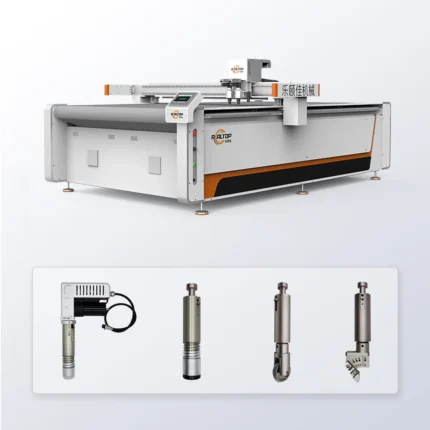

CNC Flatbed Oscillating Knife Cutting Machine 2026
Product Introduction
High-performance CNC Flatbed Oscillating Knife Cutting Machine 2026, ideal for precision cutting of various materials with advanced oscillating knife technology, ensuring efficient and accurate operations for industrial manufacturing needs.Specifications
| Model | 2026 |
| Type | CNC Flatbed Oscillating Knife Cutting Machine |
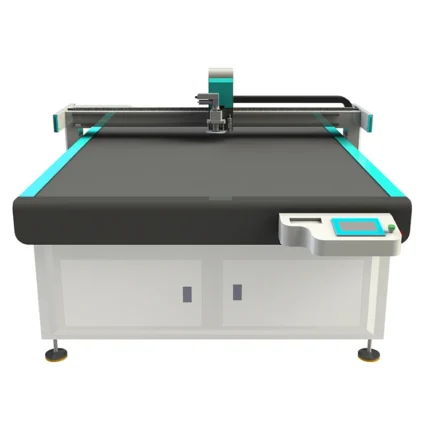
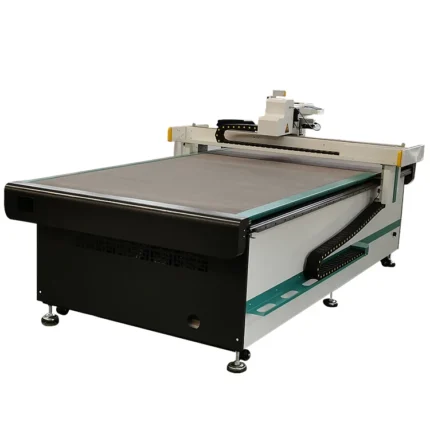
CNC Oscillating Knife Cutting Machine 2026 for Corrugated Cardboard & Honeycomb
Product Introduction
2026 CNC Oscillating Knife Cutting Machine, ideal for corrugated cardboard and honeycomb materials, offering precise and efficient cutting solutions for your production needs.Specifications
| Model | 2026 |
| Type | CNC Oscillating Knife Cutting Machine |
| Applicable Materials | Corrugated Cardboard, Honeycomb |
| Cutting Method | Oscillating Knife |
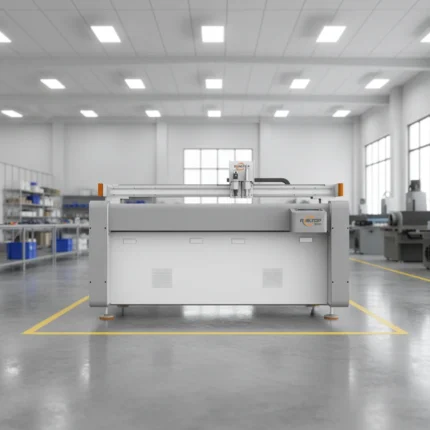
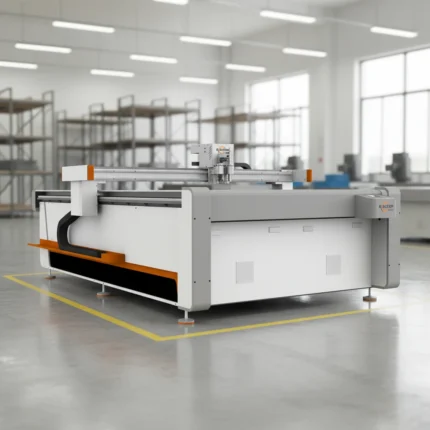


Digital CNC Cardboard Cutting Machine 2026
Product Introduction
High-precision Digital CNC Cardboard Cutting Machine 2026, ideal for efficient cardboard processing with advanced CNC technology, ensuring precise and fast cutting performance for various packaging and craft applications.
Key Specifications
| Model | 2026 |
| Type | Digital CNC Cutting Machine |
| Material | Cardboard |
| Feature | High Precision, Efficient Cutting |

Realtop CNC Carton Box Cutter 2026 CCD Camera Honeycomb Cutting
Product Introduction
Realtop CNC Carton Box Cutter 2026 is a professional cutting solution featuring CCD Camera and Honeycomb Cutting technology, ideal for precise carton box processing with efficient performance.Product Parameters
| Model | Realtop CNC Carton Box Cutter 2026 |
| Vision System | CCD Camera |
| Cutting Technology | Honeycomb Cutting |
商品评价
There are no reviews yet.