


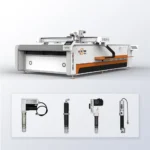
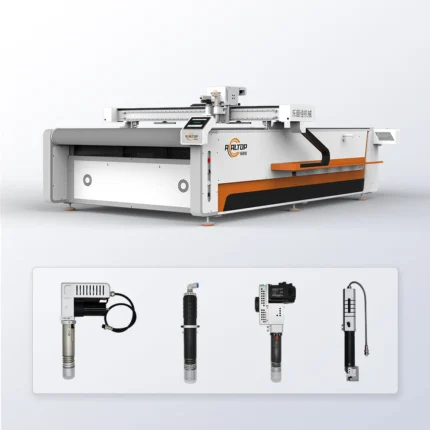
Cloth Apparel CNC Cutting Machine – Industrial Application
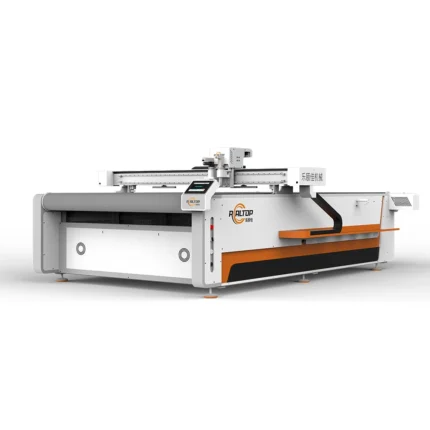
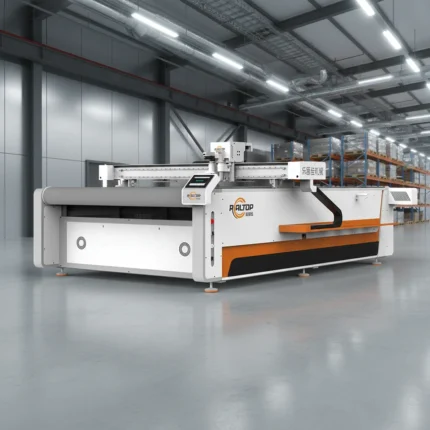
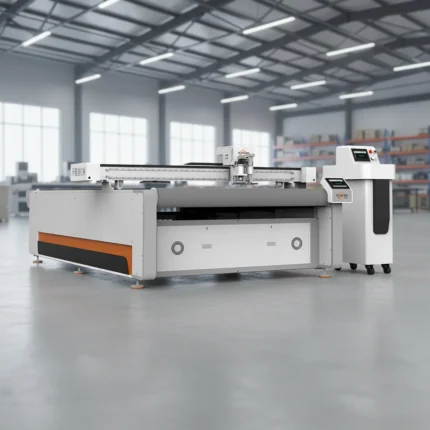
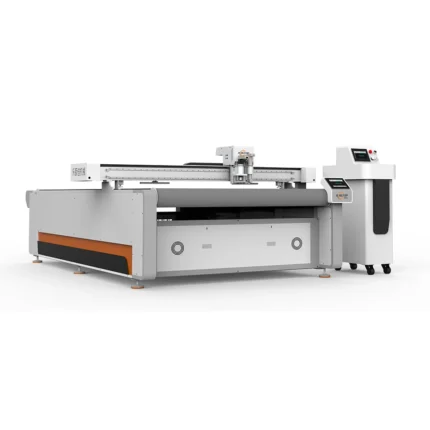
RT-D2516/RT-S2516 CNC Vibrating Knife Cutting Machine, 1600×2500mm Working Area, ≤50mm Cutting Thickness — engineered for garment, textile and leather producers who need clean edge quality across natural and synthetic materials. Panasonic servo motors deliver ≤0.1mm repeatability, while the high-density felt vacuum table secures fabric during cutting. Swiss imported oscillating knife supports full and half cutting modes for diverse material stacks.
- HP-GL compatible format with software workflow confirmed before order
- Modular tool holder accepts round knife, marking pen and auto feeder upgrades
Sample cutting on your own fabric material available before commitment, with full configuration and voltage documentation tailored to your market.
Tool head and table configuration specified per material — the RT-D2516/RT-S2516 is configured with a Swiss imported oscillating knife and high-density felt vacuum table to match garment and textile production requirements rather than relying on generic defaults.
Technical Specifications
| Parameter | Value |
|---|---|
| Model | RT-D2516/RT-S2516 |
| Product Type | CNC Vibrating Knife Cutting Machine |
| Working Area | 1600×2500 mm |
| Machine Size | 3450×2300×1250 mm |
| Rated Power | 9 kW |
| Translational Velocity | 800–1200 mm/s |
| Cutting Thickness | Up to 50 mm depending on material |
| Repeated Accuracy | ≤0.1 mm |
| Tool Head | Swiss imported oscillating knife with full cutting, half cutting and cursor location |
| Table Surface | High-density felt with 7.5 kW vacuum pump |
| Transmission System | Digital servo motor, linear guide, synchronous belt, ball screw |
| Servo Motor | Panasonic |
| Control System | CNC, HP-GL compatible format |
| Voltage | 380V ±10% |
| Safety Device | Infrared sensors |
| Modular Tool Holder | Compatible with round knife, marking pen, auto feeder |
| Language Options | English, Russian, Italian, Chinese; special languages customizable |
| Standards | CE |
Application Suitability
| Application | Material or Output |
|---|---|
| Garment fabric cutting | Single and multi-layer woven, knitted and technical textiles for apparel production |
| Leather goods manufacturing | Natural and synthetic leather for shoe uppers, bags and belts |
| Automobile interior trim | Sponge composite leather, flexible PVC and soft trim materials |
| Textile and fashion sampling | Pattern prototyping on silk, denim, fleece and blended fabrics |
| Composite materials processing | Foam laminates, silicon sheets and rubber gasket stock |
Why Software Compatibility Decides Your Actual Output
Confirming HP-GL file format and nesting workflow before the order prevents weeks of idle machine time on the shop floor.
Many garment and textile workshops already run nesting software from established providers, generating cut files in specific formats. When a new CNC oscillating knife cutting machine laser process or knife-only system arrives and the control software cannot import those files directly, operators resort to manual re-drawing or third-party conversion. Pattern distortion follows, especially on nested multi-size marker layouts where a millimeter of drift accumulates across dozens of pieces. [NEED_CITE: common CAD/CAM file format compatibility issues in garment manufacturing]
Matching the Cutting Method to the Fabric
REALTOP designs both knife and laser cutting systems in-house, which means the decision between an oscillating knife and a CO2 laser is based on your actual fabric behavior rather than on whichever machine happens to be in stock. Natural fibers like cotton and denim respond well to knife cutting with clean edges and no thermal discoloration. Synthetics such as polyester and nylon may benefit from laser sealing on edges that would otherwise fray. Having both technologies under one roof allows a garment producer to run a sample comparison on the same roll of fabric before committing to a configuration.
Vacuum Hold-Down for Multi-Layer Lay-Ups
When cutting multiple plies of knit or stretch fabric, even slight material movement between the knife and the bottom layer ruins pattern accuracy. The RT-D2516/RT-S2516 uses a high-density felt table surface paired with a 7.5 kW vacuum pump to distribute suction across the working area. This holds lightweight chiffon and heavy canvas alike without clamping or pinning, which would otherwise distort bias-cut pieces. [NEED_CITE: vacuum table zoning requirements for small garment pattern pieces]
What the Specs Mean on the Cutting Table
The 1600×2500 mm working area accommodates a standard fabric roll width laid flat, reducing the need to fold or reposition material mid-job. Panasonic servo motors with digital linear guides deliver ≤0.1 mm repeated accuracy, which matters when pattern pieces must align precisely during sewing — a 0.5 mm drift on a collar piece compounds into visible asymmetry on the finished garment. The Swiss imported oscillating knife operates in both full cutting and half cutting modes; half cutting scores the material for fold lines or perforation without severing it, useful for packaging inserts and sample books alongside apparel. A modular tool holder accepts a round knife for heavy woven fabrics, a marking pen for pattern identification, and an auto feeder for continuous roll processing, so the same machine handles different jobs without hardware replacement.
The Cost of Skipping the Sample Cut
A machine specified only on working area and maximum thickness can still produce ragged edges on elastane-blend jersey or crush foam composites if the wrong tool head is selected. Stretch fabrics cut with excessive vibration frequency develop frayed edges that require additional trimming downstream. Sponge composite leather cut without adequate vacuum zoning lifts at the edges during the pass, creating dimensional inaccuracy across the marker. [NEED_CITE: material-specific tool head selection for oscillating knife cutting machines] These issues surface only after production begins, when return shipping is no longer practical.
Why Buyers Source This Machine Here
REALTOP manufactures both CNC knife cutting and laser cutting equipment, so the recommendation is driven by material testing rather than by a single product line quota. The in-house design team specifies tool head and table configuration based on the buyer’s fabric type and daily volume, confirmed through a sample cutting report on the buyer’s own material before the order is finalized. Electrical schematics document voltage, plug type and control language for the target market, preventing on-site rewiring after delivery. HP-GL software compatibility is verified during the pre-order stage so nesting workflows transfer without conversion. The factory test record captures actual cutting performance on the specified material, not a generic demonstration board.
Documentation & Verification
- Machine specification sheet listing tool head, table surface and vacuum pump configuration
- Electrical schematic with confirmed voltage, frequency and plug type for destination market
- Sample cutting report produced on buyer’s own fabric before order commitment
- Software licence and HP-GL file format compatibility note verified pre-shipment
- Factory test record documenting cutting accuracy and edge quality on specified materials
- Spare parts list covering knife blades, felt segments and vacuum seals
Installation, Commissioning & Support
- 3450×2300×1250 mm machine footprint requires a level concrete floor with clearance for the auto feeder infeed
- 380V ±10% supply with a dedicated circuit rated for 9 kW continuous draw plus the 7.5 kW vacuum pump
- Overall welded frame arrives assembled; table felt and modular tool holders are fitted and calibrated on site
- First-run parameter setting includes oscillation frequency and vacuum zoning matched to the buyer’s fabric type
- Operator training covers knife blade replacement, HP-GL file import and nesting workflow integration
- Scheduled maintenance covers Hiwin rail lubrication, synchronous belt tension checks and vacuum pump filter service
What to Include With Your Inquiry
Provide your fabric types with composition and weight per square meter, the maximum lay-up thickness you plan to cut, and your typical daily volume in markers or meters. Confirm your local voltage and frequency, the control language your operators need, and whether your existing nesting software exports HP-GL or another format. If you can send a sample roll of your most difficult material, a test cut will be run before any configuration is finalized.
Frequently Asked Questions
Q: How do I confirm whether knife or laser cutting suits my fabric?
A: Send a sample of your fabric with the intended layer count. A cutting test is run using both the oscillating knife and a comparable laser system where applicable. The sample cutting report documents edge quality, sealing effect and dimensional accuracy, so the decision is based on physical results rather than catalog descriptions.
Q: What file formats does the software accept and how does nesting work?
A: The control system accepts HP-GL compatible format. Before shipment, your existing nesting files are tested for direct import and correct tool path generation. If your software uses a different format, compatibility notes and conversion steps are documented so your workflow continues without interruption.
Q: Can voltage and control language be customized for my market?
A: The RT-D2516/RT-S2516 is configurable across standard industrial voltages, with control interface language options including English, Russian, Italian and Chinese, plus special languages on request. The electrical schematic and voltage confirmation document your exact specification before production begins.
Q: How does vacuum table zoning handle small pattern pieces?
A: The high-density felt surface and 7.5 kW vacuum pump distribute suction across the working area. During the sample cutting stage, zoning effectiveness is tested on your smallest pattern pieces to confirm that lightweight and bias-cut fabrics remain flat throughout the cutting pass without lift or shift.
Q: What is the process and lead time for sample cutting?
A: Once your material sample arrives, a test cut is scheduled on a machine configured to your specification. The sample cutting report, including edge photographs and dimensional measurements, is shared for your review before quotation and production proceed, typically within a standard processing window.


Related products
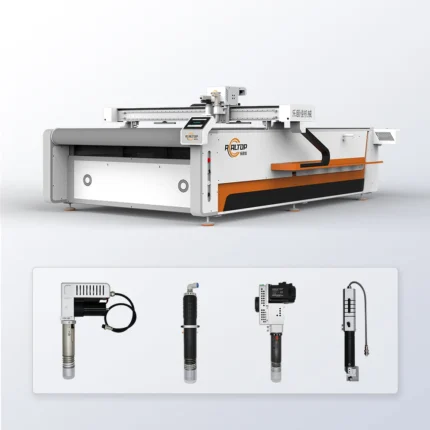
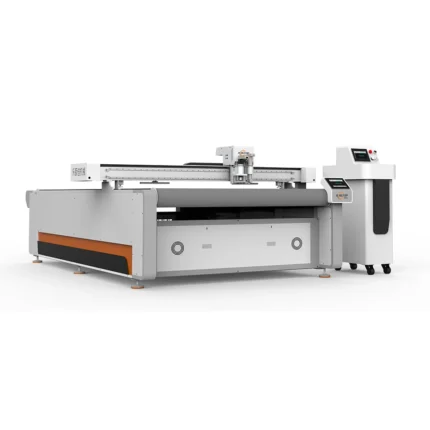
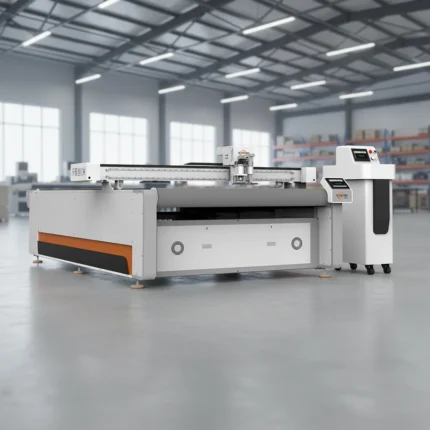
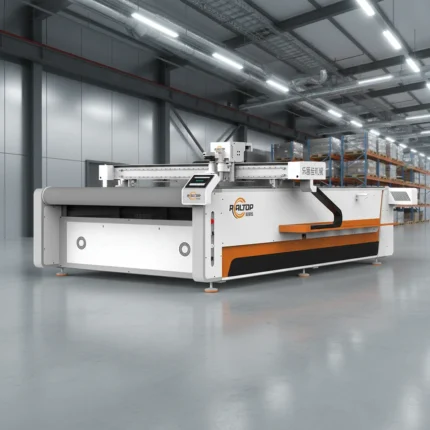
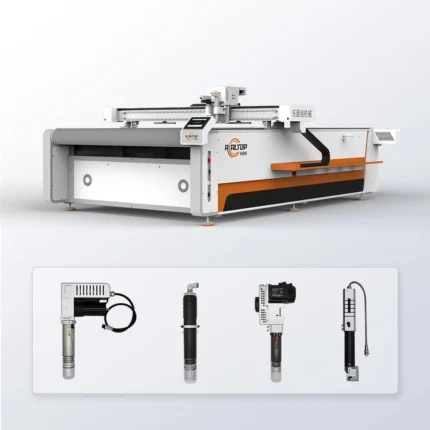
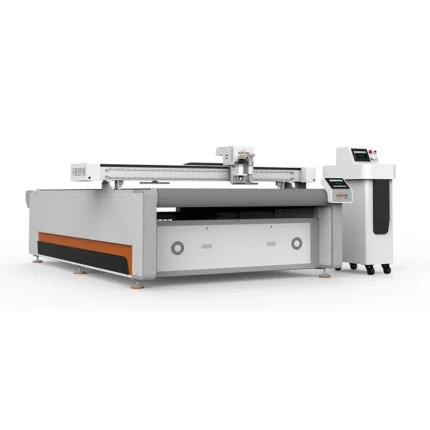
CNC Vibration Knife System 2026 for Polyester Nylon Non-Woven Prepreg
Product Introduction
CNC Vibration Knife System 2026 is ideal for cutting polyester, nylon, non-woven fabrics, and prepreg materials with precision and efficiency, suitable for industrial manufacturing needs.Product Parameters
| Model | 2026 |
| Cutting Technology | CNC Vibration Knife |
| Materials | Polyester, Nylon, Non-Woven, Prepreg |
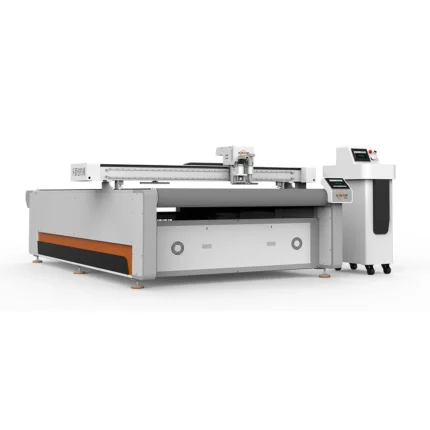
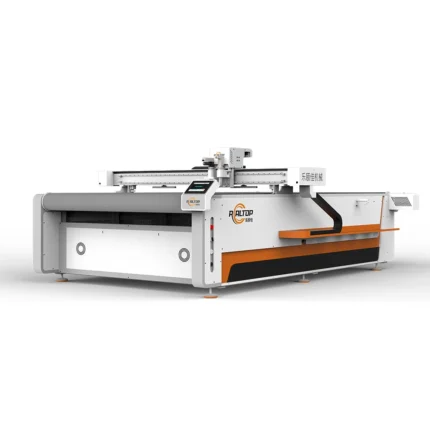
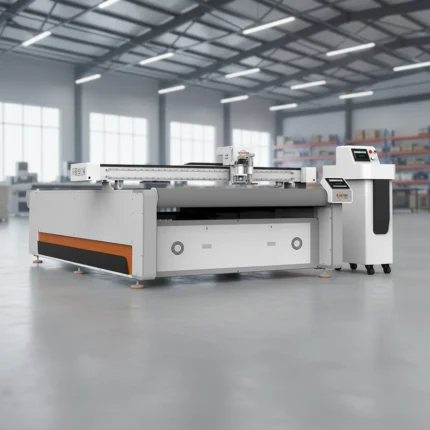
Jinan Realtop CNC Fabric Slitting Cutter 2026: Advanced Flexible Material Cutter
Product Introduction
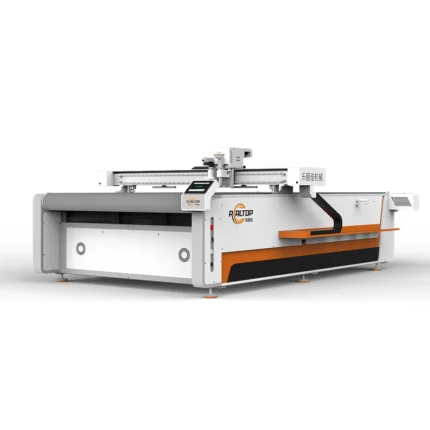
Jinan Realtop CNC Fabric Slitting Cutter 2026 is a high-performance cutting equipment designed for precise fabric processing, ideal for industrial manufacturing needs with reliable CNC technology.Specifications
| Model | 2026 |
| Type | CNC Fabric Slitting Cutter |
| Manufacturer | Jinan Realtop |
| Application | Fabric Processing |
| Control System | CNC |
商品评价
There are no reviews yet.