






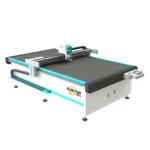
CNC Cardboard Cutting Machine for Packaging – Industrial Application
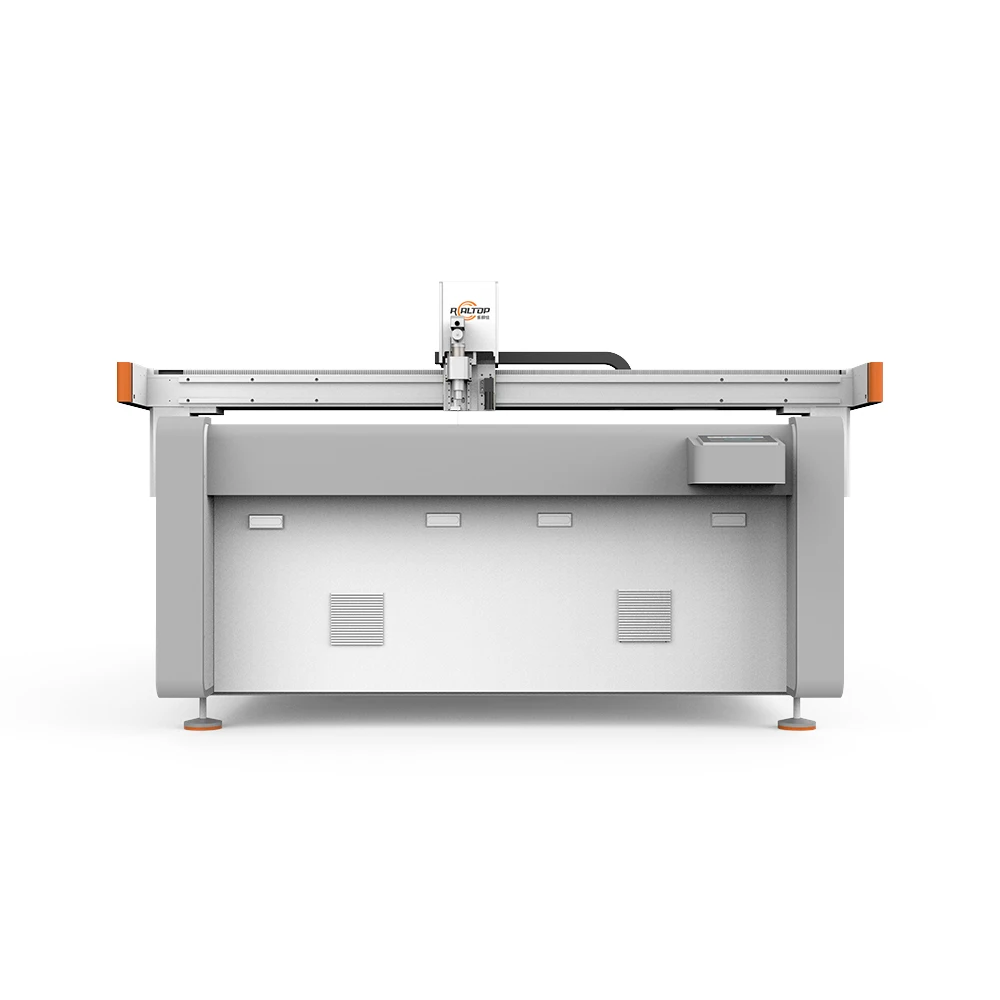
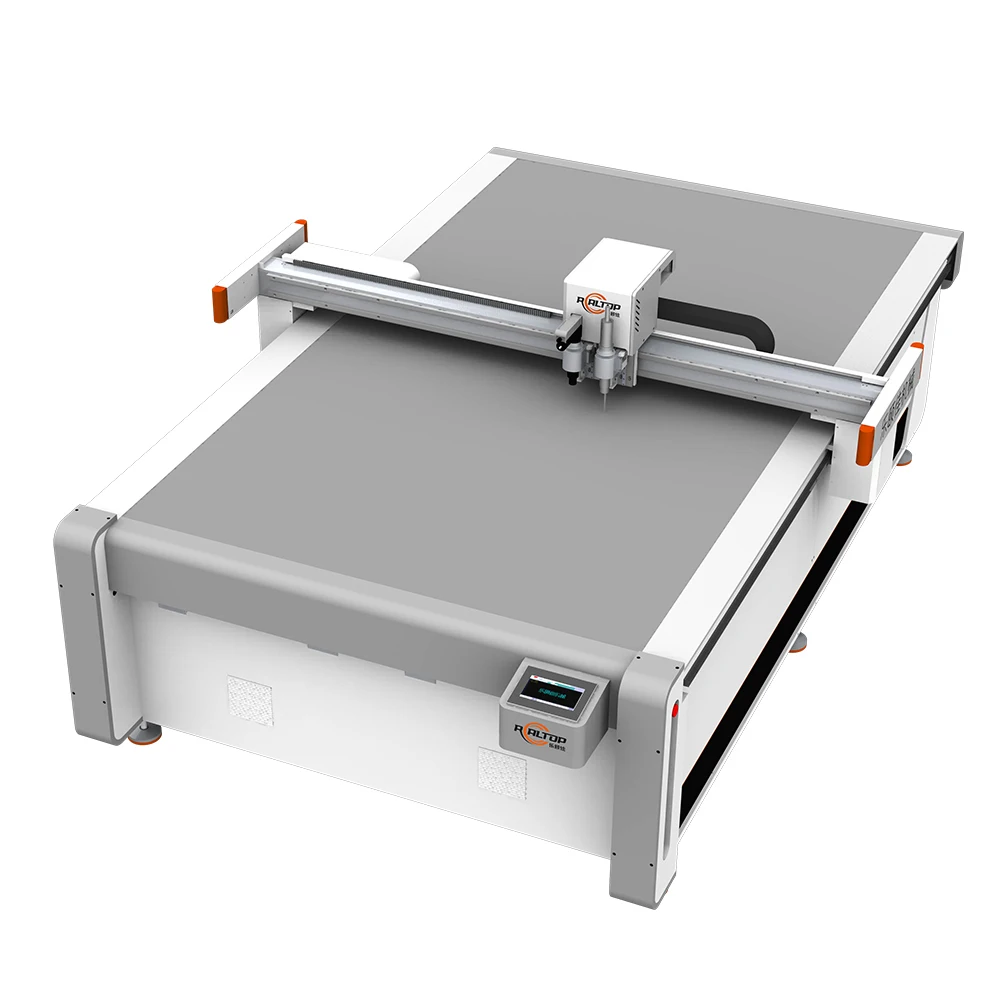
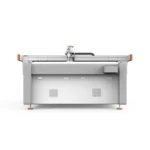
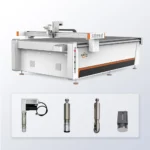
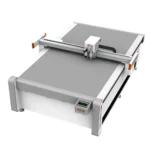
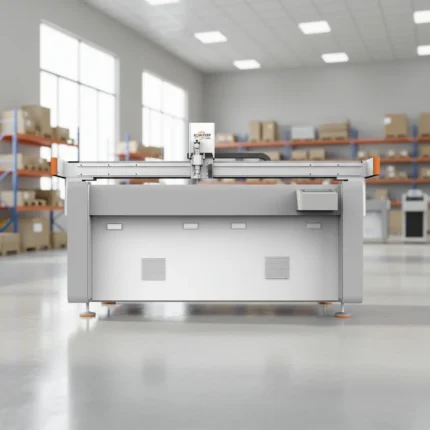
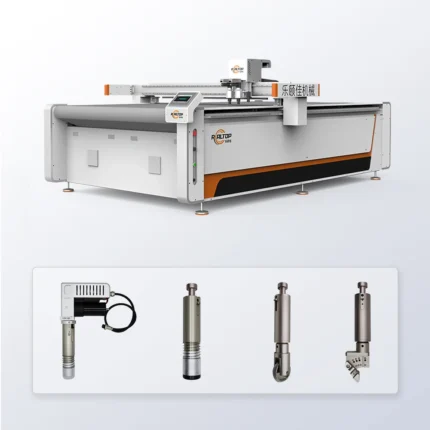
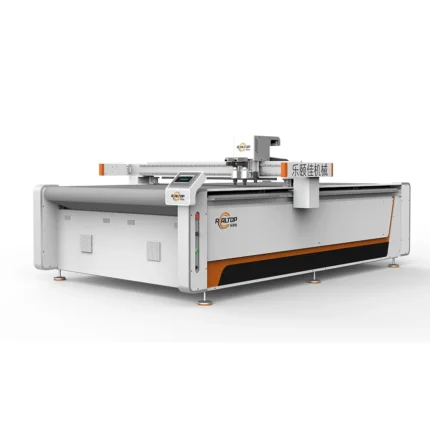
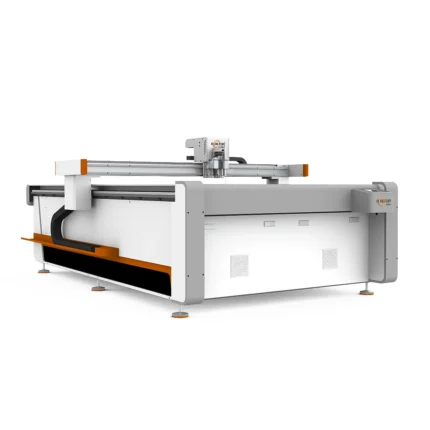
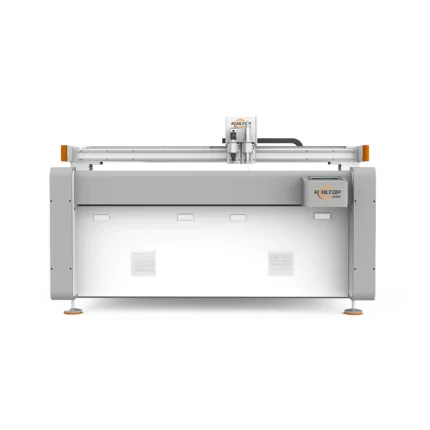
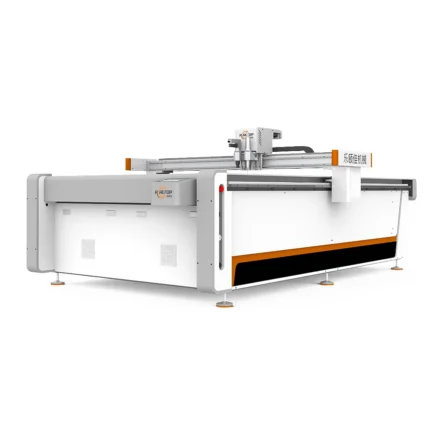
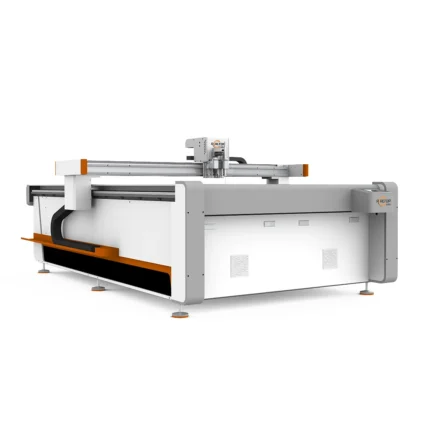
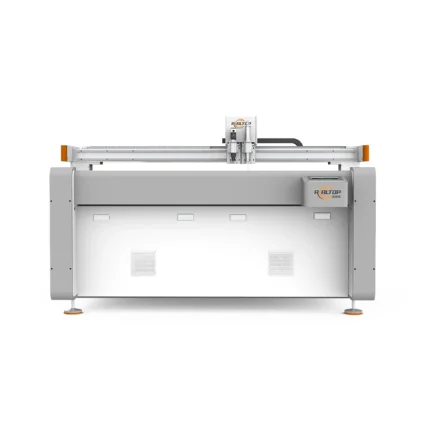
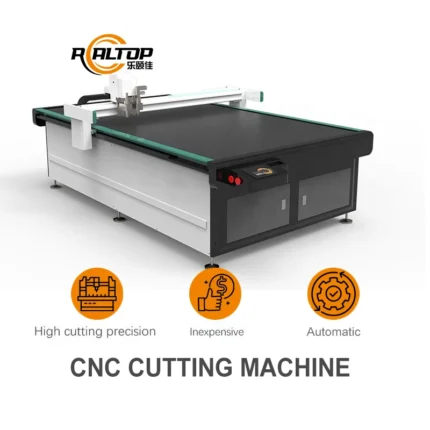
CNC Cardboard Cutting Machine, 1600×2500mm, ≤40mm Thickness, Oscillating Knife — configured for corrugated, greyboard and foam packaging work. Interchangeable tool heads including creasing wheel, V-groove and kiss cutting let you match the tool to each box structure rather than force one method. CCD camera tracks printed register marks on pre-printed sheets at production speed.
- Sample cutting on your own material before order confirms real cutting depth and edge quality
- Voltage, plug and control language confirmed in writing before production
- Software compatibility checked to ensure your existing DXF/AI files import correctly
Tool Head Matched to Material Density — A 1625 flatbed configured with oscillating knife, creasing wheel and V-groove tooling rather than forcing a single cutting method across every corrugated flute and foam insert.
Technical Specifications
| Parameter | Value |
|---|---|
| Product Type | CNC Oscillating Knife Cutting Machine for Packaging |
| Working Area | 1600×2500 mm |
| Cutting Thickness | ≤ 40 mm (varies by flute type and material density) |
| Cutting Speed | 0–1500 mm/s |
| Cutting Accuracy | ±0.1 mm |
| Tool Head Options | Oscillating knife, driven rotary knife, creasing wheel, kiss cutting tool, pneumatic knife, milling tool, V-groove knife, CCD camera |
| Vacuum Table | Aluminum bellows vacuum table with zoned adsorption |
| Vacuum Pump Power | 9 kW |
| Vacuum Pump Construction | Aerospace-grade aluminum integrally cast |
| Servo Motor Options | Panasonic, Delta, Dorna |
| Voltage Options | 110V / 220V / 380V |
| Control System | PLC control panel with intuitive interface |
| Supported File Formats | PLT, DXF, AI, PDF |
| Software | Dedicated packaging box structure design software |
| Safety Devices | Infrared sensor device and emergency stop device |
| Language Options | English, Russian, Italian, Chinese; special languages customizable |
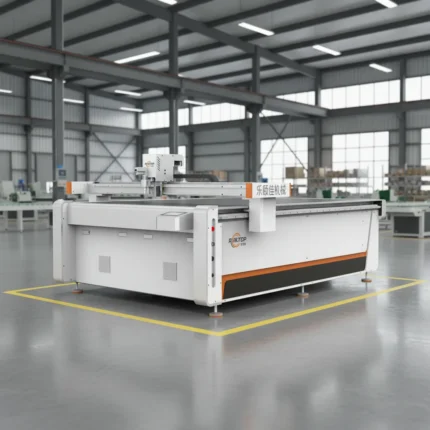
| Machine Dimensions (L×W×H) | 3300×2100×1350 mm |
Application Suitability
| Application | Material or Output |
|---|---|
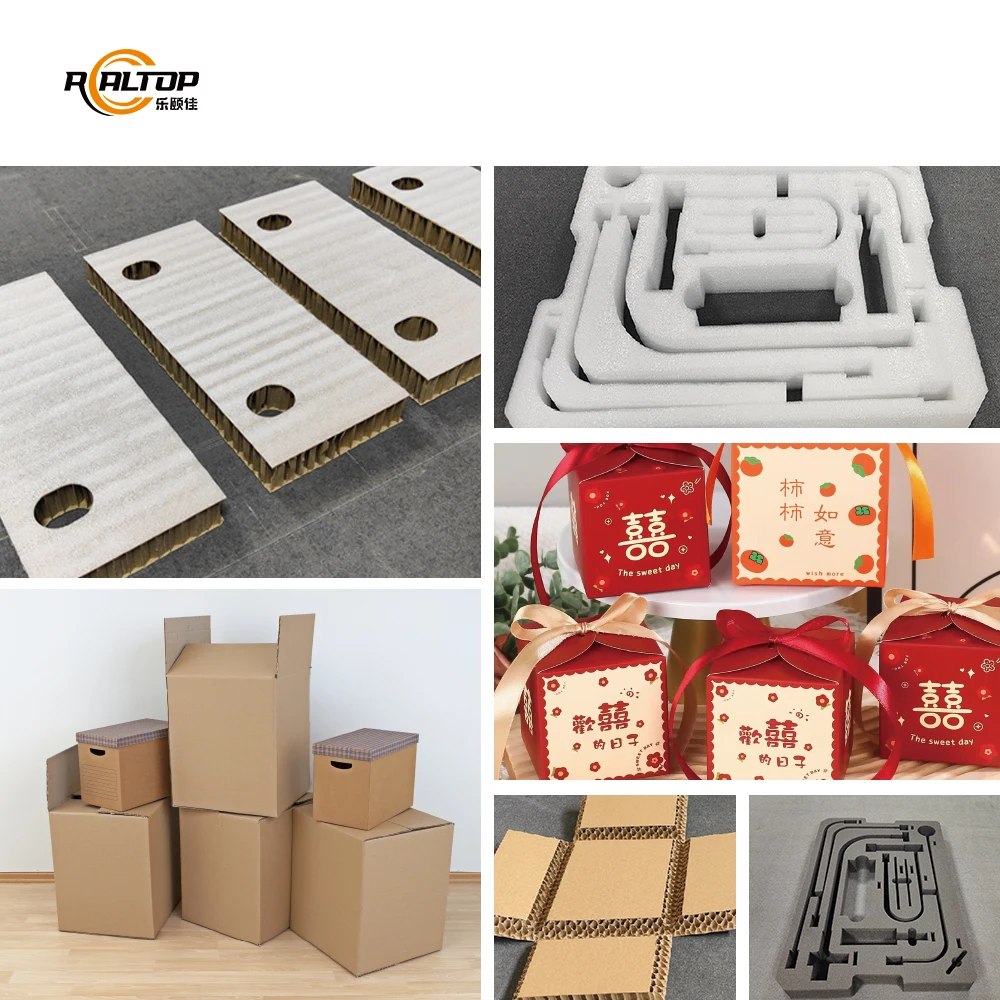
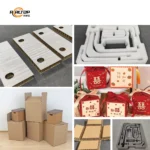
| Packaging sample making | Corrugated cardboard (E-flute, B-flute, BC-flute), greyboard, cardstock |
| Short-run custom box production | Art paper, specialty paper, folding carton stock |
| Protective insert fabrication | EVA, EPE, PU foam, Coroplast |
| Gasket and lining for packaging | Rubber mats, non-woven fabric, thin PVC and PET sheets |
| Leather and synthetic packaging trim | Leather, synthetic leather, velvet, fleece fabric |
| Composite and adhesive-backed inserts | Composite materials, adhesive-backed laminates |
Why "Working Area" Is Not Enough When Sizing a CNC Cardboard Cutting Machine
A 1600×2500 mm table only tells you the sheet footprint it accepts — not whether the tool head can actually penetrate the flute structure at production speed.
I once saw a buyer specify a flatbed purely on bed size, assuming any oscillating knife would handle their double-wall BC-flute corrugated board. When the machine arrived, the standard knife stalled on the dense outer liner, leaving ragged edges and crushed flutes along the cut path. The real question was never whether the sheet fit on the table. It was whether the cutting tool matched the material density and whether the vacuum hold-down kept the board flat under the knife [NEED_CITE: material density effects on oscillating knife cutting performance]. That mismatch cost them weeks of rework before the correct tool head was sourced and installed.
Tool Head Selection Drives Edge Quality Across Flute Types
The oscillating knife handles standard single and double-wall corrugated cleanly, but denser greyboard and laminated art paper respond better to a driven rotary knife that shears through fibres rather than punching them. A CNC cardboard cutting machine configured with multiple interchangeable heads lets the operator switch between an oscillating knife for foam inserts, a creasing wheel for fold lines, and a V-groove knife for rigid box corners — all on the same flatbed without re-fixturing the sheet.
CCD Contour Recognition on Pre-Printed Packaging Sheets
When packaging runs involve pre-printed sheets with registration marks, the CCD camera reads the printed contour and adjusts the cutting path in real time. This matters for short-run luxury boxes where the print-to-cut alignment determines whether the finished sample is acceptable or scrapped. The camera tracks marks across the full working area, though performance at maximum traverse speed depends on mark contrast and lighting conditions in the workshop [NEED_CITE: CCD contour recognition accuracy on pre-printed packaging substrates].
How Vacuum Zoning and Pump Capacity Affect Small-Part Hold-Down
The 9 kW vacuum pump with aerospace-grade aluminum casting generates the suction needed across the aluminum bellows table, but zoning is what actually keeps small cut parts from lifting during the final passes. On a 1600×2500 mm bed cutting dozens of small box blanks, only the active zones under the cutting path need full vacuum — the rest can be valved off to concentrate hold-down force. Without proper zoning, lightweight cardstock and thin foam inserts shift mid-cut, throwing off the ±0.1 mm accuracy rating and producing mismatched crease lines.
The Cost of Skipping a Sample Cut Before Committing
Every material behaves differently under the knife. A corrugated board rated at 3 mm from one supplier may have a denser liner than the same nominal thickness from another, changing how the oscillating knife penetrates and whether the edge crushes. Buyers who approve a configuration based on a catalogue thickness number alone often discover the mismatch only after the machine is installed and running their actual stock [NEED_CITE: material batch variation in corrugated packaging board]. A sample cutting report on the buyer’s own material — tested at the exact flute count, density and laminate structure — is the only reliable way to confirm the tool head, vacuum pressure and cutting speed before production begins.
Why Procurement Through This Channel
In-house design covers both knife cutting and laser processing, so a buyer evaluating packaging applications can compare oscillating knife cold cutting against CO2 laser die-board cutting and select the method that actually suits their material rather than being locked into one technology. Tool head and table configuration is specified per material and production volume, not quoted as a one-size-fits-all package. Software compatibility is confirmed before the order is placed — the dedicated packaging box structure design software imports PLT, DXF, AI and PDF formats, and the file workflow is verified against the buyer’s existing CAD environment. Voltage, plug type and control language are confirmed in writing before production starts, eliminating the post-shipment surprises that delay commissioning. Sample cutting on the buyer’s own material is standard practice, not an optional extra.
Documentation & Verification
- Machine specification sheet listing all tool heads shipped and optional heads available
- Electrical schematic with confirmed voltage, frequency and plug type for destination market
- Tool head and table configuration list matched to buyer’s material and box structures
- Sample cutting report on buyer’s own corrugated or foam stock before dispatch
- Software licence and file format compatibility note for DXF, AI, PLT and PDF workflows
- Operation and maintenance manual in confirmed control panel language
Installation, Commissioning & Support
- Floor space allocation based on 3300×2100 mm machine footprint plus material staging clearance
- Dedicated electrical circuit matching confirmed 110V, 220V or 380V supply with correct plug
- Vacuum pump commissioning and zone valve calibration for the 9 kW system on aluminium bellows table
- First-article test cut on buyer’s actual corrugated flute and foam density at installation
- Operator training on PLC control panel interface and tool head changeover procedures
- Spare parts list covering oscillating knife blades, creasing wheels and vacuum seals
What to Include in Your Inquiry
To configure the right CNC cardboard cutting machine for your packaging line, share the specific materials you run — including flute type, board thickness and whether sheets are pre-printed or laminated. Confirm your local voltage standard and frequency, preferred control panel language, and the file formats your design team currently uses. If you need sample cutting on your own stock before committing to a configuration, send a few representative sheets so the tool head and vacuum settings can be dialled in before the machine ships.
Frequently Asked Questions
Q: How is cutting thickness verified for my specific cardboard flute and foam density?
A: We run a sample cutting test on your actual material before order confirmation. The test covers your exact flute count, board thickness and foam density, documenting cut edge quality, crease depth and vacuum hold-down performance. This sample cutting report is the basis for final tool head and speed configuration, not a generic catalogue thickness rating.
Q: Which tool heads are included and how do I match them to my box structures?
A: The configuration is specified per your material list and box structure types. Oscillating knife suits standard corrugated, creasing wheel handles fold lines, V-groove cuts rigid box corners, and kiss cutting works for adhesive-backed inserts. A full tool head and table configuration list ships with your quotation so you know exactly what is included and what is optional.
Q: Will the software import my existing DXF and AI files?
A: Software compatibility is confirmed before the order is placed. The dedicated packaging design software supports PLT, DXF, AI and PDF formats. We verify that your existing CAD files and nesting workflow import correctly and that cut paths, crease lines and perforations translate without manual redraw.
Q: What voltage, plug and control panel language will my machine ship with?
A: Voltage options include 110V, 220V and 380V, and the correct plug type for your market is confirmed in writing before production begins. Control panel languages available include English, Russian, Italian and Chinese, with special languages customizable on request. All electrical specifications are documented in the pre-shipment confirmation.
Q: How does CCD contour recognition perform on pre-printed packaging sheets?
A: The CCD camera reads printed registration marks and adjusts the cutting path across the full 1600×2500 mm working area. Performance depends on mark contrast, print quality and workshop lighting. We test the CCD system on your pre-printed samples during the sample cutting phase to confirm tracking accuracy at production speed before the machine ships.


Related products
Automatic Die-less Cardboard Vibrating Knife Cutter 2026
Product Introduction
Automatic Die-less Cardboard Vibrating Knife Cutter 2026, a precision cutting solution for cardboard materials, featuring advanced die-less technology for efficient and flexible cutting operations. Ideal for various cardboard processing needs in manufacturing and packaging industries.Key Specifications
| Model | 2026 |
| Type | Automatic Die-less Cutter |
| Cutting Tool | Vibrating Knife |
| Material | Cardboard |
CNC Flatbed Cutter 2026 Digital Corrugated Box Making Machine
Product Introduction
High-precision CNC flatbed cutter designed for efficient cardboard box production. Ideal for 2026 digital corrugated box manufacturing, offering precise cutting and reliable performance for professional packaging solutions.
Key Specifications
| Type | CNC Flatbed Cutter |
| Application | Cardboard Box Production |
| Technology | 2026 Digital System |
| Material | Corrugated Board |

CNC Flatbed Oscillating Knife Cutting Machine 2026
Product Introduction
High-performance CNC Flatbed Oscillating Knife Cutting Machine 2026, ideal for precision cutting of various materials with advanced oscillating knife technology, ensuring efficient and accurate operations for industrial manufacturing needs.Specifications
| Model | 2026 |
| Type | CNC Flatbed Oscillating Knife Cutting Machine |
Digital Box Cutter 2026 Oscillating Knife Cardboard Cutter
Product Parameters
| Model | Digital Box Cutter 2026 |
| Cutting Type | Oscillating Knife |
| Material | Corrugated Cardboard |
Introduction
Professional oscillating knife cutting machine for corrugated cardboard. Ideal for precise, efficient cutting in packaging production. Reliable performance from China's leading welding & cutting equipment manufacturer.


Digital CNC Cardboard Cutting Machine 2026
Product Introduction
High-precision Digital CNC Cardboard Cutting Machine 2026, ideal for efficient cardboard processing with advanced CNC technology, ensuring precise and fast cutting performance for various packaging and craft applications.
Key Specifications
| Model | 2026 |
| Type | Digital CNC Cutting Machine |
| Material | Cardboard |
| Feature | High Precision, Efficient Cutting |
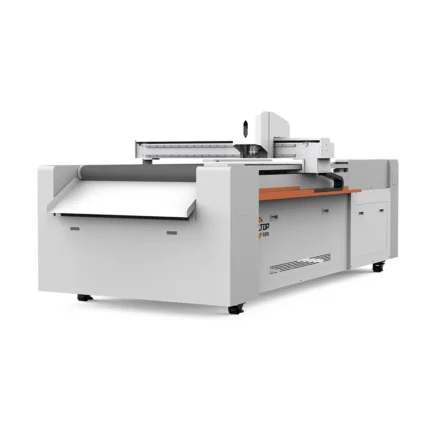
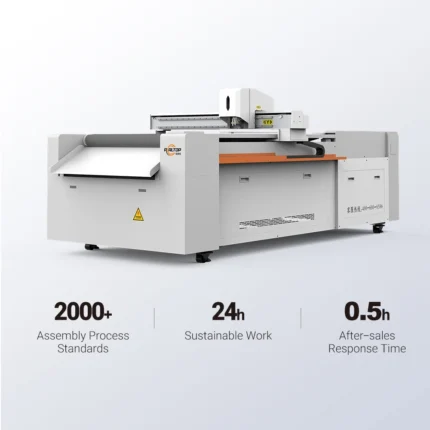

Realtop 2026 CNC Oscillating V-Cut Machine
Product Introduction
Realtop CNC Oscillating V-Cut Machine 2026 is a precision equipment designed for efficient V-cutting operations, ideal for various material processing needs with advanced CNC technology.
Key Specifications
| Model | Realtop CNC Oscillating V-Cut Machine 2026 |
| Type | CNC Oscillating V-Cut Machine |
| Application | Precision V-cutting operations |
| Feature | Advanced CNC technology |
商品评价
There are no reviews yet.