

CNC Fabric Cutting Machine for Apparel – Manufacturer
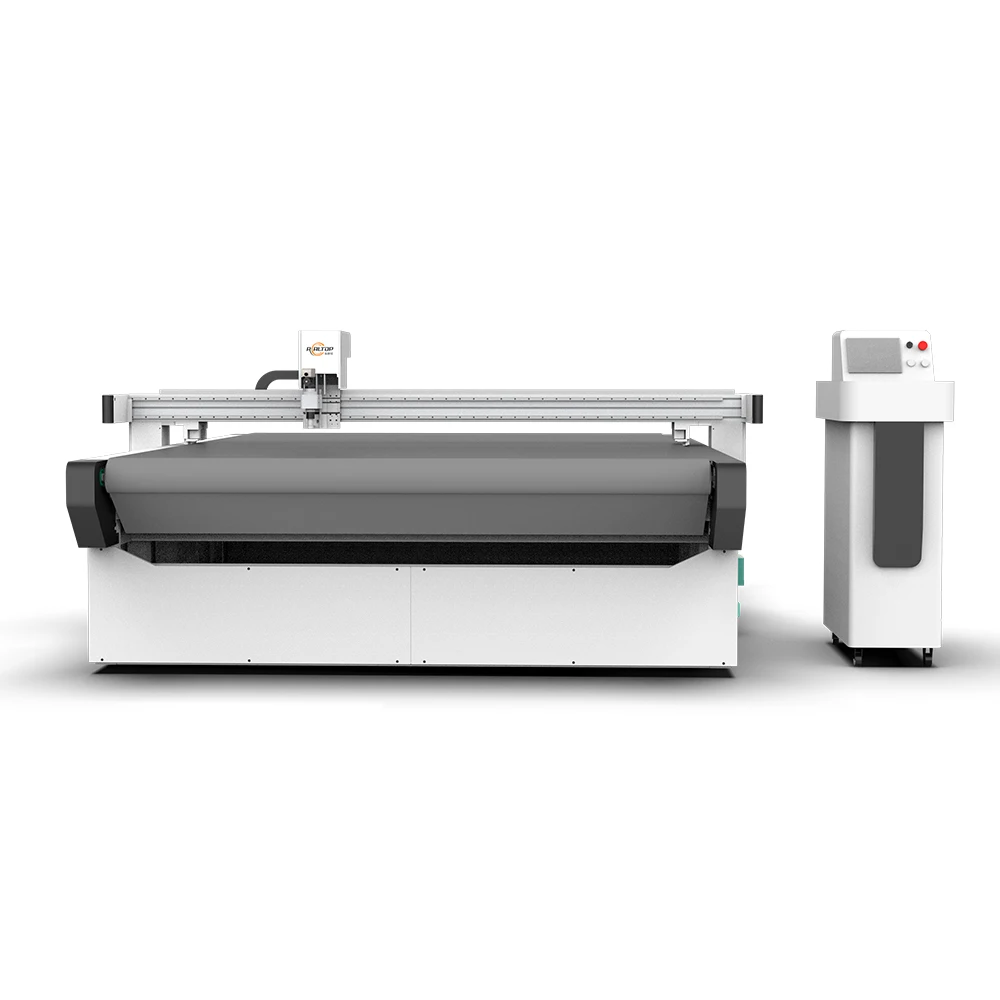
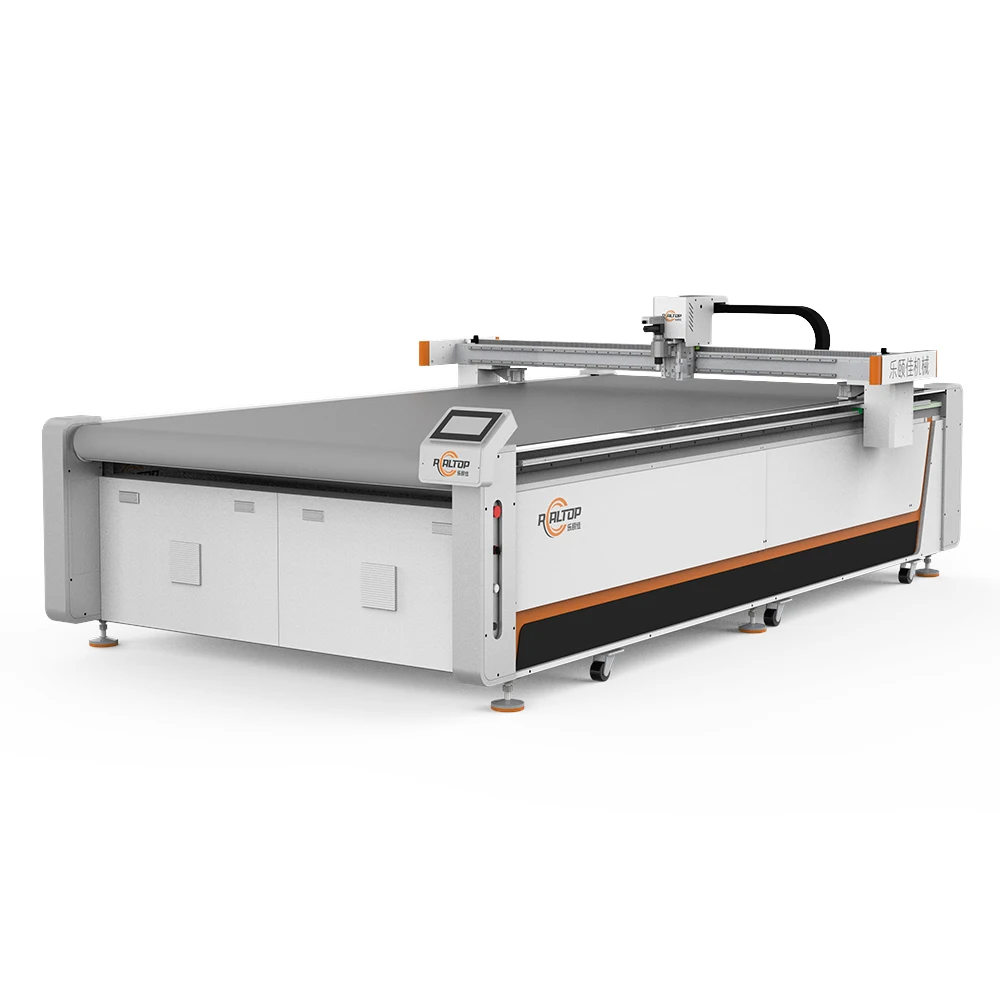
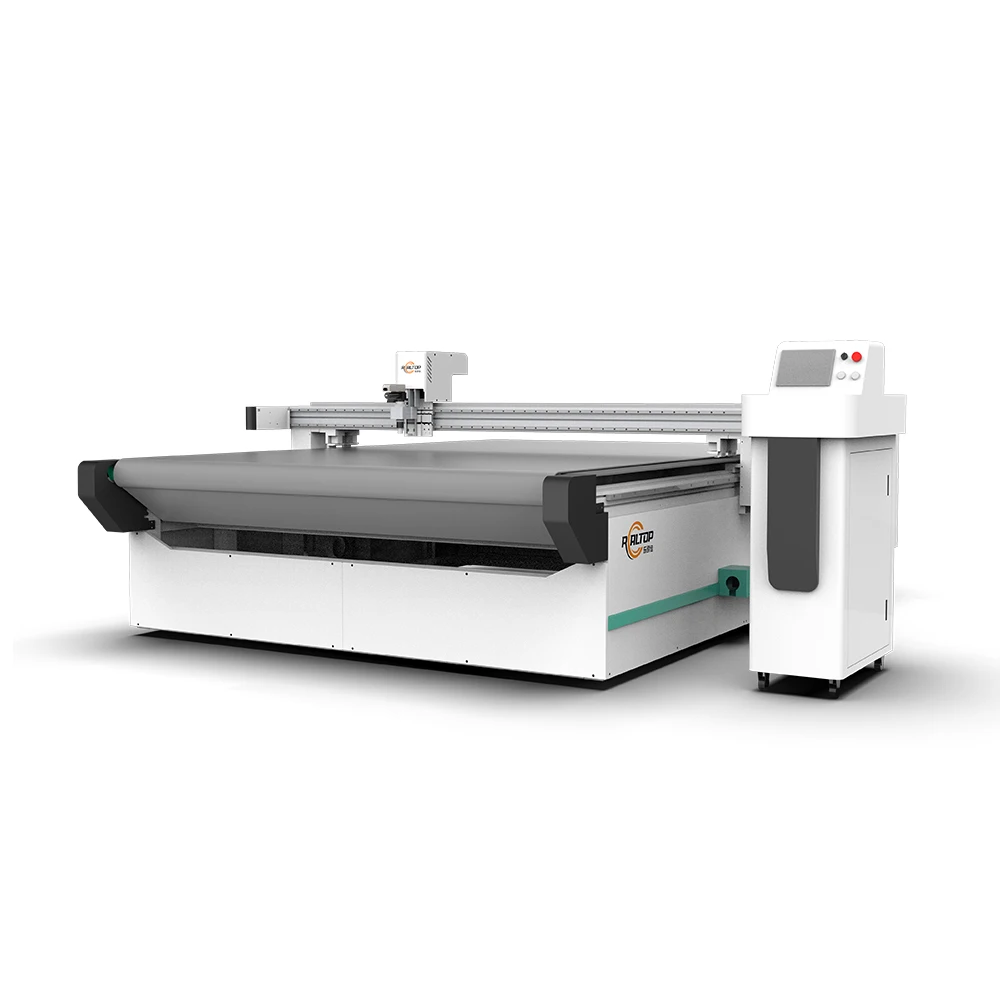
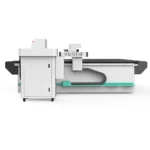
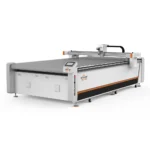
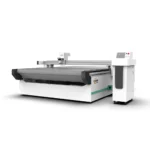
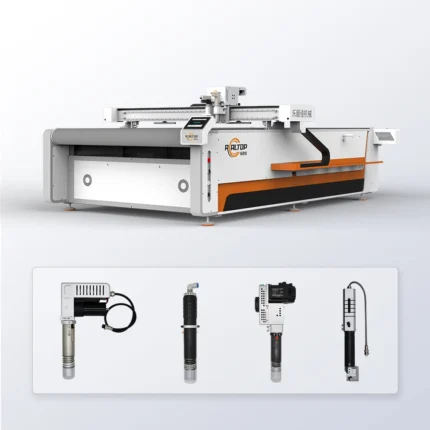
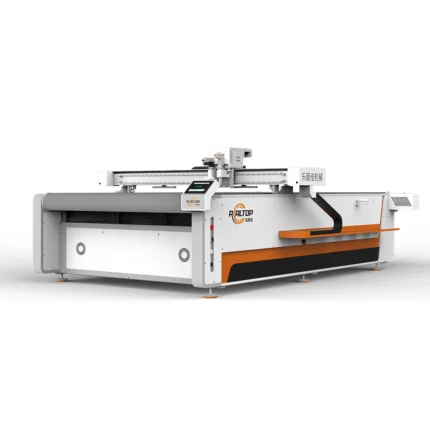
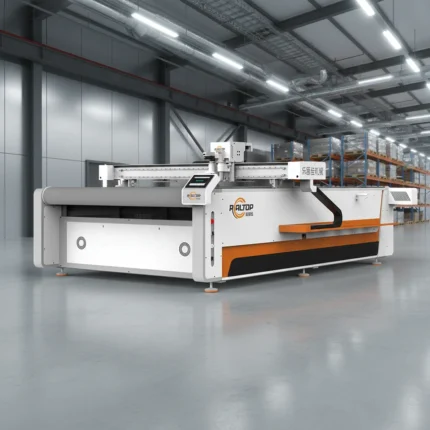
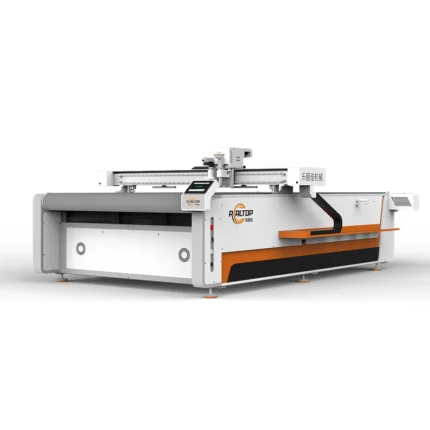
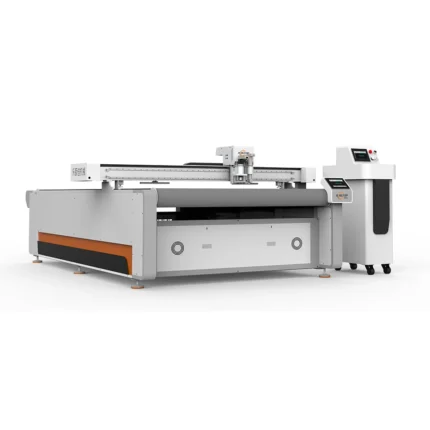
1625 CNC Oscillating Knife Cutting Machine, 1600×2500mm, 0–2000mm/s — delivers scorch-free cold cutting on synthetics and delicate fabrics where CO₂ laser heat would damage edges, with intelligent nesting and defect avoidance for maximum material yield.
- Compatible with 30+ flexible materials including knits, wovens, plush and leather
- PLC control with multi-language support, accepts PLT, DXF, AI and PDF files
- ±0.1mm cutting accuracy with aluminum bellows vacuum table for small-part stability
Tool head and table layout are specified to your material and daily volume, with sample cutting on your own fabric provided before you commit.
Process-matched cutting configuration — The 1625 oscillating knife platform specifies tool head, vacuum zoning and nesting parameters against the buyer’s actual production fabric, not a sample swatch.
Technical Specifications
| Parameter | Value |
|---|---|
| Product Type | CNC Oscillating Knife Cutting Machine |
| Working Area | 1600×2500 mm |
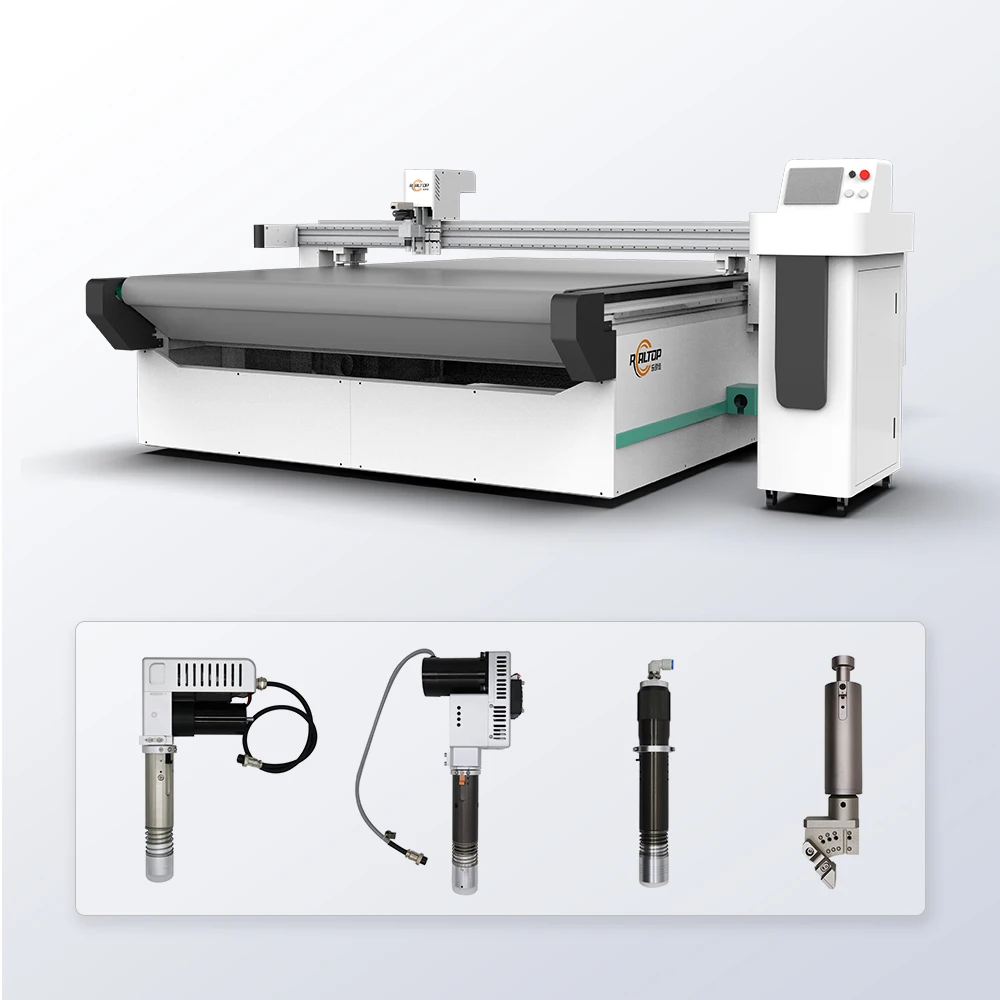
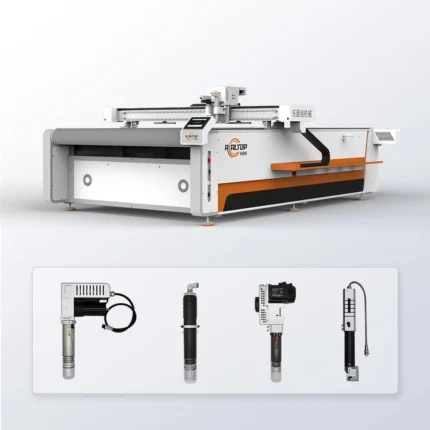
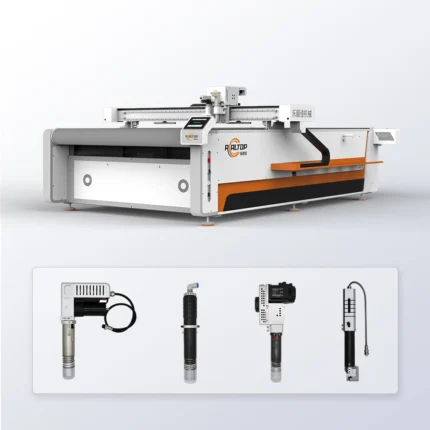
| Tool Head Options | Oscillating knife, Driven rotary knife, Creasing wheel, Kiss cutting tool, Pneumatic knife, Milling tool, V groove knife |
| Cutting Speed | 0–2000 mm/s |
| Cutting Thickness | ≤30 mm (basis not stated in source — confirm material type and density) |
| Cutting Accuracy | ±0.1 mm |
| Vacuum Pump Power | 9 kW |
| Vacuum Table | Aluminum bellows vacuum table |
| Control System | PLC control panel |
| Servo Motor Options | Panasonic, Delta, Dorna (source value — verify against manufacturer catalog) |
| Voltage Options | 110V, 220V, 380V (frequency not stated in source) |
| Software File Formats | PLT, DXF, AI, PDF |
| Nesting Software | Intelligent nesting system with defect avoidance |
| Language Options | English, Russian, Italian, Chinese, custom languages available |
| Safety Devices | Infrared sensor device, emergency stop device |
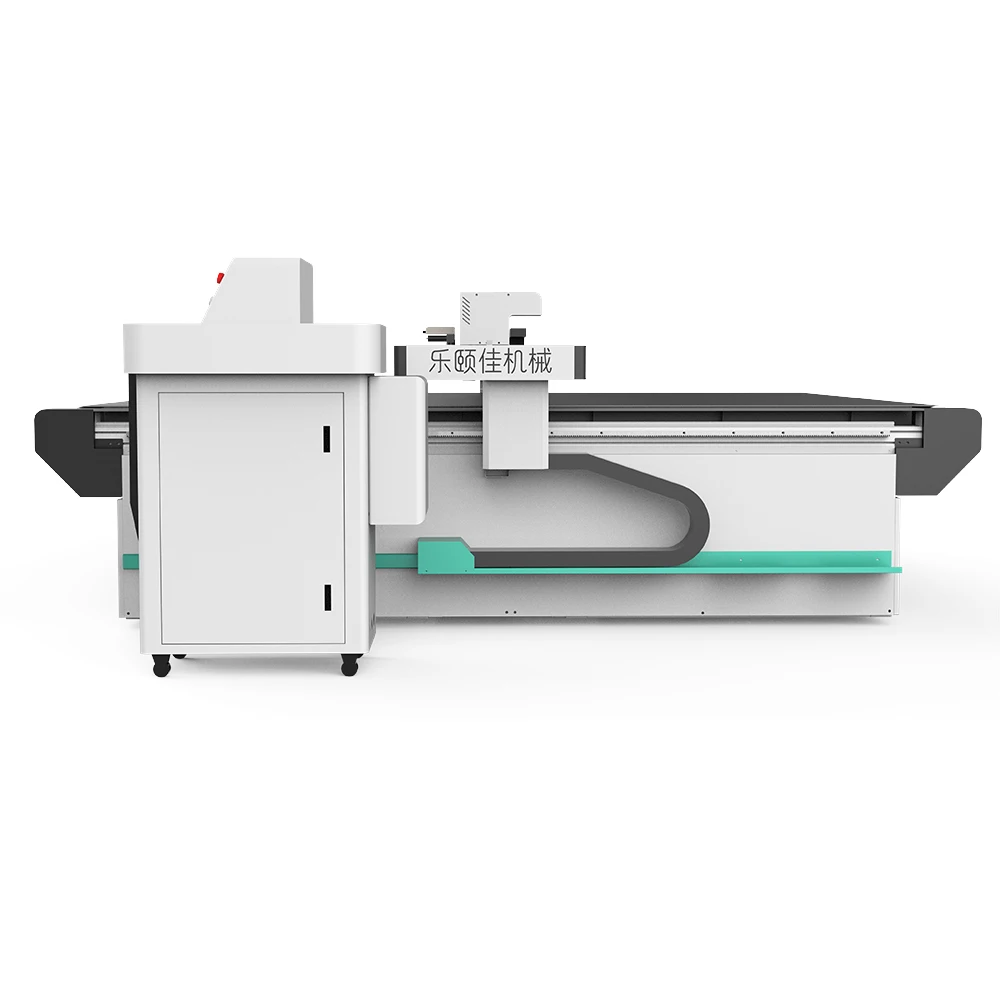
| Machine Dimensions (L×W×H) | 3300×2100×1350 mm |
| Standards | CE |
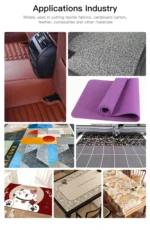
Application Suitability
| Application | Material or Output |
|---|---|
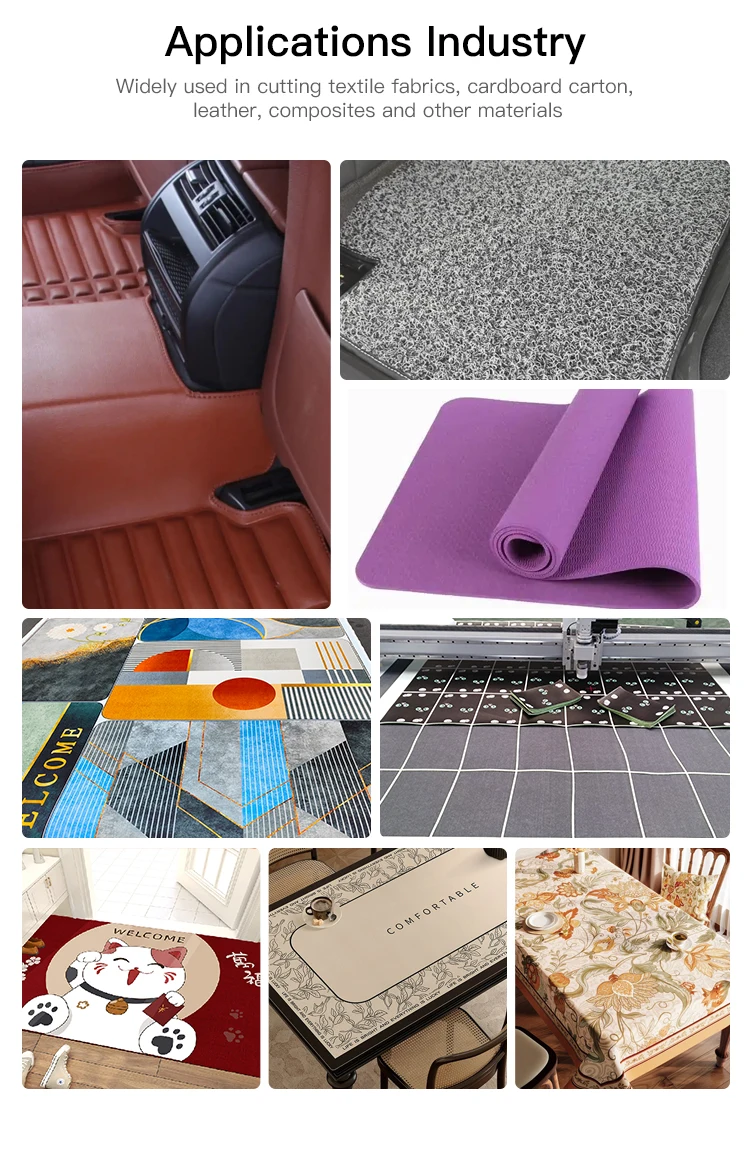
| Apparel manufacturing | Suits, knitwear, lace, complex fabrics requiring pattern-matching across plies |
| Automotive interiors | Seat fabrics, carpets, PVC mats cut to contour with edge sealing preserved |
| Home textiles | Sofa fabrics, curtains, rugs processed in multi-layer stacks |
| Composite material processing | Carbon fiber prepreg, aramid, specialty technical textiles |
| Flexible material converting | Knits, wovens, plush, leather, foam, cardboard, carton, mats, PVC, EVA, acrylic, PTFE, rubber |
Why Laser Power Quotes Fail on Textile Contracts
A laser cutting and engraving machine manufacturer may quote peak wattage on a brochure, but continuous output on synthetics determines whether the edge seals cleanly or melts into a hard bead. On blended fabrics, the difference between a rated peak and sustained power shows up as charred selvedge and rejected panels. I have walked into garment workshops where the machine matched the spec sheet but not the production roll [NEED_CITE: thermal cutting behaviour on blended technical textiles].
Continuous power verified on the buyer’s actual roll stock is the only specification that holds at production speed.
When a textile buyer evaluates a laser cutting and engraving machine manufacturer, the conversation usually starts with wattage and ends with edge quality on the specific blend running through the shop. Acrylic cuts differently from polyester, and a fabric with elastane content reacts to heat in ways a standard cotton test cannot predict.
Focal Setup and Assist Gas for Fabric
Focal distance on a CO₂ laser shifts when the material compresses under its own weight, which happens with multi-layer textile stacks. Assist gas selection — compressed air versus nitrogen — changes edge colour on light synthetics. The 1625 configuration addresses this by letting the buyer lock focal offset and gas pressure after sample runs on their own roll, so the laser cutting and engraving machine manufacturer delivers a recipe rather than a guess.
Extraction Requirements in Textile Workshops
Synthetic off-gassing during laser cutting requires extraction capacity matched to the material chemistry. PVC-coated fabrics release hydrochloric vapour; polyurethane laminates produce fine particulate. The 9 kW vacuum system on this platform pulls debris downward through the aluminum bellows table, but extraction ducting must be specified separately based on the workshop’s existing filtration [NEED_CITE: industrial exhaust requirements for laser-cut synthetics]. A laser cutting and engraving machine manufacturer that confirms duct diameter and static pressure before shipment avoids commissioning delays.
What the Cutting Speed Number Actually Means
The 0–2000 mm/s range applies to straight vector travel on a single ply. Multi-layer stacks, contour cuts around printed registration marks, and internal cutouts each reduce effective throughput. The intelligent nesting system with defect avoidance compensates by rearranging parts around fabric flaws, which preserves material yield but alters cycle time. The ±0.1 mm accuracy holds on flat woven material; knits with stretch recovery require hold-down pressure adjustments across the 1600×2500 mm bed.
The Cost of Wrong Tool Head Selection
Choosing an oscillating knife for a coated technical fabric that needs kiss-cutting leaves the backing scored. Selecting a driven rotary knife for open-weave mesh causes the blade to drag fibres instead of shearing them. I have seen automotive carpet jobs where the wrong pneumatic knife pressure crushed the foam backing, turning a contour part into scrap [NEED_CITE: tool head selection errors in flexible material converting]. These failures appear only after the first production run, not during the sample cut.
Why Sourcing Through This Builder
In-house design covers both knife and laser platforms, so the cutting method matches the material rather than forcing one technology across every substrate. Tool head and table configuration are specified per material and production volume before the order is placed. CCD camera positioning for printed contour work is confirmed against the buyer’s actual registration mark size and colour contrast. Software compatibility — PLT, DXF, AI, PDF import — is verified against the buyer’s existing nesting workflow. Sample cutting on the buyer’s own roll stock documents edge quality before commitment. Voltage, plug type and control language are locked in before shipment.
Documentation & Verification
- Machine specification sheet signed off against the 1600×2500 mm configuration before production release
- Electrical schematic confirming 110V, 220V or 380V matched to the target market frequency
- Tool head and vacuum table configuration list itemising each selected knife type and zoning layout
- Sample cutting report on buyer’s roll stock with edge quality photographs and dimensional check
- Factory test record documenting PLC panel response and servo motor behaviour across the working area
- Software licence and file format compatibility note covering nesting workflow integration
Installation, Commissioning & Support
- Foundation must support 3300×2100×1350 mm machine footprint with level tolerance across the aluminum bellows table
- Dedicated circuit required for 9 kW vacuum pump separate from PLC control panel power supply
- Machine ships in sectional form for reassembly; working area alignment verified on-site after positioning
- First-run parameter setting covers cutting speed ramp, vacuum zoning and nesting software calibration
- Operator training addresses tool head changeover between oscillating knife and driven rotary knife
- Spare parts list itemises blade types, vacuum seals and infrared sensor components for local stocking
What to Include in Your Enquiry
Provide the fabric composition, weight per square metre, and whether the production roll includes coatings, laminations or adhesive backing. State the daily part count and whether nesting must accommodate pattern-matching or defect avoidance. Confirm the workshop voltage and frequency, the control language preference, and whether your existing DXF or PLT files need format conversion testing before the sample cut.
Frequently Asked Questions
Q: CO₂ laser or oscillating knife — which suits synthetic fabric?
A: Laser seals edges on synthetics and prevents fraying, but heat-sensitive coatings may discolour or melt. Oscillating knife produces a cold cut with no thermal effect, which preserves coating integrity on PVC and polyurethane laminates. The choice depends on the specific fabric composition and whether edge sealing is required for the downstream sewing or bonding process.
Q: How is continuous laser power verified before order?
A: The builder runs a sample cut on the buyer’s actual roll stock and documents cutting depth, edge condition and cycle time. This report shows sustained power output during the cut rather than the peak rating on the nameplate. The buyer reviews the sample and report before confirming the configuration and releasing production.
Q: What extraction setup does textile laser cutting require?
A: Extraction capacity depends on the fabric chemistry. Natural fibres produce fine particulate requiring standard dust filtration. Synthetics and coated materials release vapours that need activated carbon or scrubber filtration. Duct diameter and static pressure must match the laser enclosure outlet and the workshop’s existing ventilation system before installation.
Q: Can voltage and control language be confirmed before shipment?
A: Voltage options cover 110V, 220V and 380V, and the frequency must match the target market grid. The PLC control panel supports English, Russian, Italian, Chinese and custom languages. Both specifications are documented on the electrical schematic and signed off by the buyer before the machine leaves the factory floor.
Q: How is sample cutting arranged on my own material?
A: The buyer ships a roll sample or provides the material specification and supplier reference. The builder runs cutting tests across the selected tool heads, documents edge quality and dimensional accuracy, and returns the cut samples with a report. The buyer approves the configuration based on these results before placing the order.


Related products
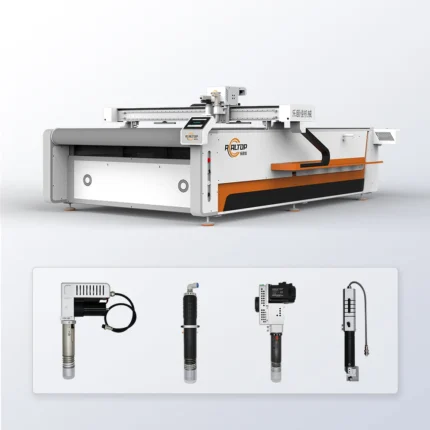
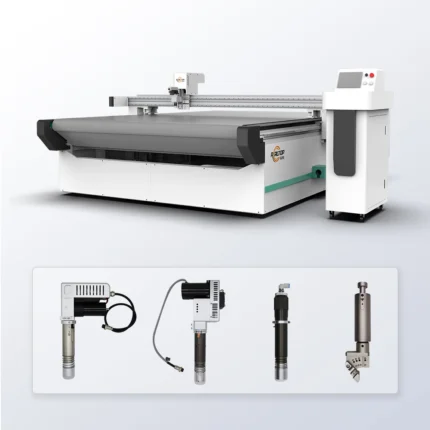
Automatic Fabric Cutting Machine 1200mm Delta Servo 2026
Product Parameters
| Cutting Width | 1200mm |
| Servo System | Delta Servo |
| Model Year | 2026 |
Introduction
High-performance Automatic Fabric Cutting Machine with 1200mm cutting width, equipped with Delta Servo for precision. Ideal for efficient fabric processing in textile industry, ensuring accurate and fast cutting operations.
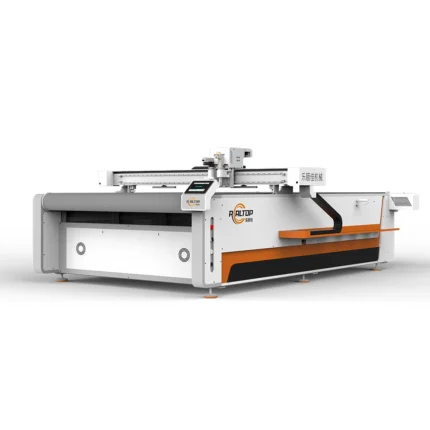
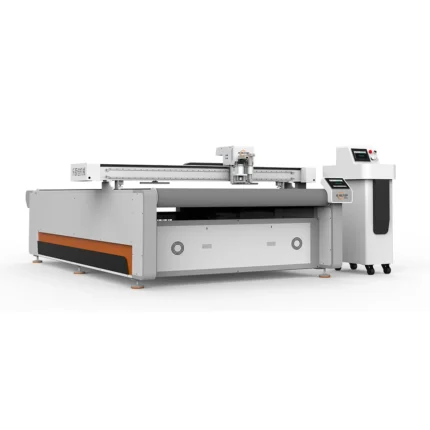
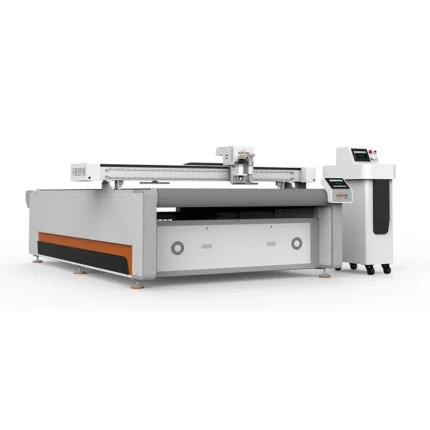
CNC Oscillating Knife Cutting Machine 2026 3000¡Á1600mm High-Speed
Product Parameters
| Model | CNC Oscillating Knife Cutting Machine 2026 |
| Working Area | 3000mm¡Á1600mm |
| Cutting Type | Oscillating Knife |
| Application | Fabric Cutting |
| Feature | High-Speed |
Introduction
High-performance CNC oscillating knife cutting machine with 3000mm¡Á1600mm working area, ideal for high-speed fabric cutting. Precision and efficiency for professional textile processing needs.
CNC Vibration Knife System 2026 for Polyester Nylon Non-Woven Prepreg
Product Introduction
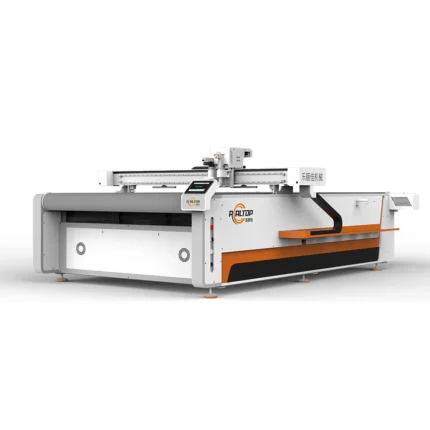
CNC Vibration Knife System 2026 is ideal for cutting polyester, nylon, non-woven fabrics, and prepreg materials with precision and efficiency, suitable for industrial manufacturing needs.Product Parameters
| Model | 2026 |
| Cutting Technology | CNC Vibration Knife |
| Materials | Polyester, Nylon, Non-Woven, Prepreg |

Electric Fabric Rotary Cutter 2026 12V Auto-Cut Industrial
Product Introduction
Industrial-grade Electric Fabric Rotary Cutter designed for precise cutting of scan-printed cloth. Features 12V auto-cut functionality for efficient, automated operation, ideal for professional textile processing.Product Parameters
| Power Supply | 12V |
| Function | Auto-Cut |
| Application | Scan-Printed Cloth |
| Type | Industrial Electric Rotary Cutter |

Jinan Realtop PVC Cutting Machine 2026 CE Certified
Product Introduction
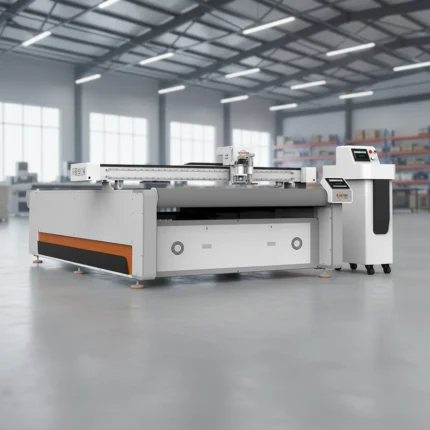
Jinan Realtop PVC Cutting Machine 2026 is a CE-certified cutting solution, ideal for precise PVC material processing. Designed for efficiency and reliability in industrial applications.Product Parameters
| Model | 2026 |
| Certification | CE Certified |
| Application | PVC Cutting |
| Manufacturer | Jinan Realtop |
商品评价
There are no reviews yet.