



CNC Oscillating Knife Cutting Machine for Cardboard – Factory Supply 66 characters
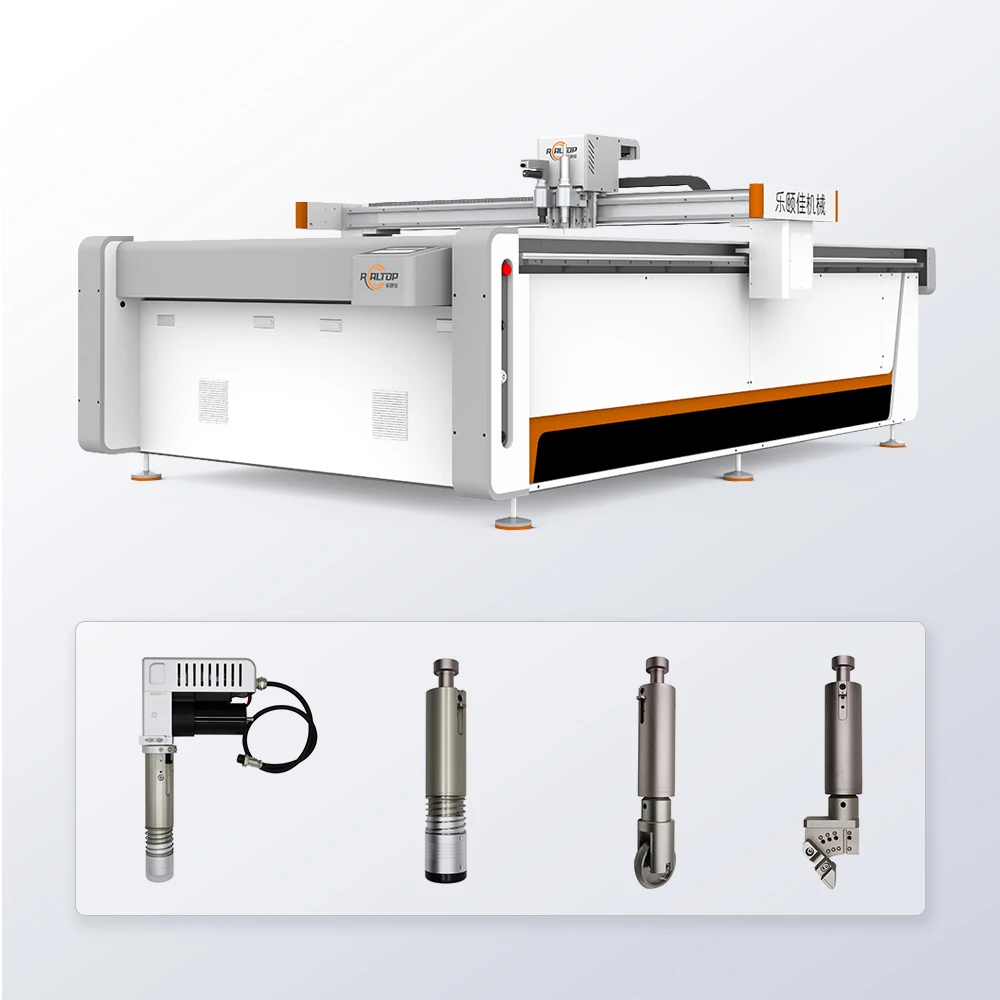
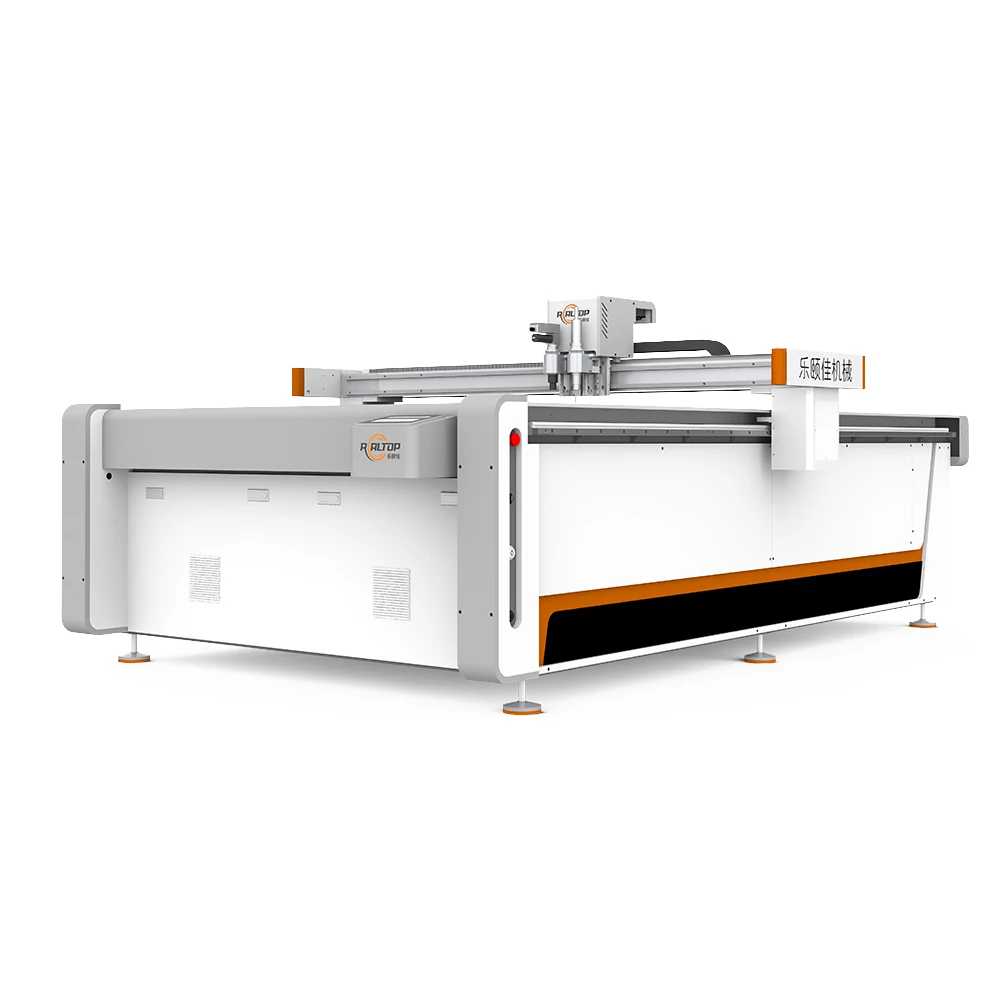
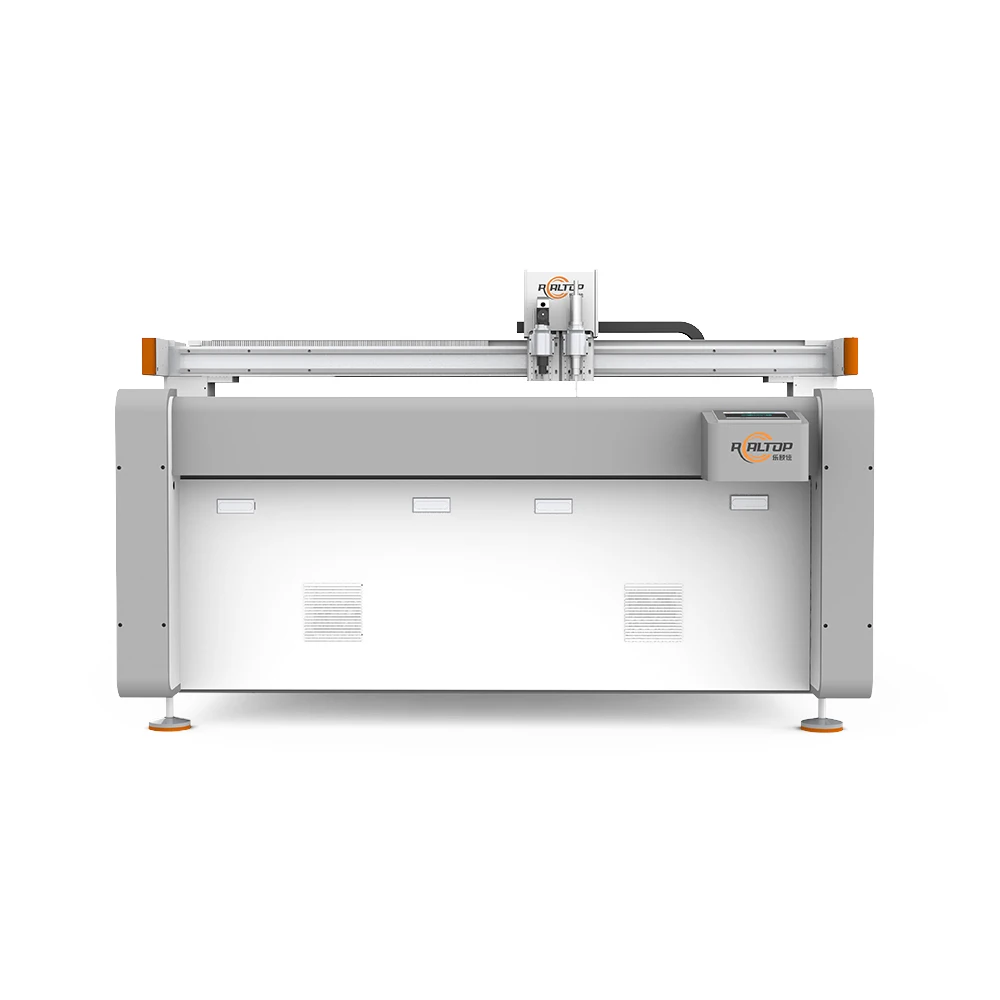
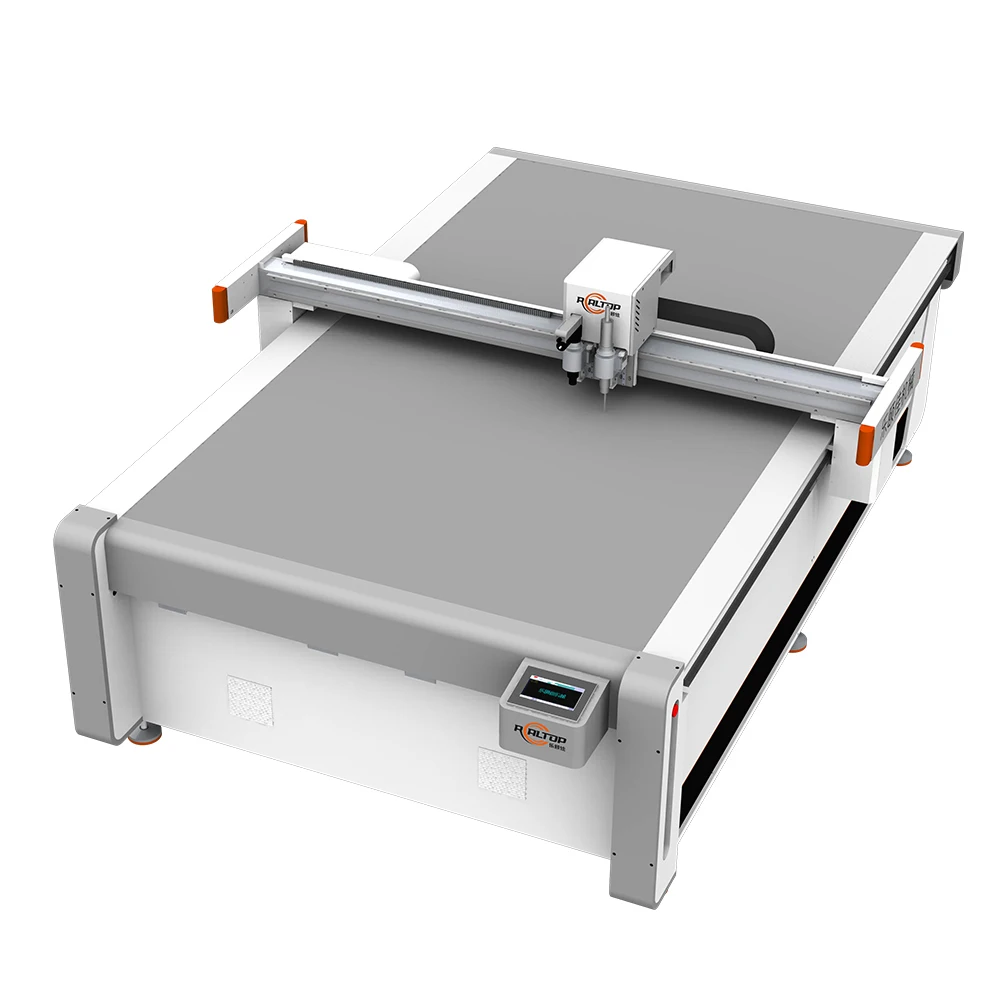
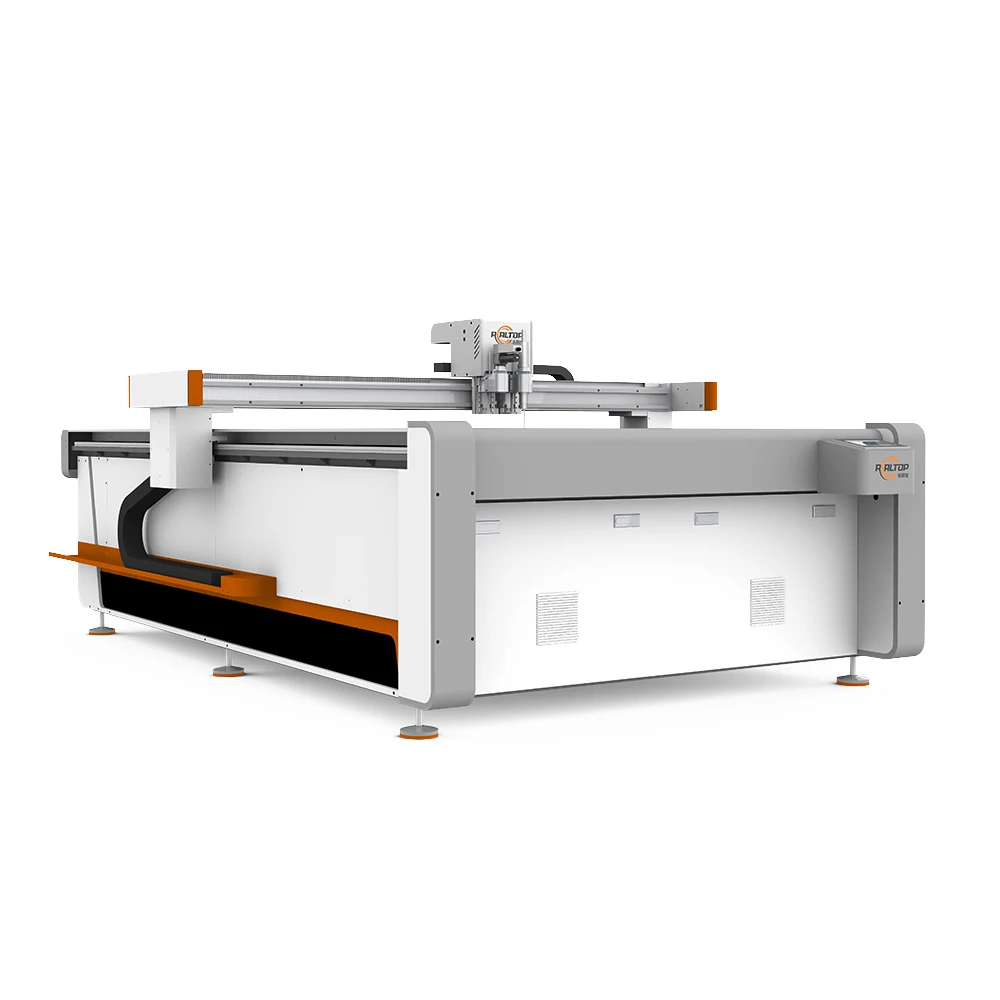
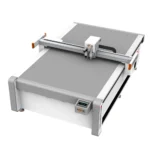
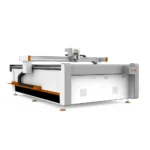
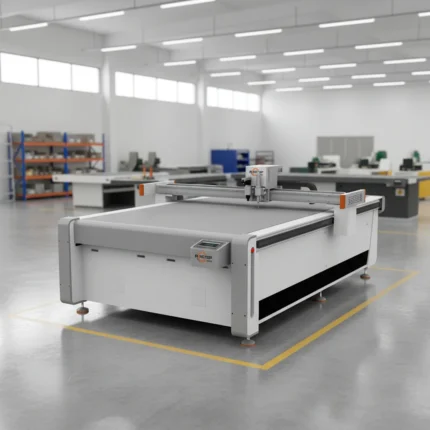
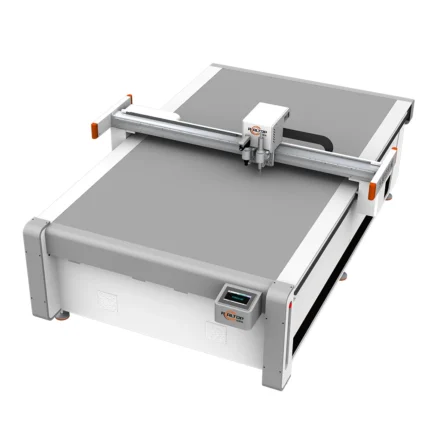
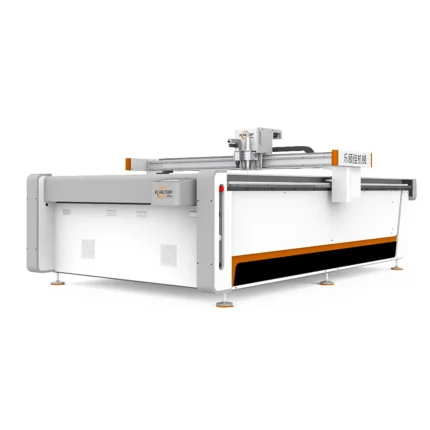
1625(std.) CNC Oscillating Knife Cutting Machine, 1600×2500mm, 9KW Vacuum — configured for corrugated cardboard, greyboard, foam and composite packaging materials. Multiple tool head options including oscillating knife, creasing wheel and milling tool handle diverse non-metal cutting tasks. Aluminum vacuum table with zoned suction keeps small parts stable during high-speed contour work. CCD camera positioning available for printed mark tracking. Supported file formats include PLT, DXF, AI and PDF for direct workflow integration.
In-house design and factory testing on buyer-supplied materials ensure the tool head, vacuum zoning and voltage match your specific production requirements before shipment.
Factory-Direct Configuration — Every 1625(std.) unit ships with a tool head and vacuum zoning plan matched to your specific packaging stock and daily volume, verified by in-house sample cutting before commitment.
Technical Specifications
| Parameter | Value |
|---|---|
| Model | 1625(std.) |
| Product Type | CNC Oscillating Knife Cutting Machine |
| Working Area | 1600×2500 mm |
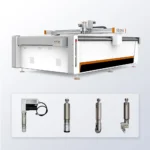
| Available Tool Heads | Oscillating knife, Driven rotary knife, Creasing wheel, Kiss cutting tool, Pneumatic knife, Milling tool, V groove knife |
| Cutting Speed | 0-1500 mm/s |
| Cutting Thickness | ≤ 40mm (basis not stated in source — confirm specific material type and density) |
| Positioning/Cutting Accuracy | ±0.1 mm |
| Vacuum Pump Power | 9 kW |
| Voltage Options | 110V, 220V, 380V |
| Supported File Formats | PLT, DXF, AI, PDF |
| Safety Devices | Infrared sensor device, Emergency stop device |
| Machine Dimensions (L×W×H) | 3300×2100×1350 mm |
| Control System | PLC control panel |
| Display Language Options | English, Russian, Italian, Chinese (customizable) |
| Servo Motor Options | Panasonic, Delta, Dorna |
| Vacuum Table | Aluminum bellows vacuum table |
| Certifications | CE |
Application Suitability
| Application | Material or Output |
|---|---|
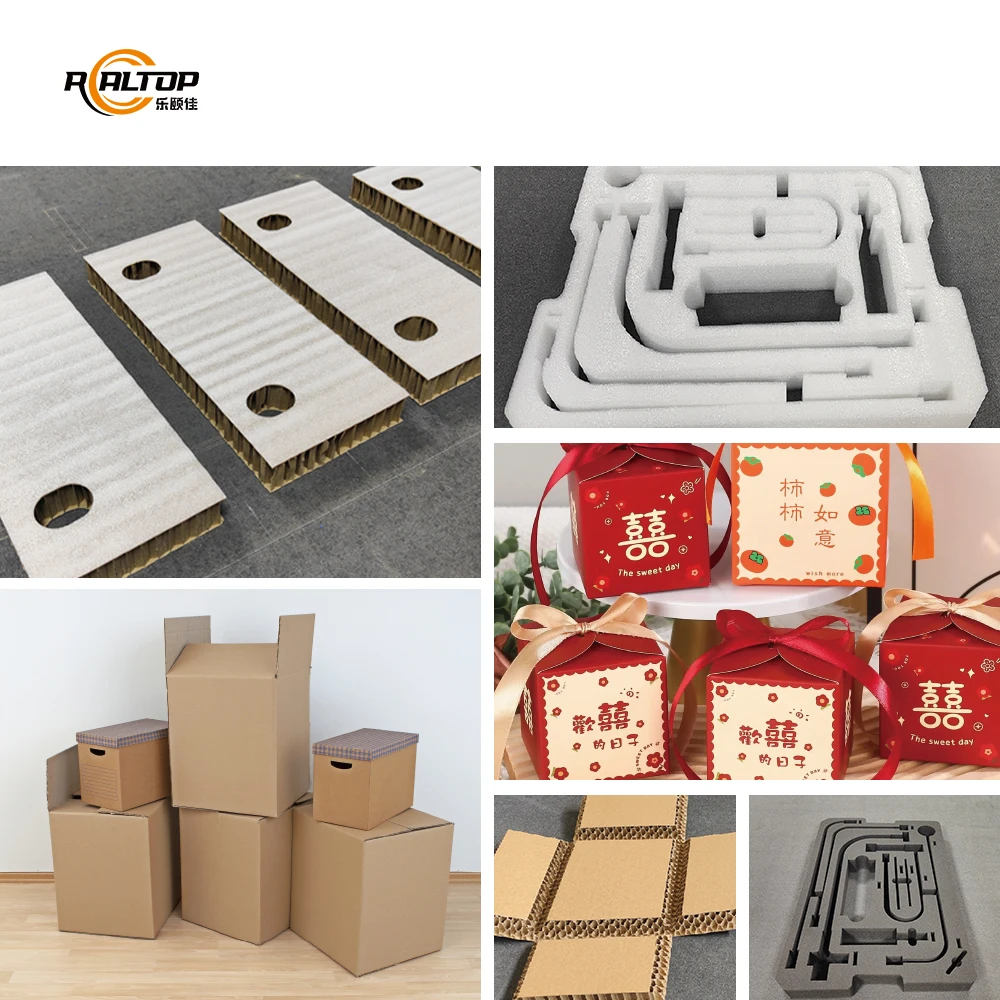
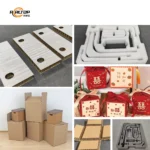
| Packaging sample making and short-run production | Corrugated cardboard (E-flute, B-flute, BC-flute), greyboard, cardstock, art paper, specialty paper |
| Foam and gasket fabrication | EVA, EPE, PU foam, rubber mats, PTFE sheets |
| Textile and leather cutting | Velvet, fleece fabric, non-woven fabric, leather, synthetic leather |
| Signage and display component cutting | PVC, PET thin plastic sheets, composite and adhesive-backed materials |
| Multi-material prototyping | Mixed material sets for packaging design validation and structural testing |
Why the Wrong Tool Head Wrecks Your Edge Quality
Specifying a CO2 laser cutting and engraving machine or a CNC knife cutter by working area alone is the most common cause of disappointing edge results in packaging sample making.
The correct cutting tool is determined by material density, thickness, and required edge finish, not by the machine footprint.
I spent years on workshop floors watching operators fight ragged edges on B-flute corrugated board because the oscillating knife frequency was too low for the flute structure, or watching crushed foam cores result from a driven rotary knife pushing through dense EVA instead of an oscillating blade tuned for cellular materials [NEED_CITE: oscillating knife frequency and material density matching]. The machine itself was capable, but the tool head selection never matched the actual production job. On this 1625(std.) platform, seven tool head options are available, and choosing the right one for your primary stock determines whether you get clean fold lines on greyboard or a crushed, unusable sample.
Non-Material Cutting Alternatives for Synthetics and Foams
When processors move from traditional die cutting to digital short-run work, the 1600×2500 mm table on the CO2 laser cutting and engraving machine class or this CNC knife platform becomes the standard footprint for packaging prototyping. Unlike thermal processes, cold knife cutting leaves no burned edge on uncoated cardstock and produces no fumes requiring extraction ductwork. For facilities handling both corrugated samples and foam inserts in the same shift, the ability to switch between an oscillating knife and a creasing wheel without re-fixturing the sheet cuts changeover time between jobs.
Vacuum Hold-Down and Small Part Stability
The aluminum bellows vacuum table paired with a 9 kW pump addresses a problem that shows up the moment you cut small gasket pieces or packaging inserts from a full sheet [NEED_CITE: vacuum table zoning requirements for small part retention]. Without adequate suction across the entire cutting path, lightweight cardstock and thin foam lift off the table during high-speed directional changes, producing dimensional drift that accumulates across a nesting layout. The 9 kW vacuum system on this unit provides the hold-down force needed to keep material flat through the full 0-1500 mm/s speed range, which matters when a packaging sample maker is cutting dozens of small structural components from a single B-flute sheet.
Decoding the Specification Sheet for Production Reality
The ±0.1 mm positioning accuracy defines the tolerance window for interlocking packaging joints where a creasing wheel and oscillating knife must align precisely on the same sheet. When cutting E-flute corrugated board for retail display prototypes, this tolerance level keeps fold lines registered to cut edges so the assembled sample squares up without hand trimming. The PLC control panel with multi-language display (English, Russian, Italian, Chinese) eliminates a layer of translation risk during on-site training — I have seen installations stall for days because the operator interface arrived in a language the production floor could not read. File format support across PLT, DXF, AI, and PDF means most packaging structural designs from ArtiosCAD or equivalent software import directly without intermediate conversion that can corrupt crease line attributes. The servo motor options (Panasonic, Delta, Dorna) affect long-term parts availability in different regions, which is a factor worth confirming before the machine ships rather than discovering during a breakdown six months later.
The Hidden Cost of Skipping Pre-Shipment Verification
When voltage, plug type, and control language are not confirmed in writing before the machine leaves the factory floor, the consequences land on the buyer’s dock. I once watched a packaging facility lose three weeks of production because a machine arrived with the wrong voltage configuration, and the local electrician could not energize it until a replacement transformer was sourced [NEED_CITE: industrial equipment voltage mismatch consequences on installation timelines]. The same principle applies to software compatibility — if your existing nesting workflow exports in a format the machine control cannot parse, you are not cutting samples, you are troubleshooting file conversion on a machine that costs production hours every day it sits idle.
Why Sourcing This Machine Directly From the Factory Floor Matters
In-house design and production means the engineering team that builds the frame also specifies the tool head configuration, so there is no disconnect between what the sales brochure promises and what the machine actually cuts. The 1625(std.) undergoes sample cutting on the buyer’s own material before commitment, producing a test report that documents actual edge quality on the specific cardboard grade or foam density you will run in production. Tool head and table configurations are specified per material and production volume rather than sold as a one-size package. Voltage, language, and specification customization is confirmed in the electrical schematic before the control cabinet is wired, not discovered as a mismatch during commissioning. CCD camera positioning for printed contour work is available as a configuration option, verified for tracking accuracy at production speed on your actual printed stock before the order is finalized.
Documentation & Verification
- Machine specification sheet listing all confirmed tool heads and vacuum zoning layout
- Electrical schematic with voltage, frequency, and plug type verified for destination market
- Sample cutting report on buyer’s specific corrugated board grade and foam density
- Factory test record documenting positioning accuracy and cutting speed verification
- Software licence and file format compatibility note for PLT, DXF, AI, PDF workflows
- Spare parts list with servo motor model and oscillating knife blade specifications
Installation, Commissioning & Support
- 3300×2100 mm footprint requires level concrete floor with clearance for sheet loading on all sides
- Dedicated electrical circuit matching confirmed voltage (110V, 220V, or 380V) and frequency
- Machine ships partially assembled; vacuum table and gantry require on-site alignment
- First-run parameter setting includes vacuum zoning calibration and tool head offset mapping
- Operator training covers PLC panel navigation in confirmed display language
- Oscillating knife blades and creasing wheels listed as consumables with replacement intervals
What to Include With Your Inquiry
Provide the specific material types you will cut (corrugated flute profile, greyboard caliper, foam density) along with sheet dimensions and daily volume expectations. Confirm your facility’s voltage supply, frequency, and preferred plug type with your electrician before requesting a quote. Identify the structural design software you currently use so file format compatibility can be verified during the sample cutting stage.
Frequently Asked Questions
Q: How do I select the correct tool head for my corrugated board and foam materials?
A: The seven available tool heads on the 1625(std.) each suit different material structures. Oscillating knives handle corrugated flutes cleanly, while creasing wheels produce fold lines without cutting through the face stock. For dense EVA or PU foam, pneumatic knife options provide the downforce needed. We run sample cuts on your actual material to confirm the right configuration before the order is finalized.
Q: Does the machine support CCD camera positioning for printed packaging contours?
A: CCD camera contour recognition is available as a configuration option. It must be verified against your specific print registration mark size and contrast at production speed. We test the tracking accuracy on your printed sheets during the sample cutting stage to confirm reliable performance before shipment.
Q: What voltage and plug customization is available for different export markets?
A: The machine is configurable for 110V, 220V, or 380V supply with market-specific plug types. The voltage, frequency, and plug configuration are confirmed in the electrical schematic before the control cabinet is wired. Your local electrician should verify the available supply at the installation point before we finalize these specifications.
Q: Can the control system import my existing DXF and AI packaging structural files?
A: The PLC control system reads PLT, DXF, AI, and PDF formats directly. We verify compatibility with your specific design software export settings during the pre-order sample cutting stage. Any required file preparation steps are documented in the software compatibility note that ships with the machine.
Q: Is pre-shipment sample cutting available on my own packaging materials?
A: Yes. We cut samples on your specific corrugated board, foam, or composite material before you commit to the order. The sample cutting report documents edge quality, cutting speed, and dimensional accuracy on your actual stock, so the configuration is proven before the machine enters production.


Related products
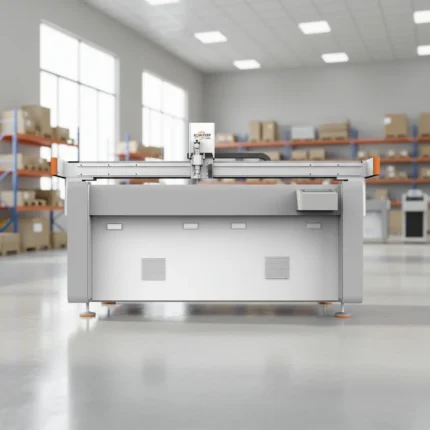
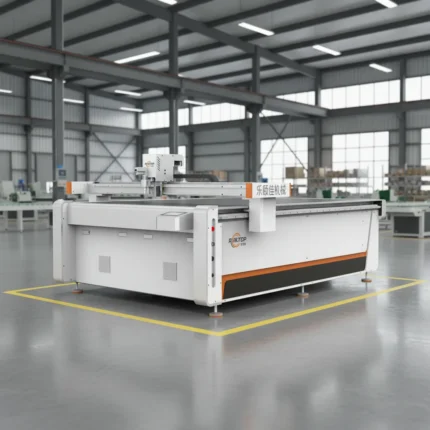
Automatic Die-less Cardboard Vibrating Knife Cutter 2026
Product Introduction
Automatic Die-less Cardboard Vibrating Knife Cutter 2026, a precision cutting solution for cardboard materials, featuring advanced die-less technology for efficient and flexible cutting operations. Ideal for various cardboard processing needs in manufacturing and packaging industries.Key Specifications
| Model | 2026 |
| Type | Automatic Die-less Cutter |
| Cutting Tool | Vibrating Knife |
| Material | Cardboard |
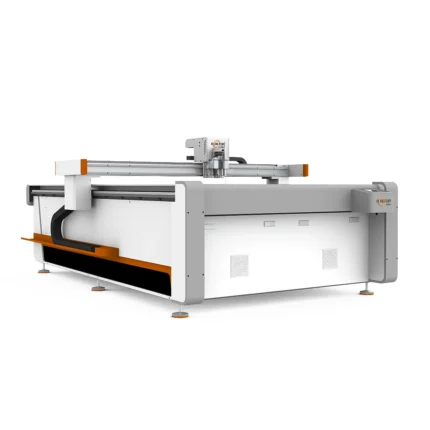
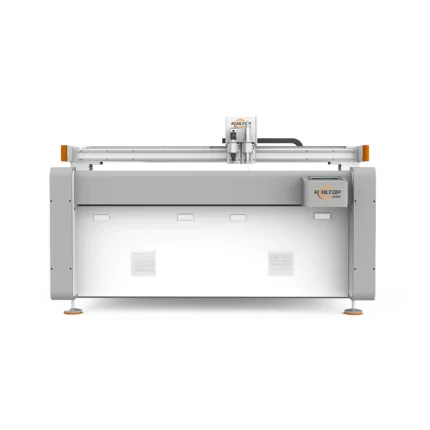
CNC Flatbed Cutter 2026 Digital Corrugated Box Making Machine
Product Introduction
High-precision CNC flatbed cutter designed for efficient cardboard box production. Ideal for 2026 digital corrugated box manufacturing, offering precise cutting and reliable performance for professional packaging solutions.
Key Specifications
| Type | CNC Flatbed Cutter |
| Application | Cardboard Box Production |
| Technology | 2026 Digital System |
| Material | Corrugated Board |

CNC Vibrating Knife Cutter 2026 Custom Cartons Packaging
Product Introduction
CNC Vibrating Knife Cutter 2026 is ideal for custom cartons & packaging, offering precise cutting solutions for various materials. Engineered by a leading Chinese welding & cutting equipment manufacturer, it ensures efficiency and accuracy for packaging production needs.Key Specifications
| Model | 2026 |
| Type | CNC Vibrating Knife Cutter |
| Application | Custom Cartons & Packaging |
| Manufacturer | Chinese Leading Factory |
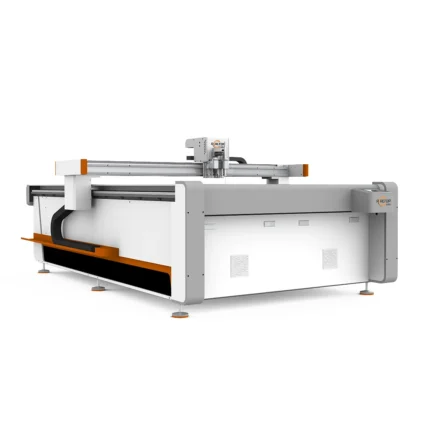
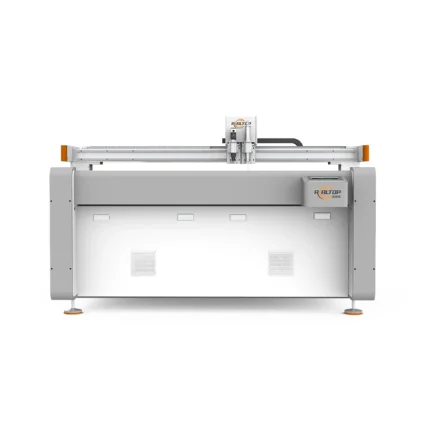
Digital Box Cutter 2026 Oscillating Knife Cardboard Cutter
Product Parameters
| Model | Digital Box Cutter 2026 |
| Cutting Type | Oscillating Knife |
| Material | Corrugated Cardboard |
Introduction
Professional oscillating knife cutting machine for corrugated cardboard. Ideal for precise, efficient cutting in packaging production. Reliable performance from China's leading welding & cutting equipment manufacturer.


Digital CNC Cardboard Cutting Machine 2026
Product Introduction
High-precision Digital CNC Cardboard Cutting Machine 2026, ideal for efficient cardboard processing with advanced CNC technology, ensuring precise and fast cutting performance for various packaging and craft applications.
Key Specifications
| Model | 2026 |
| Type | Digital CNC Cutting Machine |
| Material | Cardboard |
| Feature | High Precision, Efficient Cutting |

Realtop 2026 Digital Box Cutter High-Speed Corrugated Board
Product Introduction
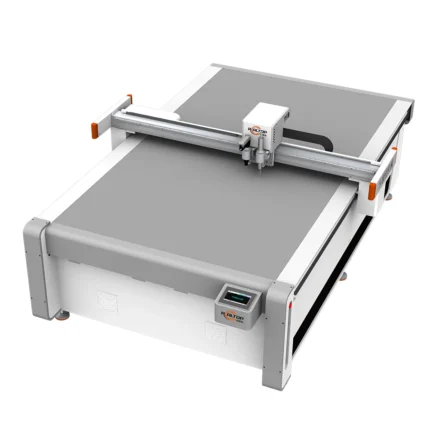
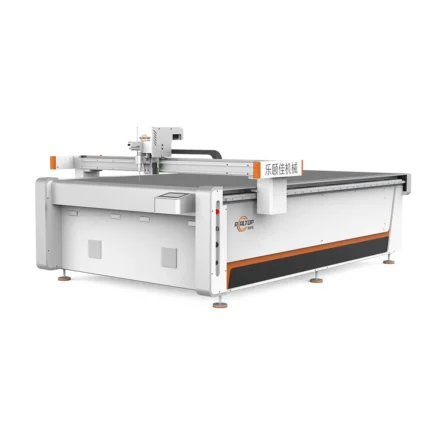
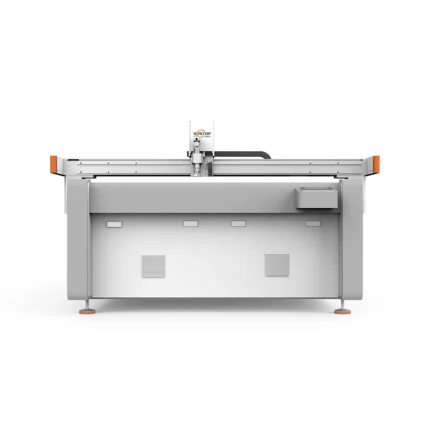
Realtop Digital Box Cutting Machine 2026 is a high-speed solution for corrugated board cutting, designed for efficient and precise box production in manufacturing settings.Key Specifications
| Model | 2026 |
| Type | Digital Box Cutting Machine |
| Application | Corrugated Board |
| Feature | High-Speed Cutting |
商品评价
There are no reviews yet.