

CNC Oscillating Knife Cutting Machine for Paper Cardboard Foam – Manufacturer
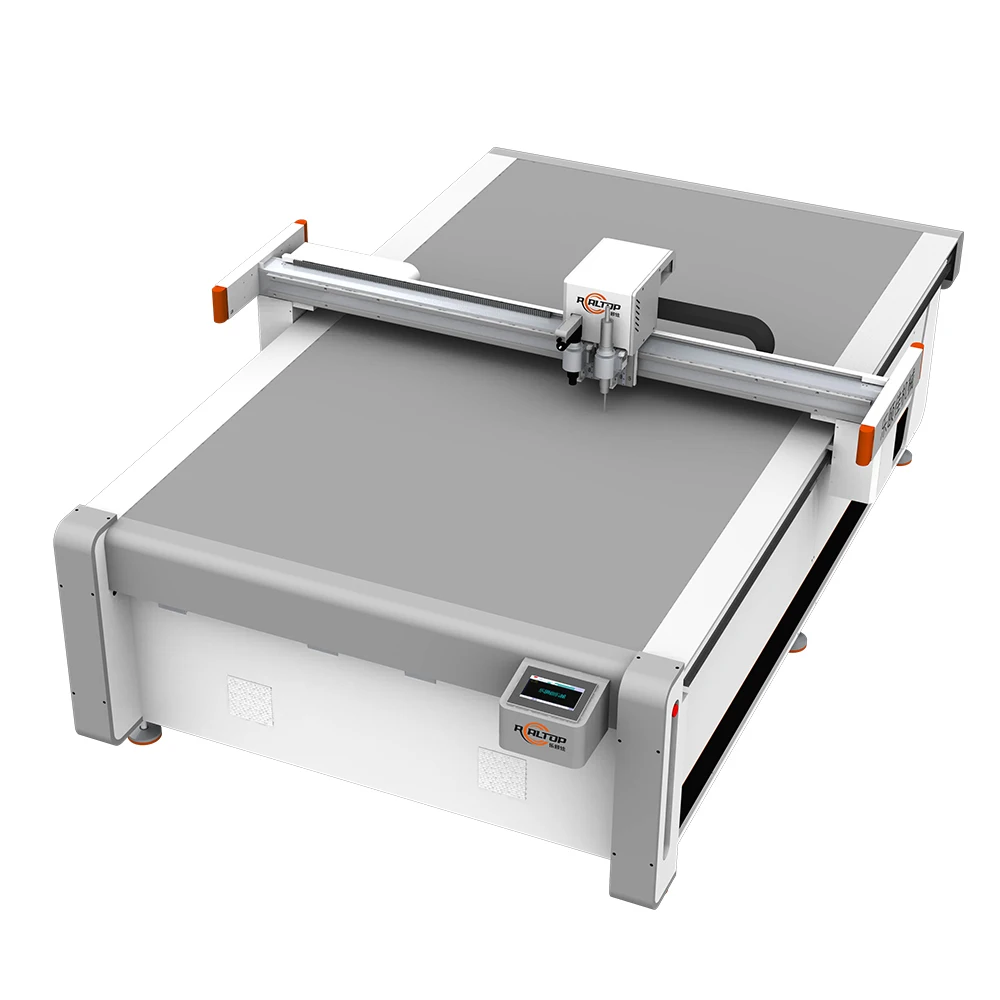
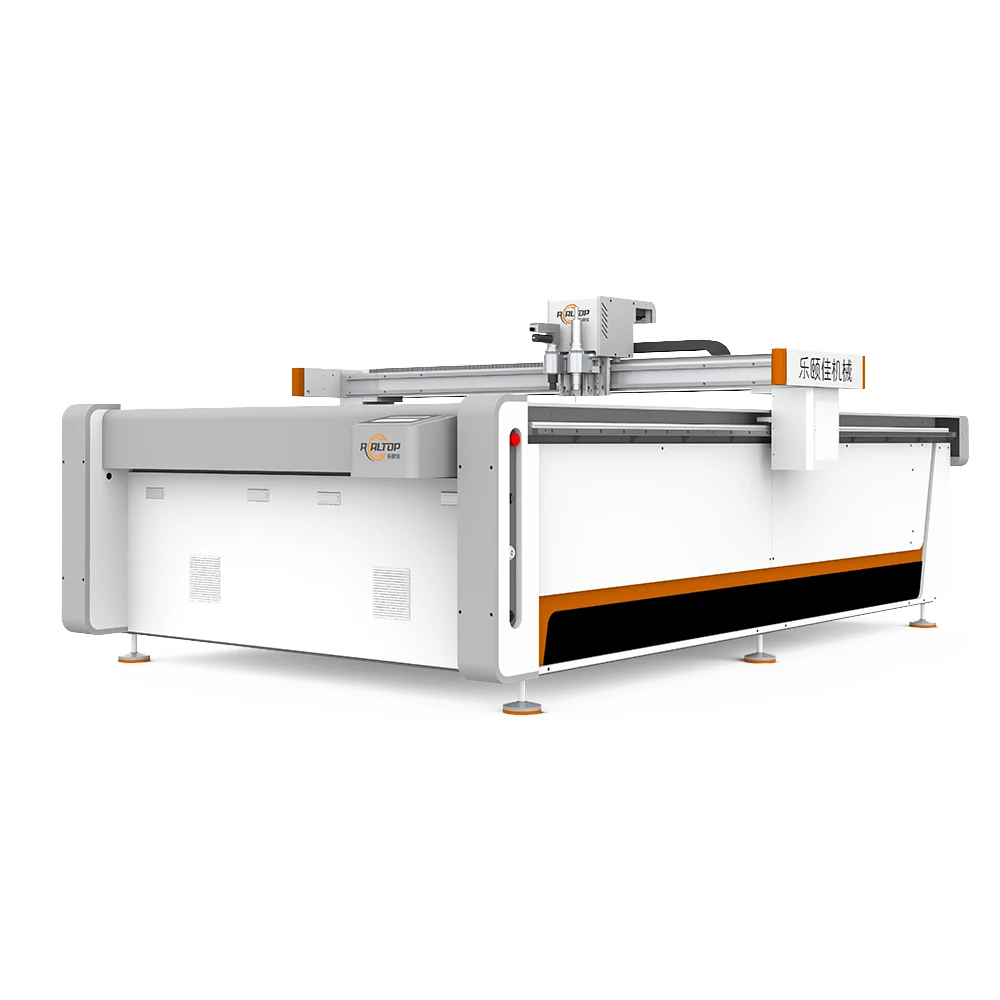
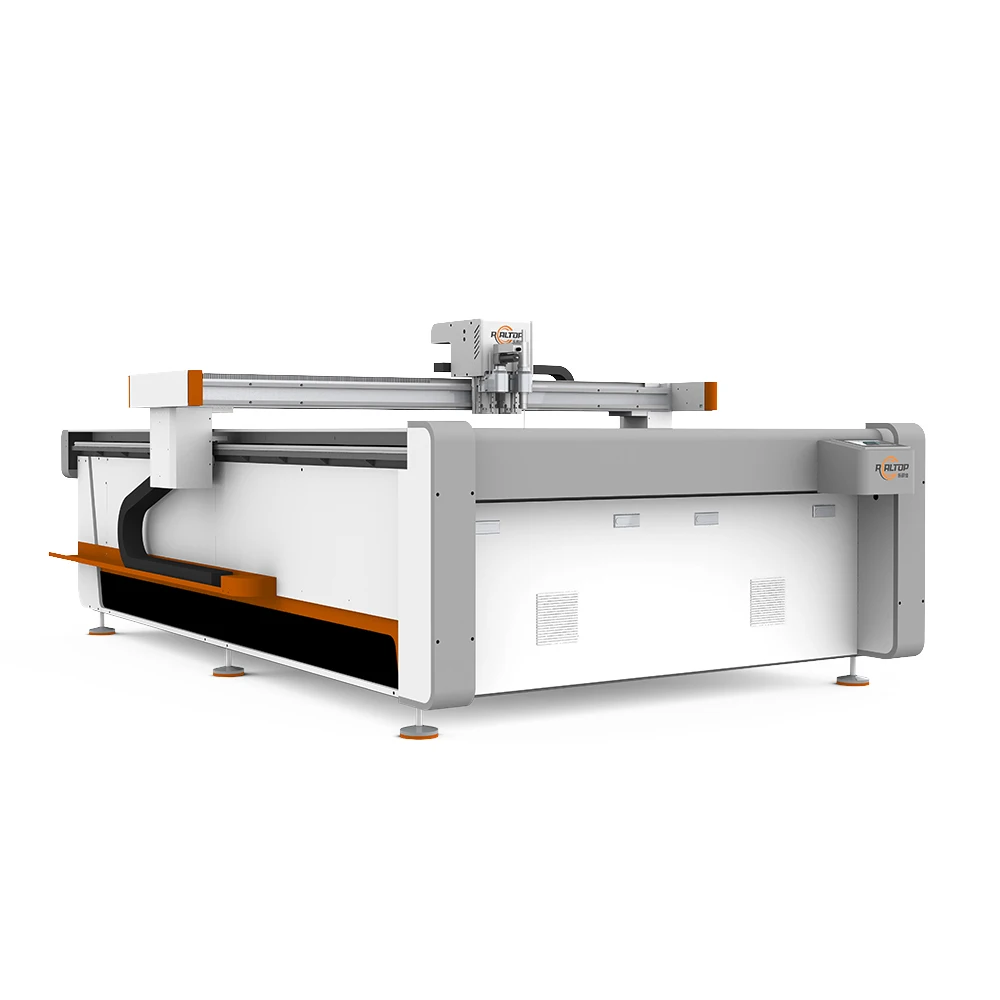
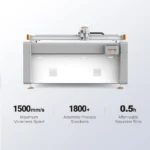
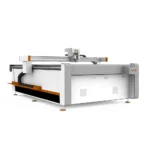
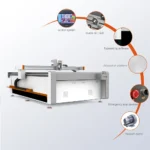
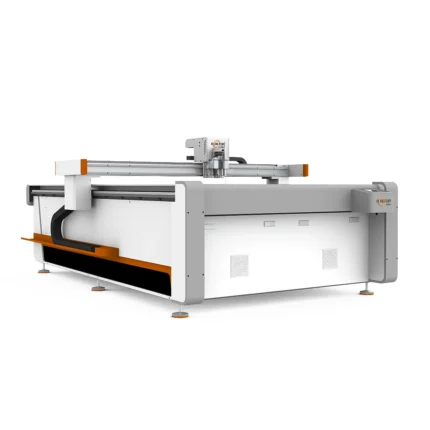
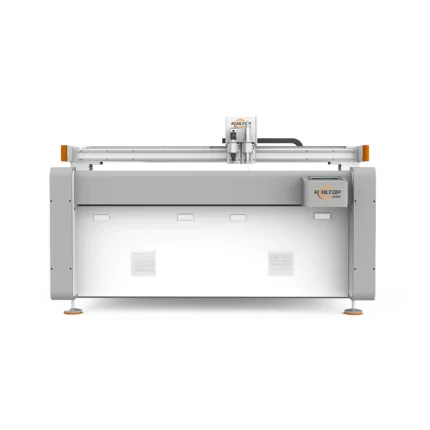
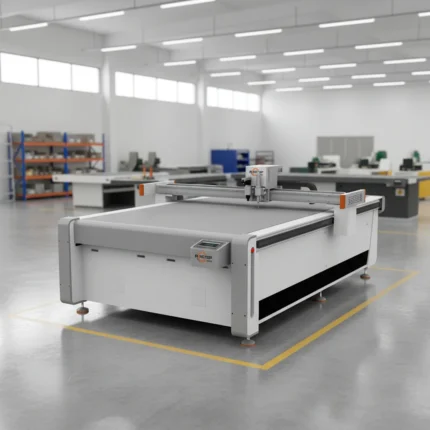
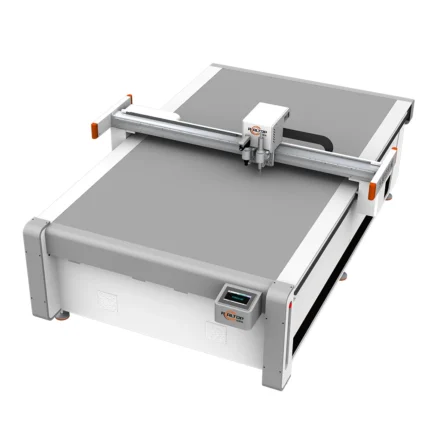
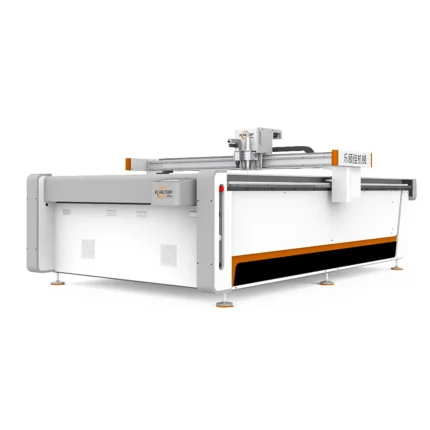
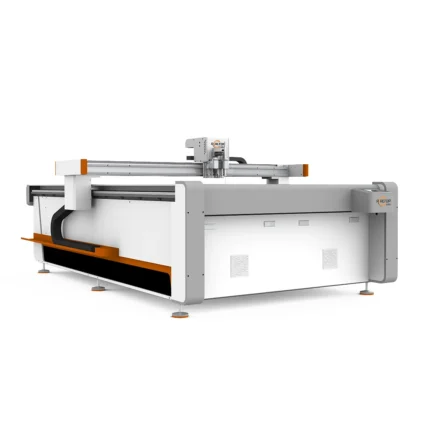
1625 CNC Oscillating Knife Cutting Machine for packaging, 1600×2500mm working area, ±0.1mm cutting accuracy — configured with interchangeable tool heads including oscillating knife, creasing wheel and V-groove cutter to match corrugated flute, foam inserts and greyboard substrates. Aluminum bellows vacuum table delivers consistent hold-down across the full cutting bed, while the PLC control panel supports multiple languages and imports DXF, AI and PLT packaging design files directly.
Sample cutting on your own material, with a written report on flute type, thickness and density before order commitment.
Tool-to-Substrate Matching — every 1625 CNC Oscillating Knife Cutting Machine for packaging ships with tool heads chosen after test cuts on your actual corrugated flute, foam grade, or greyboard stock, not guessed from a catalog.
Technical Specifications
| Parameter | Value |
|---|---|
| Product Type | CNC Oscillating Knife Cutting Machine |
| Model | 1625 |
| Working Area | 1600×2500 mm |
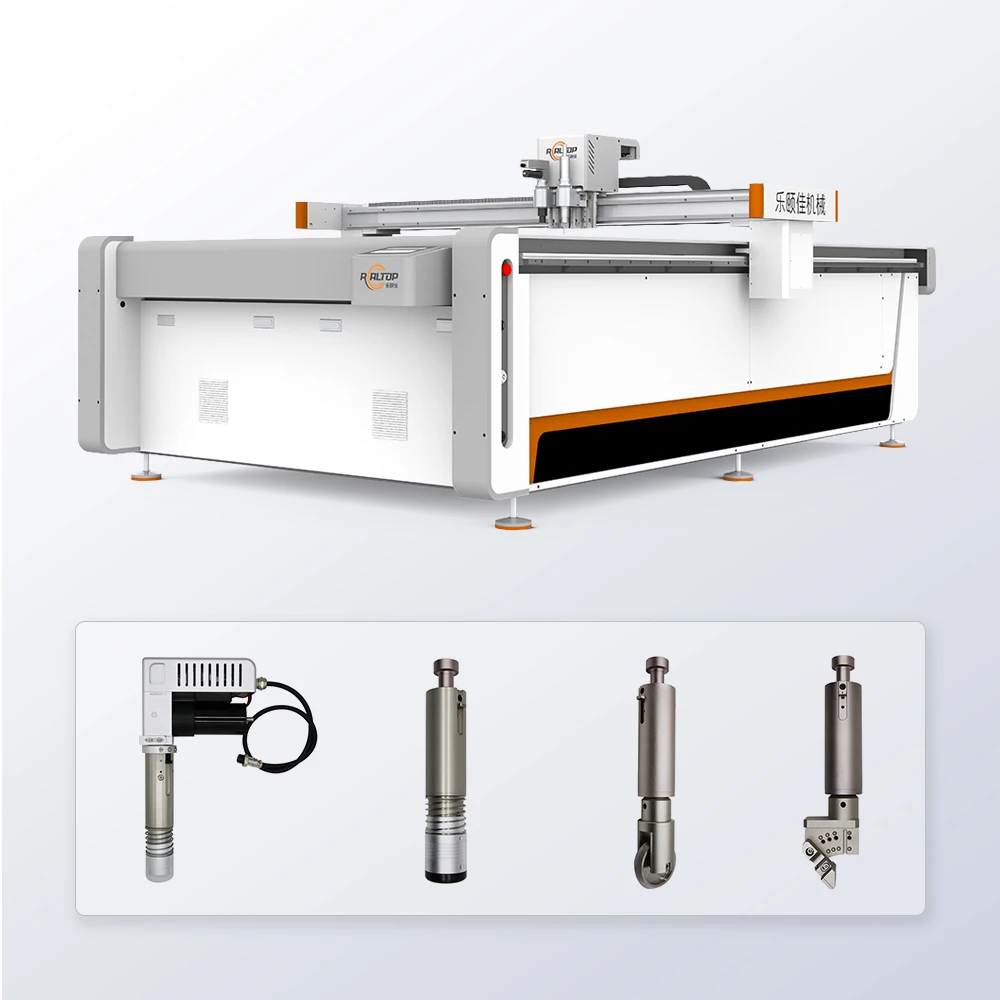
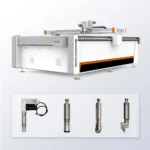
| Tool Head Options | Oscillating knife, Driven rotary knife, Creasing wheel, Kiss cutting tool, Pneumatic knife, Milling tool, V groove knife |
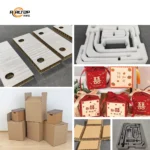
| Applicable Materials | Fabric, Cardboard, Carton, Mats, PVC, EVA, Leather, Acrylic, Foam, PTFE, Rubber |
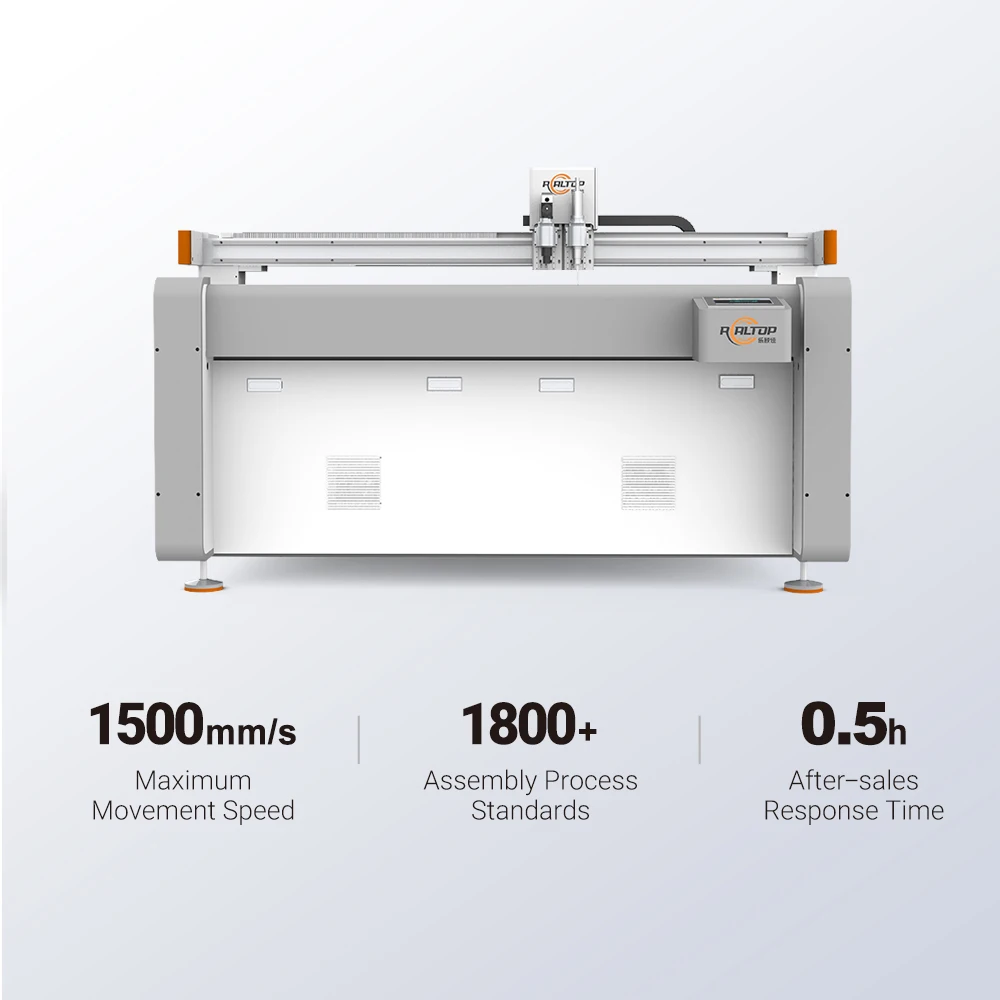
| Cutting Speed | 0-1500 mm/s |
| Cutting Thickness | ≤ 40mm (basis not stated in source — confirm material / density) |
| Cutting Accuracy | ±0.1 mm |
| Vacuum Pump | 9 kW |
| Vacuum Table | Aluminum bellows vacuum table |
| Drive System | Servo motors (Panasonic, Delta, Dorna options) |
| Control System | PLC control panel with optional display languages |
| Voltage | 110V, 220V, 380V |
| Profile Format | PLT, DXF, AI, PDF |
| Safety Device | Infrared sensor device and emergency stop device |
| Machine Size | 3300×2100×1350 mm |
| Language Options | English, Russian, Italian, Chinese (special languages customizable) |
| Standards | CE |
Application Suitability
| Application | Material or Output |
|---|---|
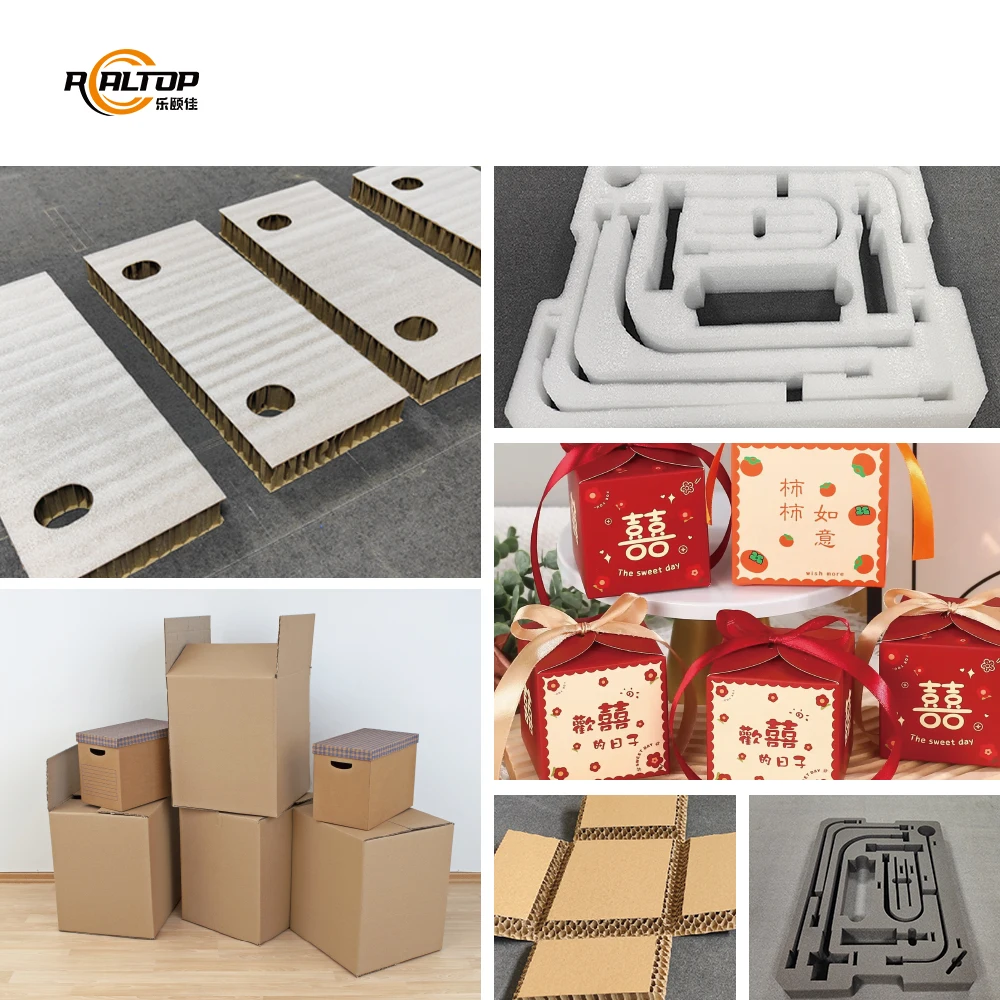
| Carton and corrugated packaging sample making | Single-face, double-wall, and recycled-flute corrugated board up to 40mm |
| Protective foam insert fabrication | EVA, EPE, PU foam contoured to product geometry |
| Signage and display board processing | Honeycomb board, greyboard, PVC foam board |
| Gasket and composite cutting | PTFE, rubber, and layered composite sheets |
Why "Working Area" Alone Tells You Nothing About Cutting Corrugated
The cutting method and tool head must match the flute profile and fiber density, not just the sheet dimensions.
A buyer once specified a CNC Oscillating Knife Cutting Machine for packaging based purely on a 1600×2500mm bed, assuming any oscillating head would slice through corrugated board cleanly. When the machine arrived, the standard flute setting crushed recycled B-flute stock, leaving ragged edges that failed compression tests. The vacuum zoning also proved too coarse for small die-line profiles, causing lift at the edges mid-cut. [NEED_CITE: corrugated flute crush and edge quality in digital cutting]
I spent two days in a Lagos workshop adjusting knife pressure, oscillation frequency, and vacuum zoning on a similar setup before the recycled pulp B-flute ran without edge collapse. That is the gap between a spec sheet and a working production line.
Laser Process Parameters and Real Cutting Capacity
The 1625 platform is configured around knife-based cutting for packaging substrates, and the laser aspect of the REALTOP range covers separate CO2 and fiber systems for non-metal and sheet metal work. When buyers ask about sealing edges on synthetic textiles or acrylic display components alongside their carton work, the conversation shifts to a dedicated laser unit where power rating, focal length, and assist gas define actual cutting depth — not peak wattage figures quoted in isolation. [NEED_CITE: CO2 laser continuous versus peak power ratings]
This separation matters because packaging sample rooms often process both corrugated prototypes and acrylic or wood templates, and forcing one machine to cover both leads to compromised results on each.
Tool Head Selection Across Packaging Substrates
The interchangeable head carousel on this CNC Oscillating Knife Cutting Machine for packaging lets you run an oscillating knife for straight flute cuts, a creasing wheel for fold lines, a kiss cutting tool for adhesive gaskets, and a V-groove knife for foam insert chamfers — all within one nesting layout. The driven rotary knife handles woven fabrics and non-wovens when the same shop produces textile-based packaging wraps.
Switching between E-flute carton one hour and 20mm EVA foam the next requires more than a tool change. Oscillation amplitude, knife angle, vacuum hold-down pressure, and feed rate all shift. The PLC control panel stores these parameter sets so operators recall them by job number rather than re-entering values manually each time. [NEED_CITE: oscillating knife amplitude settings for corrugated versus foam substrates]
Reading the Specs That Actually Affect Your Output
The 9 kW vacuum pump paired with the aluminum bellows table is the holding system, not an accessory. Aluminum bellows construction maintains flatness across the 1600×2500mm area better than MDF-backed alternatives, and the zoning determines whether a 50×50mm gasket profile stays pinned or lifts into the knife path. If your nesting includes many small parts, confirm the vacuum zone count and independent valve control before the machine ships.
The ±0.1 mm cutting accuracy figure applies to the motion system’s repeatability. In practice, material compression under the knife, thermal expansion of long sheets, and vacuum seal integrity all influence the finished tolerance on a corrugated crease line. For tight-tolerance carton structures that must fold and lock without tape, request a sample cutting report on your specific board grade.
Servo motor options — Panasonic, Delta, or Dorna — affect acceleration behavior and long-term parts availability in your region. A Delta servo may be easier to source in Southeast Asia, while Panasonic holds broader European distributor networks. [NEED_CITE: servo motor service networks by export market]
The Hidden Cost of Skipping the Sample Cut
When a buyer commits to a configuration without testing their own material, three failures tend to surface after installation. The oscillating knife frequency set for virgin kraft liner tears through recycled pulp B-flute because the shorter fibers cannot absorb the same vibration energy. The vacuum table zones sized for full-sheet carton leave small foam insert segments floating mid-cut. The software nesting module refuses to import the buyer’s existing AI or PDF die-line files, forcing a manual redraw that adds hours per job. [NEED_CITE: digital cutting file format compatibility in packaging workflows]
Each of these issues is solvable before shipment — but only if the sample cut happens on the buyer’s actual stock, not a generic substitute.
Why Source This Cutter Here
In-house design covers both knife and laser cutting, so if your packaging line expands into acrylic display or textile wrap, the equipment conversation stays within one technical team rather than bouncing between vendors. Tool head and table configurations are specified per material type and daily volume, not quoted as a fixed package.
CCD camera positioning is available for printed contour work where the cutter must track registration marks on pre-printed corrugated sheets. Software compatibility is confirmed before the order — your DXF, PLT, AI, or PDF workflow is tested against the nesting module. Voltage, plug type, and control panel language are locked to the destination market before production starts. Sample cutting on your own corrugated flute, foam grade, or greyboard runs before you commit to the build.
Documentation & Verification
- Machine specification sheet listing every tool head and vacuum zone confirmed for your substrate mix
- Electrical schematic with voltage and frequency matched to destination supply
- Tool head and table configuration list showing exactly which heads ship in the crate
- Sample cutting report on your corrugated flute type, foam density, and board thickness
- Software licence and file format compatibility note covering DXF, AI, PLT, PDF imports
- Factory test record with cut accuracy measured on your material before dispatch
Installation, Commissioning & Support
- 3300×2100×1350 mm footprint requires level concrete floor with clearance for sheet loading on both long sides
- 9 kW vacuum pump and servo drives need a dedicated 380V or 220V circuit confirmed before wiring
- Machine ships in sections; table frame, gantry, and control cabinet reassemble on-site with factory guidance
- First-day commissioning includes vacuum zone calibration and knife pressure tuning on your stock
- PLC language set to operator preference — English, Russian, Italian, Chinese, or custom language
- Spare knife blades, creasing wheels, and vacuum seals included in the initial parts kit
What to Include in Your Inquiry
Send your material type, flute profile or foam density, maximum sheet size, and the typical nesting layout you run. Specify the voltage and frequency at your facility, the control panel language your operators need, and whether your design files are in DXF, AI, PLT, or PDF format. If you want a sample cut on your own stock before order confirmation, ship a few sheets to the factory with your inquiry.
Frequently Asked Questions
Q: How is cutting thickness verified for my specific corrugated flute or foam grade?
A: We run sample cuts on your actual material — whether recycled B-flute, double-wall, or 30mm EVA foam — and document knife pressure, oscillation frequency, and edge quality in a test report. This report ships with your quotation so you see real results before committing, not a generic thickness claim.
Q: Which tool heads are included, and how do I specify them for my material mix?
A: The configuration list in your quotation names every tool head shipping with the machine. You tell us your material mix — corrugated carton, EVA inserts, PVC display board — and we match oscillating knife, creasing wheel, V-groove, or kiss cutting heads accordingly, all confirmed before production begins.
Q: What voltage, plug and control language options are confirmed before shipment?
A: Voltage is set to 110V, 220V, or 380V based on your facility supply, with the correct plug type for your market. The PLC control panel language — English, Russian, Italian, Chinese, or a custom language — is confirmed in writing before the machine enters assembly, so operators read prompts in their working language from day one.
Q: Can the software import my existing packaging design files and nesting workflow?
A: The system accepts PLT, DXF, AI, and PDF profiles. Before your order is finalized, we test your actual design files through the nesting module and document compatibility in a written note. If your workflow relies on specific layer structures or naming conventions, we verify those import correctly during the pre-order software check.
Q: What does the sample cutting test cover, and how do I arrange one?
A: Ship a few sheets of your production material to the factory. We test cutting accuracy, edge quality, vacuum hold-down on small parts, and crease line integrity on your stock. You receive a sample cutting report with parameter settings and photos, and you can attend the test in person or review it via video call.


Related products
CNC Flatbed Cutter 2026 Digital Corrugated Box Making Machine
Product Introduction
High-precision CNC flatbed cutter designed for efficient cardboard box production. Ideal for 2026 digital corrugated box manufacturing, offering precise cutting and reliable performance for professional packaging solutions.
Key Specifications
| Type | CNC Flatbed Cutter |
| Application | Cardboard Box Production |
| Technology | 2026 Digital System |
| Material | Corrugated Board |

CNC Vibrating Knife Cutter 2026 Custom Cartons Packaging
Product Introduction
CNC Vibrating Knife Cutter 2026 is ideal for custom cartons & packaging, offering precise cutting solutions for various materials. Engineered by a leading Chinese welding & cutting equipment manufacturer, it ensures efficiency and accuracy for packaging production needs.Key Specifications
| Model | 2026 |
| Type | CNC Vibrating Knife Cutter |
| Application | Custom Cartons & Packaging |
| Manufacturer | Chinese Leading Factory |
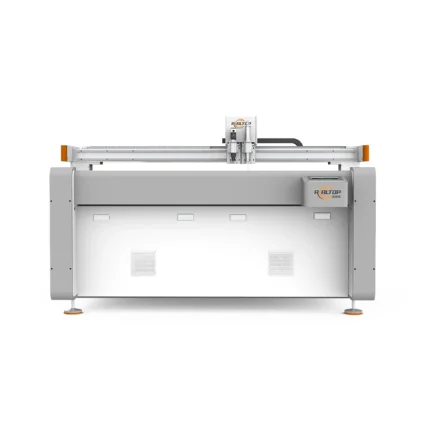
Digital Box Cutter 2026 Oscillating Knife Cardboard Cutter
Product Parameters
| Model | Digital Box Cutter 2026 |
| Cutting Type | Oscillating Knife |
| Material | Corrugated Cardboard |
Introduction
Professional oscillating knife cutting machine for corrugated cardboard. Ideal for precise, efficient cutting in packaging production. Reliable performance from China's leading welding & cutting equipment manufacturer.


Digital CNC Cardboard Cutting Machine 2026
Product Introduction
High-precision Digital CNC Cardboard Cutting Machine 2026, ideal for efficient cardboard processing with advanced CNC technology, ensuring precise and fast cutting performance for various packaging and craft applications.
Key Specifications
| Model | 2026 |
| Type | Digital CNC Cutting Machine |
| Material | Cardboard |
| Feature | High Precision, Efficient Cutting |
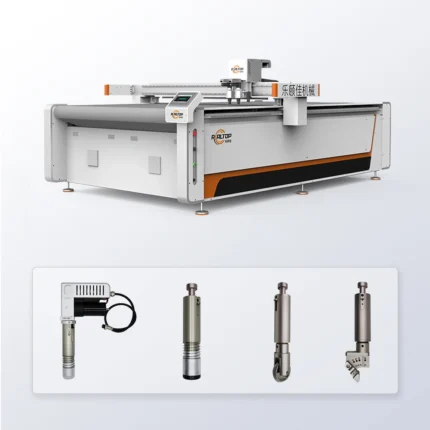
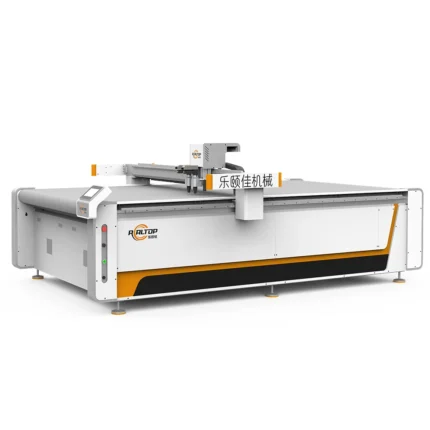

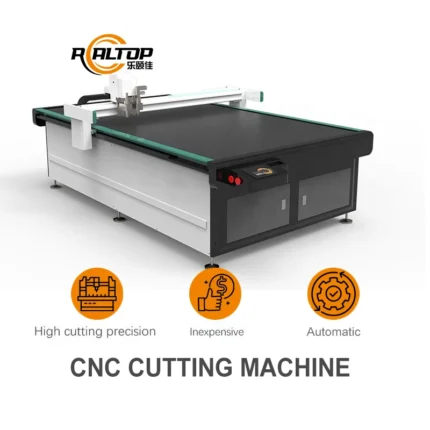
Realtop 2026 CNC Oscillating V-Cut Machine
Product Introduction
Realtop CNC Oscillating V-Cut Machine 2026 is a precision equipment designed for efficient V-cutting operations, ideal for various material processing needs with advanced CNC technology.
Key Specifications
| Model | Realtop CNC Oscillating V-Cut Machine 2026 |
| Type | CNC Oscillating V-Cut Machine |
| Application | Precision V-cutting operations |
| Feature | Advanced CNC technology |

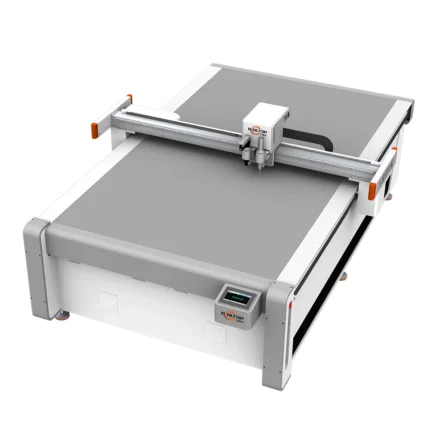
REALTOP 2026 Digital Industrial Cardboard Box Cutter
Product Introduction
REALTOP Digital Industrial Cardboard Box Cutter Machine 2026 is a professional industrial-grade cutting equipment designed for efficient cardboard box processing, ideal for manufacturing and packaging applications.
Product Parameters
| Model | 2026 |
| Type | Digital Industrial Cardboard Box Cutter |
| Application | Cardboard Box Processing |
| Feature | Industrial-grade, Efficient Cutting |
商品评价
There are no reviews yet.