


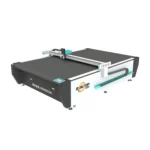
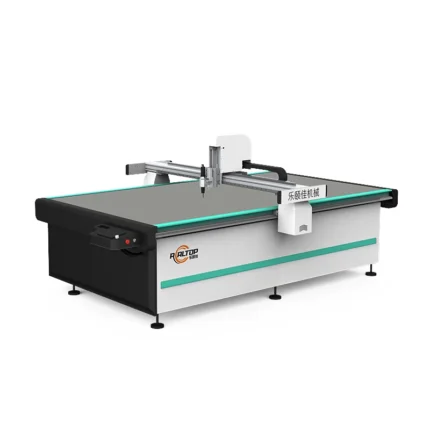
Composite Oscillating Knife Cutter 2500x1600mm | Custom Build
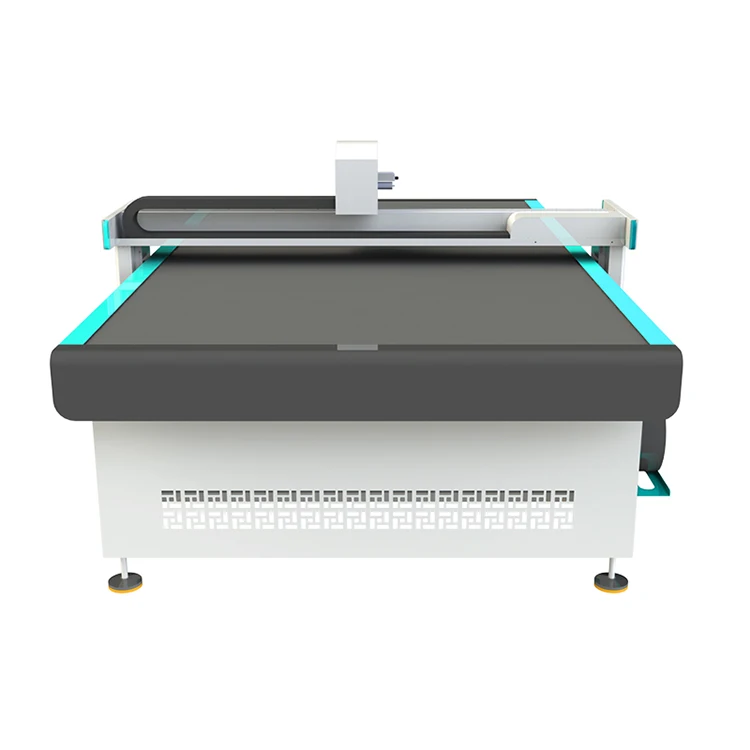
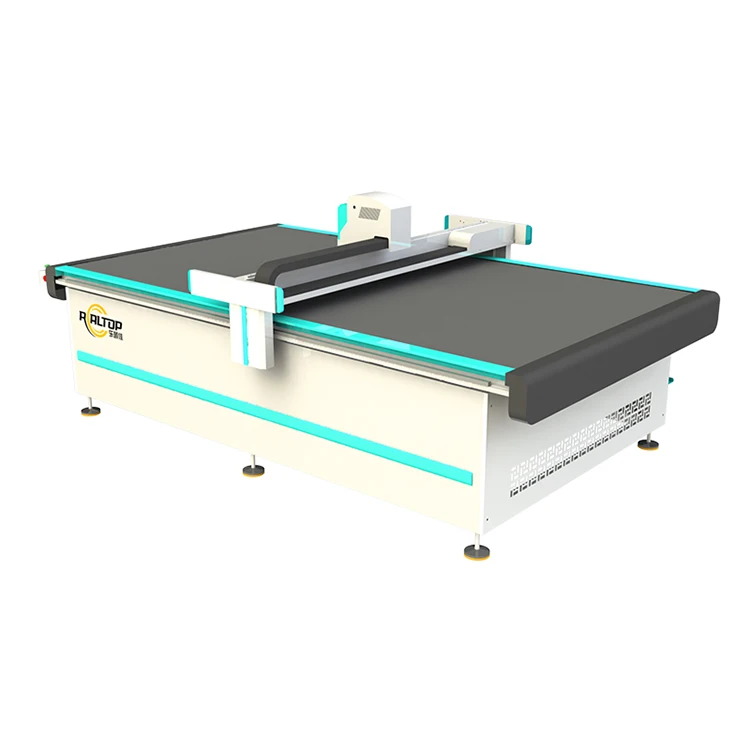
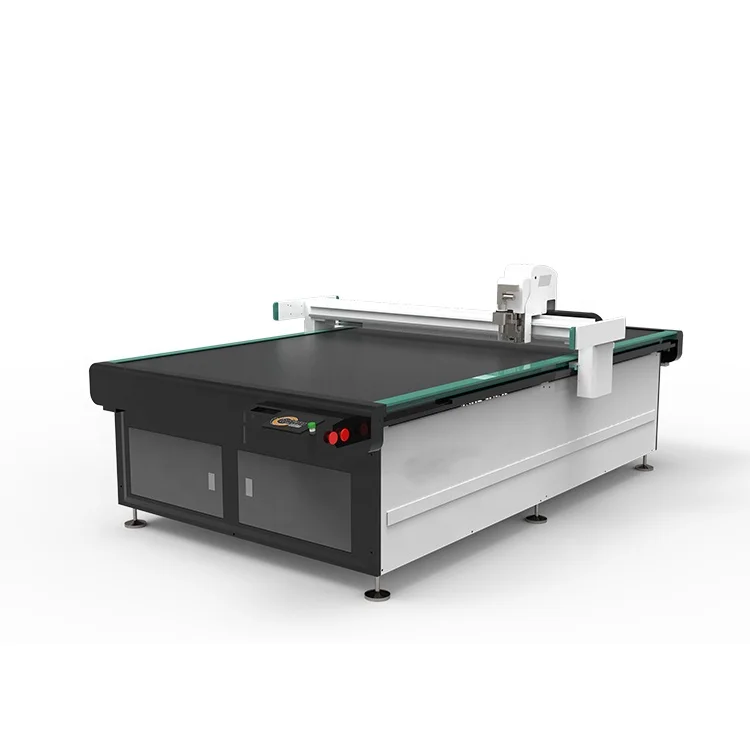
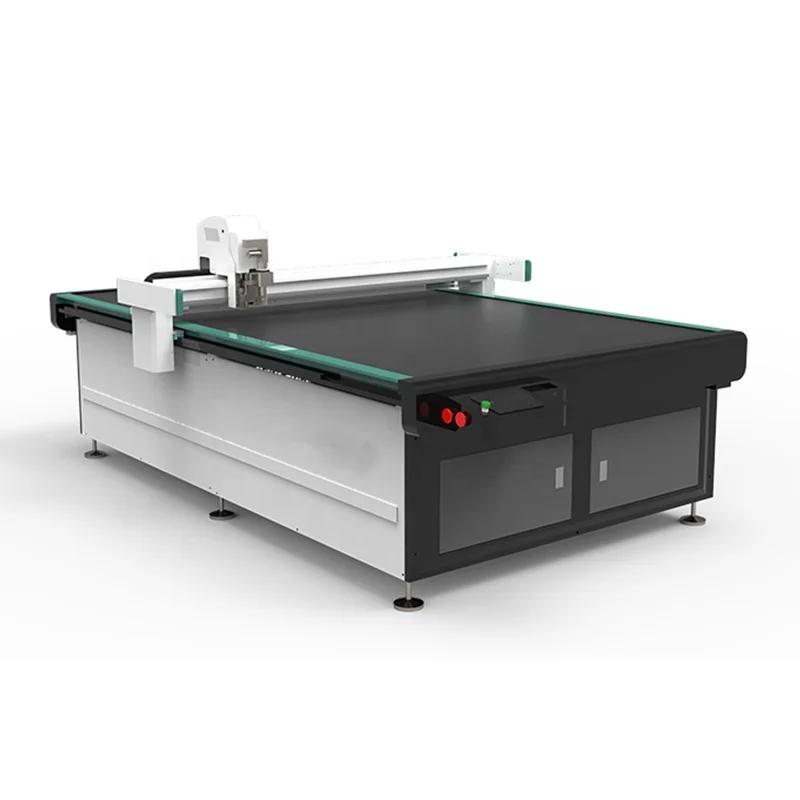
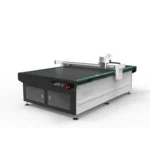
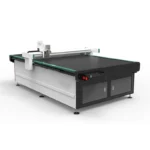
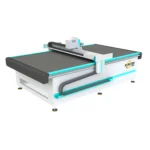
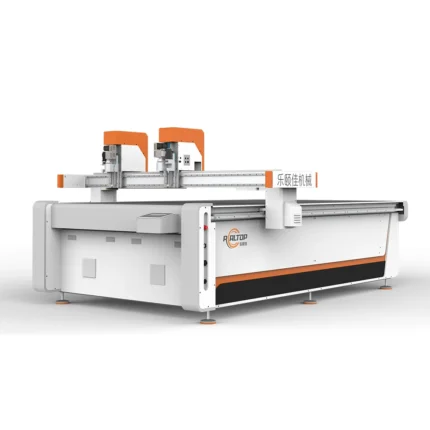
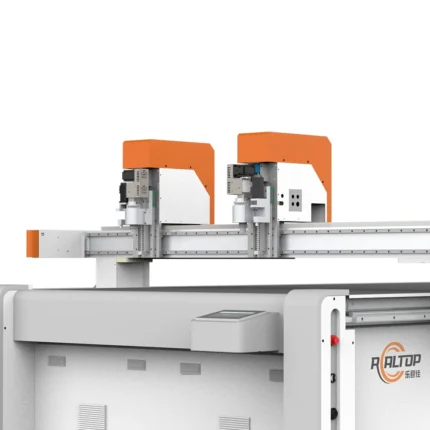
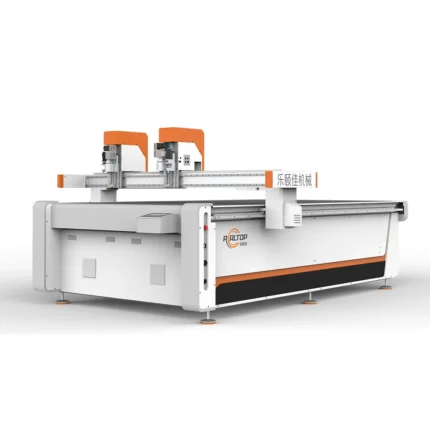
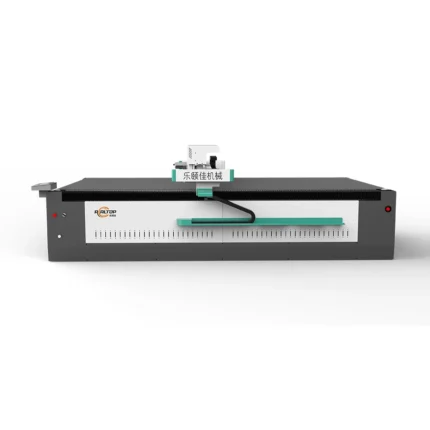
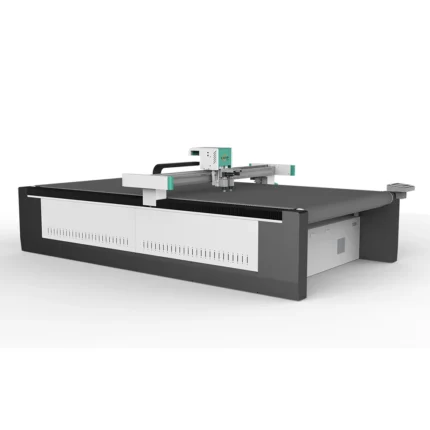
RT-D2516/RT-S2516 CNC Oscillating Knife Cutting Machine, 1600×2500mm Working Area, 7.5kW Vacuum Table, Yaskawa Servo Drives — configured after verifying material composition, thickness and density rather than specified on bed size alone. Swiss imported oscillating knife head supports full cut, half cut and cursor location for multi-layer composite layups, with zoned vacuum holding small gasket and trim parts flat during high-speed passes. – ≤0.1mm repeatability on Taiwan Hiwin linear rails – HP-GL compatible control for nesting workflow integration – Sample cutting report on buyer’s own composite material provided before order commitment
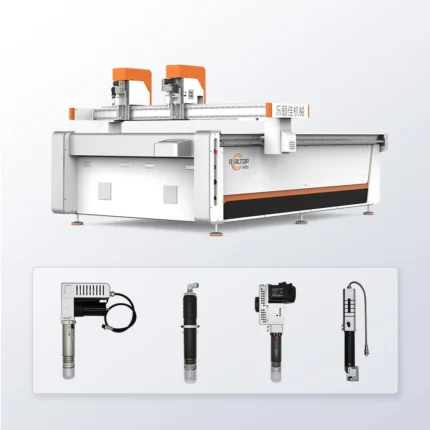
Tool Head Configuration per Material — the RT-D2516/RT-S2516 is specified after confirming your composite density and layup, not sold as a generic cutting table.
Technical Specifications
| Parameter | Value |
|---|---|
| Product Type | CNC Oscillating Knife Cutting Machine |
| Working Area | 1600 × 2500 mm |
| Machine Size | 3450 × 2300 × 1250 mm |
| Rated Power | 9 kW |
| Vacuum Pump | 7.5 kW |
| Tool Head | Swiss imported oscillating knife with full cut, half cut and cursor location |
| Translational Velocity | 800–1200 mm/s |
| Cutting Speed | 200–800 mm/s (according to different cutting materials) |
| Repeated Accuracy | ≤0.1 mm |
| Transmission System | Digital servo motor, linear guide, synchronous belt, ball screw (imported) |
| Servo Motor | Japanese Yaskawa |
| Linear Rail | Taiwan Hiwin |
| Conveyor Belt | Germany imported |
| Table Type | Flat working table with vacuum and auto feeding |
| Instruction System | HP-GL compatible format |
| Voltage | 380V ± 10% |
| Safety Device | Infrared sensors |
Application Suitability
| Application | Material or Output |
|---|---|
| Automotive interior trim cutting | Multi-layer composite panels, foam-backed fabrics |
| Gasket and seal fabrication | Rubber, silicone, composite sheet stock |
| Upholstery and leather goods | Sponge composite leather, flexible PVC |
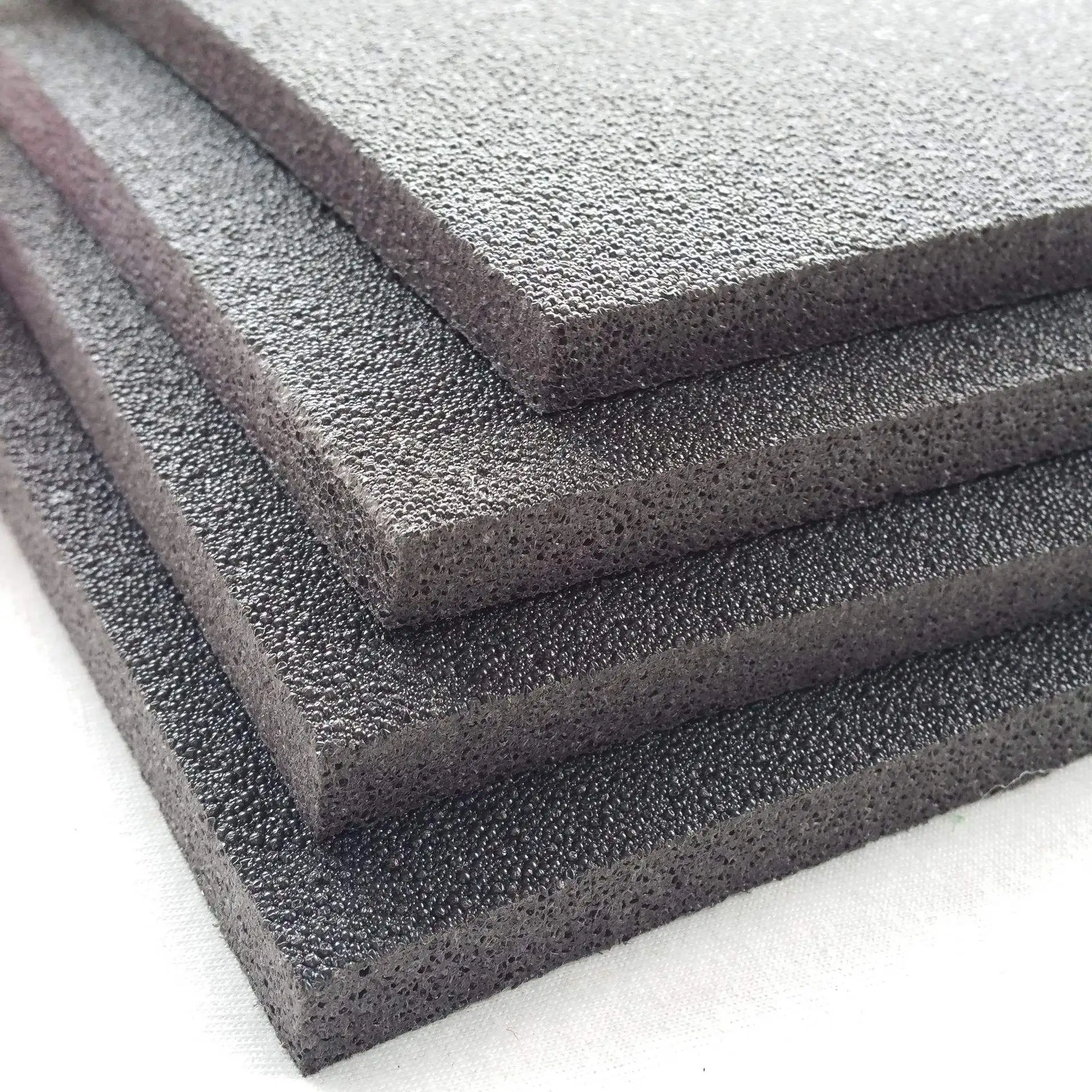
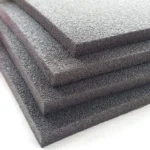
| Industrial soft material processing | Soft glass, silicon, sponge, clothing flexible material |
| Packaging and sample making | Corrugated board, foam inserts, carton samples |
Why "Cutting Speed" Numbers Rarely Match Your Shop Floor
Actual throughput depends on material density, tool path complexity and vacuum hold-down — not just the motor’s top speed.
When a buyer compares oscillating knife machines using only the published 200–800 mm/s range, the figure tells you almost nothing about daily output on a specific composite layup. A soft sponge composite may allow the upper end of that range, while a dense rubber gasket sheet forces the tool to slow considerably to maintain edge quality. I have seen production planners build shift schedules around a brochure number, only to find the real cutting speed on their material sits at the lower boundary. The RT-D2516/RT-S2516 is configured around your actual material sample before the order is confirmed, so the speed expectation is grounded in a physical test rather than a catalog claim. [NEED_CITE: cutting speed variance across composite material types]
Oscillating Knife Mechanics on Multi-Layer Composites
The Swiss imported oscillating knife head on this CNC oscillating knife cutting machine manufacturer platform supports full cut, half cut and cursor location in a single tool station. Full cut handles through-cutting of gasket sheets and foam panels, while half cut scores crease lines or kiss-cuts adhesive layers without penetrating the backing paper. Cursor location lets the operator set a physical reference point for repeat jobs, reducing alignment time when switching between sheet batches. This matters on composite layups where a single pass must cut through fabric, foam and adhesive layers without delaminating the stack.
Vacuum Zoning and Small-Part Hold-Down
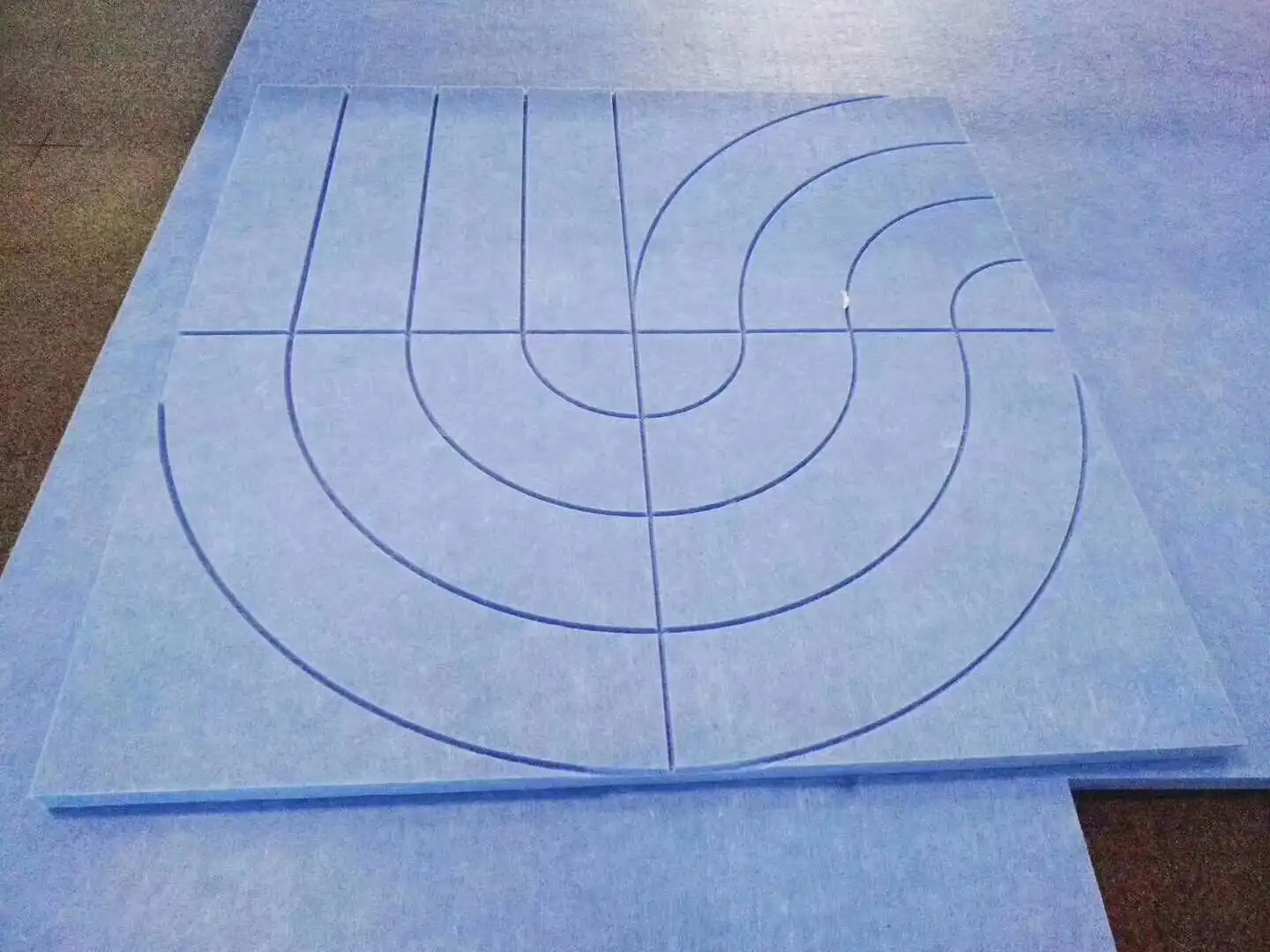
The 7.5 kW vacuum pump feeds a zoned flat table designed to keep small gasket profiles and narrow trim strips flat during high-speed traverses. Without adequate zoning, the vacuum pulls evenly across the entire bed, and small parts near the cutting path lose suction as the knife opens a gap in the material. Zoned valves concentrate suction on the active cutting area, maintaining hold-down force on pieces as narrow as a few centimeters. For automotive seal producers running nested gasket patterns, this directly affects whether finished parts stay in place or lift into the tool path. [NEED_CITE: vacuum table zoning impact on small part retention]
How Drive Components Translate to Edge Accuracy
The Yaskawa servo motors paired with Taiwan Hiwin linear rails deliver a repeated positioning accuracy of ≤0.1 mm across the full 1600 × 2500 mm working area. In composite cutting, repeatability determines whether a nesting program can place parts tightly without overlap or gap. The synchronous belt and imported ball screw transmission keep the tool head square to the table surface, preventing the slight angular drift that causes ragged edges on thicker foam sheets. At translational velocities up to 1200 mm/s during rapid moves, the servo response must arrest motion precisely before the next cut begins — any overshoot shows up as a nick at the start of the next cut line.
The Hidden Cost of Skipping a Material Test Run
Choosing a tool head based on material name alone — "foam" or "rubber" — rather than density, layer count and adhesive content is one of the most common specification errors in this equipment class. A knife that slices cleanly through a 5 mm sponge sample may crush and tear a 12 mm foam-backed composite at the same oscillation frequency. The buyer then faces blade changes mid-shift, increased consumable cost, and edge quality that fails their customer’s visual standard. I have watched a production line lose an entire day re-cutting parts because the initial machine was specified without running the buyer’s actual production roll on the table. [NEED_CITE: tool head selection errors in composite cutting operations]
Why Buyers Source This CNC Oscillating Knife Cutting Machine Manufacturer
Realtop designs both knife and laser platforms in-house, so the cutting method is matched to your material rather than forcing every job through one technology. The tool head and vacuum configuration for the RT-D2516/RT-S2516 is documented per material type before the order is placed. CCD camera positioning is available for printed contour work when your composite sheets carry registration marks. Software compatibility is verified against your existing HP-GL nesting workflow before shipment, preventing file-format surprises on the first production day. Sample cutting on your own material is completed and signed off before the machine enters final assembly.
Documentation & Verification
- Machine specification sheet listing confirmed tool head and vacuum zone layout
- Electrical schematic with voltage matched to destination country supply
- Sample cutting report run on your composite material and thickness
- Factory test record documenting repeatability measurement before dispatch
- Software licence and HP-GL file format compatibility note included
- Spare parts list covering blades, belts and vacuum cups for first-year maintenance
Installation, Commissioning & Support
- Foundation requires a level concrete floor supporting 3450 × 2300 mm footprint plus operator clearance
- Dedicated 380V ± 10% circuit rated for 9 kW machine plus 7.5 kW vacuum pump draw
- Machine ships as a single assembled frame; rigging access must accommodate 1250 mm height
- First-run parameter setting includes vacuum zone mapping for your sheet size and material type
- Operator training covers blade change procedure, HP-GL file import and nesting workflow
- Spare oscillating blades and conveyor belt sections included for initial production period
Preparing Your Inquiry
To get an accurate configuration for your composite cutting line, provide the material type, layer composition, total thickness and maximum sheet dimensions you run daily. Specify your local voltage and frequency, the control language your operators need, and whether your nesting software exports HP-GL or a different format. If your material has an adhesive interlayer or a printed surface requiring contour recognition, note that upfront so the correct tool head and optional CCD system are included in the proposal. Sending a sample roll or sheet for a physical cutting test eliminates most specification guesswork.
Frequently Asked Questions
Q: How is cutting depth capacity confirmed for my specific composite material and thickness?
A: We run a sample cutting test using your actual production material at its full thickness and layer composition. The test documents the oscillation frequency, blade type, cutting speed and edge quality achieved. You review the sample cutting report before the machine configuration is finalized, ensuring the tool head can handle your specific layup rather than a generic material category.
Q: Can the vacuum table zoning handle small gasket parts without material lift?
A: The 7.5 kW vacuum system on the RT-D2516/RT-S2516 uses zoned valves that concentrate suction on the active cutting area. Small parts and narrow strips maintain hold-down force as the knife opens gaps in the material. Zone configuration is mapped during commissioning based on your typical nesting pattern and smallest part dimensions.
Q: What file formats does the control system accept from my nesting software?
A: The instruction system natively accepts HP-GL compatible format. Before the order is confirmed, we verify compatibility with your specific nesting software output and document the file format match. If your workflow uses a different format, the required conversion step is identified and tested before shipment.
Q: Is sample cutting on my actual material available before placing the order?
A: Yes. You send a representative sample of your production composite material, and we run it on the configured table. The resulting sample cutting report records tool head settings, edge quality photographs and achieved cutting speed, giving you a physical reference before committing to the purchase.
Q: What voltage, plug and control language options are confirmed before shipment?
A: The standard voltage is 380V ± 10%, configurable for your destination market. The electrical schematic, plug type and control interface language are confirmed and documented before production begins, so the machine arrives ready to connect without on-site electrical modification or software reloading.


Related products

2026 Oscillating Knife Foam Insert Digital Packaging Cutter
Product Introduction
Designed for foam insert cutting, this 2026 Digital Packaging Cutter features oscillating knife technology, ideal for precise digital packaging applications with efficient cutting performance.Product Parameters
| Parameter | Details |
|---|---|
| Type | Oscillating Knife Cutting Machine |
| Application | Foam Insert Cutting |
| Model Year | 2026 |
| Category | Digital Packaging Cutter |
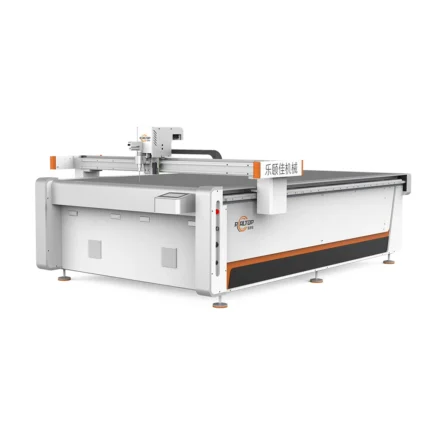
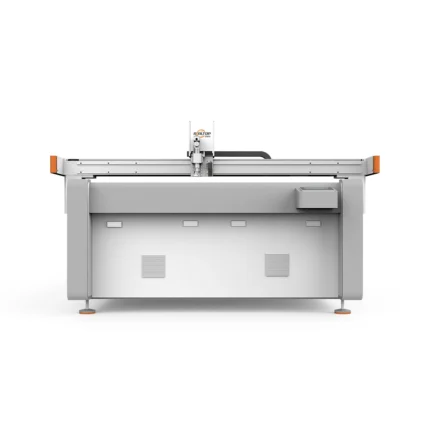
Acoustic Panels CNC Knife Cutting Machine 2026
Product Introduction
Designed for precision cutting of acoustic panels, this 2026 CNC knife cutting machine offers efficient and accurate processing, ideal for acoustic panel manufacturers seeking high-quality results.Product Parameters
| Model | Acoustic Panels CNC Knife Cutting Machine 2026 |
| Application | Acoustic Panels Cutting |
| Type | CNC Knife Cutting Machine |
| Year | 2026 |
Jinan Realtop CNC Foam Cutting Machine 2026
Product Introduction
Jinan Realtop CNC Foam Cutting Machine 2026, a high-precision solution from China's leading welding & cutting equipment manufacturer, ideal for efficient foam cutting applications with reliable performance and advanced CNC technology.Key Specifications
| Model | 2026 |
| Type | CNC Foam Cutting Machine |
| Manufacturer | Jinan Realtop |
| Origin | China |
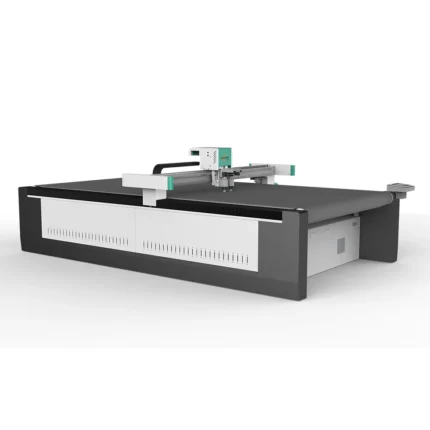
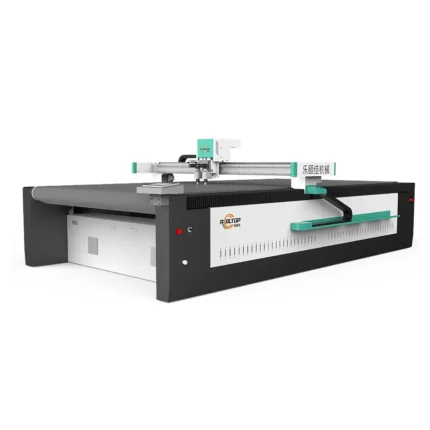
Realtop 2026 CNC Digital Knife Cutting Machine
Product Introduction
Realtop CNC Digital Knife Cutting Machine 2026, a precision cutting solution for various materials, ideal for industrial manufacturing with advanced CNC technology.
Key Specifications
| Model | Realtop CNC Digital Knife Cutting Machine 2026 |
| Type | CNC Digital Knife Cutting |
| Application | Industrial Material Cutting |
| Manufacturer | Chinese Welding & Cutting Equipment Factory |
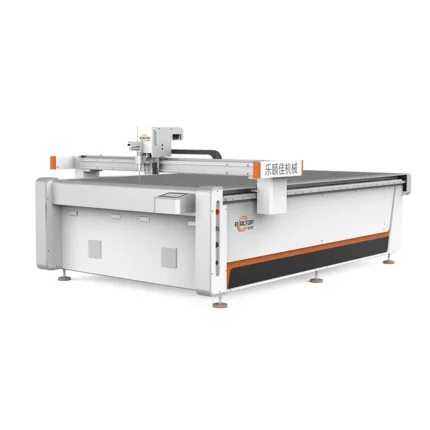

Realtop CNC Felt Plastic Cutting Machine 2026
Product Introduction
Realtop CNC Felt Plastic Cutting Machine 2026 is a precision cutting solution designed for felt and plastic materials, ideal for manufacturing applications. It combines advanced CNC technology to deliver accurate and efficient cutting performance, suitable for various industrial production needs.Key Specifications
| Model | Realtop CNC Felt Plastic Cutting Machine 2026 |
| Application | Felt & Plastic Cutting |
| Technology | Advanced CNC System |
| Performance | Precision & Efficient Cutting |
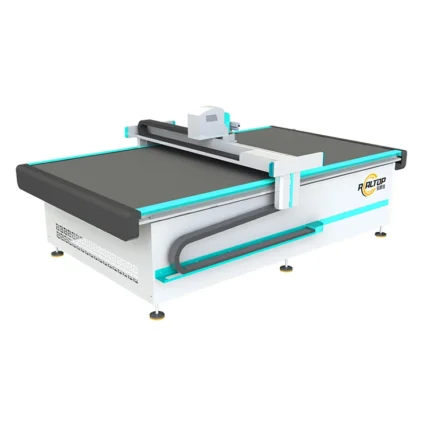

商品评价
There are no reviews yet.