

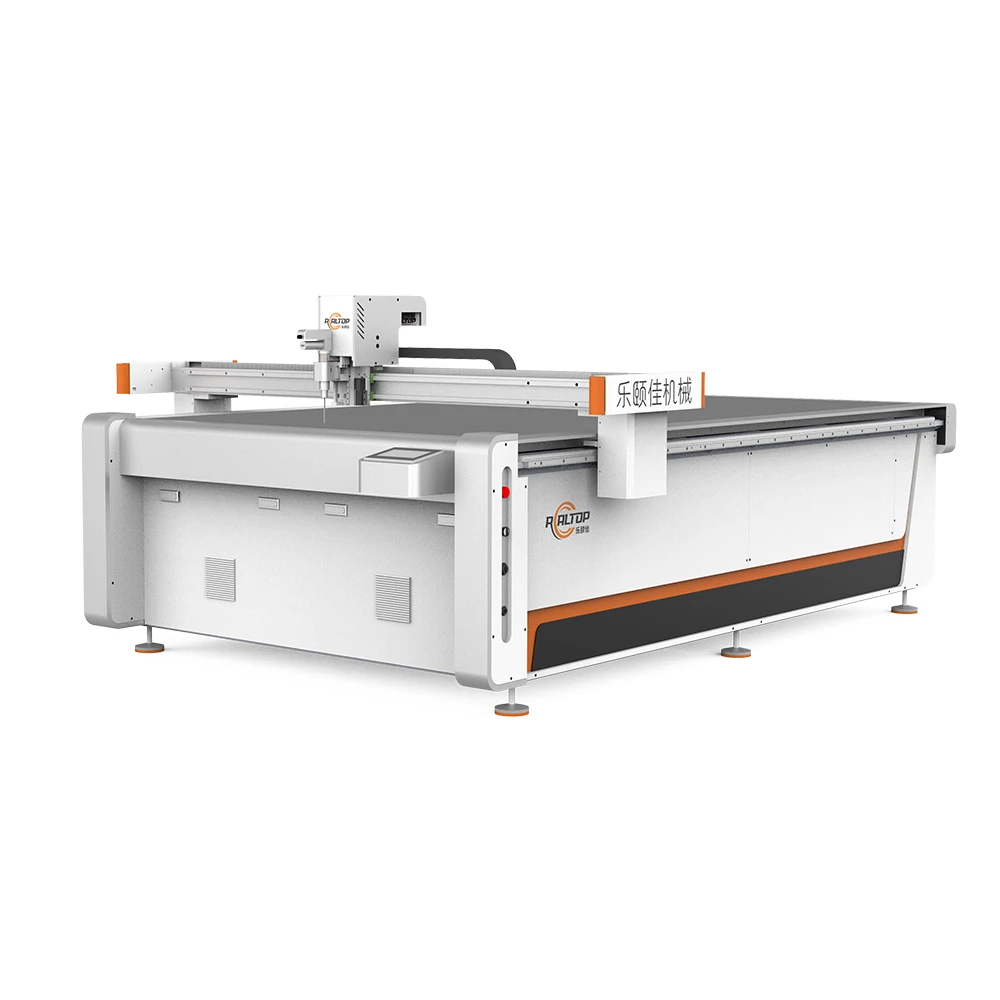

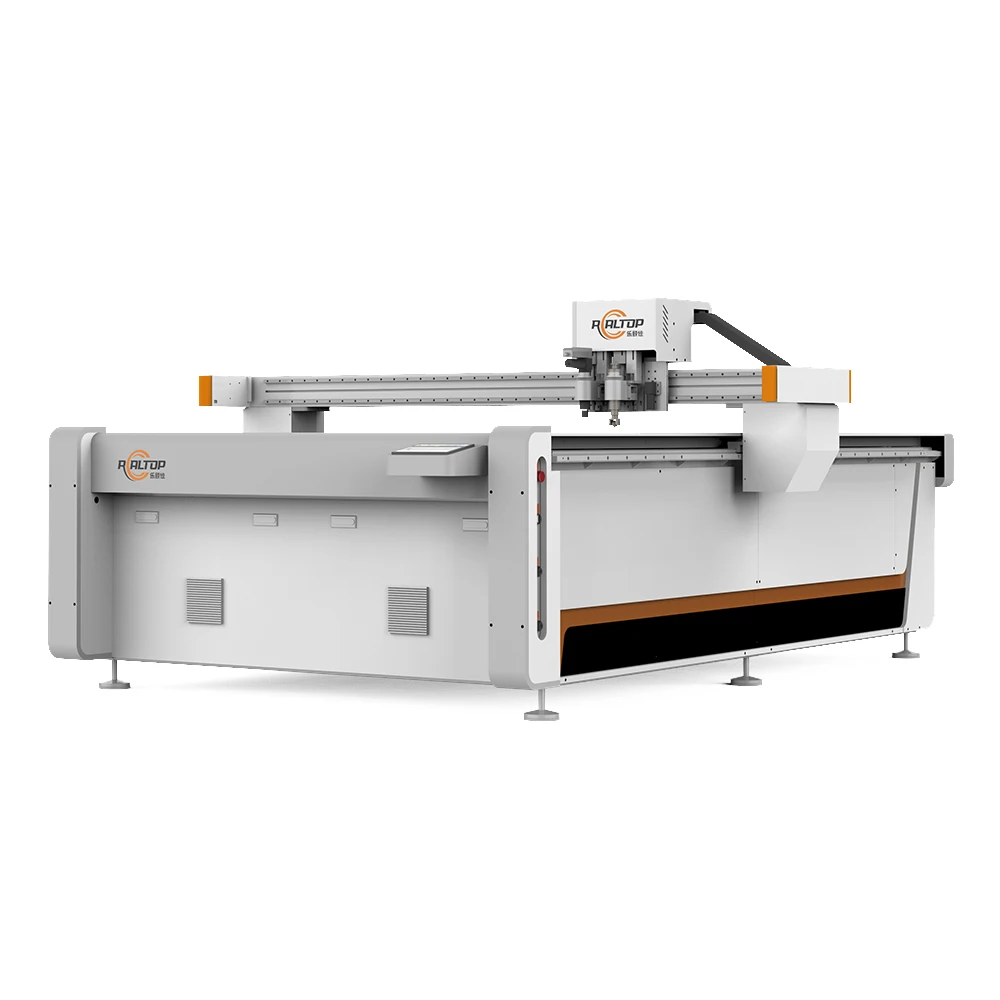
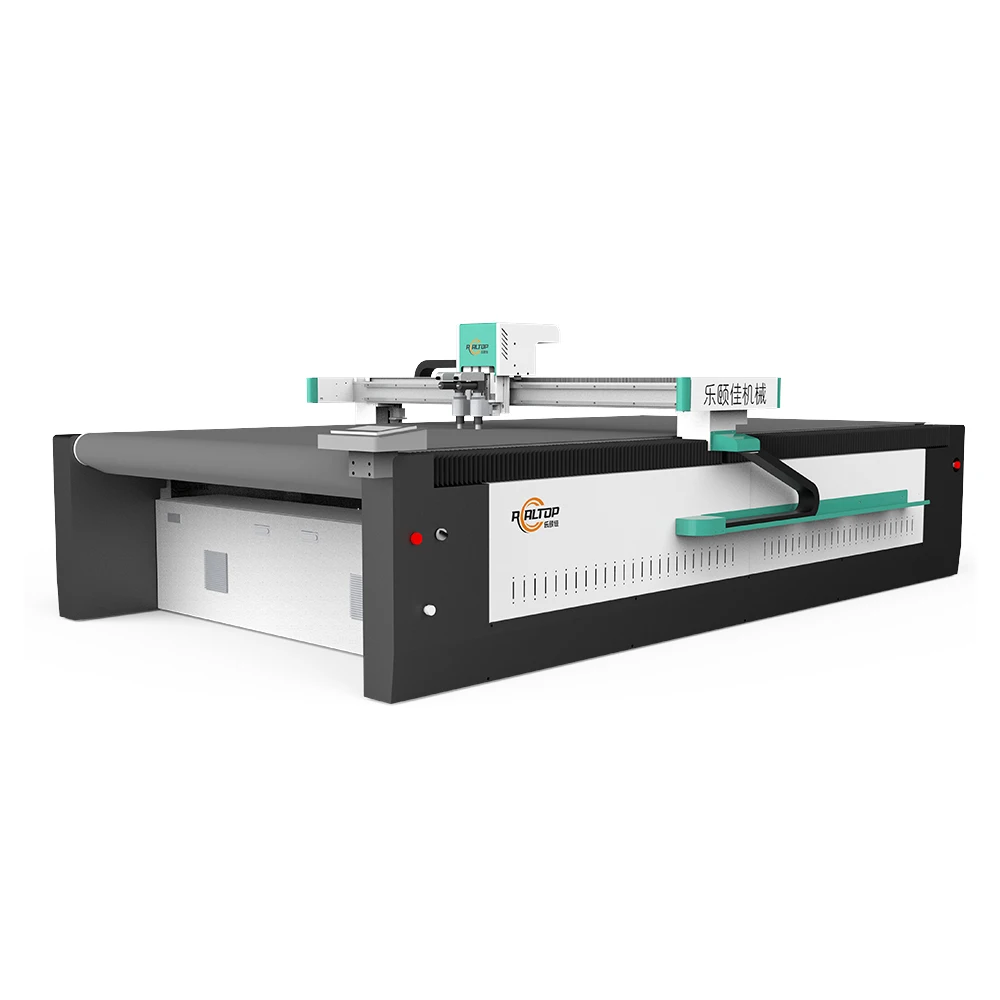



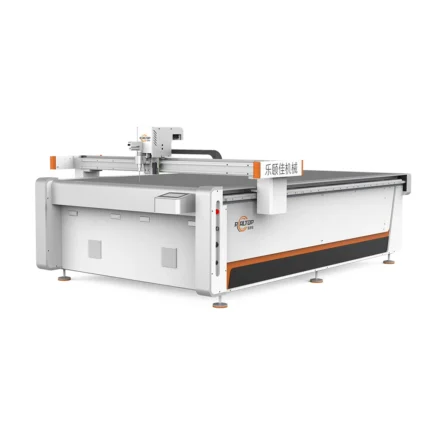
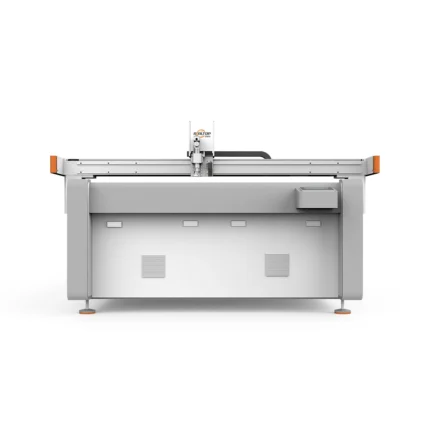
Composites CNC Cutting Machine 1625 – Manufacturer
记录ID: 35060
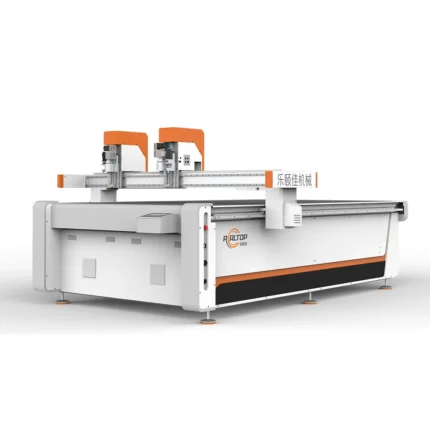
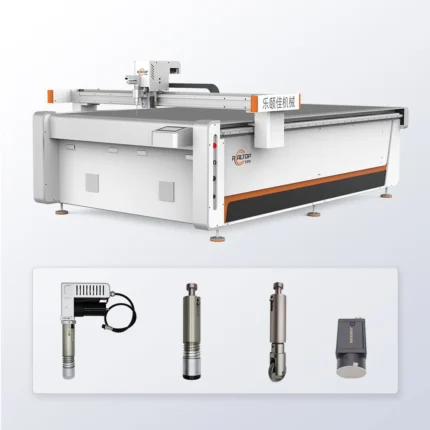
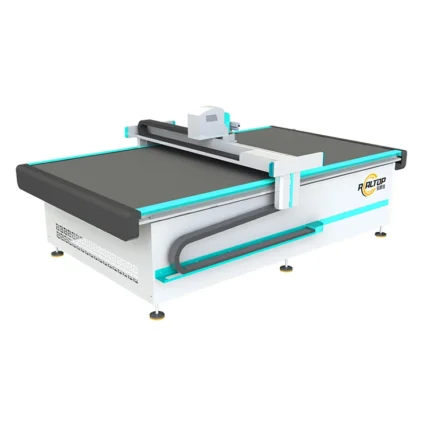
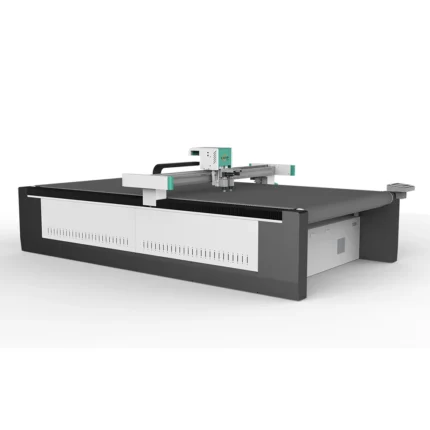
Cold cutting precision — The 1625 oscillating knife platform eliminates thermal degradation on resin-based laminates by using high-frequency mechanical shearing instead of heat, preserving the structural fibers in carbon prepreg and aramid honeycomb.
Technical Specifications
| Parameter | Value |
|---|---|
| Model | 1625 |
| Product Type | CNC Oscillating Knife Cutting Machine for Composites |
| Working Area | 1600×2500 mm |
| Cutting Speed | 0-2000 mm/s |
| Cutting Thickness | ≤ 30mm (basis not stated in source — confirm material type and density) |
| Cutting Accuracy | ±0.1 mm |
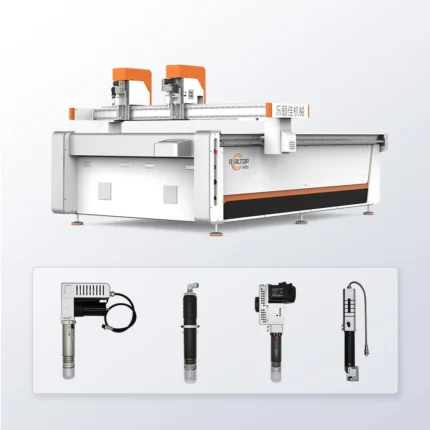
| Tool Head Options | Oscillating knife, Driven rotary knife, Creasing wheel, Kiss cutting tool, Pneumatic knife, Milling tool, V groove knife |
| Vacuum Pump | 9KW |
| Voltage Options | 110V, 220V, 380V (frequency to be confirmed) |
| Control System | PLC control panel |
| Supported Formats | PLT, DXF, AI, PDF |
| Safety Features | Infrared sensor device, emergency stop device |
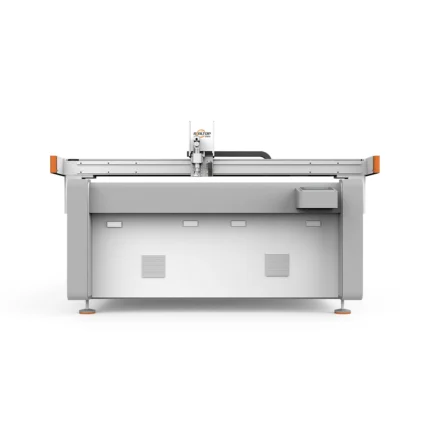
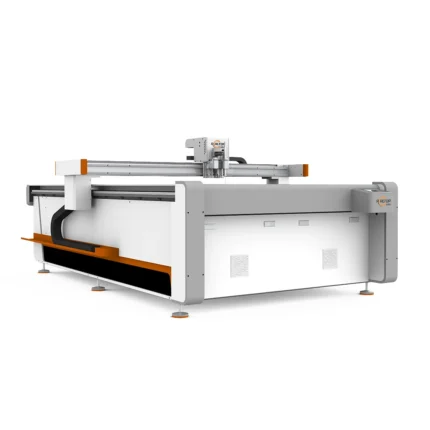
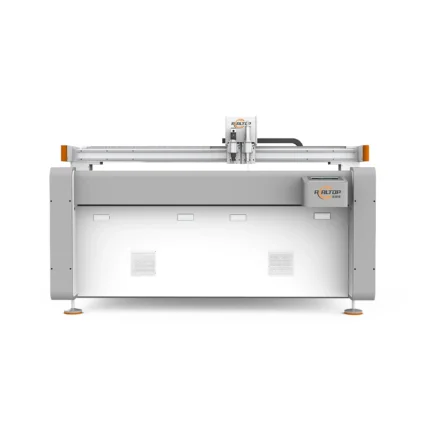
| Overall Dimensions | 3300×2100×1350 mm |
| Language Options | English, Russian, Italian, Chinese (customizable) |
Application Suitability
| Application | Material or Output |
|---|---|
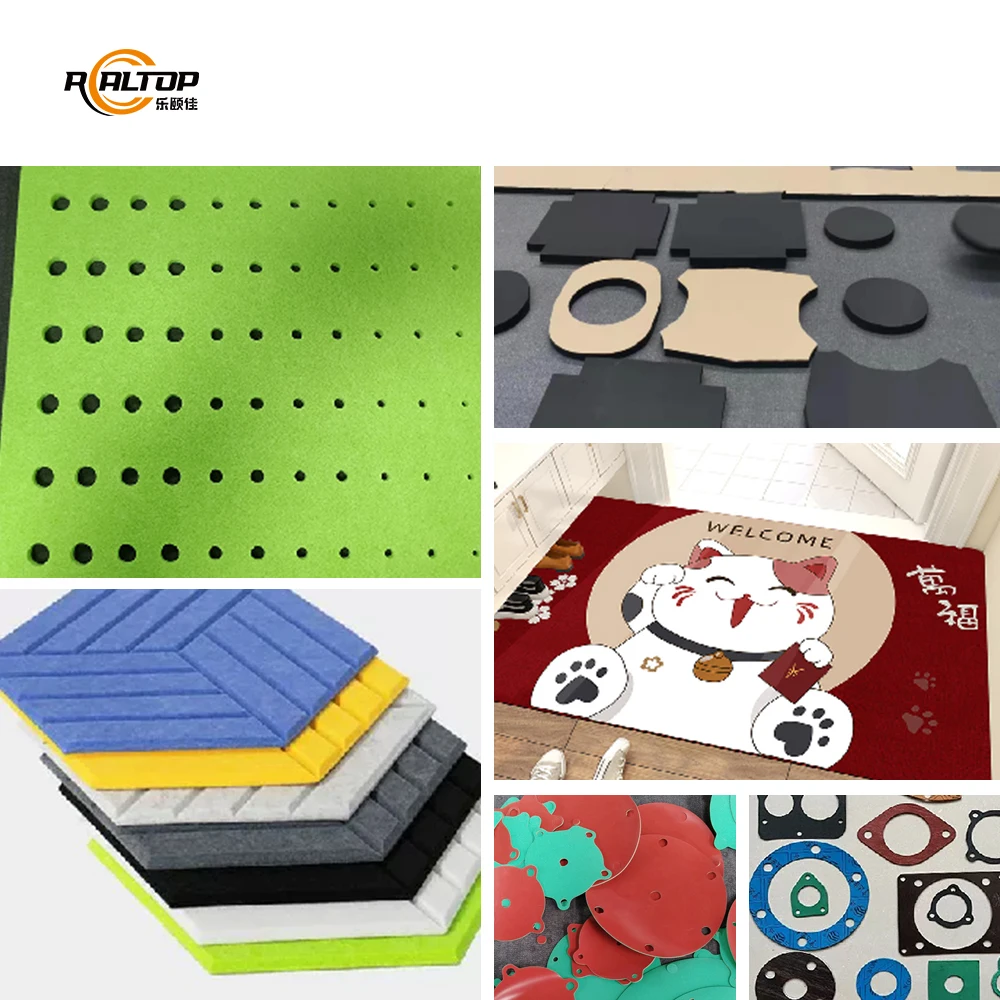
| Aerospace skin panel and fairing trimming | Carbon fiber prepreg and aramid honeycomb cores |
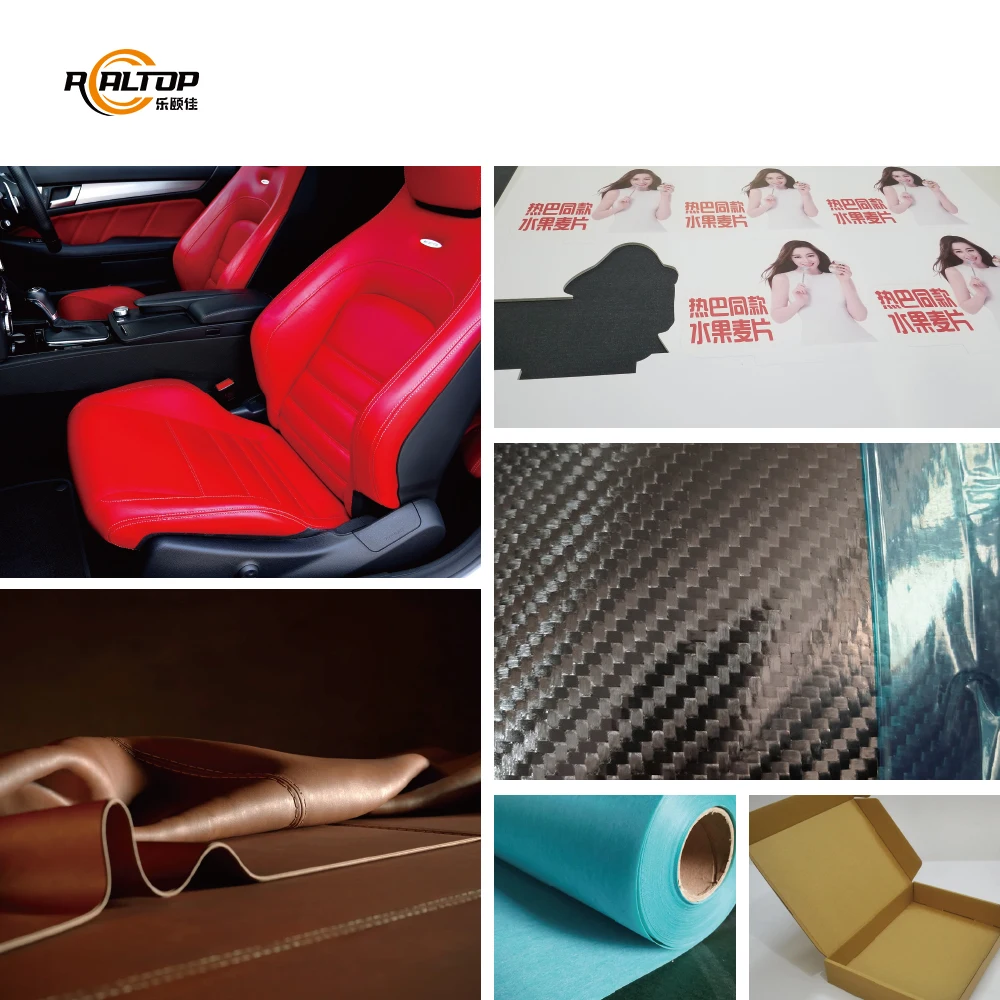
| Automotive interior trim production | Lightweight body panels and battery insulation pads |
| Wind turbine blade core preforming | Infusion mesh, fiberglass cloth, and foam sheets |
| Thermal and acoustic insulation processing | Honeycomb cores and insulation pads for rail transport |
| Sporting goods layup preparation | Bicycle frame prepreg, helmet liners, and surfboard cores |
Why Thermal Damage Ruins Composite Layups Before Assembly
Mechanical oscillation replaces the heat-affected zone entirely, keeping resin systems below their glass transition temperature.
When fabricators use laser or plasma sources on resin-impregnated fabrics, the matrix often degrades at the cut edge, leaving a charred boundary that fails secondary bonding or autoclave consolidation. I have seen shops try to cut fiberglass-reinforced nylon with thermal tools, only to find the delaminated edges reject the adhesive in the next assembly stage. An oscillating knife avoids this by shearing the fibers mechanically at high frequency, producing a clean boundary without altering the chemistry of the surrounding matrix [NEED_CITE: thermal degradation thresholds for epoxy and polyester resin systems].
Shearing Fibers Without Melting the Matrix
The high-frequency oscillating knife moves vertically at rapid intervals, slicing through layered fabrics and foam cores without generating the friction heat associated with drag knives or rotary cutters. This cold-cutting action is the defining difference for a CO2 laser cutting and engraving machine manufacturer transitioning into mechanical composite processing, as it prevents the resin from softening and smearing across the cut face. For aramid materials like Kevlar, which tend to fuzz and fray under dull blades, the oscillation keeps the edge tight and sealed.
Multi-Tool Versatility for Mixed-Material Nesting
A single nesting sheet often contains dense G10 epoxy boards next to soft acoustic foam, requiring different cutting actions within the same job cycle. The 1625 accommodates up to seven tool heads, allowing the operator to switch from a heavy-duty pneumatic knife for thick rubber gaskets to a delicate kiss cutting tool for thin PTFE films without stopping the machine. This flexibility means a fabricator running automotive interior components can process the insulation pad, the leather wrap, and the rigid backing board in one uninterrupted workflow.
Vacuum Adsorption and Zoning Logic
Holding a large sheet of flexible fiberglass cloth flat against the table while the knife traverses at high speed requires more than a simple pump. The 9KW vacuum system works through an aluminum bellows table with zoned manifolds, allowing the operator to activate suction only in the area under the cutting head. If the zoning is insufficient for small, intricate gasket geometries, the material lifts off the table, causing the blade to skip or the dimensional tolerance to drift beyond the ±0.1 mm specification [NEED_CITE: vacuum table zoning requirements for flexible composite sheets].
Reading the Spec Sheet Against Your Material Stack
Cutting thickness is listed at ≤ 30mm, but this figure changes drastically depending on whether you are slicing soft EVA foam or dense carbon fiber prepreg. The oscillation amplitude and blade geometry must be matched to the material density; a blade that glides through 20mm of acoustic insulation may stall or deflect on a 5mm G10 board. The PLC control panel allows the operator to store specific oscillation frequencies and feed rates for different material recipes, ensuring batch-to-batch consistency when the shop switches from wind blade mesh to automotive sound deadening.
The Cost of Wrong Tooling on Brittle Laminates
Choosing a standard drag knife for a brittle composite like cured G10 epoxy often results in micro-chipping along the cut line, forcing the operator to sand every edge before the part can be bonded. I recall a client who ordered a machine configured only for soft textiles, then attempted to cut 3mm aramid honeycomb; the blade dragged the cell walls apart instead of shearing them, rendering the entire batch scrap. Without the correct driven rotary or oscillating knife configuration validated on your specific layup, the machine’s accuracy rating becomes irrelevant.
Why Procurement Starts With a Sample Cut
Every composite grade behaves differently under mechanical stress, making factory validation non-negotiable.
We build both knife and laser platforms, but we do not force a single method onto every material; the cutting strategy is dictated by the resin system and fiber orientation you supply. Before the 1625 leaves the factory, we run a sample cutting report using your exact roll or sheet stock, documenting the tool head used, the blade angle, and the resulting edge quality. The voltage is confirmed against your local grid standards, and the control panel language is set to match your floor operators, eliminating the guesswork that often delays commissioning [NEED_CITE: machinery directive compliance for exported CNC equipment].
Documentation & Verification
- Factory test record on your specific composite thickness and fiber orientation before dispatch.
- Electrical schematic confirming the 110V, 220V, or 380V wiring and frequency match your facility.
- Tool head configuration list detailing which of the seven options are installed and calibrated.
- Software license and file format compatibility note for PLT, DXF, AI, and PDF nesting workflows.
- Operation manual translated into your selected language (English, Russian, Italian, or Chinese).
- Sample cutting report showing edge quality on your provided carbon fiber or fiberglass material.
Installation, Commissioning & Support
- Floor space must accommodate the 3300×2100×1350 mm footprint plus operator clearance on all sides.
- A dedicated circuit matching the confirmed 9KW vacuum pump and PLC control voltage is required.
- The machine ships with tool heads pre-mounted; calibration is verified against your sample material upon arrival.
- Training covers the zoning logic for the vacuum table to prevent material lift on small composite parts.
- A spare parts list identifies the specific oscillating and rotary blades consumed by your material density.
- Routine maintenance focuses on the aluminum bellows table surface and the infrared safety sensor alignment.
Request a Configuration Review
To determine whether the 1625 oscillating knife system matches your production line, please provide the specific composite material type, the maximum sheet dimensions you handle, and your local voltage and frequency standards. If you are currently nesting from DXF or AI files, confirm the software workflow so we can validate compatibility before the sample cut.
Frequently Asked Questions
Q: How do I verify the cutting thickness capability for my specific composite layup?
A: The ≤ 30mm rating is a general baseline that changes with material density and fiber content. We require a physical sample of your exact layup—such as carbon fiber prepreg or aramid honeycomb—to run a test cut. This produces a sample cutting report that documents the actual achievable thickness, the tool head required, and the edge quality, ensuring the machine is configured correctly before it leaves our factory.
Q: Which tool head is best for carbon fiber prepreg versus G10 epoxy boards?
A: Carbon fiber prepreg typically requires a high-frequency oscillating knife to shear the fibers cleanly without generating heat that could prematurely cure the resin. G10 epoxy, being a rigid, cured laminate, often demands a more aggressive driven rotary knife or a milling tool to prevent chipping. We select and install the appropriate tool head based on the sample material you provide during the pre-shipment validation process.
Q: What voltage and language options are available for my facility?
A: The 1625 is configurable for 110V, 220V, or 380V systems, though the exact frequency must be confirmed to match your local grid. The PLC control panel language is customizable from a list that includes English, Russian, Italian, and Chinese. We lock in these specifications during the order confirmation stage to ensure the electrical schematic and interface match your operators’ requirements upon delivery.
Q: How does the vacuum system hold flexible fiberglass cloth without shifting?
A: The 9KW vacuum pump feeds an aluminum bellows table with zoned manifolds, allowing you to isolate suction to the area directly under the cutting head. This prevents air leakage across the 1600×2500 mm surface and maintains high holding force on thin, porous materials like fiberglass cloth or infusion mesh, preventing the material from lifting during high-speed traverses.
Q: Can I send my own materials for test cutting before ordering?
A: Yes, sending your actual production material is a standard step in our sales process. We run the sample on the 1625 using your proposed nesting files (PLT, DXF, AI, or PDF) and provide a full report detailing the cut quality, tool wear, and cycle time. This ensures the configuration we quote is the one that actually works on your shop floor.


Related products
Acoustic Panels CNC Knife Cutting Machine 2026
Product Introduction
Designed for precision cutting of acoustic panels, this 2026 CNC knife cutting machine offers efficient and accurate processing, ideal for acoustic panel manufacturers seeking high-quality results.Product Parameters
| Model | Acoustic Panels CNC Knife Cutting Machine 2026 |
| Application | Acoustic Panels Cutting |
| Type | CNC Knife Cutting Machine |
| Year | 2026 |
Oscillating Knife Cutter 2500x1600mm Composite Material Cutter
Product Introduction
Designed for composite materials processing, this oscillating knife cutter features a large 2500x1600mm working area, ensuring efficient handling of various composite material cutting tasks with precision and reliability.Product Parameters
| Working Area | 2500x1600mm |
| Cutting Type | Oscillating Knife |
| Application | Composite Materials |
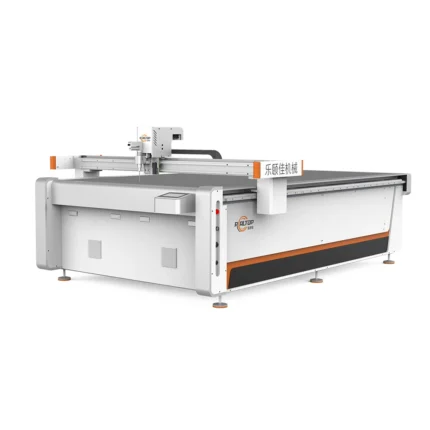
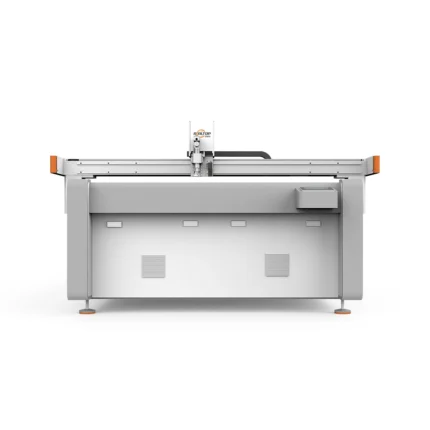
Realtop CNC 2026 Carbon Fiber Glass Mat CE Cutting Machine
Product Introduction
High-performance Realtop CNC Cutting Machine 2026, ideal for carbon fiber and glass mat cutting. CE certified for quality and safety, perfect for precision manufacturing needs.
Key Specifications
| Material Compatibility | Carbon Fiber, Glass Mat |
| Certification | CE Certified |
| Type | CNC Cutting Machine |
| Model | 2026 |

商品评价
There are no reviews yet.