


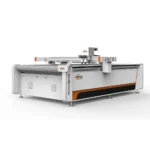
Custom Logo Flat Pack Corrugated Box Cutting Machine – Manufacturer
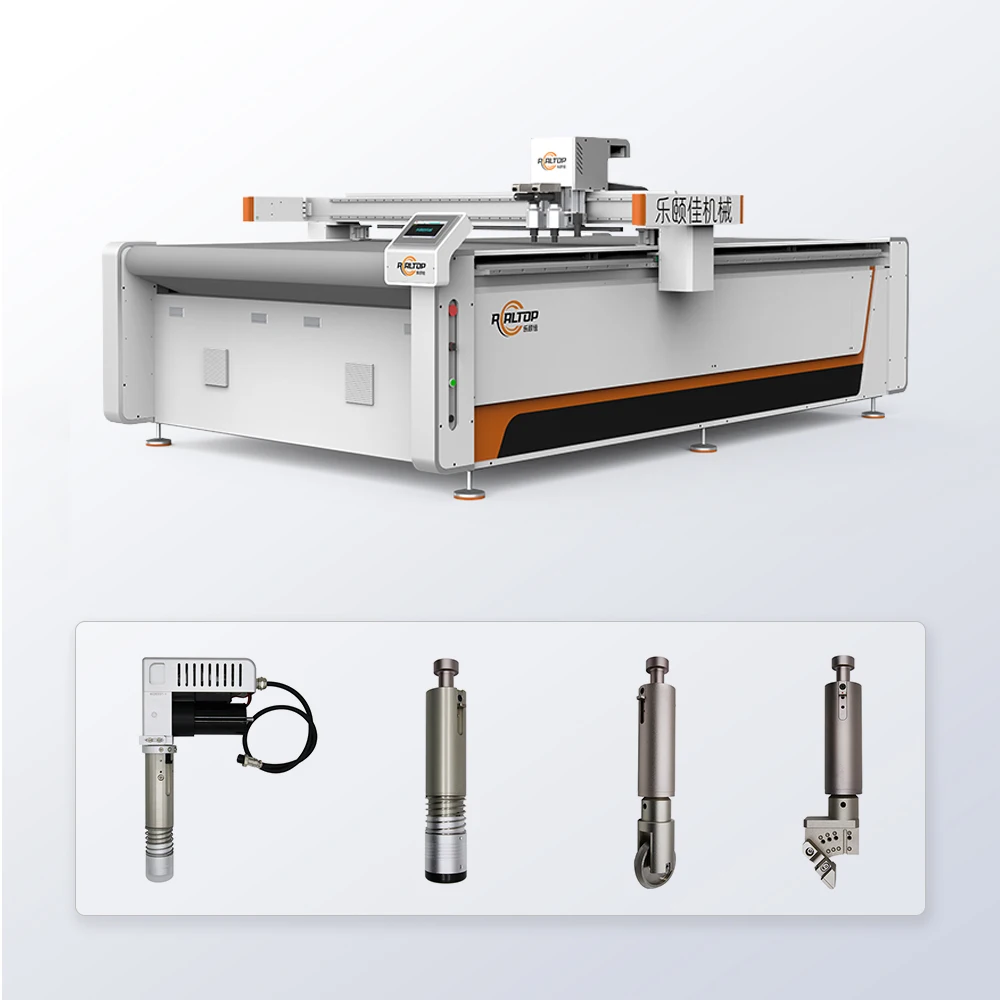
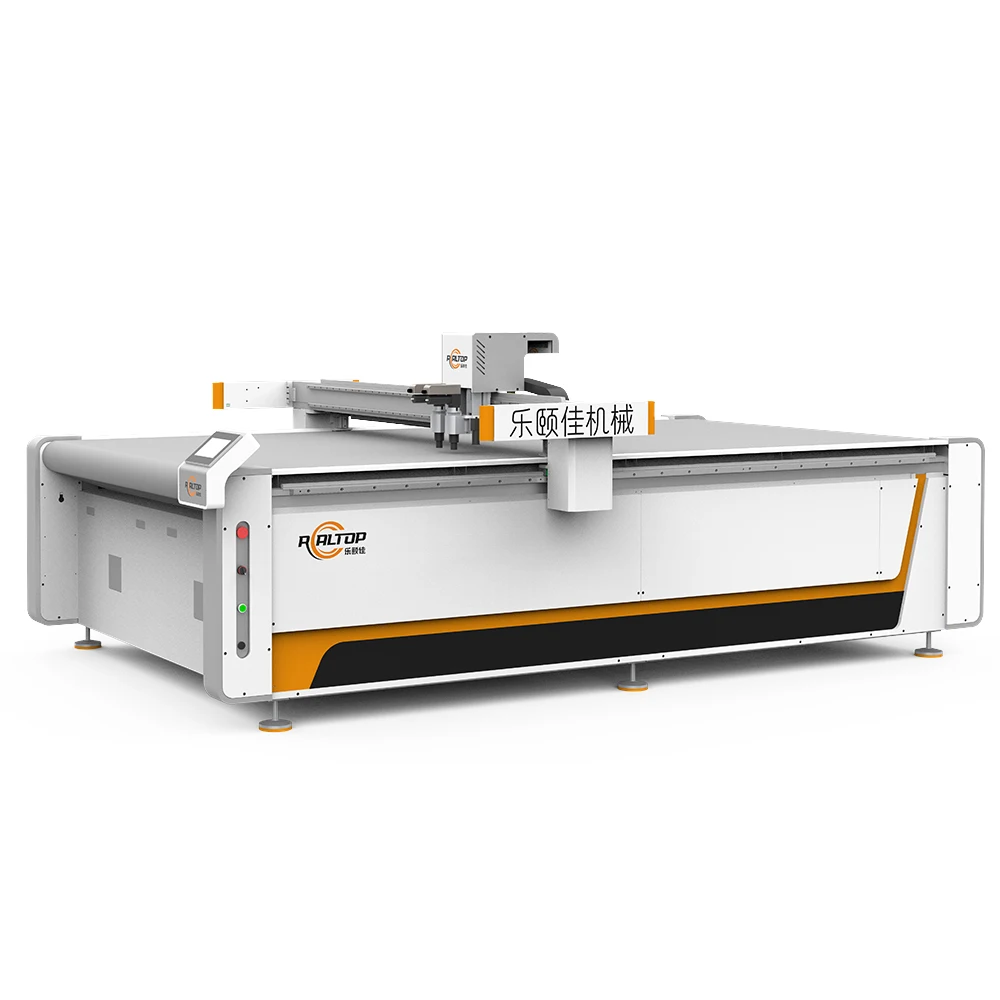
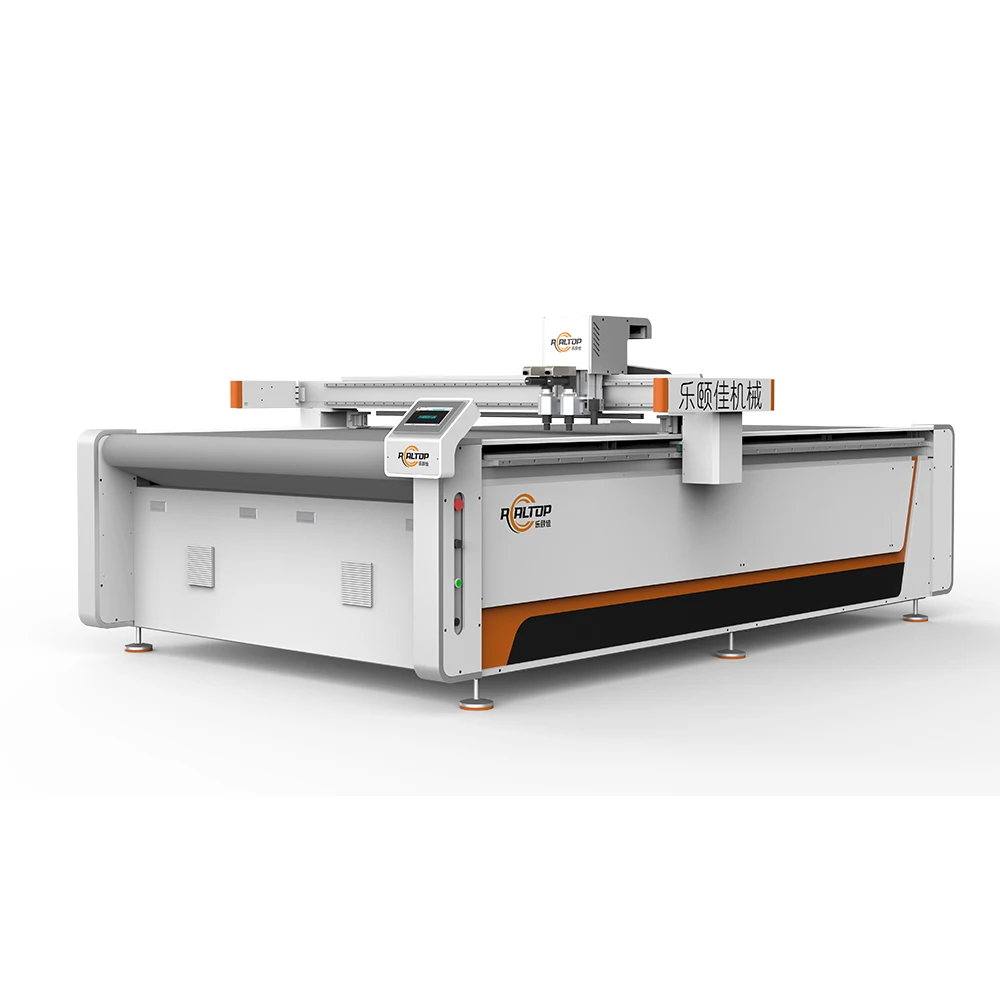
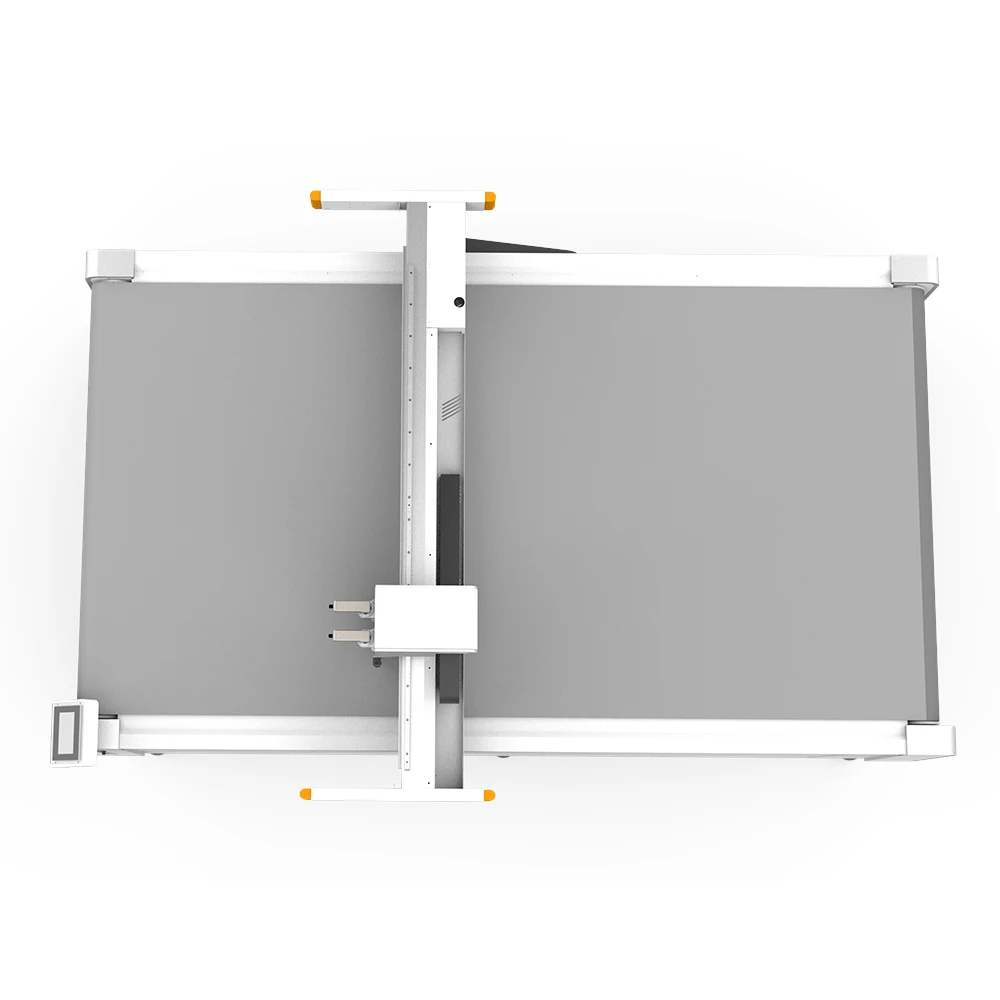
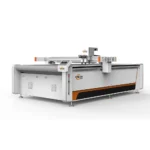
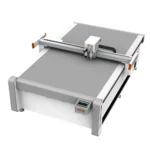
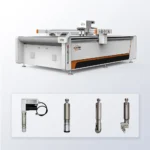
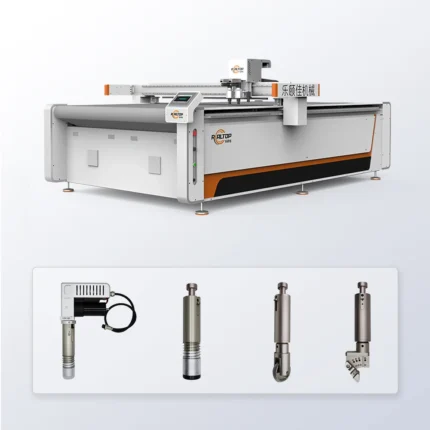
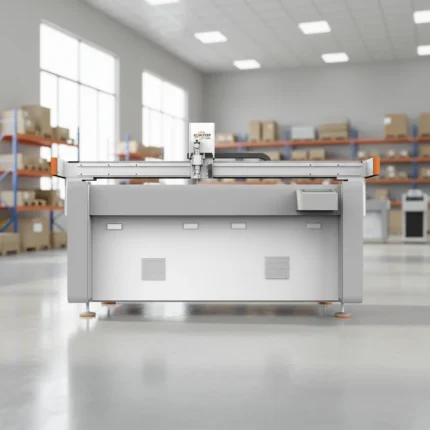
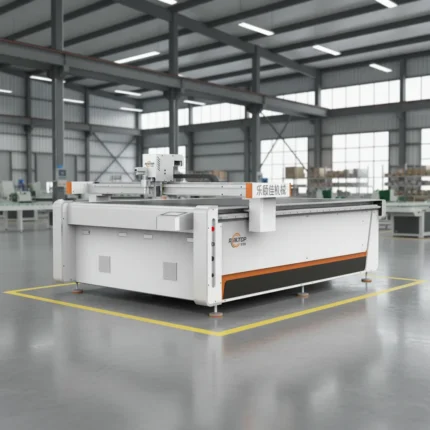
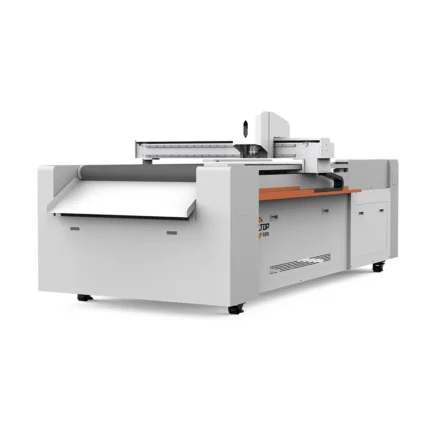
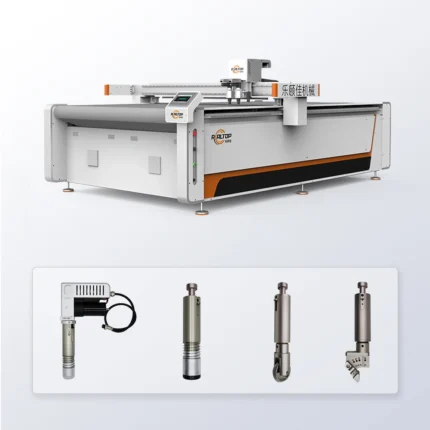
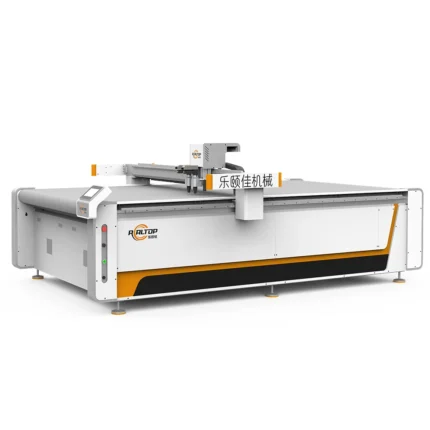
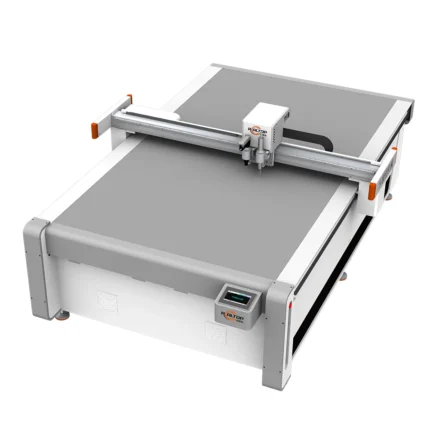
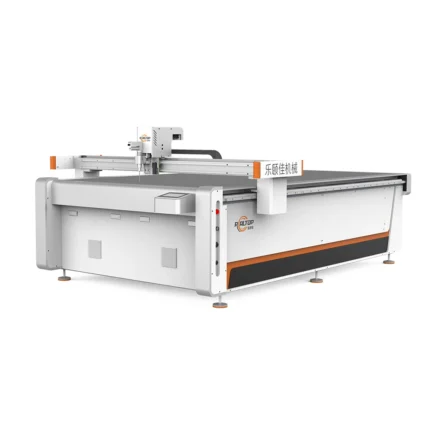
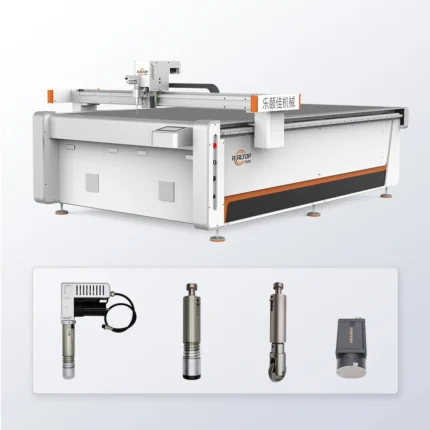
1625(std.) CNC Oscillating Knife Cutting Machine for Packaging, 1600×2500mm, PLC Control — configured with interchangeable oscillating knife, creasing wheel and kiss cutting tool heads for corrugated board, foam inserts and specialty paper up to 40mm thickness.
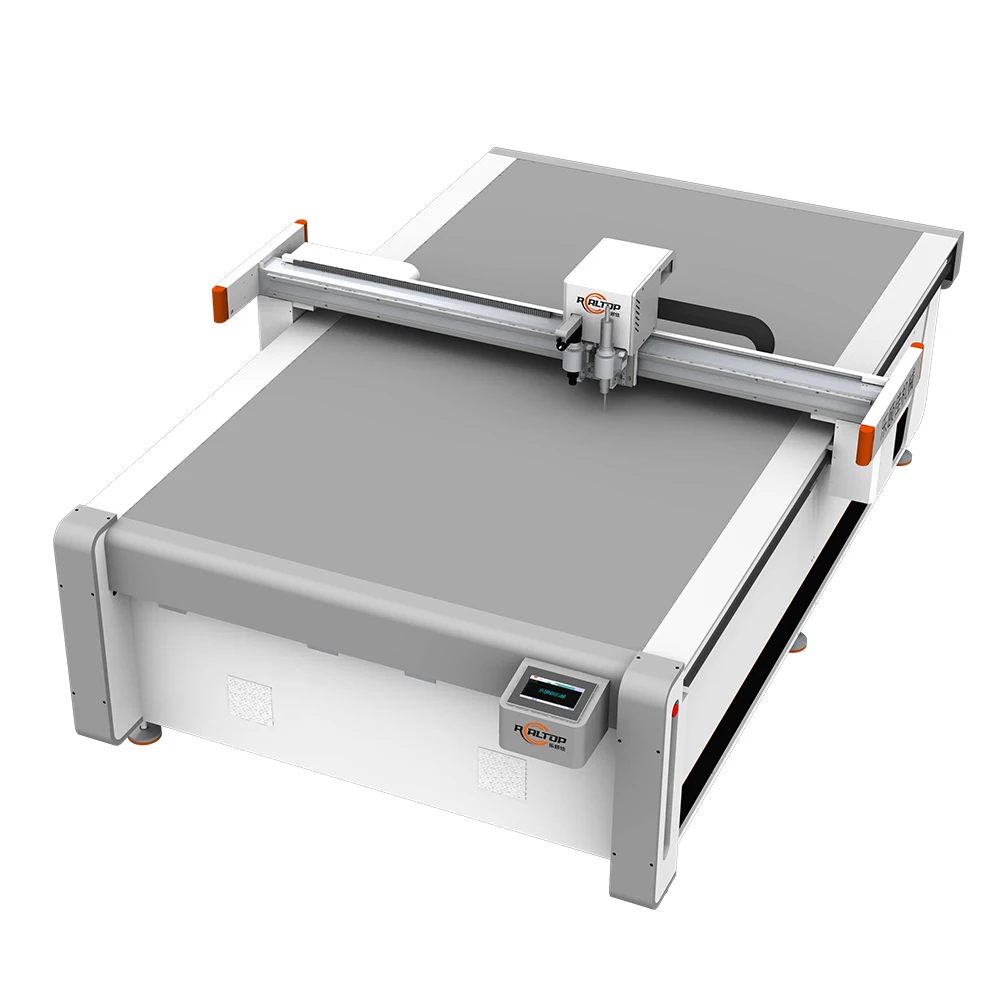
Multi-tool head setup eliminates die-cut molds for short-run carton prototyping, while the aluminum bellows vacuum table with 9KW pump prevents small packaging parts from lifting during high-speed cutting at 0-1500 mm/s.
- Cutting accuracy ±0.1mm for precise crease positioning on multi-ply flute profiles
- Dedicated packaging box structure design software with PLT, DXF, AI, PDF import
Sample cutting validation on your own corrugated board or foam material is provided before order commitment, ensuring cut depth, crease quality and edge finish match your production requirements.
Material-matched tooling configuration — cutting depth, blade angle and vacuum zoning are confirmed against the buyer’s actual corrugated flute profile and board ply count before order confirmation.
Technical Specifications
| Parameter | Value |
|---|---|
| Model | 1625(std.) |
| Product Type | CNC Oscillating Knife Cutting Machine for Packaging |
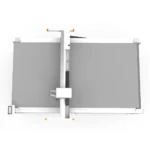
| Working Area | 1600 x 2500 mm |
| Tool Head Configuration | Oscillating knife, Driven rotary knife, Creasing wheel, Kiss cutting tool, Pneumatic knife, Milling tool, V groove knife |
| Cutting Speed | 0-1500 mm/s |
| Cutting Thickness Capacity | Up to 40mm (basis not stated in source) |
| Cutting Accuracy | ±0.1 mm |
| Vacuum Pump | 9 kW |
| Voltage Options | 110V, 220V, 380V (configurable per market) |
| Control System | PLC control panel with optional display languages |
| Software File Support | PLT, DXF, AI, PDF; includes dedicated packaging box structure design software |
| Safety Equipment | Infrared sensor device, emergency stop device |
| Machine Dimensions | 3300 x 2100 x 1350 mm |
| Interface Languages | English, Russian, Italian, Chinese; special languages customizable |
| Servo Drive Options | Panasonic, Delta, Dorna (source value — verify against manufacturer catalog) |
| Compliance | CE |
Application Suitability
| Application | Material or Output |
|---|---|
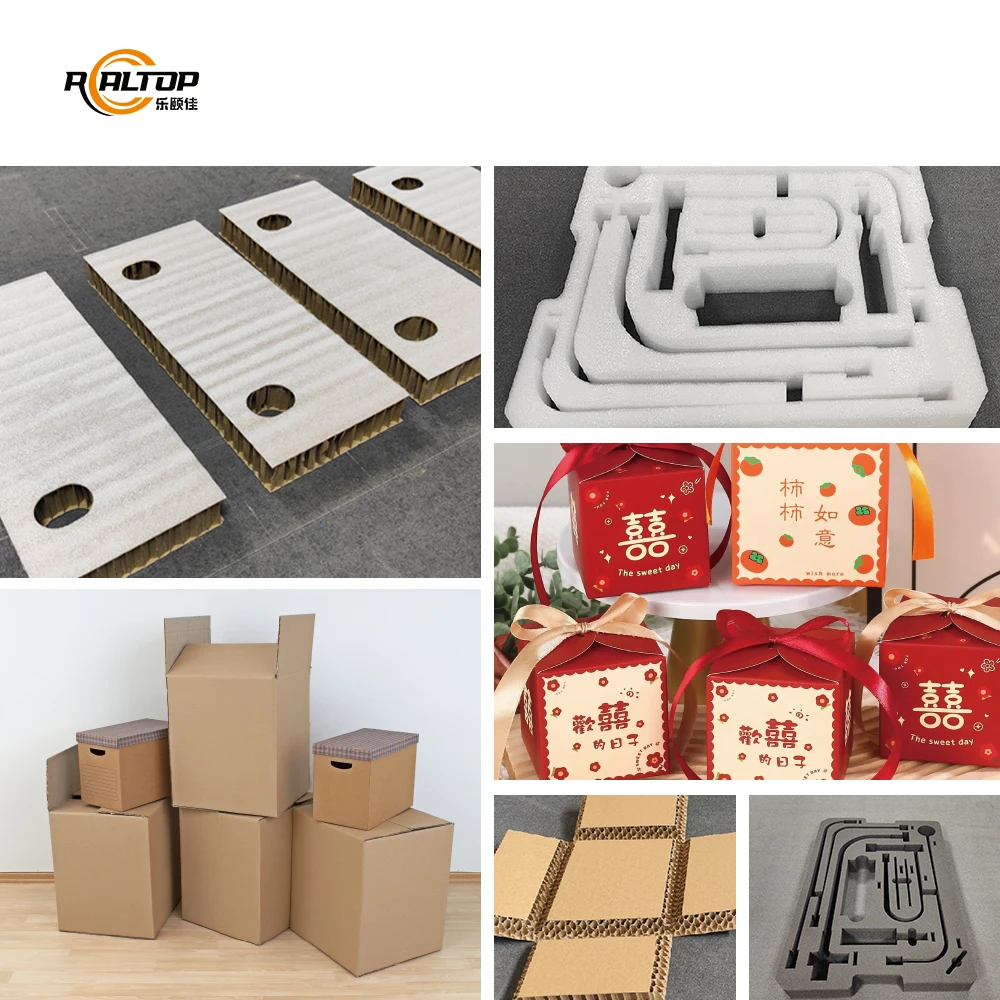
| Corrugated carton prototyping | E-flute, B-flute, BC-flute single and double-wall board |
| Greyboard and art paper sample making | Greyboard, cardstock, art paper, specialty paper |
| Protective foam insert cutting | EVA foam, EPE foam, PU foam |
| Custom tray lining fabrication | Velvet/fleece fabric, non-woven fabric |
| Thin plastic and composite die-free cutting | PVC, PET sheets, leather, synthetic leather, composite materials |
| Adhesive-backed material kiss cutting | Adhesive-backed materials for packaging assembly |
What a Spec Sheet Cannot Tell You About Board Ply
A machine selected only by working area will fail on the first day if the flute type and board thickness exceed what the standard tool head can penetrate cleanly.
I spent years doing on-site installs across Latin America, and the pattern is always the same. A corrugated box cutting machine gets specified on table size alone, arrives at the facility, and the oscillating knife cannot punch through the customer’s actual stock. Standard single-wall flute tests perfectly at the factory, but the production floor runs double-wall with heavy clay coating. The edges come out crushed rather than sheared. Getting it right takes days of swapping blade angles, adjusting oscillation frequency, and recalibrating vacuum zones until the material lies flat and the knife tracks clean. The laser cutting and engraving machine market talks about power ratings; the knife cutting world has its own version of this gap, and it starts with material that never matches the brochure sample [NEED_CITE: material density variation in corrugated packaging production].
Tool Head Selection Across the Packaging Workflow
Packaging sample making requires more than a straight cut. A single corrugated sheet may need a through-cut on the outer profile, a crease line for folding, a V-groove for rigid box corners, and a kiss-cut on adhesive-backed labels. The 1625(std.) carries an oscillating knife, driven rotary knife, creasing wheel, kiss cutting tool, pneumatic knife, milling tool, and V groove knife on one gantry. Each head is engaged by the control software based on the layer assignment in the DXF or AI file, so the laser cutting and engraving machine operator does not leave the console to swap hardware between operations.
Vacuum Hold-Down and Small Part Stability
Corrugated carton prototypes often produce narrow flaps, small tuck-in tabs, and thin retention fingers that weigh almost nothing once separated from the surrounding sheet. A 9 kW vacuum pump distributed across an aluminum bellows table keeps these lightweight sections pinned to the cutting surface at full traverse speed. Without adequate zoning, a high-speed oscillating pass lifts the tab, the knife snags the raised edge, and the entire piece shifts — ruining a sample that took minutes to design. The hold-down capacity must match the smallest geometry the buyer intends to cut, not just the full-sheet footprint [NEED_CITE: vacuum zoning requirements for digital flatbed cutting tables].
Reading the Specs That Actually Matter
The 1600 x 2500 mm working area accommodates most standard corrugated sheet sizes used in packaging prototyping, but the useful cutting envelope depends on how the vacuum zones are configured relative to the buyer’s typical part nesting layout. Cutting accuracy of ±0.1 mm means crease lines land within a tenth of a millimeter of their programmed position, which matters when multi-ply board must fold precisely at scored hinges without cracking the outer liner. The 0-1500 mm/s speed range is adjustable through the PLC panel, and the operator typically dials it back on double-wall or coated stocks where blade entry resistance increases. File format support for PLT, DXF, AI, and PDF means most packaging design workflows import directly into the dedicated box structure software without intermediate conversion that can corrupt crease line attributes.
The Cost of Skipping the Material Test
I once spent two full days in Colombia recalibrating a corrugated box cutting line because the factory test ran on standard single-wall flute while the customer’s actual inventory was double-wall with heavy clay coating. The oscillating knife produced ragged, crushed edges on every first-run sheet. Swapping blade angles and re-mapping vacuum zones eventually brought the machine into production, but those two days cost the customer real floor time and eroded confidence before the line ever earned its keep. Every packaging material behaves differently under knife pressure [NEED_CITE: corrugated board crush resistance testing standards].
Why Source This Machine Through Our Build Process
In-house design covers both knife and laser platforms, so a buyer evaluating corrugated board versus acrylic inserts gets an honest recommendation on which cutting method fits the material rather than being steered toward a single technology. Tool head and table configuration are specified per the buyer’s flute profile, board ply count, and daily sample volume rather than sold as a fixed package. CCD camera positioning is available for printed contour work on pre-printed carton stock. Software compatibility is confirmed against the buyer’s existing DXF or AI files before the order is placed. Voltage, plug type, and control panel language are locked in for the destination market before the machine leaves the factory. Sample cutting runs on the buyer’s own corrugated board, foam, or specialty paper before any commitment is made.
Documentation & Verification
- Machine specification sheet listing all configured tool heads and table dimensions
- Electrical schematic confirming voltage, amperage, and circuit requirements for your facility
- Tool head and vacuum table configuration list matched to your board flute and ply count
- Sample cutting report produced on your own corrugated or foam material before dispatch
- CE declaration and factory test record documenting accuracy verification before crating
- Software licence and file format compatibility note confirming DXF/AI/PDF import readiness
Installation, Commissioning & Support
- Foundation must accommodate the 3300 x 2100 x 1350 mm footprint with clearance for sheet loading on the 1600 x 2500 mm table
- Dedicated electrical circuit matching confirmed voltage (110V, 220V, or 380V) with correct frequency for your grid
- Machine ships partially assembled; gantry and table sections require on-site alignment and leveling
- First-run commissioning includes calibration of all selected tool heads against your actual packaging stock
- Operator training covers PLC panel navigation, crease pressure adjustment, and vacuum zone mapping
- Spare oscillating knife blades, creasing wheels, and vacuum seals included in initial parts kit
What We Need to Quote Accurately
Send us your typical corrugated flute type (E, B, BC, or other), maximum board ply count, and the thickest foam or insert material you plan to cut. Tell us your daily sample volume and whether you run pre-printed stock that requires contour recognition. Confirm your facility voltage, frequency, and preferred control panel language so the electrical and interface specifications are locked before production begins.
Frequently Asked Questions
Q: How do I choose the right tool head for my corrugated flute type?
A: E-flute and single-wall B-flute generally run well with the standard oscillating knife at moderate speed. Double-wall and BC-flute board often need a pneumatic knife or adjusted oscillation frequency to penetrate cleanly without crushing the inner medium. We run a sample cut on your actual board stock before finalizing the tool head list for your machine configuration.
Q: What vacuum zoning do I need for small packaging tabs and flaps?
A: Small tuck-in tabs and narrow retention flaps lift easily at high cutting speed if the vacuum zone beneath them is not active. The 9 kW pump distributes suction across the aluminum bellows table, but the zone map must be configured around your typical nesting layout. We review your most common box structure files to set the zoning before shipment.
Q: Which voltage and plug options are available for my country?
A: The machine is configurable for 110V, 220V, or 380V systems. Plug type and electrical schematic are matched to your destination market standards and confirmed before production. The PLC control panel language is also set to your preference — English, Russian, Italian, Chinese, or a custom language where supported.
Q: How do I know my existing packaging design files will import correctly?
A: We request a sample DXF, AI, or PDF file from your current design workflow and run it through the dedicated packaging box structure software before you commit. This confirms that crease lines, cut layers, and V-groove assignments transfer without attribute loss or geometry corruption that could affect fold accuracy on your finished carton.
Q: Can I test the machine on my own material before ordering?
A: Yes. We run a sample cutting report on your actual corrugated board, foam insert stock, or specialty paper. The report documents cut depth, edge finish, crease quality, and any tool head adjustments made during the test. You review the results before the machine enters final production and configuration lock.


Related products
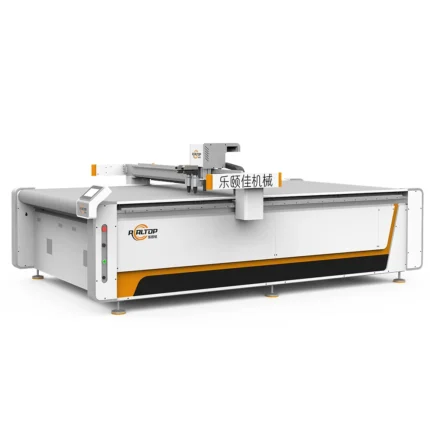

CNC Flatbed Oscillating Knife Cutting Machine 2026
Product Introduction
High-performance CNC Flatbed Oscillating Knife Cutting Machine 2026, ideal for precision cutting of various materials with advanced oscillating knife technology, ensuring efficient and accurate operations for industrial manufacturing needs.Specifications
| Model | 2026 |
| Type | CNC Flatbed Oscillating Knife Cutting Machine |


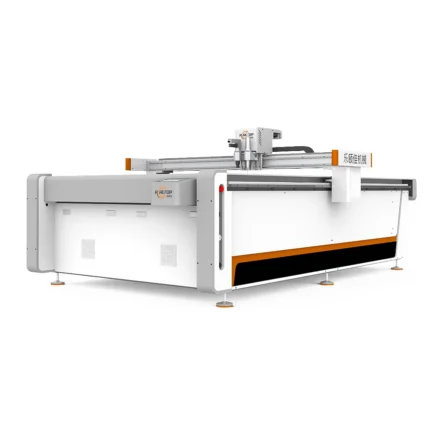
Realtop 2026 CNC Oscillating V-Cut Machine
Product Introduction
Realtop CNC Oscillating V-Cut Machine 2026 is a precision equipment designed for efficient V-cutting operations, ideal for various material processing needs with advanced CNC technology.
Key Specifications
| Model | Realtop CNC Oscillating V-Cut Machine 2026 |
| Type | CNC Oscillating V-Cut Machine |
| Application | Precision V-cutting operations |
| Feature | Advanced CNC technology |
商品评价
There are no reviews yet.