

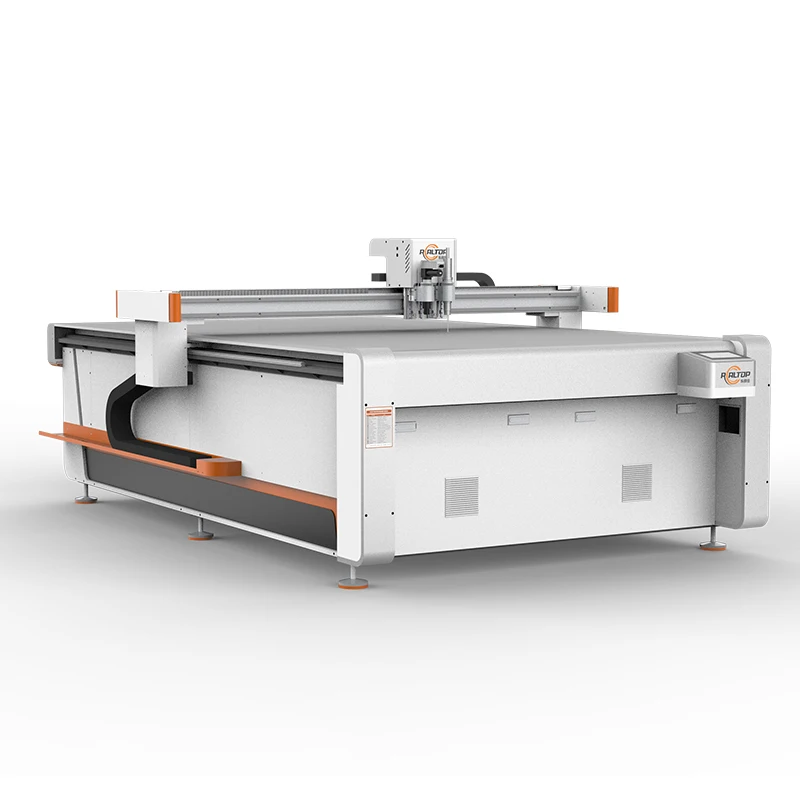
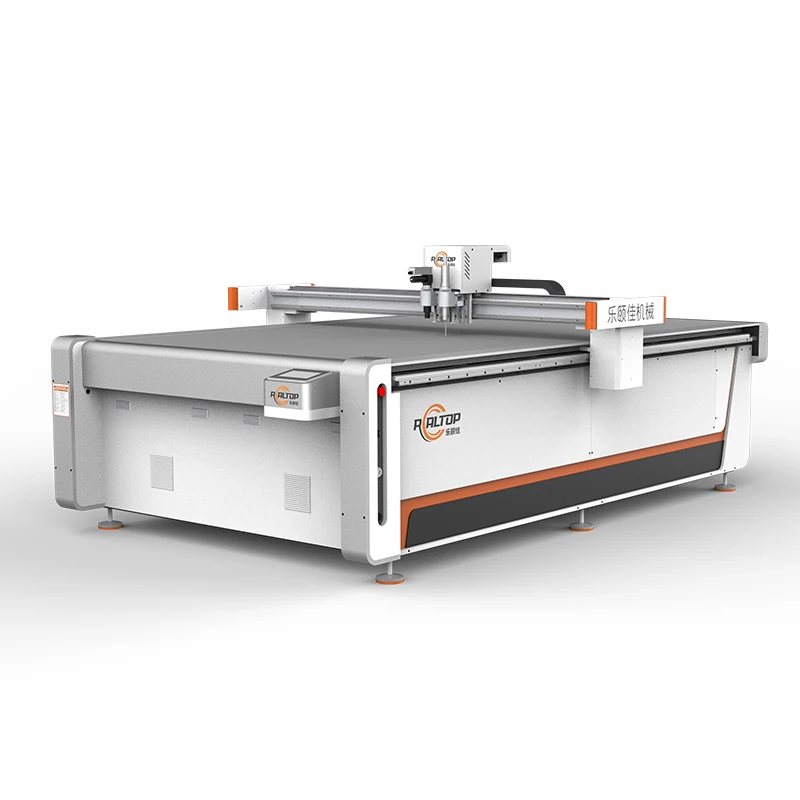
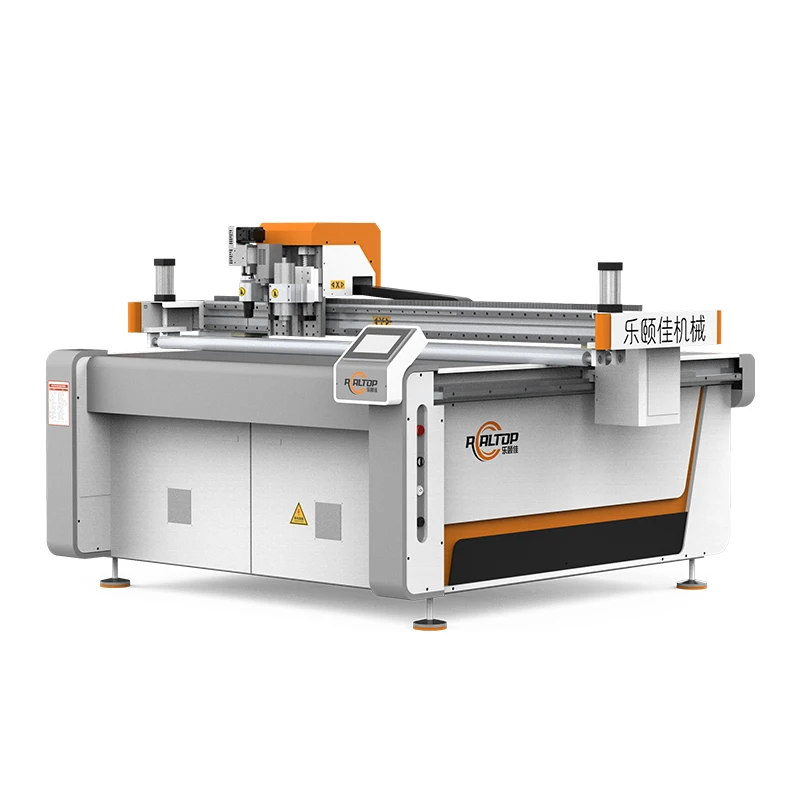
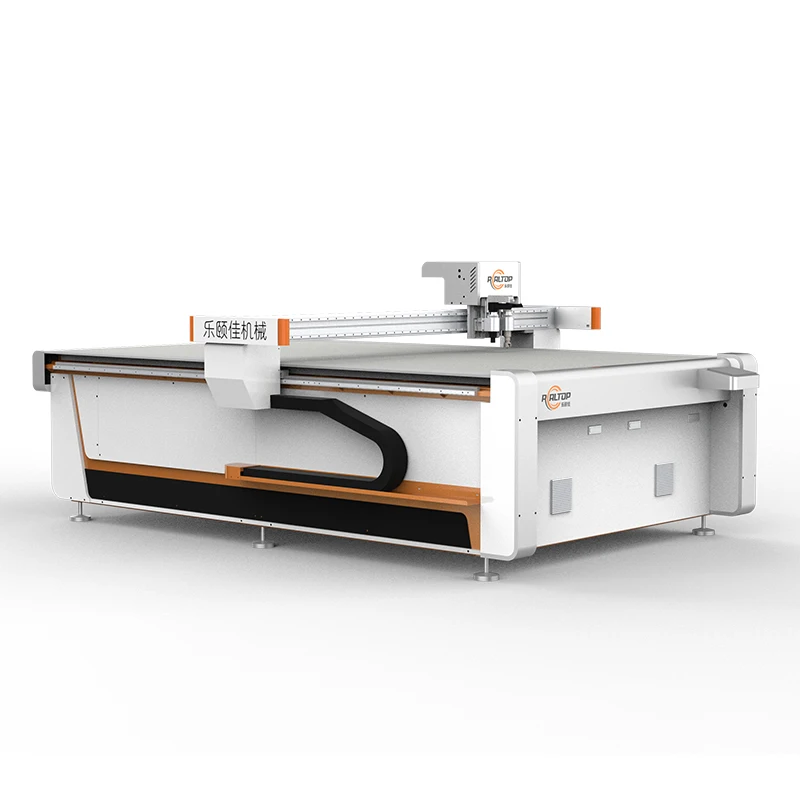
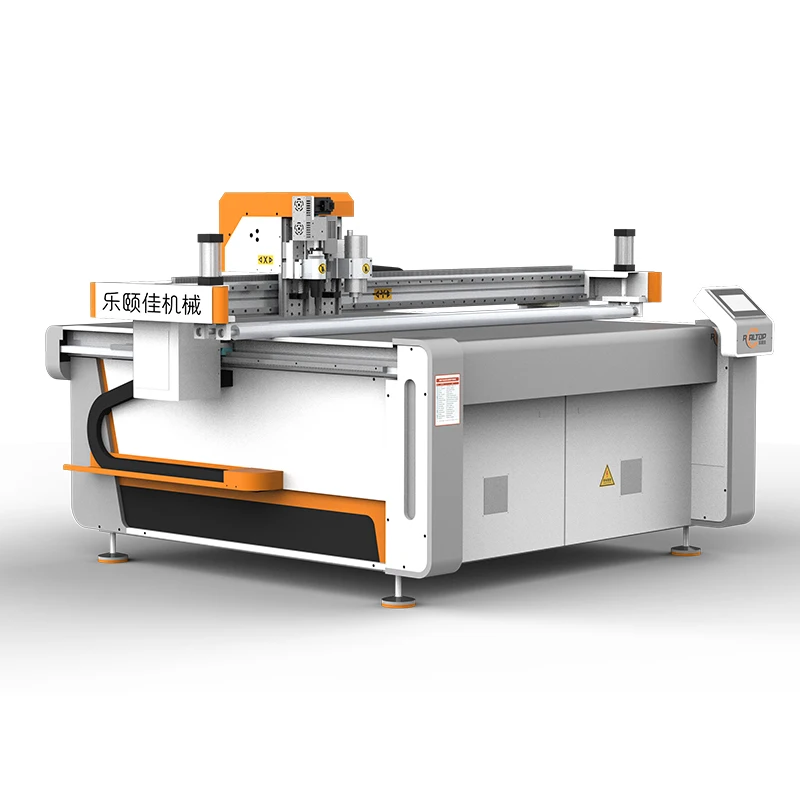
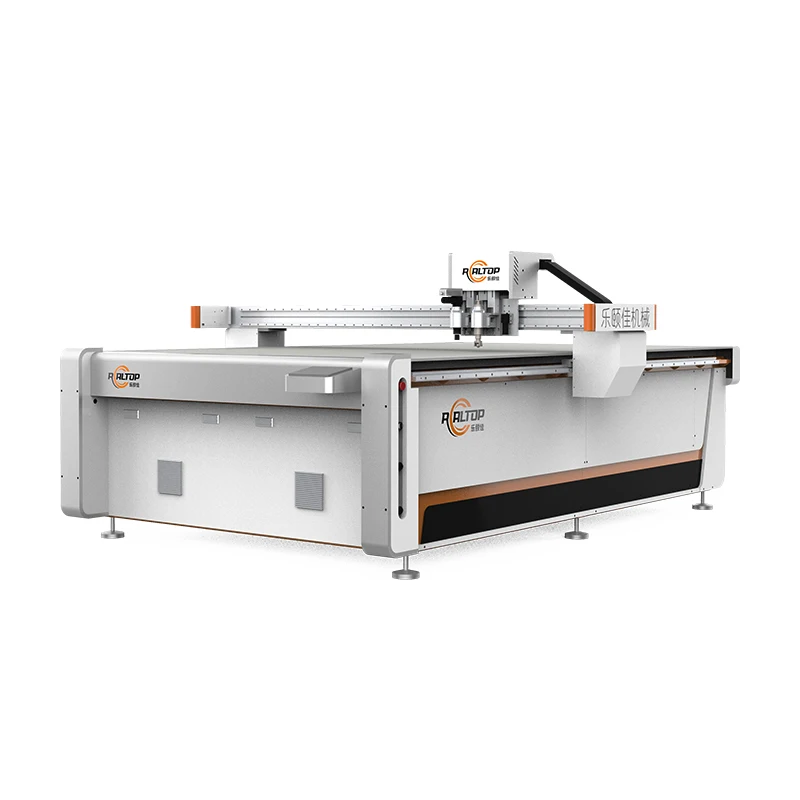
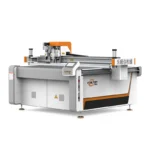
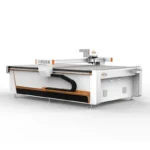
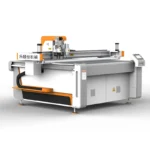
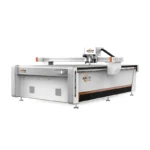
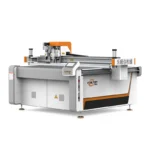
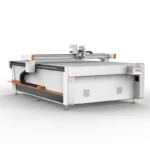
Double Cutting Head Auto-Loading Digital Cutter – Custom Build
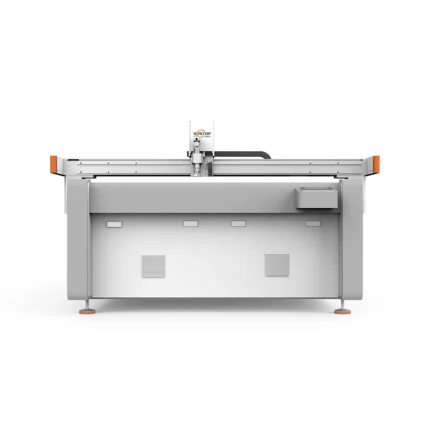
RT–R2513 / RT-D2516 / RT-S2516 CNC Digital Cutting Table for packaging, 2500×1300 mm or 1600×2500 mm working area, oscillating knife with creasing tool, ≤18 mm cutting capacity.
- Multi-tool head handles cutting, creasing, kiss-cut and punching in one cycle on cardboard and corrugated board
- Aluminum honeycomb vacuum table with zone-following adsorption holds small sticker and label parts flat
- <0.05 mm repeated accuracy on Taiwan Hiwin linear guides with servo drive
Sample cutting on your own packaging material confirms edge quality and crease depth before you commit.
Multi-Tool Cutting Precision — Blade-based flatbed tables eliminate thermal edge damage on packaging substrates, relying on mechanical tool selection and vacuum hold-down rather than laser power ratings.
Technical Specifications
| Parameter | Value |
|---|---|
| Product Type | CNC Digital Flatbed Cutting Machine |
| Model | RT–R2513 / RT-D2516 / RT-S2516 |
| Working Area | 2500×1300 mm (RT–R2513) / 2500×1600 mm (RT-D2516 / RT-S2516) |
| Machine Footprint | 3550×1910×1400 mm (RT–R2513) / 3450×2300×1250 mm (RT-D2516 / RT-S2516) |
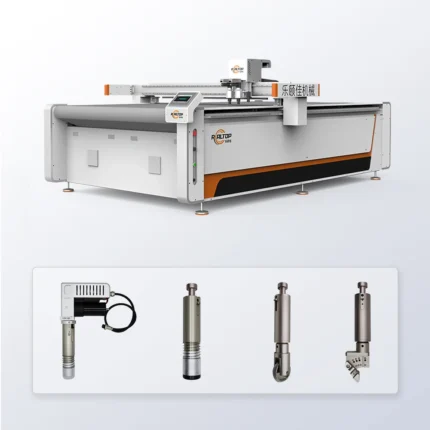
| Cutting Tool Options | Oscillating knife, Creasing tool, Kiss-Cut Knife, Round punch |
| Maximum Cutting Thickness | ≤18 mm (basis not stated in source — confirm material type & density) |
| Repeated Positioning Accuracy | <0.05 mm |
| Vacuum Fixing Platform | Aluminum alloy honeycomb structure with zoned adsorption |
| Rated Power | 9 kW |
| Voltage | 380 V (frequency and phase to be confirmed for destination market) |
| Servo Drive | Dongling servo (Delta servo motor available as configuration option) |
| Linear Guidance | Taiwan Hiwin square guide rails (imported straight-line configuration) |
| Data Transmission | Ethernet port |
| Compatible File Formats | DXF, OLT, PDF, AI |
| Safety Systems | Infrared sensors, emergency stop (grouped as standard safety interlocks) |
| Included Tooling | 10 pieces of oscillating blades |
| Control Language | English, Russian, Italian, Chinese (special languages customizable) |
| Software | Professional carton nesting software included |
| Frame Construction | Welded thick square seamless steel, high-temperature stress-relief treated |
Application Suitability
| Application | Material or Output |
|---|---|
| Carton and packaging sample making | Single-face and double-face corrugated board, greyboard, kraft |
| Sticker and label contour cutting | Self-adhesive vinyl, paper labels, PP synthetic paper |
| Corrugated short-run production | E-flute, B-flute, and BC-flute packaging board |
| Gift and retail box prototyping | Coated art paper, folding carton stock, magnetic closure box board |
| Express and logistics packaging | Multi-layer corrugated shipping cartons, honeycomb paper board |
| Leather and textile flat cutting | Genuine leather hides, PU synthetic leather for packaging inserts |
Why "Laser Power" Is the Wrong Question for Packaging Substrates
A CNC digital cutting table for packaging relies on mechanical shear, not optical energy, so edge quality is determined by blade geometry and vacuum hold-down rather than wattage claims.
When buyers source laser equipment for carton and sticker work, they often encounter CO2 power ratings quoted at peak rather than continuous output, with real cutting depth falling short once the machine hits daily production speeds. Thermal cutting also leaves yellowed edges on recycled-content board and melted residue on self-adhesive vinyl — defects that fail brand packaging standards. This flatbed knife cutter removes that variable entirely by using an oscillating blade to shear through fibrous material, leaving a clean mechanical edge. The production workflow then depends on selecting the correct tool head for each substrate, not on chasing wattage figures that may not translate to actual cutting depth [NEED_CITE: laser peak vs continuous power rating standards for industrial CO2 equipment].
Thermal-Free Edges on Recycled and Coated Stocks
The CNC digital cutting table for packaging addresses a recurring problem in short-run carton production: recycled corrugated board contains mixed fibers and residual adhesives that scorch unpredictably under a laser beam. An oscillating knife shears through these layers without generating heat, so the cut edge on a kraft liner or coated art paper remains the same color as the uncut surface. This matters for gift box and premium packaging prototypes where the sample must match the final production appearance before the brand approves the print run.
Multi-Tool Cycling in a Single Work Envelope
Within one machine cycle, the cutting head can switch between an oscillating knife for the outer contour, a creasing wheel for fold lines, a kiss-cut blade for sticker die-lines, and a round punch for hang holes or ventilation slots. This tool-changing sequence happens automatically across the 2500×1600 mm working area on the RT-D2516 and RT-S2516 configurations, so a packaging sample with perforations, fold scores, and cutouts does not require repositioning the sheet. For carton sample makers running dozens of format variations per week, that reduction in manual handling directly affects turnaround time per job [NEED_CITE: typical workflow steps in corrugated packaging sample making].
Frame Rigidity and Guide Rail Accuracy at Bed Size
The welded thick square seamless steel frame undergoes high-temperature stress-relief treatment to prevent warping across the 2500 mm span. Taiwan Hiwin linear guides paired with servo drive motors maintain the stated <0.05 mm repeated positioning accuracy across the full bed. On corrugated board with tight registration between cut lines and crease scores, even sub-millimeter drift causes fold misalignment that shows up immediately when the sample is assembled. The aluminum honeycomb vacuum platform sits flat on this frame structure, and zoned adsorption channels hold small sticker parts down without requiring a full-sheet vacuum seal.
What Happens When the Tool Head Does Not Match the Substrate
A buyer who specifies an oscillating knife for thin self-adhesive vinyl may find the blade drags and lifts the material at corners, producing ragged edges that fail quality inspection. Conversely, using a drag knife on thick double-wall corrugated produces crushed flutes instead of a clean shear. These mismatches rarely show up in the machine specification sheet — they appear only when the tool head meets the actual production material. The vacuum table zoning compounds the issue: small label parts need active adsorption zones directly beneath the cut path, or the knife pulls them off the bed mid-cycle [NEED_CITE: vacuum hold-down requirements for thin adhesive materials on flatbed cutters].
Why Sample Cutting on Your Own Stock Comes Before the Order
Every corrugated board mill runs slightly different fiber compositions, flute profiles, and moisture contents. A cutting thickness figure of ≤18 mm means little until the machine cuts the buyer’s specific E-flute or BC-flute stock at production speed and the sample is folded and assembled. That sample cutting report — run on the buyer’s actual material — becomes the baseline for tool selection, vacuum pressure setting, and feed rate. Without it, the machine arrives configured for a generic substrate that may not match the production floor reality.
Documentation & Verification
- Factory test record on your specific corrugated flute type and board thickness before dispatch
- Tool head and vacuum zone configuration list matched to your packaging substrate range
- Electrical schematic confirming 380 V wiring layout and frequency compatibility for your market
- Software licence and file format compatibility note for DXF, OLT, PDF, and AI import workflows
- Operation manual with creasing depth adjustment procedures for your board grades
Installation, Commissioning & Support
- Confirm 380 V three-phase dedicated circuit with adequate capacity for the 9 kW rated power draw
- Verify floor levelness across the 3550×1910 mm footprint before positioning the RT–R2513 frame
- Commissioning includes vacuum zone calibration against your thinnest sticker stock and thickest corrugated
- Operator training covers tool change sequences between oscillating knife, creasing wheel, and kiss-cut modes
- Spare blade inventory of 10 oscillating knives included; felt replacement excluded from warranty coverage
Requesting a Configuration That Fits Your Production
Before quoting, we need the specific board grades and flute types you run, the thickest material in your current job book, and the smallest sticker label size in your contour cutting work. Share your local voltage and frequency standard so the electrical system is configured before the frame leaves the factory. If your design team works in a specific CAD environment, send a sample file so software compatibility is verified against the nesting workflow before commitment.
Frequently Asked Questions
Q: How is the ≤18 mm cutting thickness determined, and does it apply to all corrugated flute types?
A: The thickness figure depends on material density, flute profile, and fiber composition. Double-wall BC-flute at 18 mm behaves very differently from solid greyboard at the same thickness. A sample cutting test on your specific stock confirms actual capacity, tool selection, and feed rate before the machine configuration is finalized.
Q: Which tool head should I choose for corrugated board versus self-adhesive vinyl?
A: Oscillating knives shear through corrugated flutes cleanly, while kiss-cut blades score vinyl liners without cutting through the backing paper. Creasing wheels produce fold scores on carton stock. The correct tool head is matched to each material in your production mix and confirmed during the sample cutting report.
Q: Can the vacuum table hold down small sticker labels during high-speed contour cutting?
A: The aluminum honeycomb platform uses zoned adsorption channels that concentrate vacuum directly beneath the cutting path. Small parts require active zones to prevent lift during knife travel. Zone configuration should be verified against your smallest label dimensions during the factory test.
Q: How are voltage, plug type, and control language confirmed before shipment?
A: The electrical schematic and voltage confirmation document are reviewed before production. Frequency, phase, and plug standard must match your local supply. Control language is set from available options including English, Russian, Italian, and Chinese, with special languages configurable on request.
Q: Will the included nesting software accept my existing design files without conversion?
A: The professional carton nesting software imports DXF, OLT, PDF, and AI formats. File compatibility with your specific CAD environment should be tested with a sample production file before order confirmation to avoid workflow disruption on delivery.


Related products

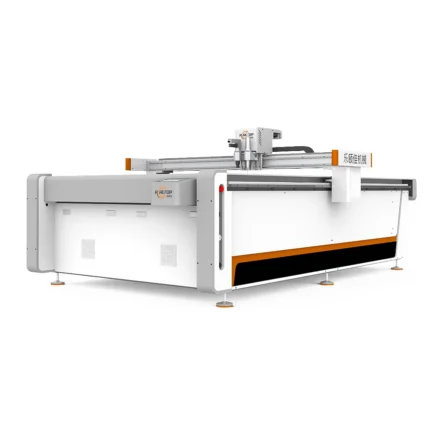
CNC Flatbed Oscillating Knife Cutting Machine 2026
Product Introduction
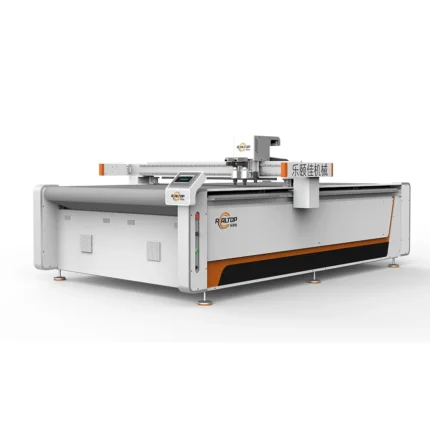
High-performance CNC Flatbed Oscillating Knife Cutting Machine 2026, ideal for precision cutting of various materials with advanced oscillating knife technology, ensuring efficient and accurate operations for industrial manufacturing needs.Specifications
| Model | 2026 |
| Type | CNC Flatbed Oscillating Knife Cutting Machine |
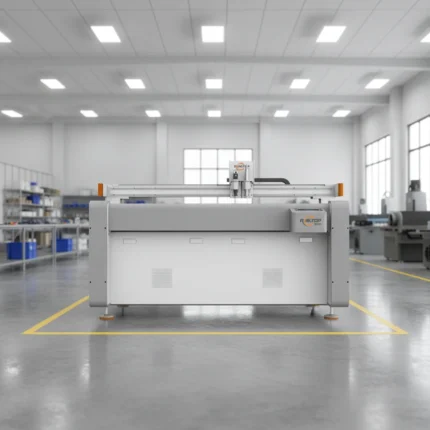
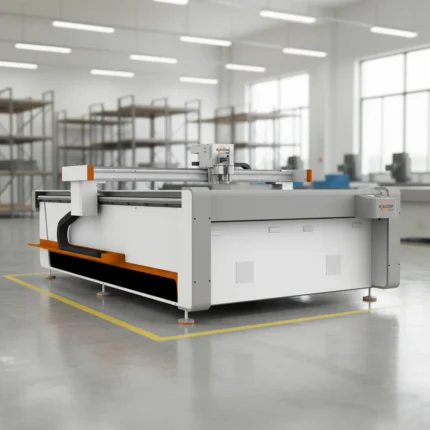
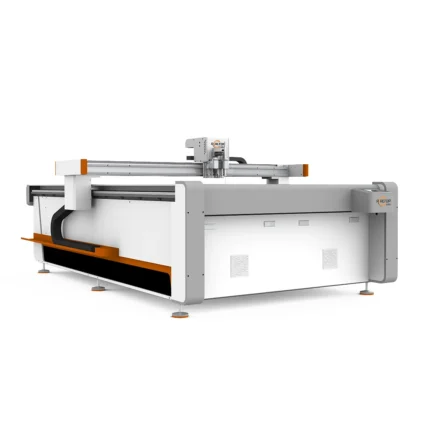
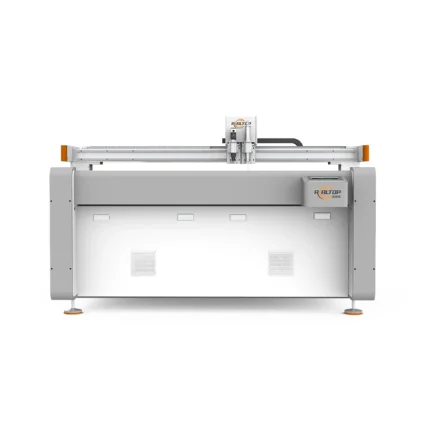
Digital Box Cutter 2026 Oscillating Knife Cardboard Cutter
Product Parameters
| Model | Digital Box Cutter 2026 |
| Cutting Type | Oscillating Knife |
| Material | Corrugated Cardboard |
Introduction
Professional oscillating knife cutting machine for corrugated cardboard. Ideal for precise, efficient cutting in packaging production. Reliable performance from China's leading welding & cutting equipment manufacturer.


Digital CNC Cardboard Cutting Machine 2026
Product Introduction
High-precision Digital CNC Cardboard Cutting Machine 2026, ideal for efficient cardboard processing with advanced CNC technology, ensuring precise and fast cutting performance for various packaging and craft applications.
Key Specifications
| Model | 2026 |
| Type | Digital CNC Cutting Machine |
| Material | Cardboard |
| Feature | High Precision, Efficient Cutting |

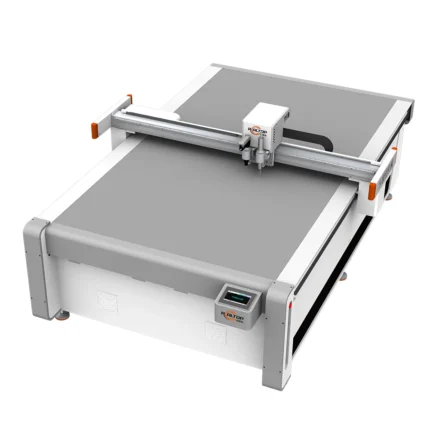

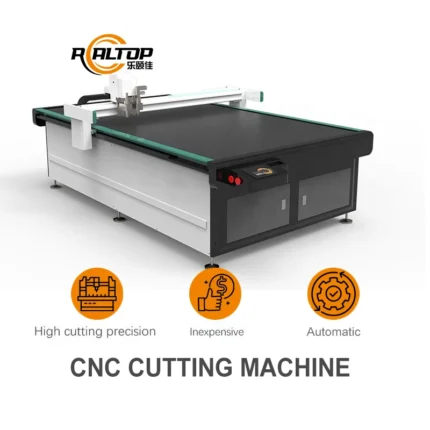
Realtop 2026 CNC Oscillating V-Cut Machine
Product Introduction
Realtop CNC Oscillating V-Cut Machine 2026 is a precision equipment designed for efficient V-cutting operations, ideal for various material processing needs with advanced CNC technology.
Key Specifications
| Model | Realtop CNC Oscillating V-Cut Machine 2026 |
| Type | CNC Oscillating V-Cut Machine |
| Application | Precision V-cutting operations |
| Feature | Advanced CNC technology |
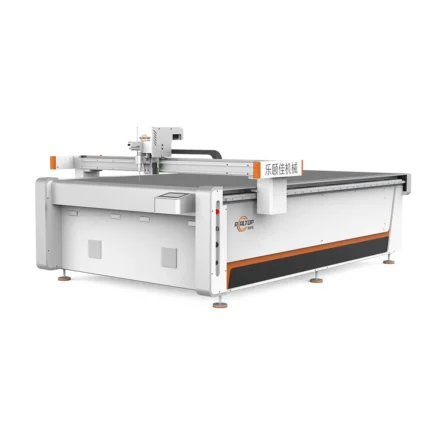
Realtop 2026 Digital Box Cutter High-Speed Corrugated Board
Product Introduction
Realtop Digital Box Cutting Machine 2026 is a high-speed solution for corrugated board cutting, designed for efficient and precise box production in manufacturing settings.Key Specifications
| Model | 2026 |
| Type | Digital Box Cutting Machine |
| Application | Corrugated Board |
| Feature | High-Speed Cutting |
商品评价
There are no reviews yet.