


Fabric Cloth CNC Cutting Machine – Industrial Application
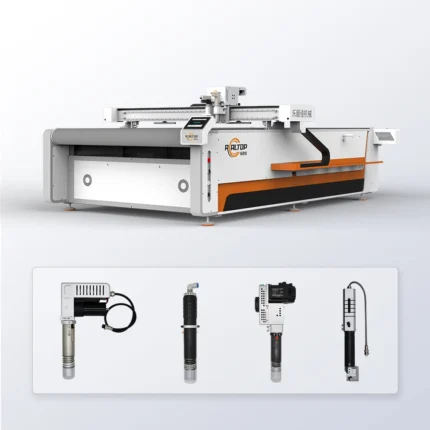
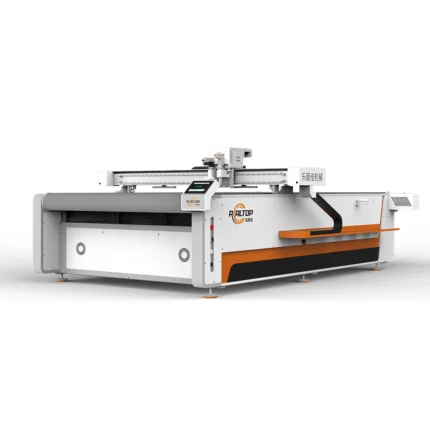
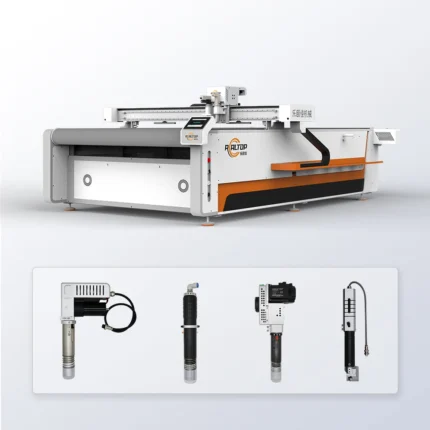
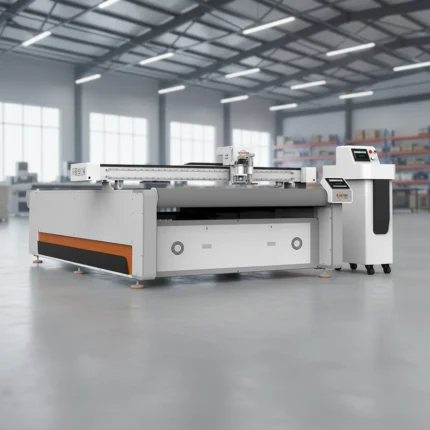
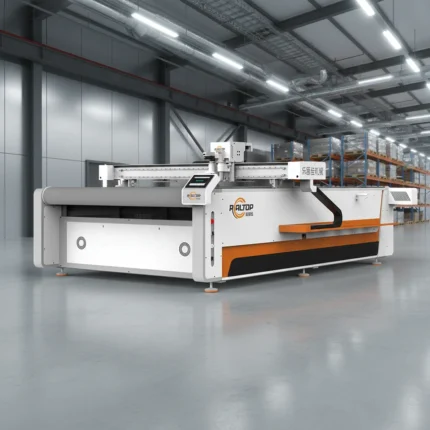
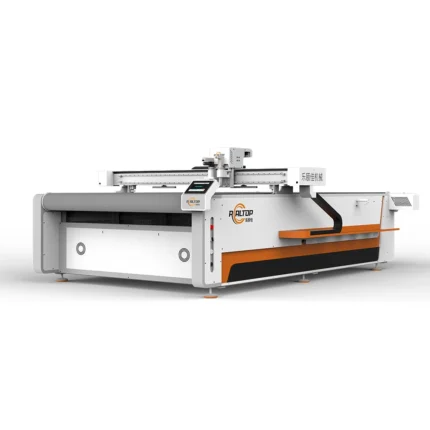
RT-D2516/RT-S2516 CNC Oscillating Knife Cutting Machine, 1600×2500mm, ≤100mm Thickness — configurable flatbed platform where oscillating knife, vacuum zoning and feeding system are matched to your fabric type and layer count.
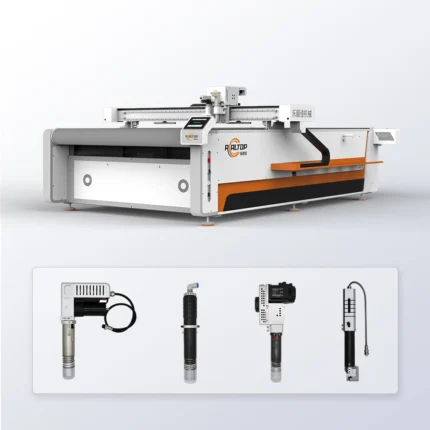
- Swiss imported knife with pneumatic, circular and drag knife tool options for diverse textile materials
- CCD camera and panoramic visual positioning for printed contour recognition at production speed
- Magnesium-aluminum vacuum table with zoned suction prevents small pattern pieces from lifting
In-house design team specifies tool head and table configuration per your material, with sample cutting on your own fabric provided before commitment.
Tool Head Matched to Material — RT-D2516/RT-S2516 supports oscillating, pneumatic, circular, drag knife and creasing wheel on one platform, selected by fabric type and layer count rather than sold as default.
Technical Specifications
| Parameter | Value |
|---|---|
| Model | RT-D2516/RT-S2516 |
| Product Type | CNC Oscillating Knife Cutting Machine |
| Working Area | 1600×2500 mm |
| Overall Dimensions (L×W×H) | 3450×2300×1250 mm |
| Rated Power | 9 kW |
| Voltage | 380V ±10% |
| Vacuum Pump Power | 7.5 kW |
| Transmission System | Digital servo motor, linear guide, synchronous belt, ball screw |
| Servo Motor Options | Delta (China) or Panasonic (Japan) |
| Translational Velocity | 800–2000 mm/s |
| Cutting Speed | 200–800 mm/s (varies by material and thickness) |
| Cutting Thickness | ≤100 mm (material dependent) |
| Repeated Accuracy | ≤0.1 mm |
| Tool Head Compatibility | Swiss imported knife; oscillating, pneumatic, high-power vibrating, circular, V-cutting, drag knife, creasing wheel, dotted line knife, punching, brush |
| Visual Positioning Options | Small CCD camera mark point positioning, panoramic camera recognition, projection positioning |
| Work Table Options | Flat working table, auto feeding table (conveyor) |
| Vacuum Table Material | Magnesium-aluminum alloy with PVDF powder spraying, anodic and hard oxidation |
| Safety Devices | Infrared induction blocking, anti-collision sensors, emergency stop |
| Control Panel | Touch screen, multi-language |
| Software Compatibility | HP-GL compatible; supports PLT, DXF, AI formats |
| Language Options | English, Russian, Italian, Chinese (customizable) |
| Assembly State | Fully assembled |
| Standards | CE |
Application Suitability
| Application | Material or Output |
|---|---|
| Garment and footwear fabric cutting | Single and multi-layer woven, knit, denim, technical textile |
| Leather goods and luggage production | Natural leather, synthetic PU, microfiber leather |
| Automotive interior trimming | Sponge composite leather, PU, EVA, non-woven fabric |
| Sofa and soft furnishing upholstery | Heavy-weight upholstery fabric, velvet, composite foam |
| Sports and outdoor gear | XPE, PTFE, ETFE, coated nylon, laminate panels |
| Gasket and sealing fabrication | PTFE, rubber sheet, fiber composite, graphite |
| Packaging and carton sample making | Corrugated board, card stock, folding carton |
| Advertising and printed textile contour cutting | Dye-sublimation printed polyester, vinyl, banner material |
When the Spec Sheet Says One Thing and the Cut Says Another
The rated cutting thickness only matters when matched to the exact tool head, vacuum hold-down and layer count your production runs demand.
I once flew to a garment workshop where a flatbed cutter was sold on working area alone, yet the vacuum zoning could not grip small collar pattern pieces. Every third layer lifted during the cut, producing ragged edges that forced operators to hand-trim before sewing. [NEED_CITE: vacuum table zoning impact on small part retention during high-speed knife cutting] The same issue repeats when a machine is quoted with peak cutting speed measured on thin single-layer vinyl, then deployed on 60-layer polyester lay-ups without reconfiguration.
Why Tool Head Selection Dictates Edge Quality on Fabric
A CNC digital fabric cutting machine manufacturer that ships every unit with a default oscillating knife is making a choice for the buyer. Different textiles respond differently to blade action: woven denim tolerates high-frequency oscillation, while single-layer silk can pucker under the same stroke. The RT-D2516/RT-S2516 platform accepts Swiss imported knife blades and supports oscillating, pneumatic, circular, drag and V-cutting heads on a single gantry, allowing the configuration to follow the material rather than the reverse.
Contour Recognition at Production Pace
Printed textile cutting depends on the camera tracking registration marks without slowing the gantry below economic throughput. Small CCD mark point positioning suits batch work where printed panels carry consistent fiducials, while panoramic camera recognition covers wide-format dye-sublimation rolls where mark placement varies. [NEED_CITE: CCD camera positioning accuracy standards for printed textile contour cutting] The RT-D2516/RT-S2516 offers both options alongside projection positioning, so the buyer selects based on the print workflow rather than accepting a single vision system.
Reading the Specs That Matter Beyond the Brochure
The 9 kW rated power covers the servo drives, vacuum pump and control systems combined, not the cutting head alone — a distinction that matters when calculating total workshop load. The 7.5 kW vacuum pump paired with the magnesium-aluminum alloy table delivers suction through zones that can be configured for the buyer’s typical part geometry. Repeated accuracy of ≤0.1 mm holds pattern alignment across a full 1600×2500 mm lay, which is critical when nesting dozens of garment panels from a single spread. Servo motor selection between Delta and Panasonic gives the buyer a choice between cost-optimized and higher-specification motion control, affecting long-term positional consistency on extended production runs.
The Cost of Ignoring Zone Configuration
A vacuum table treated as a single suction zone will hold large panels firmly while allowing small pieces — pocket facings, collar stays, label patches — to drift or lift as the knife exits the cut. On multi-layer spreads this drift compounds: the top layers shift further than the bottom, producing a tapered stack that no sewing operator can align. [NEED_CITE: pattern drift in multi-layer fabric cutting and its effect on downstream assembly] The RT-D2516/RT-S2516 vacuum table with its integrated aviation aluminum pump shell allows zone mapping matched to the buyer’s smallest recurring part, preventing lift without requiring the operator to mask unused table area manually.
What Manufacturer-Direct Configuration Changes
REALTOP designs and produces both knife and laser cutting platforms in-house, which means the RT-D2516/RT-S2516 is specified as a knife cutting solution because the material demands it, not because the sales channel only offers one technology. Sample cutting on the buyer’s own fabric, at the buyer’s layer count, is completed before order confirmation. Voltage, plug type and control panel language are documented in the electrical schematic before production starts, eliminating post-shipment rewiring. The tool head and vacuum zone configuration list is issued as part of the order documentation, so the machine arrives configured for the buyer’s actual material rather than a generic default.
Documentation & Verification
- Machine specification sheet listing each selected tool head and vacuum zone
- Electrical schematic confirming voltage, plug type and phase before build
- Sample cutting report on buyer-supplied fabric at specified layer count
- Software licence and file format compatibility note for PLT, DXF and AI workflows
- Factory test record covering repeated accuracy and servo response under load
- Spare parts list matched to the configured knife types and wear components
Installation, Commissioning & Support
- The 3450×2300×1250 mm footprint requires level flooring with clearance for conveyor infeed
- 380V ±10% supply on a dedicated circuit rated for the combined 9 kW machine and 7.5 kW vacuum pump
- Machine ships fully assembled; positioning and leveling completed on site without frame rebuild
- First-run parameter setting covers servo tuning, vacuum zone mapping and knife stroke calibration
- Touch screen control panel configured in buyer language before dispatch or during on-site training
- Wear parts inventory covers Swiss knife blades, vacuum seals and belt tensioning components
What to Prepare Before Requesting a Quote
Send the fabric type, weight per square meter, and whether you run single-layer or multi-layer spreads with the typical ply count. Specify your local voltage, frequency and plug standard so the electrical build matches your workshop supply. If you cut printed textiles, share a sample print file with registration marks so the correct CCD or panoramic positioning system is selected.
Frequently Asked Questions
Q: How is the correct tool head chosen for my fabric type and layer count?
A: The RT-D2516/RT-S2516 supports oscillating, pneumatic, circular, drag and V-cutting heads. Selection depends on fabric composition, weave structure and whether you run single or multi-layer spreads. A sample cut on your material confirms the choice before order.
Q: What cutting speed applies to my specific material?
A: The stated 200–800 mm/s range varies by material density, thickness and layer count. Real throughput is confirmed through a sample cutting report on your fabric, not from a generic benchmark on different material.
Q: How does vacuum zoning prevent small pieces from lifting?
A: The magnesium-aluminum alloy table is divided into configurable zones. Each zone can be activated independently to match your smallest pattern piece, maintaining hold-down without requiring manual masking of unused table area.
Q: Can the CCD camera track printed marks at full production speed?
A: Both small CCD and panoramic camera options are available. The choice depends on mark consistency and print format. Tracking reliability at production pace is verified during sample cutting using your printed files and registration mark layout.
Q: What voltage and language details are confirmed before shipment?
A: The electrical schematic documents voltage, phase, plug type and frequency matched to your local supply. Control panel language is set before dispatch. Software file format compatibility with PLT, DXF and AI is confirmed in the order documentation.


Related products
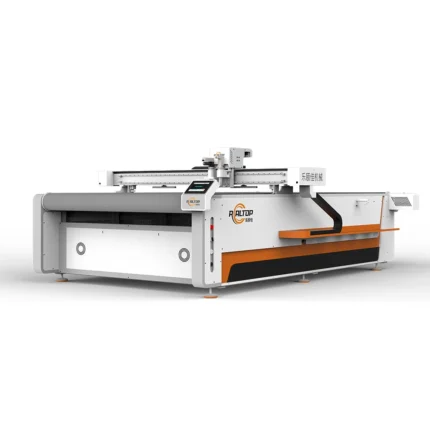
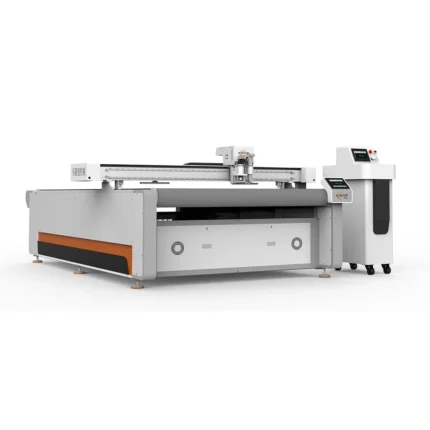
2026 Automatic PVC Tarpaulin Cutter Machine
Product Introduction
High-performance Automatic PVC Tarpaulin Cutter Machine 2026, ideal for precise and efficient cutting of PVC tarpaulin materials, designed for industrial manufacturing needs with reliable operation and user-friendly control.Product Parameters
| Model | 2026 |
| Type | Automatic PVC Tarpaulin Cutter |
| Application | PVC Tarpaulin Cutting |
| Feature | Precise & Efficient Cutting |
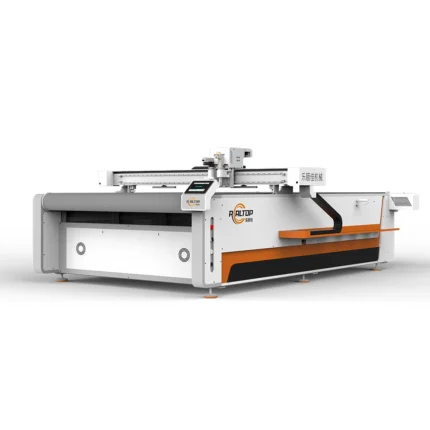
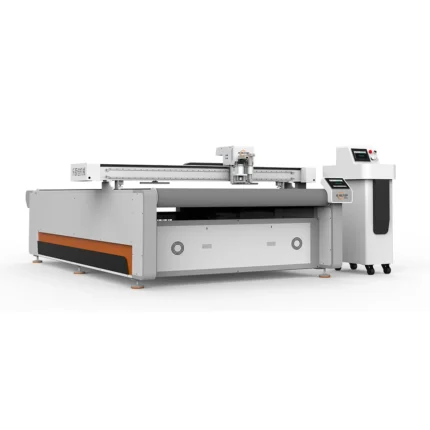
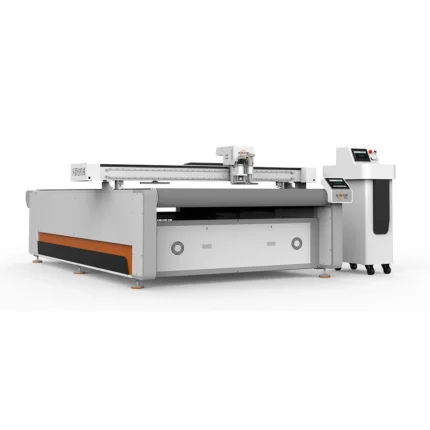
CNC Oscillating Knife Cutting Machine 2026 3000¡Á1600mm High-Speed
Product Parameters
| Model | CNC Oscillating Knife Cutting Machine 2026 |
| Working Area | 3000mm¡Á1600mm |
| Cutting Type | Oscillating Knife |
| Application | Fabric Cutting |
| Feature | High-Speed |
Introduction
High-performance CNC oscillating knife cutting machine with 3000mm¡Á1600mm working area, ideal for high-speed fabric cutting. Precision and efficiency for professional textile processing needs.
Custom CNC Shirt Fabric Cutting Machine 2026
Product Introduction
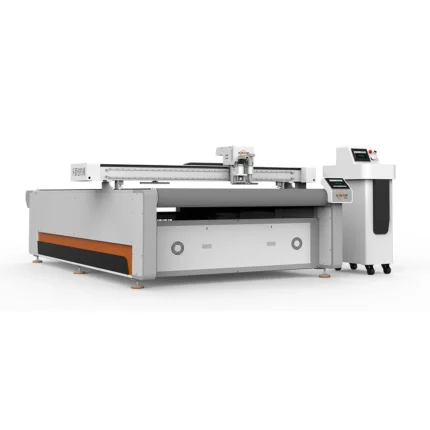
Custom CNC Shirt Fabric Cutting Machine 2026, ideal for precise fabric cutting in garment manufacturing, offering efficient and accurate cutting solutions.
Product Parameters
| Model | Custom CNC Shirt Fabric Cutting Machine 2026 |
| Type | CNC Fabric Cutting Machine |
| Application | Shirt Fabric Cutting |
| Year | 2026 |

Jinan Realtop PVC Cutting Machine 2026 CE Certified
Product Introduction
Jinan Realtop PVC Cutting Machine 2026 is a CE-certified cutting solution, ideal for precise PVC material processing. Designed for efficiency and reliability in industrial applications.Product Parameters
| Model | 2026 |
| Certification | CE Certified |
| Application | PVC Cutting |
| Manufacturer | Jinan Realtop |
Realtop CNC Fabric Cutting Machine 2026 CE Certified
Product Introduction
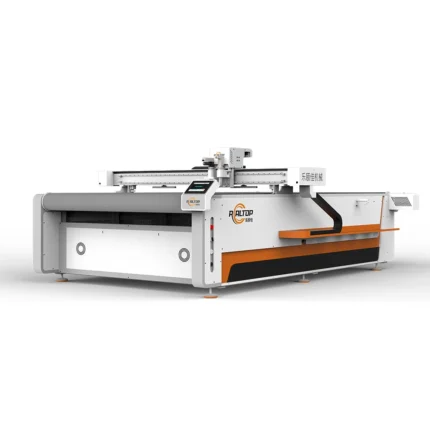
Realtop CNC Fabric Cutting Machine 2026, CE Certified, ideal for precision fabric cutting with advanced CNC technology. Engineered for efficiency and reliability in textile manufacturing processes.Key Specifications
| Model | Realtop CNC Fabric Cutting Machine 2026 |
| Certification | CE Certified |
商品评价
There are no reviews yet.