



Model Selection CNC Oscillating Knife Cutting Machine – Cardboard Box
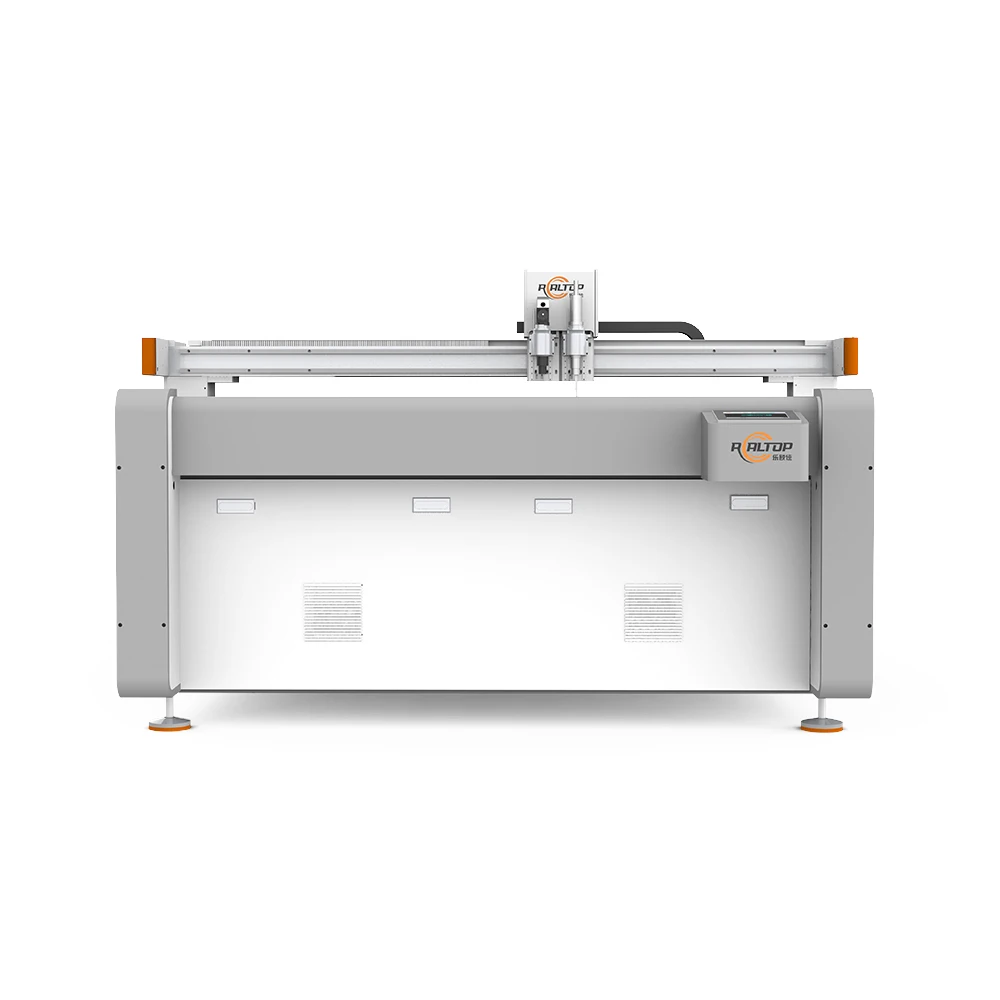
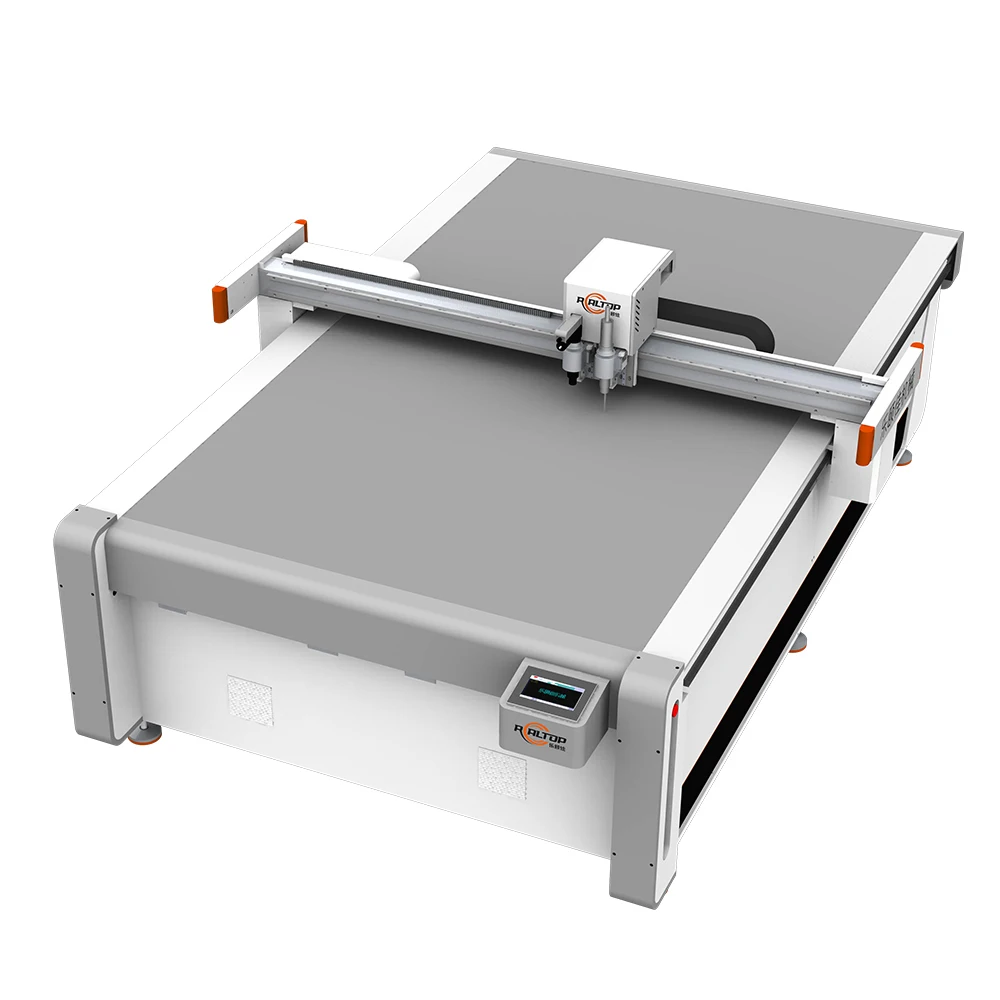
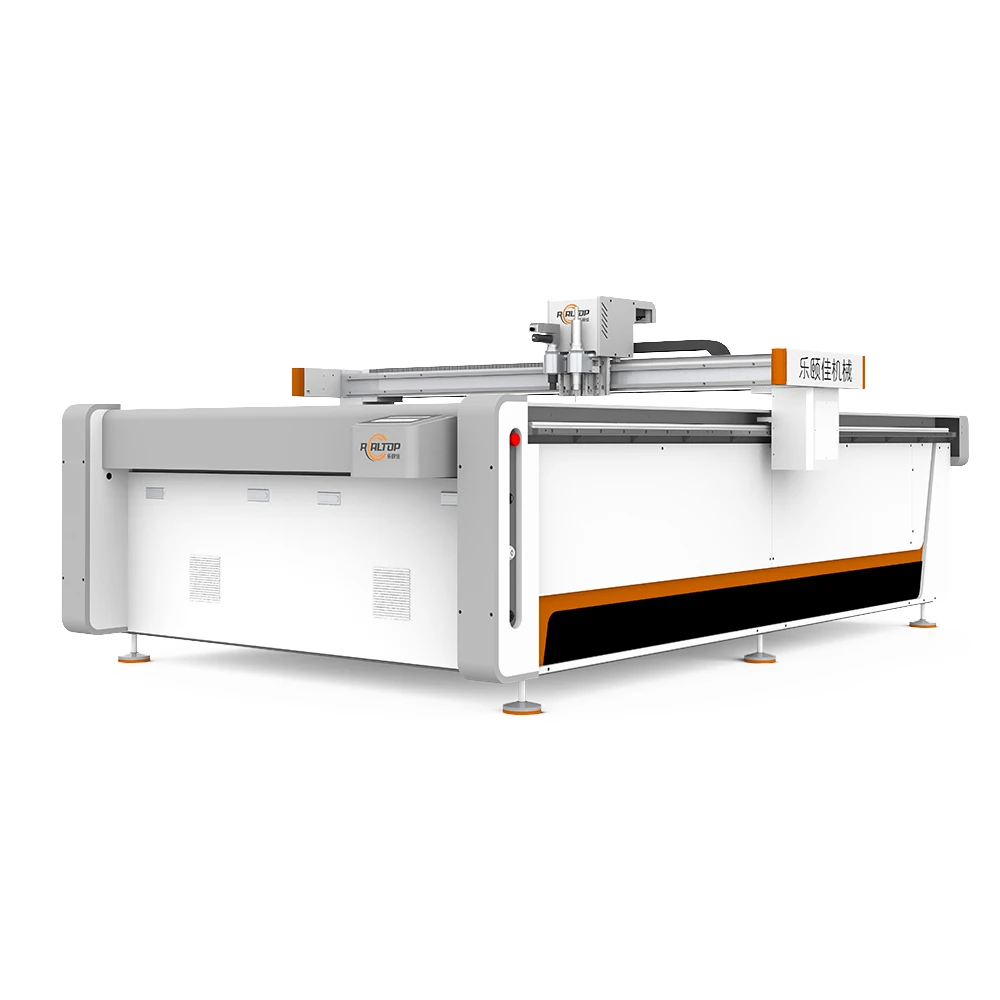
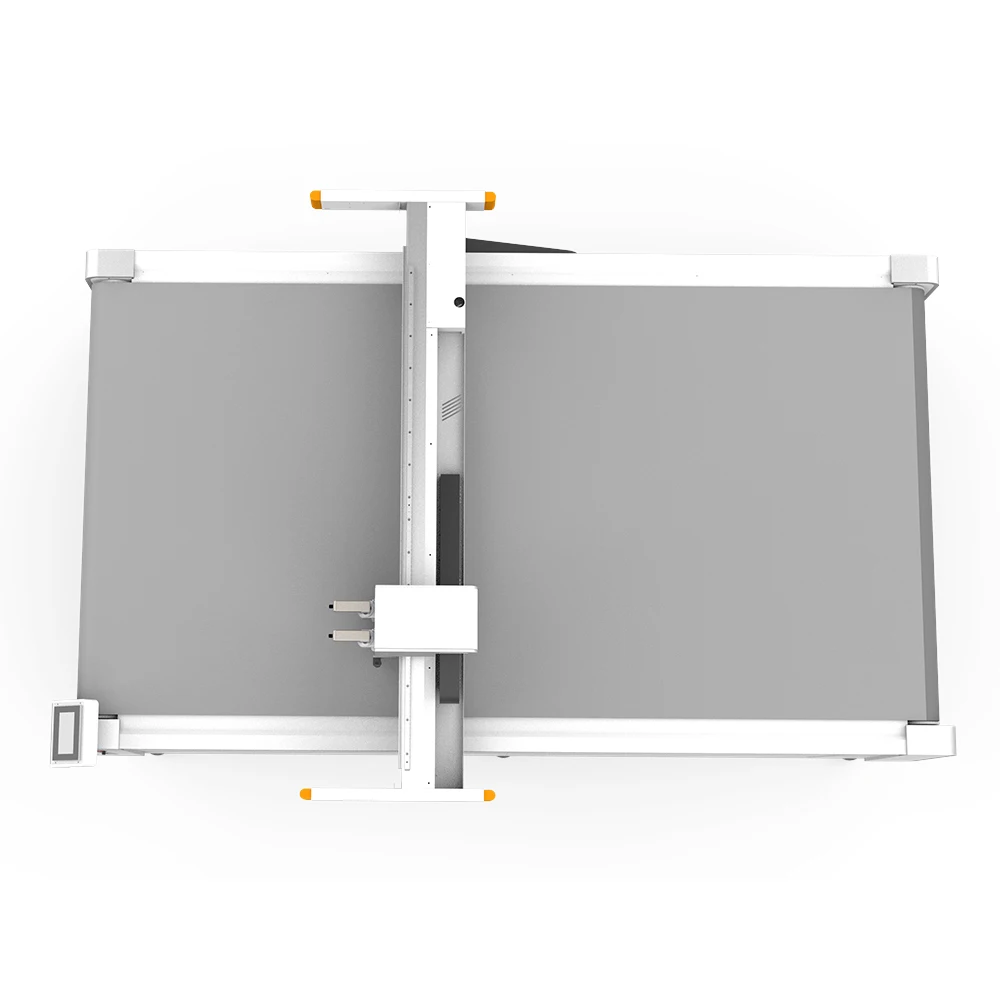
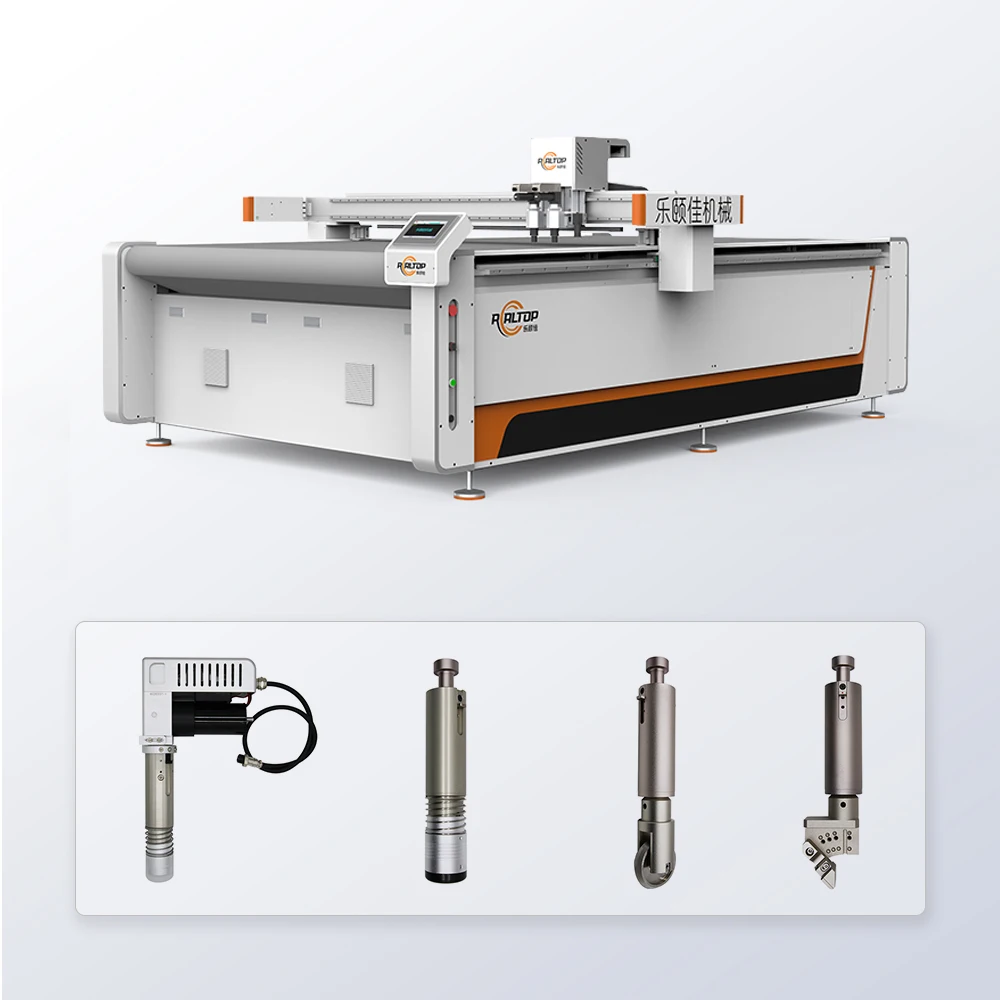
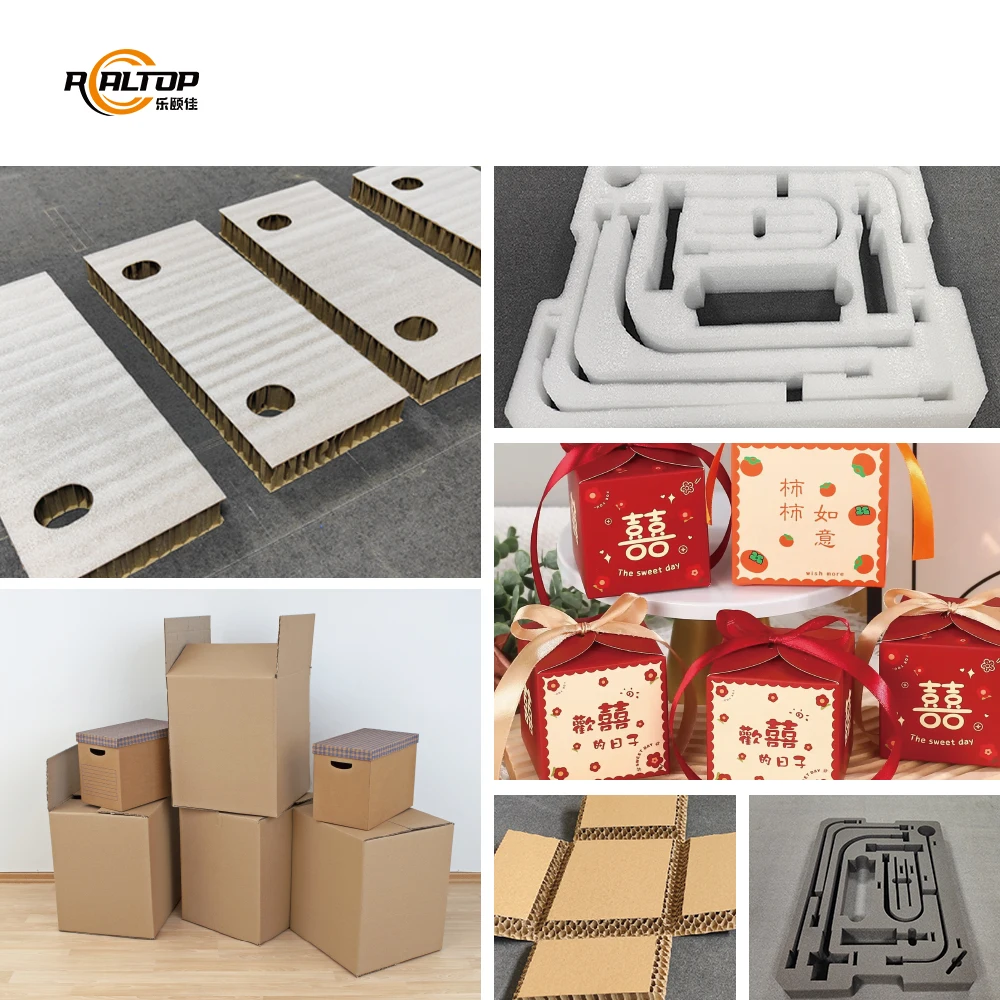
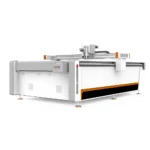
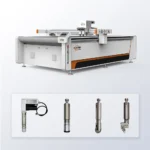
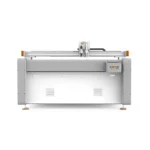
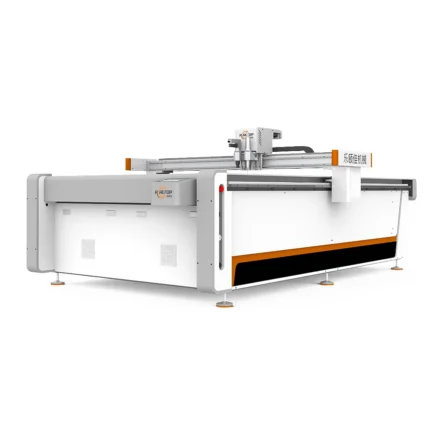
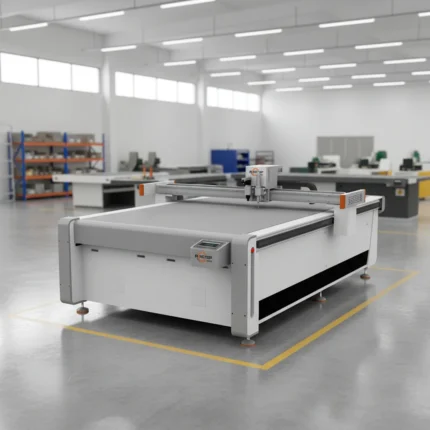
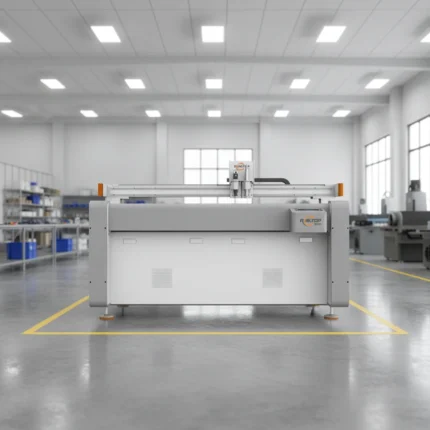
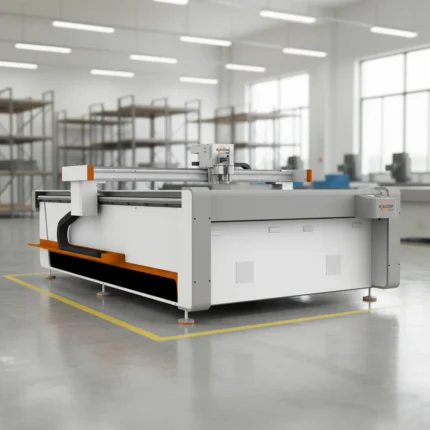
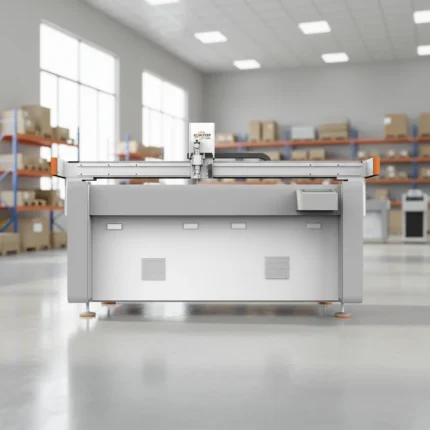
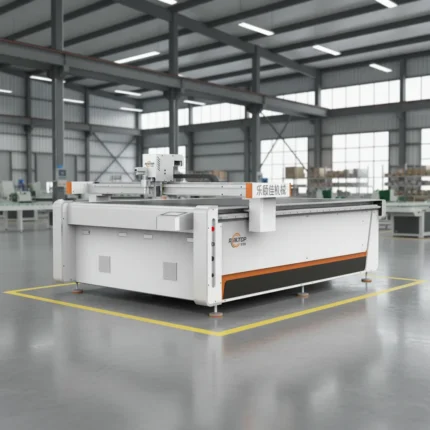
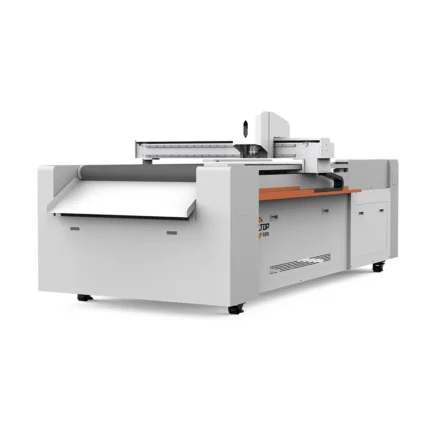
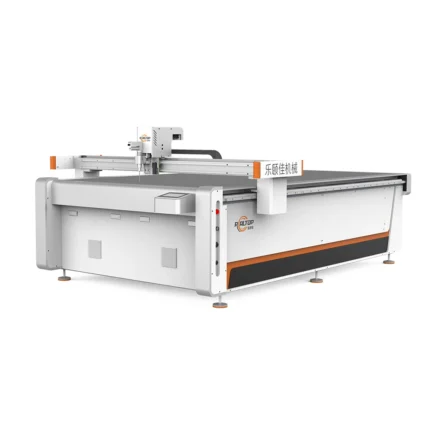
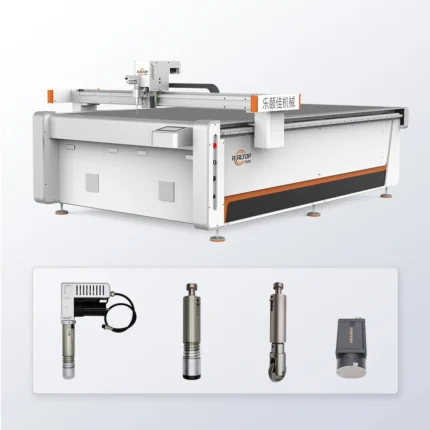
CNC Oscillating Knife Cutting Machine, 1600×2500mm, ±0.1mm Accuracy — configured with oscillating knife, creasing wheel, V-groove knife and driven rotary tools for corrugated cardboard, greyboard, foam and packaging materials. Aluminum bellows vacuum table holds small samples flat; dedicated packaging structure design software included. CE certified.
Sample cutting on your own material confirms tool head, thickness capacity and edge quality before commitment, backed by full configuration list and voltage/language verification.
Multi-Tool Versatility — Oscillating knife, creasing wheel, and V-groove knife mount on a single gantry to cut, score, and mill packaging structures without manual tool changes.
Technical Specifications
| Parameter | Value |
|---|---|
| Product Type | CNC Oscillating Knife Cutting Machine for Packaging |
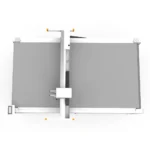
| Working Area | 1600×2500 mm |
| Tool Head Options | Oscillating knife, Driven rotary knife, Creasing wheel, Kiss cutting tool, Pneumatic knife, Milling tool, V groove knife |
| Cutting Speed | 0–1500 mm/s |
| Cutting Thickness | ≤ 40 mm (basis not stated in source — confirm material type and density) |
| Cutting Accuracy | ±0.1 mm |
| Vacuum Pump Power | 9 kW |
| Vacuum Table | Aluminum bellows vacuum table |
| Control System | PLC control panel with intuitive interface |
| Servo Motors | Panasonic, Delta, or Dorna options |
| Voltage Options | 110V, 220V, 380V (frequency not specified in source) |
| File Formats Supported | PLT, DXF, AI, PDF |
| Safety Devices | Infrared sensor device, emergency stop device |
| Language Options | English, Russian, Italian, Chinese (special languages customizable) |
| Packaging Design Software | Dedicated packaging box structure design software included |
| Machine Dimensions (L×W×H) | 3300×2100×1350 mm |
| Certification | CE |
Application Suitability
| Application | Material or Output |
|---|---|
| Corrugated carton sample making | E-flute, B-flute, BC-flute corrugated cardboard |
| Greyboard and rigid box prototyping | Greyboard, cardstock, art paper, specialty paper |
| Protective foam insert cutting | EVA foam, EPE foam, PU foam |
| Gasket and rubber pad production | Rubber mats, non-woven fabric |
| Plastic sheet packaging components | Thin plastic sheets, PVC, PET |
| Leather and synthetic inlay work | Leather, synthetic leather |
| Composite and adhesive-backed material processing | Composite materials, adhesive-backed laminates |
| Small-batch custom packaging runs | Mixed-material packaging without die tooling |
Why Material Thickness Claims Fail on the Shop Floor
Choosing a CNC oscillating knife cutting machine manufacturer based on working area alone is the most common mistake in packaging equipment procurement. The machine arrives, the operator loads five-layer double-wall corrugated, and the knife stalls or crushes the flute profile instead of slicing through it. The working area tells you nothing about cutting force, knife stroke frequency, or tool head suitability for dense board. A 1600×2500 mm bed is useless if the oscillating knife cannot penetrate the material you actually run. I have watched packaging lines sit idle for days while waiting for a heavier-duty knife head to be shipped across borders, because the initial specification conversation never moved past table dimensions [NEED_CITE: common causes of CNC cutting machine downtime in packaging operations]. The real question is what tool head matches your thickest daily material, and whether the vacuum hold-down can keep that material flat under cutting force.
Tool Head Matching for Packaging Workflows
The value of this CNC oscillating knife cutting machine manufacturer configuration lies in the seven available tool heads. Corrugated cardboard sample making typically requires the oscillating knife for through-cuts and the creasing wheel for fold lines in a single setup. When the job shifts to foam inserts for protective packaging, the driven rotary knife or pneumatic knife handles thicker EVA and EPE without compressing the cell structure. For V-groove folding carton work, the dedicated V groove knife mills a clean channel without cutting through the face stock. Each tool head mounts to the same gantry, so a packaging shop running mixed jobs does not need separate machines for cutting, scoring, and milling [NEED_CITE: tool head selection criteria for oscillating knife cutting systems].
Vacuum Hold-Down Across the Full Bed Area
The aluminum bellows vacuum table on this system provides continuous suction across the 1600×2500 mm working surface. In packaging sample making, small die-cut shapes and narrow carton flaps tend to lift under knife drag if vacuum zoning is uneven. Bellows-style channels distribute negative pressure more consistently than drilled-hole plenums, particularly when cutting nested layouts with mixed large and small parts. The 9 kW vacuum pump supports this full-surface adhesion. For thin art paper or specialty stock used in luxury packaging, adequate hold-down prevents material drift that would push cutting accuracy outside the ±0.1 mm tolerance band. Operators working short-run custom jobs benefit because they can nest diverse shapes without manually taping edges to the table.
Reading the Specifications Against Your Actual Materials
Cutting thickness is listed at ≤ 40 mm, but this figure depends entirely on material density and flute structure — a claim valid for soft EPE foam does not transfer to BC-flute corrugated or high-density greyboard. Before committing to a configuration, request a sample cutting report on your own material stock to verify clean edge quality at production speed. The cutting speed range of 0–1500 mm/s is a traverse maximum; actual throughput depends on path complexity, corner density, and the number of tool changes in the job file. File format support for PLT, DXF, AI, and PDF covers most packaging design workflows, and the included dedicated packaging box structure design software eliminates a separate licensing step. Servo motor selection across Panasonic, Delta, and Dorna allows buyers to align motion components with local service availability and spare parts supply chains in their region.
The Hidden Cost of Wrong Configuration Choices
When the vacuum table zoning is insufficient for small packaging components, parts shift mid-cut and the entire sheet is scrapped. I have seen greyboard sample runs where the creasing wheel pressure was not matched to board caliper, producing fold lines that cracked the surface instead of compressing the fiber — the box looked acceptable until the customer folded it [NEED_CITE: effects of incorrect creasing wheel pressure on paperboard]. Wrong tool head selection for foam materials produces ragged edges or crushed cells that compromise protective performance. If the control language and voltage are not confirmed before shipment, commissioning delays stretch into weeks while an electrician rewires the cabinet and the operator struggles with an unfamiliar interface.
Why Procurement Through This Channel Works
In-house design and production span both knife and laser cutting technologies, so a packaging buyer can match the cutting method to the material rather than forcing one approach across every substrate. Tool head and table configurations are specified per material type and daily volume, not quoted as a default package. The CCD camera positioning option is available for printed contour work when packaging designs require registered cuts to pre-printed graphics. Software compatibility is confirmed before order, preventing the common situation where a buyer’s existing nesting files cannot import into the machine’s controller. Voltage, plug type, and control language are locked in during the specification stage. Sample cutting on the buyer’s own material is standard before any commitment, so edge quality and cutting depth are verified on the actual stock that will run in production.
Documentation & Verification
- Machine specification sheet listing confirmed tool heads and vacuum table configuration
- Electrical schematic with voltage and frequency matched to your facility supply
- Sample cutting report produced on your corrugated or foam material before order confirmation
- Tool head and table configuration list detailing selected knife types and creasing wheel specifications
- Software licence and file format compatibility note for your existing packaging design files
- Operation and maintenance manual in your selected control language
Installation, Commissioning & Support
- Floor space planning for the 3300×2100 mm machine footprint with clearance for material loading on all sides
- Dedicated electrical circuit matching the confirmed voltage option (110V, 220V, or 380V) and 9 kW vacuum pump draw
- Assembly and leveling of the aluminum bellows vacuum table sections on-site after delivery
- First-run parameter tuning for your specific board caliper and flute profile using the PLC control panel
- Operator training on tool head changeover procedures and packaging design software workflow
- Spare parts list covering oscillating knife blades, creasing wheels, and vacuum table seals
What to Prepare Before Requesting a Quote
Send samples of the thickest and most abrasive materials you plan to cut daily, along with typical sheet dimensions and nesting layouts. Specify your facility voltage and frequency, preferred control language, and whether your existing packaging design files are in PLT, DXF, AI, or PDF format. If your production involves printed graphics requiring contour-registered cuts, note that requirement so the appropriate positioning system is included in the configuration.
Frequently Asked Questions
Q: How do I choose the right tool head for corrugated versus foam materials?
A: Corrugated cardboard typically uses the oscillating knife for clean through-cuts and the creasing wheel for fold lines. Foam inserts for protective packaging work better with the driven rotary knife or pneumatic knife to avoid compressing the cell structure. The configuration is confirmed during the specification stage based on your actual material samples, and a sample cutting report verifies edge quality before you commit.
Q: What does the 40 mm cutting thickness rating actually apply to?
A: That figure depends on material density and structure. Soft EPE foam at 40 mm cuts differently from BC-flute corrugated or high-density greyboard at the same thickness. Always request a sample cutting report on your specific material to confirm clean edge quality and achievable cutting speed before finalizing the machine configuration for your production requirements.
Q: Will the software accept my existing packaging design files?
A: The system supports PLT, DXF, AI, and PDF file formats, and dedicated packaging box structure design software is included with the machine. Before order confirmation, software compatibility is verified against your existing file library and nesting workflow to prevent import failures during commissioning. This is documented in the software licence and file format compatibility note.
Q: Can the vacuum table hold small packaging sample pieces flat during cutting?
A: The aluminum bellows vacuum table distributes suction across the full 1600×2500 mm surface rather than relying on simple drilled-hole zoning. This design helps keep small nested shapes and narrow carton flaps from lifting under knife drag. For very small parts in thin stock, the configuration is reviewed during specification to ensure adequate hold-down for your specific nesting layouts.
Q: How does knife cutting compare to laser for packaging materials?
A: Knife cutting produces no burned edges, no heat-affected zones, and no fume extraction requirements — critical for corrugated cardboard, greyboard, and foam where thermal damage compromises structural integrity or appearance. Laser cutting serves different materials and applications. Your material type and edge quality requirements determine which method is appropriate, and both technologies are available through the same production facility for direct comparison.


Related products
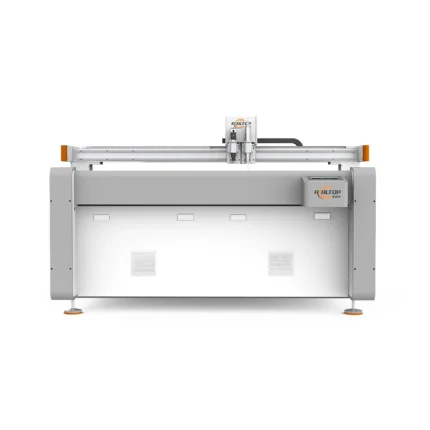
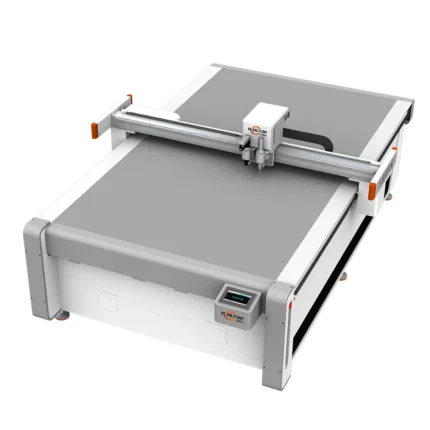
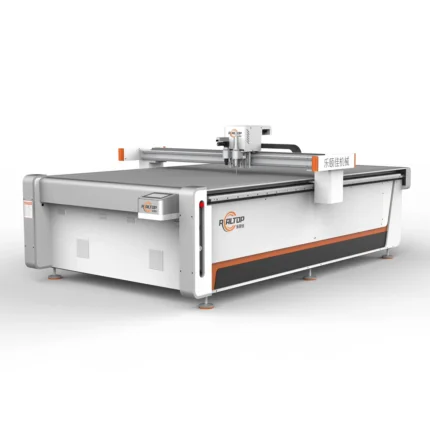
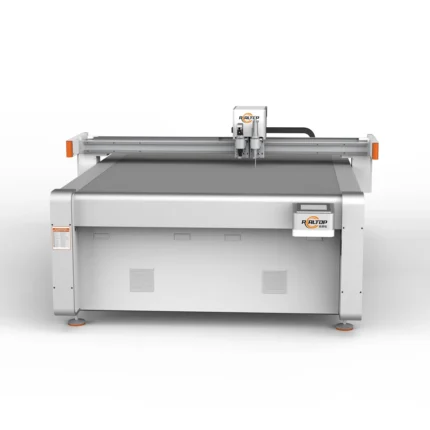
Automatic Digital Cardstock Cutter 2026 CNC Cutter
Product Introduction
Automatic Digital Cardstock Cutter 2026 is a CNC cutting machine ideal for white cardboard and kraft paper. It offers precise and efficient cutting performance, suitable for various paper processing needs in manufacturing and craft applications.Key Specifications
| Type | CNC Digital Cutting Machine |
| Material Compatibility | White Cardboard, Kraft Paper |
| Operation | Automatic |
| Application | Paper Cutting & Processing |

CNC Flatbed Oscillating Knife Cutting Machine 2026
Product Introduction
High-performance CNC Flatbed Oscillating Knife Cutting Machine 2026, ideal for precision cutting of various materials with advanced oscillating knife technology, ensuring efficient and accurate operations for industrial manufacturing needs.Specifications
| Model | 2026 |
| Type | CNC Flatbed Oscillating Knife Cutting Machine |

商品评价
There are no reviews yet.