






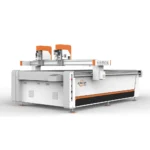


Revolving Blade Vertical CNC Foam Cutter 2026 | OEM Available
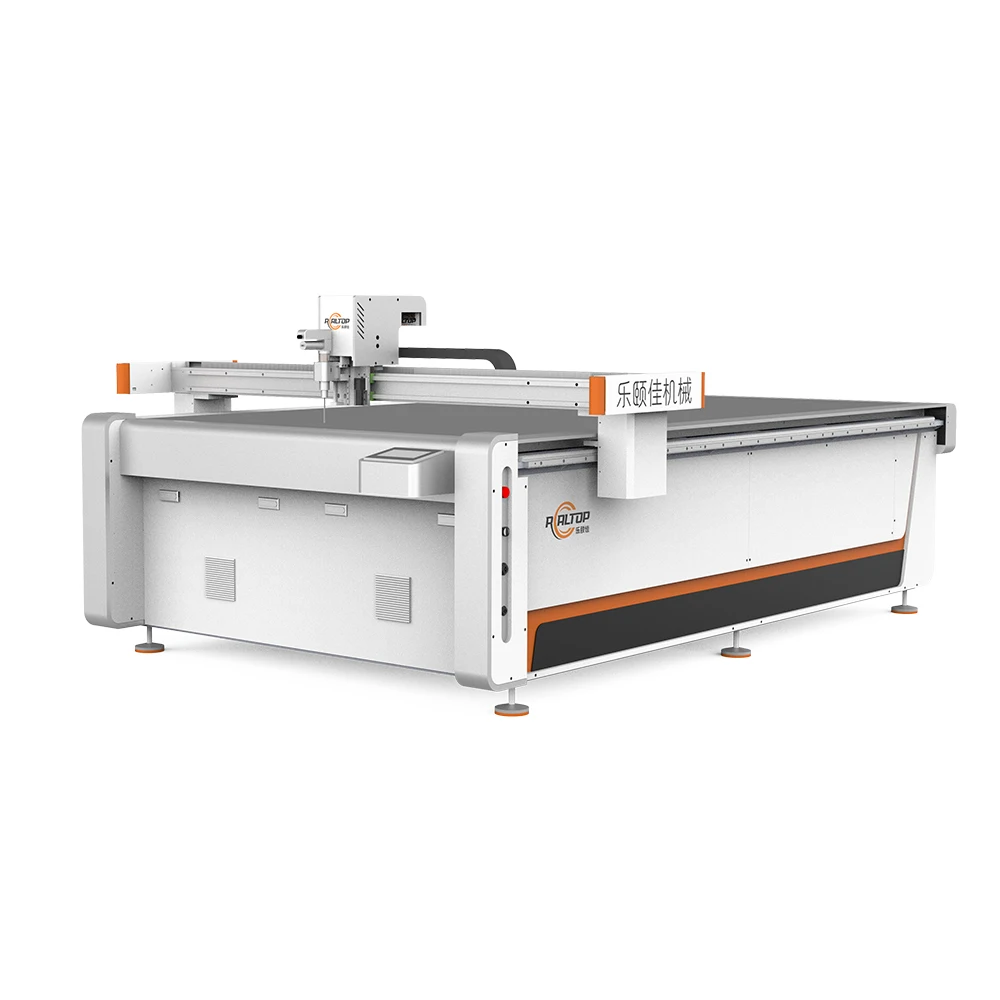
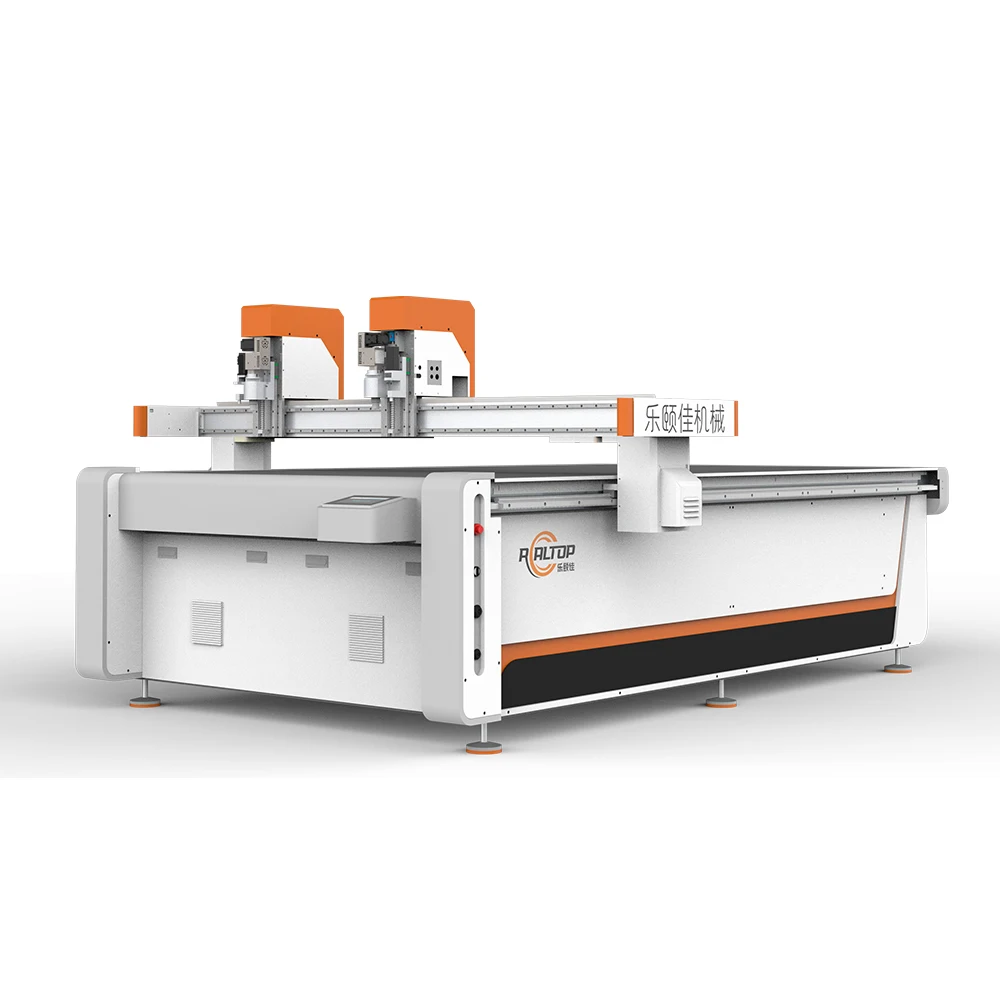
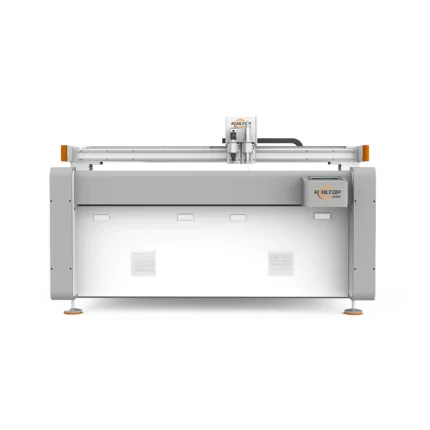
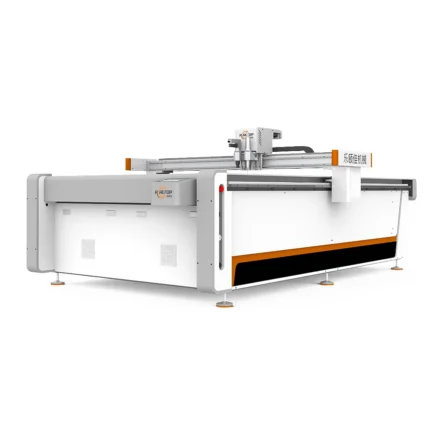
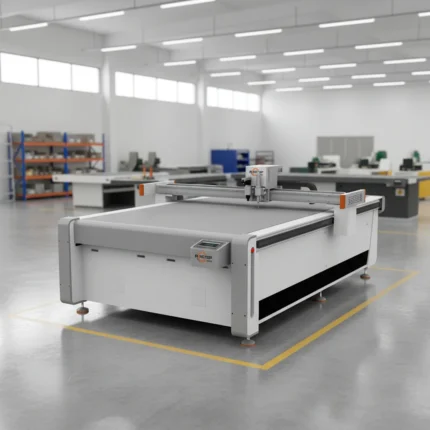
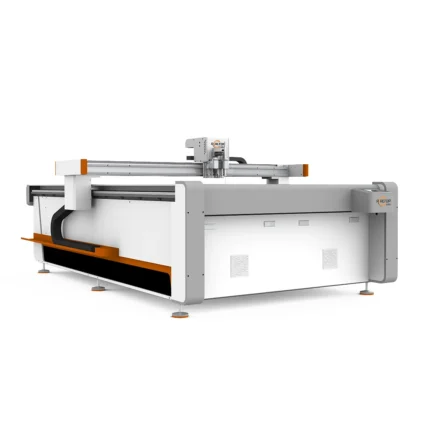
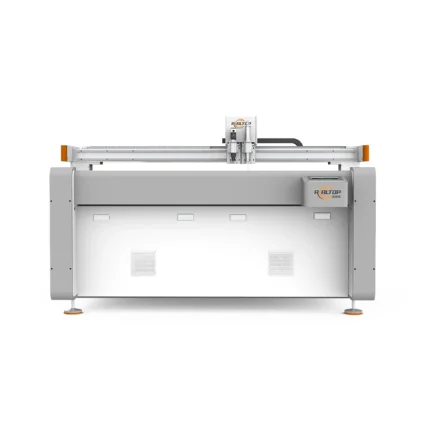
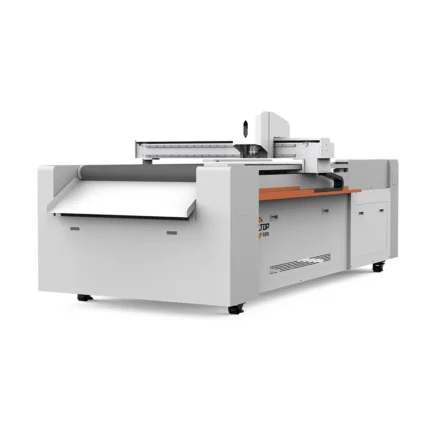
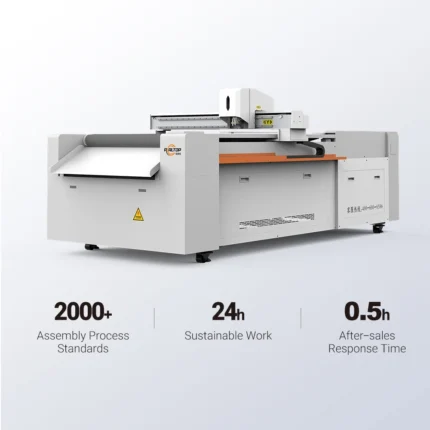
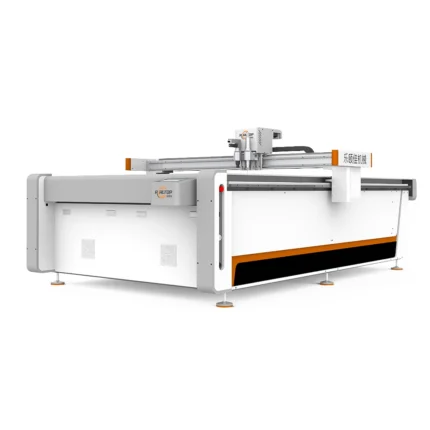
Revolving Blade Vertical CNC Foam Cutter 2026 | OEM Available — configured with 1625 model oscillating knife cutting system, 1600×2500mm working area, and 9KW vacuum adsorption for stable composite material processing.
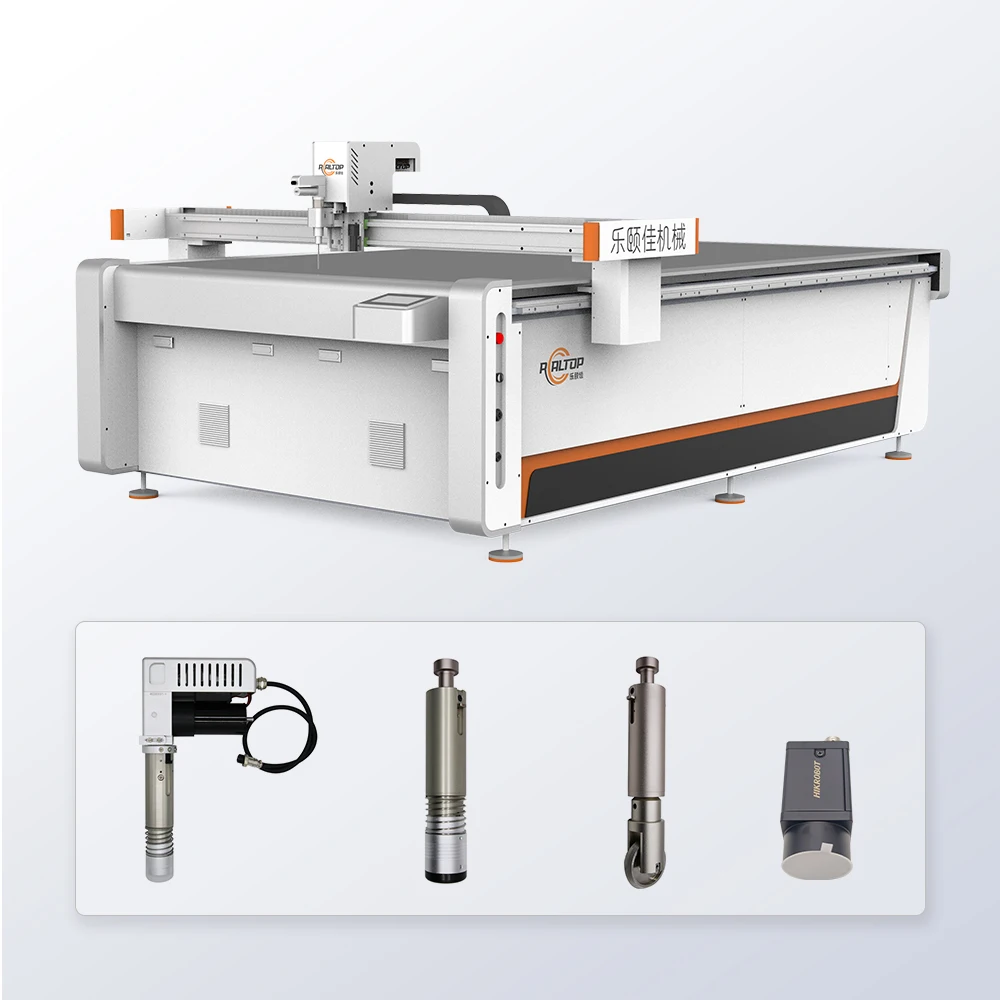
Cold-cutting eliminates thermal damage to carbon fiber prepreg, aramid honeycomb, and acoustic insulation foam, maintaining structural integrity where laser processing would char edges or generate toxic fumes. Multiple tool heads handle everything from soft fiberglass cloth to rigid G10 epoxy boards with ±0.1mm accuracy.
Sample cutting on your specific material confirms edge quality and cycle time before commitment, with tool head configuration matched to your production requirements and voltage/language customization verified before shipment.
Cold-Cutting Process — preserves structural integrity of carbon fiber prepreg and aramid honeycomb by eliminating thermal stress, melting, and harmful fumes associated with laser processing.
Technical Specifications
| Parameter | Value |
|---|---|
| Product Type | CNC Oscillating Knife Cutting Machine |
| Working Area | 1600×2500 mm |
| Tools Available | Oscillating knife, Driven rotary knife, Creasing wheel, Kiss cutting tool, Pneumatic knife, Milling tool, V groove knife |
| Applicable Materials | Fabric, Cardboard, Carton, Mats, PVC, EVA, Leather, Acrylic, Foam, PTFE, Rubber |
| Cutting Speed | 0–2000 mm/s |
| Cutting Thickness | ≤ 30 mm |
| Cutting Accuracy | ±0.1 mm |
| Vacuum Pump | 9 kW |
| Voltage Options | 110V, 220V, 380V (configurable) |
| Profile Format | PLT, DXF, AI, PDF |
| Safety Device | Infrared sensor device and emergency stop device |
| Machine Size | 3300×2100×1350 mm |
| Control System | PLC control panel (source value — verify specific controller brand/model) |
| Servo Motor Options | Panasonic, Delta, Dorna (source value — verify standard vs optional) |
| Language Options | English, Russian, Italian, Chinese (customizable) |
| Certification | CE (verify certificate details) |
Application Suitability
| Application | Material or Output |
|---|---|
| Aerospace component manufacturing | Carbon fiber prepreg, aramid honeycomb, fiberglass cloth, thermal and acoustic insulation foam |
| Automotive interior and rail transit | Carbon fiber covers, FRP, interior composites, acoustic felt, carpets, damping pads |
| Wind power and new energy blade production | Fiberglass cloth, carbon fiber cloth, vacuum infusion mesh, foam core materials |
| Sporting goods and leisure equipment | Carbon fiber sheets and fabric, Kevlar, high-performance foam, composite fabrics |
What "Thermal Damage" Really Costs Your Composite Parts
Laser cutting melts, chars, and delaminates; oscillating knife cuts cold and leaves the matrix intact.
When aerospace or automotive shops process carbon fiber prepreg, aramid honeycomb cores, or multi-layer acoustic felt, thermal cutting methods introduce heat-affected zones that compromise resin bonding and fiber alignment. I have seen production floors where laser-cut composite edges required secondary grinding just to remove char, adding time and exposing operators to particulate dust [NEED_CITE: thermal degradation mechanisms in carbon fiber composites]. The oscillating knife approach on the 1625 eliminates that thermal load entirely, preserving the mechanical properties that composite engineers specify these materials for in the first place.
Edge Quality Without Heat-Affected Zones
Physical blade cutting severs fibers and resin at ambient temperature, so there is no melted edge, no discoloration, and no delamination at the cut boundary. The laser cutting and engraving machine manufacturer approach works well for acrylic and wood, but composite laminates demand a cold process that leaves fiber ends clean and ready for bonding or layup without secondary finishing.
Tool Head Selection Drives Material Compatibility
The 1625 accommodates an oscillating knife for dense composites, a driven rotary knife for fabrics, a creasing wheel for carton and packaging substrates, and a V groove knife for foam channel work. This interchangeability means a single platform handles carbon fiber boards on one run and EVA foam gaskets on the next, without forcing one cutting method across materials that behave differently under stress.
Vacuum Adsorption Across Large Formats
The 9 kW vacuum pump paired with the 1600×2500 mm aluminum table surface holds large sheets of fiberglass cloth and foam core material flat during high-speed traverses. Without adequate hold-down, thin prepreg layers shift under the knife head, producing dimensional errors that compound across nested parts [NEED_CITE: vacuum hold-down requirements for flexible composite sheets]. Zoning the table into sections lets operators secure smaller offcuts without losing suction across the entire bed.
Reading the Specifications That Matter
Cutting speed of 0–2000 mm/s defines the upper travel rate, but actual throughput depends on material density, thickness, and nesting complexity — a 30 mm EVA foam sheet will cut slower than a single-layer fiberglass veil. The ±0.1 mm accuracy specification reflects positioning repeatability under servo control, which is critical when aerospace templates must register with drilled hole patterns downstream. Voltage configurability across 110V, 220V, and 380V means the 1625 can match local three-phase or single-phase supplies without external transformers, reducing installation complexity. File format support for PLT, DXF, AI, and PDF covers most CAD and nesting workflows used in composite part programming, though buyers should confirm that their specific nesting software exports cleanly into these formats before committing to production [NEED_CITE: CAD file format interoperability in CNC cutting].
The Hidden Cost of Wrong Tooling Choices
Choosing a drag knife for carbon fiber board produces frayed edges and delaminated layers that fail visual inspection. Running a standard oscillating blade through high-density foam at full speed can crush the cell structure along the cut line, leaving a compressed groove instead of a clean channel. I once watched a packaging line lose an entire batch of EVA inserts because the knife pressure was set for EPE foam — the blade scored the surface without cutting through, and the material bounced back leaving only a white crease. Matching tool head, oscillation frequency, and downforce to the specific composite or foam grade prevents scrap that shows up only after the nest is fully cut [NEED_CITE: tool selection guidelines for composite CNC cutting].
Why Source This Machine Here
In-house design covers both knife and laser cutting technologies, so the 1625 configuration reflects genuine process knowledge rather than generic catalogue assembly. Tool head and table setup is specified per material and production volume, confirmed with sample cutting on the buyer’s own composite stock before the order is finalized. CCD camera positioning is available for printed contour work on laminated sheets where registration marks guide the cut path. Software compatibility is verified against the buyer’s existing nesting and CAD files during the pre-order stage, not after the machine arrives. Voltage, control language, and documentation are customized to the destination market before shipment.
Documentation & Verification
- Machine specification sheet confirming tool head and vacuum table configuration for your material
- Electrical schematic with voltage and phase verified against your facility supply
- Sample cutting report on your composite stock showing edge quality and dimensional accuracy
- Factory test record documenting cutting cycle on your specified material thickness
- Software licence and file format compatibility note for your nesting workflow
- Operation and maintenance manual with tool change procedures and spare parts list
Installation, Commissioning & Support
- Foundation must support the 3300×2100×1350 mm footprint with level concrete and anchor provisions
- Dedicated circuit matching confirmed voltage (110V, 220V, or 380V) with proper grounding and breaker rating
- Machine ships in modular sections; table frame and gantry require on-site assembly and alignment
- First-run commissioning includes servo tuning, vacuum zone mapping, and knife depth calibration on your material
- Operator training covers tool head swaps, nesting import from PLT or DXF files, and PLC panel navigation
- Spare blades, knife holders, and vacuum seals included; wear schedule provided per material type
Before You Request a Quote
Specify the composite material type, laminate thickness, and sheet dimensions you will process most frequently. Include your local voltage and frequency standard along with preferred control language for the PLC panel. If your existing workflow uses a particular nesting software, confirm the file export format so compatibility can be verified on sample cuts before production begins.
Frequently Asked Questions
Q: How does oscillating knife cutting compare to laser for composite edge quality?
A: Knife cutting severs fibers mechanically without heat, avoiding melted edges, char, and delamination common with laser processing. This preserves resin bonding and fiber alignment at the cut boundary. The result is a clean edge ready for bonding or layup without secondary grinding or sanding.
Q: What tool head should I use for carbon fiber prepreg versus EVA foam?
A: Carbon fiber prepreg typically requires a high-frequency oscillating knife with a carbide blade to shear fibers cleanly without delamination. EVA foam works best with a sharper oscillating blade at adjusted downforce to prevent cell crushing. Confirm your material grade and thickness so the correct tool configuration is specified before shipment.
Q: Can the vacuum table hold small nested parts without lifting?
A: The 9 kW vacuum system can be zoned into sections so that suction concentrates under smaller parts rather than spreading across the entire 1600×2500 mm surface. This prevents thin prepreg sheets and foam offcuts from lifting during high-speed knife traverses. Zone layout is confirmed during the sample cutting stage based on your nesting pattern.
Q: Is my nesting software compatible with the control system?
A: The system imports PLT, DXF, AI, and PDF files directly. Compatibility with your specific nesting software is verified before order confirmation by exchanging sample files and running test cuts. If your workflow uses a proprietary format, an export test is conducted during the pre-order sample stage to ensure clean data transfer.
Q: Can I see sample cutting on my material before committing?
A: Sample cutting on your actual composite material is standard procedure before order finalization. The sample report documents edge quality, dimensional accuracy, and cycle time for your specific laminate or foam grade. This eliminates guesswork about whether the configured tool head and vacuum setup will perform in your production environment.


Related products
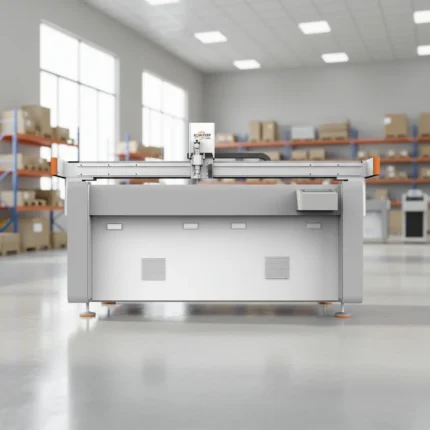
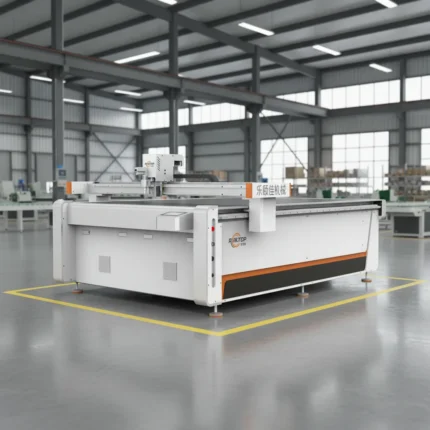
Automatic Die-less Cardboard Vibrating Knife Cutter 2026
Product Introduction
Automatic Die-less Cardboard Vibrating Knife Cutter 2026, a precision cutting solution for cardboard materials, featuring advanced die-less technology for efficient and flexible cutting operations. Ideal for various cardboard processing needs in manufacturing and packaging industries.Key Specifications
| Model | 2026 |
| Type | Automatic Die-less Cutter |
| Cutting Tool | Vibrating Knife |
| Material | Cardboard |
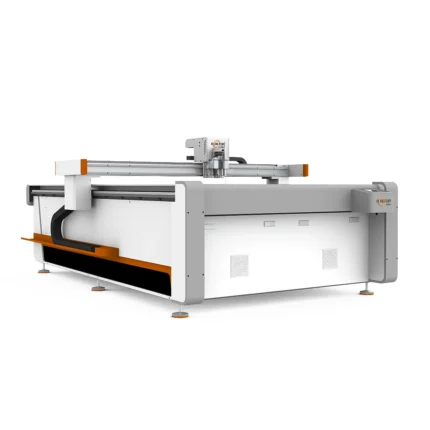
CNC Flatbed Cutter 2026 Digital Corrugated Box Making Machine
Product Introduction
High-precision CNC flatbed cutter designed for efficient cardboard box production. Ideal for 2026 digital corrugated box manufacturing, offering precise cutting and reliable performance for professional packaging solutions.
Key Specifications
| Type | CNC Flatbed Cutter |
| Application | Cardboard Box Production |
| Technology | 2026 Digital System |
| Material | Corrugated Board |

CNC Flatbed Oscillating Knife Cutting Machine 2026
Product Introduction
High-performance CNC Flatbed Oscillating Knife Cutting Machine 2026, ideal for precision cutting of various materials with advanced oscillating knife technology, ensuring efficient and accurate operations for industrial manufacturing needs.Specifications
| Model | 2026 |
| Type | CNC Flatbed Oscillating Knife Cutting Machine |

Digital Box Cutter 2026 Oscillating Knife Cardboard Cutter
Product Parameters
| Model | Digital Box Cutter 2026 |
| Cutting Type | Oscillating Knife |
| Material | Corrugated Cardboard |
Introduction
Professional oscillating knife cutting machine for corrugated cardboard. Ideal for precise, efficient cutting in packaging production. Reliable performance from China's leading welding & cutting equipment manufacturer.


Digital CNC Cardboard Cutting Machine 2026
Product Introduction
High-precision Digital CNC Cardboard Cutting Machine 2026, ideal for efficient cardboard processing with advanced CNC technology, ensuring precise and fast cutting performance for various packaging and craft applications.
Key Specifications
| Model | 2026 |
| Type | Digital CNC Cutting Machine |
| Material | Cardboard |
| Feature | High Precision, Efficient Cutting |

商品评价
There are no reviews yet.